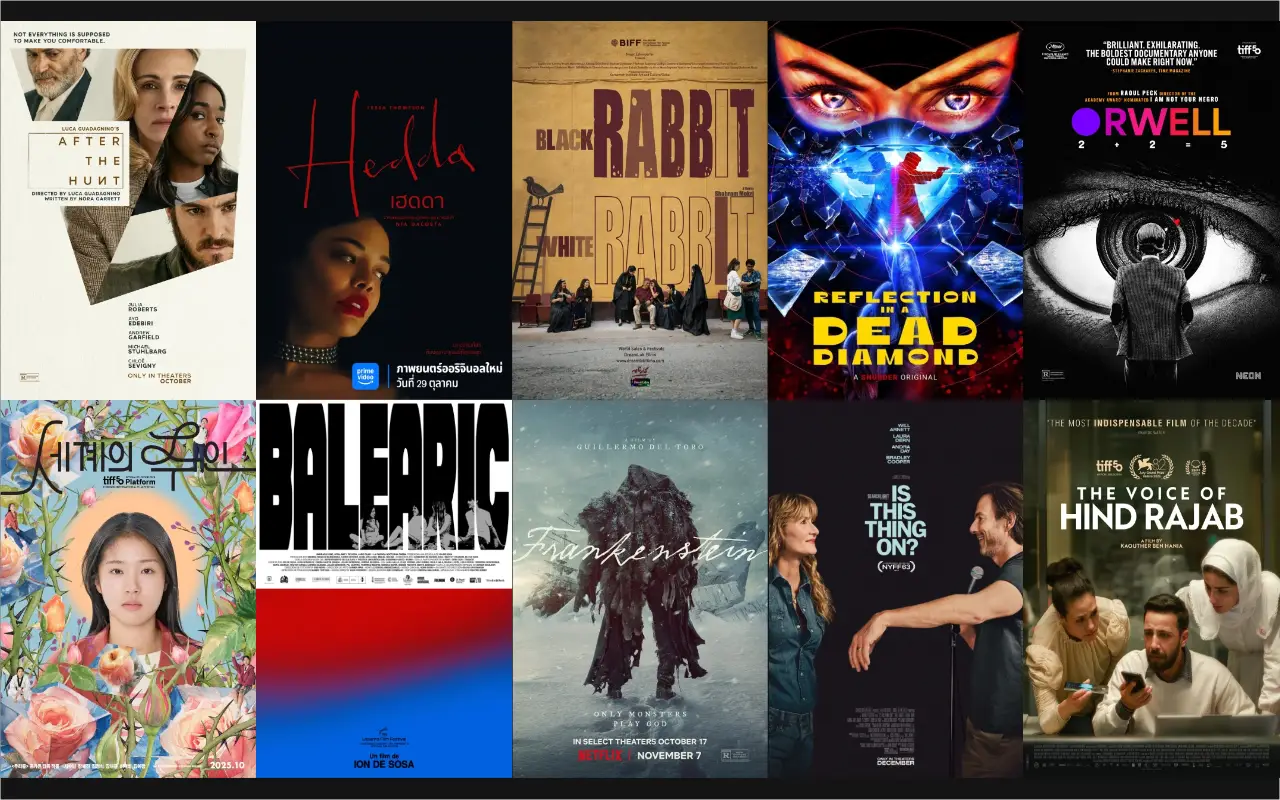
We continue our cinematic journey through the highlights of Cannes, Venice and London 2025 with the second instalment of this three-part series.
If the first chapter introduced ten diverse and emotionally rich works, this second part delves into even more complex terrain: power, trauma, identity, morality, dark humour and unapologetic boldness.
An invitation to keep exploring the mosaic of perspectives defining this year’s international cinema.
Here we look at films 11 to 20, titles distinguished by their performances, their ability to confront discomfort and their remarkable sensitivity.
Psychological dramas, literary reinterpretations, formal experiments, true stories pushed to the limit and essential testimonies —ten films that confirm we are witnessing a cinematic season like no other.
After the hunt
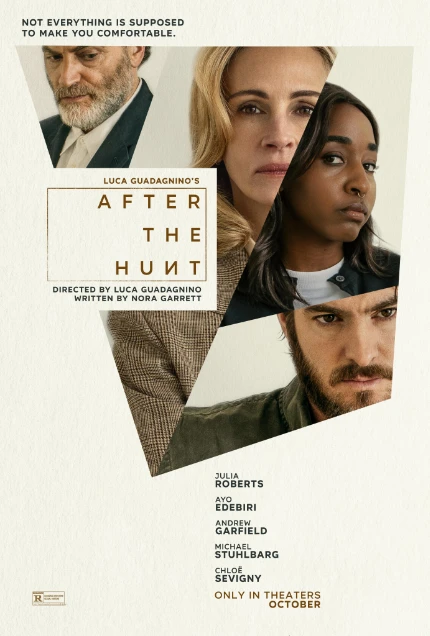
After the Hunt brings together Julia Roberts and Andrew Garfield in a tense, intelligent drama set within Yale’s elite academic world.
When a PhD student — privileged, outspoken, and the daughter of a billionaire donor — accuses a young professor, a close friend of Roberts’ character, of rape, the campus erupts.
The case exposes layers of class, race, and entitlement that no one wants to confront. The student’s own plagiarism complicates the picture, turning her crusade against the patriarchy into something murkier and more self-serving.
Roberts is superb as Ava, a professor balancing loyalty and guilt, intellect and instinct. Her performance carries a quiet ache — a woman who sees the truth yet hesitates to face it.
Garfield gives steady support, his calm presence sharpening the film’s tension.
Less a thriller than a moral puzzle, After the Hunt lingers on how reputations are built, broken, and protected. It’s measured, unsettling, and quietly powerful — much like Roberts herself.
Hedda
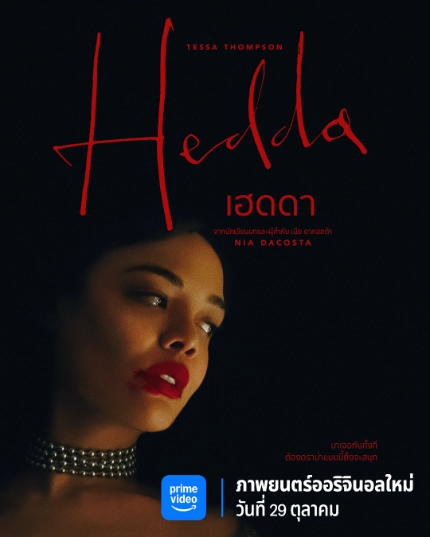
With superb performances from Tessa Thompson as Hedda Gabler, Imogen Poots as Thea Clifton, and Nina Hoss as Eileen Lovborg, this reimagining of Ibsen’s classic breathes both venom and velvet into the 19th-century tale.
Thompson’s turn as Hedda is magnetic — she plays the role like a purring, vicious cat, echoing the elegance and danger of Eartha Kitt, only to unravel into something far deadlier — a venomous black mamba coiled in silk.
Born a half-coloured bastard to a general of high society, Hedda is both adored and never quite accepted — daddy’s pretty girl raised on the illusion of belonging. Her life becomes a feverish dance to maintain privilege, a constant manipulation of people and fate to keep her fragile power intact.
The film’s style is as sharp as its heroine. Every frame hums with the elegance of its period — the fashion, the music, the decor — all whispering the same truth: beauty can be a weapon.
Hedda, competing at this year’s London Film Festival, stands out as one of the few contenders bold enough to merge psychological theatre with cinematic seduction. It’s got claws — and a few good fighting points to win this year.
Black Rabbit, White Rabbit
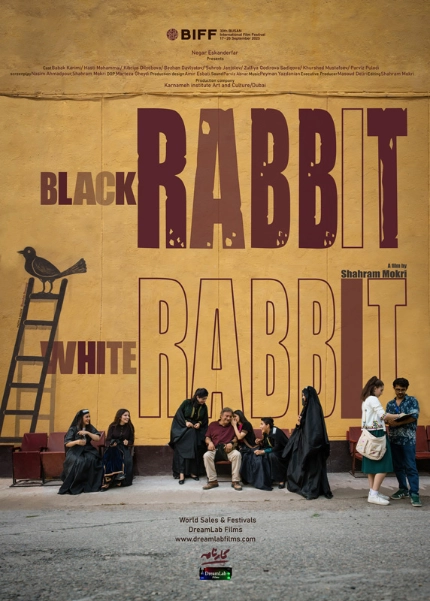
The film opens with scenes of shooting a film — or perhaps shooting scenes within a film, about shooting the film itself. It loops endlessly, blurring what’s real, what’s staged, and what’s imagined. Mokri builds a dizzying hall of mirrors where each take folds back into another, until the viewer can’t tell whether they’re watching the story, the making of it, or both collapsing together.
Inside that chaos, the film being shot turns out to be a kind of fantasy — one where props move and even speak, and the leading lady seems to wield uncanny powers. It’s playful, almost absurd, and it adds a strange magic to the otherwise cerebral structure.
Some will find Mokri’s experiment ingenious: a mind game about cinema itself. Others might tire of its repetition, the endless layers that tease meaning without ever settling on one. But there’s no denying the craft — and the nerve — behind it. Black Rabbit, White Rabbit challenges the patience as much as it rewards curiosity.
You leave unsure of what you’ve watched, but certain you’ve witnessed something only Mokri could pull off.
Reflection in a dead diamond
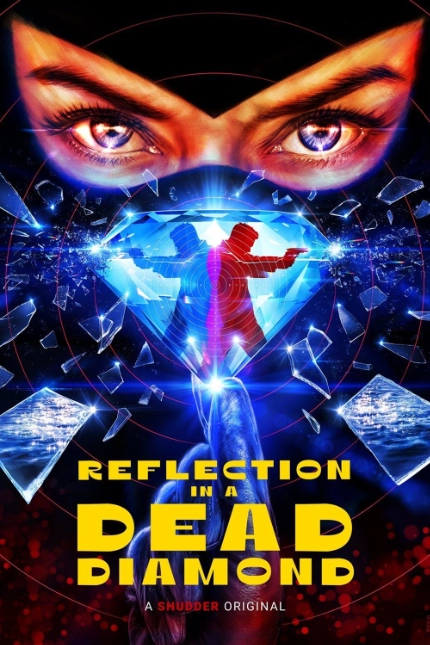
This high-octane, non-stop action flick feels like a piss-take — a trippy, tongue-in-cheek spin on a James Bond film on acid. It’s got that slick European retro cool, all irony and attitude to spare.
But the style starts looping in on itself — same gags, same chases, same smirks — until it feels stretched thin.
Honestly, it might’ve hit harder as a sharp, stylish short rather than dragging its swagger through a full feature run.
Orwell: 2+2=5
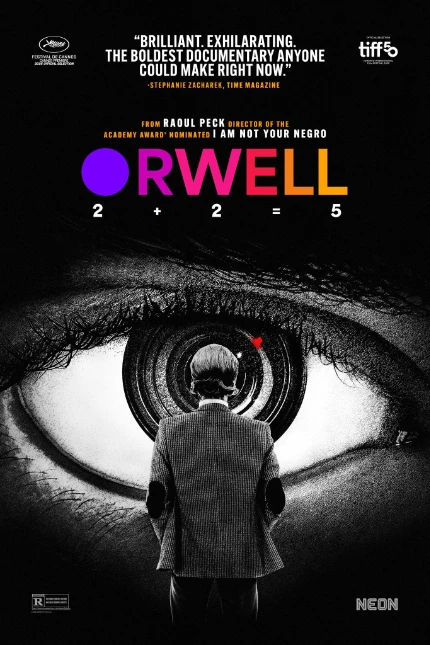
A reflective analysis on history, politics, and the shifting truths of our society — seen through the eyes of a humbled Eton boy, arriving at a quiet realization, an enlightenment of life’s deeper sensibilities.
A tapestry of moments — drawn from political archives and fragments of cinema — woven together with intelligence and intent, forming a meditation on power, perception, and the fragile balance between belief and reality.
The world of love
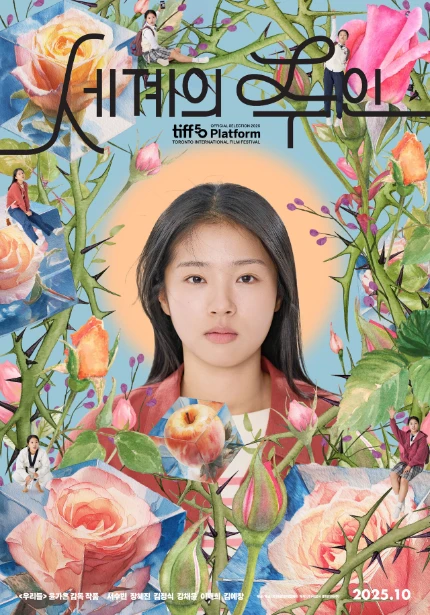
How does a young person live with trauma born from something as devastating as sexual assault in early childhood?
Director Yoon Ga-eun approaches this question with calm and compassion — never in tragedy, never in excess, but with a quiet steadiness that allows the story to breathe.
The film follows young girls who were assaulted as children, tracing how they carry that past while learning to live, to heal, and to inspire others who share similar pain.
It offers a sense of hope — a reflection for anyone who has endured such darkness, showing that through acceptance and understanding, one may grow stronger and continue on with a measured, reasonable grace.
A Korean drama of remarkable restraint, it faces the gravest wounds with gentleness, revealing the quiet power of endurance.
Balearic
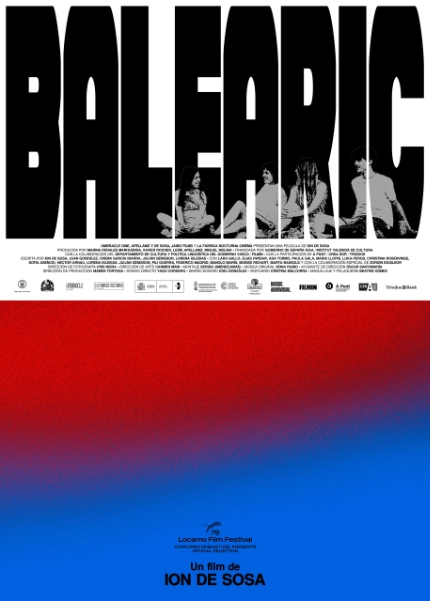
Ion de Sosa’s Balearic slips into that current wave of filmmaking that feels like a revival — or perhaps a reinvention — of the 1970s European noir and cult cinema. That grainy, stylised B-movie texture where everything — from the lighting to the cut of a jacket — feels deliberately composed, studied, and almost too perfectly imperfect.
There’s a certain irony in this trend: a love letter to the cinema of excess, but executed with restraint and intelligence. The editing, the mood, even the artificiality — all finely tuned to evoke that nostalgic dissonance.
Such films aren’t always meant to be taken seriously; they exist in that delicious space between homage and parody. Balearic fits there — playful, stylish, sometimes absurd, yet entirely self-aware. An antithesis to the overly serious festival fare.
De Sosa’s choice of casting amateur actors is part of the charm — their raw, unpolished presence adds an authenticity that completes the illusion, perfectly aligned with this seemingly new cult B-movie trend.
Frankenstein
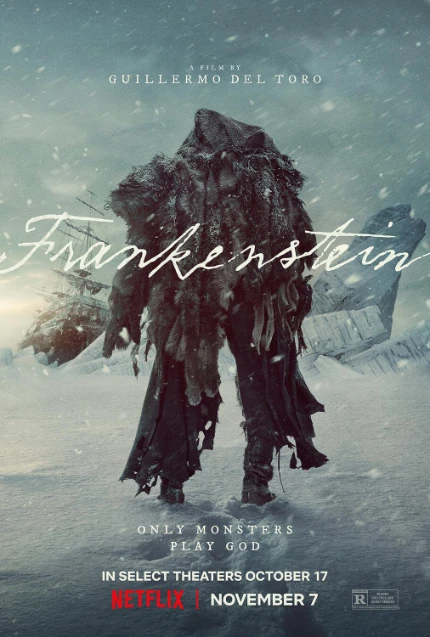
From beginning to end, Guillermo del Toro delivers a film of dark beauty — a vision both tragic and tender. It’s less about the monster and more about what creates one.
The atmosphere breathes with gothic grace, every frame designed with the precision of a painter, yet alive with emotion.
Del Toro brings a new angle to the Frankenstein story — one with deeper reflection on life, death, and creation. He reaches beyond the familiar tale to explore what it truly means to be human, what it means to be a monster, and how innocence can survive even within the darkest soul.
This is a film of feeling as much as form — where intellect meets compassion, and the beauty of empathy becomes its quiet centre. Perhaps the finest Frankenstein yet, a work of sorrow and splendour, crafted with heart, depth, and grace.
Definitely one of the must-see films of the year.
Is this thing on?
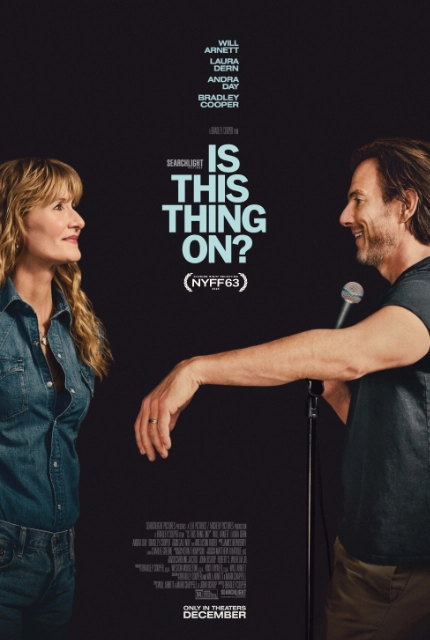
A story of self-discovery through the unlikeliest form of therapy — stand-up comedy. As life unravels, the stage becomes a confessional, where humour turns into honesty and pain finds its rhythm.
The film touches on the turbulence of midlife — for men and women alike — the doubts, the crises, and the questions about love, connection, and how relationships endure. It shows how facing these challenges, with courage and humour, can help a relationship evolve and last.
Is This Thing On? is about truth surfacing when we least expect it, about laughter mending what silence breaks, and about learning to begin again — refreshing, raw, and deeply human.
Perhaps a must-see for middle-aged couples, still married or contemplating separation and divorce.
The Voice of Hind Rajab
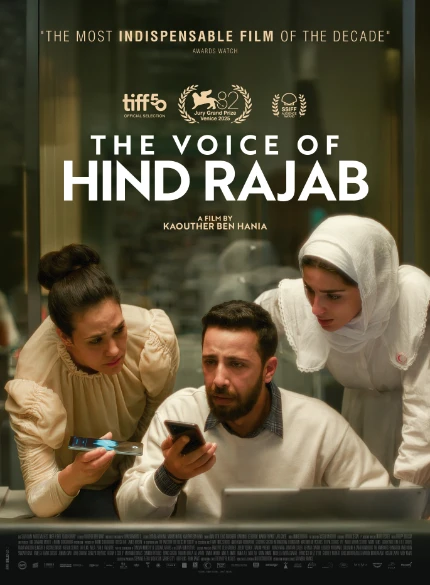
Fresh from winning the Grand Jury Prize at this year’s Venice Film Festival, The Voice of Hind Rajab feels poised to repeat its success at the London Film Festival.
This isn’t a film one watches for pleasure. It’s raw, unflinching, and at times almost unbearable—but that’s precisely its power. In its stripped-back honesty and moral clarity, it becomes something essential. By turning a child’s final words into a call for witness, it reminds us that behind every statistic of war lies a life, a voice, a plea.
It doesn’t comfort; it confronts—and in doing so, it matters.