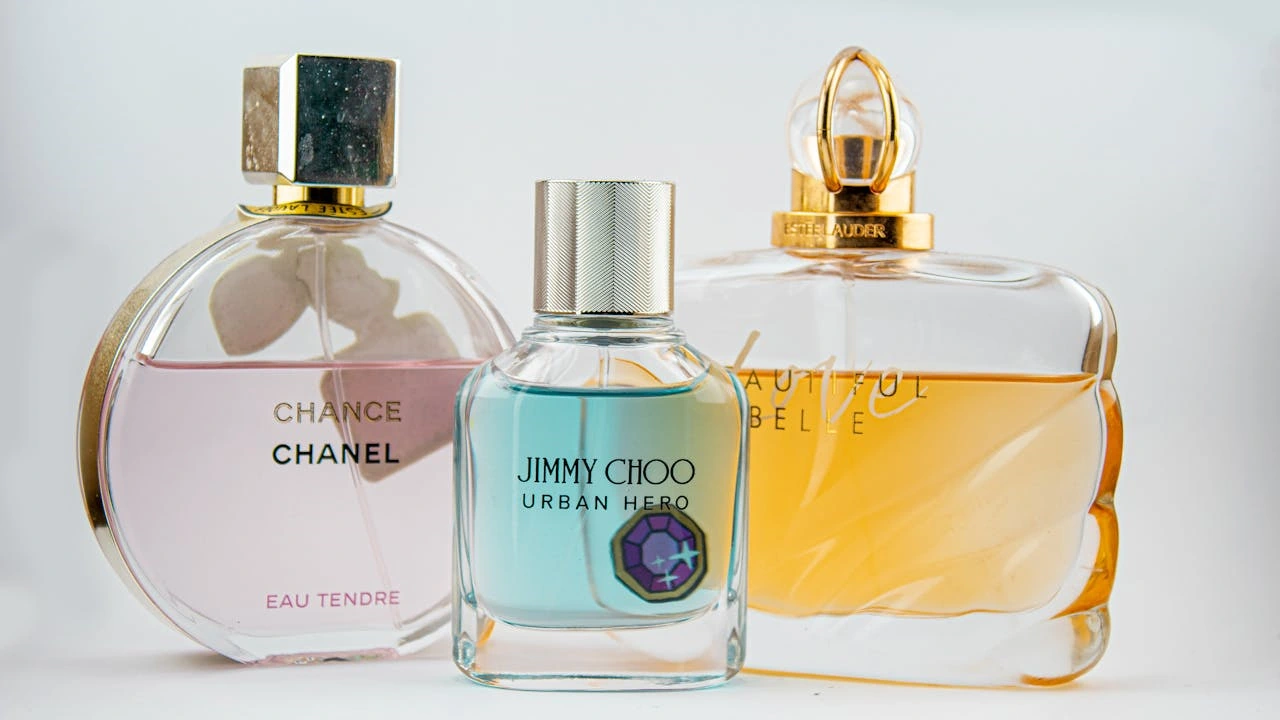
The idea that one single scent should define you feels increasingly outdated. In a world defined by shifts in mood, location, and identity, relying on a solitary fragrance is like expecting one painting to capture the entire spectrum of human experience. You are complex, and your olfactory signature should be, too.
Moving past the concept of a “signature scent” and toward a carefully curated fragrance wardrobe is an aesthetic choice. It acknowledges that the scent you choose for a quiet Sunday morning requires a different emotional weight than the one you wear when stepping into a high-stakes, provocative evening.
This isn’t about accumulating bottles; it’s about building an arsenal of emotional triggers, personal history, and artistic expression.
We’re going to explore how you can move from a random collection of bottles to a thoughtful, powerful scent library—a collection that speaks to every facet of your life, from the spiritual whispers to the loudest statements of intent.
The shift: Why a scent collection matters now
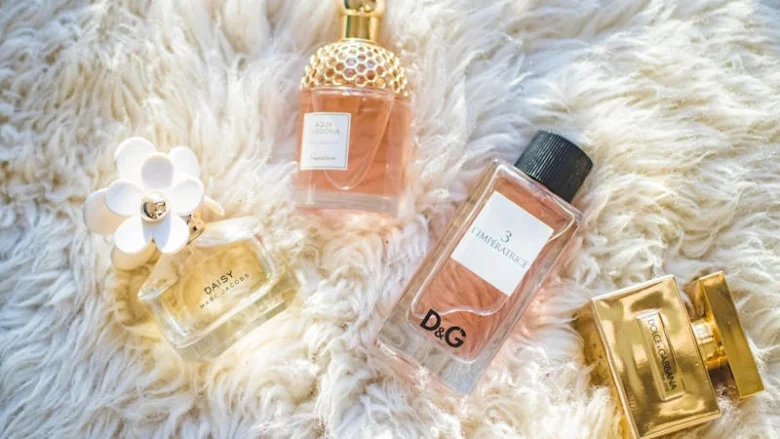
For generations, perfume was often viewed as a final, static accessory. You found your scent, you wore it, and that was that. But contemporary life is anything but static. We shift roles constantly: from professional to artist, from caregiver to adventurer. Your scent should mirror that fluidity.
A fragrance wardrobe provides you with a tool for instant transformation and reflection. When you select a specific scent for a specific moment, you are consciously casting yourself in a role.
This intentionality is where the true aesthetic value lies. It allows you to explore the inherent questions a scent poses: Does this scent feel comforting or challenging? Does it evoke memory or predict the future?
Think about how clothes work. You wouldn’t wear a tuxedo to a beach bonfire, nor would you wear swim trunks to a black-tie gala. Fragrance operates under the same unspoken social contract and emotional necessity.
Each bottle in your collection serves a unique purpose, acting as a different filter through which you experience and interpret the world around you.
This approach also addresses the very real concept of olfactory fatigue—when you wear the same scent every day, your nose stops registering it.
When you rotate scents, not only does your environment seem richer, but you also give your senses a chance to truly appreciate the nuances of each composition.
The architecture of your olfactory palette
Building a true scent collection requires structure, much like a gallery or a music library. It needs core pieces, seasonal rotations, and highly specific, high-impact selections. We can break this down into three essential categories that form the backbone of a sophisticated collection.
Defining your core signature: The daily anchors
Every good wardrobe, whether for clothes or fragrance, needs reliable anchor pieces. These are the scents you reach for when you don’t need a strong narrative, but simply reliable comfort and professionalism.
These aren’t necessarily “boring” scents, but they are generally well-blended, balanced, and possess notes that you find inherently soothing or uplifting.
Your core signature often consists of fragrances that align with the classic scent families: perhaps a bright citrus-based scent for energy, or a clean, white musk for a sense of quiet competence.
When selecting these daily anchors, consider your immediate environment. If you work in an office or spend a lot of time in close proximity to others, you might favor scents with moderate sillage (how far the scent projects). A scent that whispers rather than shouts is often the best choice for this category.
Tip for selection: Look for compositions built around a single, dominant note you adore—sandalwood, vetiver, or perhaps green tea—and then find variations of that note. This gives you consistency without repetition.
Seasonal shifts and material mood
Fragrance molecules react differently to temperature and humidity. A rich, heavy oriental scent that feels cozy and complex in the winter can become overwhelming and cloying in the humid summer heat. Conversely, a light aquatic or citrus scent can vanish entirely when the temperature drops.
Curating by season isn’t just practical; it’s a beautiful way to connect with the material world and the rhythm of the year.
Spring and summer rotation
The warmer months call for buoyancy and freshness. You’ll want scents that rely heavily on top notes—those bright, volatile notes that hit the nose quickly and dissipate relatively fast.
- Key notes: Bergamot, grapefruit, lemon, mandarin, mint, green tea, light florals (lily of the valley, jasmine).
- Composition focus: Eau de Cologne (EDC) or lighter Eau de Toilette (EDT) concentrations. These are refreshing and invite frequent reapplication.
Fall and winter rotation
As the air cools, you need depth and longevity. Colder temperatures mean scent molecules travel slower, so richer, heavier compositions are necessary to create a noticeable presence. These scents often evoke warmth, comfort, and complexity.
- Key notes: Vanilla, amber, spices (cinnamon, clove), tobacco, leather, oud, heavy woods (cedar, oakmoss), gourmands.
- Composition focus: Eau de Parfum (EDP) or Pure Parfum concentrations. These have a higher concentration of oils, ensuring they last through the day or night.
By rotating your collection based on the calendar, you ensure that your fragrance always feels perfectly contextualized, enhancing the overall mood of the season rather than fighting against it.
Occasion scents: the emotional armor
These are the fragrances reserved for specific, high-impact events. They are often the most expensive, the most unique, and the most challenging scents in your collection. They are your emotional armor or your celebratory flare.
This category includes scents that are highly provocative, intensely spiritual, or deeply nostalgic.
- The Provocateur: This scent is for when you want to challenge expectations. It might feature unusual notes like gasoline, metallic accords, or intense animalics. It’s not meant to please everyone; it’s meant to create a conversation and mark your presence decisively. This is the olfactory equivalent of wearing art.
- The Spiritual Anchor: For moments of meditation, deep focus, or quiet introspection. These often lean into notes of incense, frankincense, myrrh, or clean, dry woods. They are worn for personal comfort and internal centering, regardless of the external setting.
- The Celebration Scent: Reserved for weddings, milestones, or important social events. This scent should have good projection and excellent longevity, and perhaps most importantly, it should be associated with positive memories or future aspirations.
Keeping these occasion scents separate ensures they retain their power. If you wear your “provocateur” scent every Tuesday, it loses its edge. Rarity makes the experience special.
The art of fragrance curation and acquisition
The journey of building your collection is as important as the collection itself. It requires patience, research, and a willingness to move beyond mass-market popularity.
When selecting new pieces, you need to ask yourself what story this scent tells, and whether that story aligns with the aesthetic risks you are willing to take.
Understanding the intention behind the composition
Before you buy, look beyond the pretty bottle and the marketing copy. Research the perfumer and the inspiration behind the fragrance.
Many niche and independent houses treat perfumery as high art, embedding specific philosophical or artistic concepts into the blend.
For example, a scent inspired by a specific historical moment or a challenging piece of literature is not just a pleasant smell; it is a wearable piece of conceptual art.
If you understand the perfumer’s intention, you can better decide if that intent resonates with your personal aesthetic mission.
The testing ritual: Living with a sample
Never purchase a full bottle based on a quick sniff of a paper strip (a blotter). Fragrances are living compositions that change dramatically as they interact with your unique skin chemistry and body temperature.
The testing process should be a ritual:
- Initial Spray: This is the top note experience—the burst of citrus or spice. It lasts about 10–15 minutes.
- The Heart: The middle notes emerge (often florals or herbs). This phase lasts several hours and is the “personality” of the scent.
- The Dry Down: The base notes (woods, musks, vanilla) anchor the scent. This is the true, lasting signature.
You need to live with a sample for at least a full day, ideally several days, before committing. See how it performs during a stressful meeting versus a relaxed dinner.
Does it evolve beautifully, or does it fall flat after the initial excitement wears off? Only after this sustained experience can you determine if the scent deserves a permanent place in your collection.
Considering the materials: Natural vs. synthetic
The debate between natural and synthetic ingredients in perfumery is complex, but understanding the difference helps you appreciate the aesthetic output.
Natural ingredients (like essential oils derived directly from plants) often offer a richer, more nuanced, and volatile scent experience. They interact beautifully with the skin and evolve unpredictably. However, they can be less stable and more expensive.
Synthetic molecules (like Iso E Super or ambroxan) allow perfumers to create notes that don’t exist in nature (e.g., metallic, ozone, or abstract concepts). They offer incredible longevity, projection, and stability, often forming the modern backbone of complex fragrances.
A truly sophisticated fragrance wardrobe often balances both: using natural materials for their soul and depth, and synthetic molecules for structure and persistence.
Appreciating this material tension allows you to choose scents that offer both evocative storytelling and reliable performance.
Advanced techniques: layering and storage
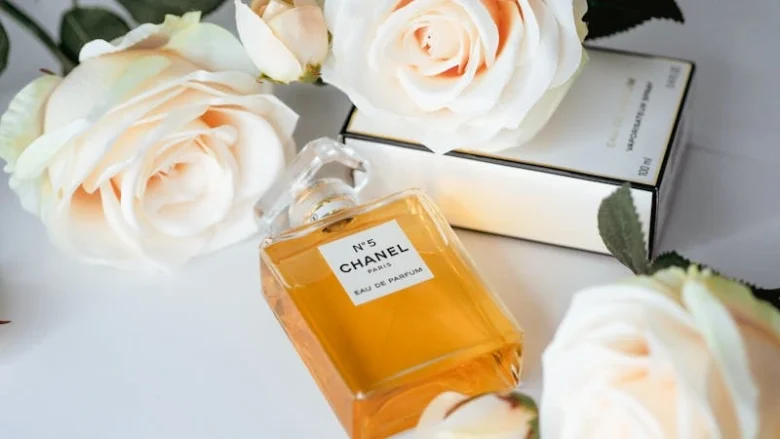
Once you have established a robust collection, you can begin exploring the more advanced, personal techniques that elevate your scent collection from a wardrobe to an art studio.
The subtle art of fragrance layering
Layering involves applying two or more fragrances simultaneously to create a completely new, bespoke scent that is unique to you. This is where you truly become the perfumer, taking calculated aesthetic risks.
Layering works best when you start with a foundational, simple scent and add complexity on top.
Layering principles that work:
- Start with a single note base: Use a fragrance oil or a very simple EDT that is dominated by one note (like vanilla, musk, or clean sandalwood). This provides a stable canvas.
- Add complexity: Apply a more complex EDP on top. For instance, you could pair a simple amber oil base with a complex, spicy floral EDP. The amber grounds the floral and adds warmth.
- Balance the weight: Always layer light over heavy. Apply the heavier, richer scent first, allowing it to settle into the skin, and then apply the lighter, more volatile scent on top. This prevents the lighter scent from being immediately overwhelmed.
Layering requires experimentation. Keep a journal of combinations that work and those that fail spectacularly. The failures often teach you more about scent composition than the successes do.
Protecting your investment: Proper storage
The biggest threat to a fine fragrance collection is improper storage. Heat, light, and humidity are the enemies of perfume oils, causing them to break down, oxidize, and change their smell dramatically.
If you have invested time and resources into building a beautiful collection, you need to treat it with the respect it deserves.
- Avoid the bathroom: The constant temperature and humidity fluctuations in the bathroom are terrible for perfume stability.
- Keep it dark: Direct sunlight is the fastest way to ruin a fragrance. Store bottles in their original boxes or in a dark cabinet or drawer.
- Maintain cool temperatures: Perfume should be kept at a steady, cool room temperature. Avoid storing bottles near radiators, windows, or vents.
When stored correctly, many high-quality EDPs and Parfums can last for years, allowing you to appreciate their evolution over time.
Expanding the narrative: Beyond the skin
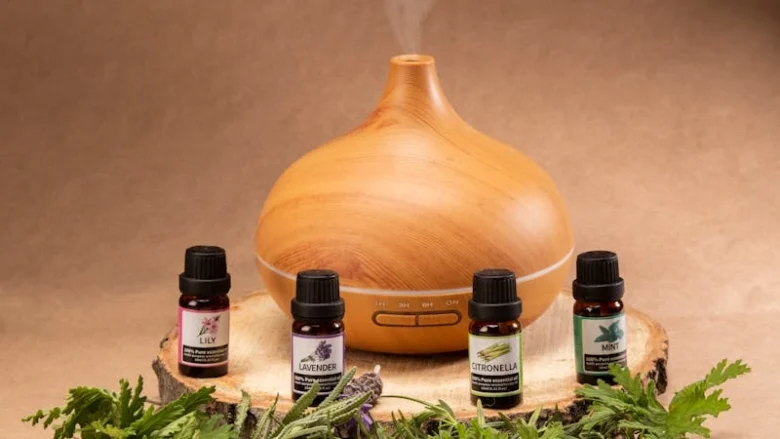
A fragrance wardrobe isn’t limited to what you wear on your pulse points. Expanding your collection to include environmental scents enhances the holistic aesthetic of your life.
Consider the interplay between your personal scent and the scent of your home. If your personal signature is based on clean woods and leather, a home diffuser that uses heavy, synthetic florals might create an unsettling dissonance.
Environmental scents—candles, diffusers, room sprays—should be treated as extensions of your olfactory palette. They set the stage for your personal narrative, creating an immersive experience for both you and your guests.
This alignment is another layer of aesthetic control, ensuring that every sensory input reinforces your chosen mood or story.
For instance, if you are wearing a challenging, smoky vetiver scent (the provocateur), you might choose a subtle, earthy cedar candle in your study.
The shared wood notes create harmony, while the difference in intensity maintains the distinction between the personal and the environmental.
The scent of risk and reflection
The true value of curating a fragrance wardrobe is that it forces you to reflect on who you are, who you want to be, and what aesthetic risks you are willing to embrace.
Each new bottle is a commitment to a new mood, a new persona, or a new memory waiting to be made.
We understand that the search for meaning goes beyond the surface—it’s about the raw essence of creation and expression. At Neomania Magazine, we look at these creations, whether they are film, fashion, or fragrance, and ask: What is the risk here? What is the profound question this piece is posing?
If you are drawn to the idea of scent as a form of wearable art, if you feel transported by the way a complex note structure can tell a story, and if you are ready to explore the spiritual and the provocative through your own curated collection, then you are already aligned with the aesthetic mission of Neomania.
We invite you to experience more stories that unsettle, excite, and baffle. See how we interpret the shifting trends in culture, art, and identity, offering a refined, direct perspective that bypasses traditional critiques.
Subscribe to Neomania Magazine today. Find inspiration in our pages and let us help you build a life that is as richly layered and compelling as the finest fragrance composition.