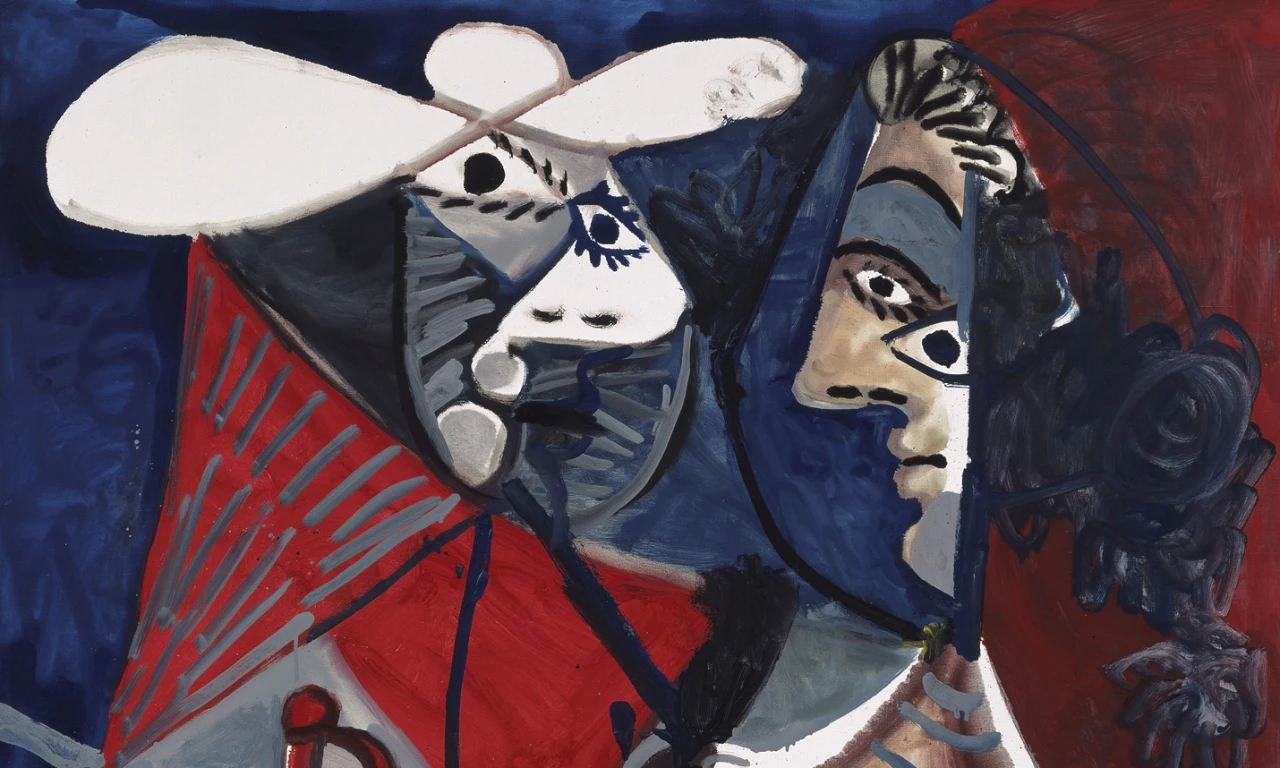
Heinz Berggruen’s collections comes to Museo Thyssen in Madrid
Taking advantage of the renovation of his Berlin Museum, masterpieces by his favourite artists arrive in Madrid: “Picasso and Klee in Berggruen Collection”.
Like Ernst Beyeler and Paul Guillaume, this German dealer-collector built up an exceptional collection of 20th century masters.
Heinz Berggruen was born in Berlin in 1914 into a Jewish family, destined to traverse continents, wars, exiles and the mercurial twentieth century art market.
Berlin trembled with modernist and avant-garde art artistic movements. Heinz was an “art addict” but Nazism made home unbearable.
After studying in France, he sought refuge in California thanks to a scholarship for Berkeley University.
Heinz worked at San Francisco Museum of Modern Art, assisting Mexican painter Diego Rivera and had an affair with his wife Frida Kahlo.
When war was over, he returned to Europe with the US Army, then to Germany as a journalist, and later worked at UNESCO in Paris.
At 26 he made his first purchase in Chicago: a Paul Klee water-colour. That single act formed a talisman for his future: art as refuge, memory and hope.
The young man settled in Paris and opened his gallery in the heart of post-war cultural ferment, offering modern masters graphic art and hosting exhibitions as art pioneer.
In his intimate space he cultivated deep lasting relationships with artists: Pablo Picasso became a central figure in his career. Berggruen became his exclusive prints dealer.
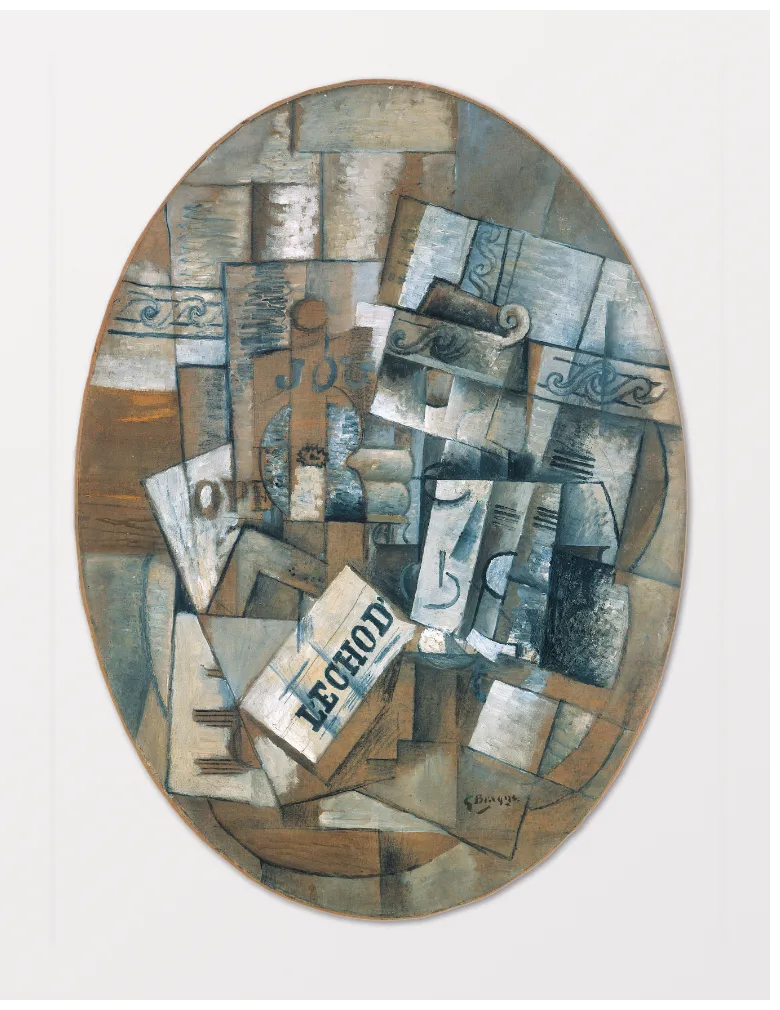
He also dealt with Paul Klee, Alberto Giacometti, Georges Braque…
By 1980, Berggruen withdrew from active art dealing and turned his energy fully to assembling a coherent, deeply personal collection.
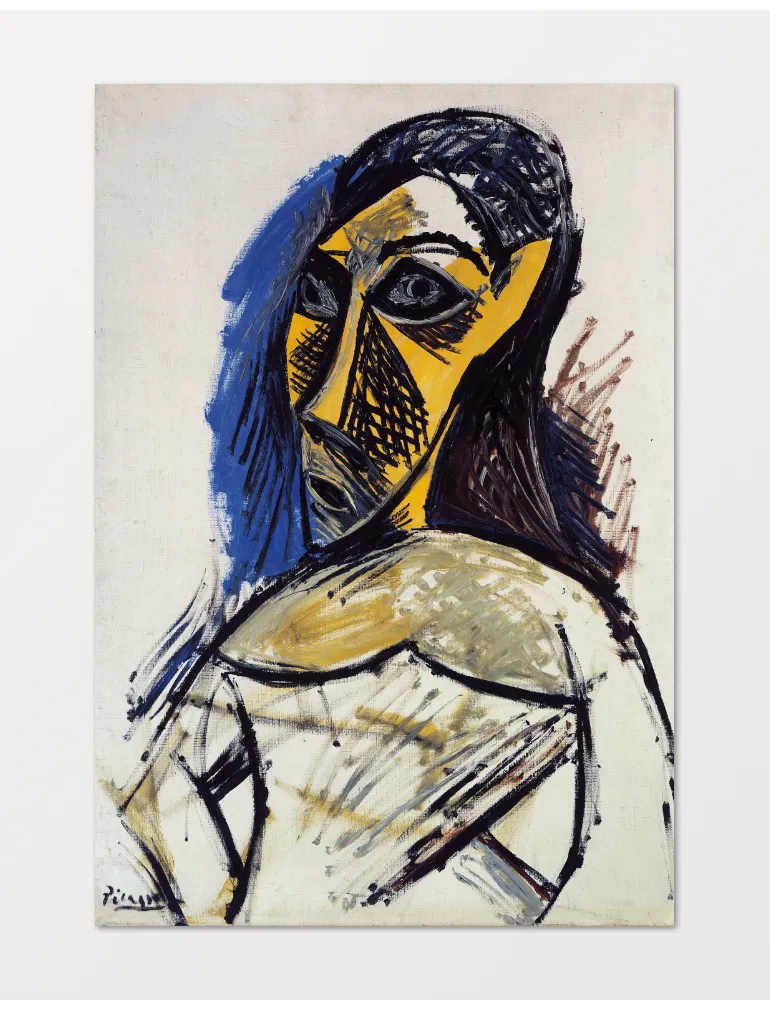
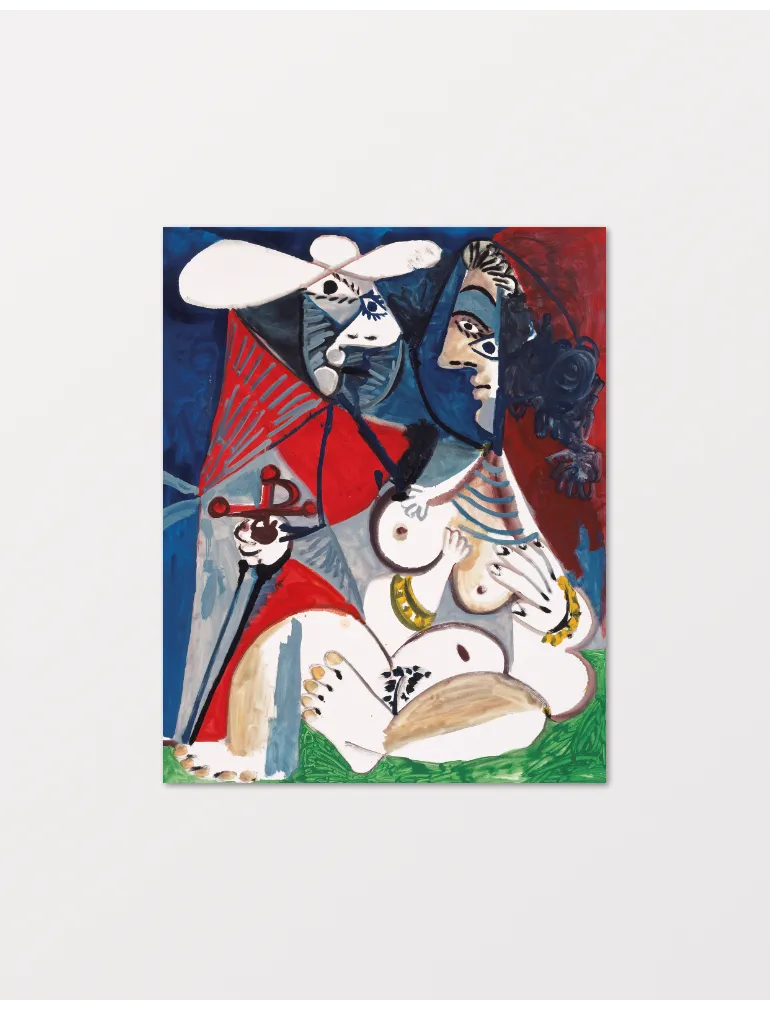
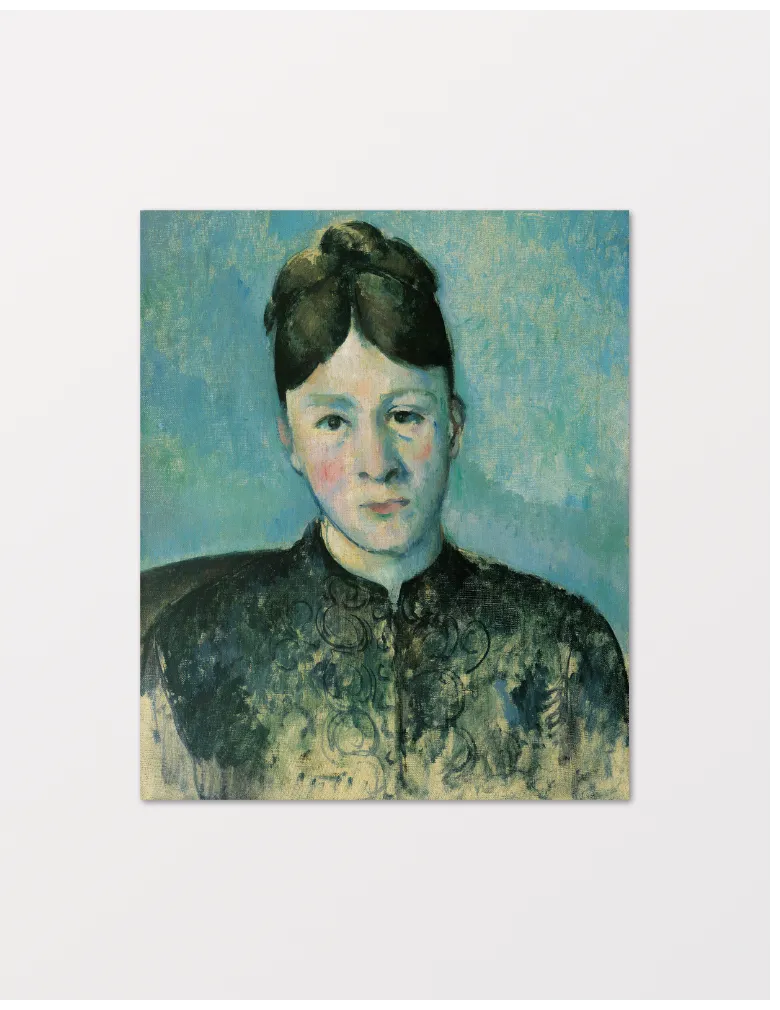
What he built is less a scattering of trophies than a meditation in form. The core pillars: 100 Picassos, 60 Paul Klees, 20 Matisses, Braques, Cézannes, Giacometti sculptures…
With Picasso, Berggruen traced the arc of the artist from the Rose and Blue Periods, through Cubism, Classicism and late works, collecting paintings, ceramics, lithographs and sculptures.
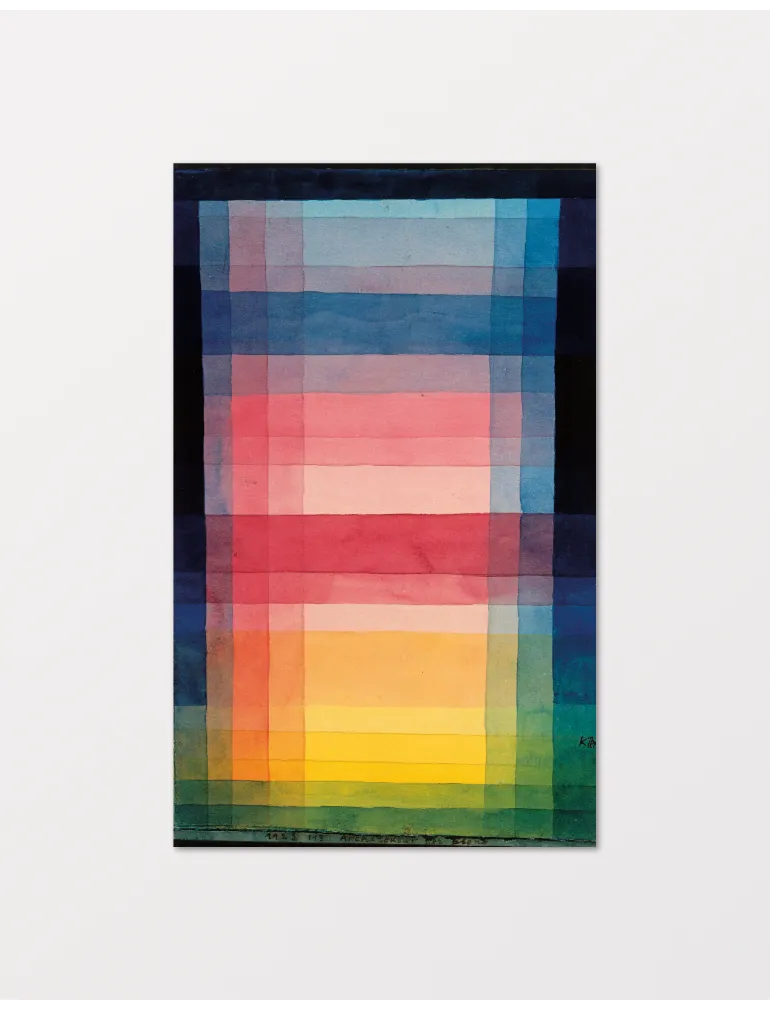
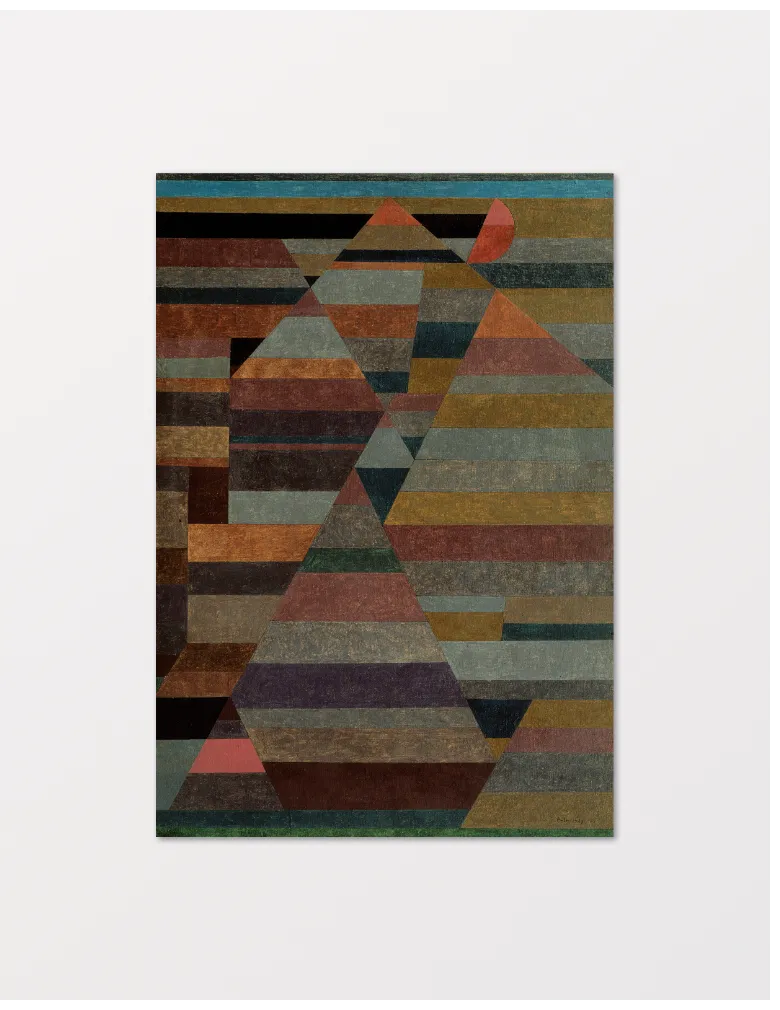
In Paul Klee he found a spiritual resonance: watercolours and gouaches where line, colour and silence merge.
“I can’t stop buying Klee, it’s like a drug.”
He discovered Matisse paper cut-outs to the world, being the first to exhibit them (1953).
Giacometti sculptures provided a brittle, haunted counterpoint to the colour and geometry of others.
His selection is much more than a museum of styles but a hymn to his chosen masters, an argument for modernism’s depth. He searched for strong, severe works, fitting his unwillingness to compromise aesthetically.
Heinz had an early marriage with two children. He remarried to German actress, Bettina Moissi, and they had two more: Nicolas and Olivier. They consolidated his Parisian family life.
Berggruen lived as a cosmopolitan figure, Berlin-born, Californian trained, Parisian dealer, New York art hunter, eventually returning to Germany and France.
He gave 90 Klees to the Metropolitan Museum, New York (1988) and made a loan to London National Gallery (1990) of 72 paintings and drawings by Braque, Cezanne, Miro, Picasso, Seurat, Van Gogh…
In 1996 Berggruen returned to his native city after six decades in exile. In 2000 he donated his collection to the German state, creating the Berggruen Museum included in the Neue Nationalgalerie. Besides permanent exhibition, the Berlin museum hosts modern art shows.
The Museum closed for renovation in 2022. Since then, the collection has been on the road, travelling to Japan, China, France, Italy, Australia and Spain, emphasising international collaborations and illuminating Berggruen’s legacy.
- Museum of Western Art, Tokyo.
Oct. 2022-January 2023. - National Museum of Art, Osaka.
February-May 2023. - UCCA-Shanghai.
June-October 2023. - UCCA-Beijing.
Nov. 2023-Feb. 2024. - Galleria dell’Accademia, Venice.
March-June 2024. - Musée de l’Orangerie, Paris.
Oct. 2024-January 2025. - National Gallery of Australia, Canberra.
May-Sep.2025. - Museo Thyssen, Madrid.
28 Oct. 2025-1 Feb. 2026.
These exhibitions reaffirm the vibrancy of Berggruen’s collection and signal that his legacy is still alive. His exquisite art selection continues to travel, speak and surprise.
Heinz died in 2007 at Neuilly-sur-Seine (France), aged 93. His legacy is not just a trove of modern masterpieces, but a constellation of choices about aesthetics, exile and memory. His collection’s homecoming to Berlin, the city from which he fled, acquires symbolic weight: exile returns, art returns.
Beyond museum walls, his legacy resonates: spirit of the collector as steward; gallery owner as a bridge between artist and public; collection as dialogue, not possession.
His two sons have taken over in the cultural world:
Olivier is art historian-curator.
Nicolas carries forward aspects of his father’s legacy, albeit in new directions. He created: Berggruen Arts & Culture at Palazzo Diedo in Venice, Nicolas Berggruen Charitable Trust in New York, philanthropic supporting the arts, Berggruen Institute, in Los Angeles, global think-tank promoting democracy. He sits on boards of Berggruen Museum and Los Angeles Museum of Art.
Extending his father’s tradition of cultural patronage: not only he collects, but promotes ideas, spaces, architects, installations, artists-in-residence… Nicolas’ vision inflects art with philosophy and collection with cognition.
For Heinz, art lived in the paintings of Picasso and Klee. For his son Nicolas, art lives also in the not-yet- framed: in ideas and spaces to invent the future.
Heinz Berggruen’s life reads like a collage: Berlin dreams fragmented by exile, Californian dawn, Paris gallery’s hush of prints and quiet worldwide treasure hunt. In each brushstroke of his collection, he sought order from displacement, conversation from silence and continuity from rupture.
His legacy is more than extraordinary masterworks, it’s the spiritual notion that art matters because it wields memory, reaches across borders and endures a dealer’s life.
Nicolas continues the family saga. His plans for the future are more than a room of masterpieces: he sees a field of ideas, open to creation.
Both remain present, collecting still, in memory, in the hush before discovering, for the first time, a modern art treasure.
As we admire Berggruen masterpieces in Europe, Asia, or Australia, we follow his path. The path of a brilliant young art lover who fled home, found refuge in art and, with impressive generosity, he entrusted that art to the world.