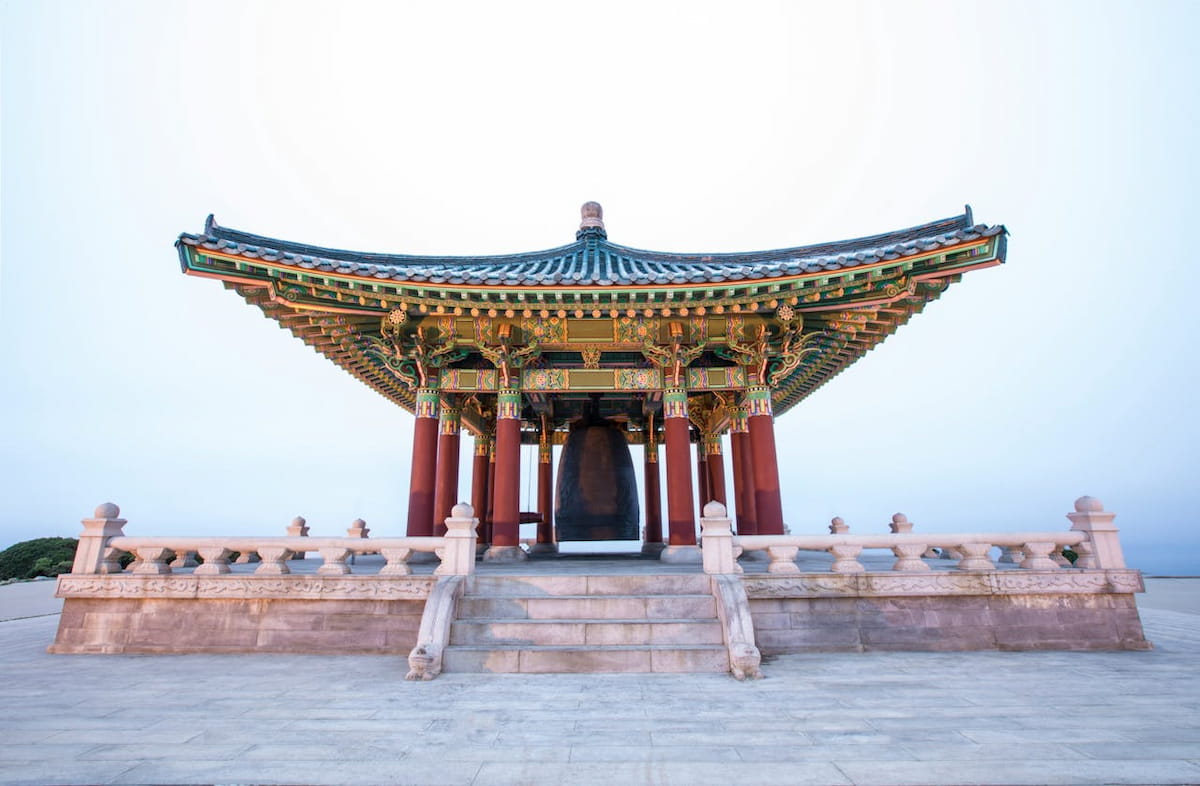
Walking into a space designed with a Korean minimalist aesthetic feels like taking a deep breath after a long day. It is a visual palate cleanser that removes the noise of a crowded world.
While many people associate minimalism with the cold, sterile lines of Western modernism or the strict functionality of Scandinavian design, the Korean approach offers something warmer and more soulful.
It is a philosophy rooted in the balance between what is there and what is intentionally left out.
You might notice that this style has taken over social media feeds, boutique hotels, and modern apartments from Seoul to New York.
It is not just about having fewer things; it is about the quality of the things you choose to keep and the space you allow to exist between them.
This movement, often called “K-minimalism,” blends traditional Korean values with a contemporary urban sensibility. It focuses on natural light, soft textures, and a neutral color palette that reflects a desire for peace and clarity.
Understanding this aesthetic requires looking at how it influences different parts of life, from the clothes you wear to the way you arrange your living room.
It is a quiet rebellion against the “more is more” culture. By choosing a Korean minimalist aesthetic, you are not just picking a look; you are adopting a mindset that prizes intentionality and grace over clutter and chaos.
The philosophy of emptiness in Korean design
At the heart of this aesthetic lies a traditional concept known as “Yeobaek-ui mi,” or the beauty of white space. In traditional Korean ink paintings, the empty parts of the paper are just as important as the brushstrokes themselves.
This idea carries over into modern design. Instead of trying to fill every corner of a room, the goal is to let the space breathe. This creates a sense of freedom and allows the few objects in the room to stand out with more power.
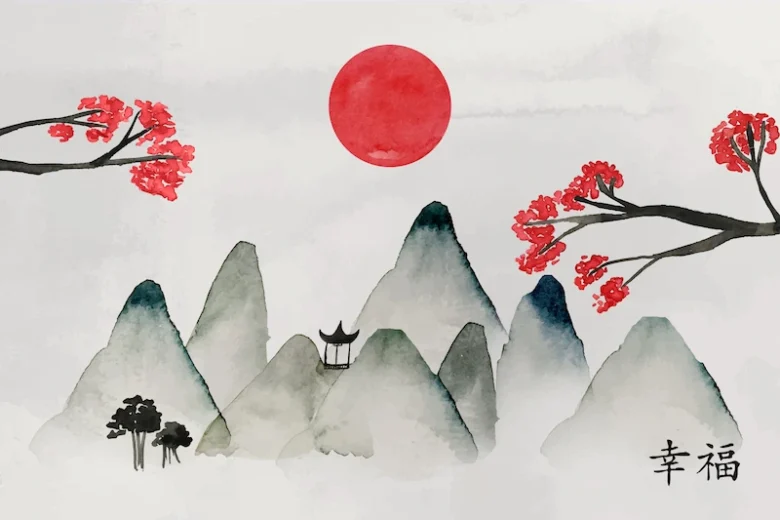
This focus on emptiness is not about being empty-handed. It is about creating a stage for life to happen. When a room isn’t crowded with furniture, the way the sunlight hits the floor becomes a decorative element.
The shadow of a single branch in a vase becomes a work of art. This connection to nature is a vital part of the Korean minimalist aesthetic. It draws inspiration from the “Hanok,” the traditional Korean house, which was designed to exist in harmony with its surroundings.
As you look at modern interpretations of this style, you will see a lot of low-profile furniture and open floor plans. This keeps the line of sight clear and makes even small apartments feel airy.
The materials used are almost always natural: light-toned woods like oak or maple, linen, cotton, and handmade ceramics. These elements bring a tactile warmth that prevents the minimalism from feeling “too clinical” or unwelcoming.
How to bring the Korean minimalist aesthetic into your home
If you want to transform your living space, start by looking at your surfaces. The Korean minimalist aesthetic favors clear countertops and organized shelves.
However, unlike some forms of minimalism that hide everything away, this style allows for a few “curated” items to remain visible. A beautiful stack of books, a single ceramic bowl, or a small plant can stay, provided they serve a purpose or bring you genuine joy.
Lighting is another area where you can make a big impact. Instead of harsh overhead lights, try using multiple light sources at different heights.
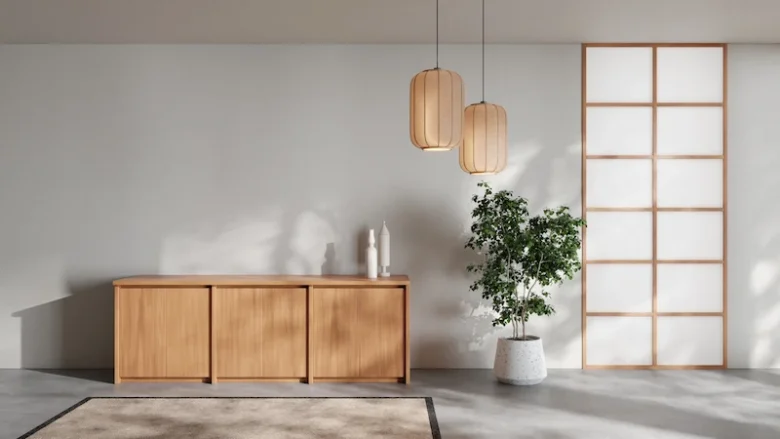
Soft, warm-toned lamps and paper lanterns create a cozy atmosphere, often referred to as “beuim” (emptiness) and “chaeum” (filling). The goal is to create a soft glow that mimics the natural transition of the day.
Large windows with sheer curtains are also a staple, allowing as much natural light as possible to filter through while maintaining privacy.
Color palettes in this aesthetic are usually very tight. Think of shades like cream, beige, oatmeal, and soft greys. These colors don’t compete for your attention.
They work together to create a cohesive backdrop that feels stable and calm. You can add depth by playing with textures rather than colors.
A chunky knit throw on a smooth linen sofa adds visual interest without breaking the monochromatic theme.
Fashion and the art of the silhouette
The Korean minimalist aesthetic extends far beyond interior design; it has completely reshaped the world of fashion. If you look at the streets of Seoul, you will see a specific way of dressing that looks effortless but is actually highly calculated.
It is about the “silhouette” rather than the brand or the logo. Clothes are often oversized, but they are structured in a way that looks sophisticated rather than sloppy.
In this style, comfort is a priority. High-quality fabrics like wool, silk, and heavy cotton are used to create pieces that hang beautifully on the body.
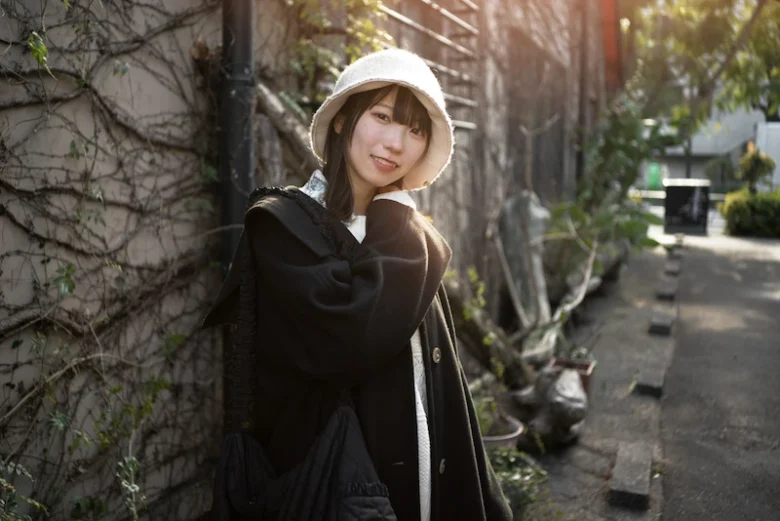
The color palette remains neutral—black, white, navy, and beige are the pillars of a minimalist wardrobe. This makes getting dressed in the morning much easier because almost everything in your closet goes together.
It is a sustainable way of looking at fashion, focusing on pieces that will last for years rather than following fast-fashion trends that fade in a few months.
Accessories are kept to a minimum. A simple leather bag with clean lines or a pair of understated leather loafers completes the look.
The idea is that your clothes should not wear you; you should wear the clothes. By stripping away the unnecessary details, your personality and your presence take center stage.
This approach to fashion is empowering because it moves the focus from “what you have” to “who you are.”
The role of “Skinimalism” in beauty
You cannot talk about the Korean minimalist aesthetic without mentioning the shift in beauty standards. For a long time, the world was obsessed with the 10-step Korean skincare routine. While that put K-beauty on the map, the current trend in Korea is actually “Skinimalism.”
This is the practice of using fewer products that do more. It is about moving away from heavy foundations and layers of concealer to embrace the natural texture of your skin.
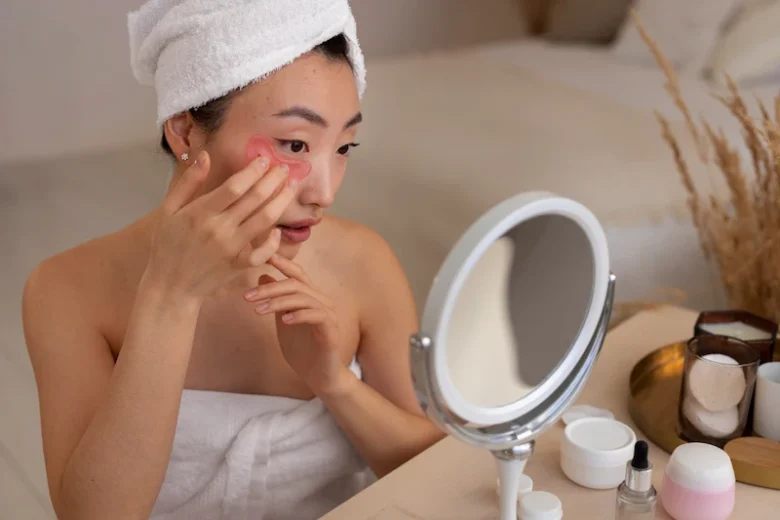
The goal is a “glass skin” effect, which means skin that looks hydrated, clear, and luminous. Instead of covering up imperfections, the focus is on health and prevention.
This mirrors the minimalist philosophy of “less is more.” A simple routine of a gentle cleanser, a high-quality serum, a moisturizer, and sunscreen is often all you need. This saves time and money, and it is much better for your skin’s natural barrier in the long run.
Makeup follows the same path. A bit of tinted lip balm, a touch of brow gel, and maybe a light shimmer on the eyelids are enough.
The look is fresh, youthful, and honest. It celebrates the face you have rather than trying to paint a new one on top. This rejection of heavy “Instagram makeup” is a breath of fresh air for anyone tired of the pressure to look perfect every day.
The psychological impact of a quiet environment
Living in a space that embraces the Korean minimalist aesthetic can have a profound effect on your mental well-being. Our brains are constantly processing information, and a cluttered room is just more information to handle.
When you remove the visual noise, your mind has more room to rest. People who adopt this lifestyle often report feeling less stressed and more focused.
There is a certain ritualistic quality to maintaining a minimalist home. The act of tidying up, choosing a single flower for a vase, or carefully folding your clothes becomes a form of mindfulness.
It forces you to slow down and appreciate the present moment. In a fast-paced world, having a sanctuary that feels still and quiet is a luxury that doesn’t cost a fortune. It is about reclaiming your space and your time.
This aesthetic also encourages intentional consumption. When you have a limited color palette and a specific style, you stop making impulse purchases.
You start asking yourself, “Does this fit my space?” or “Is this high quality?” This leads to a more sustainable lifestyle and a deeper appreciation for the things you do own. You begin to see your home not as a storage unit for stuff, but as a reflection of your inner peace.
Creating a wardrobe that breathes
Building a wardrobe based on the Korean minimalist aesthetic is a journey in self-discovery. It starts with a thorough cleaning of what you already have.
You might find that you only wear 20% of your clothes. The goal is to make that 20% the foundation of your style. Look for pieces with interesting cuts—maybe a shirt with a unique collar or trousers with a wide leg.
These details provide the “interest” that patterns or bright colors usually provide.
Layering is a key technique in K-minimalism. Since the colors are neutral, you can layer different shades of the same color to create a rich, sophisticated look.
A cream turtleneck under a beige wool coat with oatmeal-colored trousers looks incredibly expensive and polished, even if the pieces themselves are simple. It is a way of playing with fashion that feels like art.
Think about the longevity of your clothes. A well-made trench coat or a pair of high-quality denim jeans will look good for a decade.
By investing in these staples, you reduce your environmental footprint and create a signature look that people will recognize. It is about being consistent and confident in your choices.
When you aren’t chasing every new trend, you have more energy to focus on the things that actually matter in your life.
The influence of Korean cafes and public spaces
If you ever visit Seoul, you will notice that the Korean minimalist aesthetic is not just inside homes; it is everywhere. The city is famous for its “concept cafes,” which are masterpieces of minimalist design.
These spaces often use raw concrete, large indoor trees, and very little furniture to create an atmosphere that feels like a modern art gallery.

They are designed to be “Instagrammable,” but they also provide a much-needed escape from the crowded city streets.
These public spaces show how minimalism can be used to create community. When the environment is simple, the focus shifts to the people in it and the conversations they are having.
There are no distractions. Even the way food and drinks are served reflects this aesthetic. A single piece of cake on a plain ceramic plate, a glass of iced coffee with a perfectly clear ice cube—everything is intentional.
It is a reminder that beauty can be found in the most mundane things if you take the time to look.
This cultural shift has influenced designers all over the world. We are seeing more restaurants and stores adopt this “less is more” approach. It speaks to a global desire for simplicity and authenticity.
As we move away from the excess of the early 2000s, the Korean minimalist aesthetic provides a roadmap for a more balanced and beautiful way of living.
Finding balance in a digital world
In our current era, we are bombarded with digital clutter as much as physical clutter. The Korean minimalist aesthetic can be applied to your digital life as well.
Think about the apps on your phone, the files on your desktop, and the people you follow on social media. Does your digital environment feel like a chaotic market or a quiet library? Applying minimalist principles here can be just as life-changing as cleaning out your closet.
You might choose to have a clean home screen with only the most used apps. You might unsubscribe from newsletters that no longer interest you.
This digital decluttering allows you to use technology as a tool rather than letting it use you. It is about being the gatekeeper of your own attention.
When you have fewer digital distractions, you have more time for deep work, creative hobbies, and real-life connections.
The Korean minimalist aesthetic is ultimately about respect. Respect for your space, respect for your belongings, and most importantly, respect for yourself.
It is an acknowledgment that you deserve a life that is not overwhelmed by “stuff.” By choosing simplicity, you are making room for growth, for peace, and for the unexpected beauty of the everyday.
As you have seen throughout this article, the path to a minimalist lifestyle is not about deprivation. It is about enrichment. It is about finding the perfect balance between the things we need and the space we need to feel alive.
Whether you start by painting a room in a soft cream color or by simplifying your skincare routine, every step toward minimalism is a step toward a more intentional life.
The beauty of this aesthetic is that it is always evolving. It is not a set of strict rules you have to follow perfectly. It is a guide that you can adapt to your own needs and personality.
The most important thing is how it makes you feel. If your environment brings you a sense of calm and clarity, then you have succeeded.
At Neomania Magazine, we believe that the stories we surround ourselves with are just as important as the objects in our homes. We invite you to look closer at the world around you and find the hidden elegance in the simple things.
If you found this perspective on the Korean minimalist aesthetic inspiring, there is so much more to discover. Our community is dedicated to those who seek a more refined, thoughtful, and provocative way of living.
We delve into the essence of art, design, and culture, asking the questions that others might overlook.
To stay connected with these narratives and to continue your journey into the world of high aesthetics and spiritual depth, we invite you to join us.
Let yourself be transported by the stories we tell and the visions we share. Subscribe to Neomania Magazine today and become part of a movement that values the profound over the superficial. Your journey toward a more inspired and minimalist life is just beginning.