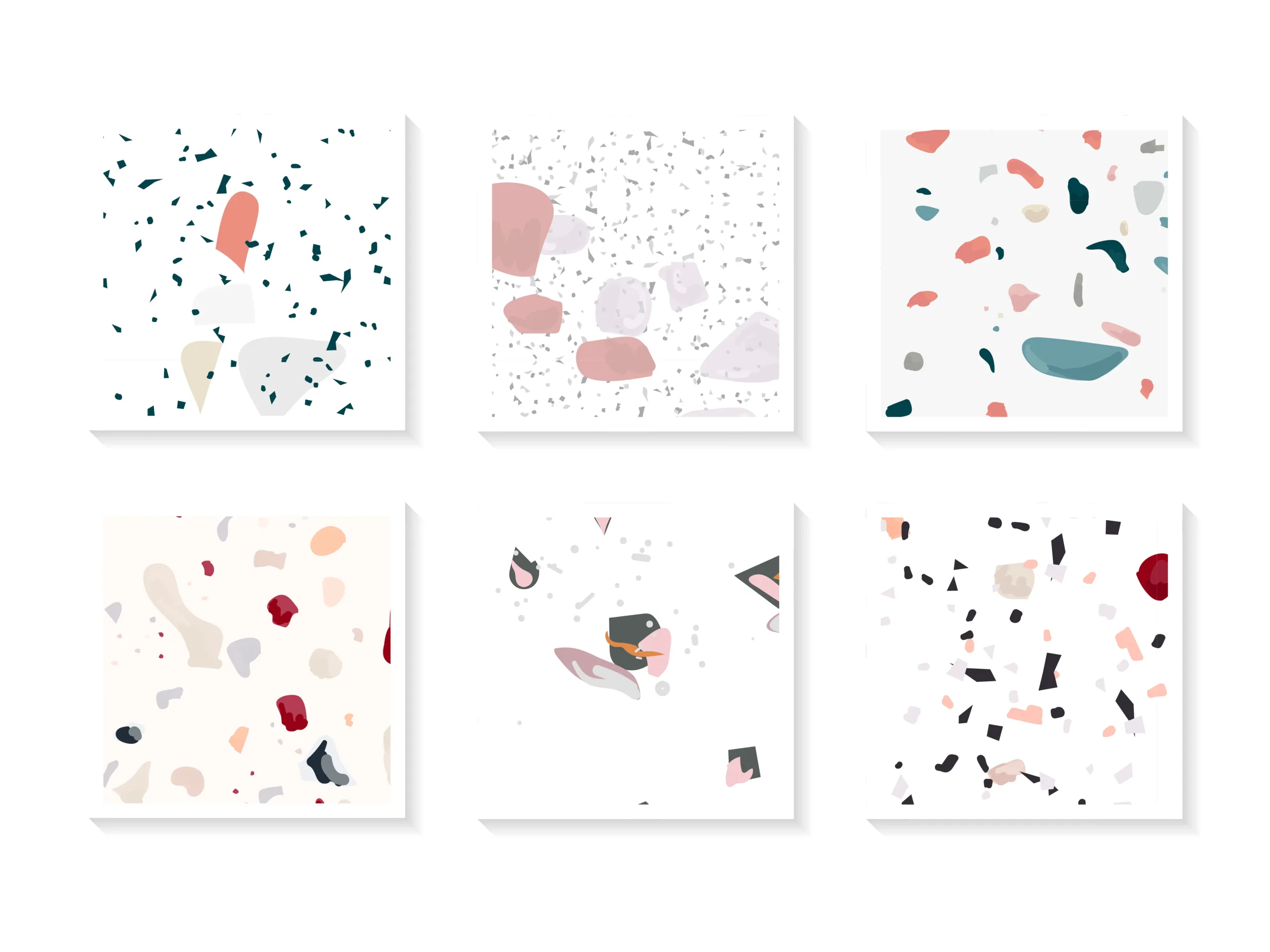
You might have noticed a familiar pattern appearing in high-end boutiques, chic cafes, and minimalist apartments lately. That playful, speckled texture isn’t just a nostalgic fluke; it is a full-scale revival.
Terrazzo, once the humble choice for mid-century hallways and Mediterranean patios, has reclaimed its place at the top of the design world. It brings a sense of history and craftsmanship that feels refreshing in an era of mass-produced, flat surfaces.
This material offers something that few other finishes can: a unique fingerprint for every room. Because it is made from a mix of marble, quartz, granite, and glass chips, no two slabs are ever identical.
You are looking at a blend of art and engineering that dates back centuries but feels perfectly suited for today’s search for authenticity. It’s about more than just aesthetics; it’s about a material that tells a story of resourcefulness and creative reuse.
As we look closer at why this trend is taking over, you’ll see that its appeal lies in its versatility. It can be loud and colorful or muted and sophisticated.
This flexibility is why architects and interior designers are moving away from standard stone and toward this composite wonder.
It fits the current desire for tactile experiences in our homes and workspaces, offering a visual rhythm that keeps the eye moving.
The humble origins of a luxury staple
To understand why this material is so popular now, you should look back to 15th-century Venice. Construction workers had a problem: they had leftover scraps of expensive marble but nothing to do with them.
Instead of throwing them away, they pressed these chips into clay to create terraces for their own homes. This was essentially the first version of upcycling, born out of a need for durability and beauty on a budget.
Over time, the process evolved. Workers began using goat milk to polish the surfaces, giving them a slight sheen that highlighted the colors of the stone.
By the time the 1920s arrived, the Art Deco movement adopted the material for its bold patterns and sleek finish. You can still see original examples in historic theaters and government buildings across the United States.
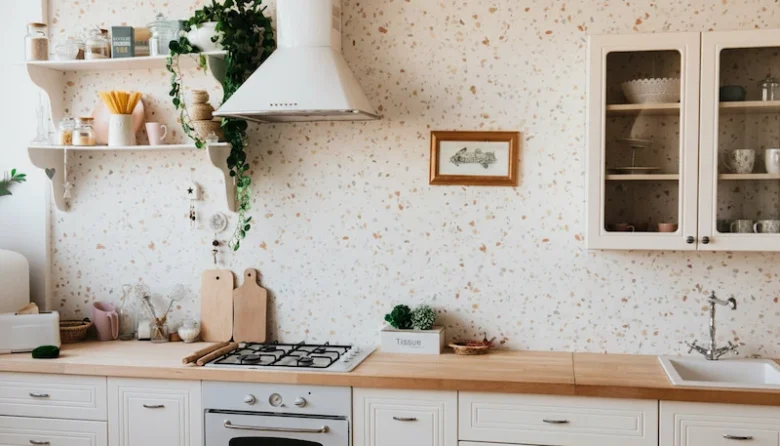
It was prized for being nearly indestructible, which is a quality that still makes it a smart investment today.
Later, in the 1970s, it became a staple of institutional design. However, that version often felt cold and sterile. The current shift is different.
Today, designers are playing with scale, using massive chunks of stone or vibrant recycled glass to create a look that is far more artistic and expressive than the gray floors of the past.
It’s a bridge between the ancient world and the future of sustainable building.
Sustainability and the modern eco-conscious home
One of the biggest reasons you see this material everywhere right now is its environmental footprint. In a world where we are all trying to make better choices for the planet, terrazzo stands out as a leader.
Since it is primarily composed of recycled chips from the stone industry, it prevents waste from ending up in landfills. It’s a circular economy in physical form.
Modern resin-based versions have also improved the material’s performance. These binders are often low in volatile organic compounds (VOCs), which means better air quality for your home.
When you choose this for a kitchen counter or a bathroom floor, you are picking something that can last for decades, if not centuries.
Unlike laminate or certain soft stones, it doesn’t need to be replaced every few years, which is the ultimate form of sustainability.
You also have the option to incorporate local materials. Some designers are now using local river stones or glass from community recycling programs to create a hyper-local version of the product.
This reduces the carbon footprint associated with shipping heavy stone across the globe. It makes the design feel connected to the specific geography of where you live.
How to use the return of terrazzo in your own space
You don’t need to commit to a full floor to enjoy this trend. In fact, many people are starting small. A terrazzo coffee table or a set of coasters can introduce that speckled texture without overwhelming a room.
It works particularly well as a focal point in an otherwise neutral space. The variety of colors within the chips allows you to pull different accents for your furniture and decor.
If you are planning a renovation, consider the bathroom. A terrazzo vanity or a walk-in shower with large-scale chips creates a spa-like atmosphere that feels both grounded and high-end.
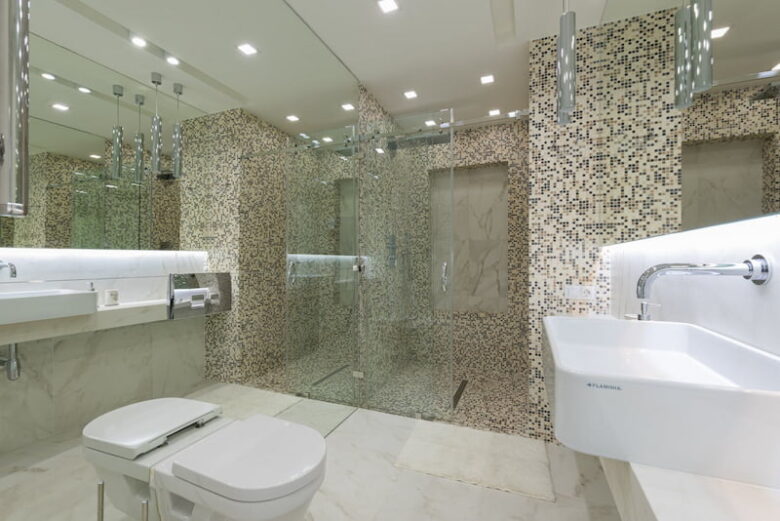
Because the material is non-porous when sealed correctly, it handles moisture beautifully. It’s a practical choice that doesn’t sacrifice style for function.
Another area where this material shines is the kitchen. While marble and granite have been the go-to for years, they can be high-maintenance.
Terrazzo offers a similar luxury feel but with much higher resistance to scratches and stains. You can even customize the mix to include pieces of mirror or mother-of-pearl, which catch the light and add a subtle shimmer to your workspace. It makes the heart of the home feel more like a gallery and less like a utility room.
Furniture and lighting accents
The beauty of this material is that it has moved off the floor and onto the walls and furniture. You can now find lighting fixtures where the base is a solid block of speckled stone, providing a heavy, high-quality feel.
Designers are even creating wallpapers and textiles that mimic the pattern, allowing you to bring the look into a bedroom or living area through soft goods.
When you look at furniture, notice how designers are pairing the material with warm woods or sleek metals. A terrazzo tabletop with brass legs is a classic combination that feels very current.
It balances the coldness of the stone with the warmth of the metal, creating a harmonious look. This mix of materials is a great way to ensure your home feels curated rather than “matched.”
Wall treatments and backsplashes
Using these patterns on vertical surfaces is a bold move that pays off. A backsplash in the kitchen or a feature wall in an entryway can act as a piece of permanent art.
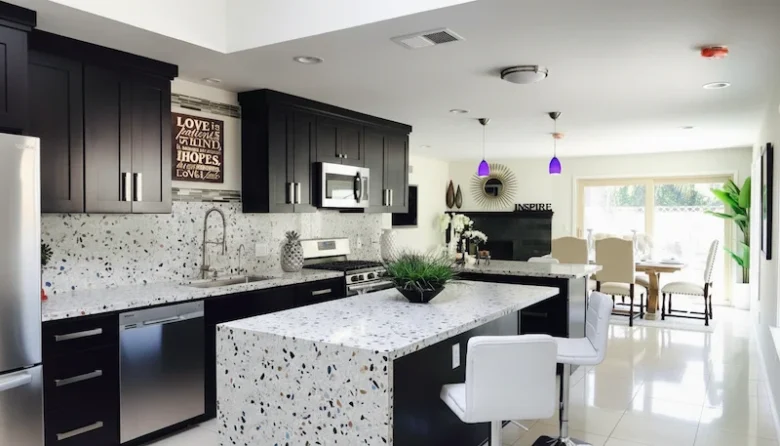
Since you can choose the base color of the resin, you can match it perfectly to your cabinetry or wall paint. It creates a seamless look that makes a room feel larger and more cohesive.
Some people are even using thin, large-format terrazzo tiles for fireplace surrounds. It provides a contemporary alternative to traditional brick or stacked stone.
The heat resistance of the material makes it safe for these applications, and the visual interest it adds can transform a simple living room into a sophisticated lounge.
It’s about taking a classic material and applying it in ways that feel fresh and unexpected.
The psychological impact of texture and color
There is a reason why looking at a speckled surface feels different than looking at a solid one. The “visual noise” of the chips actually helps to hide small amounts of dust or wear, which can reduce the stress of keeping a perfect home.
But beyond practicality, it offers a sense of playfulness. The random nature of the pattern feels organic and human, contrasting with the sharp, digital lines we see on our screens all day.
Color choice plays a huge role here. A mix with soft pinks and sage greens can feel calming and earthy, while a high-contrast black and white mix feels energetic and modern.
You can use these palettes to influence the mood of a room. In a home office, a neutral mix might help you focus, while a bright, glass-filled mix in a sunroom can amplify the natural light and create a joyful environment.
As we saw earlier with its Venetian roots, this material has always been about making something beautiful out of fragments. There is a certain poetic quality to that.
It reminds us that imperfections can be curated into something stronger and more attractive than the original parts. This philosophy resonates deeply in our current culture, where we value stories and craftsmanship over perfection.
Maintaining the beauty of your surfaces
While this material is incredibly tough, you still need to treat it with a bit of care to keep it looking its best. The most important thing is the seal.
A high-quality sealer protects the porous chips and the binder from absorbing liquids. You’ll want to reapply this every few years, depending on how much use the surface gets. It’s a simple task that ensures your investment lasts a lifetime.
For daily cleaning, stay away from harsh chemicals or acidic cleaners like vinegar or lemon juice. These can dull the polish over time. A simple pH-neutral cleaner and a soft cloth are all you really need.
If you have a floor, regular sweeping or vacuuming prevents grit from scratching the surface. It’s much easier to maintain than carpet or hardwood, which is another reason for its massive comeback.
If a surface does get scratched or stained after years of heavy use, the good news is that it can be refinished. A professional can sand down the top layer and re-polish it, making it look brand new.
This ability to be restored is rare in modern building materials and adds significant value to your property. You aren’t just buying a finish; you are buying a permanent part of the home’s structure.
The future of composite materials in design
Looking ahead, the return of terrazzo is likely just the beginning of a larger trend toward composite and recycled materials. We are seeing more experimentation with “bio-terrazzo,” which uses organic binders like soy or sunflower husks.
This pushes the sustainability aspect even further, creating surfaces that are entirely biodegradable at the end of their very long lives.
Technology is also playing a role. 3D printing is now being used to create complex molds for terrazzo furniture, allowing for curves and shapes that were previously impossible to cast.
This means we will see more fluid, sculptural pieces entering the market. The material is shedding its reputation for being heavy and flat, becoming something dynamic and versatile.
As you move through different spaces, you will start to notice these details more. You’ll see how a designer used a specific color of glass to pull from the view outside a window, or how a chunky stone mix was used to ground a large, airy lobby.
It’s a material that rewards those who pay attention to detail. It invites you to touch it, to look closer, and to appreciate the complexity of its surface.
Why this trend matters for your lifestyle
Choosing a design direction is often about more than just what looks good in a magazine. It’s about how a space makes you feel.
The return of terrazzo brings a sense of permanence and history into your home. It feels solid and reliable, yet its appearance is lighthearted and creative. It’s a balance that many of us are looking for in our lives right now.
By opting for materials that have a long history and a clear future, you are stepping away from the “fast fashion” of home decor.
You are choosing something that will still look relevant and beautiful twenty years from now. That kind of longevity is a luxury in itself. It allows you to build a home that grows with you, rather than one that needs a constant update to stay trendy.
Whether you are a young professional looking to outfit your first apartment or an established homeowner planning a major renovation, this material offers a way to express your personality.
You can be as bold or as subtle as you like. The power is in the mix, and the possibilities are truly endless. It’s a chance to participate in a craft that has been refined over centuries, brought into the modern day for you to enjoy.
At Neomania Magazine, we believe that the objects and materials we surround ourselves with should do more than just fill a room.
They should provoke thought, offer comfort, and inspire a deeper connection to the world around us. The return of terrazzo is a perfect example of this philosophy in action. It’s a material that asks questions about waste, beauty, and the passage of time.
If you find yourself drawn to these speckled textures and the stories they tell, you are exactly the kind of reader we write for.
Our pages are filled with explorations of aesthetic risks, spiritual design, and the provocative ideas that shape our culture.
We don’t just report on trends; we dive into the essence of what makes them move us. We invite you to stay connected with this vibrant world and see where these stories take us next.
Take a moment to reflect on the spaces you inhabit. Do they move you? Do they challenge your perspective on what is beautiful? If you are ready for a more refined and direct look at the world of art and design, now is the perfect time to join our community.
Subscribe to Neomania Magazine today and let us transport you through narratives that inquieta, emotion, and disconcert in the best possible way. Your journey into the essence of modern aesthetics starts here.