We often assess a product, a piece of art, or a digital service based on how well it works. Does the app crash? Is the chair comfortable? Is the painting balanced? We look for utility and function.
But the creations that truly stick with us—the ones we talk about, cherish, and feel loyal to—go far beyond simple utility. They make us feel something.
This is the core question behind what is emotional design: it’s the conscious effort to shape user experiences to elicit specific, positive, and meaningful emotions.
It recognizes that human beings are not logical machines making rational choices; we are complex beings driven by instinct, memory, and feeling.
When designers focus only on efficiency, they create tools. When they focus on emotion, they create relationships.
Think about the last object you bought that felt special. Maybe it was a sleek, minimalist phone, or maybe it was a vintage camera with a rich history.
The actual mechanical function might be replicated by dozens of competitors, but that particular item connects with you on a deeper level.
That’s the work of affective design, moving the conversation from “Does it solve my problem?” to “Does it reflect who I am?”
The three levels of affective experience in design
To understand how design taps into our feelings, it helps to look at the different layers of human response. Donald Norman, a pioneer in this field, outlined three distinct levels of processing that dictate how we react to the world.
These levels aren’t just theoretical; they are the blueprint for creating experiences that truly resonate, offering a richer understanding of design psychology.
Visceral design: the raw, immediate reaction
The visceral level is instantaneous and pre-conscious. It’s about appearance, texture, sound, and smell. This is the biological response, the gut feeling you get before your brain even processes the details.
When you walk into a beautifully lit room, or pick up a tool that feels perfectly weighted, or see an advertisement with striking, provocative imagery, that’s visceral design at work. It deals with aesthetics and immediate sensory appeal.
In the world of products, visceral design is why certain luxury brands use heavy, satisfying packaging, or why a website uses a bold, unexpected color palette. It’s about setting the mood.
If a design feels cheap or clumsy at this level, your brain puts up a barrier, regardless of how functional the item might be later on. This initial impression is incredibly powerful because it primes the user for the experience that follows.
A visually stunning design doesn’t just look good; it communicates quality, excitement, or sophistication instantly.
Behavioral design: the joy of using it well
If the visceral level is about immediate attraction, the behavioral level is about the actual interaction—the pleasure and effectiveness of use. This is where usability, performance, and function live.
A successful behavioral design removes frustration and friction. When an interface is intuitive, when a tool fits your hand perfectly, or when a workflow is seamless, you feel competent and satisfied. That satisfaction is an emotion—the feeling of mastery.
Consider a well-designed piece of software. It doesn’t just perform the task; it guides you naturally through the process. The feedback is clear, errors are easy to fix, and the whole experience feels efficient.
This level focuses on making interactions feel effortless, thus generating positive emotions like relief, control, and accomplishment.
When you use a product that works exactly as you expect, you feel smart, and that feeling reinforces your loyalty to the brand.
Reflective design: meaning, memory, and personal identity
The reflective level is the most complex and most aligned with Neomania Magazine’s focus on essence and story. This level deals with the conscious, intellectual, and cultural aspects of design. It’s about the memories, the stories, and the meaning we attach to a product after the fact.
This is the level where design transcends function and becomes part of your identity. A reflective design doesn’t just perform a task; it tells a story about who you are or who you aspire to be.
Think about why someone might cherish a vintage watch passed down through generations, even if it keeps poor time. The watch’s visceral appeal (its look) and behavioral function (its accuracy) are secondary to the story it carries—the connection to family, history, and personal narrative.
For brands, reflective design is achieved through marketing, community building, and ethical choices. When a company stands for values you believe in, using their product reflects those values back onto you.
This level inspires deep loyalty, often causing consumers to forgive minor functional flaws because the overall meaning is so powerful. This is where a simple object can become spiritual or provocative, challenging norms and sparking conversation.
Beyond screens: how emotional design shapes physical spaces and art
While emotional design is frequently discussed in the context of digital products and user experience (UX), its principles are deeply rooted in architecture, industrial design, and fine art. The goal remains the same: to orchestrate a specific emotional journey for the observer or user.
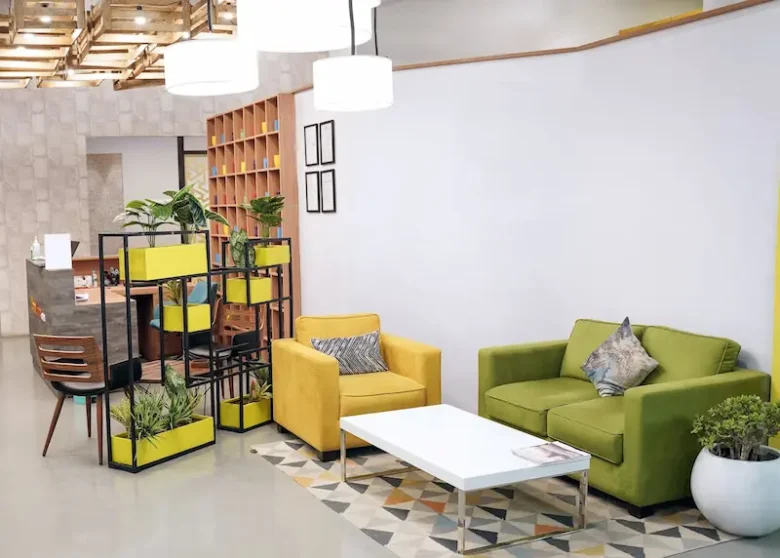
We’re not just talking about making things look nice. We are talking about the intentional manipulation of environment to provoke feeling—sometimes comfort, sometimes awe, sometimes even discomfort, depending on the creator’s intent.
Architecture and the emotional landscape
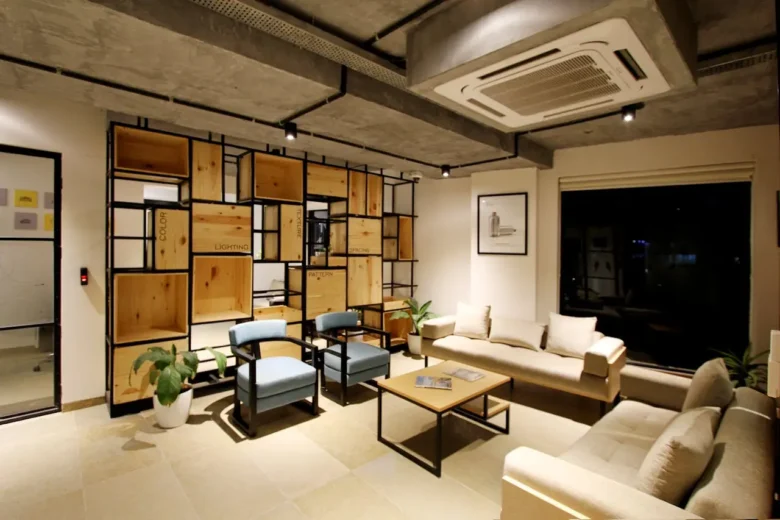
Architecture is perhaps the purest form of large-scale emotional design. Architects manipulate scale, light, material, and flow to dictate how you feel inside a space.
For instance, consider a massive cathedral. Its towering ceilings and filtered light are designed to make you feel small, humble, and awestruck—a spiritual experience crafted entirely through spatial relationships.
Contrast this with a brightly lit, open-plan office space, designed to encourage collaboration and transparency, aiming for feelings of energy and connection.
The materials used also carry significant emotional weight. Cold steel and glass often evoke modernity, efficiency, and perhaps a touch of alienation.
Warm wood, natural stone, and soft textiles tend to elicit feelings of comfort, safety, and permanence. The risk a designer takes here is choosing materials that might be aesthetically striking (visceral) but behaviorally or reflectively uncomfortable (e.g., beautiful but acoustically harsh spaces).
Product design: the artifact as an emotional anchor
In physical product design, emotional design shows up in the details that have no functional necessity but offer immense satisfaction.
Take the simple act of opening a new, high-end electronics box. The way the lid resists slightly before gliding open, the precise placement of the components, the smell of the new materials—this entire “unboxing ritual” is designed to create anticipation, excitement, and a sense of value before you even touch the product. The design is telling you: “What is inside is precious.”
Another example might be kitchen tools. A well-balanced chef’s knife, even if made from the same metal as a cheaper alternative, feels right in the hand.
That ergonomic perfection isn’t just about efficiency (behavioral); it transmits a feeling of professionalism and confidence (reflective). The physical object becomes an emotional anchor for your own skills and aspirations.
Crafting loyalty: using emotion to build brand narratives
For businesses and creators, affective design is the secret weapon for moving past transactional relationships and building deep, lasting loyalty.
When a brand connects emotionally, it becomes incredibly difficult for a competitor to replace it, even if they offer better features or a lower price.
The power of surprise and delight
One of the most effective strategies in emotional design is the element of surprise and delight. This involves introducing unexpected, positive moments into the user journey that go beyond basic expectation.
Imagine ordering something online and receiving a personalized, hand-written note from the seller, or finding a small, high-quality gift tucked into the package.
Functionally, this doesn’t change the product you bought, but emotionally, it creates a moment of genuine connection and pleasure.
These moments are critical because they generate positive memories. Humans are wired to remember peak emotional experiences, whether positive or negative.
By intentionally creating “peak moments” of delight, brands ensure that their interaction stands out in the customer’s memory. This often transforms a simple purchase into a story worth sharing.
Building trust through vulnerability and authenticity
The modern consumer, values authenticity. Emotional design sometimes requires a brand to show vulnerability or acknowledge the imperfections inherent in any human creation.
Instead of presenting a flawless, sterilized image, some brands connect by being honest about their mission, their struggles, or the artistic risks they took. This transparency generates trust.
For example, a sustainable fashion brand might highlight the complexity and cost of ethical sourcing. By showing the effort and the compromise required, they appeal to the customer’s reflective desire to support ethical choices, forging a bond that is stronger than a simple price point. The feeling here is shared purpose and mutual respect, which is a powerful foundation for loyalty.
Analyzing the aesthetic risk: when design challenges expectations
Emotional design isn’t always about creating happiness or satisfaction. Sometimes, the most powerful designs are those that provoke, challenge, or even disconcert the user. This aligns perfectly with Neomania’s mission to explore works that go beyond traditional criticism.
Designing for complex emotions
The best art often makes us feel uncomfortable, forcing us to confront difficult truths. Similarly, powerful design can be intentionally challenging.
Consider interfaces or public installations that use friction or ambiguity as a design choice. While basic behavioral design seeks to eliminate friction, a reflective design might introduce it to make the user slow down, think, and engage more deeply with the content or the message.
For instance, a digital museum experience might intentionally use a fragmented or non-linear interface to evoke the feeling of historical discovery or confusion, rather than providing a clean, easy tutorial.
The designer risks frustrating the user (behavioral failure) to achieve a higher emotional payoff (reflective depth). This is a calculated risk, prioritizing a profound, memorable experience over simple ease of use.
The challenge of cultural and personal response
One of the biggest challenges in emotional design is understanding that emotional responses are highly subjective. What one person finds elegant and soothing, another might find boring or cold. What is provocative to one culture might be offensive to another.
Designers must recognize that they are not designing for a universal “human emotion” but for a specific audience shaped by culture, history, and personal experience.
- Color associations: In Western cultures, white often symbolizes purity and peace; in some Eastern cultures, it is associated with mourning.
- Symbolism: Geometric patterns might feel orderly and modern to one group, but sterile and impersonal to another.
To manage this complexity, affective designers rely on deep user research that looks past demographics and tries to understand psychographics—the beliefs, values, and motivations of the audience. The design must feel authentic to the context it exists within, or the emotional connection will fail.
Implementing affective design: moving from theory to practice
If you are creating content, products, or services, how do you intentionally inject emotion into your work? It starts with defining the emotional goal before defining the functional goal.
1. Define the desired emotional state
Before sketching a wireframe or choosing a typeface, ask: “How do I want the user to feel at this exact moment?”
- Goal: Signing up for a newsletter.
- Desired Emotion: Trust, excitement, ease.
- Design Choices: Clear, friendly language (behavioral); a visual representation of community (reflective); a button that feels satisfyingly responsive (visceral/behavioral).
- Goal: Finishing a complex task.
- Desired Emotion: Accomplishment, relief, confidence.
- Design Choices: Celebratory animations or sounds (visceral); clear progress indicators (behavioral); a message that validates the user’s effort (reflective).
2. Map the emotional journey
Every interaction is a journey with high points and low points. Good emotional design anticipates potential points of frustration (the low points) and designs “emotional buffers” to mitigate them.
For example, if a loading screen is unavoidable (a low point), instead of a standard spinning wheel, the design might offer a brief, witty animation or an interesting fact about the company. This small distraction transforms potential frustration into mild curiosity (shifting the emotion).
3. Use sensory triggers intentionally
Remember the visceral level. Sensory triggers are powerful and often overlooked in digital design, but they are essential in physical creation.
- Sound: Notifications should not just convey information; they should sound pleasant or unique. Think about the satisfying click of a well-made mechanical keyboard or the subtle chime of a successful payment.
- Haptics/Touch: In physical products, the weight, texture, and finish are crucial. A matte finish often feels sophisticated and durable; a glossy finish feels modern and sharp.
4. Create meaningful artifacts
Finally, focus on the reflective level by ensuring the product or service leaves the user with something meaningful—a story, a memory, or a sense of contribution.
This could be as simple as providing a personalized data visualization showing the user’s positive impact (e.g., “You saved X amount of water this month”) or creating a unique visual style that the user feels proud to associate with. The design becomes a badge of identity.
The essence of connection
The analysis of what is emotional design ultimately brings us back to humanity. It’s about recognizing that functionality is the minimum requirement; feeling is the differentiator.
The most successful creators, whether they are designing apps, buildings, or editorial content, understand that they are not just arranging elements—they are choreographing feelings.
They take the risk of going beyond the safe and the purely logical to create something that truly resonates, something that sticks with you long after the interaction is over.
This refined approach, which looks deeply into the essence of creation, its inherent risks, and the questions it poses about human nature, is exactly the kind of exploration we champion. We believe that the creations that move the world are the ones that first move the spirit.
If you’re ready to look beyond the surface, to be transported by narratives that challenge aesthetic norms, and to reflect on the deeper connections between design and emotion, you’ll find that conversation continues here. Be inspired to see the world differently.
Join us at Neomania Magazine and experience a direct, refined look at the creations that truly matter.