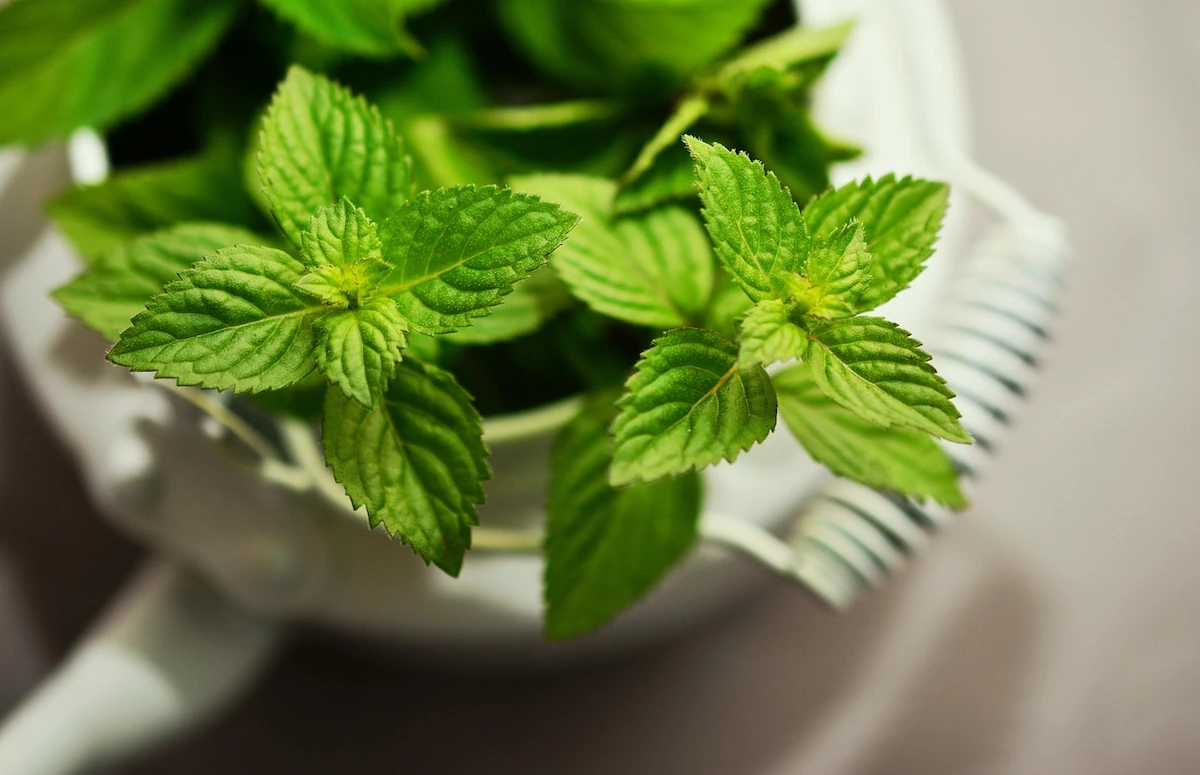
There’s something uniquely satisfying about snipping fresh herbs directly from a plant you’ve grown yourself. It’s a small act that connects us to our food, elevates our cooking, and brings a touch of living green into our homes.
An indoor herb garden isn’t just a project; it’s a lifestyle statement. It speaks to a desire for freshness, a flair for design, and an appreciation for the simple things that make daily life more beautiful.
Many people think they need a sprawling backyard or a green thumb blessed by nature, but the truth is much simpler. With a little knowledge and the right setup, anyone can cultivate a thriving collection of herbs, even in a small city apartment.
This isn’t about becoming a master gardener overnight. It’s about adding a new dimension to your kitchen and your daily rituals.
We’ll look at everything you need to know to get started, from picking the perfect spot to choosing herbs that will flourish inside. Let’s explore how you can bring this vibrant, flavorful world into your home.
Finding the perfect spot: light is your main ingredient
Before you even think about pots or soil, your first task is to become a light scout in your own home. Herbs, like most plants, convert sunlight into energy to grow.
Most of them are sun-worshippers, needing at least six hours of direct sunlight each day to be truly happy. Your sunniest windowsill is the ideal location.
A south-facing window is the gold standard in the Northern Hemisphere, providing strong, consistent light all day. If you don’t have one, don’t worry.
An east-facing window gets gentle morning sun, while a west-facing window gets intense afternoon sun. Both can work well for many types of herbs.
Take a day to observe how the light moves through your space. Where does it land? How long does it stay? This simple observation is the foundation of your garden’s success.
If you find your home is a bit on the darker side, there’s a fantastic modern solution we’ll check out later: grow lights.
Choosing your green companions: the best herbs for an indoor garden
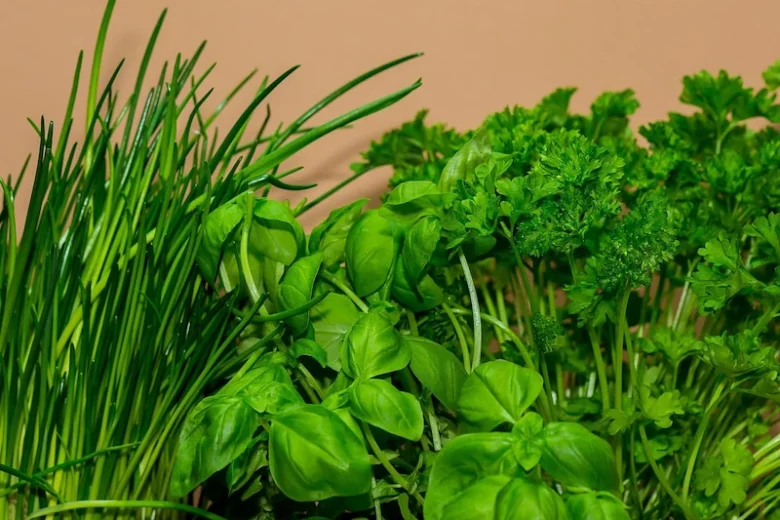
Not all herbs are created equal when it comes to indoor living. Some are perfectly content in a pot on your counter, while others desperately miss the wild outdoors.
Starting with the right plants sets you up for an enjoyable experience rather than a frustrating one. You want herbs that are relatively compact, tolerant of indoor conditions, and, of course, delicious.
Here are some of the most reliable and rewarding herbs to grow inside:
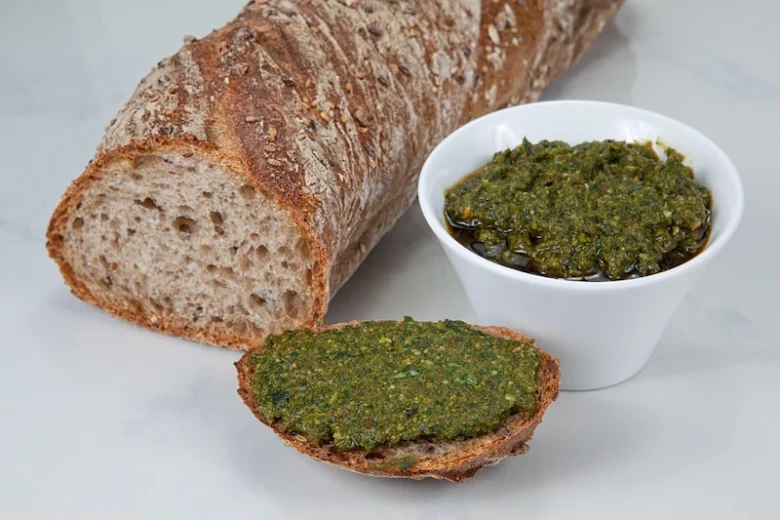
- Basil: The king of Italian cuisine. Its sweet, aromatic leaves are perfect for pesto, pasta, and caprese salads. It loves sun and warmth, so give it your best window.
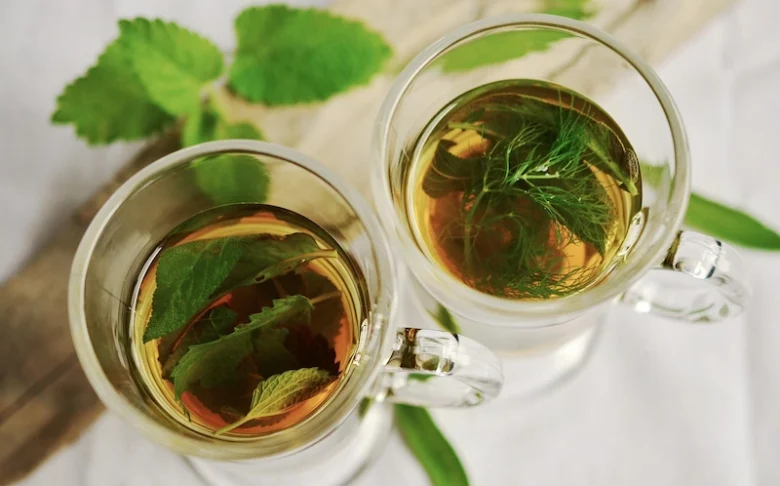
- Mint: This one is famously easy to grow—so easy, in fact, that you should always keep it in its own pot to prevent it from taking over. Perfect for teas, cocktails, and desserts.
- Parsley: Whether you prefer flat-leaf or curly, parsley is a versatile kitchen staple. It’s a bit more tolerant of lower light than basil, making it a great choice for less-than-perfect windows.
- Chives: With a delicate onion-like flavor, chives are amazing sprinkled over eggs, potatoes, and soups. They grow like grass and are very low-maintenance.
- Rosemary: This woody, fragrant herb needs a lot of light and hates having wet roots. It’s perfect for roasting with meats and vegetables.
- Thyme: A hardy, drought-tolerant herb with tiny, flavorful leaves. It’s a foundational element in many European cuisines and is quite happy in a sunny indoor spot.
- Oregano: Another Mediterranean sun-lover, oregano brings a peppery punch to pizza, pasta sauces, and marinades.

To help you decide, here’s a quick comparison of these popular choices:
1. Basil
- Light Needs: High (6-8 hours)
- Water Needs: Medium (likes moist soil)
- Difficulty Level: Easy to Medium
2. Mint
- Light Needs: Medium to High (4-6 hours)
- Water Needs: High (likes consistently moist soil)
- Difficulty Level: Very Easy
3. Parsley
- Light Needs: Medium (4-6 hours)
- Water Needs: Medium (likes moist soil)
- Difficulty Level: Easy
4. Chives
- Light Needs: Medium to High (4-6 hours)
- Water Needs: Medium
- Difficulty Level: Very Easy
5. Rosemary
- Light Needs: High (6-8 hours)
- Water Needs: Low (let soil dry out)
- Difficulty Level: Medium
6. Thyme
- Light Needs: High (6-8 hours)
- Water Needs: Low (let soil dry out)
- Difficulty Level: Easy
Your DIY indoor herb garden setup: pots, soil, and style
Now for the fun part: putting it all together. Creating a DIY indoor herb garden is your chance to blend functionality with your personal aesthetic. You don’t need expensive, specialized equipment. You just need a few basics.
Containers with character
Almost any container can become a home for an herb, as long as it has one non-negotiable feature: drainage holes. Without them, water pools at the bottom, leading to root rot, which is a swift end for any plant.
Terracotta pots are a classic choice; they are porous and allow the soil to breathe, which helps prevent overwatering. Glazed ceramic or plastic pots also work well and retain moisture longer, meaning you’ll water less often.
This is a great place to get creative. Upcycled tin cans, mason jars, or wooden boxes can all look amazing, just be sure to drill holes in the bottom first.
The right foundation: soil
Don’t be tempted to just scoop some dirt from your backyard. Garden soil is too dense and heavy for container plants. It compacts easily, choking out the roots.
Instead, you’ll want to buy a quality potting mix from a garden center. This is a specially formulated blend of materials like peat moss, perlite, and compost that stays light and fluffy, allowing for proper air and water flow. It’s the perfect foundation for your new green friends.
The planting process: from seed to sprout
You have two main paths to starting your garden: from seeds or from small starter plants (seedlings). There’s no right or wrong answer; it just depends on your patience and budget.
- Starting from seeds: This is the most affordable route and gives you the satisfaction of watching life emerge from a tiny speck. It requires more patience, as it can take several weeks to see significant growth. Simply follow the instructions on the seed packet for planting depth and spacing.
- Starting with seedlings: Buying small plants from a nursery or grocery store gives you a huge head start. You get the near-instant gratification of having a small garden right away. To transplant them, gently remove the plant from its original container, loosen the root ball slightly with your fingers, and place it in your new pot. Fill in around it with potting mix, press down gently, and give it a good drink of water.
Caring for your indoor herbs: the rhythm of growth
Your garden is planted. Now, the ongoing relationship begins. Caring for indoor herbs is about observing and responding to their needs. It’s a simple rhythm of watering, feeding, and pruning that will keep them healthy and productive.
The art of watering
The most common mistake new plant parents make is overwatering. It comes from a good place, but it’s deadly. Instead of watering on a strict schedule, check the soil first.
Stick your finger about an inch deep into the pot. If the soil feels dry, it’s time to water. If it feels moist, wait another day or two. When you do water, do it thoroughly until you see water running out of the drainage holes.
This ensures the entire root system gets a drink. Then, dump out any excess water from the saucer so the plant isn’t sitting in a puddle.
Feeding your garden
The nutrients in potting mix eventually get used up. To keep your herbs growing strong, you’ll want to feed them. A balanced liquid fertilizer, diluted to half-strength, applied every few weeks during the spring and summer growing season is usually plenty.
Think of it as a vitamin boost, not a full meal. Less is more when it comes to fertilizer for herbs, as too much can actually diminish their flavor.
Pruning for abundance
This might be the most important part of caring for your herbs. Regular harvesting is actually good for the plant. It encourages them to become bushier and more productive rather than tall and spindly.
When you need some basil for your pasta, don’t just pluck off a few leaves. Snip off a whole stem right above a set of leaves. This will signal the plant to send out two new stems from that spot.
For herbs like chives and parsley, you can trim the outer leaves at the base. Regular “haircuts” keep your garden looking great and producing more for you to enjoy.
Indoor herb garden ideas for small spaces
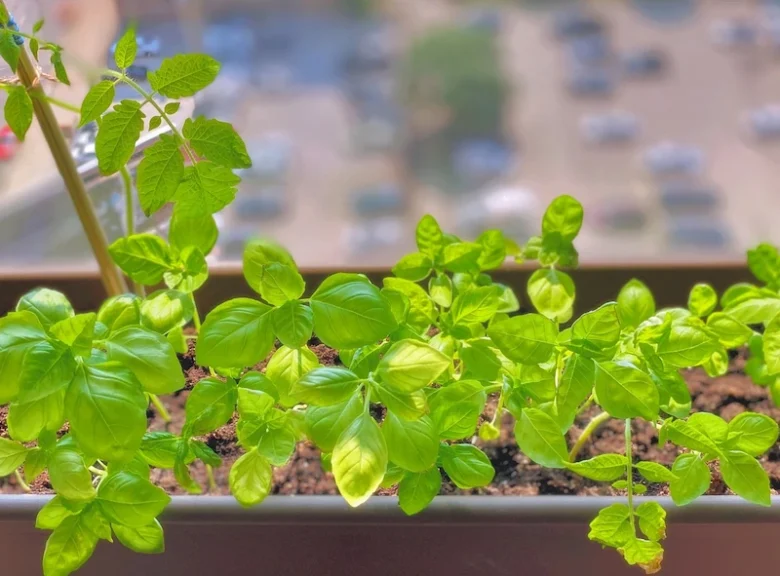
Living in a cozy apartment doesn’t mean you have to give up on your green dreams. In fact, some of the most beautiful gardens are born from the challenge of limited space. The key is to think vertically and creatively.
- Vertical Wall Planters: These are systems that allow you to grow plants up a wall, turning a blank space into a living piece of art. You can buy pre-made fabric pockets or modular stacking systems.
- Hanging Baskets: Use your vertical space by hanging herbs like mint or thyme from the ceiling near a window. A stylish macrame hanger adds a bohemian touch to any room.
- Magnetic Pots: For a truly space-saving and modern look, you can find small magnetic pots that stick right to your refrigerator. Just be sure that side of your fridge gets some ambient light.
The modern solution: an indoor herb garden with a grow light
What if your home simply doesn’t have a spot with six hours of sunlight? This is where technology comes to the rescue.
An indoor herb garden with a grow light is a game-changer, allowing you to create the perfect conditions for your plants anywhere in your home—a dim corner, a basement, or your kitchen counter far from any window.
Modern LED grow lights are energy-efficient and provide the full spectrum of light that plants need to photosynthesize. You don’t need a massive, industrial-looking setup.
There are many stylish options available, from single-bulb lamps that clamp onto a shelf to sleek, all-in-one countertop units that come with their own self-watering systems.
For a basic setup, position the light a few inches above your plants and set it on a timer for 12-16 hours a day. This consistent, high-quality “sunshine” will result in strong, healthy, and incredibly flavorful herbs, regardless of the weather outside or the direction your windows face.
As you can see, your kitchen is about to become your new favorite source of inspiration. Having fresh, aromatic herbs at your fingertips transforms the way you cook and your relationship with food. It’s a small, beautiful way to bring more life into your home and more flavor onto your plate.
If you love bringing creativity and fresh ideas into every corner of your life—from the way you decorate to the meals you prepare—you’ll feel right at home with Neomania Magazine.
We explore the intersection of design, culture, and conscious living. Subscribe today to get a regular dose of inspiration delivered right to you.