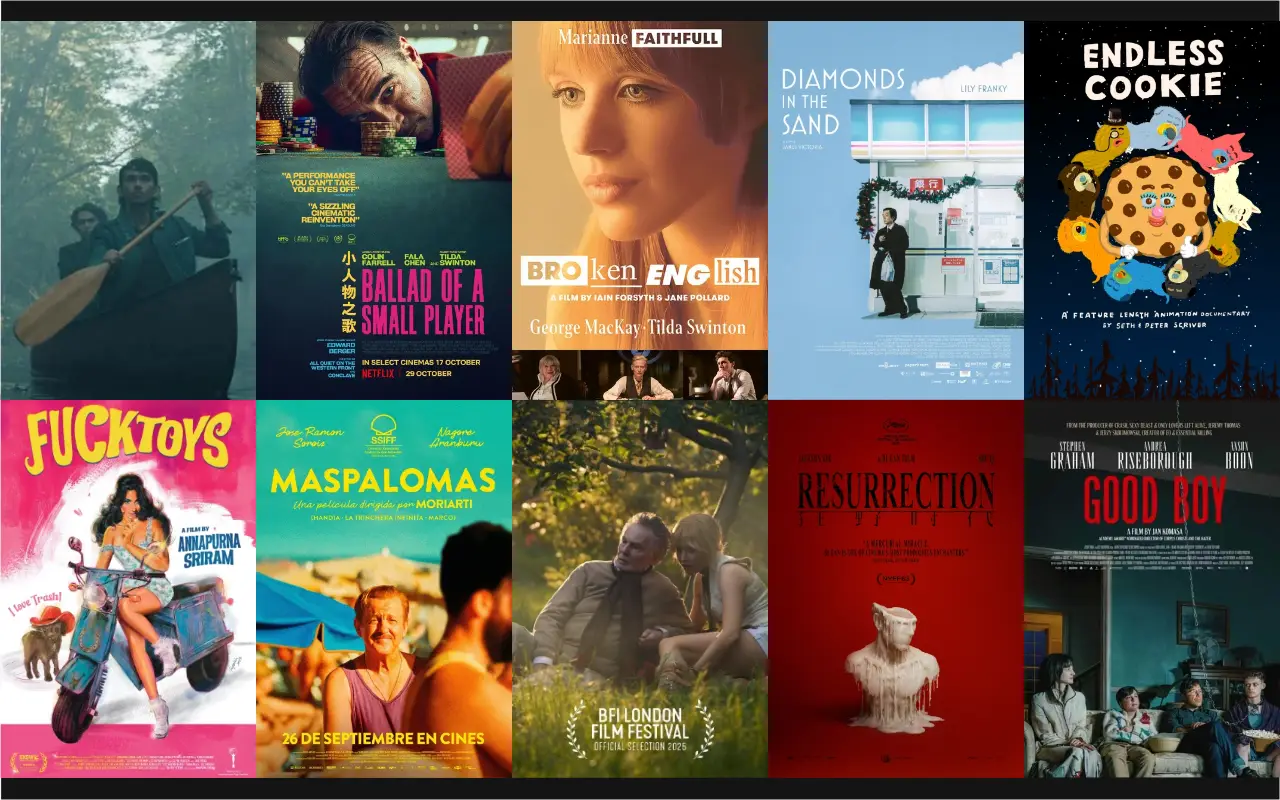
In a year when Cannes, Venice and London have competed to deliver the most daring, intimate and surprising works of contemporary cinema, a selection of thirty films emerges that not only defines the season but reveals where the art form is heading.
This trilogy of articles —a refined and incisive look at the standout titles of 2025— is crafted for readers who seek more than conventional criticism and want to immerse themselves in the essence of each film: its gestures, risks and questions.
In this first part, we explore films 1 to 10, a vibrant collection that ranges from the spiritual to the provocative, touching on psychological drama, satire, cult aesthetics and sensory cinema.
A powerful opening to an exceptional cinematic journey: stories that unsettle, move, perplex and occasionally soothe. And if this is only the beginning, imagine what follows.
At the Place of Ghosts
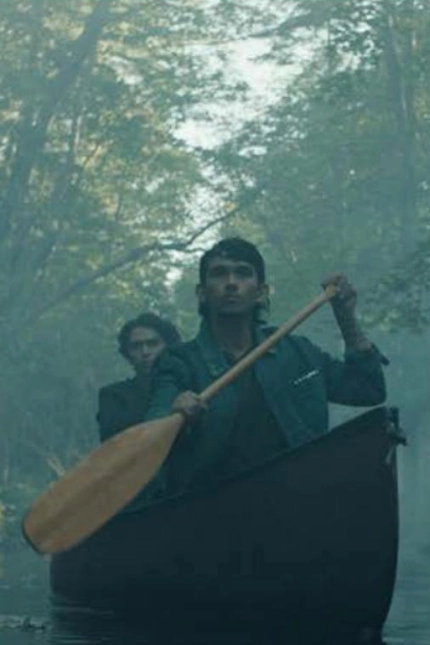
At The Place of Ghosts takes us deep into a forest that feels both real and unreal — beautifully filmed, steeped in silence and memory. The story follows two brothers haunted by their mean, controlling father, whose accidental death forces them to confront the past and give him rest.
This is a film that moves slowly, almost hesitantly, from the world of the living into the realm of spirits. Time feels suspended; moments stretch and echo. Beneath the surface, though, it’s an emotional study of love and the fragile bond between brothers — how they grow, pull apart, and quietly rediscover their care for one another.
The use of untrained actors gives the film a raw honesty. Their performances aren’t polished, but that’s where its truth lies — in the awkward pauses, the unspoken grief, the natural rhythm of real people caught in extraordinary circumstances.
At the Place of Ghosts doesn’t seek redemption or closure. It lingers in the space between guilt and grace, where understanding itself becomes the only kind of peace left to find.
Moss & Freud
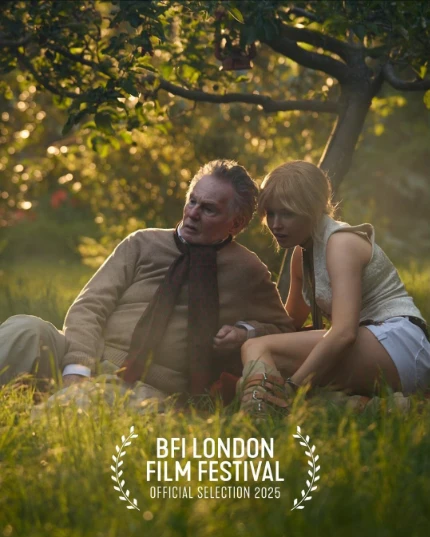
Moss and Freud offers an intimate look at two cultural icons, revealing the people behind the fame. Kate Moss, an ordinary girl from South London, encounters Freud for the first time and is fascinated, even reading his essays about art, drawn into a world entirely foreign to her.
Freud, the passionate painter, raises the question: is his obsession truly with painting, or with Moss herself — a hint of possessiveness, fascination, or perhaps love that may never be fully known.
Their interactions form the emotional core of the film, showing two very different worlds converging, personalities learning from each other, and human connection unfolding in quiet, revealing moments.
Ultimately, the film is a meditation on fascination, obsession, and intimacy — leaving the viewer to reflect on art, celebrity, and desire.
The Good Boy
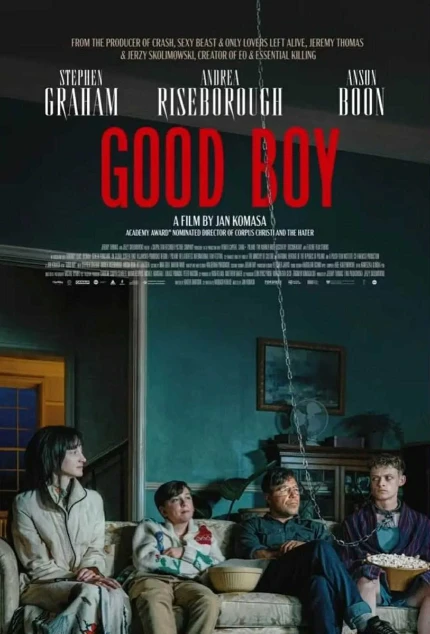
The Good Boy is one of the most gripping films this year. It throws us headfirst into the life of a young man who’s drunk, drug-addicted, wild, reckless, and cruel to those around him.
His chaos seems unstoppable — until he encounters a grieving couple who act as a vigilante correctional force, strict and unyielding, almost like their own private police. Through their intense, uncompromising care, he begins a disturbing and compelling transformation.
The film deepens with the quiet grief and loneliness of a mother and her supportive husband, who, having lost their own child, go to extraordinary lengths to change a reckless man and attempt to bring him into their family.
It’s a brutal, darkly fascinating story, showing that even the most out-of-control life can be steered, though never without tension, loss, or lingering uncertainty.
Maspalomas
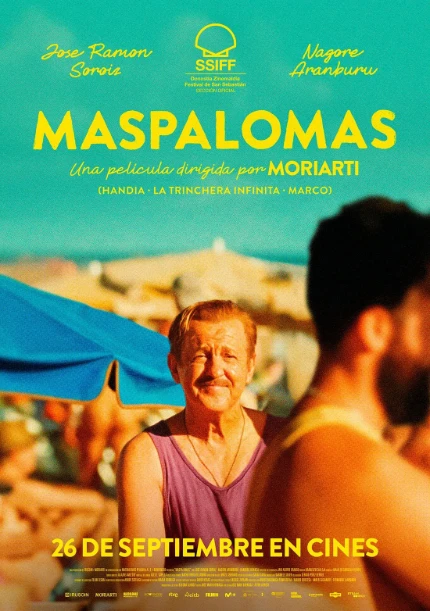
Retired, living far from your wife and daughter for decades — a closeted homosexual quietly tucked away in a sunlit corner of Spain. Then, one stroke changes everything.
From the comfort of a men’s club to the stillness of a care home, placed there by the very daughter once kept at distance.
A moving, emotional tearjerker about reconnection and lost time — and the fragile beauty of building new friendship late in life.
We all have our own stories, our own quiet truths. How do we keep living them?
A feel-good film that softly asks: So what now? What then? What’s next?
And answers with a simple truth — we carry on.
Regardless.
Diamonds in the sand
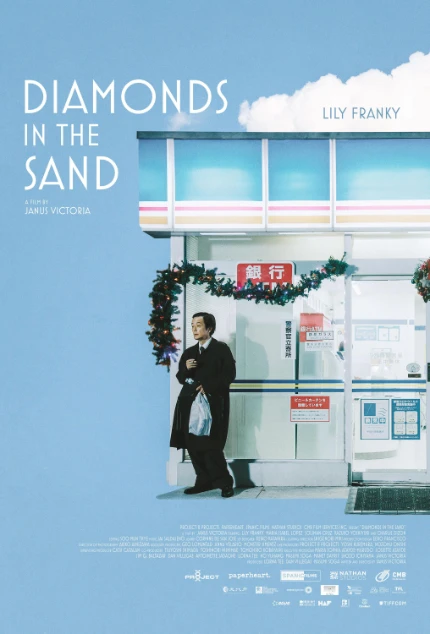
A gritty, unpolished mirror of life — death, decay, and the quiet corners of truth.
The film drags us into the realities of Japan and the Philippines, two worlds colliding in contrast and humour. It’s not polished beauty, but raw humanity — the way people really are, the way they survive, love, and laugh through difference.
There’s wit in the way it observes culture: the order and restraint of Japan rubbing against the warmth and chaos of the Philippines. Somehow, it all fits — awkwardly, beautifully.
At its heart, it’s a love story — between a Japanese divorcee and a Filipina caretaker. Both broken in their own ways, both finding something tender in the ruins.
A film that doesn’t romanticise, but recognises. Life as it is — rough, absurd, and strangely moving.
Resurrection
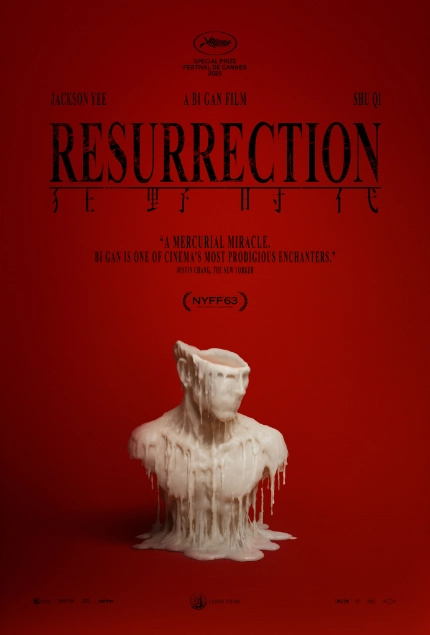
A cinematic feast — or perhaps a cinematic assault. Resurrection is spectacle without pause: loud, relentless, exhausting. It demands endurance more than attention. Some will call it genius; others, chaos. I found it somewhere in between — an ordeal I simply had to survive.
The story? It barely mattered. Lost under layers of noise, motion, and excess, it became a blur of ideas competing for air. There are moments of brilliance, yes, but they drown in their own ambition.
It’s the kind of film you either love or loathe. I endured it, scene by scene, until the credits rolled like relief.
A resurrection, perhaps — but mostly from my patience.
Broken English
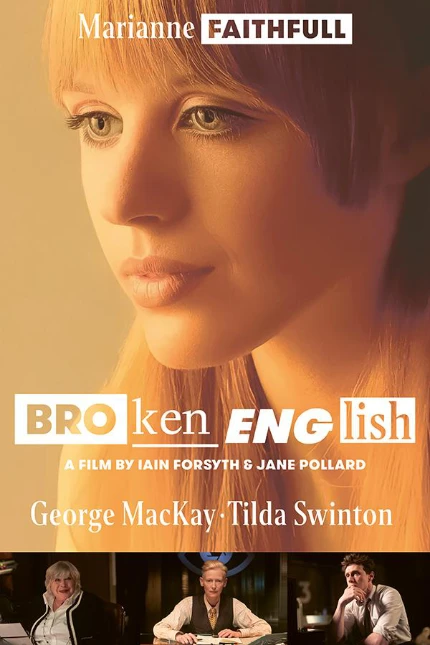
Broken English is a stylized fusion of fiction and documentary — a cinematic dialogue between truth and invention. It plays with perception, letting fiction dissolve into reality and reality drift into artifice.
Tilda Swinton appears as a character, while Marianne Faithfull steps forward as herself. Through her own voice, the film becomes an act of reclamation — setting the record straight, correcting what was miswritten, and exposing what was hidden beneath myth.
Because Marianne Faithfull was never just the girlfriend of Mick Jagger — and she should never be remembered as merely that. She is far, far more. A British artist of intellect, courage, and depth, Faithfull has built a career spanning over five decades, her music and presence marked by resilience, poetry, and an unflinching honesty. She survived fame’s cruelties, the weight of addiction, and the easy labels history tried to pin on her — and kept creating.
Broken English stands as both film and tribute — a meditation on endurance, reinvention, and truth. Marianne Faithfull remains not simply an icon, but a legend in her own right.
Ballad of a Small Player
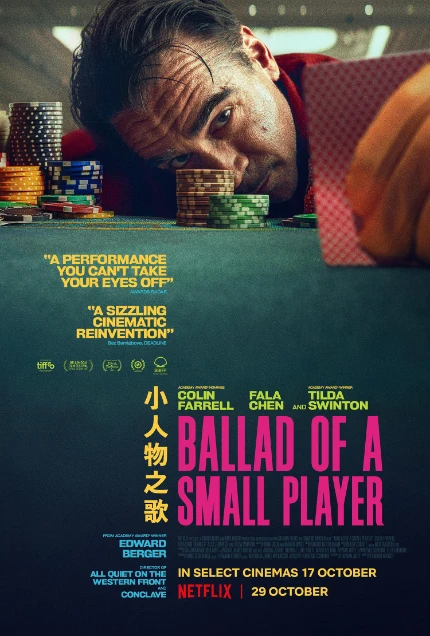
Ballad of a Small Player is a beautifully shot film, unfolding like a series of elegant adverts for luxury travel — gleaming hotels, casinos, fine whiskies, champagne, and immaculate tailoring. Every frame glows with indulgence.
At its centre is a desperate, down-and-out fraudster, a man on his final hand, standing at the edge of ruin and self-destruction. Then, almost miraculously, he encounters something — or someone — that changes the course of his life.
Tilda Swinton brings her cool, magnetic stillness to the screen, while Colin Farrell gives another of his deeply felt performances — wounded, charming, and believable.
It’s a film that drifts between dream and despair, opulence and redemption. A feel-good story wrapped in melancholy.
The perfect escape for a weekend with friends: beautifully made, quietly hopeful, and fun.
Fucktoys

Shot in textured 16mm, Annapurna Sriam’s debut Fucktoys is a sharp, funny, and quietly touching look at youth in freefall.
Over one messy weekend, a young woman hustles for money and a sense of control. What follows is part comedy, part heartbreak — full of impulsive choices that feel both painful and alive.
Sriam’s style nods to retro European and early American cinema, mixing old-school charm with a modern edge. The film glows with nostalgia but never feels stuck in the past.
Playful, stylish, and unexpectedly moving, Fucktoys captures that fleeting mix of sweetness and sting — a small story that lingers long after it ends.
Endless Cookie
A wild, candy-coloured dream of a film — Endless Cookie feels like floating through an animated sugar rush.
It’s calm, strange, and oddly soothing. The story drifts rather than drives, pulling you gently out of reality and into its soft, trippy world.
Perfect for a lazy afternoon — or when your mind’s already halfway in another dimension.
In short, a perfect film when one’s tripping on shrooms.