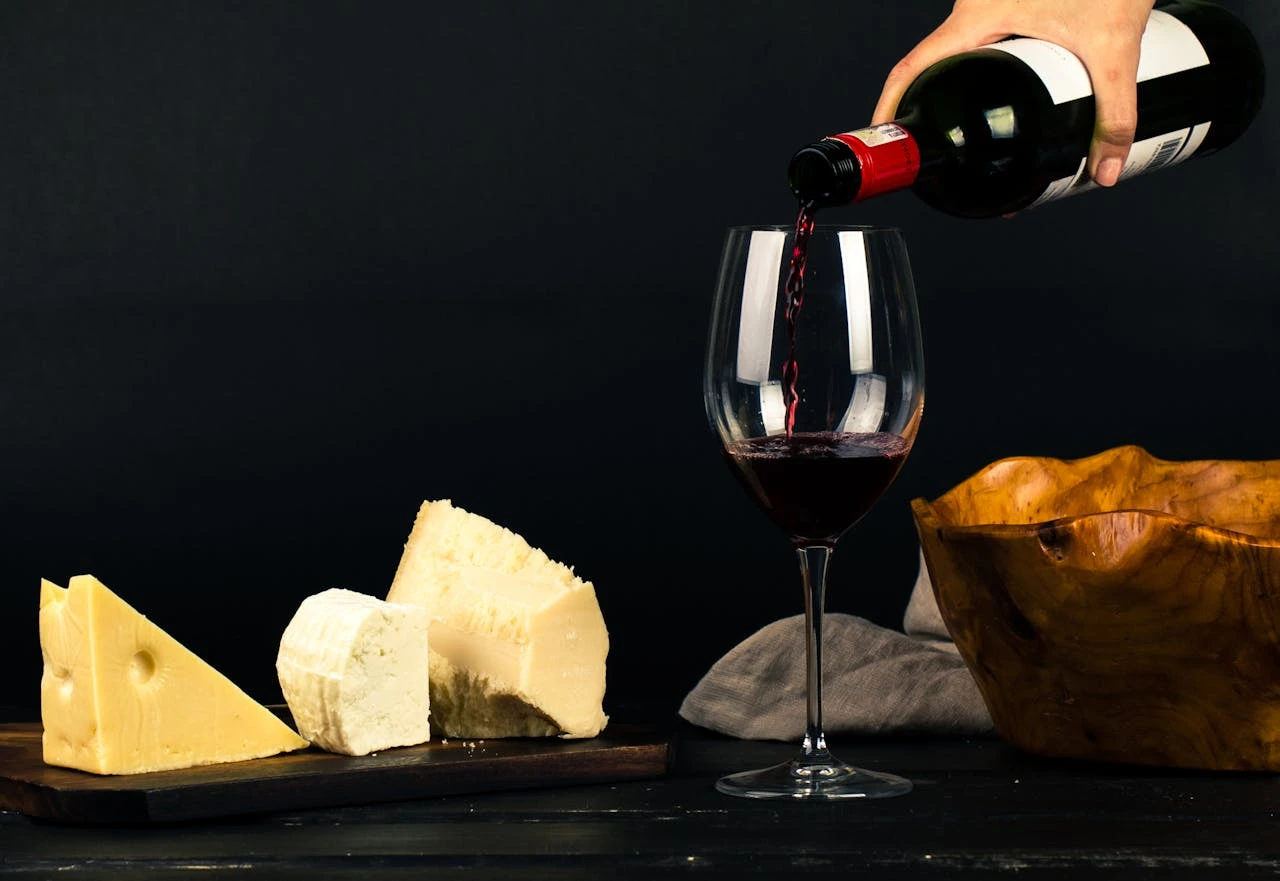
Drinking a glass of wine often feels like a simple pleasure, but the story behind the bottle tells a much larger tale of land, legacy, and a return to the basics.
For a long time, the wine industry focused on consistency and mass production, often using chemicals to ensure every bottle tasted exactly like the last one.
However, a quiet shift has been happening in vineyards across the globe. People are looking for something more authentic, something that speaks of the earth without the filter of industrial additives. This is where natural and biodynamic wines come into play, offering a taste that is as unpredictable as it is beautiful.
When you hold a glass of natural wine, you are holding a living product. Unlike conventional wines that are often stabilized and “corrected” in a lab, these wines are the result of letting nature take the lead.
This movement isn’t just about a trend; it is about a philosophy that respects the life of the soil and the integrity of the fruit. It is a way of making wine that feels more like art than chemistry, this artistic risk is exactly what makes the experience so rewarding.
As you begin to explore this world, you might notice that the labels look different, the colors are sometimes cloudy, and the flavors can be surprisingly wild.
This is because the winemakers have chosen to step back and let the grapes express themselves. This approach requires a great deal of patience and a deep connection to the environment.
It is not about controlling the process but about supporting the vine so it can produce its best work naturally. This connection to the land is what separates a standard bottle from one that truly has a soul.
What exactly is natural wine?
To understand what you are drinking, it helps to look at the process. Natural wine is often described as “nothing added and nothing taken away.”
In a typical commercial winery, there are dozens of legal additives available to winemakers, from commercial yeasts and sugar to acidifiers and sulfur.
These tools help create a predictable product, but they can also mask the true character of the grapes. Natural winemakers reject these shortcuts.
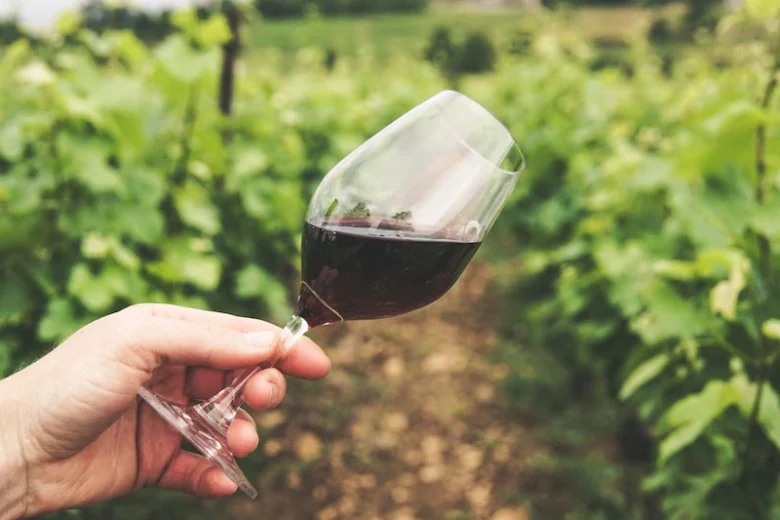
They rely on the native yeasts already present on the grape skins to start the fermentation process, which gives the wine a unique sense of place, often called terroir.
This lack of intervention means that every vintage is a surprise. You might find that a bottle of Pinot Noir from a natural producer tastes completely different from one year to the next.
For some, this unpredictability is a challenge, but for those who appreciate the raw beauty of the craft, it is a thrill. It is like listening to a live performance instead of a polished studio recording.
There might be some imperfections, but the energy and the honesty of the performance are what stay with you. You are tasting the weather of that year, the health of that specific soil, and the hands of the person who tended the vines.
Since these wines are usually unfiltered and unfined, they often have a hazy appearance. This is perfectly normal. Those tiny particles left in the bottle are part of the wine’s personality and can even contribute to a more textured mouthfeel.
When you pour a glass of “pet-nat” (pétillant naturel), for example, you are seeing the result of an ancient method where the wine finishes fermenting inside the bottle, trapping the bubbles naturally.
It is fresh, vibrant, and a little bit rebellious, much like the spirit we celebrate here at Neomania.
The holistic rhythm of biodynamic farming
While natural wine focuses on the cellar, biodynamics focuses on the farm. This method goes beyond organic farming by treating the entire vineyard as a single, self-sustaining organism.
It was developed in the 1920s based on the ideas of Rudolf Steiner, and it involves some practices that might sound unusual at first.
For instance, biodynamic farmers follow a lunar calendar to decide when to plant, prune, and harvest. They believe that the moon’s cycles affect the flow of sap in the plants, just as they affect the tides of the ocean.
Working with these natural rhythms requires a high level of observation. Instead of using synthetic fertilizers, biodynamic growers use special “preparations” made from compost, herbs, and minerals.
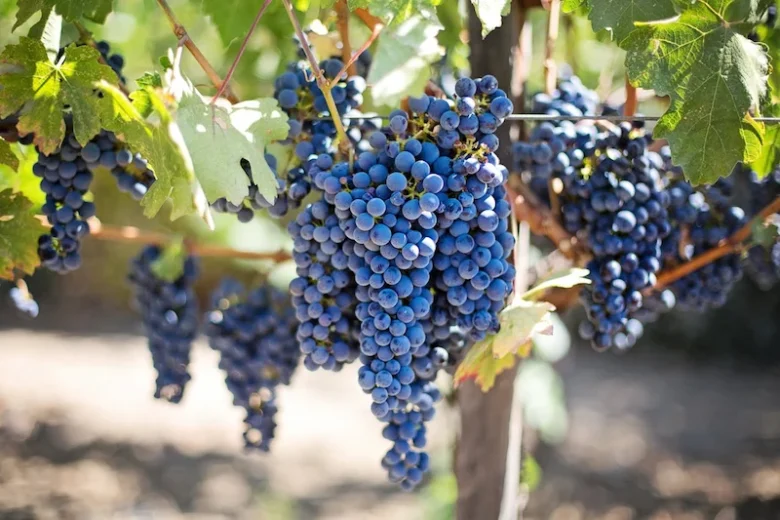
One of the most famous practices involves burying a cow horn filled with manure or quartz over the winter to create a potent soil booster.
While this might seem mystical, the results are hard to argue with. Vineyards that follow these practices often have healthier soil, more biodiversity, and vines that are more resilient to climate changes.
You can often taste this vitality in the wine; it has a certain “lift” or energy that is hard to find elsewhere.
This approach is about creating a balance between the earth, the plants, and the cosmos. It asks the farmer to be a steward of the land rather than a manager of a factory.
By avoiding pesticides and herbicides, they allow the local flora and fauna to thrive, which in turn creates a more complex ecosystem.
This complexity eventually finds its way into your glass. When you choose a biodynamic wine, you are supporting a type of agriculture that gives back to the earth instead of just taking from it. It is a provocative way of thinking that challenges the status quo of modern farming.
The rise of orange wine and skin contact
One of the most exciting developments in the natural wine scene is the resurgence of orange wine. Despite the name, these wines aren’t made from oranges.
They are white wines made like red wines. Usually, when making white wine, the skins are removed immediately. With orange wine (also called skin-contact wine), the white grape skins stay in contact with the juice for days, weeks, or even months. This process gives the wine a deep amber or orange hue and a completely different flavor profile.
Orange wines often have more tannins and a savory, nutty character that makes them incredibly versatile with food. You might taste notes of dried apricots, tea leaves, or even sourdough.
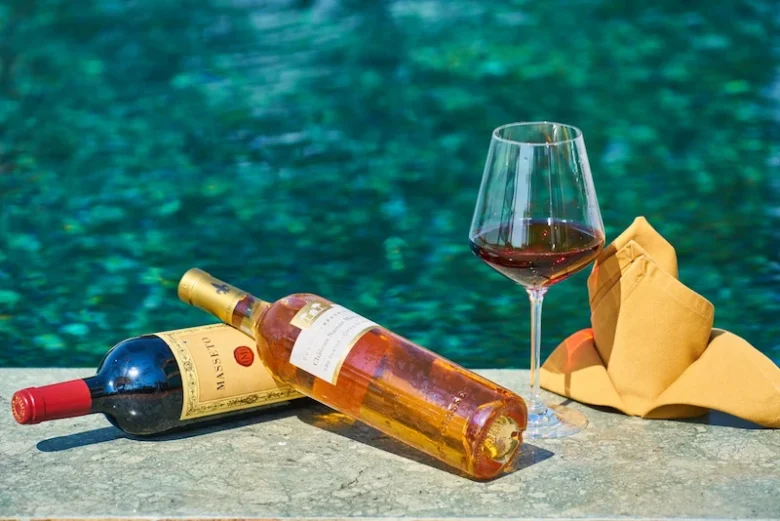
Because the skins provide natural antioxidants, winemakers can often use even less sulfur, making this a favorite technique in the natural wine community.
It is a style that has been around for thousands of years, particularly in regions like Georgia, where wine is still fermented in large clay pots called qvevri buried underground.
This ancient wisdom is being rediscovered by a new generation of drinkers who want something that feels grounded and real.
Trying an orange wine for the first time can be a bit of a shock if you are used to crisp, clean Chardonnays. But if you approach it with an open mind, you will find a world of texture and complexity.
It is a provocative style that doesn’t care about being “pretty” in the traditional sense; it cares about being expressive. This aligns perfectly with the aesthetic we value—one that isn’t afraid to be different or to ask questions of the person experiencing it.
Why soil health matters for your palate
You might wonder if you can actually taste the difference between a wine grown in “dead” soil versus one grown in a biodynamic vineyard. Many experts and enthusiasts believe you can.
Soil that is treated with chemicals often lacks the microbial life that helps vines absorb minerals. In contrast, biodynamic soils are teeming with fungi, bacteria, and earthworms.
This healthy “underground city” helps the vine develop a deeper root system, which can lead to a more concentrated and mineral-driven flavor in the grapes.
Think of it like the difference between a tomato grown in a mass-market greenhouse and one grown in a sun-drenched backyard garden.
The backyard tomato has a depth of flavor and a sweetness that the industrial one simply can’t match. The same applies to grapes.
When the plant is healthy and in harmony with its environment, the fruit it produces is more vibrant. This vibrancy translates into the wine as a sense of freshness and “aliveness” that wakes up your palate. It is a direct connection to the earth that you can feel with every sip.
Furthermore, healthy soil acts as a carbon sink, helping to mitigate the effects of climate change. By choosing wines from producers who prioritize soil health, you are participating in a larger movement of environmental restoration.
It is a way to enjoy a luxury product while knowing that its production is contributing to the well-being of the planet. This balance of indulgence and responsibility is a key part of a refined modern lifestyle.
The sensory journey of tasting natural wines
When you sit down to taste natural and biodynamic wines, it is best to set aside your expectations. These wines don’t always follow the rules of traditional wine criticism.
You might encounter aromas that are “funky” or earthy—sometimes described as “barnyard” or “mousey.”
While these can be flaws if they are too intense, in small amounts, they add a layer of complexity that many people find fascinating. It is a reminder that wine is a fermented product, a result of biological life.
The mouthfeel is also different. Because these wines aren’t stripped of their natural oils and sediments through heavy filtration, they often feel “wider” or more textural on the tongue.
You might feel a slight tingle of residual carbon dioxide, which winemakers sometimes leave in the bottle to help protect the wine from oxidation in the absence of sulfur.
This slight spritz adds to the sense of energy and freshness. It makes the wine feel like it is still evolving in the glass, which it often is.
As you spend more time with these wines, you might find that you become more sensitive to the heavy-handed use of oak or chemicals in conventional bottles.
Your palate starts to crave the clarity and the “zip” of a low-intervention wine. It becomes less about checking boxes for “notes of vanilla and tobacco” and more about how the wine makes you feel.
Does it feel bright? Does it feel grounded? Does it tell you a story about a specific place? This is the emotional connection that we look for in every piece of content we create.
How to buy and store your bottles
Finding these wines can sometimes be a bit of a hunt, as they aren’t always available in standard supermarkets. Your best bet is to look for independent wine shops or “natural wine bars” that specialize in small-batch producers.
Look for labels that mention “unfiltered,” “no added sulfites,” or certifications like Demeter or Biodyvin. Don’t be afraid to ask the staff for recommendations.
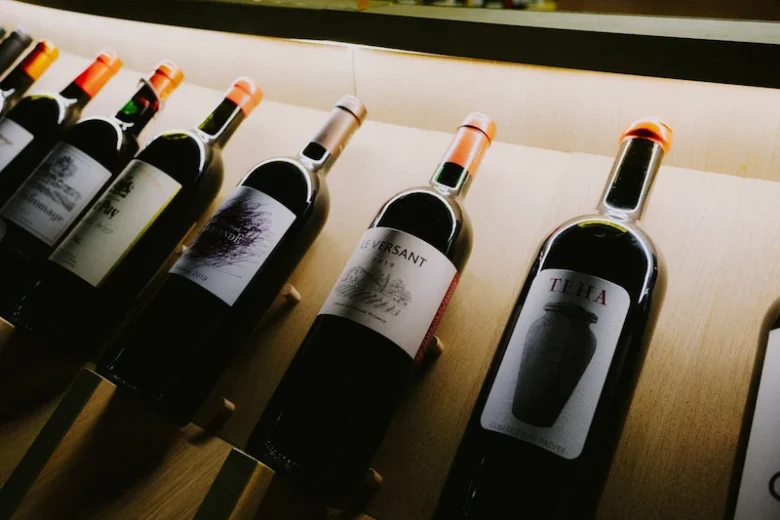
People who work with natural wine are usually very passionate and love to share the stories of the winemakers they represent.
Once you bring your bottles home, you need to treat them with a bit more care than a industrial wine. Because they have little to no added sulfur, they are more sensitive to temperature changes and light.
It is a good idea to store them in a cool, dark place. If you are buying a particularly “wild” natural wine, you might even want to keep it in the fridge.
When you are ready to drink, try not to over-chill it. If a wine is too cold, you might miss out on some of those delicate, funky aromas that make it special.
Also, keep in mind that these wines can change quickly once opened. Without the preservatives found in conventional wine, they might oxidize faster.
However, some natural wines actually benefit from a bit of air and can taste even better on the second day. It is all part of the experiment.
Each bottle is a conversation, and sometimes that conversation takes a little time to get going. Treat it with the same respect you would give to a piece of art or a rare book.
The spiritual connection to the vine
There is something inherently spiritual about the way biodynamic winemakers work. By following the stars and the moon, they are acknowledging that we are part of a much larger system.
This isn’t just about agriculture; it is about humility. It is an admission that we don’t have all the answers and that sometimes the best thing we can do is get out of the way.
This philosophy resonates deeply with those who are looking for more meaning in their daily lives.
In a world that is increasingly digital and disconnected, a bottle of biodynamic wine is a tangible link to the physical world. It represents the seasons, the rain, the sun, and the soil. It is a slow product in a fast world.
When you share a bottle with friends, you aren’t just consuming a beverage; you are sharing a moment of connection to the earth.
This is the kind of experience that stays with you long after the bottle is empty. It is provocative because it asks us to slow down and really taste what is in front of us.
This spiritual aspect is what makes the natural wine movement so vibrant. It attracts people who are looking for authenticity and who aren’t afraid to embrace the unknown.
It is a community of rebels, artists, and dreamers who believe that wine should be a reflection of life—messy, beautiful, and full of surprises.
At Neomania, we see this same spirit in the artists and innovators we feature every day. It is a shared journey toward something more real.
The future of wine is natural
As we look at the direction the world is moving, it is clear that the demand for transparency and sustainability is only going to grow.
People want to know what they are putting into their bodies and how those products affect the world around them. The wine industry is no exception.
More and more established wineries are moving toward organic and biodynamic practices, recognizing that this is the only way to ensure the long-term health of their land.
This shift is also being driven by a younger generation of winemakers who are eager to experiment and push boundaries. They are moving away from the “prestige” of expensive oak barrels and high scores from critics, focusing instead on drinkability and expression.
They are making wines that are meant to be enjoyed now, often in casual settings, rather than being tucked away in a cellar for decades. This democratization of wine is making it more accessible and exciting for everyone.
As you continue your journey with natural and biodynamic wines, you will likely find that your taste continues to evolve.
You might start out with a light, fizzy Pet-Nat and eventually find yourself seeking out the most intense, skin-contact orange wines you can find.
There is no right or wrong way to do it. The important thing is to stay curious and to keep exploring. Every bottle is an opportunity to learn something new about the world and about yourself.
A final thought on the aesthetic of wine
Wine is more than just a drink; it is a cultural artifact. The way it is made, the way it is labeled, and the way it is consumed all say something about who we are.
The natural wine movement has brought a new aesthetic to the table—one that is raw, colorful, and deeply human. It rejects the stuffiness of traditional wine culture in favor of something more vibrant and inclusive. This is exactly the kind of energy we love to celebrate.
When you choose a bottle that has been made with respect for the land and the fruit, you are making a statement about what you value.
You are choosing the spiritual over the industrial, the unique over the uniform. You are allowing yourself to be surprised and perhaps even a little bit disconcerted.
This is where growth happens, and this is where true beauty is found. It is a journey that goes far beyond the glass.
We invite you to look at your next glass of wine not just as a beverage, but as a story. Think about the soil, the moon, and the hands that made it.
Let yourself be transported by the narrative of the vineyard and the risks taken by the winemaker. There is so much to discover when you stop looking for perfection and start looking for soul.
This is the essence of the refined look we offer at Neomania, where we dive into the heart of what makes life provocative and beautiful.
If this exploration of the authentic and the spiritual has moved you, there is so much more to see. Our pages are filled with stories that challenge the ordinary and celebrate the extraordinary.
We don’t just report on trends; we look for the questions that keep us awake at night and the beauty that makes it all worthwhile. Let this be the start of a deeper connection with the world around you.
Subscribe to Neomania Magazine today and join a community that values the essence of the work, the risks of the artist, and the vibrant stories that define our time.