The sound of a silver fork resting against a ceramic plate often goes unnoticed in the rush of a Tuesday evening. You might find yourself finishing a meal without truly tasting the notes of basil or the subtle bitterness of high-quality olive oil.
This disconnect between the body and the plate is a hallmark of a fast-paced culture that prizes efficiency over experience. However, a shift is occurring in how you relate to your nourishment.
It is a transition from mindless consumption to a deliberate, aesthetic practice known as mindful eating, where every bite becomes a conscious choice and a moment of reflection.
This practice is not about restriction or rigid rules; it is about reclaiming the joy of the senses and understanding the narrative behind what you consume.
Your relationship with food reflects your relationship with life itself. When you eat with intention, you are not just fueling a biological machine; you are participating in a ritual that spans history, culture, and personal identity.
The steam rising from a bowl of handmade pasta or the vibrant hue of a fresh blood orange are invitations to be present. This presence allows you to notice the signals your body sends, from the first pang of hunger to the gentle sensation of fullness.
By slowing down, you create space for a more refined appreciation of the textures and aromas that define your culinary world.
As we move through this exploration, you will see how the environment, the psychology of taste, and the ethics of sourcing all play a role in this transformation.
It is about moving beyond the surface level of nutrition and looking into the essence of the meal. This journey is provocative because it asks you to challenge the status quo of “eating on the go” and instead embrace a lifestyle that values quality, beauty, and awareness. It is a path that leads to a deeper connection with your own body and the world that provides for it.
The geometry of taste and sensory awareness
The experience of a meal begins long before the first bite reaches your lips. It starts with the visual arrangement, the play of light on the table, and the anticipation that builds as you observe the colors and shapes before you.
You have likely noticed how a beautifully plated dish seems to taste better. This is not an illusion; your brain begins the digestive process through visual stimulation.
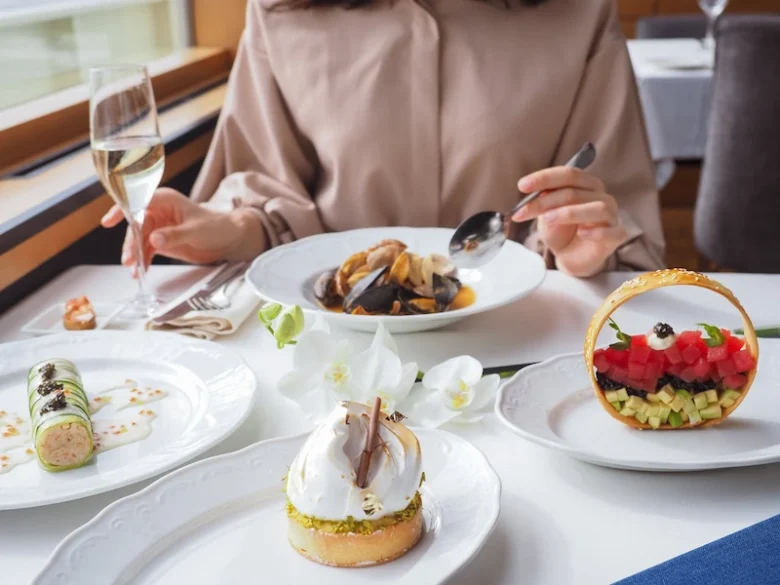
When you take the time to appreciate the aesthetic composition of your food, you are engaging in a form of visual meditation that prepares your system for the nutrients it is about to receive.
The symphony of textures
Texture is often the most overlooked element of a meal, yet it provides the most direct feedback to your brain. Consider the contrast between the crisp exterior of a roasted vegetable and its tender, yielding center.
When you focus on these physical sensations, you activate a different part of your consciousness. You start to notice the resistance of a crust, the silkiness of a sauce, or the granular pop of ancient grains. This focus keeps you grounded in the present moment, preventing your mind from wandering to tomorrow’s to-do list.
By paying attention to texture, you also naturally slow down your chewing. This simple act has profound effects on your digestion and your ability to perceive flavor.
Saliva contains enzymes that begin breaking down carbohydrates immediately, and as you chew more thoroughly, more flavor molecules are released and sent to your olfactory receptors.
You are essentially unlocking the full potential of the ingredient, discovering layers of taste that are lost when you swallow too quickly. This deliberate pace allows you to enjoy the meal more while eating less, as your brain has time to register the signals of satisfaction.
The silent language of aroma
Aroma is perhaps the most powerful trigger for memory and emotion. The scent of woodsmoke, the zest of a lemon, or the earthy fragrance of truffles can transport you to another time and place.
In the context of a conscious meal, aroma serves as a bridge between the external world and your internal experience. Before you eat, take a moment to breathe in the scent of your food. Notice how it changes as the dish cools or as you stir the ingredients.
This olfactory engagement is a vital component of the sensory journey. It alerts your nervous system that nourishment is coming, triggering the release of digestive juices.

When you bypass this step, you miss out on a significant portion of the pleasure food provides. Aromatic awareness also helps you identify the quality of your ingredients.
Fresh, seasonal produce has a vibrancy that processed foods lack. By refining your sense of smell, you become more discerning, seeking out experiences that offer depth and complexity rather than just salt and sugar.
Temperature and the palate
The temperature of your food influences how you perceive its flavor profile. Cold temperatures tend to mute sweetness and acidity, while heat can intensify spices and fats. You might find that a wine reveals different notes as it warms in your glass, or that a soup becomes more comforting as its steam hits your face. Being aware of these shifts is part of the art of the table. It requires you to be patient, waiting for the perfect moment when the temperature aligns with the desired sensory outcome.
This patience is a form of respect for the ingredient and the craft behind the dish. It encourages you to stay in the moment, observing the transition from hot to cool and how that change affects your enjoyment. As you become more attuned to these nuances, you start to see every meal as a unique event, one that cannot be replicated or rushed. This awareness is a key step in developing a more sophisticated and fulfilling relationship with the act of dining.
The alchemy of the plate and intentional sourcing
The beauty of a meal is often a reflection of the integrity of its components. When you choose ingredients that have been grown with care, harvested at their peak, and handled with respect, you are consuming more than just calories; you are consuming the story of the land and the hands that worked it.
This connection to the source is a spiritual element of the dining experience that adds a layer of meaning to every bite.
Color theory in nutrition
The colors on your plate are a direct indicator of the phytonutrients present in your food. A vibrant, multi-colored meal is not only aesthetically pleasing but also biologically superior.
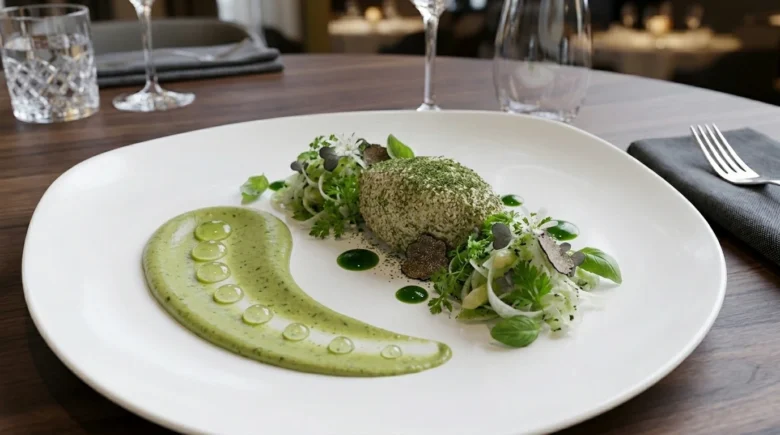
Deep purples in beets and berries, bright greens in leafy vegetables, and rich oranges in squash all signal a diversity of antioxidants and vitamins. When you curate your plate with color in mind, you are practicing a form of nutritional art.
- Vibrant reds: Often indicate lycopene and anthocyanins, supporting heart health.
- Deep greens: Signal chlorophyll and iron, essential for energy and blood health.
- Bright yellows/oranges: Suggest high levels of beta-carotene and vitamin C.
- Rich purples/blues: Point to powerful antioxidants that protect cellular integrity.
By prioritizing a colorful palette, you ensure a broad spectrum of health benefits while making the meal a visual feast. This approach turns a simple lunch into a curated selection of nature’s best offerings, encouraging you to appreciate the natural brilliance of the world.
The ethics of the ingredient
Knowing where your food comes from changes how you feel about eating it. When you understand the labor involved in producing a single heirloom tomato or the years it takes for a balsamic vinegar to mature, you treat the food with more reverence.
You are less likely to waste it and more likely to savor it. This ethical awareness is a cornerstone of a refined lifestyle. It involves seeking out local farmers, supporting sustainable practices, and choosing quality over quantity.
As we saw earlier, the narrative of the dish is just as important as its taste. When you buy from a local market, you are participating in a community and a tradition.
You are choosing to step away from the anonymity of industrial food systems and toward a more transparent and honest way of living.
This choice is provocative in a world that often prioritizes low costs over high values. It requires a commitment to excellence and a willingness to ask questions about the origins of your sustenance.
Minimalism and the art of the bite
There is a profound power in simplicity. A single, perfectly ripe peach can be more satisfying than a complex, multi-course meal if eaten with full awareness.
Minimalism in dining allows the true essence of the ingredient to shine. It removes the distractions of excessive seasoning or overly complicated techniques, leaving you with the pure, unadulterated flavor of the earth.
This minimalist approach also applies to the size of your portions. When you focus on the quality of each bite, you find that you need less to feel satisfied.
The first few bites of any dish provide the most intense flavor experience; after that, your taste buds begin to habituate. By recognizing this, you can enjoy the peak of the experience without overindulging.
You learn to stop when the joy of the flavor begins to fade, leaving you feeling light and energized rather than heavy and lethargic.
The biology of awareness and the mind-body connection
The physical act of eating is governed by a complex interplay of hormones and nervous system signals. However, these biological processes are easily disrupted by stress, distraction, and speed. To truly benefit from your meals, you must align your mental state with your physical needs. This alignment is where the science of the body meets the art of living.
The vagus nerve and relaxation
The vagus nerve is a major component of the parasympathetic nervous system, which is responsible for the “rest and digest” state.
When you are stressed or in a hurry, your body remains in a sympathetic state (fight or flight), which diverts blood away from the digestive organs.
This can lead to discomfort, poor nutrient absorption, and a general sense of unease. By taking a few deep breaths before you eat, you activate the vagus nerve and signal to your body that it is safe to focus on digestion.
This shift in state is essential for a healthy relationship with food. It allows you to approach the table with a sense of calm and openness.

You become more sensitive to your body’s internal cues, making it easier to distinguish between true physical hunger and emotional cravings. This physiological awareness is a powerful tool for maintaining balance and well-being in a chaotic world.
Hormonal balance and satiety
Two key hormones, ghrelin and leptin, regulate your appetite and fullness. Ghrelin tells your brain when it is time to eat, while leptin signals that you have had enough.
However, it takes about twenty minutes for the brain to receive the signal from leptin. If you finish your meal in ten minutes, you are likely to overeat because your brain hasn’t had the chance to catch up with your stomach.
By slowing down and practicing mindful eating, you allow these hormones to function as intended. You give your body the time it needs to process the intake and send the appropriate signals.
This leads to a more natural and effortless way of managing your weight and energy levels. You are no longer fighting against your biology; you are working in harmony with it. This balance is reflected in your overall vitality and the clarity of your mind.
The gut-brain axis
Recent scientific research has highlighted the profound connection between the gut and the brain. The health of your microbiome—the trillions of bacteria living in your digestive tract—influences your mood, your cognitive function, and even your personality.
What you eat, and how you eat it, directly impacts this delicate ecosystem. A diet rich in diverse, whole foods supports a healthy microbiome, which in turn supports a healthy mind.
When you eat with awareness, you are more likely to choose foods that nourish your gut. You become more sensitive to how certain ingredients make you feel, not just in the moment, but hours and days later.
You might notice that processed sugars leave you feeling foggy, while fermented foods or fresh greens provide a steady stream of energy.
This feedback loop is a vital part of self-knowledge. It allows you to curate a diet that supports your highest potential, both physically and mentally.
A new social contract with food
Eating is one of the most social activities we engage in, yet modern life has often turned it into a solitary or distracted event. Reclaiming the communal aspect of the table is a radical act of connection.
It is about creating a space where stories are shared, relationships are nurtured, and the act of nourishment is celebrated together.
The end of the desk lunch
The habit of eating while working or scrolling through a phone is a modern epidemic that strips the meal of its dignity. When your attention is divided, you are neither fully working nor fully eating.
You miss the nuances of your food and the needs of your body. Breaking this habit requires a conscious decision to step away from the screen and dedicate time to the meal itself.
Even if you only have fifteen minutes, those minutes should belong entirely to the experience of eating. You will find that this brief “digital detox” leaves you feeling more refreshed and focused than if you had worked through your break.

It is a way of setting boundaries and honoring your own well-being. By making the table a screen-free zone, you create a sanctuary where you can reconnect with yourself and those around you.
Communal silence and conversation
In many cultures, the meal is a time for deep conversation and shared silence. There is a specific rhythm to a communal meal—the passing of plates, the clinking of glasses, the ebb and flow of talk.
This rhythm fosters a sense of belonging and mutual respect. When you eat with others, you are participating in a shared human experience that transcends language and background.
Interestingly, incorporating moments of silence into a meal can be just as powerful as conversation. It allows everyone at the table to focus on the flavors and the atmosphere.
It creates a shared presence that is deeply grounding. You might try starting a meal with a moment of quiet appreciation or simply allowing for pauses between courses. These small shifts transform a routine dinner into a meaningful event.
The legacy of the ingredient
Every meal is a link to the past and a bridge to the future. The recipes you use, the ingredients you choose, and the way you set the table are all part of a larger cultural narrative.
By being conscious of this legacy, you add a layer of depth to your dining experience. You are not just eating a meal; you are honoring the traditions that brought it to your table.
This perspective encourages you to seek out authentic experiences and to preserve the skills of the past. Whether it’s learning how to bake bread from scratch or understanding the traditional use of spices in a specific cuisine, these activities connect you to the human story.
They remind you that you are part of something much larger than yourself. This sense of connection is a powerful antidote to the isolation and fragmentation of modern life.
The spiritual dimensions of the table
Beyond the physical and psychological benefits, there is a spiritual component to how we nourish ourselves. It is about recognizing the sacredness of life and the interconnectedness of all things. When you eat with a sense of gratitude and wonder, you are engaging in a form of worship that celebrates the abundance of the earth.
Gratitude as a seasoning
Practicing gratitude before a meal is a simple yet transformative act. It shifts your focus from what you lack to what you have.
It acknowledges the sun, the rain, the soil, and the countless individuals who played a role in bringing the food to your plate. This gratitude changes the “vibration” of the meal, making it more satisfying and meaningful.
You don’t need a formal prayer to practice this; a simple internal acknowledgement is enough. Notice the colors, the smells, and the effort involved.
This recognition fosters a sense of humility and contentment. It reminds you that every meal is a gift, one that should be received with an open heart and a clear mind.
The ritual of the first bite
The first bite of a meal is a threshold. It is the moment you transition from the world of activity to the world of nourishment. By making this first bite a deliberate ritual, you set the tone for the entire experience. Notice the texture as it hits your tongue, the explosion of flavor, and the sensation of swallowing.
This ritual acts as an anchor, bringing your wandering thoughts back to the present. It is a way of saying “I am here” and “I am ready to receive.”
As you practice this, you will find that the quality of your attention remains higher throughout the meal. You become a more active participant in your own life, rather than a passive consumer of experiences.
Food as a provocative art form
At Neomania Magazine, we believe that everything in life can be approached as an art form, especially something as fundamental as eating.
The choices you make at the table are a reflection of your aesthetic values and your commitment to excellence. A meal can be provocative—it can challenge your assumptions, awaken your senses, and inspire you to see the world in a new light.
This approach to dining is about more than just health; it is about the pursuit of beauty and truth. It is about refusing to settle for the mundane and instead seeking out the extraordinary in the everyday.
By treating your meals as a curated selection of experiences, you elevate your daily life into a work of art. You become more attuned to the subtle shifts in your environment and more appreciative of the rich tapestry of flavors that the world has to offer.
Integrating awareness into a modern lifestyle
Adopting a more conscious approach to eating does not require you to move to a monastery or spend hours in the kitchen. It is about making small, intentional changes that fit into your existing life. It is a journey of refinement, one that unfolds over time as you become more comfortable with the practice.
Practical steps for the daily table
You can begin by choosing one meal a day to eat without distractions. Put away your phone, turn off the television, and sit at a table rather than on the couch.
Focus on the physical sensations of the food and the rhythm of your breathing. This single act can have a ripple effect, influencing how you approach the rest of your day.
- Sit down: Avoid eating while standing or walking.
- Use real plates: Even for a simple snack, the presentation matters.
- Chew thoroughly: Aim for a consistency that is easy to swallow.
- Breathe: Take three deep breaths before you start.
- Listen: Pay attention to your body’s signals of fullness.
These steps are not about perfection; they are about progress. Some days will be easier than others, and that is part of the process. The goal is to build a foundation of awareness that supports your overall well-being and enhances your enjoyment of life.
The role of variety and exploration
Curiosty is a key element of a refined palate. Don’t be afraid to try new ingredients, explore different cuisines, and experiment with unfamiliar flavors.
This exploration keeps your sensory experience fresh and engaging. it prevents you from falling into a rut and encourages you to stay open to new possibilities.
Visit a local farmers’ market and pick out a vegetable you’ve never cooked before. Research its history and find a recipe that highlights its natural qualities.
This process of discovery is a form of intellectual and sensory play that enriches your life. It turns the act of shopping and cooking into an adventure, rather than a chore.
Refining your environment
The space where you eat has a significant impact on your experience. You don’t need a formal dining room to create a beautiful environment.
A clean table, a simple candle, or a fresh flower can transform even the smallest corner into a sanctuary. Pay attention to the lighting and the soundscape of your home. Soft, warm light and quiet music can enhance the sense of calm and presence.
By intentionally designing your environment, you are signaling to yourself that the meal is important. You are creating a container for the experience, one that protects it from the noise and chaos of the outside world.
This attention to detail is a hallmark of a sophisticated lifestyle, one that values the quality of every moment.
As you have noticed throughout this article, the transition to a more aware way of eating is a holistic process. It involves your body, your mind, and your spirit. It is about moving away from the mechanical and toward the meaningful.
This journey is not always easy, but it is deeply rewarding. It offers a path to a more vibrant, connected, and fulfilling life.
Ultimately, the art of the table is the art of being human. It is one of the few activities that we all share, and it provides a constant opportunity for growth and reflection.
By embracing this practice, you are choosing to live with more intention and more joy. You are choosing to see the world not just as a resource to be consumed, but as a source of beauty and wonder to be celebrated.
We invite you to continue this exploration with us. At Neomania Magazine, we are dedicated to providing a refined and direct look at the trends and ideas that shape our world.
Our stories are designed to inquiet, emote, and disconcert, pushing you to go beyond the traditional and discover the essence of each experience.
Whether you are a young professional or an established expert, our vibrant selection of content offers a unique perspective that you won’t find anywhere else.
Reflect on the aesthetic proposal we’ve shared today and consider how it might transform your own daily rituals. If you are inspired by this vision of a more conscious and beautiful life, we invite you to join our community.
Subscribe to Neomania Magazine and become part of a global movement that values depth, innovation, and the spiritual power of the senses.
Let us take you on a journey that transcends the ordinary and celebrates the extraordinary potential of the human spirit.