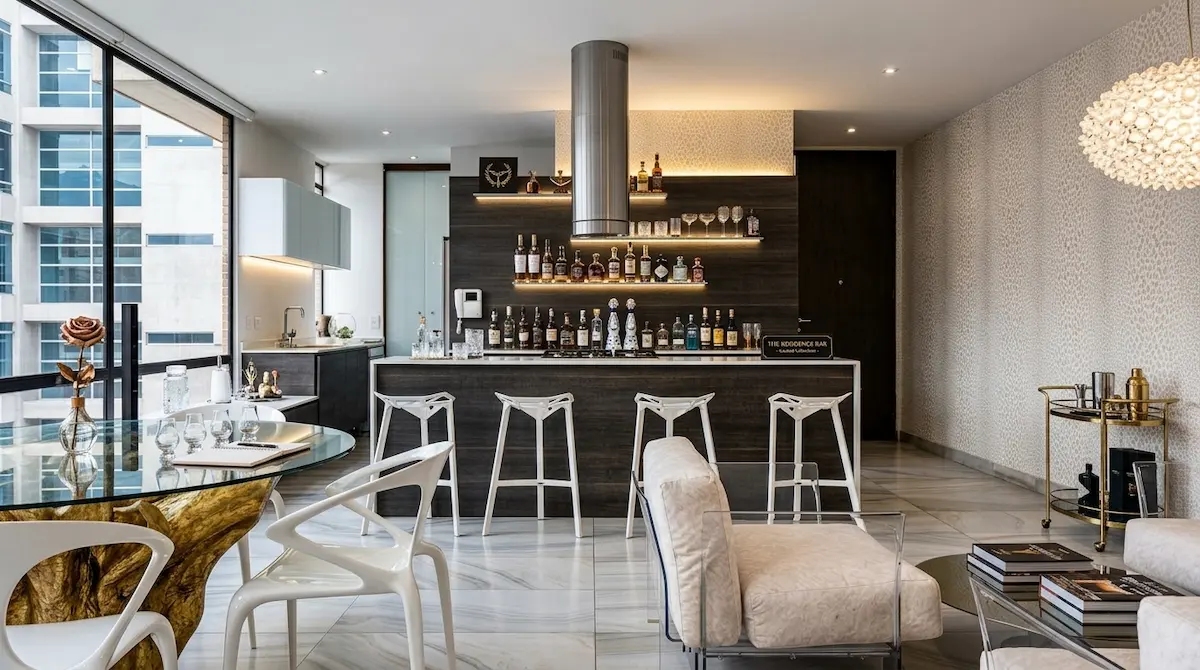
The modern home has evolved into more than just a place of rest. It has become a sanctuary for self-expression and a stage for social connection.
One of the most compelling ways to manifest this transformation is through a thoughtfully executed home bar design. This specific area of the house serves as a bridge between the public and the private, a space where you can host friends or enjoy a quiet moment of reflection after a long day.
The shift toward creating high-end social spaces within the residence reflects a desire for intimacy and quality over the loud, often impersonal atmosphere of public venues.
When you decide to integrate a dedicated area for spirits and conversation, you are not just adding a piece of furniture; you are defining a new rhythm for your domestic life.
The concept of the home bar has moved far beyond the dusty cabinets of the past. Today, it is a statement of aesthetic intent.
It is about the weight of a crystal glass in your hand, the way light catches the amber hue of a rare bourbon, and the tactile pleasure of a cold marble countertop.
This article explores how you can elevate your living environment by focusing on the elements that make a bar truly exceptional.
We will look at how materials, lighting, and layout work together to create an atmosphere that feels both welcoming and provocative.
By the time you finish reading, you will see your living space through a new lens, recognizing the potential for beauty in every corner.
Materiality and touch
The physical components of your bar set the tone for the entire experience. When you choose materials, you are choosing the language your space speaks.
Natural stone remains a favorite for high-end projects because of its unique veining and timeless appeal. A slab of Calacatta marble or deep green soapstone provides a cooling sensation and a visual anchor for the room.
You might also consider the warmth of dark woods like walnut or charred oak. These materials age gracefully, developing a patina that tells the story of many gatherings.
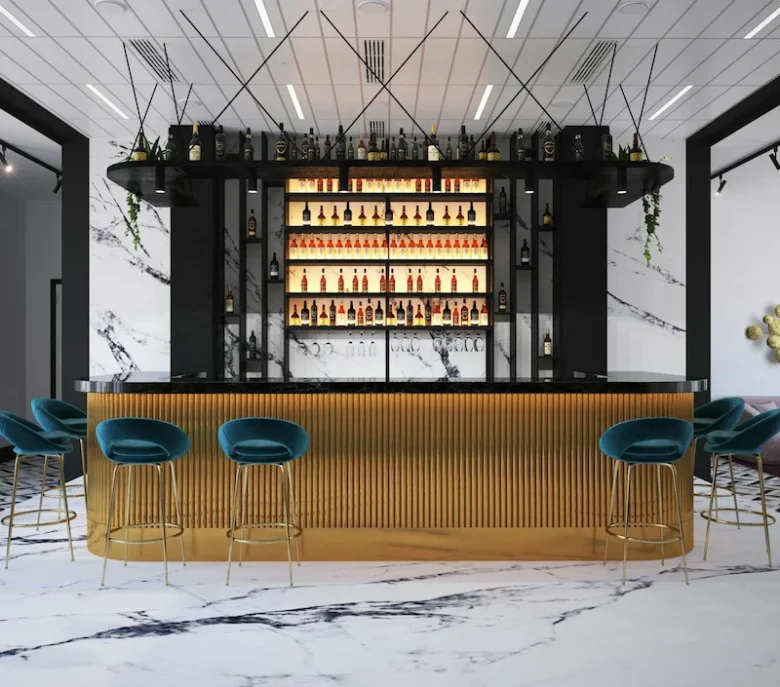
Metal accents provide the necessary contrast to these organic textures. Brushed brass, matte black steel, or even polished copper can be used for shelving, footrests, or hardware.
The interplay between the coldness of metal and the warmth of wood creates a dynamic tension that keeps the eye moving. You should also think about the vertical surfaces.
Mirrored backsplashes or textured wallpaper can add depth, making a small area feel much larger and more complex. The goal is to create a multi-sensory environment where every surface invites a touch.
The power of lighting
Lighting is the most effective tool you have to change the mood of a room instantly. In a bar setting, you want to avoid flat, overhead lights that wash out colors and create harsh shadows.
Instead, look at layered lighting. Start with ambient light to provide a soft glow, then add task lighting for the areas where you will be preparing drinks. Finally, use accent lighting to highlight specific features, such as a beautiful bottle collection or a piece of art.
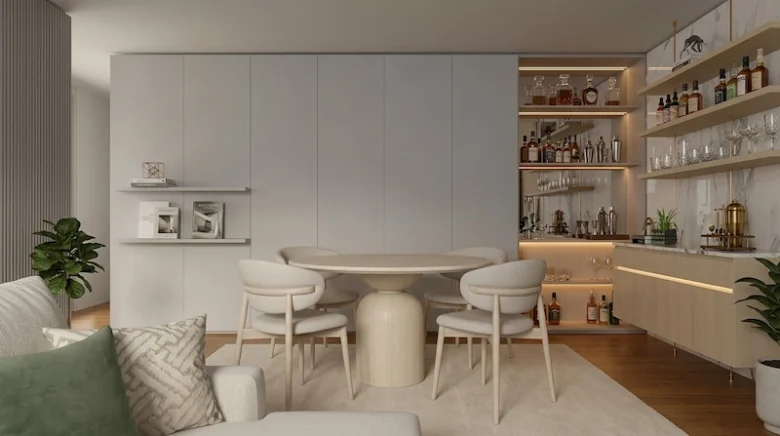
LED strips hidden under shelves can create a floating effect for your glassware, while a statement pendant light over the counter serves as a visual centerpiece.
Consider using dimmers to adjust the intensity based on the time of day or the nature of the event. A low, warm light encourages long conversations and a relaxed pace, whereas a brighter setting might be better for a lively cocktail party.
The way you manipulate shadows is just as important as the way you use light; shadows add mystery and a sense of privacy to the space.
Color palettes that provoke
Color is a deeply personal choice, but in the context of a bar, it often leans toward the bold. Deep blues, forest greens, or even a rich burgundy can create a “jewel box” effect, making the bar feel like a precious, hidden gem within the home.
These darker shades provide a sophisticated backdrop for the sparkle of glass and the glint of metal. If you prefer a lighter aesthetic, you can achieve sophistication through a monochrome palette of greys and whites, focusing on texture to provide interest.
You might find that using a contrasting color for the interior of the cabinets or the bar stools adds a surprising pop of energy.
The key is to maintain a sense of harmony with the rest of your home while allowing the bar to have its own distinct personality.
It should feel like a destination—a place you travel to without leaving your front door. When you select your colors, think about how they will look under the specific lighting you have chosen. A color that looks vibrant in daylight might turn moody and evocative in the evening.
Orchestrating the perfect flow
A beautiful bar is only successful if it works well in practice. The layout must be intuitive, allowing you to move freely without feeling cramped. This is where the concept of ergonomics comes into play.
You need to consider the height of the counters, the distance between the bar and the seating, and the placement of essential tools. A well-designed bar allows the host to remain part of the conversation while preparing a drink, rather than being tucked away or facing a wall.
As we saw earlier, the materials provide the visual foundation, but the layout provides the functional one. You should think about the “work triangle” often used in kitchen design, adapted for mixology.
This involves the relationship between the sink, the refrigeration, and the main prep area. Even in a small setup, having these elements within easy reach makes the process of hosting feel effortless. When the flow is right, the act of making a drink becomes a performance rather than a chore.
Ergonomics and movement
Standard bar height is typically 42 inches, which works well for standing or for use with bar stools. However, you might prefer a counter height of 36 inches if you want the bar to feel more like an extension of your kitchen or dining area.
The depth of the bar top should be at least 12 to 18 inches to allow enough room for drinks, snacks, and a comfortable place to rest your arms. If you have the space, a wider top allows for more elaborate displays and more guests.
Movement around the bar is also vital. You want at least 36 inches of clearance behind the bar so you can move past someone else or open cabinet doors easily.
If your bar is in a high-traffic area, consider how the seating will affect the flow of people moving through the room. Swivel stools are a great option because they allow guests to turn and talk to people behind them or easily get in and out of their seats. Every inch matters when you are trying to balance style with utility.
Storage as a display
Storage should never be an afterthought. In a premium home bar design, your bottles and tools are part of the decor. Open shelving is a popular choice because it allows you to showcase your curated collection of spirits and unique glassware.
However, it requires a certain level of organization to keep it looking sharp. If you prefer a cleaner look, you can use cabinets with glass doors or even integrated “pocket doors” that slide out of the way when the bar is in use.
Consider specialized storage for different items. Wine needs to be kept at a specific temperature and angle, while spirits are best kept upright in a cool, dark place.
Drawers with adjustable dividers are perfect for organizing bar spoons, strainers, and jiggers. You might also want a dedicated space for garnishes and ice.
A high-quality ice maker or a stylish ice bucket can make a significant difference in the quality of your drinks. By treating your storage as a gallery, you elevate the everyday items of mixology into objects of art.
The mixology station
The prep area is the heart of the bar. This is where the magic happens, and it should be equipped to handle everything from a simple gin and tonic to a complex craft cocktail.
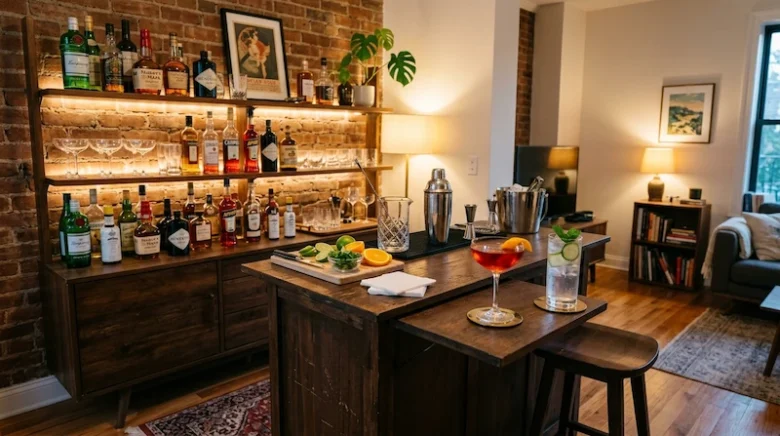
A small “bar sink” is incredibly useful for rinsing tools and hands without having to go to the kitchen. If plumbing isn’t an option, a high-quality dump bucket and plenty of clean towels can work as well. The surface of the prep area should be durable and easy to clean, such as stainless steel or a non-porous stone.
You will also need space for a cutting board, a citrus press, and a variety of bitters and syrups. Keeping these items organized and within reach allows you to focus on your guests.
You might even consider a “speed rail” like those found in professional bars, which keeps your most-used bottles at waist level for quick access.
Later, we’ll look at this in more detail when we discuss the ritual of service, but for now, focus on the physical setup that will make your hosting experience seamless.
| Material | Pros | Best for |
|---|---|---|
| Marble | Elegant, cool to touch, unique patterns | Luxury aesthetic, pastry/prep |
| Walnut Wood | Warm, durable, classic feel | Traditional or mid-century styles |
| Stainless Steel | Hygienic, industrial look, easy to clean | High-use prep areas, modern styles |
| Zinc | Develops a beautiful patina, antimicrobial | Rustic or Parisian bistro vibes |
| Quartz | Non-porous, very durable, many colors | Low-maintenance, high-traffic bars |
The sensory experience of hosting
Hosting is an art form that engages all the senses. It is not just about the taste of the drink, but the sound of the shaker, the scent of a fresh orange peel, and the comfort of the chair.
When you design your bar, you are creating an environment for these experiences to unfold. The atmosphere should be thick with a sense of occasion.
You want your guests to feel that they have stepped into a special world where the rules of the outside day no longer apply.
The social aspect of the bar is what gives it life. It is a place for storytelling, for laughter, and sometimes for deep, quiet conversations. The design should facilitate these interactions.
This means thinking about acoustics, seating arrangements, and even the “aromatic design” of the space. A well-placed candle or the scent of fresh herbs can enhance the mood before the first drink is even poured. You are not just serving beverages; you are curating a memory.
Acoustic atmosphere
Sound plays a huge role in how we perceive a space. In a bar, you want a balance between the lively sounds of social interaction and the ability to hear the person next to you.
Hard surfaces like stone and glass reflect sound, which can make a room feel loud and energetic, but also potentially noisy.
You can balance this by introducing soft elements like upholstered stools, a plush rug, or even fabric wall panels. These materials absorb sound, creating a more intimate and comfortable acoustic environment.
Music is, of course, essential. Integrated speakers that provide high-quality sound at low volumes are better than one loud source. You want the music to be a backdrop, not a distraction.
Consider the genre of music and how it fits with the aesthetic of your bar. A jazz playlist might suit a dark, wood-heavy bar, while something more upbeat and modern might fit a bright, minimalist space. The goal is to create a “soundscape” that complements the visual and tactile elements of the room.
The ritual of service
There is a certain poetry in the preparation of a drink. The way the ice hits the glass, the precise measurement of the ingredients, and the final flourish of a garnish—these are all part of the ritual.
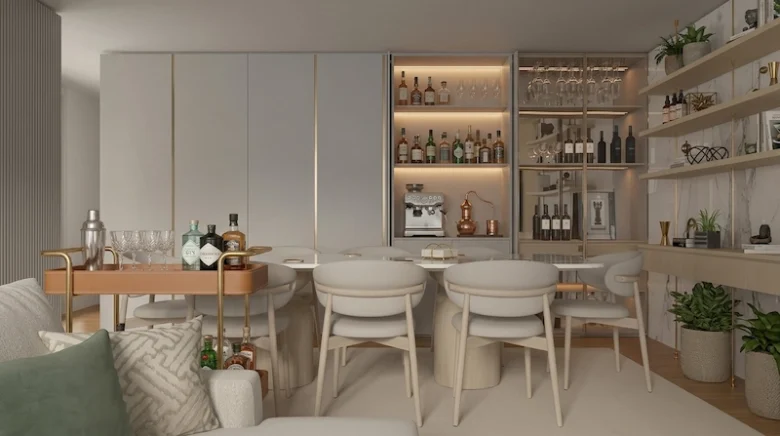
As a host, your movements should be fluid and confident. This is why the ergonomics we discussed earlier are so important. When everything is in its place, you can focus on the guest and the story you are telling through the drink.
You might want to invest in high-quality barware that feels good in your hand. Weighted shakers, crystal mixing glasses, and delicate stirrers add a level of professionalism to your service.
The presentation of the drink is the final step. Using the correct glassware for each cocktail not only improves the taste but also honors the tradition of the craft.
When you serve a drink with care, you are showing your guests that their presence is valued. This ritual is what transforms a simple pour into an act of hospitality.
Curating the collection
Your spirits collection is a reflection of your palate and your curiosity. Rather than buying everything at once, consider building your collection slowly, focusing on quality and variety.
Start with the basics—a good gin, a versatile bourbon, a clean vodka, and a complex tequila. From there, you can expand into amari, vermouths, and rare liqueurs. Each bottle should have a reason for being there, whether it’s a favorite of yours or something you want to introduce to your guests.
- Essential Spirits: Bourbon, Gin, Tequila, Rum, Vodka, Scotch.
- Modifiers: Sweet and Dry Vermouth, Cointreau, Campari, Angostura Bitters.
- Glassware: Highball, Rocks, Coupe, Martini, Wine, and Glencairn for whiskey.
- Tools: Boston Shaker, Jigger, Bar Spoon, Hawthorne Strainer, Fine Mesh Strainer.
Don’t forget the non-alcoholic options. The rise of sophisticated “zero-proof” spirits means you can offer complex, delicious drinks to everyone, regardless of whether they are drinking alcohol.
Fresh juices, house-made syrups, and high-quality tonics are just as important as the spirits themselves. A truly curated bar is inclusive and thoughtful, ensuring that every guest has something exceptional to sip on.
Evolving trends in modern living
The world of interior design is always moving, and the home bar is no exception. We are seeing a shift toward more sustainable materials and the integration of smart technology.
People are also finding creative ways to fit bars into smaller homes, proving that you don’t need a massive basement to have a sophisticated setup.
These trends reflect a broader movement toward mindful living and the desire for homes that are both beautiful and functional.
As you may have noticed in this article, the emphasis is on creating a space that feels personal and unique. The “cookie-cutter” bars of the past are being replaced by bespoke designs that take risks.
Whether it’s a bold use of color or an unusual choice of material, the most successful bars are those that reflect the personality of the owner. Let’s look at some of the specific trends that are shaping the future of this space.
Sustainable luxury
Sustainability is no longer a niche concern; it is a vital part of modern luxury. In bar design, this means choosing materials that are ethically sourced and long-lasting.
Reclaimed wood, recycled glass countertops, and low-VOC finishes are all excellent choices. You might also look for vintage barware and furniture, which adds character and reduces the demand for new production. A sustainable bar is one that is built to last for generations, rather than being replaced every few years.
Energy efficiency is also a factor. Modern wine fridges and ice makers are much more efficient than older models, and LED lighting uses a fraction of the energy of traditional bulbs.
By choosing high-quality, sustainable options, you are creating a space that is not only beautiful but also responsible. This approach to luxury is about quality, craftsmanship, and a respect for the natural world. It adds a layer of depth to your design that goes beyond aesthetics.
Tech-integrated bars
Technology is becoming increasingly integrated into our homes, and the bar is a perfect place for it. Smart refrigeration can keep your wine at the perfect temperature and even alert you when you are running low on a particular bottle.
Integrated sound systems can be controlled from your phone, allowing you to change the mood with a single tap. Some high-end bars even feature automated spirit dispensers or “smart” coasters that can help you measure ingredients for a perfect cocktail every time.
However, the key to successful tech integration is to keep it subtle. You don’t want your bar to look like a laboratory. The technology should enhance the experience without being a distraction.
Hidden charging ports for guests’ phones, discreet touch panels for lighting, and silent refrigeration are all ways to use technology to improve the functionality of the space while maintaining its aesthetic integrity. It’s about using the tools of the future to enhance the rituals of the past.
The versatility of small spaces
You don’t need a dedicated room to have a stunning bar. “Micro-bars” and bar carts are becoming incredibly popular for apartments and smaller homes.
A well-organized bar cart can be just as sophisticated as a full-sized bar, especially if you focus on a few high-quality items.
You can also look at “closet bars” or “niche bars” that utilize underused spaces in a hallway or under a staircase. These small-scale solutions require a high level of creativity and a focus on essential items.
The beauty of a small bar is its intimacy. It forces you to be selective about what you display and how you use the space. You might choose a single, beautiful tray to hold your most-used bottles or a compact wine fridge that fits under a counter.
By focusing on the details, you can create a small bar that has a huge impact. As we’ve seen throughout this look at design, it’s not about the size of the space, but the thought and care you put into it.
The journey of creating a home bar is one of discovery. It is about finding the materials that speak to you, the colors that move you, and the rituals that bring you joy.
When you step behind your bar, you are not just a host; you are a curator of experiences. You are creating a place where time slows down, where conversations deepen, and where the everyday becomes extraordinary. This is the essence of premium living—finding the beauty in the details and sharing it with the people who matter most.
Your home is a canvas, and the bar is one of its most vibrant sections. It is a place to take risks, to ask questions about your own aesthetic, and to push the boundaries of traditional decor.
Whether you are drawn to the spiritual calm of a minimalist setup or the provocative energy of a maximalist lounge, the goal is to create something that feels true to you. Every glass poured and every story shared adds to the narrative of your home.
We invite you to continue this exploration of style and essence with us. If you find yourself moved by these ideas and want to see more of the world’s most inspiring designs, consider joining our community.
Our selections are curated for those who seek the extraordinary and aren’t afraid to be disconcerted by beauty. Let yourself be transported by the narrative of high-end living and reflect on how your own space can become a work of art.
To stay connected with the latest trends and provocative aesthetics, we invite you to subscribe to Neomania Magazine.