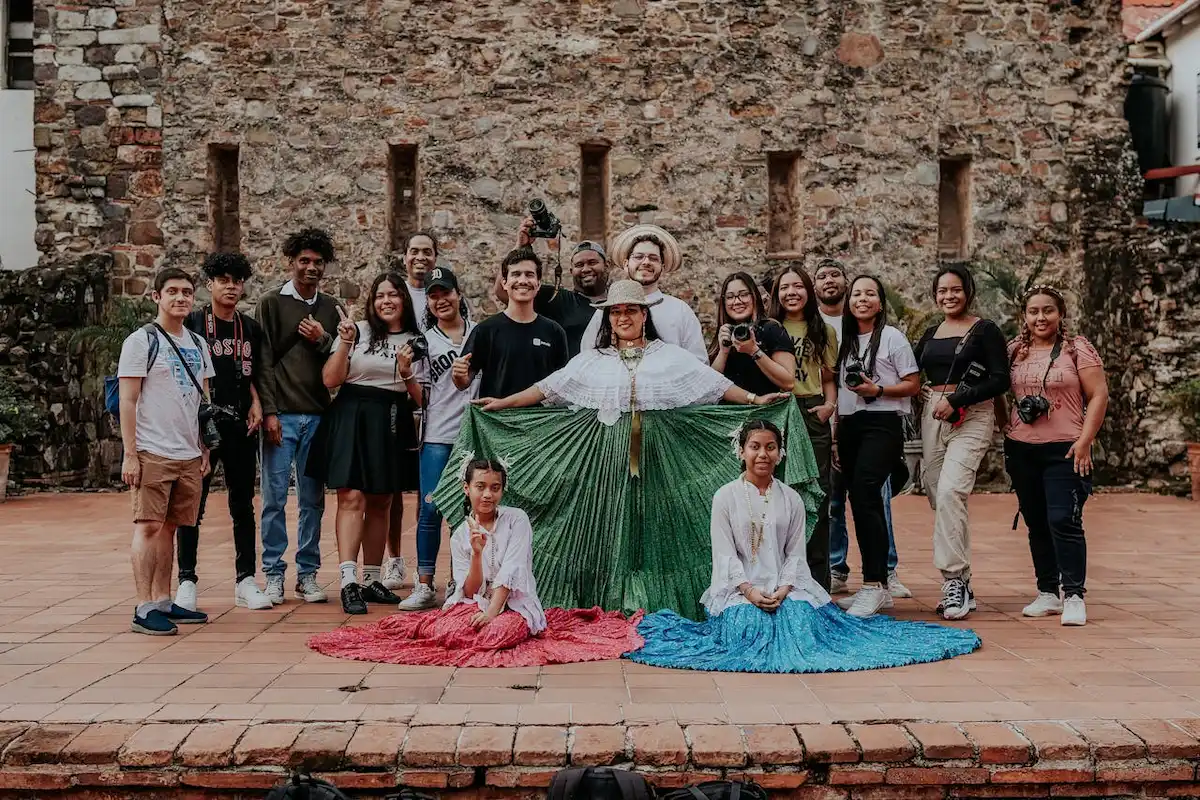
Traveling today often feels like a race to check boxes. You land, you take a photo of a famous monument, you eat at a place recommended by an app, and you leave.
But there is a different way to move through the world, one that asks you to slow down and look closer. This approach is about more than just seeing new places; it is about feeling the pulse of a city, the weight of its history, and the quiet beauty of its daily rituals.
When you choose to engage with a culture on a level that goes beyond the surface, you open yourself up to experiences that can change your perspective on life.
This is the heart of deep cultural immersion travel, a practice that values the quality of connection over the quantity of sights seen.
You might find that the most memorable moments of a trip do not happen at the top of a tower or inside a crowded museum. Instead, they happen when you are sitting in a small cafe in a neighborhood where no one speaks your language, watching the way people interact.
They happen when you get lost in a back alley and stumble upon a local artisan at work. These moments require a certain level of vulnerability and a willingness to be uncomfortable.
It is in that discomfort that growth happens. You start to see that the world is much larger and more complex than your own small corner of it. You begin to ask questions about why things are the way they are and how different people find meaning in their lives.
As we explore this refined way of seeing the world, you will notice that it requires a shift in mindset. It is not about being a spectator; it is about being a participant.
It is about seeking out the stories that are not told in guidebooks and the beauty that is found in the ordinary.
Whether you are walking through the neon-lit streets of Tokyo or the dusty paths of a remote village in the Andes, the goal is the same: to connect with the human spirit in all its forms.
This journey is as much about your internal landscape as it is about the physical one.
The philosophy of displacement and connection
There is a specific kind of magic that happens when you step out of your comfort zone. When you are in a place where everything is unfamiliar—the smells, the sounds, the way people move—your senses sharpen.
You become more aware of your surroundings and your own reactions to them. This displacement is a powerful tool for self-discovery. It strips away the labels and roles you have at home, leaving you with just yourself and the world.
This is where true engagement begins. You are not just a tourist anymore; you are a student of the world, eager to learn and grow from every interaction.
The beauty of the unscripted moment
The best travel stories rarely come from a planned itinerary. They come from the moments when things go “wrong” or when you decide to take a random turn.
Maybe your train was delayed, and you ended up spending four hours talking to a local farmer about the history of the region. Or maybe you missed the entrance to a famous site and found a hidden garden instead.
These unscripted moments are where the essence of a place lives. They are raw, honest, and completely unique to your journey. By leaving room for the unexpected, you allow the destination to reveal itself to you on its own terms.
You should try to embrace the silence that often comes with being in a foreign place. In our modern lives, we are constantly bombarded with noise and information.
Travel offers a rare opportunity to disconnect from the digital world and reconnect with the physical one. When you sit quietly in a public square or walk through a forest without your phone in your hand, you start to notice the small details that others miss. You see the way the light hits an old stone wall or the specific rhythm of a street market.
This mindful observation is a key part of deep cultural immersion travel, as it allows you to absorb the atmosphere of a place without distraction.
Challenging your aesthetic boundaries
Every culture has its own definition of beauty, and part of the joy of traveling is discovering these different perspectives. You might find yourself drawn to the stark minimalism of Scandinavian design or the vibrant, chaotic colors of a Mexican market.
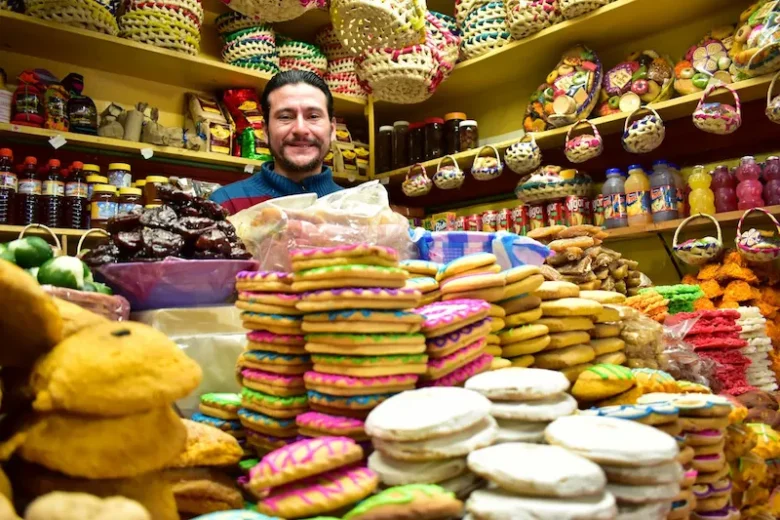
These aesthetic choices are not random; they are reflections of a culture’s history, values, and environment. When you take the time to reflect on why a certain style resonates with you, or why another feels provocative or unsettling, you learn more about your own tastes and biases.
We often think of art as something found in a gallery, but in many parts of the world, art is woven into the fabric of daily life. It is in the way a table is set, the way a building is constructed, or the way a story is told through music and dance.
By seeking out these everyday expressions of creativity, you gain a deeper appreciation for the human drive to create and communicate.
This refined gaze allows you to see the world as a living museum, where every corner holds a potential lesson in aesthetics and meaning.
Destinations that provoke and inspire
Some places have a way of staying with you long after you have left. They challenge your assumptions and force you to look at the world in a new way.
These are the destinations that offer the most profound opportunities for connection. They are not always the easiest places to visit, but they are often the most rewarding.
From the spiritual centers of Asia to the avant-garde hubs of Europe, these locations invite you to dive into their unique narratives and explore the questions they raise.
The spiritual silence of Kyoto
Kyoto is a city that demands your attention through its subtlety. It is a place where the past and present exist in a delicate balance.
You can spend your mornings in ancient Zen gardens, where every rock and grain of sand has been placed with intention, and your evenings in the modern bustle of the downtown area.
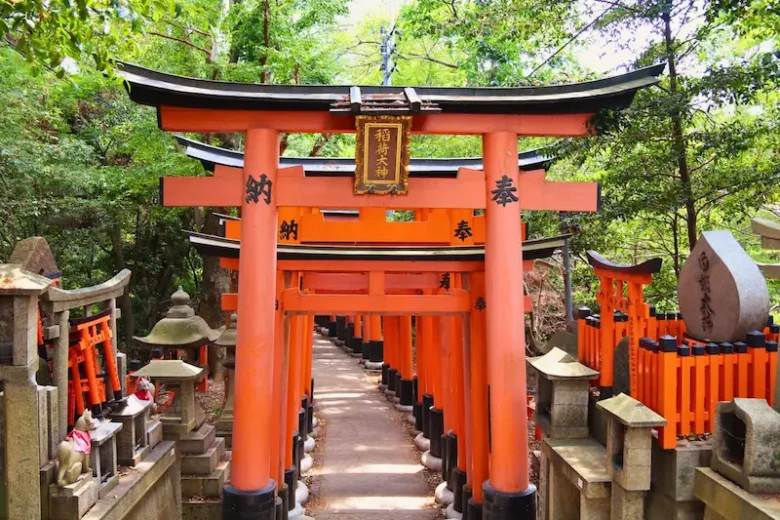
The beauty of Kyoto is not loud; it is found in the quiet corners and the slow movements of a tea ceremony. It teaches you the value of patience and the importance of being present in the moment.
When you visit the temples of Kyoto, you are not just looking at old buildings. You are witnessing a way of life that has been preserved for centuries.
The monks who maintain these spaces do so with a level of care and devotion that is rare in our fast-paced world. By observing their rituals and respecting their space, you can tap into a sense of peace that is hard to find elsewhere.
It is a reminder that there is a spiritual dimension to our existence that is often overlooked in the pursuit of material success.
The raw energy of Berlin
On the other end of the spectrum is Berlin, a city that wears its scars on its sleeve. Berlin is a place of constant reinvention, where the weight of history is balanced by a fierce commitment to the future.
It is provocative, gritty, and incredibly creative. The street art that covers the walls of the city is not just decoration; it is a form of political and social commentary. It asks you to think about freedom, identity, and the power of the individual to effect change.
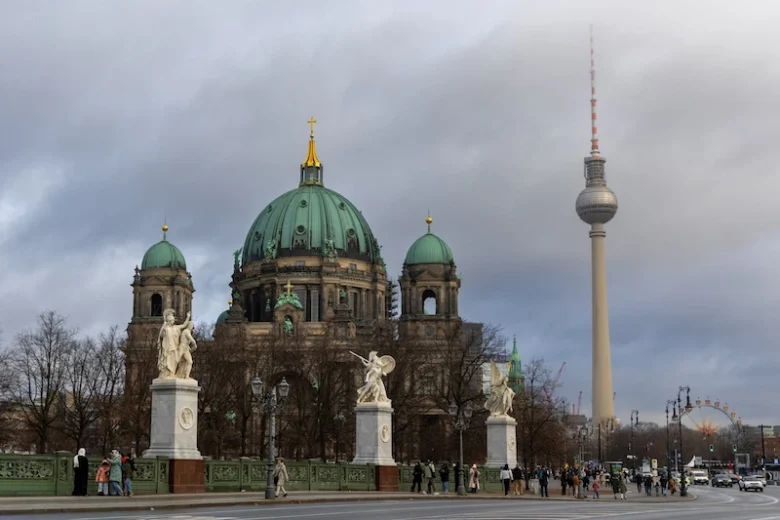
In Berlin, you can explore the remnants of the Cold War and the vibrant nightlife of the present day in the same afternoon. This contrast is what makes the city so compelling.
It forces you to confront the darker side of human history while also celebrating the resilience of the human spirit. It is a place that doesn’t offer easy answers, but it certainly provides plenty of questions. For the traveler who is looking for more than just a pretty view, Berlin is an essential stop.
The vibrant soul of Oaxaca
Oaxaca is a feast for the senses. From the smell of roasting cacao to the intricate patterns of hand-woven textiles, the city is a testament to the power of tradition and community.
Here, the relationship between the people and the land is visible in everything they do. The food is not just sustenance; it is a link to the past, with recipes passed down through generations. When you sit down to a meal in Oaxaca, you are tasting the history of the region.
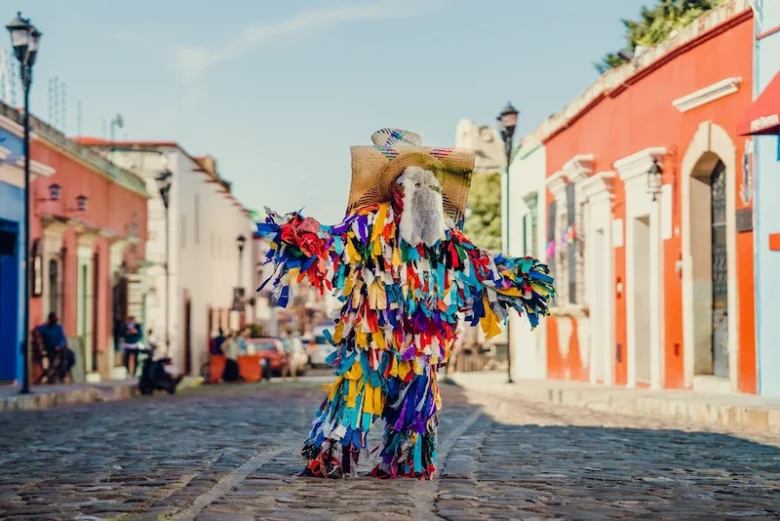
The artisans of Oaxaca are world-renowned for their skill, but their work is about more than just making beautiful objects. It is a way of preserving their cultural identity in an increasingly globalized world.
By visiting their workshops and learning about their process, you gain a newfound respect for the time and effort that goes into handmade goods.
It is a stark contrast to the mass-produced items we often consume without thinking. Oaxaca reminds you that there is value in the slow, the local, and the authentic.
Practical ways to engage with local life
Engagement doesn’t happen by accident. It requires effort and a genuine interest in the people you meet. You don’t need to be an expert in the local language or history to have a meaningful experience, but you do need to be open and respectful.
There are many small things you can do to bridge the gap between being a visitor and being a part of the community, even if only for a short time.
- Eat where the locals eat: Skip the tourist traps and look for the places that are packed with residents. This is where you will find the best food and the most authentic atmosphere.
- Use public transportation: It might be more confusing than taking a taxi, but it gives you a better sense of how the city moves and how people live their daily lives.
- Visit local markets: Markets are the heart of any community. They are great places to observe social interactions and discover local products.
- Attend a local event: Whether it is a small concert, a neighborhood festival, or a sporting event, participating in local activities is a great way to feel connected.
- Learn a few basic phrases: Even a simple “hello” or “thank you” in the local language goes a long way in showing respect and opening doors.
As you saw earlier, the goal is to be a participant. This means stepping out of your bubble and interacting with the world around you.
Don’t be afraid to ask questions or start a conversation. Most people are proud of their culture and are happy to share it with someone who shows a sincere interest.
These interactions are often the highlight of any trip, providing insights that you could never get from a book or a screen.
Learning from the masters of craft
One of the most rewarding ways to connect with a culture is through its crafts. Every region has its own unique traditions, whether it is pottery, weaving, metalwork, or cooking.
Seeking out masters of these crafts and observing their work provides a window into the soul of a place. You see the patience, the skill, and the passion that goes into every piece. In many cases, these crafts are more than just a job; they are a way of life and a connection to the ancestors.
You might even consider taking a workshop or a class. Learning how to make a traditional dish or a piece of jewelry gives you a physical connection to the culture.
It forces you to slow down and focus on the task at hand, much like the artisans themselves. This hands-on experience is a powerful way to build empathy and understanding.
You begin to appreciate the complexity of tasks that you might have previously taken for granted.
The power of local storytelling
Every person you meet has a story to tell. These stories are the threads that make up the tapestry of a culture. By taking the time to listen, you gain a perspective that is far more nuanced than any official history.
You hear about the struggles, the triumphs, the hopes, and the fears of the people who live in the place you are visiting. This storytelling is a bridge that connects us all, regardless of our background or where we come from.
In many cultures, storytelling is a formal art form, with oral traditions that have been kept alive for thousands of years. In others, it happens informally over a cup of coffee or a meal. Regardless of the setting, these narratives are invaluable.
They provide context for the things you see and help you understand the motivations behind certain behaviors and beliefs. When you listen with an open heart, you are not just collecting information; you are building a connection.
The aesthetic of the unknown
There is a certain beauty in not knowing everything. In our information-saturated age, we often feel the need to research every detail of a destination before we even get there.
But there is a different kind of satisfaction that comes from discovery. When you walk into a building without knowing its history or try a food without knowing its ingredients, you are experiencing it in its purest form. This is the aesthetic of the unknown—a willingness to let the world surprise you.
Finding meaning in the Provocative
Travel should not always be comfortable. Sometimes, the most important experiences are the ones that make us feel uneasy or challenge our worldview.
This could be visiting a site of historical trauma, witnessing extreme poverty, or encountering social norms that are vastly different from our own.
These experiences are provocative because they force us to confront uncomfortable truths about ourselves and the world.
However, it is through this provocation that we grow. It pushes us to expand our empathy and to think more deeply about justice, equality, and our shared humanity. Instead of turning away from the things that make you uncomfortable, try to lean into them. Ask yourself why you feel the way you do and what you can learn from the situation. This level of reflection is what separates a casual vacation from a truly transformative journey.
The spiritual resonance of landscape
The natural world has a way of speaking to us in a language that transcends words. Whether it is the vastness of a desert, the power of a waterfall, or the stillness of a mountain peak, these landscapes have a spiritual resonance that can be deeply moving.
They remind us of our place in the universe and the beauty of the world we inhabit. For many, travel is a way to reconnect with this sense of wonder and awe.
Different cultures have different relationships with the land, and exploring these connections can be a fascinating part of your journey.
Some see the earth as a sacred entity to be protected, while others see it as a resource to be managed. By understanding these different perspectives, you gain a deeper appreciation for the diversity of human thought and the importance of environmental stewardship. The landscape is not just a backdrop for your travels; it is a vital part of the story.
The future of conscious movement
As we look ahead, the way we travel is changing. There is a growing awareness of the impact our movements have on the environment and the communities we visit.
This has led to a shift towards more conscious and ethical travel practices. It is no longer enough to just see the world; we must also take responsibility for how we interact with it.
This means making choices that support local economies, preserve cultural heritage, and minimize our carbon footprint.
The rise of the digital detox
In a world where we are always connected, the idea of a digital detox is becoming increasingly attractive. Many travelers are choosing to leave their devices behind and focus entirely on the physical experience of being in a new place.
This allows for a much deeper level of engagement and reflection. Without the constant distraction of notifications and social media, you are free to truly be present.
You might find that you notice more, feel more, and remember more when you are not viewing the world through a screen. It allows you to build more authentic connections with the people you meet and to experience the destination on a more personal level.
While it can be difficult to disconnect at first, the rewards are well worth the effort. It is a chance to reset your mind and find a sense of peace that is often missing from our daily lives.
Ethical engagement and community support
Conscious travel also means being mindful of how your presence affects the local community. This involves choosing locally-owned accommodations, eating at independent restaurants, and supporting artisans who use sustainable practices.
It also means being respectful of local customs and traditions, even if they are different from your own. By being a responsible traveler, you can ensure that your visit has a positive impact on the destination.
We’ll look at this in more detail later, but it is important to remember that travel is a privilege. With that privilege comes a responsibility to treat the places we visit and the people we meet with dignity and respect.
When we approach travel with a sense of humility and a desire to learn, we create a more positive experience for everyone involved. This is the future of travel—a move towards more meaningful, ethical, and soulful exploration.
The narrative of your own journey
Ultimately, travel is a personal narrative. It is the story you tell yourself about the world and your place in it. Every trip you take is a new chapter in that story, filled with the people you meet, the sights you see, and the lessons you learn.
By choosing to engage in a way that is deep and meaningful, you create a narrative that is rich, complex, and uniquely yours.
The art of coming home
One of the most interesting parts of travel is the way it changes you. When you return home, you often find that you see your own life in a new light.
The things that once seemed ordinary now feel different. You might have a new appreciation for your own culture, or you might find yourself questioning some of the habits and beliefs you once took for granted. This shift in perspective is the true gift of travel.
It is important to take the time to reflect on your experiences and integrate the lessons you have learned into your daily life.
This could mean adopting a new habit, changing your perspective on a social issue, or simply being more mindful and present in your interactions with others. The journey doesn’t end when you get off the plane; it continues in the way you live your life from that point forward.
Sharing the story
Sharing your travel experiences with others can be a powerful way to inspire and connect. Whether it is through writing, photography, or simply talking to friends and family, telling your story allows others to see the world through your eyes.
It can spark curiosity, encourage empathy, and challenge stereotypes. By sharing the beauty and complexity of the world, you contribute to a more connected and understanding global community.
However, it is important to share your stories with nuance and respect. Avoid clichés and generalizations, and instead focus on the specific details and personal connections that made your journey special.
Highlight the voices of the people you met and the lessons they taught you. In doing so, you honor the cultures you visited and provide a more authentic and meaningful narrative for others to follow.
The Neomania perspective on exploration
At Neomania Magazine, we believe that travel should be an act of provocation and inspiration. It should be a way to dive into the essence of a place and to ask the difficult questions.
We are not interested in the superficial or the mundane; we are drawn to the spiritual, the avant-garde, and the unsettling. Our goal is to provide a refined look at the world that goes beyond traditional criticism and offers a more vibrant and emotional perspective.
We invite you to join us on this journey of discovery. Through our selection of stories and images, we aim to transport you to the heart of the world’s most fascinating cultures and to inspire you to see the world in a new way.
Whether you are a seasoned traveler or just starting to explore, we believe that there is always something new to learn and a new way to grow.
As you have noticed in this article, the world is a vast and beautiful place, filled with endless opportunities for connection and growth.
By choosing to engage with it in a way that is mindful and intentional, you can turn every trip into a truly transformative experience. This is the power of travel—to open our hearts and minds to the beauty and complexity of the human spirit.
We hope that this guide has inspired you to think differently about your next journey. Whether you are planning a trip to a far-off land or simply exploring your own backyard, remember to slow down, look closer, and be open to the unexpected. The world is waiting to reveal its secrets to you, if only you are willing to listen.
If you feel moved by this approach to the world, we invite you to become a part of our community. By subscribing to Neomania Magazine, you will gain access to a world of stories that challenge, inspire, and disconcert.
Our content is designed for those who seek a deeper connection with the world and who are not afraid to ask the big questions.
Join us as we explore the intersection of art, culture, and the human experience, and let yourself be transported by the narratives we share.
Your journey into the heart of the unknown starts here. Reflect on the aesthetic beauty of the world, embrace the risks of exploration, and find your own path through the spiritual and the provocative.
Subscribe today and stay connected to the most vibrant and forward-thinking trends in global culture.