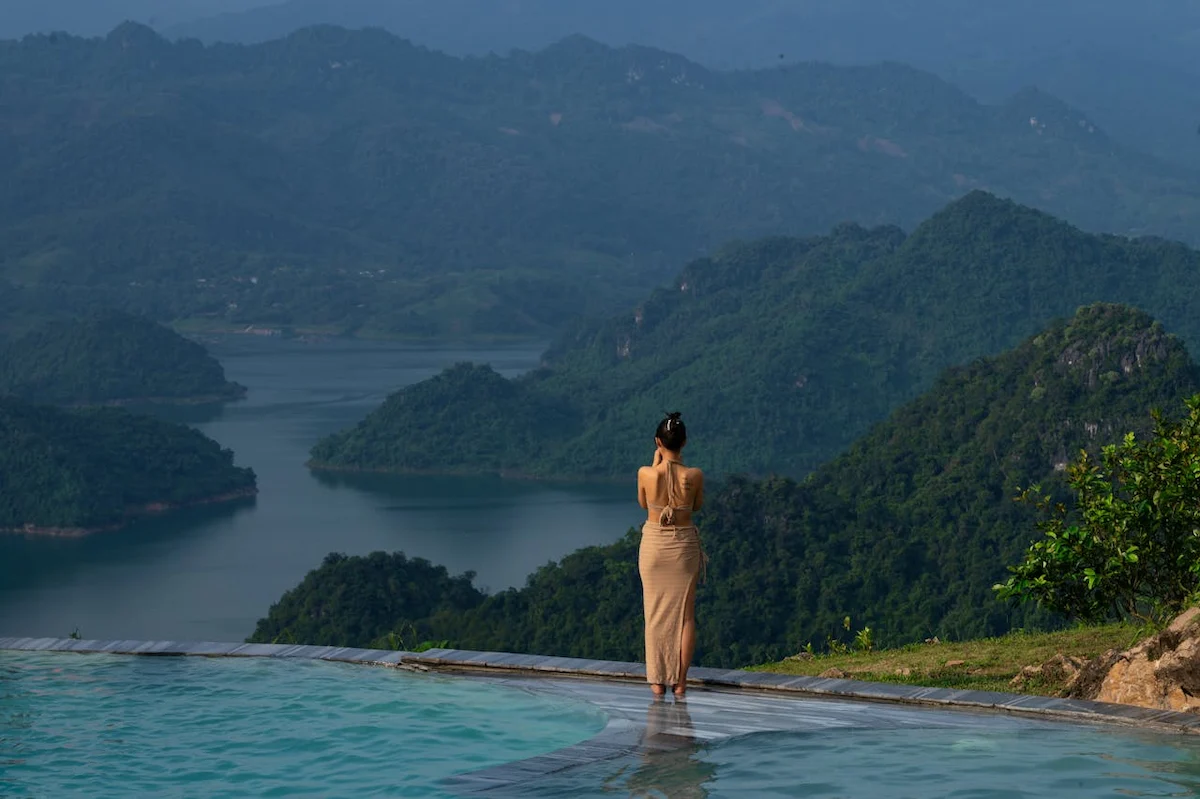
Modern life feels like a constant broadcast. You are surrounded by a relentless stream of notifications, pings, and the hum of city streets that never truly sleep.
This noise is more than an auditory nuisance; it is a weight on your creative spirit and your mental clarity. When was the last time you heard nothing?
Not just the absence of talking, but the genuine, heavy presence of silence that allows your internal dialogue to finally take center stage.
This is where the concept of a high-end escape into quietude becomes more than a vacation. It becomes a necessary recalibration for the soul.
At Neomania Magazine, we look at these experiences through a lens that values the provocative nature of doing absolutely nothing in a world that demands you do everything.
Silence is a luxury that few can afford, not because of the price tag, but because of the courage it takes to face yourself without distractions. You might find that the first few hours of a quiet getaway are the hardest.
Your brain is wired for the dopamine hits of social media and the urgent rhythm of emails. When you remove those, you are left with a void. But as we will see, that void is where your most interesting ideas are currently hiding.
It is where your aesthetic sensibilities sharpen and where your connection to the physical world becomes vivid again.
The shift toward these types of experiences reflects a broader change in how we define success. It is no longer about how many places you can visit or how many people you can meet.
It is about how much space you can claim for your own thoughts. You are looking for a sanctuary that matches your standard of living while challenging your standard of thinking. This is the intersection of high design, ancient wisdom, and modern psychological needs.
The architecture of silence and space
Design is never neutral. The buildings you inhabit dictate the flow of your energy and the quality of your focus. In the context of a high-end quiet retreat, architecture serves as the first layer of therapy.
These spaces are often built with a philosophy of subtraction. You won’t find cluttered walls or busy patterns. Instead, you encounter raw materials that speak for themselves: cold stone, warm cedar, and vast panes of glass that frame the natural world like a living gallery. This minimalist approach is a physical manifestation of the mental state you are trying to achieve.
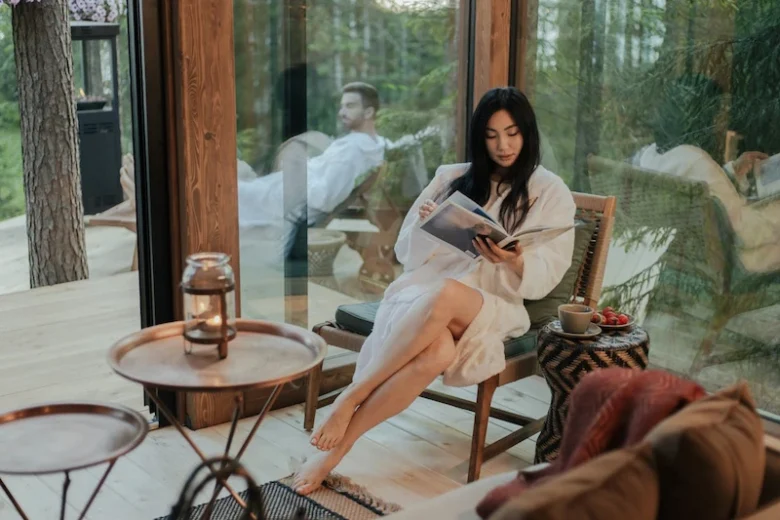
When you walk into a room designed for stillness, your breathing naturally slows down. The high ceilings and open floor plans are not just for show; they provide the literal room your mind needs to expand.
You might notice how the light moves across the floor throughout the day, a detail that usually escapes you when you are rushing between meetings.
This is the beauty of a well-curated environment. It forces you to become an observer of the subtle.
The role of natural light and shadow
Light is the most important tool in creating an atmosphere of reflection. In these exclusive sanctuaries, architects use light to guide your emotions.
Morning sun might be used to gently wake the senses in a communal meditation hall, while the soft, amber glow of dusk is channeled into private reading nooks. You are not just sitting in a room; you are participating in a choreographed dance of shadows.
This intentional use of light helps you reconnect with your circadian rhythms. In your daily life, artificial blue light keeps you in a state of perpetual alertness. In a space dedicated to quiet, the transition from day to night is a sacred process.
You start to feel the natural ebb and flow of your energy. You realize that your body has its own intelligence, one that has been muffled by the constant glare of screens.
Materiality and the tactile experience
The surfaces you touch influence your mood more than you might realize. Think about the difference between the sterile plastic of an office and the rough, honest texture of a hand-hewn wooden table.
In these retreats, every material is chosen for its ability to ground you. You might find yourself running your hand over a limestone wall or feeling the weight of a heavy linen blanket. These tactile sensations bring you back to the present moment.
Materials also play a vital role in acoustics. Soft fabrics, acoustic panels hidden behind art, and thick rugs ensure that the silence is not “tinny” or empty, but “thick” and comforting.
It is a silence that feels like a warm embrace rather than a cold isolation. You are surrounded by quality, and that quality provides a safety net for your introspection.
The integration of the outdoors
The boundary between the indoors and the outdoors often disappears in these spaces. You might find a shower that is half-open to the sky or a bedroom with a wall that slides away to reveal a private forest view.
This connection to nature is a vital component of the experience. It reminds you that you are part of a larger system. When you watch the wind move through the trees without the need to document it or share it, you reclaim a piece of your autonomy.
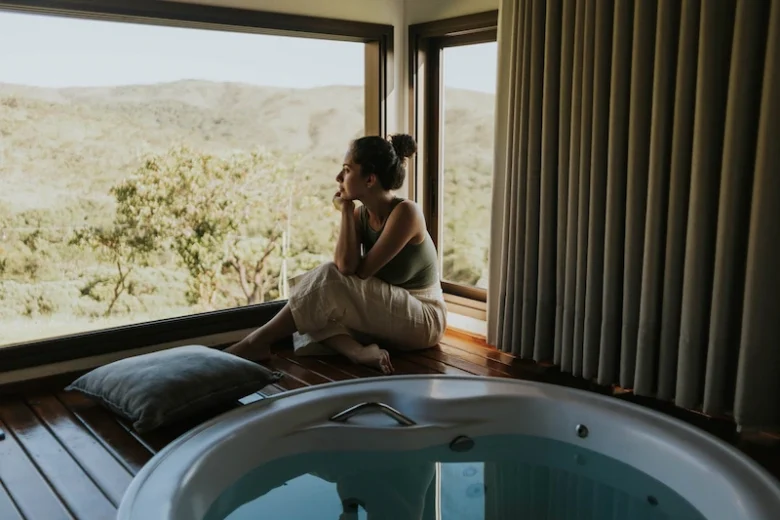
Nature doesn’t care about your deadlines or your social standing. It simply exists. By placing yourself in an environment where nature is the primary protagonist, you allow your ego to take a backseat. This is a humbling and ultimately liberating experience. You are not the center of the universe, and in the silence of a luxury retreat, that realization feels like a relief.
The neurobiology of the quiet mind
Science is finally catching up to what monks and mystics have known for centuries: silence is a biological necessity. Research shows that even two hours of silence can spark the development of new cells in the hippocampus, the region of the brain associated with memory and emotion.
When you choose to engage in luxury silent retreats, you are not just taking a break; you are physically rebuilding your brain. This is a form of cognitive maintenance that is just as important as your physical fitness routine.
In a world of constant noise, your brain is always in a state of “high alert.” Your amygdala, the part of the brain responsible for the fight-or-flight response, is frequently overstimulated.
This leads to chronic stress and a decline in creative problem-solving abilities. Silence acts as a reset button. It allows your nervous system to move from the sympathetic (stress) mode to the parasympathetic (rest and digest) mode.
Dopamine fasting and mental clarity
You are likely familiar with the concept of a digital detox, but the reality goes deeper. It is about a dopamine reset. Every like, every message, and every news alert triggers a small burst of dopamine.
Over time, your brain becomes desensitized, requiring more stimulation just to feel “normal.” This is why you feel restless when you have nothing to do.
A silent retreat is the ultimate dopamine fast. By removing all external validation and constant novelty, you allow your brain’s reward system to recalibrate.
After a few days, you start to find pleasure in simple things again: the taste of a fresh apple, the sound of rain, or the complexity of a single thought. This clarity is the ultimate competitive advantage in both your professional and personal life.
The psychological phases of silence
Entering a period of extended silence usually follows a predictable pattern. As we saw earlier, the first phase is often one of agitation.
Your mind tries to fill the void with “to-do” lists, old arguments, and anxieties about the future. This is the “clearing out” phase. It is uncomfortable, but it is necessary. You have to face the noise inside your head before you can appreciate the silence outside.
The second phase is one of observation. Once the initial chatter dies down, you start to notice things about yourself that you usually ignore.
You might realize how much tension you carry in your shoulders or how often you judge your own thoughts. This is where the real work happens. You are no longer running away from yourself; you are sitting with yourself.
The final phase is one of profound peace and heightened creativity. This is when the “big ideas” start to surface. Without the constant interference of other people’s opinions, your own intuition becomes louder.
You might find the solution to a problem that has been bothering you for months, or you might discover a new direction for your creative work.
This is the “aha!” moment that only comes when the background noise is turned off.
Curating the silent experience
A high-end silent retreat is not about deprivation; it is about curation. Every detail of your stay is designed to support your journey inward.
This includes the food you eat, the activities you engage in, and the level of service you receive. You are in a “held” environment where your basic needs are met with such precision that you don’t have to think about them at all. This freedom from decision-making is a significant part of the luxury.
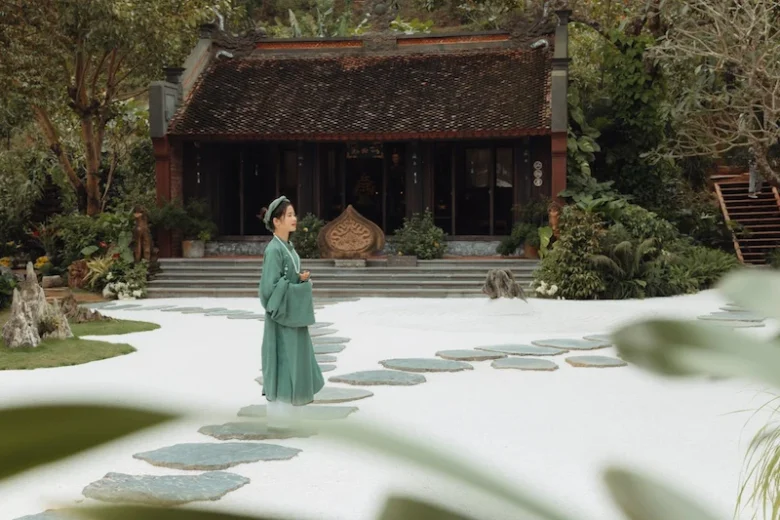
In your daily life, you suffer from decision fatigue. From what to wear to what to eat for lunch, your brain is constantly making choices. In a curated retreat, those choices are made for you by experts.
The menu is designed to be nourishing but light, ensuring your energy is directed toward reflection rather than digestion. The schedule is balanced between structured meditation or movement and free time for wandering.
The culinary art of mindfulness
Food takes on a new dimension when you eat in silence. Without the distraction of conversation, you become acutely aware of the texture, temperature, and flavor profile of every bite.
Many luxury silent retreats focus on farm-to-table dining, where the ingredients are sourced locally and prepared with minimal intervention. This is “slow food” in its purest form.
You might find that you eat less but feel more satisfied. You notice when you are actually full, rather than eating because it is “time” to eat.
This mindful approach to nutrition often stays with you long after you leave the retreat. It changes your relationship with your body and how you fuel it.
It becomes an aesthetic experience, a celebration of the senses that doesn’t require words to be appreciated.
Movement without performance
While the focus is on silence, physical movement is often a key component. Yoga, tai chi, or simple guided walks through the woods help to move the energy through your body.
However, the tone is different from a typical gym session. There is no competition, no mirrors to check your form, and no instructor shouting through a headset.
The movement is about sensation. How does your spine feel as you stretch? How does the earth feel under your feet as you walk? This internal focus helps to bridge the gap between the mind and the body.
You start to inhabit your physical self more fully. For many professionals who spend their days in their heads, this “re-embodiment” is a revelation. It is a reminder that you are a physical being, not just a brain on a pedestal.
- Sensory walks: Walking slowly through a garden, focusing entirely on the sounds of nature and the feel of the air.
- Restorative yoga: Using bolsters and blankets to hold gentle poses for long periods, allowing the nervous system to settle.
- Forest bathing: A Japanese practice of “taking in the forest atmosphere” to reduce stress and improve mood.
The invisible service
The hallmark of a premium experience is service that is felt but not seen. In a silent environment, the staff are masters of non-verbal communication.
They move with a quiet grace, ensuring your room is refreshed and your needs are met without ever breaking the “bubble” of your silence. This requires a high level of training and emotional intelligence.
You might receive a handwritten note with your morning tea or find a fresh bouquet of wildflowers in your room after a walk. These small gestures show that you are being cared for, allowing you to let go of your responsibilities completely.
You are safe, you are seen, and you are supported. This allows you to go deeper into your own experience, knowing that the logistics of your life are in expert hands.
The spiritual and provocative edge of quiet
At Neomania Magazine, we believe that true luxury should be a bit provocative. It should challenge your assumptions and make you feel something deeply. Silence is provocative because it strips away the masks we wear.
You cannot hide behind your job title, your bank account, or your wit when you are not allowed to speak. You are just a person, sitting in a room, facing the universe.
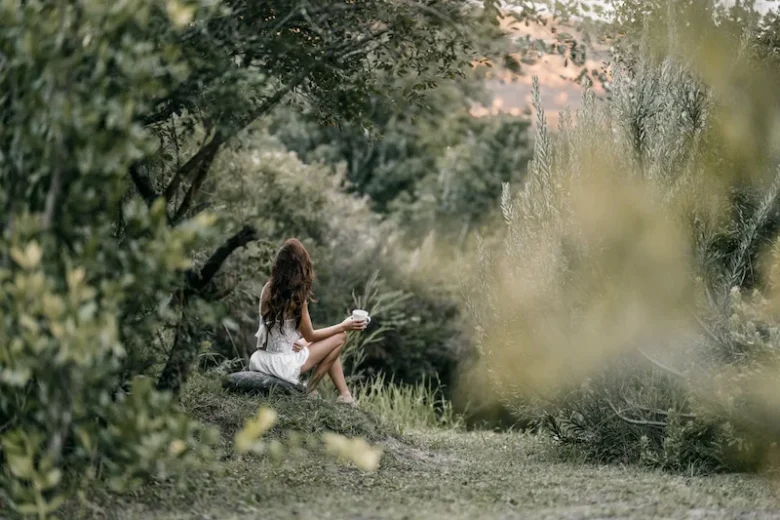
This can be a spiritual experience, regardless of whether you follow a specific religion. It is about the “spirit” in the sense of your essential self.
When you stop talking, you start listening to the “still, small voice” within. This is where your values live. This is where your integrity is measured.
The monastic influence on modern luxury
Many of the most successful silent retreats draw inspiration from monastic traditions. Whether it is the Zen temples of Japan or the Trappist monasteries of Europe, these places have mastered the art of living with intention.
Modern luxury has taken the “bones” of these traditions—the simplicity, the silence, the rhythm—and added a layer of comfort and aesthetic refinement.
This blend of ancient and modern is what makes these experiences so compelling. You are benefiting from centuries of wisdom regarding the human mind, but you are doing so in a way that respects your need for physical comfort and beauty.
It is a way of “hacking” the monastic experience for the modern seeker. You don’t have to become a monk to experience the benefits of their lifestyle.
Facing the “shadow” in the silence
One of the reasons people avoid silence is because it forces them to face their “shadow”—the parts of themselves they would rather ignore.
Your regrets, your fears, and your insecurities all come to the surface when there is no noise to drown them out. This is where the “unsettling” part of our mission at Neomania comes in. We don’t want to just give you a “nice” experience; we want to give you a transformative one.
Facing your shadow is not a negative thing. It is the only way to achieve true wholeness. When you acknowledge your fears in the safety of a silent retreat, they lose their power over you.
You realize that you are stronger than your anxieties. This is the “risk” of silence, and it is a risk well worth taking. You emerge from the experience with a sense of inner strength that no external success can provide.
The return to the world of sound
The most important part of any retreat is how you bring the experience back into your daily life. As you may have noticed in this article, the goal isn’t to stay in silence forever.
It is to use silence as a tool to live more vibrantly in the world of sound. When you finally break your silence, you might find that you speak more slowly and with more intention. You listen more deeply to others. You are less reactive to the “noise” of the world.
You might decide to change how you start your mornings, opting for ten minutes of quiet before checking your phone. You might become more selective about the media you consume or the social events you attend.
The retreat gives you a “baseline” of peace that you can return to whenever things get too chaotic. You have learned that silence is not something you have to go away to find; it is something you carry within you.
The aesthetic of the unspoken
There is a specific aesthetic to silence that we celebrate at Neomania. it is an aesthetic of “enoughness.” It is the beauty of a single flower in a vase, the texture of a handmade ceramic cup, or the way a shadow falls across a wooden floor.
When you are in a state of silence, your visual perception changes. You start to see the world with the eyes of an artist.
This refined gaze is what we cultivate in our readers. We want you to see the “art” in your everyday life. A silent retreat is like a masterclass in this type of seeing. It strips away the visual clutter and forces you to focus on the essential.
This is why many creative professionals—designers, writers, architects—frequent these retreats. It is a way to “clean the lens” of their creativity.
The importance of “Ma”
In Japanese aesthetics, there is a concept called “Ma.” It refers to the space between things—the silence between notes of music, the empty space in a painting, the pause between breaths.
“Ma” is not “nothingness”; it is a space full of potential. It is what gives the “objects” in our lives their meaning.
Without “Ma,” life is just a cluttered mess of events and things. By intentionally seeking out silence, you are creating “Ma” in your own life. You are giving your experiences room to breathe. You are allowing the “notes” of your life to resonate.
This is a deeply sophisticated way of living. It is a rejection of the “more is more” philosophy of the modern world in favor of a “better is more” approach.
Curating your internal gallery
Think of your mind as a gallery. Most of the time, the walls are covered in cheap posters and loud advertisements. A silent retreat allows you to take all of that down and start over.
You get to choose what “art” you want to hang on the walls of your consciousness. What thoughts are worth keeping? What memories deserve a frame? What future visions do you want to highlight?
This process of internal curation is an ongoing practice. The retreat is just the beginning. Once you have experienced the clarity of a quiet mind, you become much more protective of your mental space.
You start to treat your attention as the valuable resource it is. You no longer give it away for free to every notification that pops up on your screen. You become the curator of your own life.
The provocative nature of being “unavailable”
In our hyper-connected world, being “unavailable” is a radical act. It is a statement that your time and your thoughts belong to you, not to your employer, your followers, or your social circle.
There is something incredibly empowering about turning off your phone and disappearing into the silence for a few days. It is a way of reclaiming your sovereignty.
This “unavailability” is also what makes these retreats so exclusive. It is not just about the cost; it is about the social capital required to step away from the grid. It sends a message that you are in control of your life.
You are not a slave to the “urgent.” You have the luxury of focusing on the “important.” This is the ultimate expression of the Neomania spirit: a bold, refined, and deeply personal choice to go against the grain.
As we have explored throughout this narrative, the journey into silence is one of the most profound gifts you can give yourself.
It is a transition from the chaotic to the composed, from the superficial to the essential. You are not just escaping the world; you are finding the version of yourself that is capable of changing it.
The aesthetic of silence is not about the absence of life, but the presence of a more vivid, intentional way of being. It is about the risk of looking inward and the reward of finding a sanctuary that no one can take away from you.
This is the essence of what we explore here. We invite you to move beyond the traditional critique of travel and wellness and embrace a more spiritual, provocative, and ultimately more beautiful way of experiencing the world.
Silence is not the end of the story; it is the beginning of a new one. It is the blank page upon which you can write your most authentic chapter.
We hope this exploration has inspired you to seek out your own “Ma,” to value the spaces between the noise, and to recognize the profound power of your own quiet presence.
If you feel a resonance with this perspective—if you crave stories that go beyond the surface and challenge you to see the world through a more refined lens—then you belong with us.
We invite you to join our community of thinkers, creators, and seekers. Let yourself be transported by our narratives and reflect on the aesthetic possibilities of a life lived with intention.
Subscribe to Neomania Magazine today and become part of a global movement that values the essence of the work, the risk of the question, and the beauty of the silence.