The gentle clinking of ice in a heavy-bottomed glass, the low hum of conversation rising to meet the fading afternoon light. This scene, once a postcard image from a sun-drenched piazza in Milan or Turin, is now unfolding in rooftop bars in New York, quiet courtyards in Mexico City, and bustling terraces in Tokyo.
It’s a ritual that feels both timeless and perfectly suited for our current moment. More than a simple drink before dinner, this practice is a cultural statement—a deliberate act of slowing down, of transitioning from the day’s obligations to the evening’s possibilities. It’s a dedicated moment for connection, conversation, and the simple pleasure of being present.
We’re not just talking about a beverage; we’re talking about a philosophy, a carefully orchestrated pause that punctuates the day with a splash of color and a taste of what’s to come.
This resurgence speaks volumes about our collective desire for more meaningful social interactions. In a world saturated with digital noise and hurried exchanges, the idea of carving out a specific time to simply sit, sip, and converse feels almost radical.
It’s a rejection of rushed productivity in favor of relaxed sociability. Throughout this exploration, we will look at the anatomy of this global phenomenon—its historical roots, its defining characteristics, and its modern interpretations.
We will see how this elegant tradition is being adopted and adapted worldwide, offering a sophisticated alternative to the often-frenzied pace of contemporary social life and revealing a deeper truth about what we seek when we gather together.
The philosophy of the pause: What is an aperitivo, really?
At its core, the concept is deceptively simple: a pre-dinner drink intended to stimulate the appetite. But to leave the definition there would be to miss the point entirely. The tradition, born in 18th-century Turin, was never just about the liquid in the glass. It was about the moment it created—a social buffer between the workday and the evening meal.
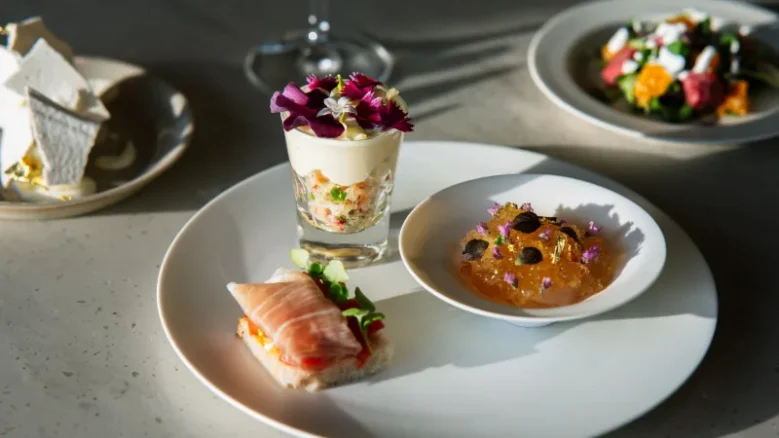
The word itself comes from the Latin aperire, “to open.” This refers not only to opening the palate but also to opening up conversation, unwinding the mind, and setting a relaxed tone for the rest of the night. It is a structured yet informal affair, a piece of social architecture designed for decompression and human connection.
The true essence lies in its intentionality. Unlike a spontaneous after-work drink, this ritual has a clear purpose and a distinct rhythm. It occupies a specific, almost sacred, time of day—that golden hour when the light softens and the energy of the city shifts. This is the moment to shed the professional persona and reconnect with friends, colleagues, or oneself.
It’s a civilized, sophisticated practice that values quality over quantity, conversation over noise, and presence over distraction. The focus is on savoring the experience, not on consumption. This deliberate pacing is perhaps its most compelling feature in a world that constantly urges us to move faster.
From Turin to the world: A brief history of the bitter sip
The story begins in 1786 in Turin, Italy, when Antonio Benedetto Carpano created the first commercial vermouth. By infusing Moscato wine with a secret blend of herbs and spices, he crafted a fortified, aromatized wine that was both bitter and sweet.
This new concoction was marketed as a health tonic and an appetite stimulant, and it quickly became the drink of choice for the Italian monarchy and bourgeoisie.
Cafés in Turin, like the historic Caffè Fiorio and Caffè San Carlo, became the epicenters of this burgeoning ritual. They were places where intellectuals, artists, and politicians would gather to discuss the day’s events over a glass of vermouth, establishing the unbreakable link between the drink and sophisticated social discourse.
The 19th and early 20th centuries saw the birth of other iconic bitter liqueurs that would come to define the category. Gaspare Campari created his namesake vibrant red liqueur in Milan in the 1860s, and the Barbieri brothers introduced the bright orange Aperol in Padua in 1919.
These bitters, or amari, with their complex flavor profiles derived from botanicals, became the cornerstones of the pre-dinner tradition. Each city developed its own unique customs and signature drinks, from the Negroni in Florence to the Americano in Milan. The practice spread throughout Italy, becoming an integral part of the national identity—a daily affirmation of la dolce vita.
As Italians emigrated, they took this cherished ritual with them, planting the seeds of what would eventually become a global phenomenon.
The ritual versus the routine: Decoding the social significance
What elevates this practice from a mere routine to a meaningful ritual is the set of unwritten rules and expectations that surround it. It is a performance with distinct acts. The first act is the invitation—a simple “Ci prendiamo un aperitivo?” (“Shall we get an aperitivo?”) that signals a shift in the day.
The second is the setting: typically a café, a bar, or a piazza, a public space that encourages interaction. The third is the choice of drink, usually something low in alcohol and bitter, designed to awaken the senses rather than dull them. Finally, there is the food—small, savory bites, or stuzzichini, that are meant to accompany the drink, not replace a meal.
This structure provides a framework for social interaction that is both comforting and liberating. It removes the pressure of a formal dinner invitation while offering more substance than a quick coffee.
It’s a low-commitment, high-reward social engagement. In a cultural context, it serves as a vital third space, a neutral ground between home and work where community is forged. The ritual reinforces social bonds, facilitates networking, and provides a platform for the free exchange of ideas.
It’s a moment where the personal and the professional can overlap gracefully, where friendships are nurtured, and where the simple act of sharing a drink and a bite becomes a powerful expression of community and belonging.
The anatomy of the perfect aperitif hour
Crafting the ideal pre-dinner experience is an exercise in balance and restraint. It’s about curating a specific mood—one of relaxed elegance and convivial warmth. Every element, from the drink itself to the food that accompanies it and the atmosphere in which it’s enjoyed, plays a part in the overall composition.
The goal is not to overwhelm the senses but to gently awaken them, preparing the palate and the mind for the evening ahead. This is where the artistry of the host, whether a professional bartender or a friend at home, comes into play. It requires an understanding of flavor, timing, and social dynamics to create an experience that feels both effortless and special.
The success of this moment hinges on getting the details right. The drink should be refreshing and complex, not overly strong or sweet. The food should be flavorful and light, designed to be eaten in one or two bites. The setting should be comfortable and conducive to conversation, with lighting and music that enhance the mood rather than dominate it.
When all these components are in harmony, the result is more than the sum of its parts. It becomes a multisensory experience that lingers in the memory, a perfect prelude that sets a high bar for the rest of the evening. Let’s examine the key components that constitute this sophisticated ritual.
The bitter truth: Why amaro is the star of the show
The foundational element of the classic aperitif hour is the drink, and more often than not, that drink is built around a bitter liqueur. Amaro, the Italian word for “bitter,” is a category of herbal liqueurs with a complex, bittersweet flavor profile. Brands like Campari, Aperol, Cynar (made from artichokes), and various vermouths form the backbone of the tradition.
The bitterness is not an accident; it’s the entire point. From a physiological perspective, bitter flavors are believed to stimulate the production of saliva and gastric juices, which in turn primes the digestive system and enhances the appetite. This is the functional explanation for why a Negroni or an Aperol Spritz feels so right before a meal.
Beyond the science, there’s a cultural and aesthetic preference at play. The sophisticated, adult flavor of bitterness provides a welcome contrast to the often overly sweet drinks that dominate many social settings. It signals a more discerning palate and a different intention.
These drinks are meant to be sipped and savored, their complex layers of botanicals—from gentian root and cinchona bark to orange peel and rhubarb—unfolding with each taste.
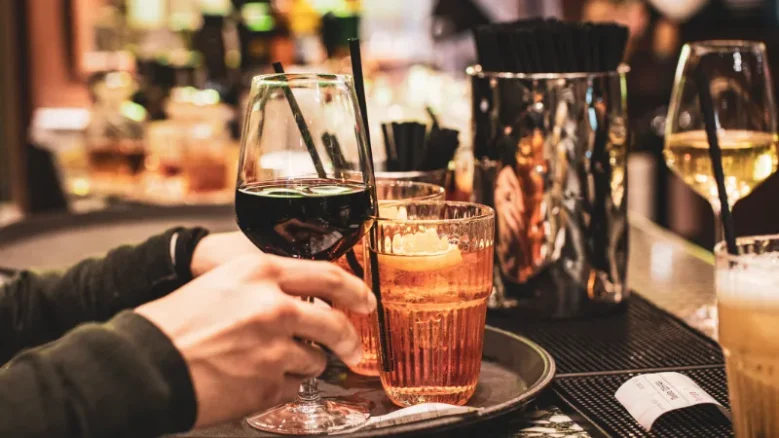
The iconic cocktails of this tradition, such as the Negroni (gin, sweet vermouth, Campari), the Americano (Campari, sweet vermouth, soda water), and the Spritz (prosecco, a bitter liqueur, soda water), are all masterclasses in balance, showcasing how bitterness can be beautifully integrated with other flavors to create a drink that is both refreshing and thought-provoking.
More than peanuts: The art of the stuzzichino
A drink alone does not make an aperitivo. The food, or stuzzichini, is an inseparable part of the experience. The term, which translates to “little teasers” or “appetizers,” perfectly captures their role. These are not meant to be a full meal, but rather a collection of small, savory bites that complement the drinks and stave off hunger until dinner.
The quality and variety of these offerings can range from the simple to the sublime. At a basic level, you might find a bowl of high-quality olives, some salted nuts, or crispy potato chips. In more elaborate settings, especially during the apericena (a portmanteau of aperitivo and cena, meaning dinner), you might find a buffet-style spread featuring a wide array of options.
The philosophy behind the food is to provide a counterpoint to the bitterness of the drinks. Salty, fatty, and savory flavors work particularly well. Think of classic pairings:
- Cured meats: thinly sliced prosciutto, salami, or mortadella.
- Cheeses: cubes of parmesan, creamy gorgonzola, or fresh mozzarella.
- Vegetables: marinated artichoke hearts, sun-dried tomatoes, or grilled zucchini.
- Breads: small pieces of focaccia, grissini (breadsticks), or crostini with various toppings.
These small plates encourage sharing and grazing, fostering a communal and interactive atmosphere. The act of reaching for the same plate of olives or passing around a platter of bruschetta is a small but significant social lubricant, breaking down barriers and encouraging conversation. The food is not just fuel; it’s part of the social choreography.
Setting the stage: Atmosphere and timing
The when and where are just as important as the what. The ritual traditionally takes place in the late afternoon or early evening, typically between 6 PM and 8 PM. This specific time window is crucial; it acts as a temporal bridge, a clear demarcation between the professional and personal spheres of life.
It’s a time to collectively exhale. The atmosphere should reflect this transitional mood. It should be relaxed, elegant, and vibrant without being overwhelming. Good lighting is non-negotiable—the soft, warm glow of the setting sun is ideal, but thoughtfully designed indoor lighting can work just as well.
The soundscape is another critical element. The music should be present enough to create a mood but subtle enough to allow for easy conversation. A curated playlist of jazz, soul, or downtempo electronic music often strikes the right chord. The goal is to create a “buzzy” environment, one that feels alive and social but not chaotic.
Whether it’s a historic café with marble-topped tables, a modern hotel bar with a panoramic view, or a simple table set up on a city sidewalk, the space should feel like a sanctuary—a place where guests can feel comfortable lingering, talking, and simply being. It’s this carefully calibrated environment that transforms a simple drink into a memorable experience.
A global palate: How the world is embracing the aperitivo culture
What began as a regional Italian custom has blossomed into a truly global phenomenon. The principles of the aperitivo culture—mindful consumption, social connection, and a sophisticated flavor profile—resonate with a modern audience that is increasingly seeking authentic and meaningful experiences.
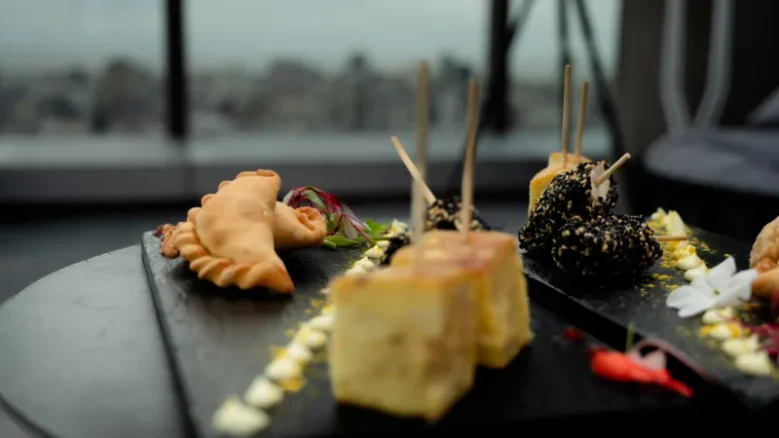
Bars and restaurants from London to Los Angeles are now dedicating entire sections of their menus to bitter cocktails and small plates, and the Spritz has become the unofficial drink of summer in countless cities. This global adoption is not a simple carbon copy of the Italian original; instead, it’s a creative dialogue, with each culture infusing the tradition with its own local flavors and customs.
This widespread appeal can be attributed to several factors. First, there’s a growing “less but better” movement in food and drink, where consumers prioritize quality ingredients and mindful experiences over sheer quantity. The low-alcohol nature of many classic aperitivo drinks aligns perfectly with this trend.
Second, the ritual offers a structured way to socialize that feels more intentional and less demanding than a full dinner party. It’s an accessible form of everyday luxury. Finally, the aesthetic is undeniably appealing.
The vibrant colors of the drinks, the artful presentation of the food, and the chic, relaxed atmosphere are highly photogenic, making the experience a natural fit for our visually-driven social media age. This isn’t just a trend; it’s a reflection of a deeper shift in social values.
Aperitivo vs happy hour: A tale of two rituals
It’s easy to see the surface-level similarities between the Italian tradition and the American concept of happy hour, but their underlying philosophies are worlds apart. The distinction is crucial for understanding the cultural significance of each.
Happy hour, which originated in the U.S., is primarily a marketing tool—a designated time when a bar or restaurant offers discounted drinks to attract customers during off-peak hours.
The focus is often on volume and value. The goal is to drink more for less, and the atmosphere can often be loud, crowded, and hurried.The pre-dinner ritual, by contrast, is a cultural institution. It is not about discounts; in fact, the price of an aperitivo drink in Italy often includes the accompanying food.
The focus is on the quality of the experience, not the quantity of consumption. It’s about savoring a well-crafted drink, enjoying flavorful bites, and engaging in leisurely conversation. The pacing is slower, the atmosphere is more refined, and the intention is to stimulate the appetite for dinner, not to replace it.
This comparison makes it clear that while both involve after-work drinks, their purpose and execution are fundamentally different. The global rise of the aperitivo vs happy hour debate shows a growing preference for the former’s emphasis on quality, style, and genuine social engagement.
Local infusions: How different cities are making it their own
The beauty of a strong cultural tradition is its ability to adapt and evolve as it travels. The aperitivo is no exception. As it takes root in new cities, it absorbs local ingredients, flavors, and social norms, resulting in exciting new interpretations.
This is not about diluting the original concept but about enriching it. It’s a testament to the versatility of the ritual that it can feel just as at home in a bustling Asian metropolis as it does in a quiet European town.
In Madrid, for example, the concept has merged with the beloved tradition of tapas. “La hora del vermut” sees locals sipping on Spanish vermouth, which is often sweeter and more spiced than its Italian counterpart, accompanied by classic tapas like patatas bravas or gildas (an olive, anchovy, and pepper skewer).
In New York, mixologists are experimenting with locally produced amari and craft spirits, creating innovative new cocktails that pay homage to the classics while showcasing regional ingredients.
You might find a Brooklyn-made amaro in your Negroni or a spritz made with sparkling wine from the Finger Lakes. In cities like Buenos Aires, with its strong Italian heritage, the ritual feels like a homecoming, with Fernet and Coke—the unofficial national drink—often making an appearance alongside more traditional options. This global adaptation is a living, breathing example of how cultural exchange can lead to delicious and exciting new possibilities.
The business of bitterness: Market trends and industry shifts
The growing consumer interest in this pre-dinner moment has not gone unnoticed by the beverage industry. Major brands are investing heavily in marketing campaigns that highlight the heritage and lifestyle associated with their products. Campari and Aperol, in particular, have been masterful in positioning themselves as the essential ingredients for an authentic experience.
Their success has paved the way for a new wave of craft producers who are creating small-batch vermouths, amari, and other aperitif liqueurs, often using locally sourced botanicals. This has created a more diverse and exciting market for consumers and a new area of focus for bartenders and sommeliers.
We are also seeing a shift in how bars and restaurants design their menus and service models. Many establishments are now creating dedicated aperitivo menus, available for a limited time each evening, featuring a curated selection of drinks and paired bites.
This not only caters to consumer demand but also creates a new revenue stream during the traditionally slower period before the main dinner rush. The rise of the “all-day café” model, which transitions seamlessly from coffee service to evening drinks, is also partly fueled by this trend.
As we continue to seek out more unique and curated social experiences, the business of bitterness is poised for even greater growth. This is more than a fleeting trend; it’s a sustainable shift in how we choose to spend our time and money.
The enduring appeal of this sun-drenched ritual lies in its profound simplicity and its quiet opposition to the relentless pace of modern life. It offers a blueprint for a more intentional, more connected, and more pleasurable way of living. It reminds us of the value of the in-between moments, the unstructured pauses that allow for genuine connection and reflection.
This is the kind of storytelling and cultural analysis we champion—exploring the “why” behind the “what,” and finding the human narrative within the trend. It’s about seeing the world not just for what it is, but for the ideas and emotions it represents.
If this journey into the heart of a timeless ritual has sparked your curiosity and made you reconsider the rhythm of your own days, then you understand the spirit of what we do at Neomania Magazine. We believe that the most powerful stories are often found in the details of how we live, eat, and connect.
We invite you to continue this exploration with us. A subscription offers more than just articles; it’s an invitation to a community of thinkers, creators, and connoisseurs who are passionate about looking deeper. Join us, and let’s continue the conversation.