We’ve been taught to think of our homes as sanctuaries, private retreats from the relentless performance of modern life. But in an age where the personal is perpetually public, our living spaces have become something more: the ultimate, unfiltered expression of our identity.
The rise of sophisticated professional home organizing is not merely a response to clutter; it’s a movement towards intentional living, where every object, every empty corner, tells a story. This isn’t about tidying up. It’s about curating the self.
The conversation has shifted dramatically from the simple, almost spiritual joy of decluttering popularized a decade ago. Today, we’re witnessing a far more nuanced and complex dialogue. It’s a convergence of interior design, psychological wellness, and a quiet rebellion against the hyper-consumerism that defined the last generation.
The act of organizing is no longer a chore but a creative and intellectual exercise. It’s about asking profound questions: What does this object say about who I am? What does this empty space allow me to become? Our homes are the most intimate galleries of our lives, and we are all becoming curators.
The new philosophy of order: Beyond minimalism and maximalism
For years, the aesthetic debate was a binary choice: the stark, monastic calm of minimalism versus the rich, layered personality of maximalism. But the most forward-thinking approaches to domestic curation are now rejecting this false dichotomy.
The new philosophy is about personal syntax—creating a visual language that is uniquely your own, irrespective of prevailing trends. It’s a deeply personal process that values authenticity over aesthetic purity.
Emotional ergonomics: Designing for your mind
The concept of ergonomics has traditionally been applied to physical comfort and efficiency—the curve of a chair, the height of a desk. “Emotional ergonomics” extends this principle to our psychological well-being. It’s the practice of arranging a space to support and enhance your mental state.
This goes far beyond placing a comfy armchair in a sunny spot. It involves a meticulous analysis of how light, color, texture, and object placement affect your mood, focus, and creativity.
A home designed with emotional ergonomics might feature a “decompression zone” near the entrance, a designated area free of clutter and technology where one can transition from the outside world. It might mean organizing a bookshelf not by color or author, but by the emotional journey the books represent.
This is where a skilled consultant’s work becomes invaluable. They act as a translator between your subconscious needs and your physical environment, helping you build a space that doesn’t just look good, but feels right on a neurological level. It’s a design process that starts from the inside out.
The ‘objet trouvé’ principle in the modern home
The Surrealist concept of the objet trouvé, or “found object,” celebrated the beauty of ordinary, often overlooked items. This idea is finding new life in contemporary home curation. Instead of a relentless pursuit of new, designer pieces, there’s a growing appreciation for objects with history, patina, and personal significance. A collection of worn-out paperback novels, a grandmother’s chipped ceramic bowl, a series of smooth stones collected from a meaningful trip—these items are the soul of a home.
Integrating these “found objects” is an art form. It’s not about creating a cluttered cabinet of curiosities. It’s about strategic placement that elevates the object, giving it context and importance. A single, beautifully weathered seashell placed on a stack of architectural journals becomes a piece of sculpture.
This approach is a direct counter-narrative to the culture of disposability. It champions longevity, memory, and the quiet power of the imperfect. It asserts that the most valuable things we own are often the ones that cannot be bought.
Functional friction: The case for mindful inefficiency
In our obsession with optimization, we’ve tried to eliminate all friction from our daily lives. We want one-click purchases, instant coffee, and smart homes that anticipate our every need. But there’s a growing counter-movement that argues for “functional friction”—the idea of intentionally introducing small, mindful inefficiencies back into our routines. In the context of home organization, this means designing systems that encourage presence and deliberation.
Consider the ritual of making pour-over coffee versus pressing a button on a pod machine. The former requires focus, patience, and engagement with the process. A home designed with functional friction might involve storing everyday dishes on an open shelf, requiring you to stack them carefully, rather than hiding them behind a cupboard door.
It might mean having a dedicated, analog station for writing letters. These small acts of deliberate effort pull us out of autopilot and ground us in the present moment. They transform mundane chores into opportunities for mindfulness, turning the home into a space for practice, not just performance.
The curator’s toolkit: Methods and mindsets for intentional living
Achieving a curated living space is less about following a rigid set of rules and more about adopting a new mindset. It requires a blend of introspection, aesthetic courage, and practical strategy. The tools are not just storage bins and label makers; they are conceptual frameworks that help you make conscious decisions about your environment and, by extension, your life.
The inventory of the self: Auditing your possessions
Before any physical rearrangement can begin, a deep personal inventory is necessary. This is a far more introspective process than simply sorting items into “keep,” “toss,” and “donate” piles. The “inventory of the self” is an audit of your life as told through your belongings. It involves asking a series of challenging questions for each significant object:
- Origin: Where did this come from? Who gave it to me? What period of my life does it represent?
- Function: Does it serve a practical purpose, an emotional one, or both? How often do I actually use or interact with it?
- Aspiration: Does this object represent the person I am, or the person I once wished I was? Does it align with the person I want to become?
- Energy: What feeling does this object evoke? Does it inspire me, comfort me, or weigh me down with guilt or obligation?
This process can be emotionally taxing but is profoundly clarifying. It reveals the narratives we’ve unconsciously built around ourselves. You might discover that your wardrobe is full of clothes for a life you no longer lead, or that your shelves are filled with books you feel you should have read rather than ones you love. This audit is the foundational step in aligning your physical space with your authentic identity.
Space optimization as a narrative device
Effective space optimization is about more than just maximizing square footage. It’s about using the layout of your home to tell a story and guide behavior. Think of your home as a film set. How does a character move through the space? What does the arrangement of furniture reveal about their priorities? This is where professional expertise in space planning becomes critical. A consultant can help you see your home with fresh eyes, identifying narrative possibilities you never considered.
For example, creating distinct zones for different activities—work, relaxation, socializing—can have a powerful psychological impact. It’s not just about putting a desk in a corner; it’s about creating a “work” scene with specific lighting, tools, and boundaries.
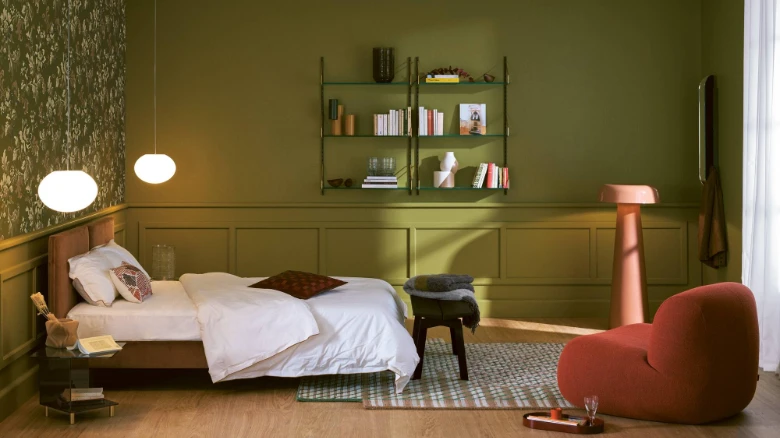
Similarly, a “reading” scene might be crafted with a specific chair, a dedicated lamp, and a small table for a cup of tea. By consciously designing these zones, you are scripting your own life, making it easier to transition between different roles and mindsets. This approach transforms space optimization from a logistical puzzle into a creative act of self-direction.
The modular mindset: Designing for evolution
One of the biggest mistakes in home organization is treating it as a one-time project with a fixed endpoint. Our lives are fluid—we change careers, start families, develop new hobbies. A truly well-designed space is not static; it’s modular and adaptable. The “modular mindset” is about choosing systems, furniture, and organizational strategies that can evolve with you.
This could mean investing in a high-quality, reconfigurable shelving system instead of a custom-built, permanent bookcase. It could involve using a collection of beautiful, uniform boxes for storage that can be repurposed as your needs change—from storing office supplies to children’s toys.
This approach prioritizes flexibility and long-term sustainability. It acknowledges that a home is a living, breathing entity, not a museum. Adopting a modular mindset frees you from the pressure of getting it “perfect” and instead encourages a continuous, playful dialogue with your environment.
The aesthetics of absence: What we remove defines us
In a culture saturated with images of beautifully styled, object-filled rooms, the most radical aesthetic statement one can make is often through emptiness. The deliberate creation of negative space is a sophisticated design choice that speaks volumes. It is not about sterile, empty rooms; it is about the power of what is not there. The aesthetics of absence is the art of using space to create focus, tranquility, and meaning.
Negative space as a luxury
In the context of urban living, where space is the ultimate commodity, an uncluttered surface or a bare wall is a profound luxury. It signifies a rejection of the need to fill every void, to constantly acquire and display. This intentional emptiness serves several functions.
Visually, it allows the objects that you have chosen to keep to have greater impact. A single painting on a large, empty wall commands more attention than one surrounded by a dozen other pictures.
Psychologically, negative space provides a place for the mind to rest. Constant visual stimulation can be draining and anxiety-inducing. An environment with areas of visual calm can reduce mental fatigue and improve focus.
This is a principle well understood in gallery design and high-end retail, and it is increasingly being applied to the home. Creating these moments of quiet is an act of self-care, a way of building a sanctuary in a noisy world.
The art of subtraction: A comparative approach
The journey toward a curated space often involves a process of subtraction. However, not all decluttering philosophies are created equal. Their underlying goals and methods differ significantly, leading to vastly different outcomes in both aesthetics and personal well-being. Understanding these differences is key to choosing an approach that aligns with your own values.
To clarify these distinctions, let’s compare three prominent methodologies in the world of home organization. Each offers a unique lens through which to view your relationship with your belongings.
| Methodology | Core principle | Process | Psychological outcome |
|---|---|---|---|
| KonMari Method (Marie Kondo) | Keep only what “sparks joy.” | Category-based purge (clothes, then books, etc.). Focuses on an emotional, intuitive connection to objects. | A feeling of gratitude and lightness. A home filled only with positive, cherished items. |
| Swedish Death Cleaning (Margareta Magnusson) | Don’t leave a mess for others to clean up. | A pragmatic, gradual decluttering process focused on reducing one’s possessions to make life easier for oneself and one’s family in the long term. | A sense of peace, responsibility, and liberation from the burden of possessions. |
| Essentialism (Greg McKeown) | “Less but better.” The disciplined pursuit of only what is essential. | A strategic and analytical process of identifying the most vital and high-impact items and eliminating everything else. | Increased focus, clarity, and effectiveness. A space designed for maximum contribution to one’s goals. |
As the table illustrates, the goal is not always the same. While one person may seek a home that feels joyful and light, another may prioritize a space that is ruthlessly efficient and goal-oriented. The most sophisticated approach often involves a synthesis of these ideas, tailored to an individual’s specific life stage and personality. A professional consultant can guide you through this process, helping you define your own philosophy of subtraction.
Living with the void: Embracing imperfection and change
The final, and perhaps most challenging, step in mastering the aesthetics of absence is learning to live with the void. After a significant purge, it can be tempting to immediately fill the newly created space. The impulse to acquire is deeply ingrained. Resisting this urge is a discipline. It means becoming comfortable with imperfection, with a home that looks “in progress.”
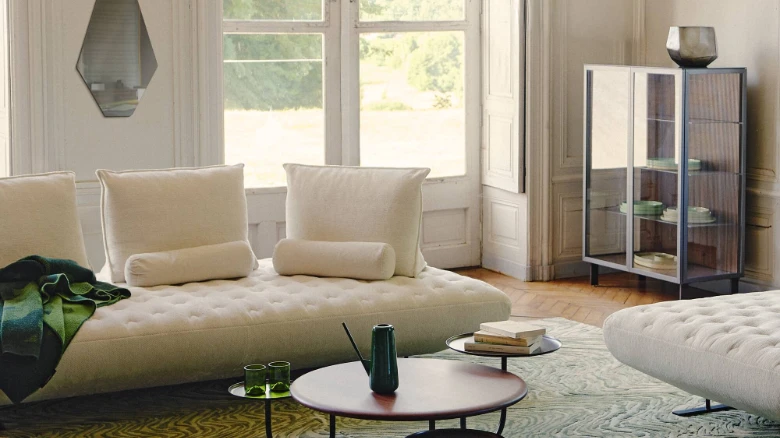
This is where the true transformation occurs. By choosing not to fill a space, you leave it open to possibility. An empty corner is not a lack; it is an opportunity. It could become a yoga spot, a place for a future plant, or simply remain a pocket of calm.
Embracing this emptiness is an act of faith in your own evolution. It acknowledges that you are not a finished product, and neither is your home. It creates a physical and mental landscape that has room for growth, for surprise, and for the life you have yet to live.
The professional touch: Why an outside eye is transformative
While the journey of curating one’s space is deeply personal, the value of an objective, expert perspective cannot be overstated. Engaging with decluttering services or a professional organizer is not an admission of failure; it is a strategic investment in your well-being and a recognition that our homes are complex systems. A skilled professional brings not just a fresh pair of eyes, but a wealth of knowledge in spatial dynamics, behavioral psychology, and project management.
Overcoming emotional roadblocks and decision fatigue
One of the biggest hurdles in any significant organizational project is the emotional weight of our possessions. Every object can be a landmine of memory, guilt, or aspiration, making objective decision-making nearly impossible. This is where decision fatigue sets in, leading to procrastination and overwhelm. A professional acts as a neutral, compassionate guide through this emotional landscape.
They can provide the structure and momentum to push through difficult choices. They are trained to ask the right questions, helping you untangle the emotional attachments from the practical realities.
Their role is not to make decisions for you, but to create a framework in which you can make clear, confident choices that align with your long-term goals. They serve as a project manager for your life, breaking down a monumental task into manageable steps and holding you accountable to the vision you’ve set for yourself.
Access to systems and solutions you didn’t know existed
The world of home organization systems is vast and constantly evolving. An expert is immersed in this world. They know the difference between archival-quality storage and everyday solutions.
They have access to trade-only resources and are aware of innovative products and brands that the average consumer might never discover. This expertise saves you countless hours of research and prevents costly mistakes.
More importantly, they don’t just recommend products; they design holistic systems. They understand how to create a “flow” within a home, ensuring that the systems in the kitchen integrate seamlessly with those in the pantry and the mudroom.
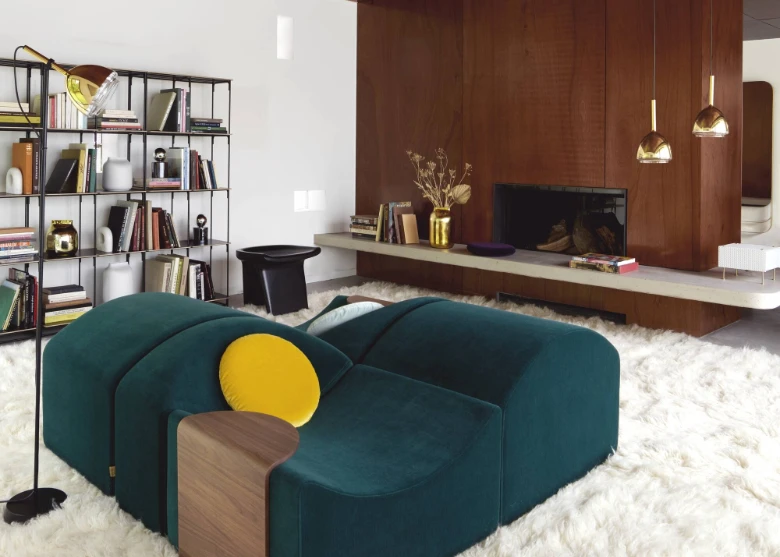
They think about long-term maintenance, creating solutions that are not just beautiful on day one, but are intuitive and easy to sustain. This level of systemic thinking is what elevates a space from simply being “tidy” to being truly functional and effortless to live in.
The final edit: Styling and the art of placement
The final stage of the process is often the most overlooked: the artful arrangement of the items you’ve chosen to keep. This is where a professional’s eye for aesthetics becomes invaluable.
It’s the difference between a room that is merely organized and one that is beautifully composed. This “final edit” involves applying principles of design—balance, scale, rhythm, and focus—to your personal belongings.
They might suggest grouping objects by color or texture to create a visual statement, or creating a “vignette” on a console table that tells a small story. They know how to use books as pedestals, how to layer textiles to add warmth, and how to hang art at the correct height to create a sense of harmony.
This is the final layer of polish that transforms your space into a true reflection of your taste and personality. It’s the step that makes a house feel like a curated home, a space that is not just organized, but artful.
The process of shaping our environment is one of the most powerful forms of self-expression available to us. It’s an ongoing conversation, a dynamic art project that reflects who we are and who we aspire to be. The narratives we build within our walls are the stories that shape our lives.
At Neomania Magazine, we believe in exploring these frontiers of identity, in dissecting the aesthetics that define our culture, and in telling the stories that challenge and inspire. If this exploration of space and self resonates with you, we invite you to continue the journey with us. Subscribe to discover a world of ideas that provoke, move, and transform.