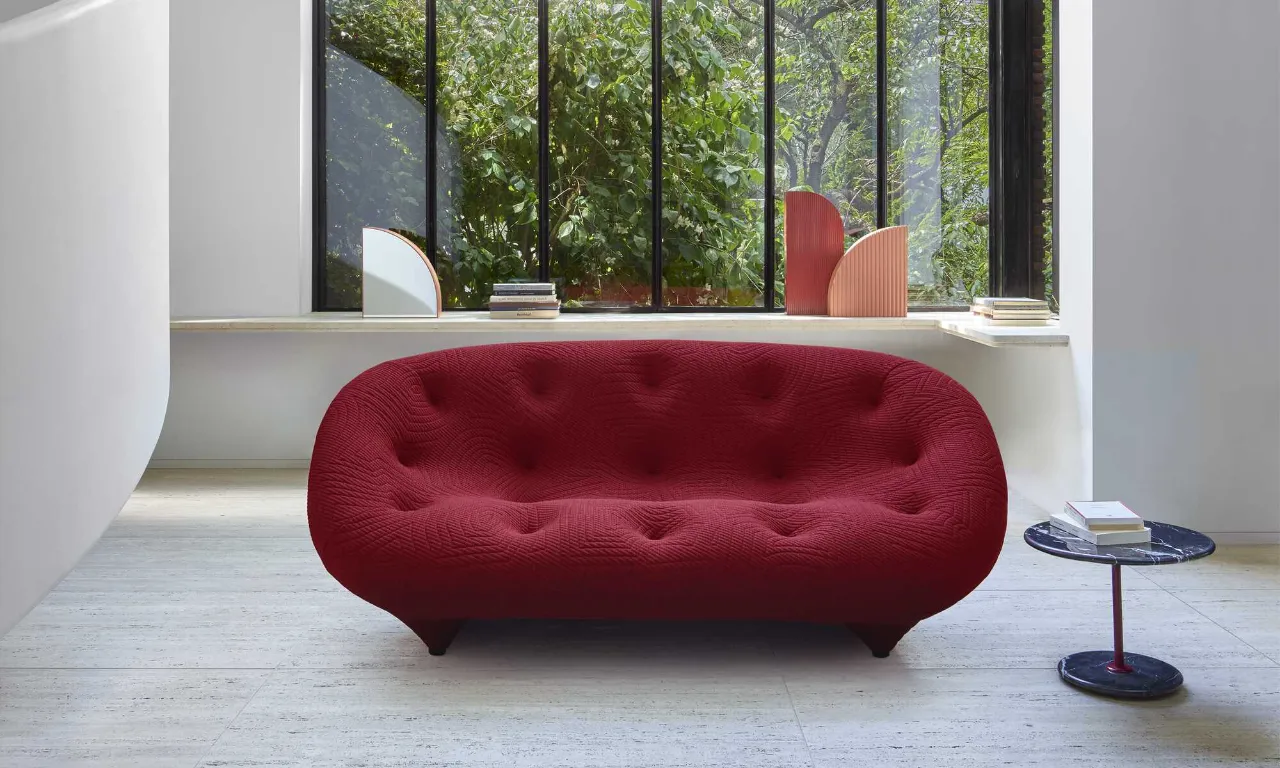
There’s a quiet but profound shift happening in the spaces we inhabit. For decades, the dominant aesthetic was one of sharp angles, clean lines, and rigid geometry, a visual language of efficiency and order. But walk into a thoughtfully designed contemporary space today, and you’ll feel something different.
A sense of flow, a softness that invites you to linger, a gentle geometry that feels less like a command and more like an embrace. This is the world being shaped by the resurgence of curves, a movement that’s far more than a fleeting aesthetic choice.
It’s a response to our collective need for comfort, connection, and a more human-centric approach to the environments that cradle our lives. This isn’t just about replacing a square coffee table with a round one; it’s about fundamentally rethinking how we interact with our homes and the objects within them.
The move toward sinuous forms and sculptural silhouettes is a direct counter-narrative to the stark minimalism that has reigned for so long. It suggests a desire for spaces that are not just functional, but also emotionally resonant.
These pieces from a gently arcing sofa to a chair that seems to have been sculpted by the wind prioritize a different kind of logic. It’s the logic of the human body, of natural landscapes, of conversation that flows without interruption.
This evolution in design signals a deeper cultural current, one that values fluidity over fixation and well-being over stark utility. We are beginning to understand that the shapes we surround ourselves with have a tangible impact on our mood, our interactions, and our sense of peace. The straight line is efficient, but the curve is compassionate.
The psychological pull of the curve
The appeal of rounded forms isn’t arbitrary; it’s deeply rooted in our psychology and evolutionary history. Our brains are wired to process curves differently than sharp angles. Angles can subconsciously signal danger think of thorns, sharp rocks, or the teeth of a predator. Curves, on the other hand, are perceived as safe, gentle, and welcoming.
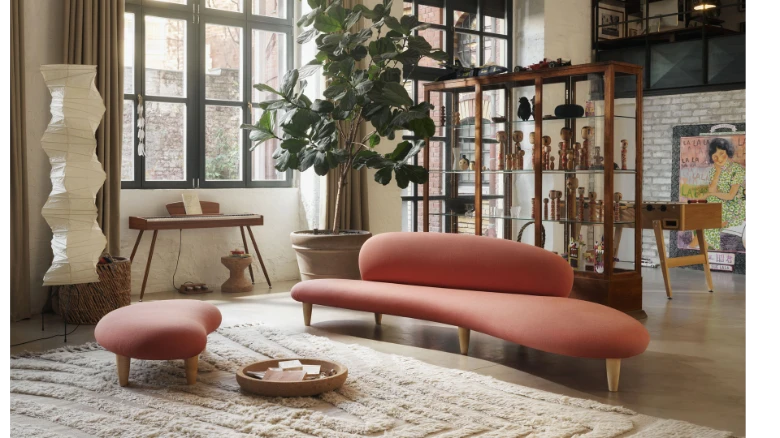
This primal response translates directly into how we experience an interior space. A room filled with soft edges and flowing lines can lower our stress levels and create an atmosphere of calm and security, turning a home into a true sanctuary from the angular, often harsh, outside world.
From nature’s blueprint to our living rooms
Look around at the natural world, and you’ll find that straight lines are a rarity. Landscapes are defined by the gentle slope of hills, the winding path of a river, the arc of the horizon, and the rounded forms of stones smoothed by water over millennia.
This concept, often referred to as biophilia, suggests that humans have an innate tendency to seek connections with nature and other forms of life. By incorporating organic shape furniture into our homes, we are tapping into this deep-seated affinity.
A kidney-shaped desk or a petal-like lounge chair doesn’t just serve a function; it echoes a natural pattern that our minds find inherently pleasing and restorative. This is design that speaks a language older than architecture itself, a language of hills, clouds, and coastlines brought indoors.
Fostering connection and conversation
The geometry of our furniture has a direct and often underestimated impact on social dynamics. Rectangular dining tables and sectional sofas with 90-degree angles create a sense of formality and separation.
They dictate seating arrangements that can feel rigid and hierarchical. A round dining table, by contrast, places everyone on equal footing, encouraging a more democratic and engaging flow of conversation. No one is at the “head” of the table.
Similarly, a curved sofa can create a more intimate and inclusive seating area. Instead of facing forward in parallel lines, people are subtly angled toward one another, making eye contact and interaction feel more natural and spontaneous. This design choice transforms a living room from a space for passive media consumption into an arena for genuine human connection.
A tactile and sensory experience
Beyond the visual appeal, curved furniture invites touch. The smooth, continuous surface of a rounded marble tabletop or the upholstered sweep of a crescent-shaped armchair begs to be traced by hand. This tactile engagement creates a richer sensory experience of a space.
In a world increasingly dominated by flat, cold screens, the desire for texture, form, and physical interaction with our environment is stronger than ever. These pieces are not just to be looked at; they are to be experienced.
They add a layer of sensuality and physical comfort that sharp-edged, minimalist furniture often lacks. The act of running a hand along a smoothly sanded wooden curve is a small, grounding moment of connection to the physical world, a quiet rebellion against digital detachment.
The historical arc of rounded furniture design
The current fascination with curves is not a new phenomenon but rather the latest chapter in a long and storied design history. From the opulent, flowing lines of Art Nouveau to the futuristic pods of the Space Age, designers have repeatedly turned to the curve to express ideas of progress, comfort, and rebellion against the status quo.
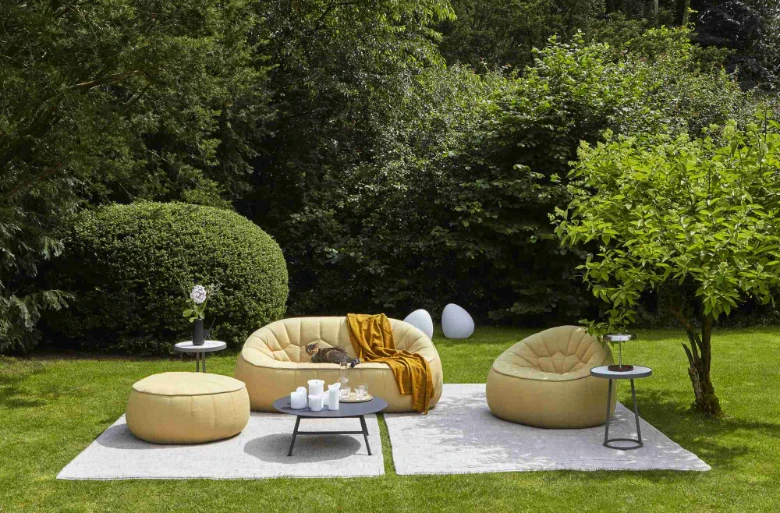
Understanding this lineage gives us a richer appreciation for the pieces we see today, recognizing them not as isolated trends but as part of an ongoing conversation about how we want to live.
Mid-century modernism’s organic turn
While often associated with clean lines, one of the most significant movements to champion the curve was Mid-Century Modernism. Designers like Eero Saarinen and Charles and Ray Eames broke away from the rigid geometry of early modernism, using new materials and manufacturing techniques like bent plywood and molded fiberglass to create iconic, body-conscious forms.
Saarinen’s Tulip Table and Chair series, for example, aimed to eliminate the “slum of legs” with a single, sculptural pedestal base. The goal was to create furniture that was not only beautiful and functional but also harmonious with the human form.
This era laid the groundwork for much of the rounded furniture design we see today, establishing a vocabulary of organic modernism that feels as relevant now as it did in the 1950s.
The bold rebellion of the 1970s
The 1970s took the organic forms of the mid-century and infused them with a new spirit of playful, hedonistic rebellion. This was the era of conversation pits, modular serpentine sofas, and low-slung, amorphous seating that encouraged lounging and informal social gatherings.
Designers like Vladimir Kagan became famous for their sculptural, free-flowing sofas that could command a room and define its social geography. The furniture of this period was less about upright posture and more about relaxed, uninhibited comfort. It was a direct reflection of the cultural shifts of the time, prioritizing community, self-expression, and a departure from formal living arrangements.
Today’s designers are drawing heavily from this period, reviving the conversation pit and the modular, curvaceous sofa for a new generation seeking both comfort and statement-making style.
Contemporary interpretations and material innovation
Today’s designers are not simply replicating past styles; they are pushing the boundaries of what is possible with new technologies and materials. Digital fabrication tools like 3D printing and CNC milling allow for the creation of complex, fluid forms that would have been difficult or impossible to produce in the past. We are also seeing a renewed interest in traditional craftsmanship, with artisans hand-carving wood and stone into breathtakingly sinuous shapes. Materials themselves are being re-examined:
- Bouclé and textured fabrics: Soft, nubby textiles like bouclé, shearling, and velvet are the perfect complement to curved frames, enhancing their cozy, inviting nature and adding a layer of tactile richness.
- Sustainable composites: Innovative materials made from recycled plastics or bio-resins are being molded into organic forms, combining environmental consciousness with cutting-edge aesthetics.
- Natural stone and wood: Artisans are increasingly treating hard materials like marble, travertine, and solid wood with a new softness, carving them into monolithic, rounded coffee tables and consoles that feel both monumental and gentle.
This fusion of high-tech innovation and timeless craft is what defines the contemporary curved furniture movement, creating pieces that are both forward-looking and deeply connected to a long design heritage.
Integrating curves into your own space
Adopting this aesthetic doesn’t require a complete overhaul of your home. The power of the curve is such that even a single, well-chosen piece can transform the feeling of a room. The key is to think about balance and intention. The goal is not to eliminate every straight line but to create a dynamic and harmonious interplay between different geometries.
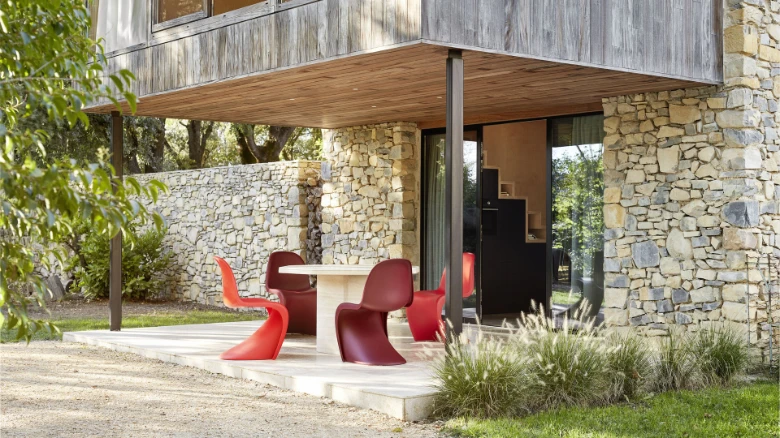
A curved piece can soften a boxy room, create a focal point, or improve the flow of a space. It’s about being deliberate in how you introduce these forms to create an environment that is both visually interesting and emotionally comforting.
Starting with a statement piece
The most impactful way to introduce this aesthetic is with a single, significant piece of furniture. A curved sofa is a natural choice for the living room. Its enveloping shape can instantly make a large, open-plan space feel more intimate and defined.
Consider models like the iconic Serpentine Sofa by Vladimir Kagan or more accessible contemporary versions that feature gentle arcs or modular, snaking components. This one piece can set the tone for the entire room, establishing a language of softness and flow.
If a sofa feels like too large of a commitment, a pair of sculptural armchairs with rounded backs can have a similar effect, creating a cozy and inviting conversation nook. The key is to choose a piece that you not only find beautiful but that also feels genuinely comfortable and supportive.
The power of accents and details
If you’re not ready for a major furniture purchase, you can still incorporate the trend through smaller, more subtle interventions. These details can have a surprisingly powerful cumulative effect on the atmosphere of a room.
- Lighting: Swap out an angular pendant light for one with a domed or spherical shade. An arc floor lamp is a classic choice that can gracefully lean over a sofa or reading chair, adding both light and a beautiful sweeping line to the space.
- Tables and case goods: A round coffee table or a set of nesting tables with soft edges is one of the easiest ways to start. They are not only safer to navigate (no sharp corners to bump into) but also encourage a more fluid traffic flow around them. A sideboard or console with rounded corners can also bring a subtle softness to a dining room or entryway.
These smaller elements work together to build a cohesive and gentle aesthetic, proving that you don’t need to make a grand gesture to make a significant impact.
Beyond the aesthetic: The cultural significance of the curve
The widespread adoption of the curved furniture trend is more than just a matter of taste. It reflects a deeper shift in our collective values and priorities. In an age marked by digital burnout, political polarization, and a constant barrage of information, we are increasingly seeking solace, comfort, and genuine connection in our personal lives.
Our homes have become more important than ever not just as places to live, but as spaces for restoration, retreat, and well-being. The move towards softer, more organic forms is a physical manifestation of this desire for a gentler, more humane way of living.
A response to a digital world
We spend a significant portion of our days interacting with flat screens, rigid grids, and the sharp corners of our digital devices. The digital world is one of lines, boxes, and algorithms. The embrace of curves in our physical environment can be seen as a necessary antidote to this digital angularity.
It is a way of reintroducing a sense of organic, unpredictable, human-scale beauty into our lives. A hand-carved wooden chair or a lumpy, imperfect ceramic vase provides a tactile and visual counterpoint to the slick, impersonal perfection of a smartphone. These objects ground us in the physical world and remind us of the beauty of imperfection and the human touch.
Redefining luxury and comfort
The concept of luxury is also evolving. For a long time, luxury was synonymous with formality, opulence, and a certain degree of stiffness. Today, a new definition of luxury is emerging, one that prioritizes comfort, ease, and emotional well-being.
True luxury is not a stiff, uncomfortable chair that is meant to be admired from afar; it’s a deep, enveloping sofa that you can sink into at the end of a long day. It’s a space that supports your lifestyle and makes you feel good.
The current movement in furniture design champions this new form of luxury, creating pieces that are both aesthetically sophisticated and deeply, unapologetically comfortable. It’s a shift from performative living to authentic well-being.
The enduring power of the curve lies in its profound connection to humanity and nature. It is a form that reassures, connects, and comforts. By choosing to fill our spaces with these gentle, flowing lines, we are making a statement about the kind of world we want to live in one that is a little softer, a little kinder, and a lot more beautiful.
It’s about crafting environments that don’t just house our bodies, but also nurture our spirits. The stories these objects tell are ones of harmony, connection, and a quiet, confident grace.
At Neomania Magazine, we believe that design is a language that speaks to our deepest aspirations. The narratives embedded in these sculptural forms offer more than just a visual treat; they propose a new way of being.
They challenge us to slow down, to connect, and to find beauty in the flow. If these ideas resonate with you, if you are drawn to stories that explore the intersection of art, culture, and the human experience, then you will find a home with us. We invite you to continue this conversation and explore a world of challenging, inspiring, and transformative ideas by subscribing to our publication.