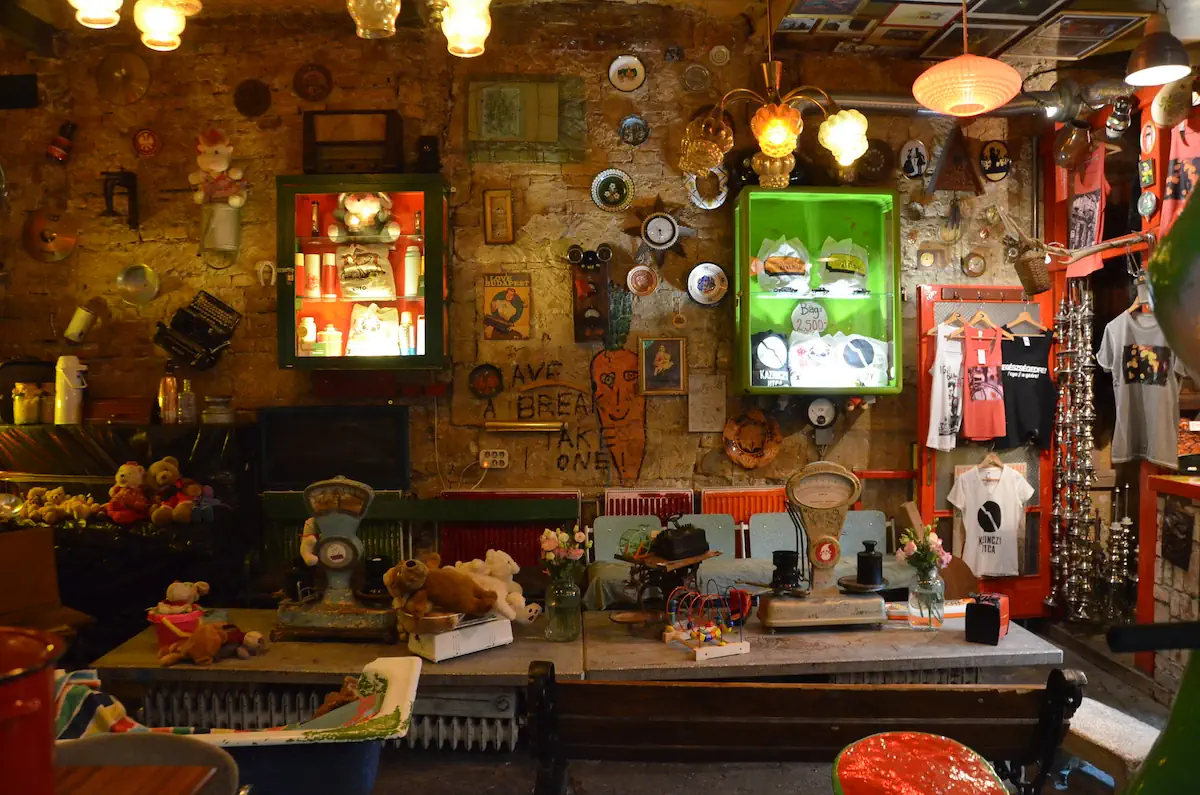
You’ve probably felt it before: that mix of a smile and a slight cringe when you see a plastic pink flamingo on a perfectly manicured lawn, or a lamp shaped like a pineapple.
That feeling is the essence of kitsch in design. It’s a style that’s often dismissed as “tacky” or “in bad taste,” but it holds a much richer story about culture, rebellion, and personal expression.
Kitsch celebrates the sentimental, the mass-produced, and the charmingly over-the-top. It’s a wink and a nod to the seriousness of traditional design, inviting us to have a little more fun in our spaces.
This style isn’t about following strict rules; it’s about breaking them with intention and a sense of humor. Looking at kitsch gives us a way to understand how our tastes are formed and why we’re drawn to certain objects that defy conventional beauty.
It’s an aesthetic built on emotion, nostalgia, and a touch of irony. So, let’s explore what makes kitsch so compelling and how you can bring its playful spirit into your own life and home.
The origins of kitsch: more than just bad taste
So, where did this whole idea of “kitsch” even come from? The term first appeared in the art markets of Munich, Germany, around the 1860s and 1870s.
It was used to describe cheap, sentimental, and marketable pictures and sketches (kitschen in the German dialect means ‘to smear’ or ‘to make cheap’).
At the time, a new middle class was emerging thanks to the Industrial Revolution. They had disposable income and wanted to decorate their homes with art, just like the aristocracy, but they couldn’t afford original masterpieces.
Art dealers responded by producing inexpensive, mass-produced pieces that imitated high art but were designed to appeal to popular sentiment. Think weeping children, romanticized landscapes, and adorable animals.
These weren’t meant to challenge the viewer; they were meant to provide comfort and an easy emotional connection. The philosopher Walter Benjamin noted that kitsch offers “instantaneous emotional gratification without intellectual effort.”
This mass-produced, emotionally direct nature became the foundation of kitsch in design.
Over time, the meaning evolved. What started as a dismissive term for “low-brow” art was eventually embraced by artists and designers.
They began to use kitsch ironically, appreciating its flamboyance and its rejection of the cold, minimalist aesthetic that became popular in the 20th century.
Today, kitsch is recognized as a legitimate, if provocative, design choice that questions our very notions of what constitutes “good taste.”
What are the key characteristics of kitsch design?
You can usually spot a kitschy object from a mile away, but what are the specific ingredients that make up this unique style? It’s a mix of several distinct elements that, when combined, create that unmistakable kitsch feeling.
You’ll notice it’s less about a single look and more about a certain attitude towards objects and decoration.
A deep sense of sentimentality
Kitsch pulls at the heartstrings. It’s all about objects that evoke a strong, simple emotion, often nostalgia or sweetness. This can be anything from a porcelain figurine of a puppy that belonged to your grandmother to a snow globe from a memorable vacation.
The emotional value of the object is far more important than its artistic merit or monetary worth. It’s design that’s meant to make you feel something warm and fuzzy, immediately.
Bright, often clashing colors
Subtlety is not in the kitsch vocabulary. This style loves bold, saturated colors. Think bubblegum pink, lime green, cherry red, and turquoise, often used together in unexpected combinations.
Kitsch isn’t afraid to create a visual jolt. The color palette is meant to be cheerful, energetic, and unapologetically loud, rejecting the muted, earthy tones often associated with sophisticated design.
Mass-produced and proud of it
While high design often prizes craftsmanship and rarity, kitsch celebrates the factory-made. Plastic, plaster, and other inexpensive materials are common.
This is where you find your garden gnomes, your dashboard hula dancers, and your ceramic salt and pepper shakers shaped like kissing poodles. The beauty of kitsch is that it’s accessible to everyone, a direct result of its industrial origins.
An element of humor and irony
Modern kitsch often involves a self-aware sense of humor. The person displaying a trio of flying ducks on their wall knows it’s a bit silly, and that’s precisely the point. It’s an ironic embrace of things that are considered outdated or tasteless.
This playful irony allows people to enjoy these objects without taking them too seriously, turning a potential design “mistake” into a confident style statement.
How to bring kitsch into your home without going overboard
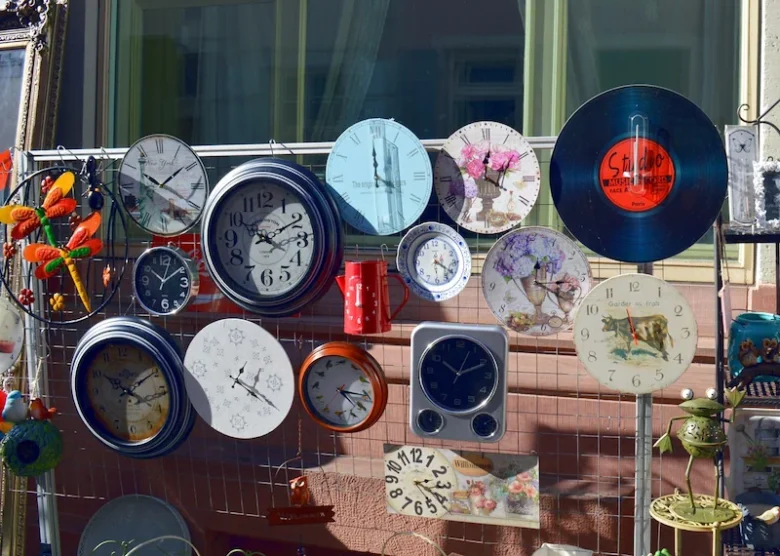
Feeling inspired by the playful rebellion of kitsch? The great thing about this style is that you don’t need a complete overhaul to enjoy it.
A few well-placed kitschy items can add personality and a sense of fun to almost any space. The key is to be intentional and to choose pieces you genuinely love.
Start with a single statement piece
You don’t need to fill your room with garden gnomes to make a point. A single, fantastic piece of kitsch can be the perfect conversation starter.
Think of a vintage flamingo-shaped lamp in your living room or a bold, retro-style poster in your kitchen. This one object can act as a focal point, injecting humor and color into a more neutral space without overwhelming it.
Play with color and pattern in small doses
If you’re not ready for a full-on fuchsia wall, try using kitschy colors and patterns in smaller, more manageable ways. A powder room is a great place to experiment with a quirky, patterned wallpaper.
Or you could add a set of brightly colored throw pillows to your sofa. These small touches provide a pop of kitschy energy that’s easy to change if you ever want a different look.
Embrace the personal and nostalgic
This is where the heart of kitsch in design truly lies. Look around your home for objects that have personal meaning, even if they don’t fit a specific design aesthetic.
That slightly-chipped souvenir from a family trip, the hand-painted plate you bought at a flea market, or your collection of old-school tin toys can all be part of a curated kitsch display. Group them on a shelf or side table to create a vignette that tells your personal story.
The art of the curated clash
Part of the fun of kitsch is mixing things that “shouldn’t” go together. Try pairing a sleek, modern sofa with a gaudy, gold-framed mirror you found at a thrift store.
Or place a kitschy ceramic pineapple on a minimalist bookshelf. The contrast between the “high” and “low” design elements is what creates visual interest and shows that you’re not afraid to have fun with your decor. It’s all about creating a balance that feels right to you.
Famous examples of kitsch in culture and design
Kitsch is all around us, from art galleries to roadside motels. Looking at some well-known examples can help you better understand its cultural impact and its wide-ranging appeal. These pieces and places have become icons of the kitsch aesthetic.
Kitsch in art: Jeff Koons and beyond
When you think of kitsch in the art world, it’s hard not to think of Jeff Koons. His large-scale sculptures, like the giant, mirror-polished “Balloon Dog,” take everyday, cheap-looking objects and elevate them to the status of high art.
He plays with ideas of consumer culture, sentimentality, and taste. His work is controversial because it intentionally blurs the line between art and mass-produced trinkets, forcing us to ask what gives an object value.
Kitsch in architecture: the roadside attraction
The golden age of the American road trip gave us some of the best examples of kitsch architecture. Motels shaped like teepees, diners in the form of a giant coffee pot, and souvenir shops with entrances through a massive donut are all prime examples.
This type of architecture was designed to be eye-catching and fun, luring travelers off the highway with its novelty and whimsy. It’s functional design that refuses to take itself seriously.
Kitsch in everyday objects: from garden gnomes to lava lamps
This is where kitsch is most familiar to us. The garden gnome, a cheerful, bearded figure, has been a staple of suburban gardens for decades.
The lava lamp, with its hypnotic, bubbling goo, is a symbol of 1960s counter-culture that has become a nostalgic icon. Other examples include cuckoo clocks, bobblehead dolls, and those plastic dancing flowers that are powered by the sun.
These are objects made purely for delight, and their enduring popularity shows our collective soft spot for the charmingly unsophisticated.
The philosophy of kitsch: why we’re drawn to it
At its core, kitsch is a reaction against the often-exclusive world of “good taste.” It suggests that the value of an object isn’t determined by critics or designers, but by the personal connection we have with it.
In a world that often prizes perfection and sophistication, kitsch gives us permission to like things simply because they make us happy.
There’s an honesty to kitsch. It doesn’t pretend to be anything other than what it is: sentimental, colorful, and a little bit silly. This rejection of pretense can be incredibly refreshing.
Embracing kitsch is a way of saying that your personal style is more important than following trends. It’s about curating a life and a home that are filled with joy, memories, and objects that bring a smile to your face, regardless of what anyone else thinks.
Ultimately, kitsch in design is about the freedom to be yourself. It’s a reminder that our homes should be reflections of our unique personalities, quirks and all. It’s a celebration of the imperfect, the emotional, and the beautifully human.
Playing with kitsch is about trusting your own instincts and having fun. It’s a wonderful way to ensure your space feels uniquely yours, filled with stories and smiles.
If you love exploring the stories behind styles like this and want to discover more about the ever-changing worlds of design, culture, and lifestyle, then you’ll feel right at home with Neomania Magazine.
Subscribe today and get a fresh perspective delivered straight to you.