Laduma Ngxokolo presented ‘Izihlwele Zivumile’, MaXhosa Africa’s spring/summer 2027 collection, at the first full show by a South African label on the official Paris Fashion Week calendar.
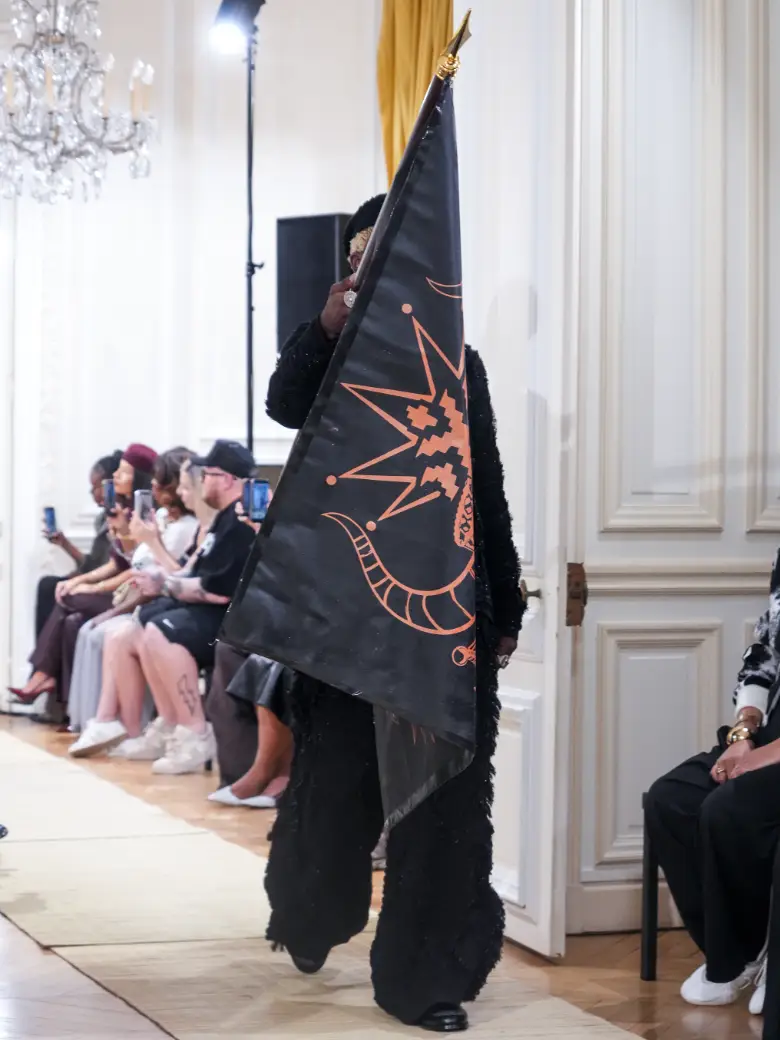
A model dressed head to toe in black opened the show, almost hidden behind a flag, also black, bearing the label’s crest in copper. In his other hand he carried an intonga, the horsehair staff used in Xhosa ceremonies. He walked on ikhukho, woven grass mats that the artist Xander Ferreira laid out across the gilded rooms of the South African ambassador’s residence. In Xhosa, the collection’s name means ‘the ancestors have given their approval’.
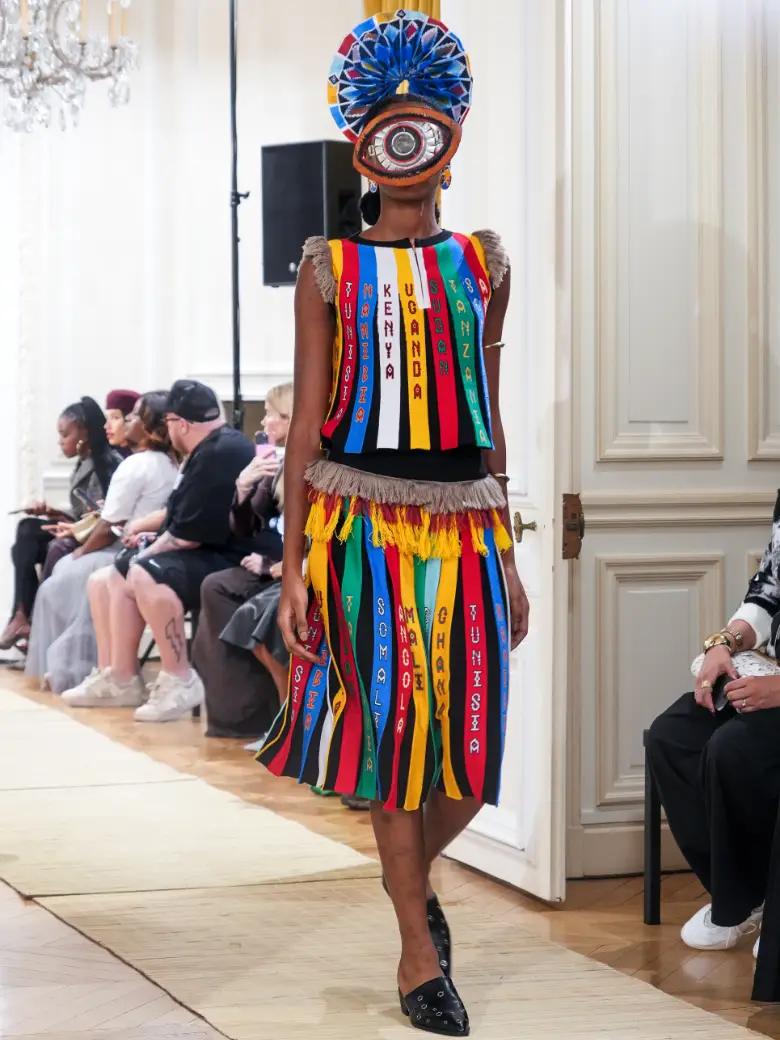
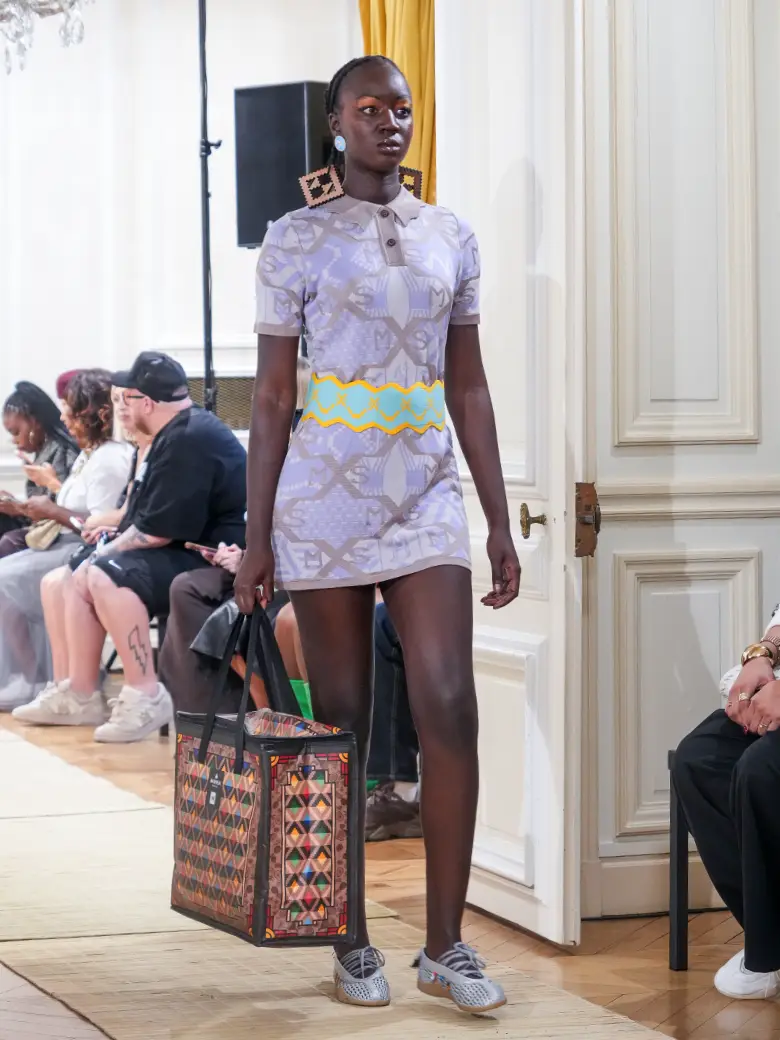
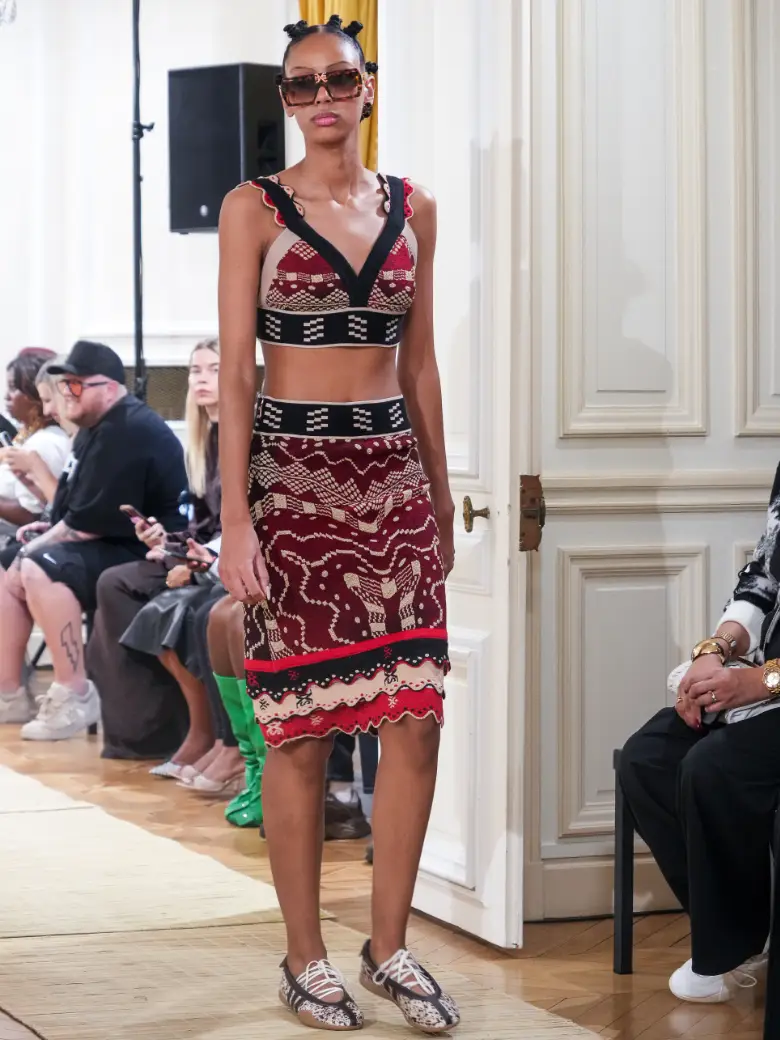
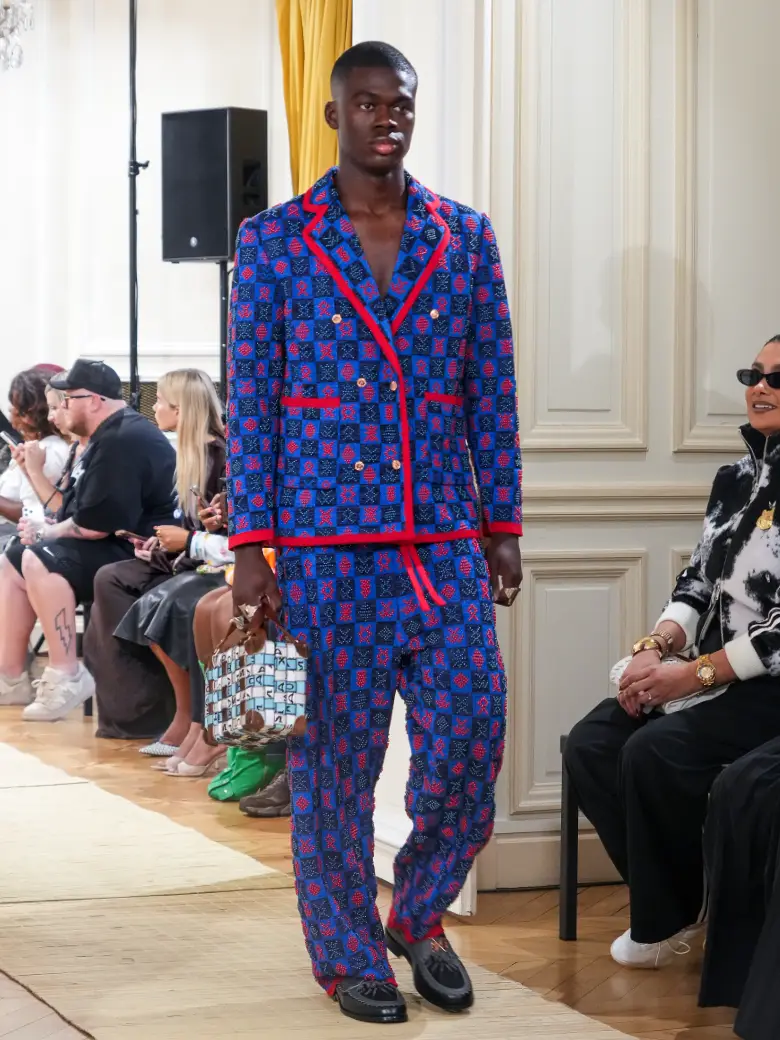
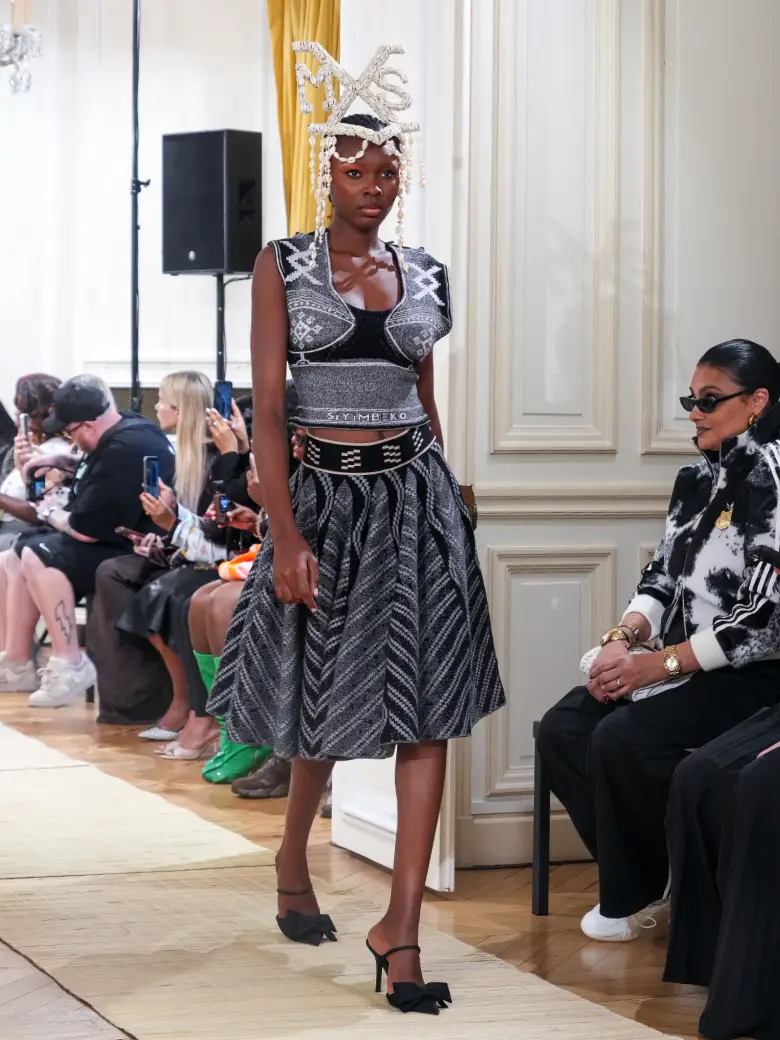
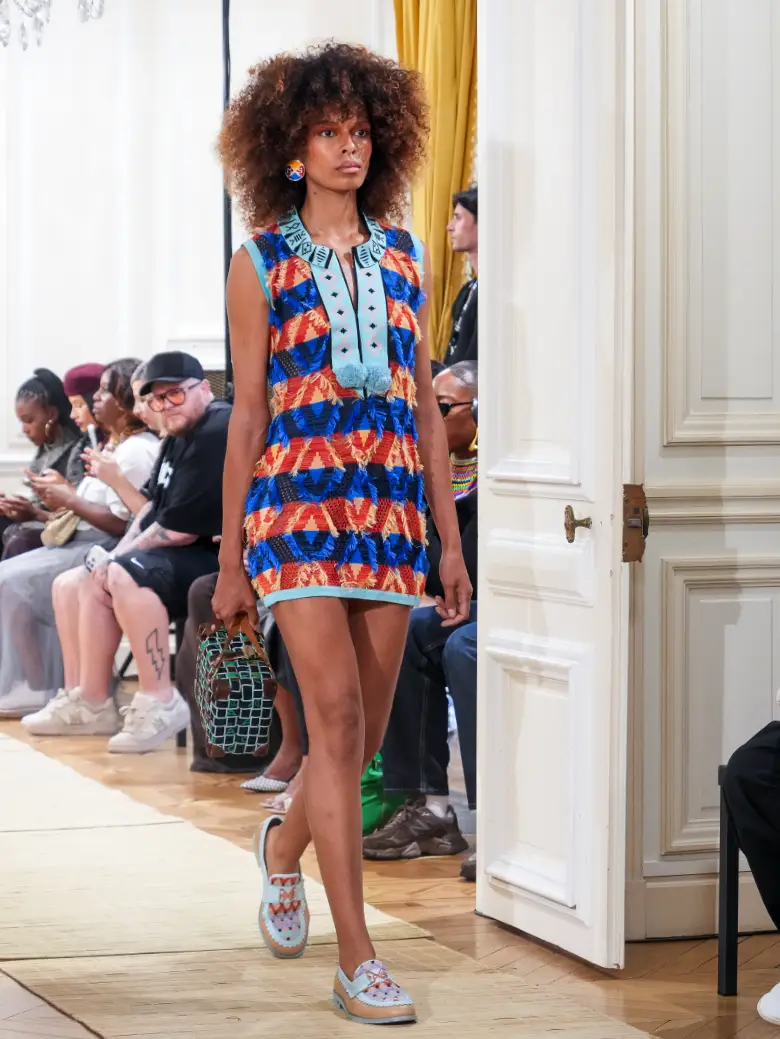
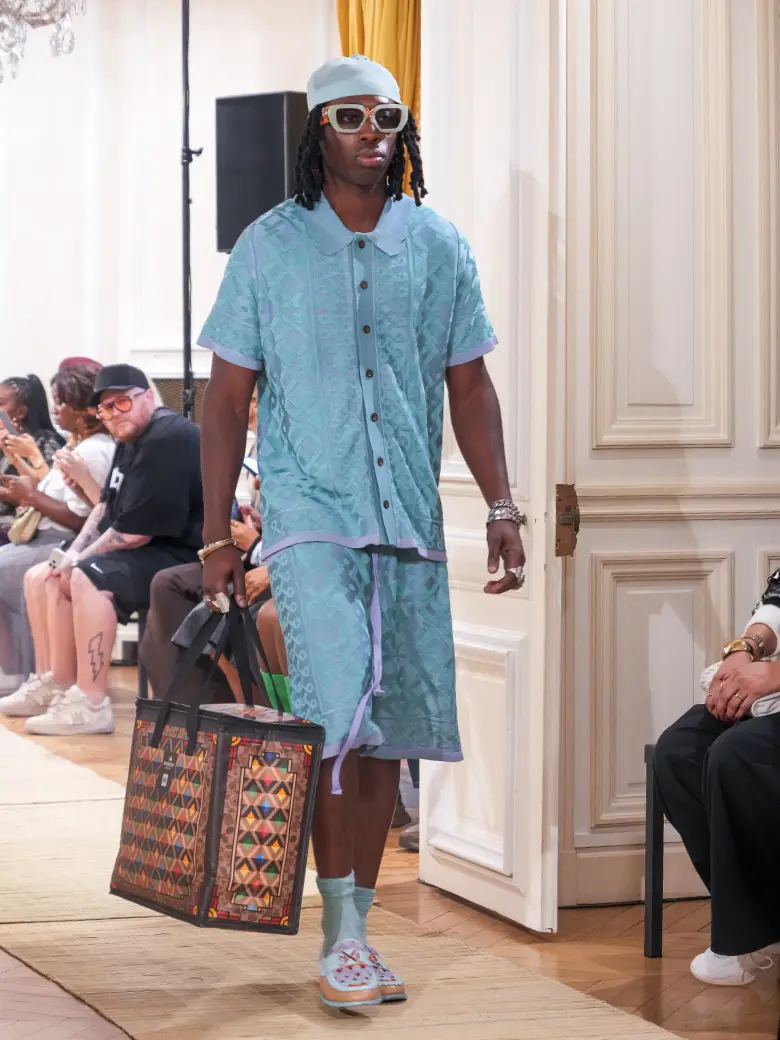
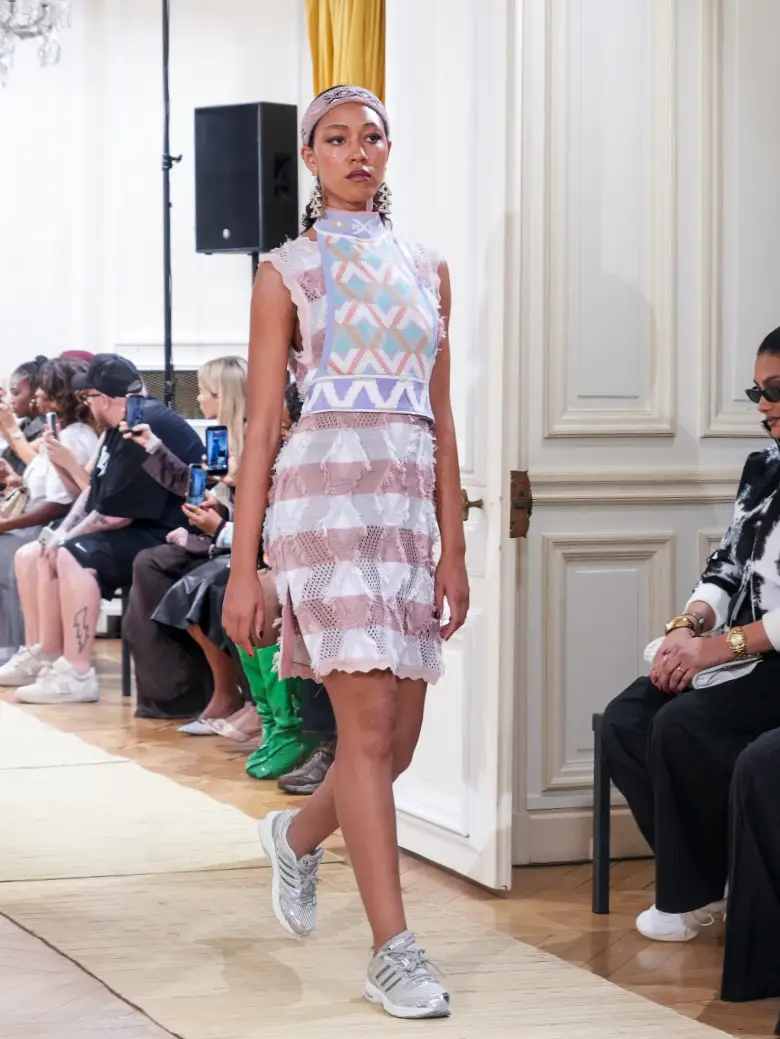
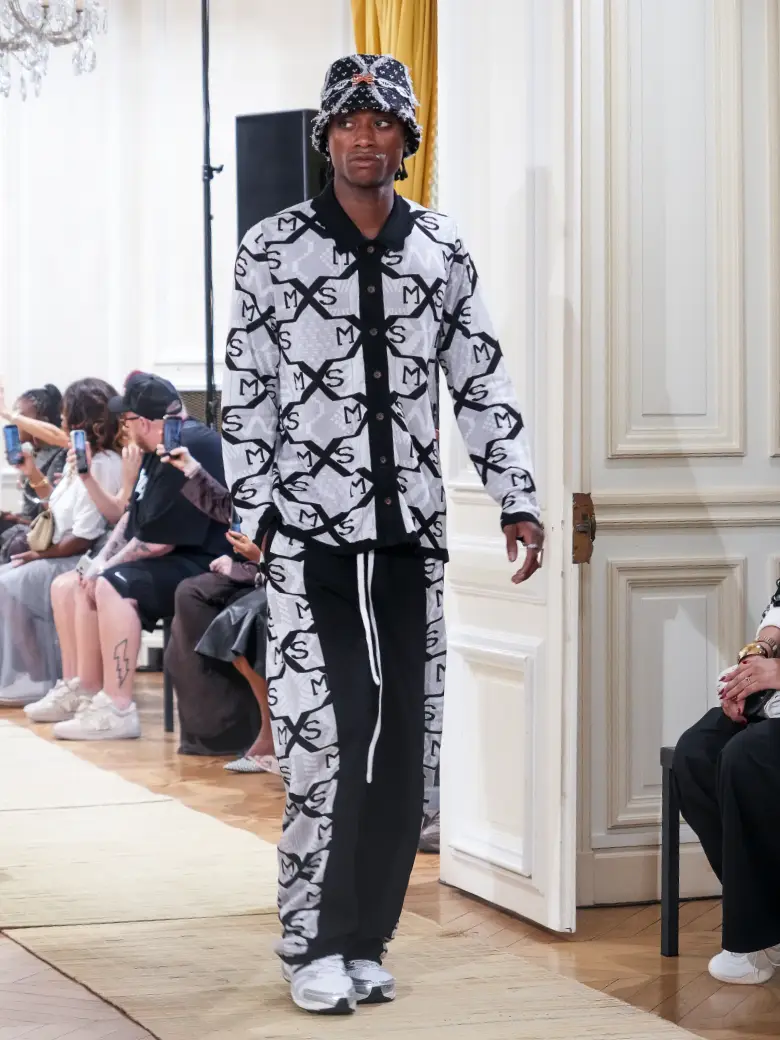
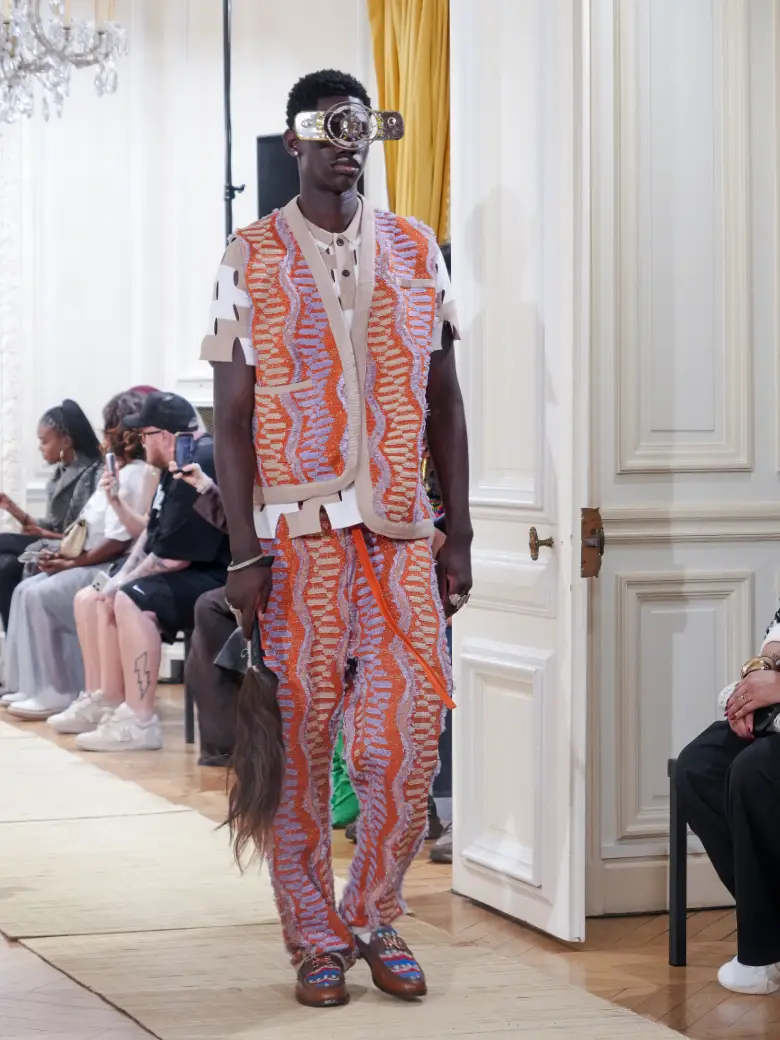
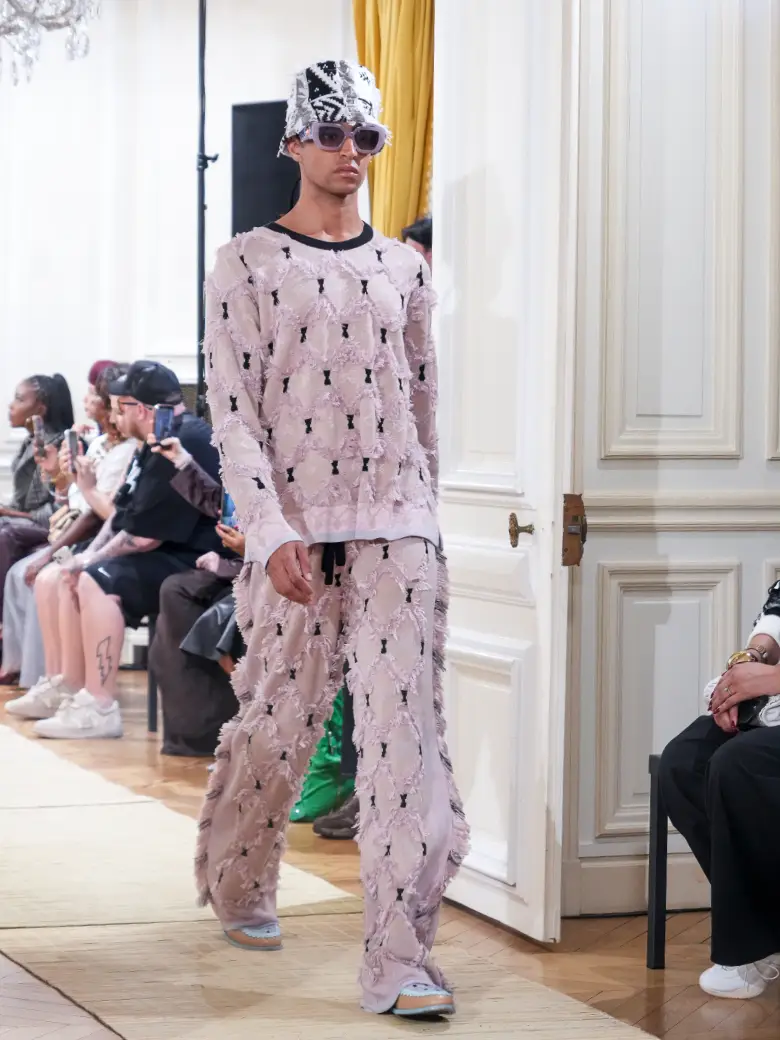
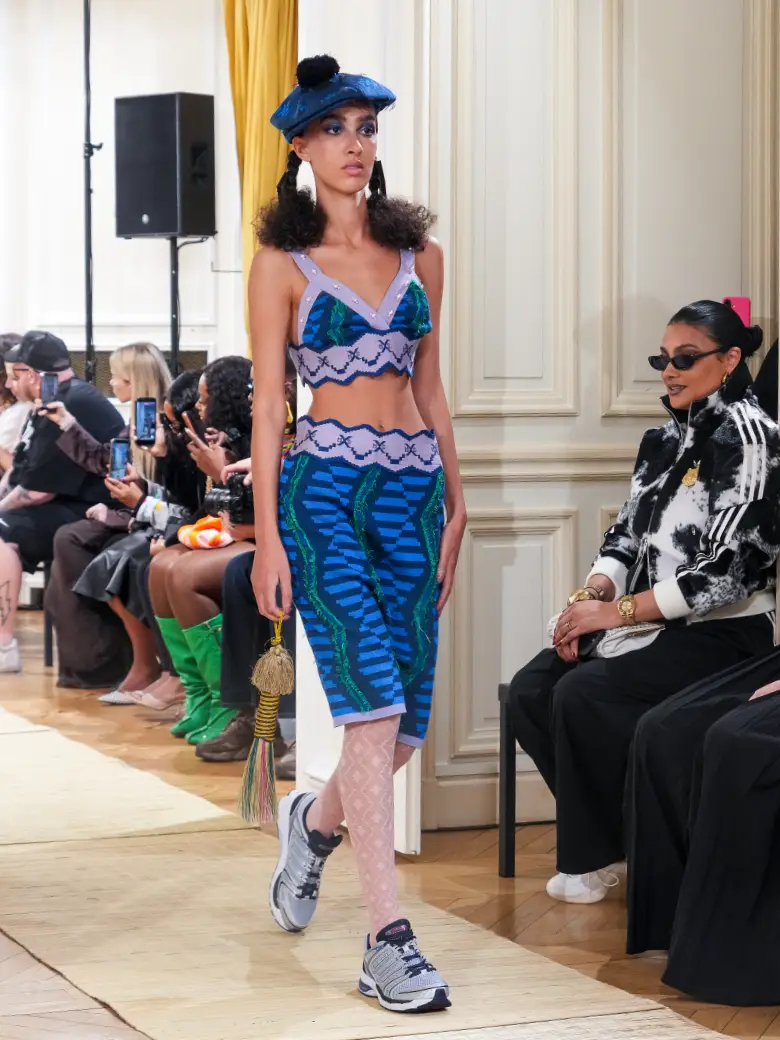
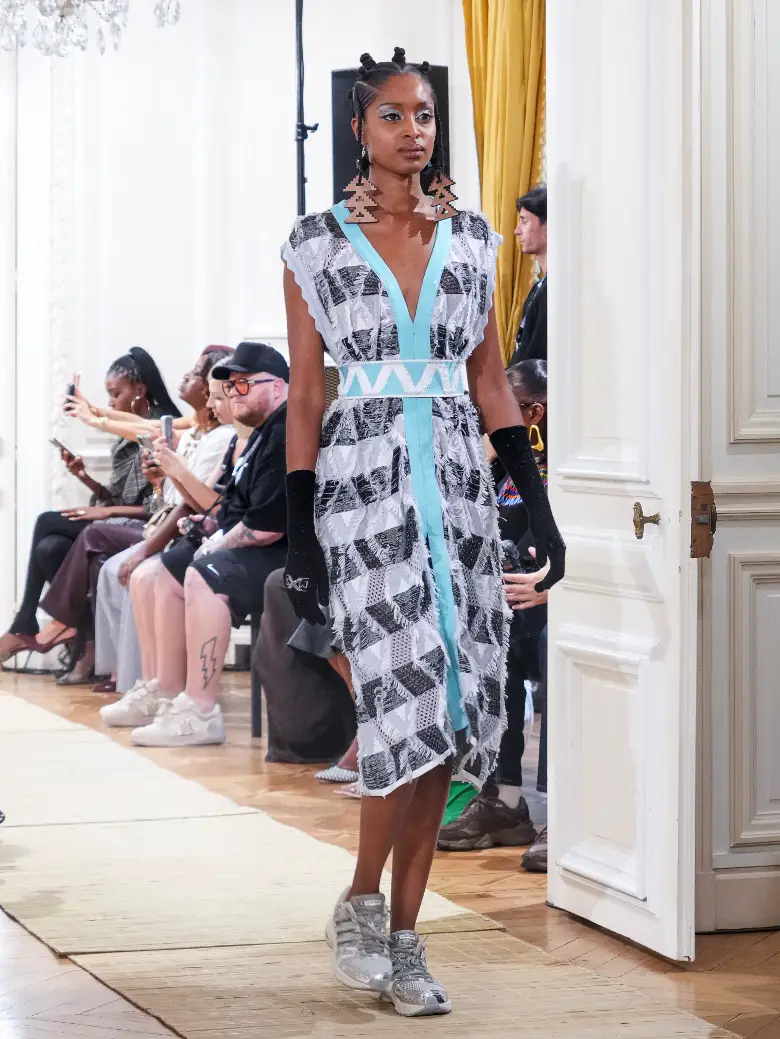
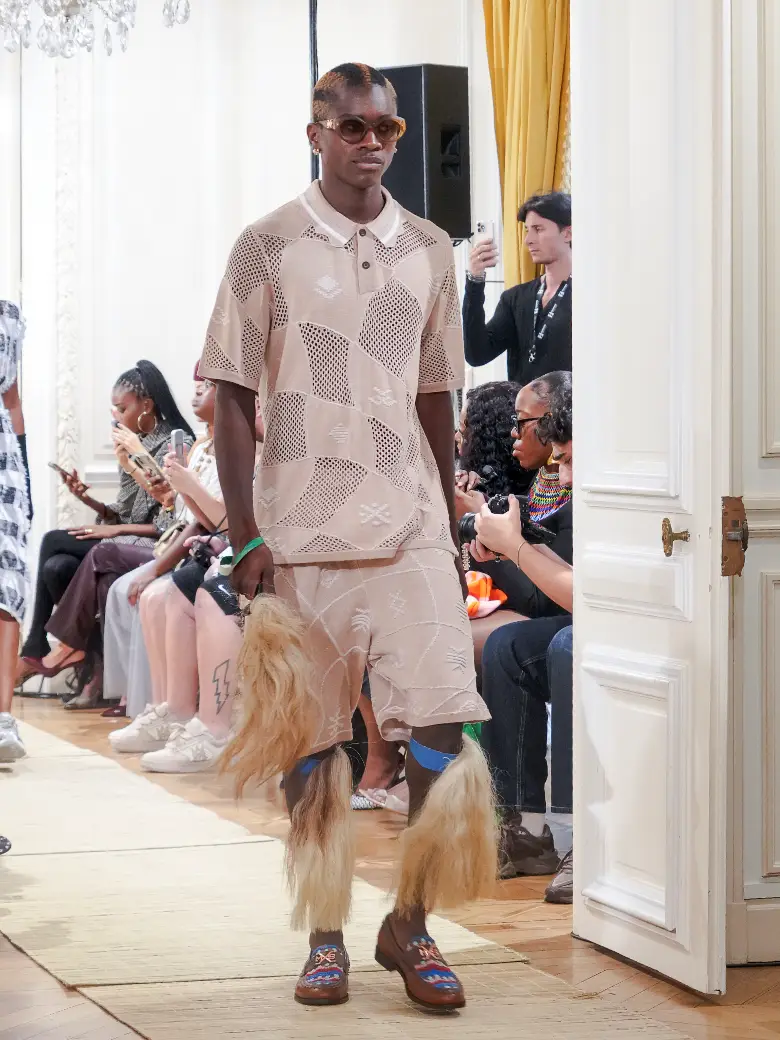
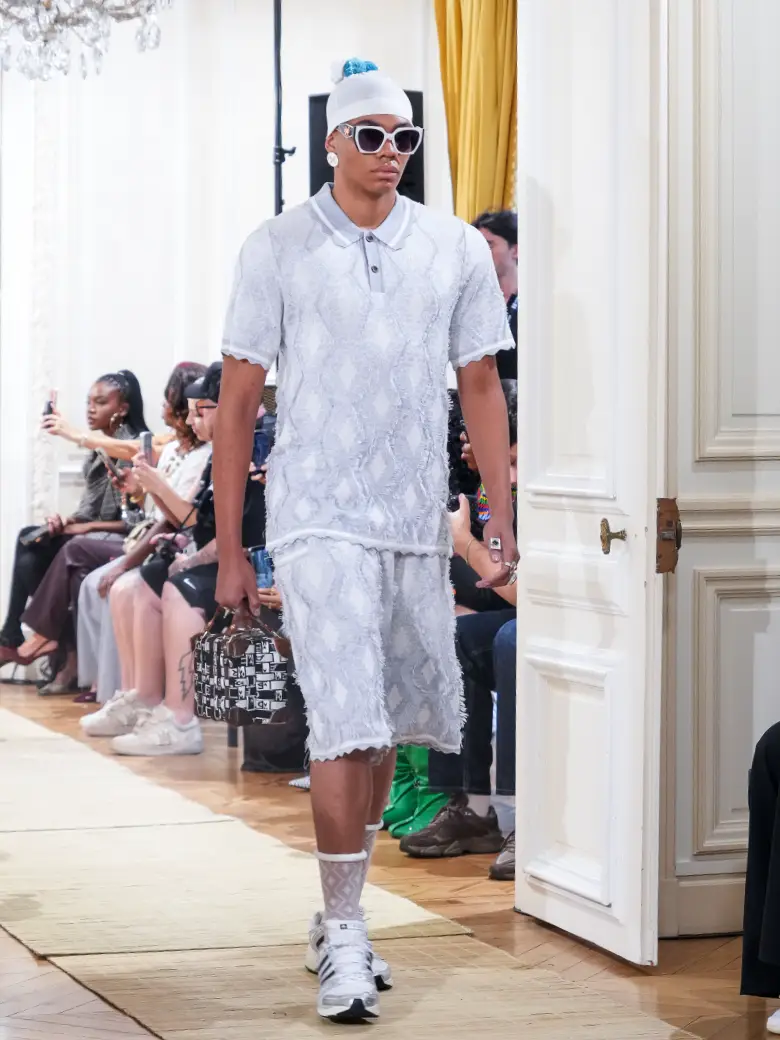
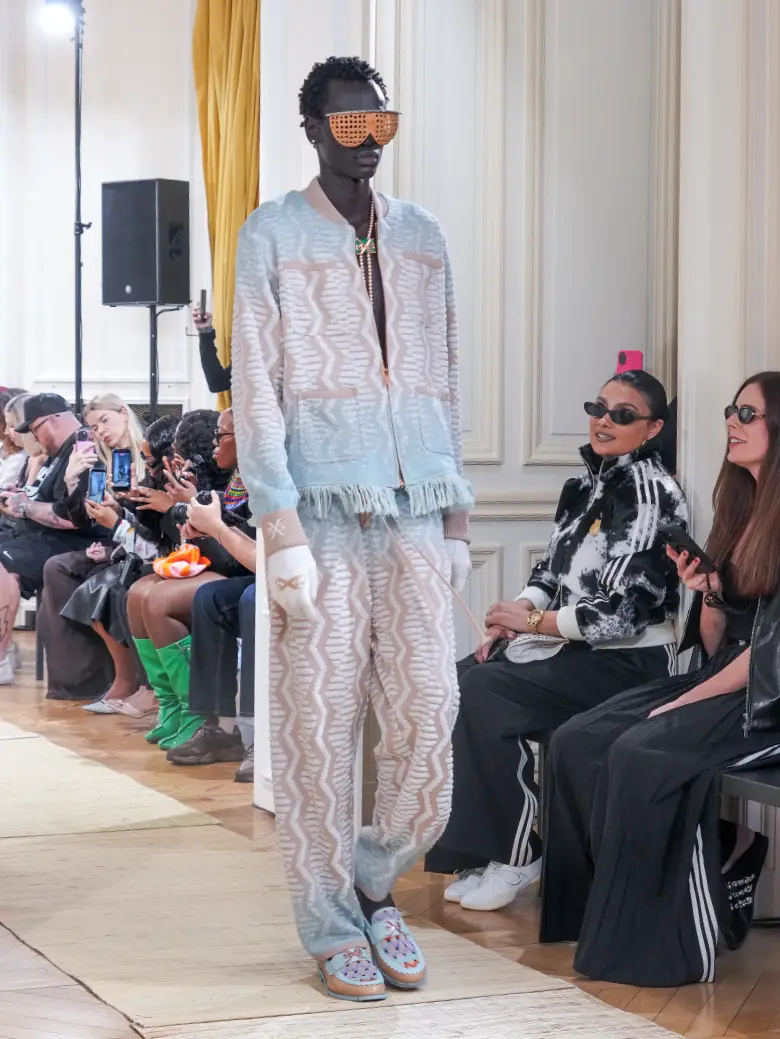
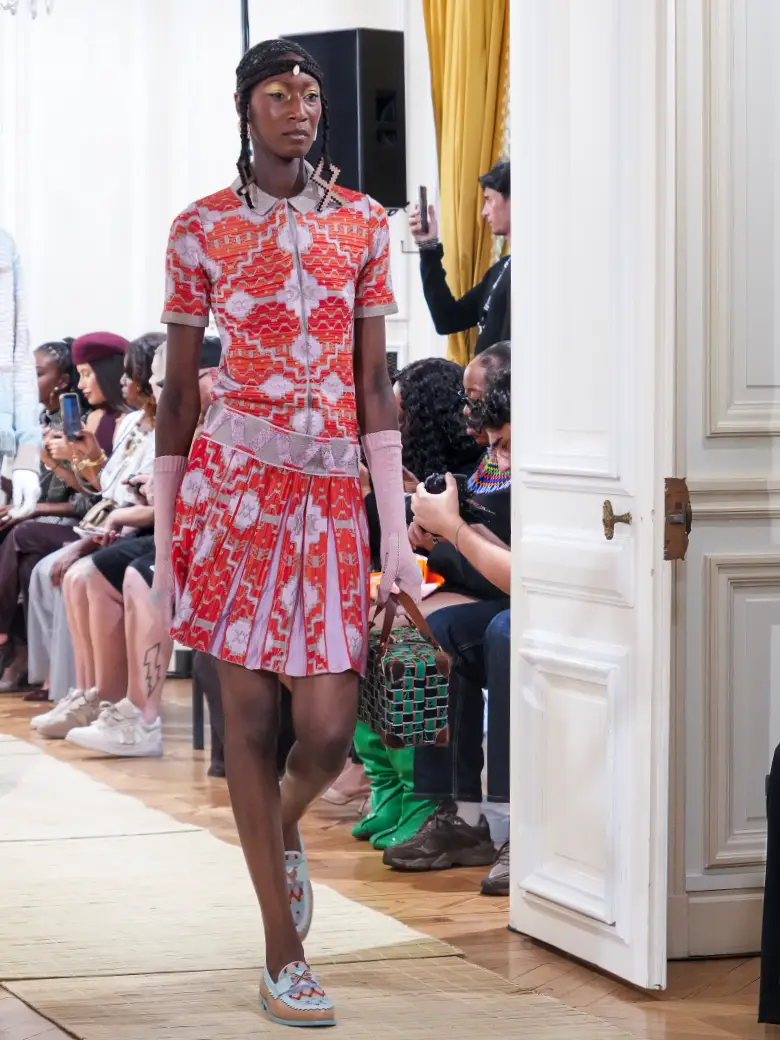
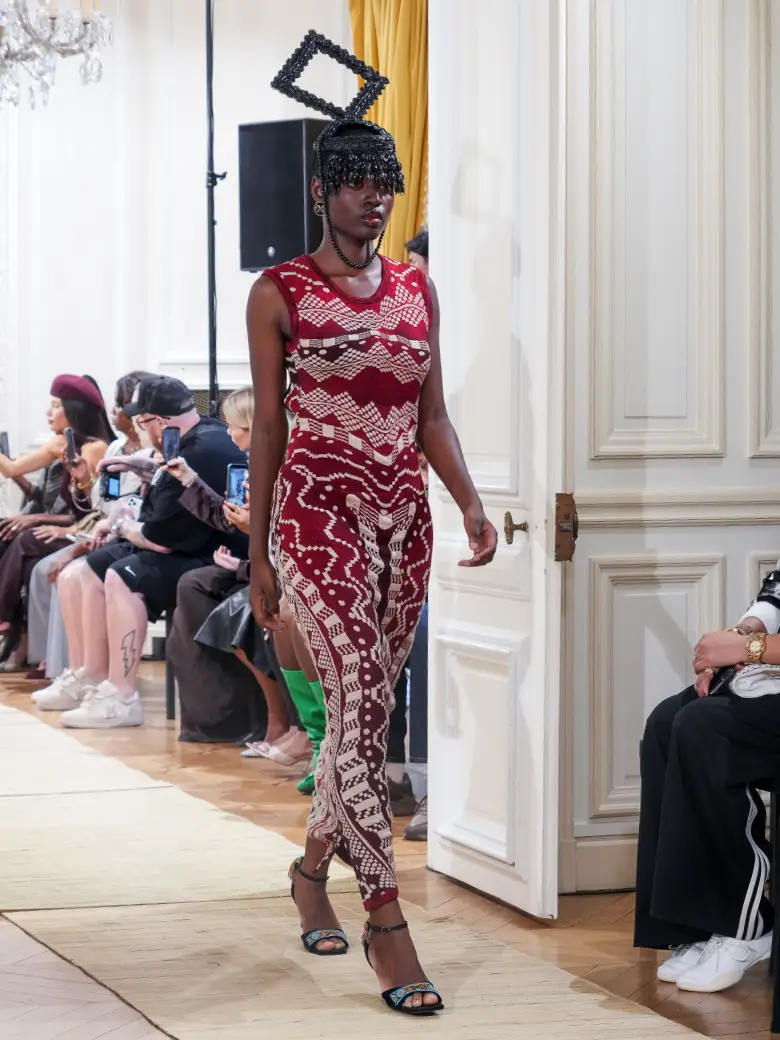
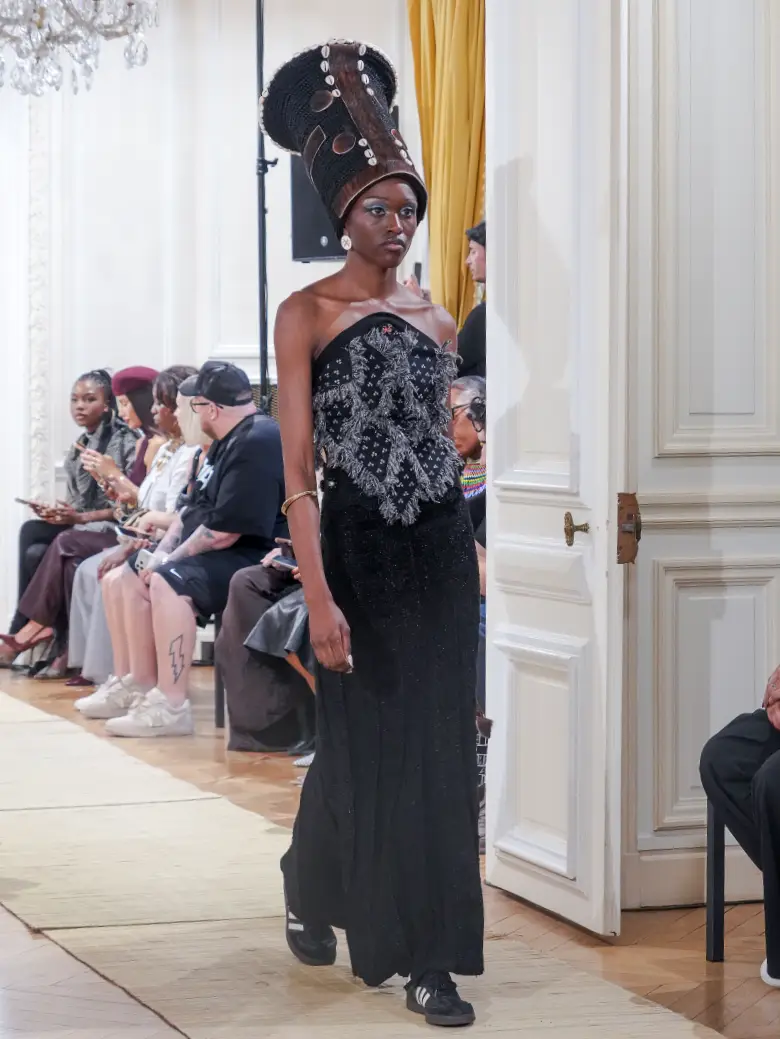
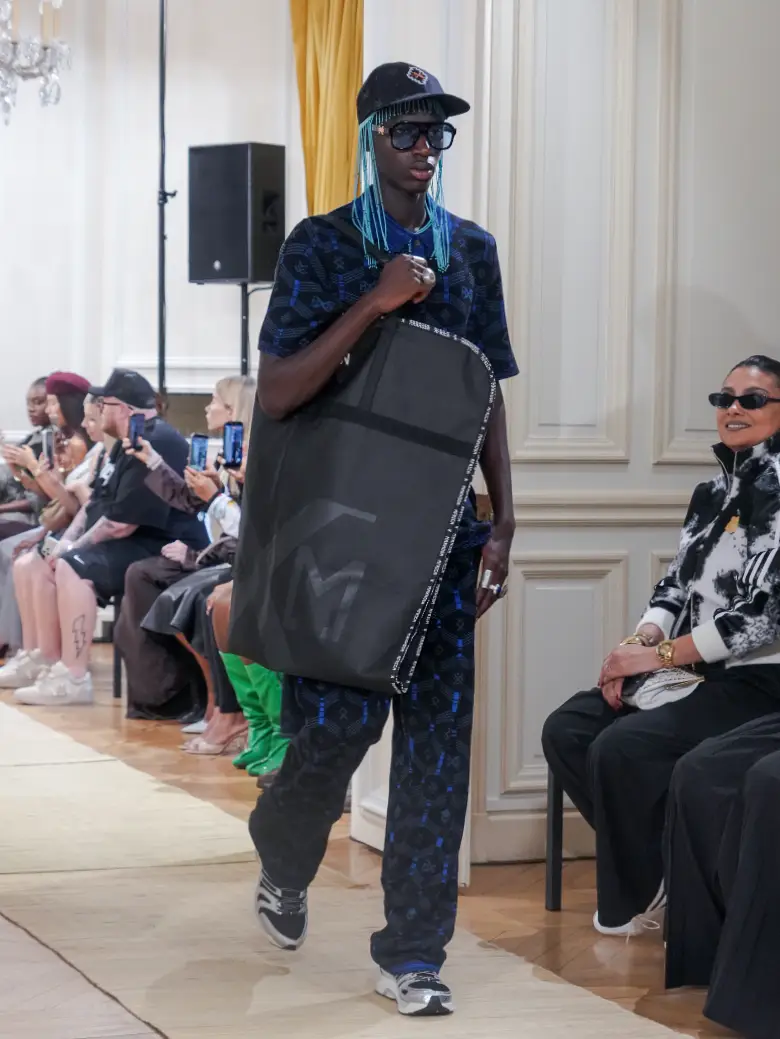
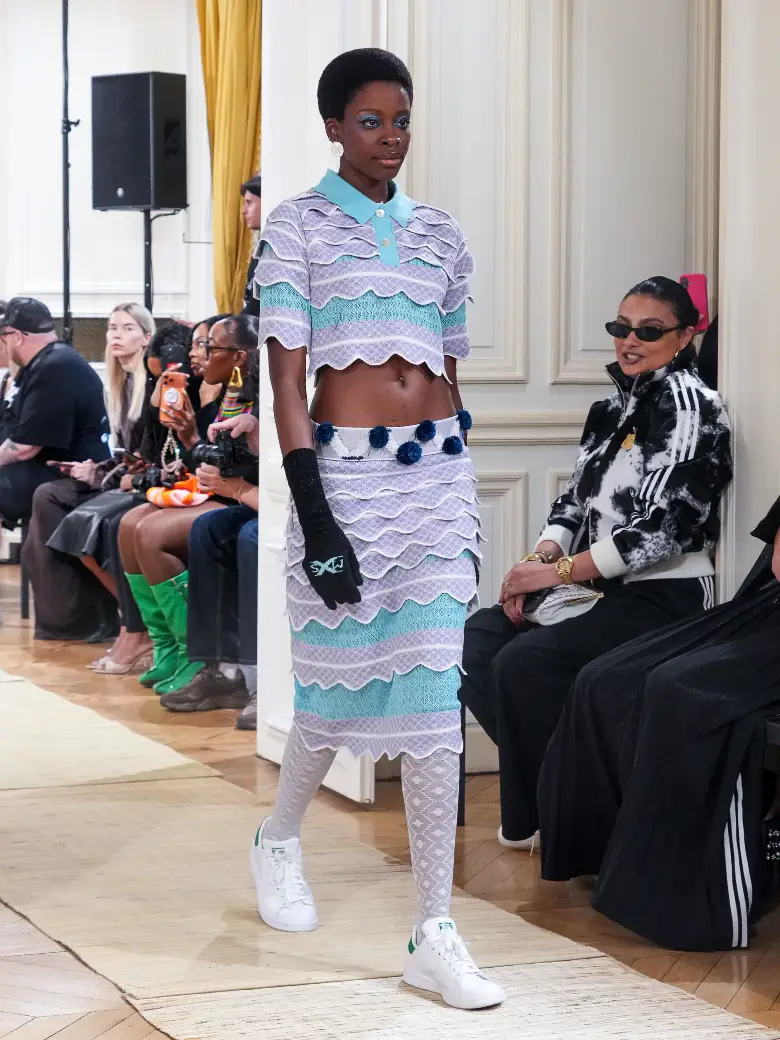
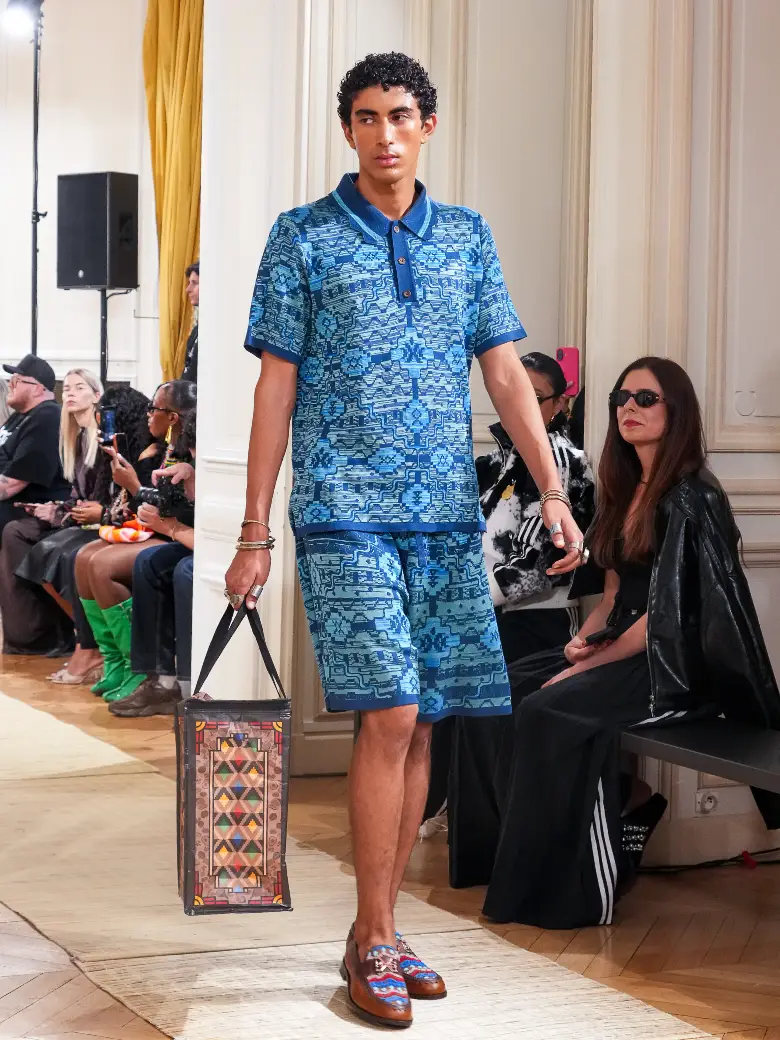
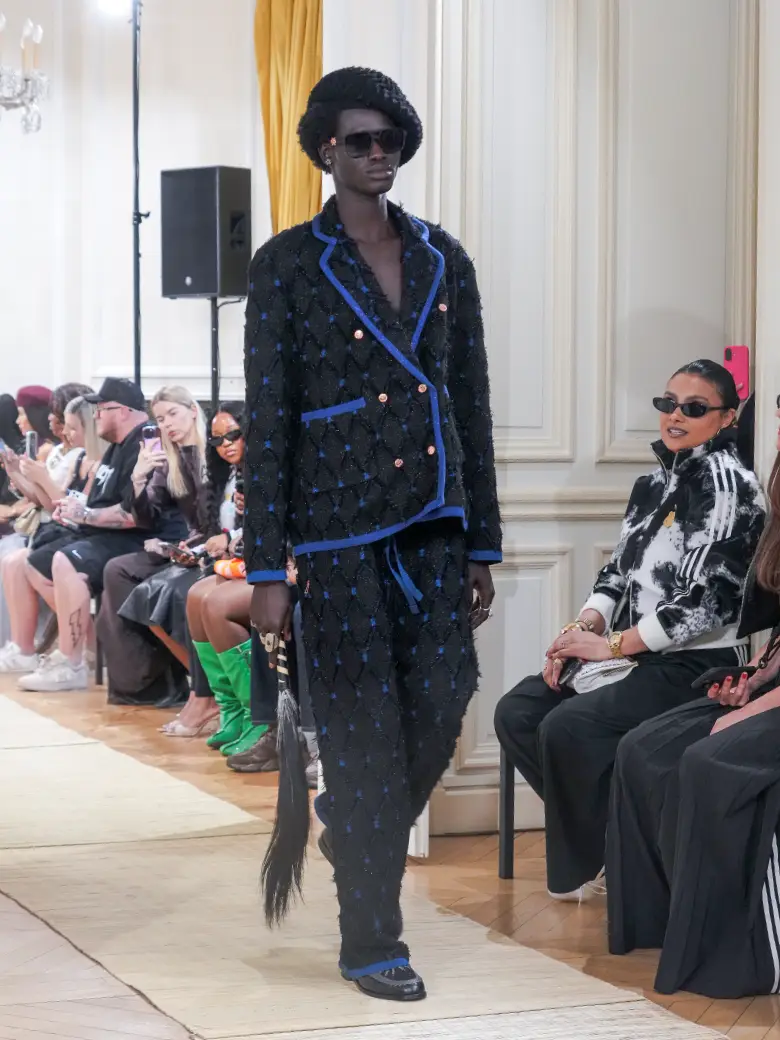
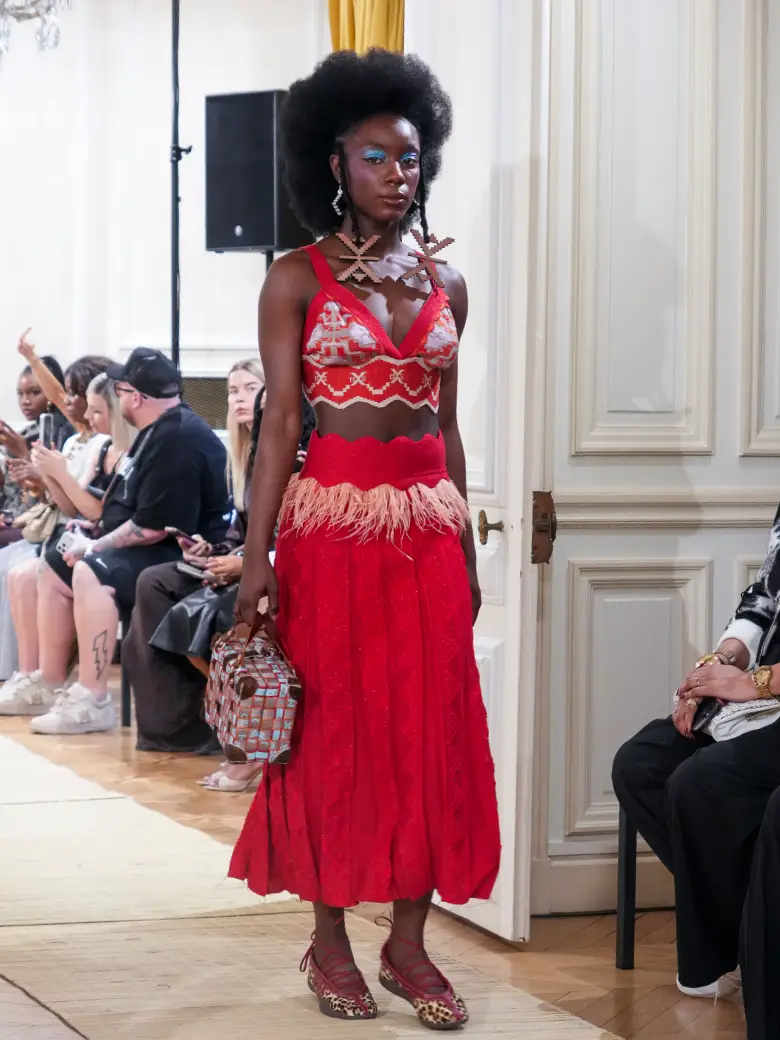
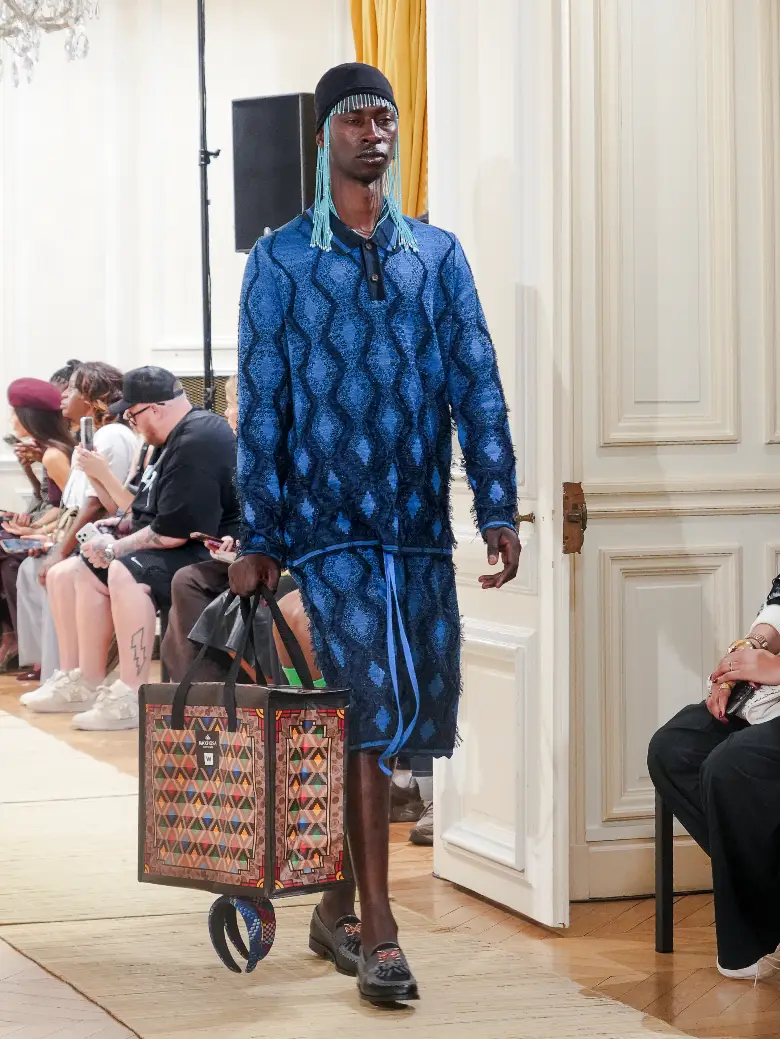
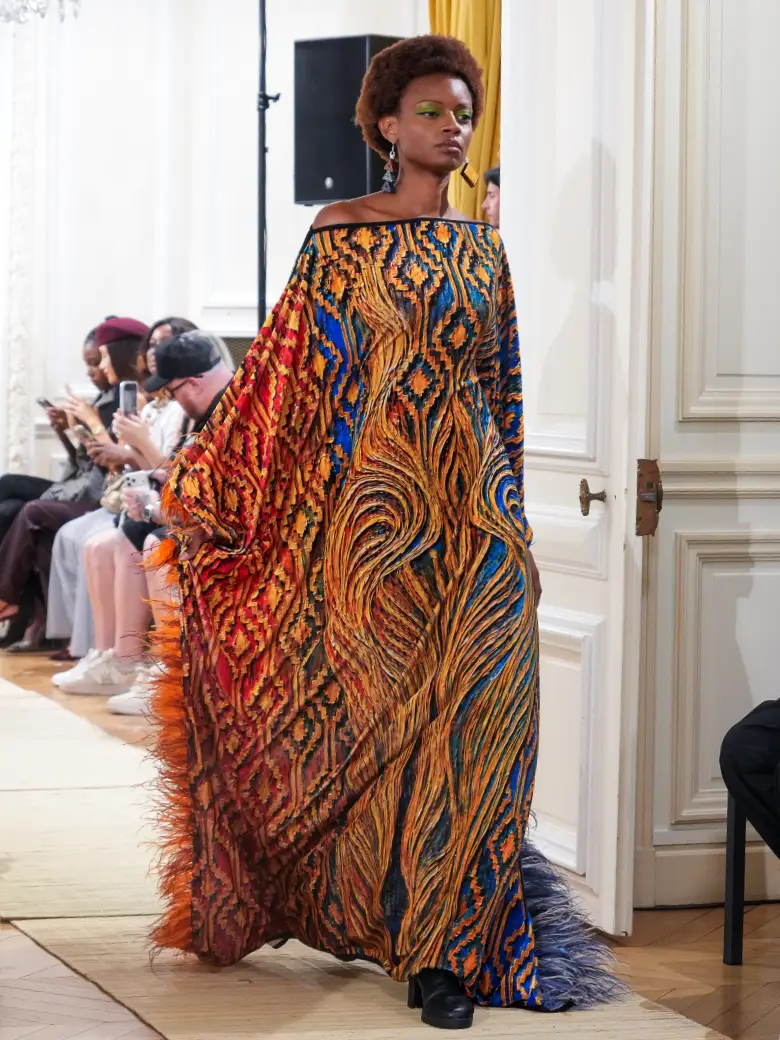
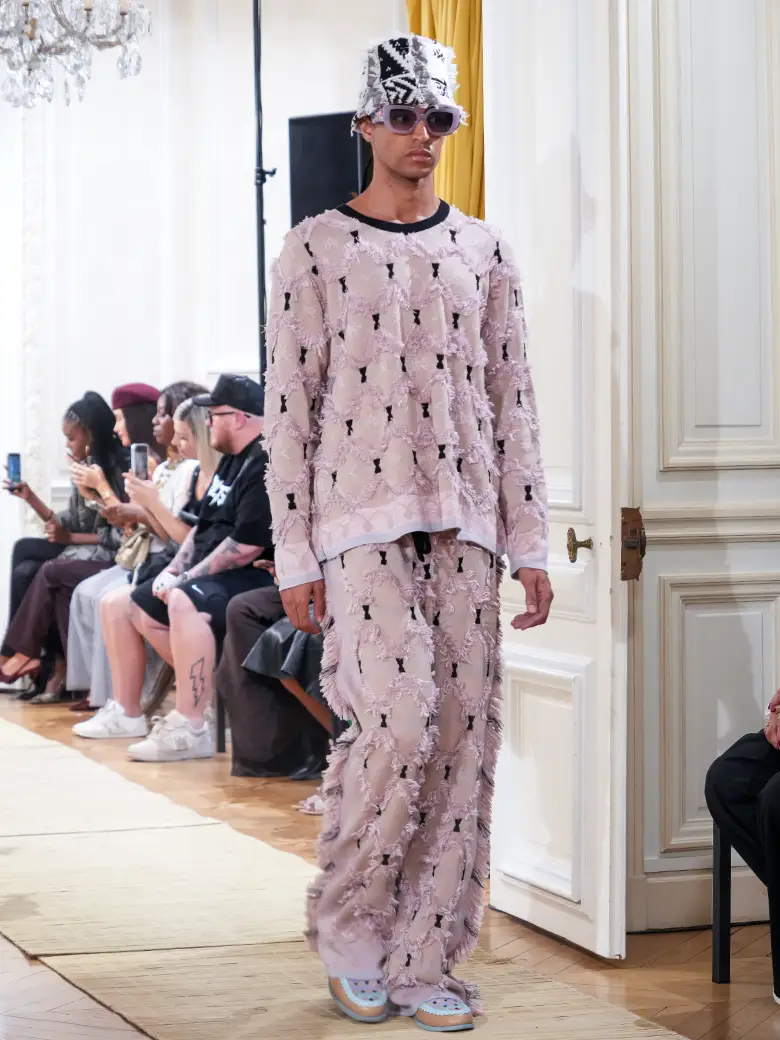
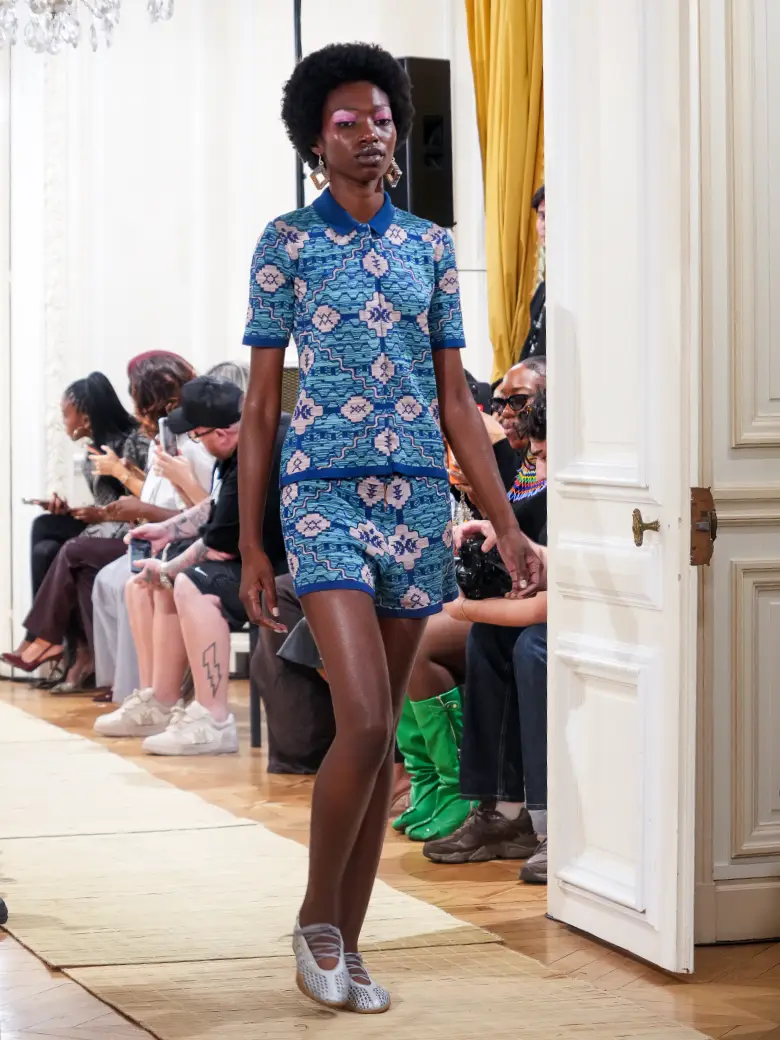
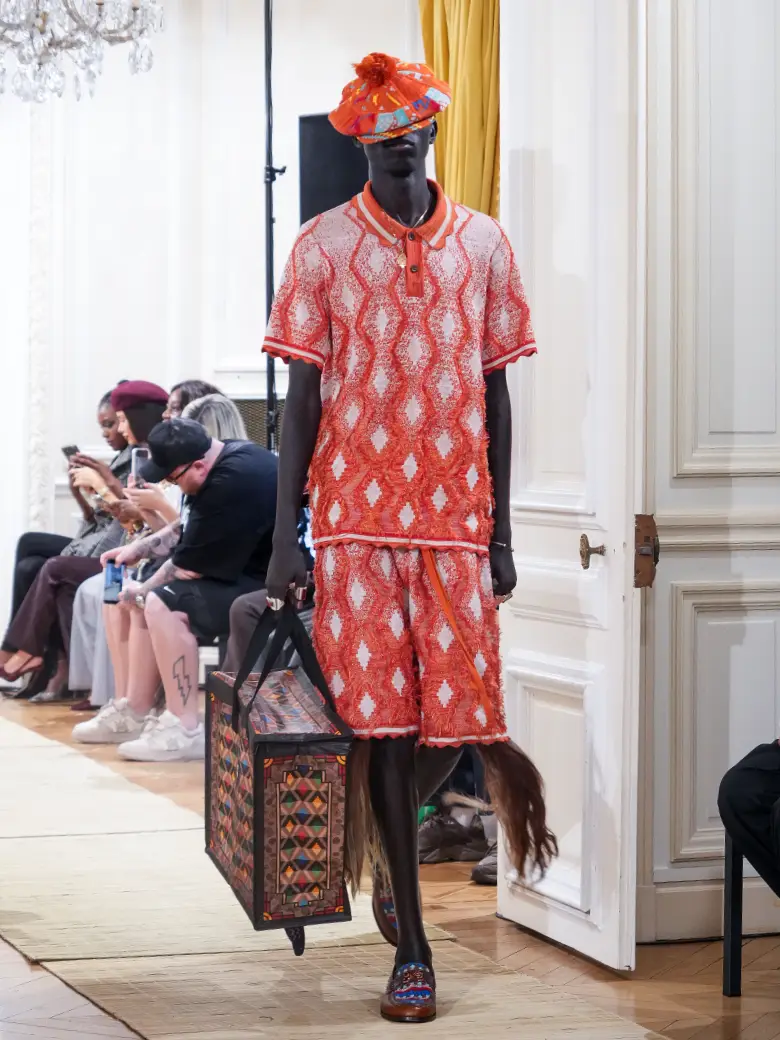
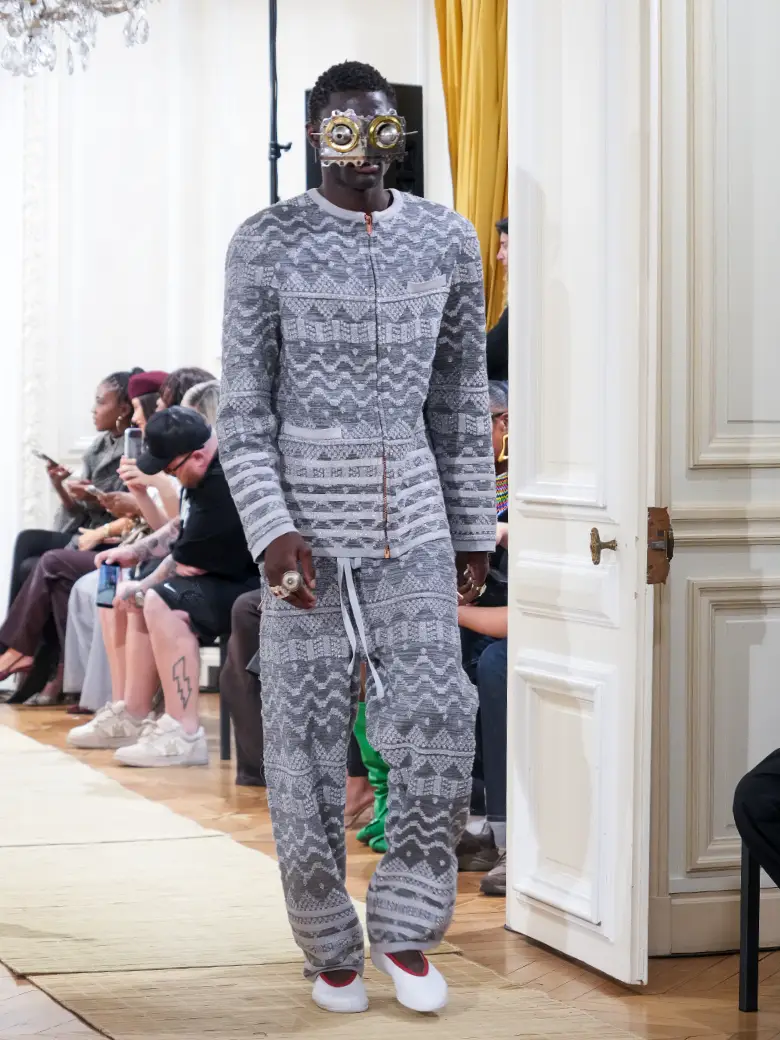
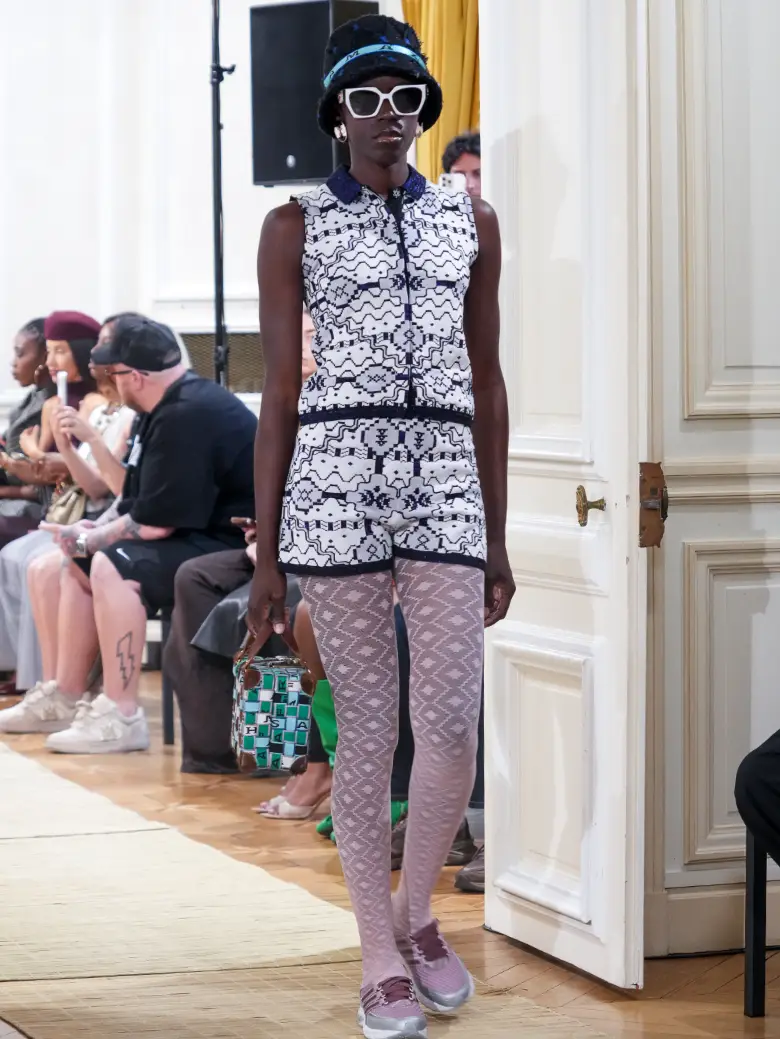
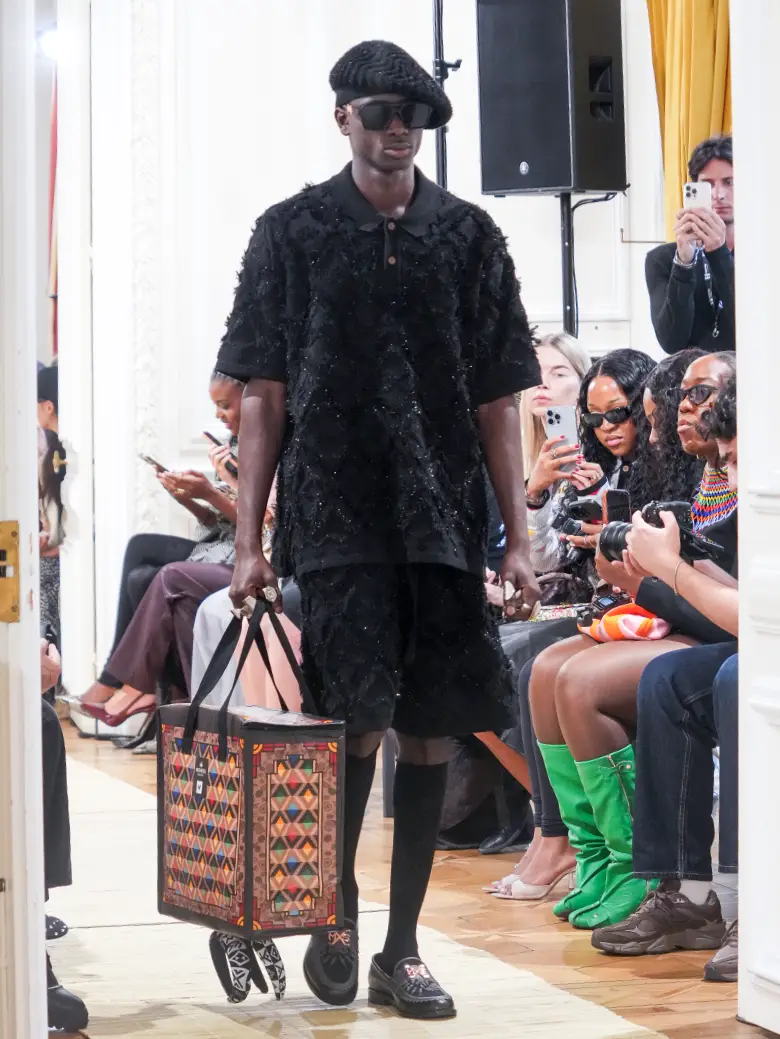
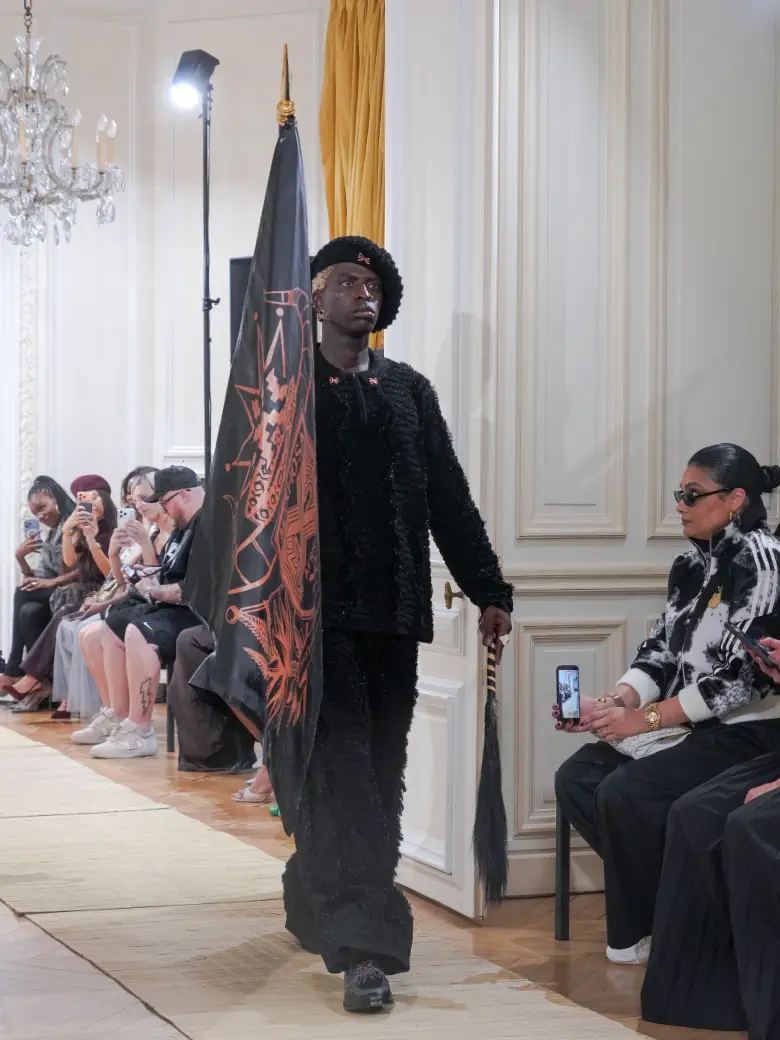
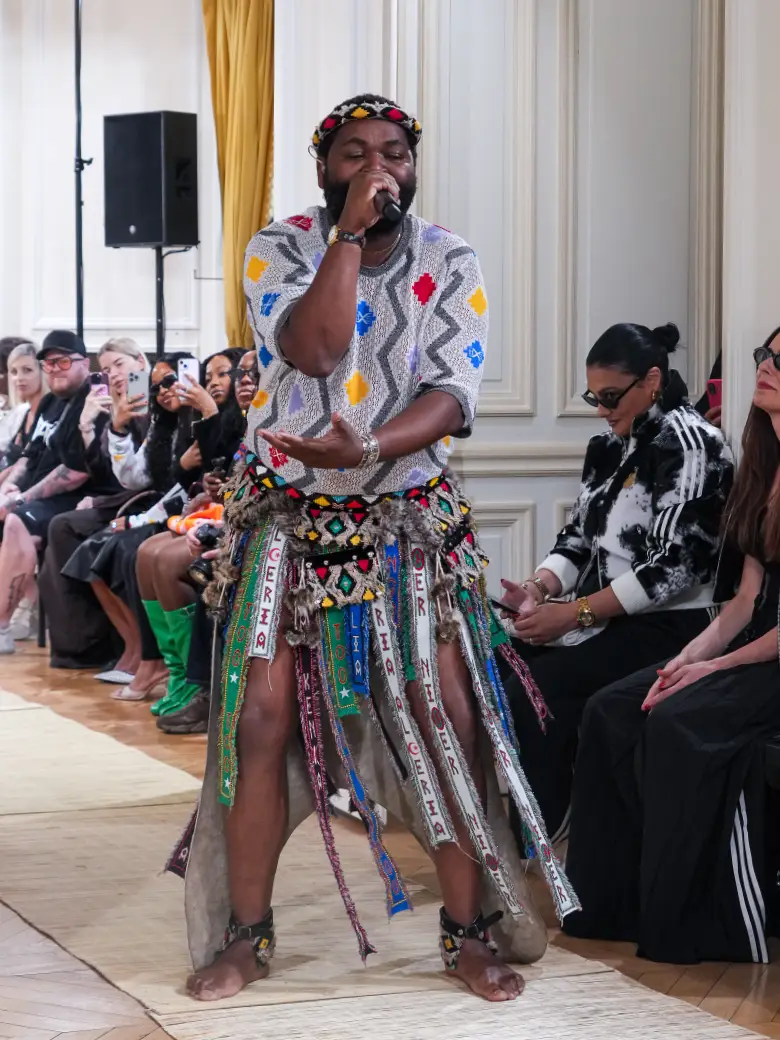
The show took place on 28 September, the opening day of womenswear fashion week. After five seasons on the calendar as the only African label, MaXhosa Africa this time took to the catwalk with 54 looks, in the same venue where it first showed in Paris, in 2024. ‘I’ve been fighting to sit at the table for 16 years now,’ Ngxokolo told AFP.
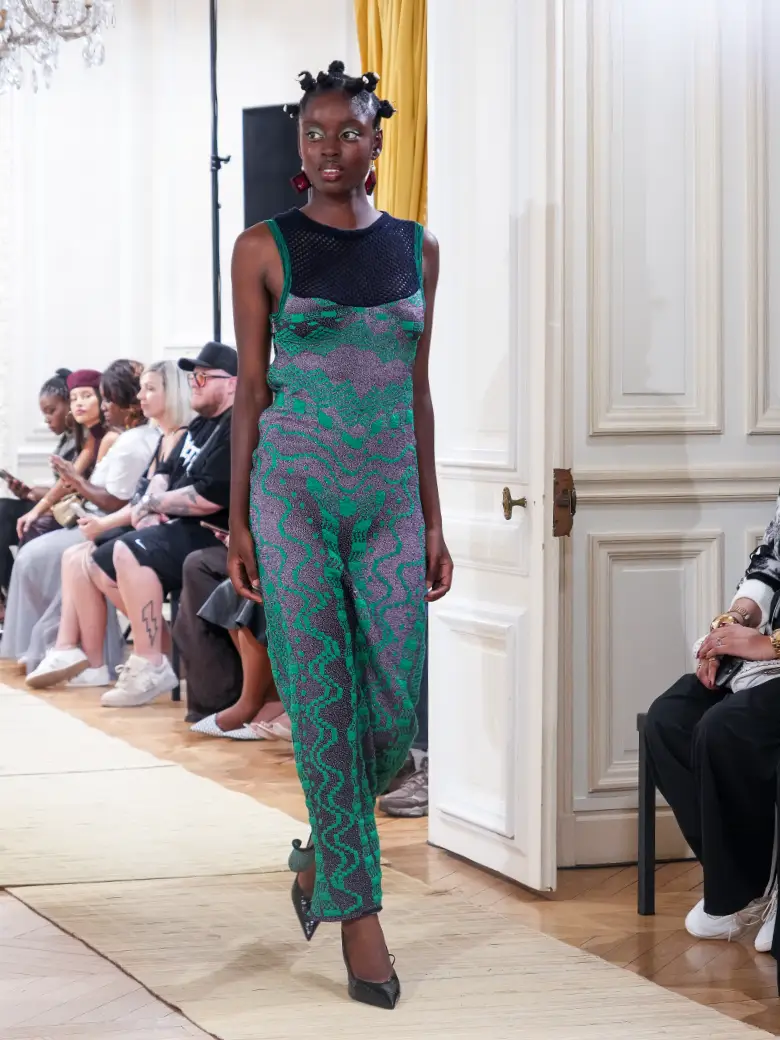
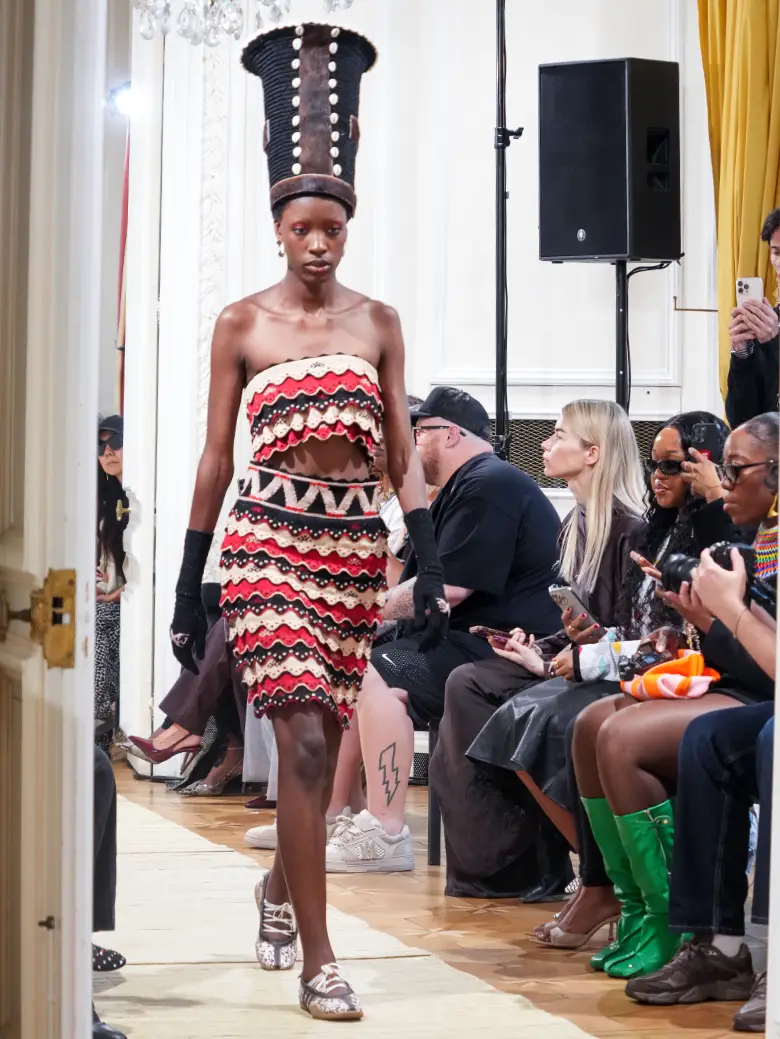
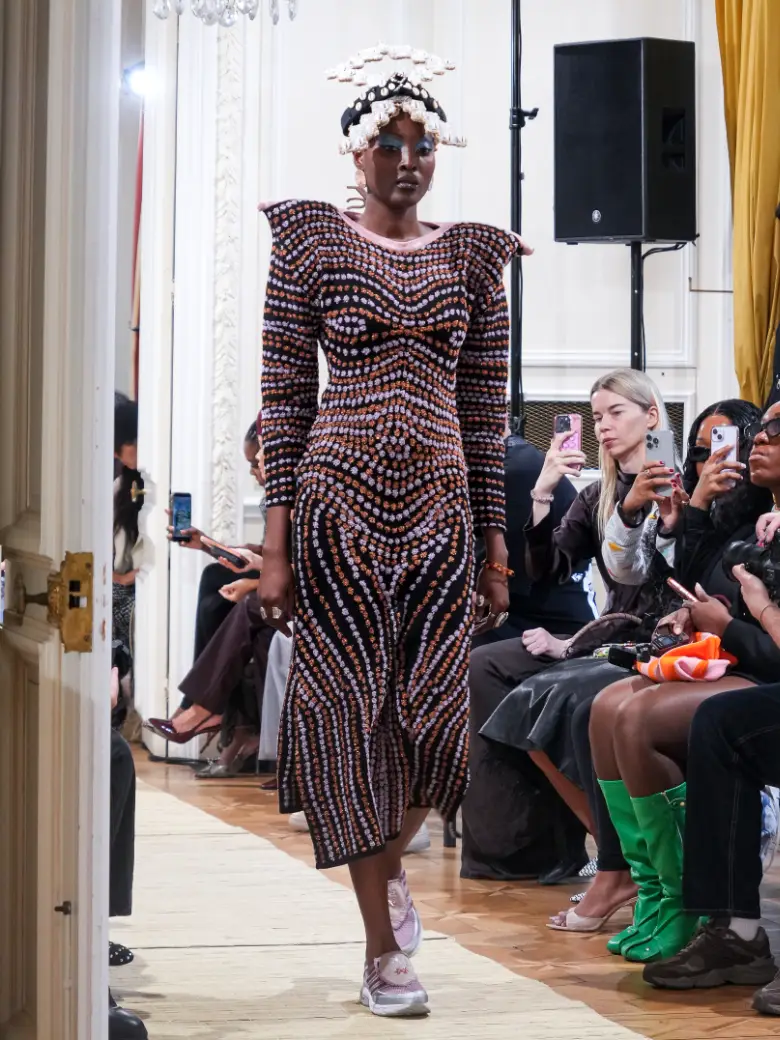
It all starts with knitwear. The label produces 90 per cent of its products in-house, and the garments come out of its two factories in Johannesburg and East London, made with wool from the Eastern Cape. The knits’ diamonds, zigzags and waves recall Xhosa beadwork. Ngxokolo grew up looking at Gucci or Louis Vuitton, ‘but there’s no brand that is known to be proudly “made in Africa”’.
For men, the jacquard becomes matching sets of polo shirts and shorts: orange with white diamonds and fringing, blue and turquoise, beige and openwork. Two double-breasted suits bring tailoring to knitwear, one in a blue chequerboard with red crosses and gold buttons, the other black with blue piping. A monogram with the letters M and S is knitted into a shirt and a lilac polo dress. Cooler bags patterned with colourful diamonds and embroidered loafers accompany many of the looks.
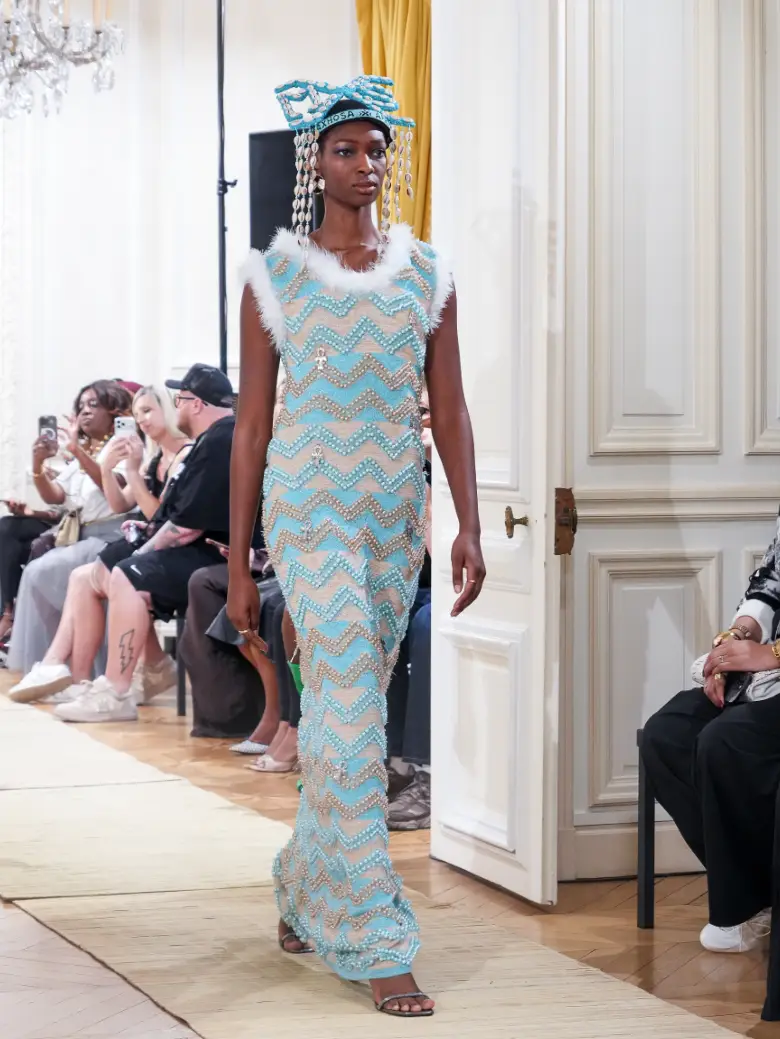
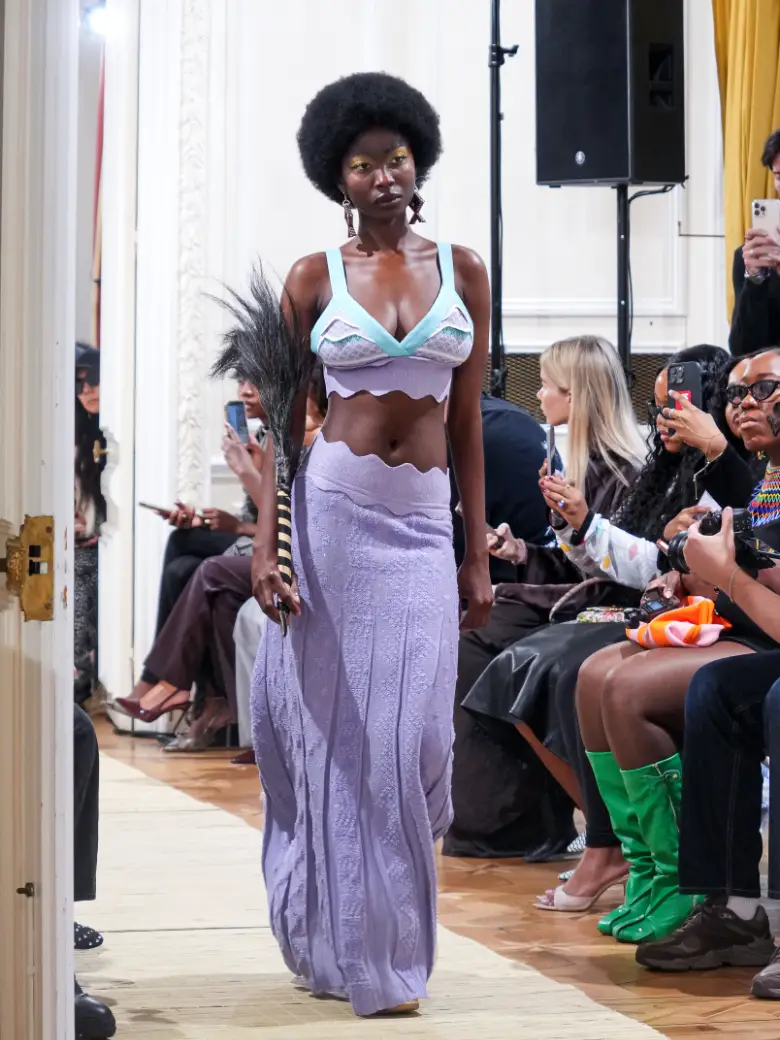
Bra tops with wavy hems sit over a long lilac skirt or a red midi with a fringe of pink feathers at the hip, and one set is built from wavy ruffles in lilac and turquoise. The evening pieces include a kaftan of orange, red and blue diamonds finished with feathers and a long turquoise dress covered in beads, with white feathers at the neckline. The headpieces lengthen the silhouette: black towers studded with buttons and a fan of beadwork.
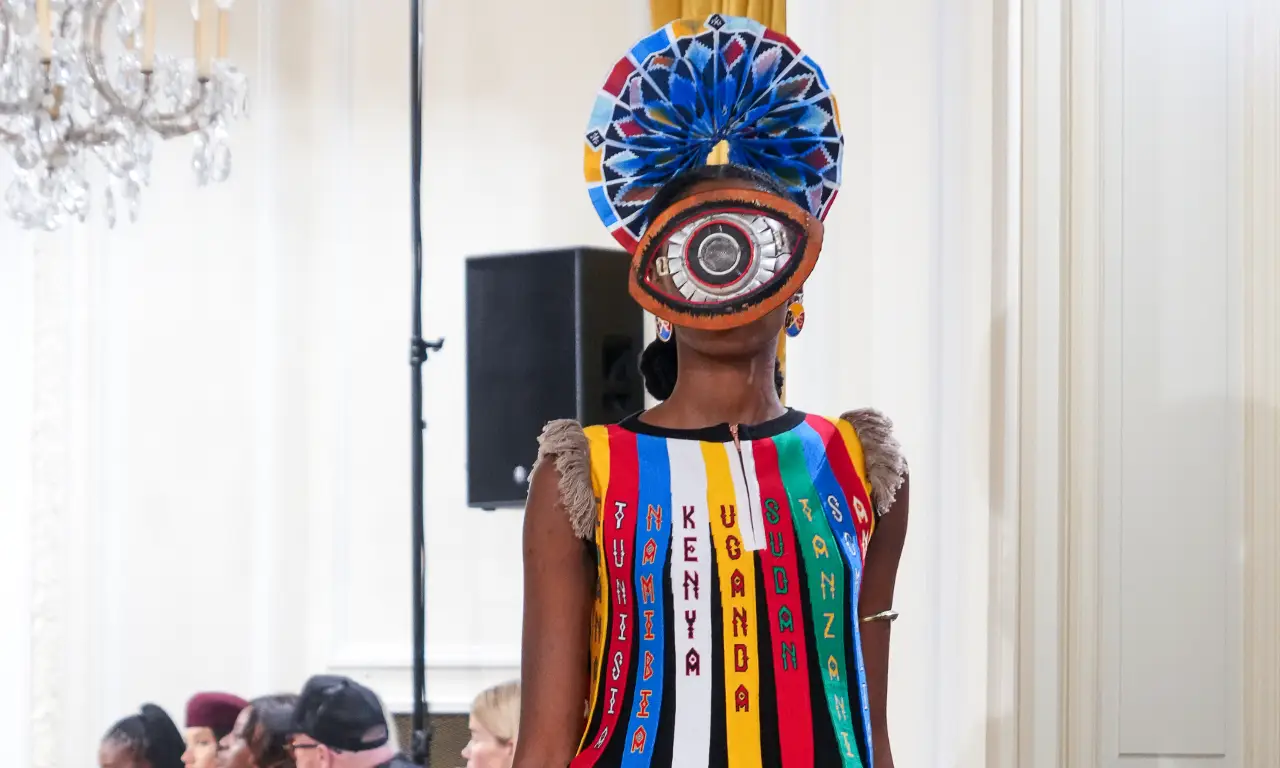
The collection looks to the whole continent. One set in coloured stripes is embroidered with the names of its countries, from Kenya to Ghana, while another, in black and grey, traces the outline of Africa across the chest, a reference to its new size on the UN’s official map. ‘That’s the Africa that we all want to live in,’ as Ngxokolo put it.
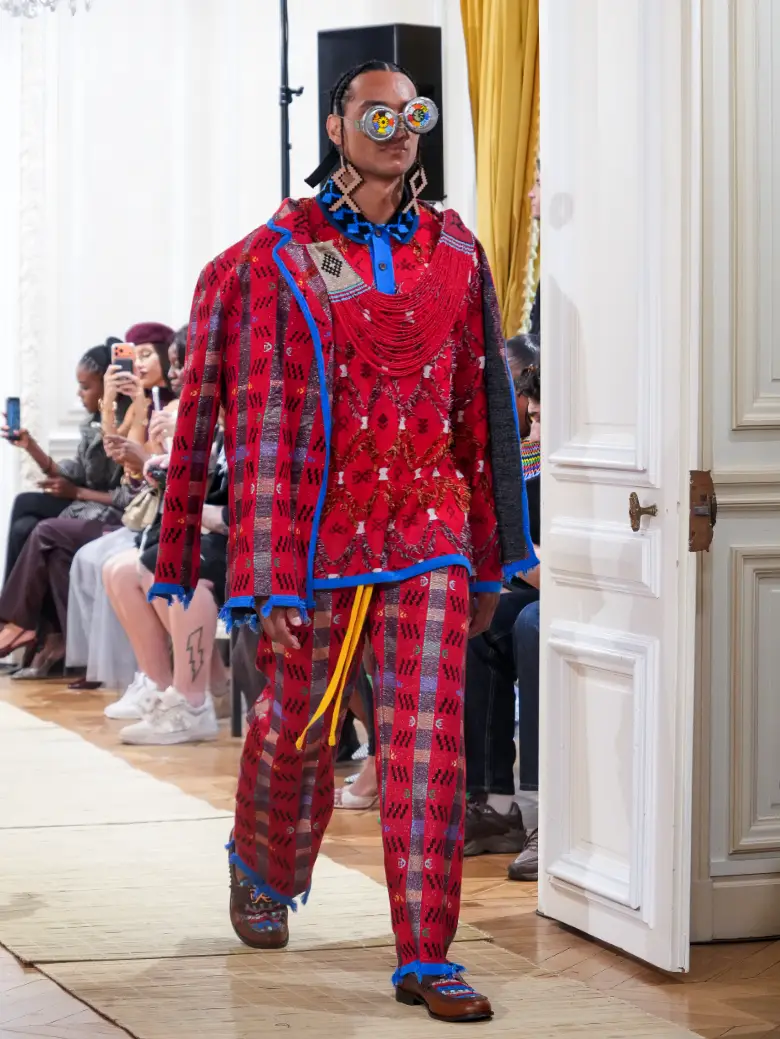
The glasses, sculptures made from waste, are by the Kenyan artist Cyrus Kabiru. The singer Sjava performed live in an iBheshu, part of traditional Zulu dress, made to measure from ribbons of names.
Guests received an invitation in the form of a passport and left with bags printed with African flags. Ngxokolo would have liked to bring other African designers to Paris; this time, he lacked the means.