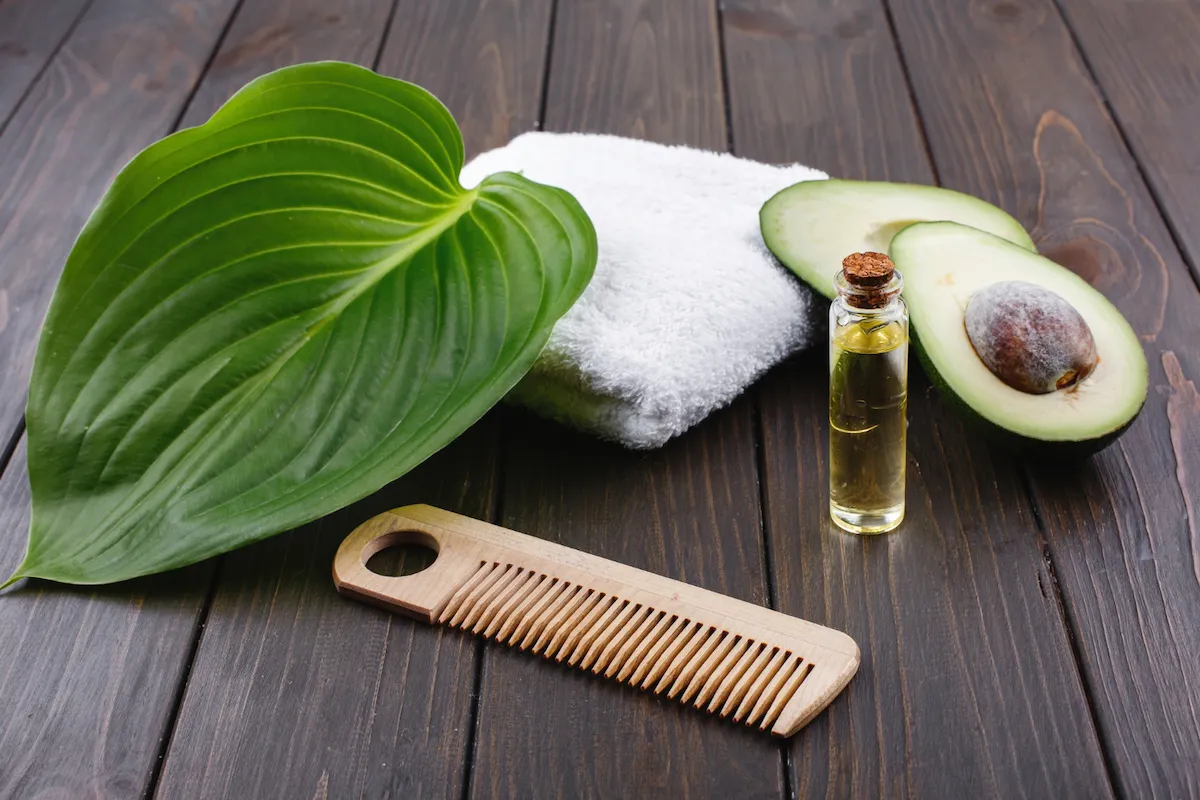
Hair is often one of the first things people notice about you. It carries your history, your style, and even your health. For a long time, the beauty industry relied on heavy chemicals to provide instant results.
You might remember the days when a shampoo had to produce a mountain of foam to feel “clean.” However, many of us started noticing that our hair felt brittle, our scalps were itchy, and that synthetic shine didn’t last.
This realization led to a massive movement toward organic hair care, a choice that prioritizes long-term health over temporary fixes.
Choosing products derived from nature isn’t just about following a trend. It is about understanding that your skin is porous. What you put on your head eventually finds its way into your system.
When you look at the back of a standard bottle, you see a list of ingredients that look like a chemistry experiment.
Many of these substances, like sulfates and parabens, are designed for industrial cleaning, not for delicate human fibers. Moving away from these harsh additives allows your body to find its natural balance again.
As you explore this path, you will see that the results are different. They are more subtle at first, but they are deeper. Your hair starts to regain its actual texture. It moves differently.
It has a weight and a glow that comes from being truly nourished rather than just coated in plastic-like silicones. This transition is a journey toward authenticity in your personal care routine.
What happens when you remove synthetic chemicals
Standard hair products often rely on silicones to create a smooth surface. While this looks good for a few hours, silicones act like a seal that prevents moisture from actually entering the hair shaft.
Over time, the hair becomes “suffocated” and dry on the inside. When you switch to botanical alternatives, you stop this cycle. You might notice a “detox” period where your hair feels a bit strange, but this is just the old buildup finally washing away.
Once the synthetic layers are gone, the scalp can finally breathe. Many people struggle with oiliness because their harsh shampoos strip away all the natural oils, forcing the scalp to overproduce sebum to compensate.
By using gentler, plant-based cleansers, you teach your scalp to regulate itself. This leads to hair that stays fresh longer and feels significantly lighter.
The absence of artificial fragrances is another major change. Conventional scents are often made of phthalates, which can be irritating. Natural products use essential oils like lavender, peppermint, or cedarwood.
These don’t just smell better; they offer therapeutic benefits for your skin and your mood. It turns a simple shower into a moment of sensory connection with the earth.
Understanding the power of botanical ingredients
Nature provides everything needed to maintain a healthy mane. Ingredients like aloe vera provide intense hydration without the weight.
Argan oil and jojoba oil mimic the natural oils produced by our skin, making them perfect for smoothing frizz and adding shine.
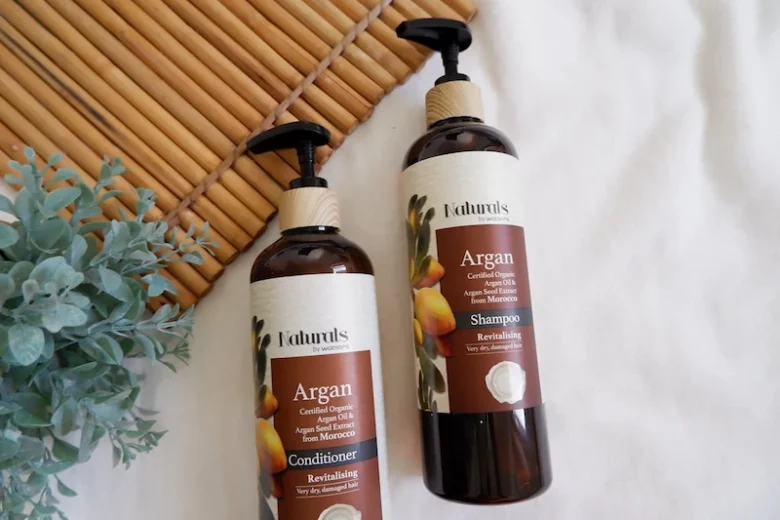
When these are combined in the right proportions, they outperform synthetic counterparts because the hair recognizes these molecular structures.
Proteins from quinoa or rice can help rebuild the hair structure. Unlike synthetic proteins that can make hair stiff, these plant-based options keep the strands flexible and resilient.
You are essentially feeding your hair the nutrients it needs to grow strong from the follicle to the tip. This is the core philosophy of a more conscious approach to beauty.
The relationship between scalp health and hair growth
We often forget that hair is an extension of the scalp. If the soil is poor, the plant cannot thrive. Many common hair issues, such as thinning or dandruff, are actually symptoms of a stressed scalp.
Conventional products can cause inflammation that we don’t even see, which weakens the hair at the root. Focusing on organic hair care means you are treating the scalp as a living ecosystem that needs care and respect.
Using ingredients like rosemary oil has been shown to improve circulation. When blood flows better to the follicles, they receive more oxygen and nutrients.
This can lead to thicker, more vibrant growth over time. It is a slower process than using a chemical “thickening” spray, but the results are real and sustainable. You are investing in the future of your hair, not just its appearance today.
Exfoliation is also easier with natural ingredients. Instead of plastic beads, you can use fine sea salt or sugar mixed with oils to remove dead skin cells.
This keeps the pores clear and prevents the buildup that can lead to irritation. A healthy scalp feels calm, not tight or itchy, and that comfort is one of the greatest benefits of making the switch.
The environmental ripple effect of your routine
Every time you rinse your hair, those chemicals go down the drain and into the water system. Standard surfactants are often toxic to aquatic life and don’t break down easily.
By choosing biodegradable formulas, you are making a choice that protects more than just your own reflection. It is a small but significant way to reduce your ecological footprint every single day.
Many brands in the natural space also focus on sustainable packaging. You will find more glass, recycled aluminum, or compostable materials.
This holistic approach shows that beauty doesn’t have to come at the expense of the planet. It is about a lifestyle that values quality and ethics in every bottle.
When you use these products, you feel a sense of alignment between your personal values and your daily habits.
The sourcing of ingredients matters too. Organic farming doesn’t use synthetic pesticides, which protects the soil and the workers who harvest the plants.
This creates a chain of wellness that starts in a field and ends in your bathroom. Knowing the story behind your shampoo adds a layer of meaning to your routine that a mass-produced chemical bottle simply cannot offer.
How to transition your hair routine successfully
If you are used to conventional products, your hair might go through an adjustment period. This is completely normal. For the first week or two, your hair might feel slightly oily or “waxy.”
This is because your scalp is still overproducing oil, and the natural cleansers are working to remove years of silicone buildup. Be patient with yourself and your hair during this time.
To help the process, you can use an apple cider vinegar rinse once a week. This helps balance the pH of your scalp and removes mineral deposits from hard water.
It leaves the hair incredibly shiny and soft without the need for synthetic conditioners. As you move through this phase, you will notice your hair starts to feel “naked” in a good way—clean, light, and responsive.
You don’t need to throw everything away at once. As you finish a bottle of your old product, replace it with a cleaner version. This makes the transition easier on your hair and your wallet.
Start with the products that stay on your skin the longest, like leave-in conditioners or scalp serums, as these have the most impact on your health.
The sensory experience of natural grooming
One of the most surprising things about organic hair care is how it changes your mood. The smell of real peppermint or eucalyptus in a morning shower is invigorating in a way that artificial “cool breeze” scents never are.
These plants have been used for centuries for their ability to clear the mind and sharpen focus. Your morning routine becomes a ritual of grounding and preparation.
The textures are also different. They feel more “alive.” You might notice that a natural conditioner doesn’t feel as slippery as a silicone-based one, but it absorbs better.
Instead of just sitting on top of the hair, it sinks in. You can feel the difference as you comb through your hair; there is a natural elasticity and strength that wasn’t there before. It is a more tactile, connected experience.
Over time, you develop a better intuition for what your hair needs. You might find that in the winter you need a bit more oil, or in the summer you need a more clarifying wash.
Because you aren’t masking your hair’s true state with chemicals, it can “talk” to you. You become more in tune with your body’s signals, which is a key part of refined self-care.
Choosing the right products for your hair type
Not all natural products are the same. Just like with conventional beauty, you need to find the right match for your specific needs. If you have fine hair, you want to look for lightweight ingredients like green tea extract or lemongrass.
These provide volume and shine without pulling the hair down. For those with thick or curly hair, richer butters like shea or cocoa are excellent for maintaining moisture and definition.
Read the labels carefully. Look for certifications that guarantee the organic status of the ingredients. Terms like “natural” are not always regulated, but “certified organic” usually means the product has met strict standards.
This ensures that you are getting the purity you are paying for. It is worth doing a bit of research to find brands that are transparent about their sourcing and manufacturing processes.
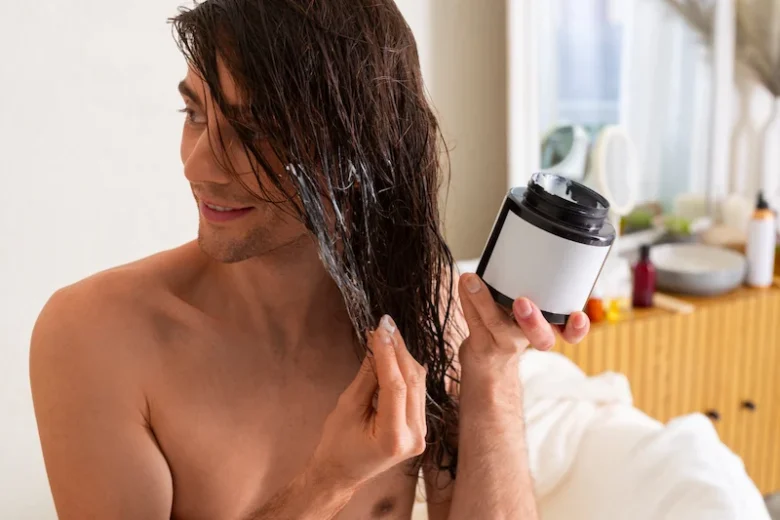
Don’t be afraid to experiment with DIY solutions. Sometimes the best treatment is already in your kitchen. A simple coconut oil mask or a honey rinse can do wonders for dry ends.
This DIY approach helps you understand exactly what works for you, giving you total control over your grooming routine. It is empowering to know that you don’t always need a complex laboratory formula to look your best.
The philosophy of less is more
In the world of high-end grooming, there is a move toward minimalism. You don’t need ten different products to have beautiful hair. When you use high-quality, nutrient-dense formulas, a little goes a long way.
You might find that you can wash your hair less often because it isn’t being stripped and then greased up by synthetics. This saves time and reduces waste, fitting perfectly into a more intentional way of living.
A simple routine of a gentle cleanser, a nourishing conditioner, and perhaps one styling oil is often enough. This simplicity allows the natural beauty of your hair to take center stage.
You aren’t fighting against your hair’s nature; you are working with it. This shift in perspective is what separates a standard beauty routine from a truly refined aesthetic proposal.
When you stop chasing the “perfect” look created by chemicals, you start to appreciate the unique character of your own hair. Maybe it has a slight wave you never noticed, or a color depth that was hidden under dulling residues.
Embracing these details is a form of self-respect that goes beyond vanity. It is about being comfortable in your own skin and celebrating the raw, elegant reality of nature.
As you have seen, the path to healthier hair is paved with botanical wisdom and a commitment to purity. It is a journey that asks you to look closer at the things you use every day and consider their impact on your body and the world around you.
This mindful approach to beauty is not just about aesthetics; it is about a deeper connection to the essence of life itself. We invite you to stay curious and keep questioning the standards of the industry.
To explore more stories that challenge the status quo and offer a vibrant, provocative look at modern life, join our community and subscribe to Neomania Magazine today.