We often chase fulfillment in grand gestures—the big promotion, the exotic vacation, the purchase that changes everything.
But what if the profound sense of well-being we seek isn’t hidden behind a massive achievement, but rather in the immediate, accessible texture of daily existence?
The modern pursuit of meaning frequently overlooks the small, exquisite moments that truly anchor us. We are conditioned to look outward, yet the richest experiences often require nothing more than a momentary shift in attention.
This isn’t about ignoring ambition; it’s about acknowledging that the quality of your life is built moment by moment, not milestone by milestone.
For those of us who appreciate a refined aesthetic and seek depth beyond surface-level consumption, recognizing the beauty in the mundane becomes a radical, almost spiritual act.
The radical act of slowness: remapping attention
In a culture that celebrates speed and hyper-productivity, choosing to slow down is an inherently provocative stance. It forces us to confront our own anxieties about stillness and inefficiency.
But that confrontation is where the real transformation begins. When you deliberately reduce your pace, you create space for the world to reveal itself in ways that were previously obscured by the rush.
Think about the last time you truly felt present. Chances are, it wasn’t during a complex, multi-tasking scenario. It was probably while watching light shift across a room, or perhaps during the first sip of a perfectly brewed coffee.
These moments aren’t accidents; they are opportunities we miss when our focus is scattered. We need to intentionally recalibrate how we spend our most valuable resource: our attention.
Sensory appreciation: tasting the moment
The simplest joys are almost always sensory. They bypass the analytical mind and speak directly to our experience of being alive. Yet, how often do we truly engage our senses fully? We eat lunch while scrolling, listen to music while driving, and rarely dedicate 100% of our awareness to one input.

To reclaim the simple pleasures of life, you can start by elevating your sensory awareness. Consider the ritual of making tea. It’s not just about the final drink; it’s the sound of the water heating, the scent of the dry leaves, the warmth of the mug in your hands.
When you isolate and appreciate these elements, the experience moves from a functional necessity to a meditative pause.
For example, studies in positive psychology show that practicing mindful consumption—focusing entirely on the taste, texture, and smell of food—significantly increases reported happiness levels compared to distracted eating.
It’s a tiny action that carries immense psychological weight. By treating the ordinary with extraordinary attention, you unlock a hidden layer of richness in your day.
This practice isn’t just about feeling good; it’s about sharpening your aesthetic lens, training yourself to notice texture and nuance in everything from a piece of fruit to a piece of architecture.
The beauty of routine and ritual
Routine often gets a bad rap; people see it as boring or restrictive. But viewed through a different lens, routine is the foundational structure that allows for creative freedom. When the basics are handled with care and intention, they become rituals—small, repeatable acts of self-respect.
A morning routine, for instance, doesn’t have to be a rigid schedule; it can be a series of chosen steps that ground you before the day accelerates.
Maybe it’s five minutes of silent stretching, or maybe it’s carefully watering your plants. These small, dependable rituals offer psychological safety.
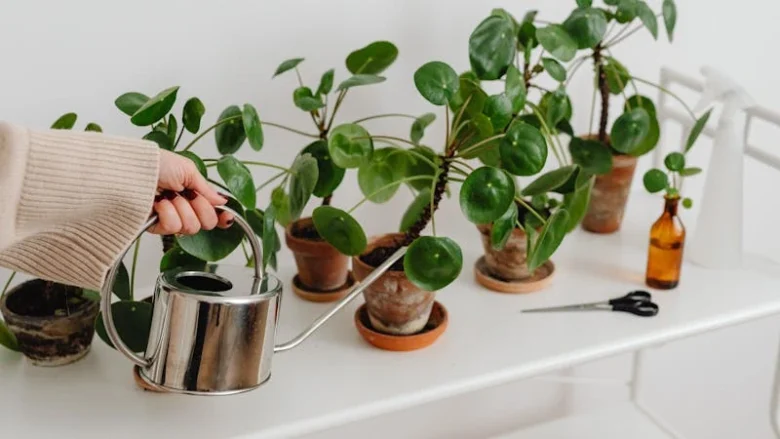
They are moments where you are completely in control of the experience, offering a stable anchor in a world defined by volatility.
When we talk about the simple pleasures of life, we are often talking about the pleasure of competence and care. The satisfaction of folding laundry neatly, of organizing a bookshelf, or of preparing a simple, nourishing meal.
These aren’t just chores; they are low-stakes opportunities for mastery and quiet pride. They provide a sense of order that translates into mental clarity.
Beyond acquisition: redefining richness
Modern culture often equates “richness” with accumulation—of wealth, objects, or experiences documented online. Neomania has always challenged this premise, looking instead at the intrinsic value of an experience.
True richness isn’t about having more; it’s about needing less to feel whole. It’s an aesthetic choice to prioritize depth over volume.
When you start finding profound satisfaction in small, everyday occurrences, the pressure to constantly acquire or chase the next big thing diminishes.
This shift is not merely frugal; it’s liberating. It frees up mental bandwidth previously occupied by comparison and consumer desire.
The anti-glamour of the mundane
There is a powerful, understated glamour in the mundane, provided you approach it with a discerning eye. We’re talking about finding the perfect light on a dusty windowpane, or the unique pattern created by rain hitting asphalt. These elements are not marketed to us; they must be discovered through active looking.
This perspective is crucial for creative thinking. Artists, writers, and designers understand that innovation often springs from observing the ordinary with fresh eyes.
Consider the Japanese concept of wabi-sabi, which celebrates imperfection and transience. It finds beauty in the worn, the asymmetrical, and the incomplete.
Applying this lens to your own environment transforms blemishes into character and routine wear into history.
It means recognizing the aesthetic proposal inherent in a well-loved, slightly faded armchair, or the quiet elegance of a handwritten note.
When you adopt this perspective, you stop waiting for the perfect, Instagrammable moment and start appreciating the reality unfolding right now. This is where the simple pleasures of life gain their philosophical weight.
The neuroscience of micro-doses of happiness
While this shift is deeply philosophical, it also has a basis in how our brains work. We are wired for reward, but we often seek massive dopamine hits (like a lottery win or a major purchase) which are fleeting and often lead to a subsequent crash.
In contrast, the simple pleasures of life—like feeling the sun on your skin, receiving a genuinely kind text message, or completing a small task—trigger smaller, more sustainable releases of neurotransmitters like serotonin and oxytocin.
These “micro-doses” of happiness accumulate over time, building a resilient baseline of contentment rather than relying on emotional spikes.
Dr. Rick Hanson, a psychologist who studies positive neuroplasticity, suggests that we need to actively “take in the good.”
When something positive happens, even something small (like a delicious bite of food), we need to pause for 20 to 30 seconds to let the feeling register and move from short-term memory into long-term emotional architecture. This simple practice turns fleeting moments into lasting psychological resources.
By focusing on these steady sources of joy, you are essentially strengthening your psychological immune system, making you less susceptible to the inevitable stresses of modern existence.
Curating your personal aesthetic of ease
Living well is an art form. It requires curation, editing, and intentional design. If you want more simple pleasures in your life, you need to actively design your environment and your schedule to allow them space to flourish. This is about creating an aesthetic framework for ease, not just efficiency.
The power of ‘un-scheduling’
Our calendars are often packed so tightly that we leave no room for spontaneity or, more importantly, for necessary downtime. We schedule meetings, workouts, and dinners, but we rarely schedule the quiet time needed for true mental restoration.
‘Un-scheduling’ doesn’t mean becoming irresponsible; it means designating periods of time that are deliberately left open. These are slots reserved for whatever arises—a sudden impulse to read a specific book, a desire to sit and watch the clouds, or simply to stare out the window without purpose.
This empty space is vital because creativity and genuine insight often emerge not when we are forcing a result, but when the mind is allowed to wander freely.
When you remove the pressure of constant productivity, you find that the mind settles, and those small, satisfying moments—a sudden idea, a feeling of deep peace—can finally surface. This practice is a profound act of self-trust, believing that stillness is productive in its own right.
Crafting spaces for contemplation
The environments we inhabit deeply influence our state of mind. If your space is chaotic, cluttered, or overly stimulating, finding simple joys becomes difficult.
Neomania has always valued the intentional design of space—the way light falls, the choice of materials, the negative space that allows objects to breathe.
To invite more simple pleasures into your life, look at your home not as a storage facility, but as a sanctuary designed for contemplation.
This doesn’t require a renovation; it requires editing. Remove the superfluous. Choose objects that have meaning, texture, and a story.
A specific example: dedicating one chair in your home solely for reading and reflection, ensuring it has good light and is near a window.
This simple designation transforms the chair from a piece of furniture into a portal for quiet time. When you sit there, your mind immediately recognizes the intention.
This focus on architectural and design intention is a powerful tool for promoting everyday well-being. By simplifying your surroundings, you make room for the experience of being home to be the pleasure itself.
The spiritual weight of the ephemeral
The most profound simple pleasures are often fleeting—the smell of rain on hot pavement, the sound of laughter from a nearby park, the warmth of a fire on a cold night. They are ephemeral, existing only in the moment they occur.
This transience is precisely what gives them their spiritual weight. They remind us that life is constantly changing and that our only true possession is the present moment.
Recognizing and accepting the temporary nature of these joys is a deep philosophical move that combats the modern obsession with permanence and control.
Connection over content: relationships as anchors
While much of our attention is spent consuming digital content, the most enduring and simple pleasures come from genuine human connection.
The feeling of being truly seen and heard by another person is perhaps the greatest and most accessible joy available to us.
This doesn’t require elaborate plans; it requires presence. Putting your phone away during a meal, listening without formulating your response, or simply sharing silence comfortably with a friend.
These acts of relational sincerity are the ultimate anti-cliché. They are raw, real, and messy, but they provide an emotional anchor that no solitary pursuit can replicate.
When we talk about the simple pleasures of life, we must include the quiet satisfaction of mutual understanding—the shared glance, the inside joke, the feeling of safety that comes from deep trust.
These moments are simple to initiate but rich in meaning, offering a profound counterpoint to the curated perfection often presented online.
Why risk matters: the profound questions found in stillness
Neomania is dedicated to exploring the risks and the big questions inherent in aesthetic and cultural proposals. When you embrace stillness and the simple pleasures, you take a significant risk: the risk of confronting yourself.
When the constant noise of distraction fades, you are left with your own thoughts, your anxieties, and the profound, unanswered questions about purpose and mortality. This is not always comfortable. It’s often provocative.
But this confrontation is necessary. The simple act of sitting quietly and accepting what arises is a spiritual practice that leads to deeper self-knowledge. It asks:
What truly matters when everything else is stripped away? The answer is rarely complex; it is usually found in the immediate, tangible reality of breath, light, and connection.
The simple pleasures are the evidence that life, at its core, is sufficient. They challenge the notion that you must constantly strive to deserve joy. You already possess the capacity for profound appreciation.
This journey into the simple pleasures of life is an invitation to refine your own internal landscape. It is about demanding quality—quality of experience, quality of attention, and quality of connection—over mere quantity.
It’s an aesthetic choice that transforms the ordinary into the extraordinary, simply by adjusting your focus.
We hope this exploration has transported you beyond the noise, prompting a reflection on the aesthetic power of slowness and the quiet dignity of the mundane.
The most inspiring narratives are often found not in the headlines, but in the spaces between the lines.
If this search for depth, risk, and refined understanding resonates with you, we invite you to continue the journey. Discover more stories that challenge the status quo, intrigue the mind, and move the spirit.
Subscribe to Neomania Magazine today and join a community that looks beyond the surface to find the essence of culture and existence.