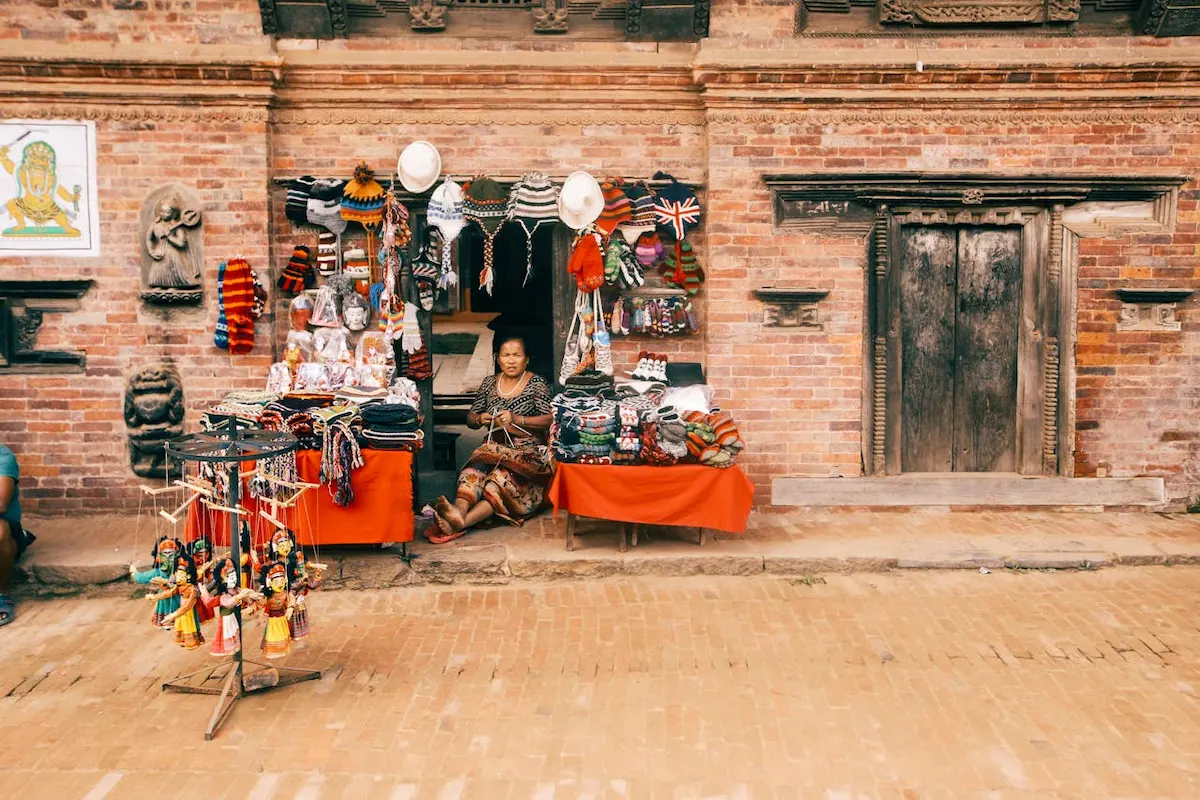
We’ve all felt the pull of the perfectly designed, mass-produced item. It’s affordable, predictable, and instantly available. Yet, lately, something feels incomplete about that exchange.
A silent, powerful force is challenging this industrial standard, moving us away from endless consumption toward objects with soul. This shift—the renewed interest in artisanal production—isn’t just a fleeting trend; it’s a profound recalibration of value.
For years, efficiency was the ultimate metric. Now, we are seeing a cultural craving for friction, for the slight imperfection that proves a human hand was involved.
It’s a desire for connection—a direct line between the creator and the collector. This movement toward local, handmade goods asks us to reconsider what true quality means and how we measure the worth of the things we bring into our lives.
This craving reflects a broader yearning for authenticity that touches everything from the food we eat to the clothes we wear. It’s about rejecting the easy answer and choosing the difficult, often slower, path of creation.
The aesthetics of resistance: finding meaning in the handmade object
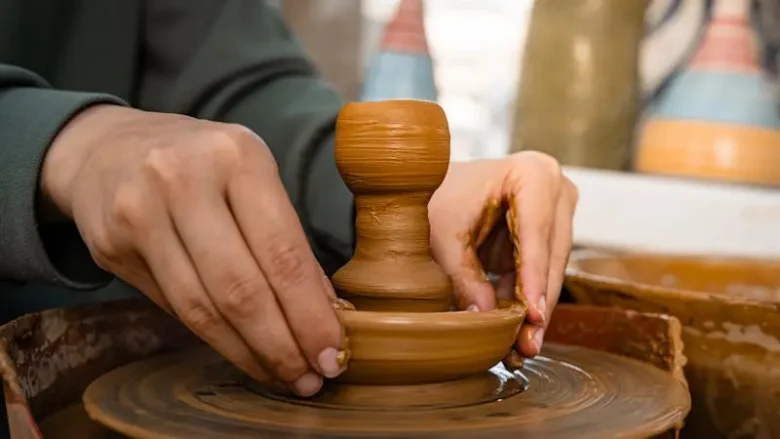
When you hold a piece of studio pottery or run your hand across a custom-milled wooden table, the experience is different than interacting with its factory counterpart.
The difference isn’t just in the material; it’s in the presence of the object itself. Handmade items possess an aesthetic quality that functions almost as a quiet form of resistance against the uniformity of modern life. They refuse to be identical, and that refusal is their power.
The maker movement has taken hold across America, from the Brooklyn ceramics studios to the textile workshops of the Southwest.
This movement is fundamentally about rejecting the notion that everything must be disposable. It champions longevity, repairability, and design that stands the test of time, both functionally and aesthetically.
Beyond utility: the object as narrative
Every crack, every subtle variation in glaze, every tool mark left on a piece of leather tells a story. When you purchase something made locally, you aren’t just acquiring an item; you are acquiring a chapter of a narrative.
You know where the materials originated, who spent the hours shaping them, and the specific decisions made during the creation process.
Consider a piece of bespoke furniture. The industrial version serves a function—it holds books or provides seating. The handcrafted version does that too, but it also carries the intention of the woodworker.
It speaks of the specific grain chosen, the joinery technique used, and the hours of sanding and finishing that went into bringing out the wood’s natural beauty.
These details transform the piece from mere utility into an heirloom—a conversation starter, a physical anchor to a specific moment in time and place.
This focus on narrative is particularly strong in the realm of fashion. Slow fashion, often synonymous with local craftsmanship, values the transparency of the supply chain.
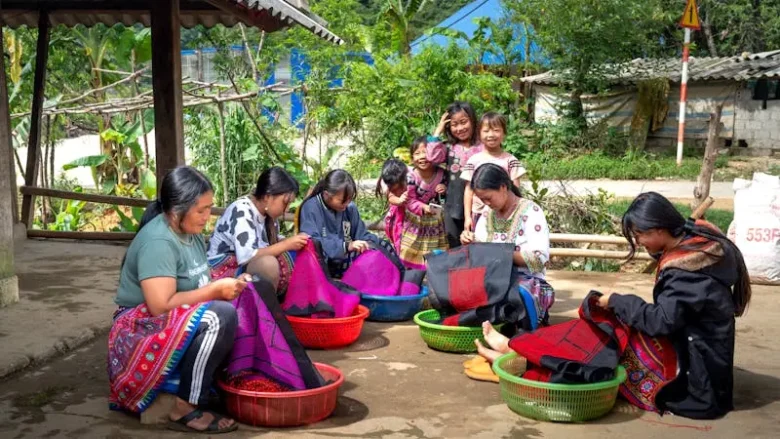
Consumers are asking difficult questions: Who made this? Under what conditions? And how long will it last? The answer, when dealing with a local artisan, is often direct and satisfying, creating a deeper, more ethical relationship with the garment itself.
The cost of slowness: valuing time over volume
The industrial economy is built on speed and volume. The artisanal economy is built on time and precision. This difference in pace is perhaps the most provocative element of the resurgence of local craftsmanship. It forces us to confront our own impatience.
We are accustomed to instant gratification, but genuine quality requires patience. A handcrafted leather bag might take weeks to produce; a complex piece of blown glass requires hours of focused, intense labor.
When we choose to support this slower process, we are making an economic statement: we value the time, skill, and human labor invested more than we value a lower price point.
This isn’t just about paying more; it’s about recalibrating our perception of cost. The true cost of a mass-produced item often includes hidden environmental or ethical expenses.
The true cost of a handcrafted item reflects the actual hours dedicated to its perfection. This shift encourages consumers to buy fewer things, but better things—items that will be cared for and cherished rather than discarded when the next trend appears.
From factory floor to studio table: the economic and cultural shift
The rise of the maker movement is having tangible effects far beyond the aesthetic realm. It represents a subtle but powerful economic decentralization.
Instead of capital flowing solely to massive corporations in distant industrial centers, it is being reinvested directly into local communities, neighborhoods, and small studios.
This redirection of resources creates a more resilient local economy. When money stays local, it supports local suppliers, local families, and local infrastructure. This model challenges the efficiency-at-all-costs mindset that often strips communities of their unique character and skills.
Small town revival: how makers are regenerating local economies
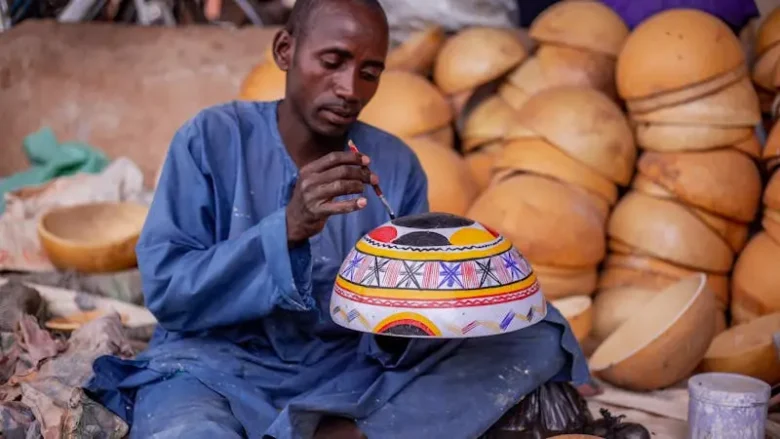
In many parts of the country, particularly smaller towns that suffered from deindustrialization, local makers are becoming anchors for economic revival.
A single successful pottery studio or a bespoke furniture maker can draw tourists, inspire other small businesses, and revitalize neglected main streets.
Take, for instance, towns known for specific heritage crafts, like glass blowing in certain areas of the Midwest or textile weaving in New England.
These traditions, once nearly extinct, are being reclaimed by a new generation of artisans who merge traditional techniques with contemporary design. They aren’t just selling products; they are selling a destination and an experience.
This revival also affects the perception of work itself. For many young professionals, the idea of working with their hands, creating tangible goods, offers a profound sense of satisfaction that a purely digital career might lack. It’s a return to mastery—the deep, rewarding feeling that comes from perfecting a difficult, physical skill.
To illustrate the impact, consider how the presence of a thriving local food scene often coincides with a thriving artisan scene. The same values—transparency, quality ingredients, and respect for process—drive both the local baker and the local metalsmith.
The new luxury: scarcity and authenticity
In a saturated marketplace where nearly every major brand is accessible, true luxury is no longer defined by price tag alone. It is defined by scarcity and authenticity. The pieces that truly hold value today are those that cannot be replicated quickly or infinitely.
This is where the artisanal object shines. Because a maker can only produce a limited number of items, owning one feels privileged. It signals an appreciation for slow production and unique design. The waitlist for a specific ceramicist or the limited seasonal release of a tailor’s collection becomes part of the appeal.
This appreciation for rarity is a direct response to the endless scroll of generic goods online. People are seeking objects that feel personal, that reflect their own values and aesthetic sensibilities.
This desire fuels the market for custom, made-to-order work, where the collector collaborates directly with the creator. This interaction moves the transaction beyond mere commerce and into the realm of shared artistic vision.
The digital bridge: technology empowering tradition
It might seem contradictory, but the very technology that enables global mass production is also the tool that has allowed the resurgence of local craftsmanship to flourish.
The internet, particularly social media platforms and specialized e-commerce sites, has solved the maker’s biggest historical problem: distribution.
Before the digital age, a local artisan was limited to selling within a small geographic radius, relying on local fairs or small storefronts. Today, a woodworker in rural Montana can sell a custom dining table to a client in New York or Tokyo, all while maintaining their local, independent studio practice.
Curation and connection: building a global audience for local goods
Platforms like Instagram and dedicated marketplaces have become the new galleries for handmade goods. These spaces allow makers to curate their own aesthetic, tell their production story visually, and connect directly with an interested global audience.
This direct-to-consumer model removes the need for expensive intermediaries, ensuring that a greater percentage of the sale goes back to the creator.
The visual storytelling inherent in these platforms is key. Customers don’t just see the finished product; they see the process. They watch the glass being blown, the clay being thrown, or the fabric being dyed.
This transparency builds trust and deepens the customer’s appreciation for the final object. It makes the act of buying feel more personal and less transactional.
Moreover, technology aids in discovery. If you are searching for very specific, high-quality Japanese woodworking tools made by hand in Oregon, search engines and specialized online communities make that connection possible almost instantly. This ability to match niche demand with highly specific supply is a game-changer for independent artisans.
Preserving endangered skills: mentorship and digital archives
One of the greatest risks to traditional craftsmanship is the loss of knowledge. As older artisans retire, their highly specialized skills often disappear with them. Technology is helping to mitigate this risk.
Digital tools are being used to create archives of techniques, instructional videos, and mentorship programs that cross geographical boundaries.
A master weaver in one state can teach an apprentice in another using video conferencing and detailed online resources. This is essential for ensuring that complex, multi-generational skills—from traditional bookbinding to intricate metalwork—are passed on effectively.
This blending of the old and the new is a hallmark of the modern maker movement. Artisans are not rejecting technology; they are integrating it smartly.
They might use computer-aided design (CAD) to plan a complex joinery structure but execute the actual cuts and finishes entirely by hand.
This approach respects tradition while embracing efficiency in planning, allowing them to focus their human effort on the parts of the creation process that truly require touch and intuition.
The spiritual thread: creation as meditation
The appeal of local craftsmanship goes deeper than economics or aesthetics; it touches upon our need for purpose and connection in a hyper-paced world.
For the maker, the act of creation is often a meditative practice. For the collector, owning a handmade piece can be an anchor that slows down the surrounding chaos.
There is a profound spiritual satisfaction in transforming raw materials into something beautiful and lasting. This process requires presence, focus, and a willingness to accept and work within the limitations of the material. This intentionality is baked into the final product.
The maker’s risk: vulnerability in the finished piece
Unlike the factory where errors are corrected by machine or discarded before they reach the consumer, the artisan’s work carries inherent vulnerability.
When a piece is handmade, the maker’s decisions, their mood, and their skill level on that particular day are all visible.
This vulnerability is what makes the object so compelling. It’s an honest representation of human effort. When you buy a painting, you are buying the artist’s struggle and triumph.
When you commission a piece of jewelry, you are trusting the artisan to translate your vision through their own hands.
This shared risk—the risk of imperfection, the risk of artistic failure—creates a powerful bond. It moves the conversation beyond mere functionality and into the realm of art.
This is why these objects inspire such strong emotional responses; they are not sterile. They are alive with the energy of their creation.
Challenging the disposable culture: objects meant to last
We live in a culture that often encourages us to view objects as temporary. The rapid cycle of trends dictates that last season’s item must be replaced by this season’s item, even if the former is perfectly functional. Local craftsmanship is a direct challenge to this disposable mindset.
Handmade objects are often designed with permanence in mind. They are built using superior materials and techniques precisely because the maker intends them to endure.
This focus on longevity is an ethical stance. It reduces waste, conserves resources, and encourages the owner to develop a lasting relationship with the item.
When you invest in a quality, handcrafted leather wallet, you expect it to patina and age beautifully over decades, not to fall apart after a year.
This expectation of endurance transforms the object from a temporary commodity into a reliable companion. It encourages a deeper respect for the materials and the labor involved.
What this shift means for you: becoming a conscious collector
The resurgence of local craftsmanship presents a wonderful opportunity for you to redefine your own relationship with material culture. It invites you to move past passive consumption and become an active, conscious collector.
This doesn’t mean you must exclusively buy handmade items, but it does mean applying a refined lens to your purchases. Ask yourself: What story does this object tell? What is the intention behind its creation? Does it resonate with my personal values?
To support this movement effectively, you can start by looking closer to home. Visit local markets, seek out small studios in your city, and use online platforms to find makers whose aesthetic vision speaks to you. When you buy locally, you are not just getting a unique item; you are participating in a creative ecosystem.
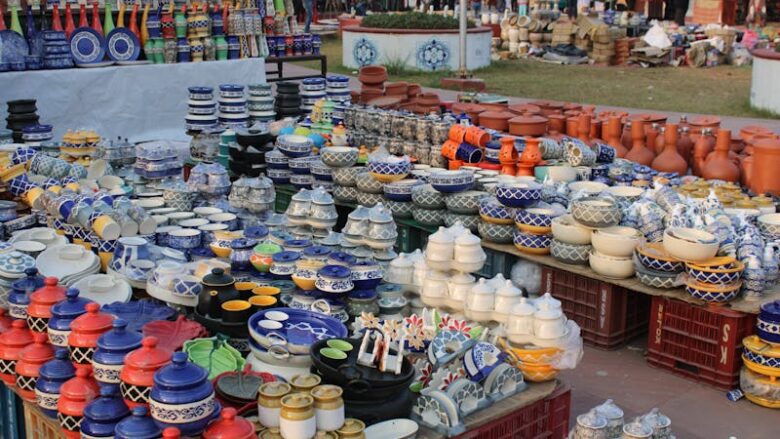
This engagement changes how you experience the world around you. When you understand the effort required to create something beautiful, you begin to appreciate the texture, the weight, and the form of everyday objects in a new light. Your eye becomes trained to notice the subtle differences between the generic and the genuinely crafted.
As we look ahead, the boundary between art and everyday life continues to dissolve. The pieces created by today’s artisans—the furniture, the ceramics, the textiles—are the heirlooms of tomorrow.
They are the artifacts that will tell future generations about our decision to choose meaning over speed, and soul over scale.
The stories of these makers, their risks, and their profound questions about value and beauty are exactly the stories we seek to illuminate.
We believe that true insight comes from looking beyond the surface—past the trend report and into the raw, inspiring heart of creation.
We invite you to experience the full narrative, to reflect on the deep aesthetic proposals shaping our culture, and to find the inspiration that comes from engaging with art that matters.
Discover more stories that challenge, thrill, and disconcert. Subscribe to Neomania Magazine today and join us in exploring the essence of this quiet, powerful revolution.