When we talk about optimizing the human experience, we often think of rigorous gym routines or strict diets. But a deeper, far more compelling movement is shaping how we view our potential: biohacking.
This isn’t just about fitness; it’s about treating your own biology as a malleable system, one that you can refine, tune, and upgrade through careful experimentation.
It’s a profound conceptual shift, moving the conversation from simply living longer to living better, sharper, and more intentionally.
For us at Neomania, biohacking is fascinating because it sits right at the intersection of technology, contemporary design, and philosophical risk.
It’s the ultimate form of self-expression, where the body itself becomes the avant-garde canvas. It asks powerful questions: What are the limits of human performance? How far can we push the boundaries of longevity and consciousness?
Let’s look closely at this culture of self-design, exploring the tools, the aesthetics, and the protocols that are redefining what it means to be human in the 21st century.
The philosophy behind human optimization
Biohacking, at its core, is the art and science of controlling your own biology using a combination of environmental, nutritional, and technological interventions.
Think of it less as a medical practice and more as high-performance engineering applied to the self. It’s a movement driven by curiosity and a desire to move past the default settings of the body and mind.
This idea challenges traditional notions of health. Instead of waiting for something to go wrong and seeking a cure, biohackers proactively seek ways to function at 100%, often focusing on marginal gains that accumulate into significant changes over time. It’s a very active, hands-on approach to wellness, driven by data and personal feedback.
Biohacking: a cultural shift in self-ownership
The rise of biohacking reflects a broader cultural desire for autonomy and self-mastery. In a world where so much is automated and externally controlled, optimizing one’s own body offers a powerful sense of agency.
This is where the aesthetic component comes in—the dedication required to fine-tune your internal world mirrors the dedication of a designer refining a masterpiece.
This cultural shift has led to the proliferation of tools and practices that were once exclusive to high-level athletes or researchers.
Now, specialized diets, focused supplementation, and complex routines are entering mainstream consciousness, transforming the mundane details of daily life—like sleep, light exposure, and food timing—into powerful levers for change.
Longevity and anti-aging protocols: challenging the default
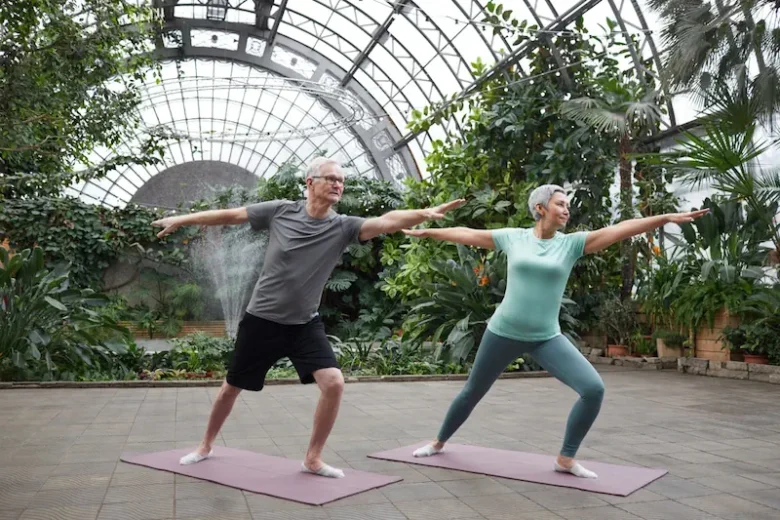
One of the most compelling frontiers in biohacking is the focus on longevity and anti-aging protocols. People aren’t just looking to add years; they are looking to add quality years, maintaining cognitive and physical vitality well into old age.
These protocols often involve complex dietary restrictions, like intermittent fasting or caloric restriction, which have shown promising results in cellular repair (autophagy).
They also frequently involve targeted supplementation aimed at cellular health, like NMN or resveratrol, molecules studied for their potential role in metabolic pathways related to aging.
When you look at this through the lens of design, the human lifespan is the ultimate long-term project. These protocols represent the high-stakes planning and maintenance required to ensure the structure not only survives but thrives decades down the line. It’s an act of defiance against biological entropy, a truly provocative stance.
The practical tools of the trade
Biohacking relies heavily on data and measurement. If you can’t measure it, you can’t optimize it. This need for precision has led to the widespread adoption of technology that turns internal biology into actionable metrics.
The movement known as the quantified self technology is the backbone of modern biohacking. This involves using wearables, apps, and diagnostic tools to track everything from sleep quality and heart rate variability (HRV) to glucose levels and stress markers.
Think about your fitness tracker or smart ring. These devices are no longer just counting steps; they are providing deep insights into your autonomic nervous system.
By monitoring HRV, for example, you can get a read on how well your body is recovering from stress, exercise, or lack of sleep. This data allows for immediate feedback, letting you adjust your routine in real time. If your HRV tanks after a late dinner, you know exactly what adjustment to make the next day.
This data-driven self-awareness creates a feedback loop that is essential for experimentation. You can test a new diet or a specific supplement and immediately see the measurable impact, moving away from guesswork toward precision tuning.
Nootropics for cognitive performance: sharpening the mind
Another area that attracts intense interest is the use of nootropics for cognitive performance. Often called “smart drugs,” nootropics are substances—natural or synthetic—intended to enhance memory, focus, creativity, or motivation.
For people seeking to push conceptual boundaries, optimizing mental output is a major draw. The goal is not just to stay awake, but to achieve a state of fluidity or hyperfocus with greater reliability.
Common nootropics range from simple compounds like caffeine and L-theanine (found in green tea, which offers focused energy without the jitters) to more complex synthetic compounds.
However, this area requires careful research. Because the brain is the most complex organ, any modification must be approached with caution and an awareness of long-term effects.
When considering nootropics, many people start with natural sources that support overall brain health, such as omega-3 fatty acids or adaptogens like ashwagandha, which help the body manage stress.
The true art here is finding the minimal effective dose and the right stack that complements your unique chemistry and lifestyle demands.
Exploring the edges: DIY biology and human enhancement
While most biohacking focuses on optimizing internal health, the true avant-garde of the movement pushes into realms that are often more provocative, blurring the lines between human and machine.
The concept of DIY biology and human enhancement takes self-experimentation to a radical level. This includes individuals who implant technology beneath their skin (like NFC chips for contactless payments or opening doors), or those who experiment with complex genetic tools in non-traditional lab settings.
This practice is driven by a desire for functional augmentation—to add capabilities that the natural body lacks. For example, some people have implanted magnets in their fingertips to gain a new sense of magnetic fields. This is not about healing; it’s about expansion.
From an aesthetic viewpoint, the DIY biology movement is highly compelling. It views the body as an open-source platform, ready for modification and integration.
It challenges the established design of the human form, suggesting that biological evolution is too slow and that we should take the reins ourselves.
This radical gesture is what makes it so resonant with contemporary art movements that question identity and materiality.
Ethics and the limits of modification
The deeper you go into enhancement protocols, the more pressing the ethical questions become. Who gets access to these enhancements? Does this create a new form of biological inequality?
At Neomania, we appreciate the risk involved in these aesthetic and biological choices. The pursuit of the “ultimate self” is inspiring, but it forces us to consider the long-term design implications of permanent changes.
When you modify your biology, you are not just changing your health; you are changing your identity. This is a profound artistic statement, but one that demands deep reflection on responsibility and the definition of natural beauty.
Holistic health optimization: beyond the quick fix
While implants and advanced supplements grab the headlines, the most effective biohacking protocols often rely on mastering the fundamentals of holistic health optimization. You can’t put high-octane fuel into a poorly maintained engine and expect peak performance.
True optimization starts with the basics, often viewed through a hyper-refined lens:
Mastering the environment: light and sleep
One of the most powerful and accessible biohacks involves managing your light exposure and optimizing your sleep cycle. Our modern lifestyle, bathed in artificial blue light late into the evening, confuses our circadian rhythm.
Many biohackers prioritize getting bright, natural light first thing in the morning—a signal to the body that the day has started—and then rigorously blocking blue light after sunset, often using specialized glasses.
This simple intervention can dramatically improve melatonin production and sleep quality, which is the foundation of all physical and cognitive repair.
If you are someone constantly working on creative projects under harsh indoor lighting, adjusting your light environment can be a game-changer for sustained focus and mood stability. It’s a low-cost, high-impact design choice for your personal space.
Refining fuel: nutrition and fasting
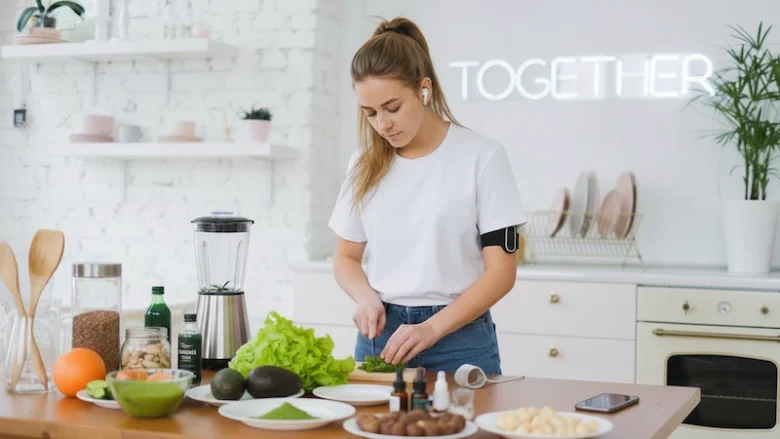
Nutrition is often considered the most personalized area of biohacking. It moves far beyond generic dietary advice. It often involves experimenting with specific eating windows (as mentioned with intermittent fasting), testing for food sensitivities, and optimizing micronutrient intake based on blood work.
Some biohackers adopt ketogenic or carnivorous diets to achieve specific metabolic states, aiming for increased energy stability and reduced inflammation.
The key is using data—often through continuous glucose monitors (CGMs)—to see how specific foods affect your body’s energy regulation. This transforms eating from a habit into a deliberate, data-backed strategy.
Stress management and recovery
The ability to manage stress is arguably the most essential biohack. Chronic stress degrades every system in the body, undermining even the best nutritional or supplement regimens.
Protocols here often include mindfulness, focused breathwork, and deliberate exposure to environmental stressors (like cold plunges or saunas) to improve resilience.
When you deliberately expose yourself to controlled stress, your body adapts, improving its ability to handle future challenges.
This concept of hormesis—where a small dose of something typically harmful is beneficial—is central to many advanced biohacking practices. It’s about designing your recovery protocols as meticulously as you design your work schedule.
The integration of biohacking into contemporary life

The most exciting aspect of biohacking is how it integrates technology and biology into a cohesive lifestyle design. It’s no longer about isolated tricks; it’s about creating a synergistic system where your diet, environment, sleep, and mental focus all work together to support peak performance.
We see this approach reflected in contemporary architecture and interior design, where spaces are now engineered not just for comfort, but for biological optimization—incorporating specialized lighting, air purification, and ergonomic design that supports the body’s natural rhythms.
This synthesis of high-tech measurement and foundational lifestyle changes provides a path toward sustained excellence. It encourages a level of self-awareness that is rare in the rush of modern life, pushing us to ask: What does a truly optimized life look like, feel like, and how does it allow us to create our best work?
The movement we call biohacking is more than just a trend; it’s a profound shift in how we relate to our own potential. It’s a call to view the self not as a fixed entity, but as a dynamic, evolving design project.
The quest for holistic health optimization and radical longevity and anti-aging protocols forces us to question our default settings and imagine a more vibrant, high-performing future.
As you reflect on these concepts—the risks of DIY biology and human enhancement, the precise data of the quantified self technology, and the pursuit of optimal consciousness through nootropics for cognitive performance—we invite you to consider the aesthetic and philosophical implications. What does it look like to live a life optimized for beauty, clarity, and enduring creativity?
Let this exploration transport you beyond the surface level of wellness and into the deeper narrative of self-creation. Reflect on the aesthetic proposition of an augmented life and be inspired to consume culture and design that challenges the status quo.
Discover more provocative stories and visionary aesthetics in the pages of Neomania Magazine, where we explore the essence of every bold gesture.