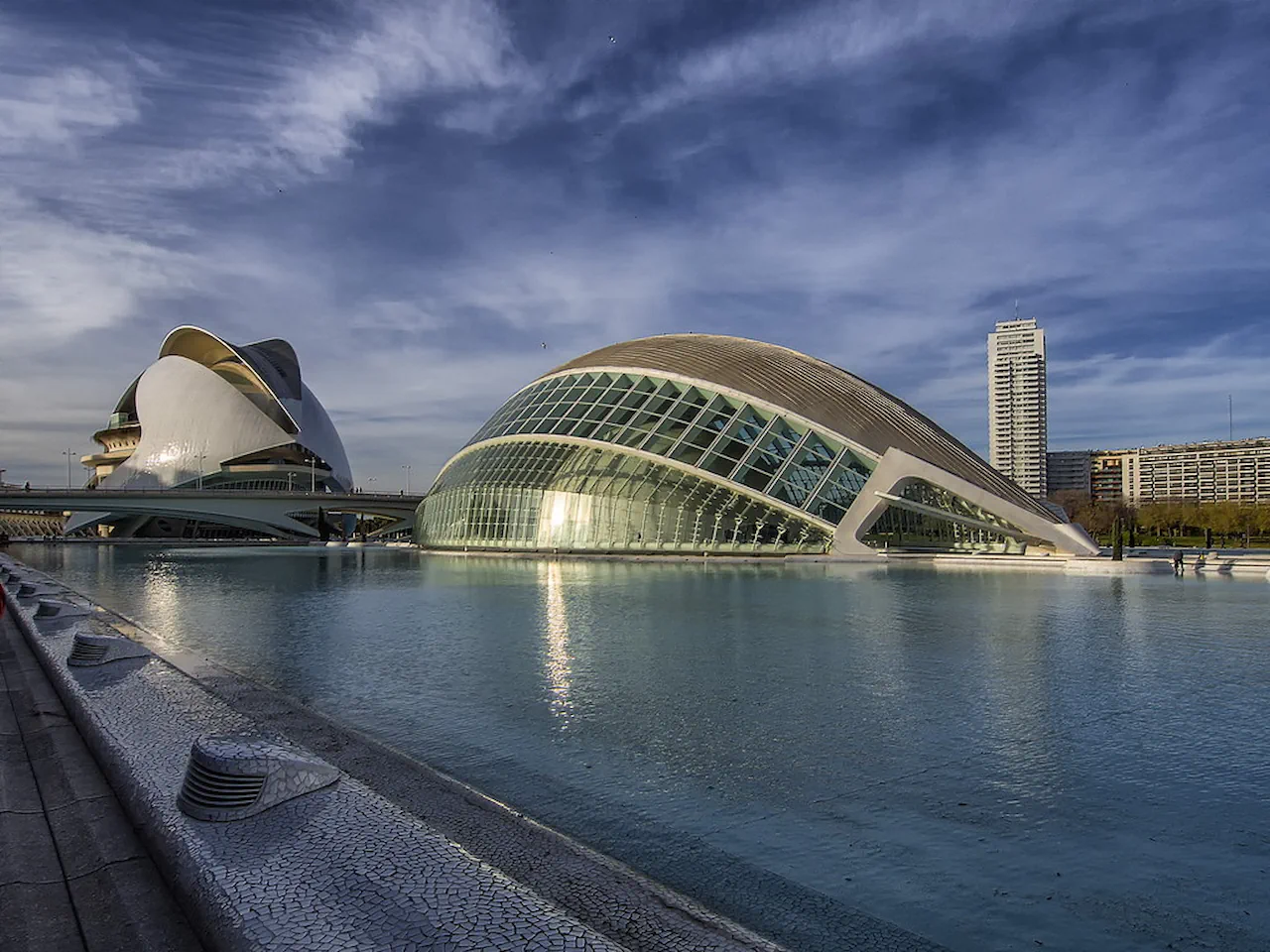
For decades, the story of modern architecture was told through synthetic materials and a pursuit of flawless, polished surfaces. Glass, steel, and concrete were the language of a futuristic, industrial vision—a world of stark lines and manufactured perfection. But a fundamental shift is underway.
The most forward-thinking architects of our time are looking past the superficial glamour of the old guard and embracing a new mindset where raw materials are not just components, but the very soul of a building.
This isn’t a retreat to the past; it’s a leap toward a more honest, responsible, and poetic future.
This is a journey into why the choice of a raw material is now a defining act of a new architectural generation, an act of responsibility, and a new form of artistry.
Beyond the blueprint a new material ethos
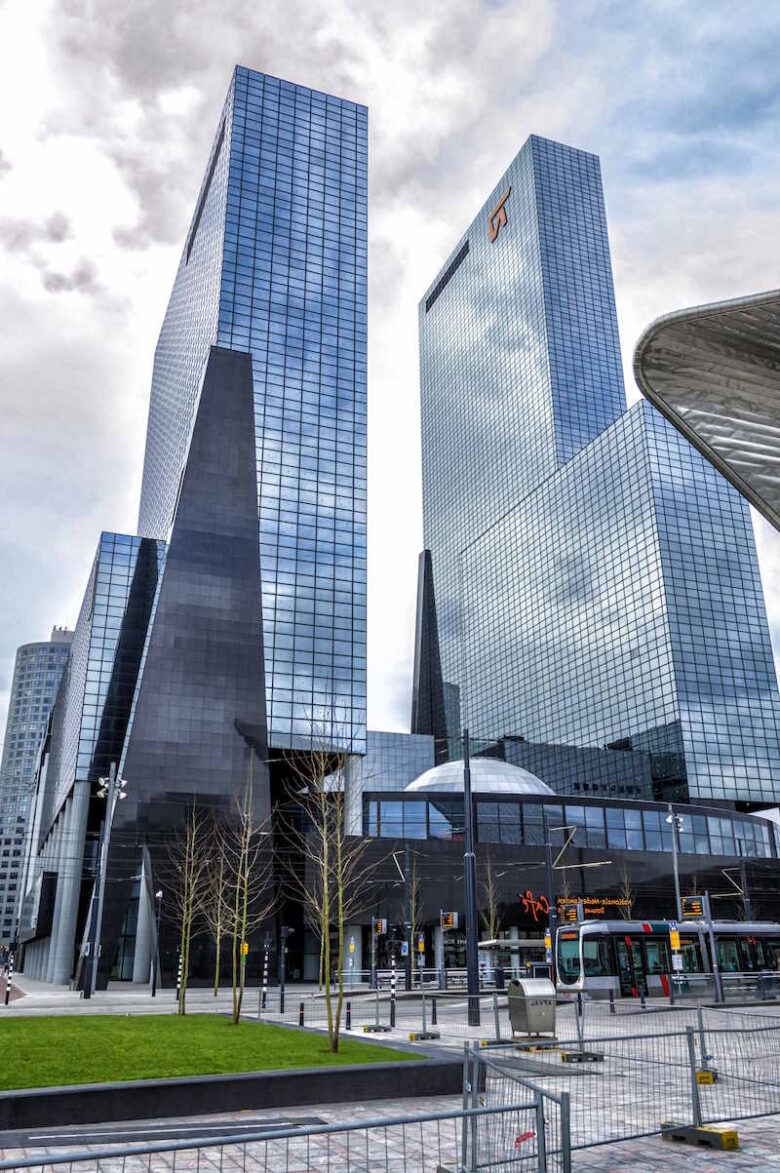
For much of the 20th century, architectural design started and ended with the blueprint—a master plan of form and function. Today, the conversation has expanded to include the entire life cycle of a building, starting with its skin.
The new architectural ethos prioritizes transparency, ecological impact, and the narrative that a material carries. Architects are no longer just designers of space; they are curators of matter, selecting materials that tell a story of their origin, their purpose, and their ultimate return to the earth.
From synthetic glamour to honest expression
The new vanguard has moved past the artificial allure of polished marble and mass-produced finishes. Instead, they are embracing an aesthetic of honesty and truth.
A wall of exposed concrete reveals the unique grain of its formwork, a reclaimed timber beam wears its history like a badge of honor, and an adobe brick breathes with the life of the earth from which it was made.
These elements, once hidden or smoothed over, are now celebrated as expressions of a material’s authentic self, forging a new kind of luxury that is rooted in integrity, not opulence.
When a building’s skin tells its own story
A building’s skin is more than just a facade; it’s the first thing we experience and the first thing that communicates its purpose. In this new era, the skin is not a veneer but a narrator.
A home built with locally sourced wood tells a story of its regional roots and sustainable practice. An innovative structure made of mycelium speaks to a future of biomaterials and circular economies.
Every material choice—from the stone foundations to the bamboo louvers—is a line in a larger story, turning the building into a living, breathing testament to its principles.
The conscious choice of a new architectural generation
This new mindset isn’t an accident; it’s a conscious, deliberate choice made by a generation of architects acutely aware of their environmental and social responsibilities.
The decision to use recycled steel isn’t just about strength, but about minimizing waste. Choosing mass timber is a vote for carbon sequestration.
This generation is using its designs to make a statement, proving that groundbreaking architecture can, and must, be a force for good.
The sustainable frontier the biomaterials revolution
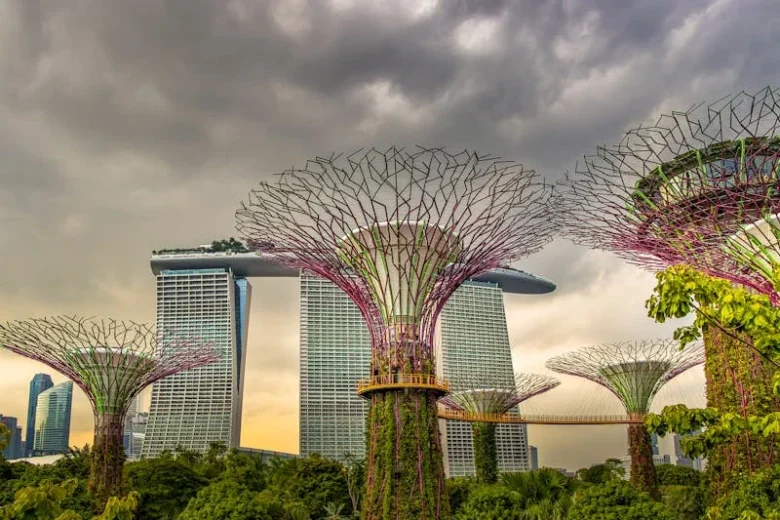
The re-evaluation of primary materials is not a simple return to the past, but a quantum leap into the future driven by science and technology.
Today’s architects and designers have become modern-day alchemists, experimenting in labs to create a new generation of materials that are at once innovative, functional, and environmentally friendly.
The goal is to move beyond traditional construction, exploring how we can design buildings that not only adapt to the planet but also contribute to its health.
Growing a building Mycelium and bamboo at the cutting edge
Mycelium, the underground root network of mushrooms, has emerged as an unexpected protagonist in sustainable architecture.
By combining it with agricultural waste, architects can “grow” building blocks that are fire-resistant, insulating, and completely biodegradable.
Similarly, bamboo—a resource that grows at an astonishing speed—is being treated and laminated to compete with the strength of steel, offering a renewable alternative with a minimal carbon footprint.
These are the living materials of a future where construction looks more like farming than industry.
The power of reclamation Recycling at a massive scale
The circular economy is at the heart of one of the most important innovations in raw materials. Architects are using reclaimed plastic and wood, but also more complex materials like recycled concrete and ground glass to create new products with enhanced properties.
Instead of viewing waste as the end of a material’s life cycle, they see it as the beginning of a new story. A building constructed with recycled plastic bottles not only has a positive ecological impact but also becomes a powerful statement about consumption and reuse.
Designing with nature’s logic
Technology isn’t just about creating new synthetic materials; it’s increasingly used to optimize and enhance natural ones. New techniques in generative design allow architects to create incredibly efficient timber structures, minimizing waste.
3D printing, instead of just using plastics, is experimenting with clay and earth to build houses quickly and with minimal impact.
Technological innovation in modern architecture is, in essence, a tool to do more with less, honoring the inherent intelligence of nature.
The unfiltered aesthetic the beauty of the imperfect
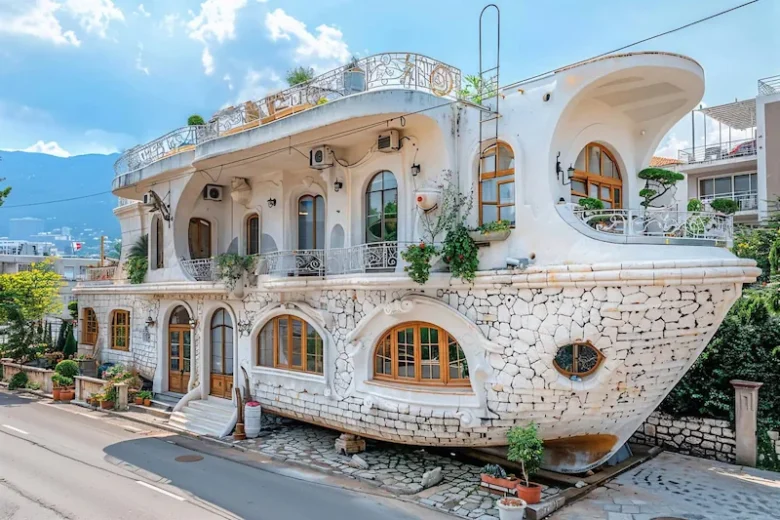
Architecture is a reflection of its time, and ours has evolved toward an aesthetic that values honesty, texture, and history. The perfection of the polished and the uniform, so prized in the 20th century, is giving way to a rawer, more authentic beauty.
Materials no longer need to be hidden or disguised; their roughness, imperfections, and aging process are now celebrated as part of their charm.
This new aesthetic of imperfection is a call for truth in design, a way to reconnect with the real in an increasingly digitalized world.
Concrete’s quiet return and the new brutalism
Few materials exemplify this aesthetic as much as exposed concrete. What was once a sign of structural honesty in Brutalist architecture is now an element of sophistication.
The exposed concrete, with its formwork marks and rough texture, is used to create interiors that are both minimalist and warm.
Its coldness is offset by the way it interacts with light and how it contrasts with organic materials like wood or plants, creating a visual dialogue that is both serene and powerful.
The narrative in reclaimed wood
Wood, a timeless material, has taken on new meaning in modern architecture. Instead of using virgin timber, architects are sourcing reclaimed wood from old barns, factories, or even shipwrecks.
Every plank carries a history, marked by time and use. Using this wood is not just a sustainable choice; it’s a poetic act. The knot, the crack, or the faded color becomes a fundamental part of the building’s narrative, adding a soul that new wood simply does not have.
A tactile architecture for the digital age
In this new aesthetic, texture has become as important as form. Exposed brick walls, rammed earth walls, and thatched roofs are not just constructive elements; they are surfaces that invite people to touch and feel.
Every imperfection, every irregularity, is a testament to the construction process and the authenticity of the material. This architecture is not perfect, but it is real, and that reality is what makes it profoundly beautiful and appealing to the modern mind.
The new alchemy blending the industrial and the organic
The new era of raw materials does not completely reject the industrial materials that defined 20th-century architecture. On the contrary, it integrates them in a more conscious and sustainable way.
Today’s architects understand that glass, steel, and concrete are not the enemy but powerful tools that, when used in harmony with organic materials and a clear purpose, can create masterpieces of balance and contrast.
The challenge is to make the industrial future coexist with the natural past, creating a unique symbiosis.
Steel, glass, and wood in a modern dialogue
Glass, with its transparency, is the perfect tool to blur the line between the interior and the exterior, connecting people with the natural environment.
Steel, with its strength, allows architects to create structures that defy gravity, freeing up space for light and air to flow. However, when these materials are combined with wooden facades, stone walls, or interior gardens, the result is an architecture that honors technology without losing its connection to the earth.
Reinventing classic materials for a new era
The wisdom of traditional construction has influenced how modern architects use materials. For example, green roofs and facades with vegetation, which are now considered innovative, are inspired by the ancient practice of using nature to insulate and protect homes.
Modernity is not a complete break with the past, but an intelligent reinterpretation of its principles, using technology to perfect the techniques and materials that have worked for centuries.
Technology that honors tradition
Current technology allows classic materials to be more versatile and sustainable. Advances in computer-aided design and digital fabrication techniques have enabled architects to use wood to create complex, curved structures that were once unthinkable.
Concrete, for its part, is being developed with low-carbon cements and additives that make it stronger and more durable, extending its lifespan and reducing its environmental impact.
In this way, technology does not supplant the material but elevates it to its maximum potential.
The legacy of matter a responsible future
Architecture is, by nature, a discipline that looks to the future. The buildings we construct today are the legacy we will leave to the next generations, and the choice of raw materials is the most responsible and visionary act an architect can perform.
This new material paradigm is not a passing trend but a fundamental shift in how we think about design, ecology, and our own cultural identity.
It is an architecture that seeks not only to be functional and beautiful but also to be wise—to be a reflection of the planet we inhabit.
Carbon footprints and the responsibility of design
Every material has a carbon footprint, and today’s architects have the responsibility to understand and minimize it. Choosing a local raw material, preferring recycled materials, or using biomass are not just aesthetic decisions but ethical acts that contribute to the fight against climate change.
Architecture has become a tool for environmental activism, where intelligent design is the key to a more sustainable future.
Architects as environmental visionaries
In this new context, architects are no longer just designers of forms but visionaries of matter. Artists like Shigeru Ban, known for his innovative use of cardboard, or Tadao Ando, with his mastery of concrete, are examples of how a material can define a style and a philosophy.
Their work teaches us that the limitations of a raw material can be the source of the greatest creativity and that human ingenuity can transform the ordinary into the extraordinary.
An architecture that evolves with the planet
In the future, architecture will be a discipline that evolves with the planet. Buildings will not be inert objects but ecosystems that breathe, grow, and adapt to their environment.
Raw materials will be a reflection of this vision, with buildings that are constructed with biodegradable materials, powered by the sun, and integrated so perfectly into the landscape that it is difficult to know where the human work ends and where nature begins.
The journey of raw materials in modern architecture is a story of transformation: from concrete to mycelium, from luxury to honesty, from impact to responsibility.
Avant-garde architects have initiated a profound dialogue with the planet, redefining the aesthetics and ethics of construction for a new era.
The skin of our buildings is no longer a mere covering but a living canvas that tells the story of a more conscious future and a more harmonious relationship with the Earth.
It’s a shout from the organic that has resonated in every corner of design, and it is building tomorrow, today.
Join the Avant-Garde
Every material tells a story. At Neomanía Magazine, we read between the lines. Subscribe to go beyond the surface and discover the narratives shaping tomorrow’s world.