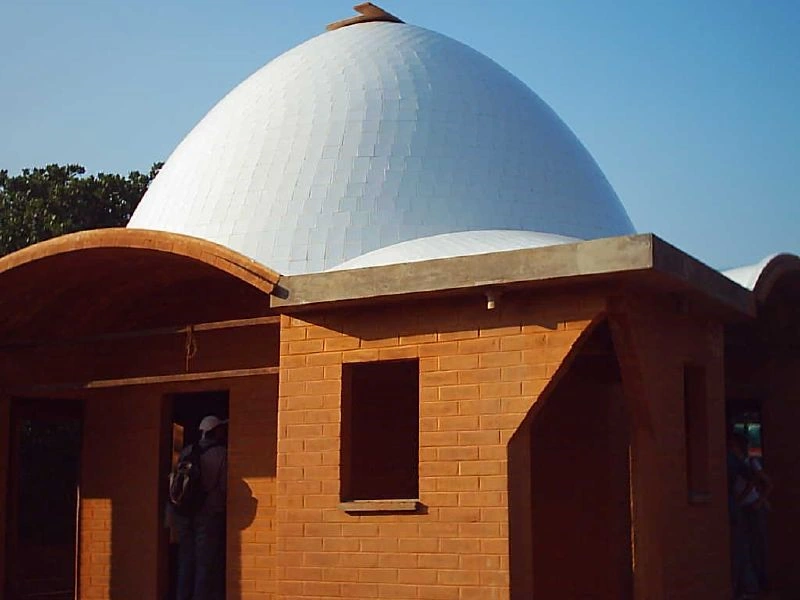
In a world increasingly focused on authenticity and environmental responsibility, modern earth architecture is emerging as a powerful and sophisticated alternative to conventional construction.
This is not the rustic, unrefined adobe of the past. Architects and designers are now leveraging ancient techniques like rammed earth and adobe, combining them with cutting-edge engineering to create homes that are not only eco-friendly but also a statement of modern design and high-end luxury.
It represents a profound shift—from a building material of necessity to a conscious choice for a regenerative future. This evolution proves that the most advanced and beautiful solutions can be found in the simplest of elements: the soil beneath our feet.
Redefining luxury: modern earth architecture in the 21st century
The concept of luxury has undergone a significant transformation. Today, true luxury isn’t about conspicuous consumption; it’s about a return to quality, permanence, and a meaningful connection with the environment.
Modern earth architecture perfectly embodies this philosophy. It’s an approach that values authenticity, craftsmanship, and a deep-rooted sense of place.
This is a leap beyond the limitations of traditional adobe, transforming a humble building material into a symbol of a conscious, discerning lifestyle.
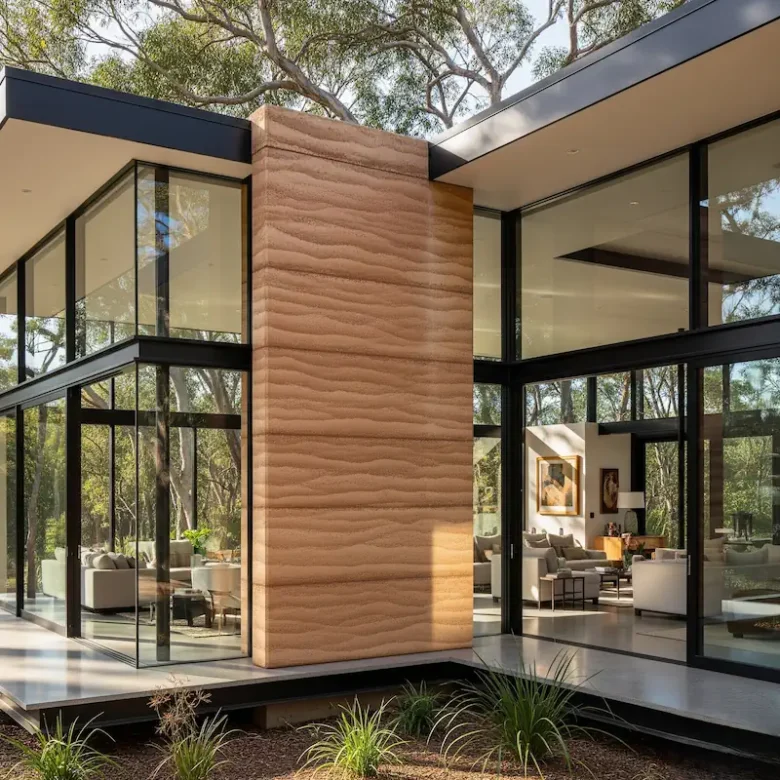
The unique appeal of modern earth architecture lies in its raw, honest beauty. Walls of rammed earth, for example, are not merely structural; they are works of geological art.
The process of layering and compacting soil creates natural, horizontal strata that tell a story of the earth itself, revealing a rich tapestry of colors and textures from the ground where they were built.
This living canvas changes with the light, offering a dynamic and ever-evolving visual experience that is impossible to replicate with manufactured materials.
The tactile quality of a thick, earthen wall is a sensory experience, providing a feeling of permanence and organic warmth that synthetic materials simply cannot match.
This movement is also a bold challenge to the conventional building industry. While traditional construction relies on resource-intensive manufacturing, a global supply chain, and energy-consuming processes, earth architecture minimizes environmental impact from the ground up.
It’s a return to first principles, demonstrating that building smarter and more sustainably doesn’t mean sacrificing aesthetic appeal or durability. Instead, it offers a new definition of luxury—one that is rooted in a regenerative future, prioritizing the well-being of both the inhabitants and the planet.
Performance and sustainability: the core of earth construction
The most compelling argument for modern earth architecture lies in its unparalleled performance. This building method is a masterclass in passive design, a strategy that uses a building’s form and materials to manage its climate naturally.
This approach significantly reduces or even eliminates the need for energy-intensive heating and cooling systems, providing long-term benefits for both the homeowner and the planet.
Harnessing thermal mass for energy efficiency
The key advantage of earth construction is its incredible thermal mass. Thick, dense walls made from compacted earth or stabilized adobe have a remarkable ability to absorb and store heat. During the day, they slowly absorb solar energy, preventing it from penetrating the interior.
At night, as temperatures drop, they release this stored heat, keeping the interior space warm. In climates with significant temperature swings, such as deserts or mountainous regions, this property is a game-on-changer.
For example, a home with 24-inch-thick rammed earth walls can maintain a stable, comfortable indoor temperature year-round with minimal assistance from HVAC systems, drastically reducing energy consumption and lowering utility bills.
This passive heating and cooling effect is one of the most effective strategies for creating a truly sustainable and low-carbon home.
This thermal performance also contributes to a healthier indoor environment. Earth walls naturally regulate humidity levels, absorbing moisture when the air is damp and releasing it when the air is dry.
This helps prevent mold growth, reduce allergens, and create a consistently comfortable atmosphere that is beneficial for human health.
Lowering embodied carbon for a greener footprint
The environmental impact of a building is measured not only by its operational energy use (heating, cooling) but also by its embodied carbon—the emissions produced during the extraction, manufacturing, and transportation of its materials. This is where earth architecture truly shines.
The production of cement, the primary ingredient in concrete, is a major contributor to global CO2 emissions. In contrast, earth construction uses one of the most abundant materials on the planet, often sourced directly from or near the building site.
This dramatically reduces the energy and emissions associated with manufacturing and transport, resulting in a building with a significantly smaller overall carbon footprint.
Furthermore, many earth-building techniques, particularly those using non-stabilized earth, create a truly circular building economy.
When an earth structure reaches the end of its life, the material can be returned directly to the earth without causing any environmental harm, completing a perfect, sustainable cycle. This starkly contrasts with conventional building materials that often end up in landfills.
A statement in design: the aesthetic appeal of rammed earth
Modern earth architecture has a distinct and powerful aesthetic that sets it apart from conventional materials. It’s a design choice that speaks to a discerning taste for authenticity, craftsmanship, and a deep-seated connection to the environment.
Organic textures and layered beauty
Walls built with rammed earth are unique works of art. The process of layering and compacting the earth creates natural, horizontal strata that tell the story of the soil itself.
These striations, rich in earthy pigments, create a one-of-a-kind texture that is both raw and refined. It’s a visual language that can’t be replicated by manufactured materials, offering a sense of permanence and an organic warmth.
The interplay of light and shadow on these textured surfaces adds a dynamic element to the space, changing throughout the day. These walls become the focal point of a room, serving as a powerful backdrop for minimalist furniture or fine art.
Integrating with biophilic and minimalist design
The aesthetic of earth architecture is a perfect fit for biophilic design—the practice of connecting people and nature within a built environment.
The use of natural, raw materials helps create a calming, grounding atmosphere that can reduce stress and enhance well-being.
The simple, clean lines of a minimalist design are beautifully complemented by the rich textures and natural colors of rammed earth, creating a perfect balance between modern sophistication and organic warmth.
This is a design philosophy that embraces the idea that a building should not only stand on the earth but also be a part of it. The natural feel of the walls, combined with other elements like wood, glass, and indoor plants, creates a holistic and restorative environment that modern life often lacks.
Investing in durability and value
Beyond its visual appeal and environmental benefits, modern earth architecture is a smart financial investment. These structures are built to last, offering a level of durability and resilience that is unmatched by many conventional materials.
Longevity and low maintenance
Earth buildings, particularly those using rammed earth, are incredibly durable and require very little maintenance. When properly stabilized and sealed, a rammed earth wall can last for centuries, with historical examples dating back thousands of years.
Unlike drywall or painted surfaces that require frequent touch-ups, earth walls age gracefully, developing a patina that adds to their character.
This longevity translates into a lower total cost of ownership over the building’s lifespan, as it eliminates the need for costly repainting and repairs associated with conventional facades.
Furthermore, earth structures are inherently fire-resistant. Unlike wood, they will not burn, and unlike steel, they will not warp or lose structural integrity in a fire.
Their natural composition also makes them highly resistant to pests like termites. This robust durability makes them an excellent choice for a long-term investment.
The ROI of a truly sustainable home
As environmental regulations become stricter and consumer demand for sustainable homes grows, properties built with earth are poised to increase in value.
Their energy efficiency, low embodied carbon, and unique aesthetic make them highly desirable assets. Investing in a home that is both beautiful and built for the future provides a significant return on investment, appealing to a new generation of buyers who prioritize both luxury and a responsible lifestyle.
These homes often command a premium in the market because they are unique, high-performance, and offer a story of craftsmanship and sustainability that manufactured homes cannot replicate.
Paving the way: icons of modern earth design
The pioneers of modern earth architecture are demonstrating the incredible potential of this material through groundbreaking projects that are as innovative as they are beautiful.
Groundbreaking projects in the US and beyond
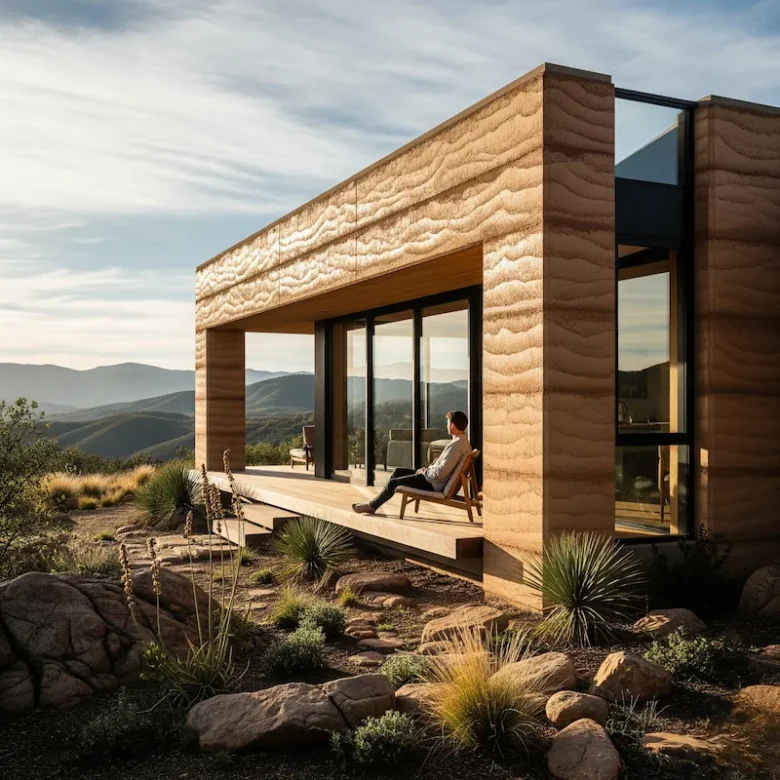
Architects like Rick Joy have used rammed earth to create minimalist masterpieces that blend seamlessly into the Arizona desert landscape.
His work, like the Desert Nomad House, showcases the material’s ability to create a sense of shelter and tranquility in harsh environments, blurring the lines between the built structure and the natural surroundings.
Similarly, David Easton has been a driving force in the modern rammed earth movement in California, developing new techniques and machinery to streamline the construction process and make it more accessible.
In Australia, the work of Fremantle architect Greg Burgess on the St. Jude’s Primary School is a testament to the material’s ability to be used for large-scale public buildings, creating a space that is both visually stunning and environmentally responsible.
The project’s rammed earth walls provide a stable, comfortable environment for students, highlighting the material’s potential beyond residential applications.
These projects, along with others around the globe, are proving that earth architecture is a viable and exciting solution for a wide range of building types, from private residences to commercial spaces and even schools.
The future is built on earth: Innovation in practice
The future of earth architecture is not in looking back but in looking forward. Engineers are currently exploring new methods for stabilization and insulation, using natural additives and innovative building techniques.
The integration of technology, such as automated compactors and 3D-printed earth structures, promises to make this ancient building method faster, more efficient, and more widespread than ever before.
Companies like Icon are already using massive 3D printers to construct homes from a cement-and-earth-based material, bringing the concept of earth architecture to a new scale and level of accessibility. It’s a bold vision of a future where we don’t just build on the earth, but we build with it.
Interested in exploring more innovative design? Neomania Magazine is dedicated to showcasing the creative minds and groundbreaking ideas that are shaping our world. Discover more stories of architecture, art, and technology that are building the future.