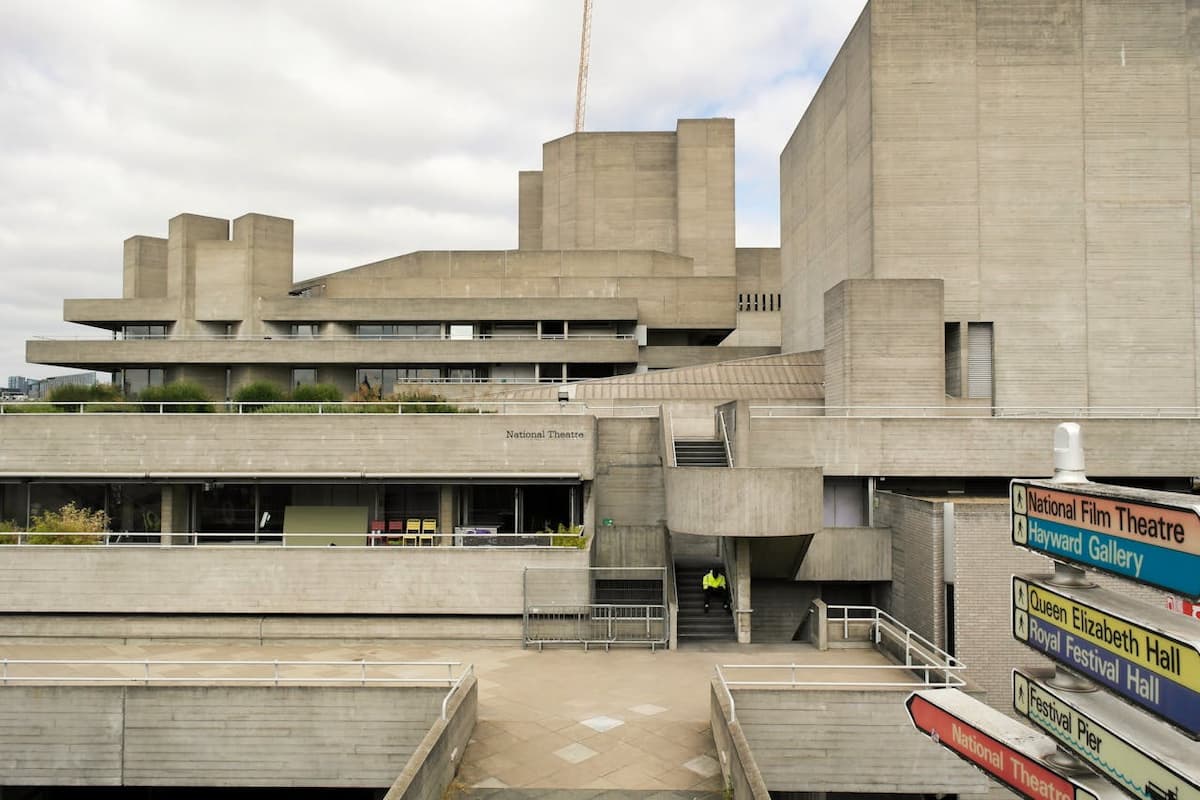
Concrete is often seen as a cold, industrial material meant for bridges or parking garages. However, a growing number of homeowners and architects are looking at this gray substance with new eyes.
They see a chance to create something honest, permanent, and deeply moving. This shift marks a significant moment where brutalism in residential design stops being a relic of the past and becomes a path toward a more authentic way of living. It is not about being harsh; it is about stripping away the unnecessary to find what really matters in a home.
When you walk into a house that embraces this style, the first thing you notice is the weight of the air. There is a specific kind of silence that only thick, masonry walls can provide.
This isn’t the fragile quiet of a drywall box; it is the grounded stillness of a sanctuary. People are choosing this aesthetic because they are tired of the “fast fashion” equivalent of architecture. They want walls that tell a story through their texture and spaces that feel like they could last for centuries.
As we look closer at these structures, we see that the appeal lies in the lack of pretension. There are no hidden layers or decorative masks. What you see is exactly what supports the roof.
This honesty creates a sense of security and clarity that is hard to find in more traditional, ornamented homes. It is a bold choice that asks the inhabitant to appreciate the subtle variations in a poured concrete wall or the way shadows play across a rough-hewn surface.
Why concrete is finding its way home
The resurgence of this style isn’t just a trend for the sake of being different. It comes from a desire for tactile experiences in a world that feels increasingly digital and fleeting. Concrete, in its raw form, has a physical presence that demands attention.
You can feel the grain of the wooden molds used to cast it, or the coolness of the surface on a hot afternoon. This connection to the physical world is why brutalism in residential design feels so right for this moment.
Another reason for this shift is the flexibility that modern engineering provides. In the mid-20th century, brutalist buildings were often massive and imposing.
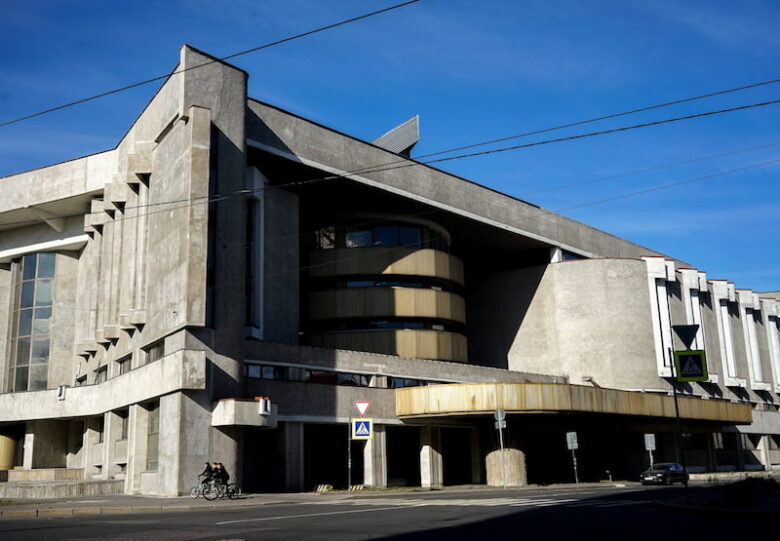
Today, architects are finding ways to make these structures feel light and airy. By using large glass spans and strategic openings, they allow the heavy concrete to seem as if it is floating.
This contrast between the massive and the ethereal is what makes contemporary residential projects so captivating. You get the strength of stone with the openness of a modern loft.
We also have to talk about the concept of “aging gracefully.” Most modern materials start to look worn or dated after a decade. Concrete, much like natural stone, develops a patina.
It reacts to the rain, the sun, and the touch of the people living inside. Instead of losing its value, the building gains character over time. This long-term perspective is a core part of the Neomania philosophy, where we value things that grow deeper and more interesting as the years pass.
The honesty of exposed structures
In a typical house, the “bones” are hidden behind layers of insulation, plastic, and paint. In a brutalist home, the structure is the finish. This approach requires a high level of craftsmanship because there is nowhere to hide a mistake.
Every seam, every bolt hole, and every pour line becomes a decorative element. This transparency creates a unique bond between the dweller and the building. You understand how your home was made, and you see the work of the hands that built it.
This honesty also extends to the layout. These homes often feature open plans where the function of each space is defined by the architecture itself rather than by furniture or partitions.
A sunken floor might mark the living area, while a heavy concrete slab overhead creates a cozy feeling for a dining nook. It is a way of designing that relies on geometry and volume to tell the story of the home.
Softening the hard edges of concrete
One of the biggest misconceptions about this style is that it has to be cold or unwelcoming. The secret to a successful home lies in the balance of materials. While concrete provides the frame, other elements bring the warmth.
Natural wood is the most common partner for raw concrete. The organic patterns of oak or walnut provide a perfect counterpoint to the monolithic gray surfaces. When you place a warm wooden floor against a concrete wall, both materials look better because of the contrast.
Textiles also play a huge role in making these spaces livable. Think of thick wool rugs, linen curtains that catch the breeze, and soft leather seating.
These layers of softness absorb sound and provide physical comfort, turning a “concrete box” into a home. It is about creating a dialogue between the permanent and the ephemeral. The concrete is there forever, while the fabrics and furniture can change with the seasons or your mood.
Plants are another vital ingredient. The vibrant green of a monstera or the delicate leaves of an indoor olive tree look stunning against a neutral gray background.
The life force of the plants brings a sense of energy and movement to the static architectural forms. As you might have noticed in the most beautiful examples of this style, the goal is to create a small ecosystem where nature and man-made structures exist in harmony.
Wood and textiles as natural partners
When choosing wood for a brutalist interior, it helps to look for finishes that feel as raw as the concrete itself. Matte oils and wire-brushed textures work better than high-gloss lacquers.
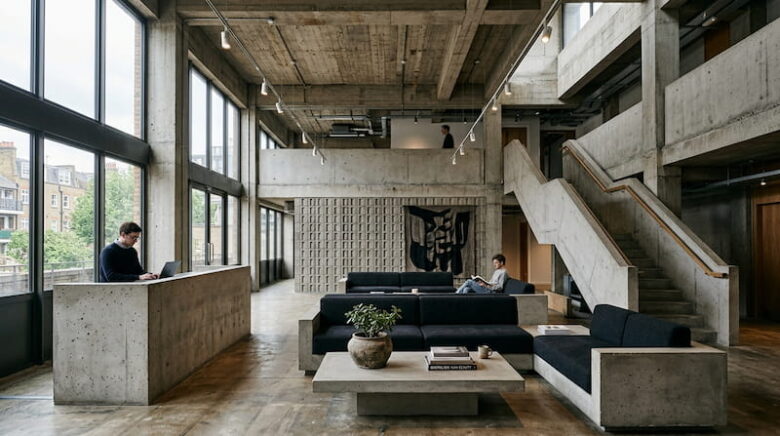
You want to feel the wood, not a plastic coating over it. This maintains the “truth to materials” that is so central to the aesthetic. The same goes for fabrics; natural fibers like cotton, silk, and wool have a depth that synthetic materials can’t match.
The way these materials interact with light is also worth noting. Concrete has a way of soaking up light, creating soft, diffused shadows. Wood reflects a warmer glow, and textiles can either block or filter the sun.
By mixing these, you can control the “temperature” of a room without ever touching a thermostat. It is a sensory experience that changes throughout the day as the sun moves across the sky.
Lighting the gray canvas
Lighting is perhaps the most important tool for anyone living in a brutalist-inspired space. Because concrete can be dark, you need to be intentional about how you bring light into the house.
Large windows are a start, but the real magic happens with indirect lighting. Hiding LED strips in recesses or behind concrete beams can make the ceiling look like it is glowing. This highlights the texture of the walls without creating harsh glares.
During the day, skylights can transform a heavy hallway into a bright gallery. The way a single beam of light hits a concrete floor can be as beautiful as any piece of art. In the evening, the focus should shift to creating “pools” of light.
Instead of one bright overhead lamp, use several smaller light sources at different heights. This creates a sense of intimacy and mystery, which fits the provocative nature of the style.
As we saw earlier with the use of textiles, the goal is to create contrast. A sleek, metallic floor lamp looks incredible next to a rough, board-formed concrete wall.
The light reflects off the metal and grazes the concrete, showing off every detail of the construction. It is these small moments of beauty that make brutalism in residential design so rewarding to live with.
Comparing brutalism with traditional minimalism
While both styles value simplicity, they come from very different places. Minimalism often seeks to hide the “mess” of construction, aiming for perfect, white, seamless surfaces.
Brutalism, on the other hand, celebrates the mess. It shows the bubbles in the concrete, the rust on the steel, and the grain in the wood. It is a more “human” version of modernism because it accepts imperfection.
The following table shows some of the key differences you might find when looking at these two approaches to design:
| Feature | Traditional Minimalism | Residential Brutalism |
|---|---|---|
| Primary Material | Drywall, glass, polished stone | Raw concrete, brick, exposed steel |
| Surface Texture | Smooth, matte, or glossy | Rough, textured, board-formed |
| Color Palette | Whites, creams, very light grays | Deep grays, earth tones, rust |
| Structural View | Hidden structures | Exposed beams and columns |
| Atmosphere | Light, airy, almost invisible | Grounded, heavy, protective |
This comparison helps us see why someone might choose one over the other. If you want a space that feels weightless and “clean,” minimalism is great.
But if you want a space that feels like a fortress, a place where you can truly hide away from the world and feel the strength of your surroundings, brutalism is the answer. It provides a sense of “shelter” in the most primal sense of the word.
Living in a sculpture
When you inhabit a home designed with these principles, you aren’t just living in a building; you are living inside a piece of art. The massive volumes and bold lines create a series of views and perspectives that change as you move through the house.
A staircase isn’t just a way to get to the second floor; it is a sculptural element made of heavy stone or steel that anchors the entire room.
This artistic approach to living requires a bit of a mindset shift. You have to be okay with a certain level of austerity. You might not have as many cabinets or closets as a traditional suburban home because the architecture doesn’t want to be cluttered.
But in exchange, you get a home that feels intentional. Every object you choose to bring into the space—a chair, a vase, a book—must be able to hold its own against the powerful backdrop of the walls.
Many people find that this way of living is actually very liberating. When the building itself is so expressive, you don’t feel the need to fill it with “stuff.”
The architecture does the heavy lifting, allowing you to focus on the quality of your experiences rather than the quantity of your possessions. It is a provocative way to live that challenges our ideas about what a “cozy” home should look like.
Sustainability and the future of stone
There is a lot of talk about the environmental impact of concrete, and it is a valid point. However, when we look at the lifespan of a brutalist home, the sustainability argument changes.
These buildings are designed to last for 100 or 200 years, not 30. When you build something that doesn’t need to be replaced or heavily renovated every two decades, you save a massive amount of energy and resources over the long run.
Furthermore, concrete has excellent thermal mass. This means it can soak up heat during the day and release it slowly at night, helping to regulate the temperature of the home naturally.
In many climates, this can significantly reduce the need for artificial heating and cooling. Modern architects are also experimenting with “green” concrete mixes that use recycled materials or carbon-capture technology, making the style more viable for the future.
As we look ahead, we see that the principles of brutalism in residential design are being adapted for a new era. We are seeing 3D-printed concrete homes that use the same raw aesthetic but with much less waste.
We are seeing homes that integrate solar panels directly into the concrete facades. The spirit of the movement—honesty, strength, and functionality—remains the same, even as the technology evolves.
The beauty of this architectural path is that it doesn’t try to be anything other than what it is. It is a celebration of the raw, the real, and the permanent.
In a world that often feels like it is made of cardboard and plastic, there is something deeply comforting about a wall of solid stone. It reminds us that we can build things that last, things that have soul, and things that tell a story long after we are gone.
If you find yourself drawn to these textures and the quiet power of raw materials, you are not alone. There is a whole community of people who look past the surface to find the spiritual and provocative heart of design.
This is what we explore every day, looking for the stories that unsettle and inspire in equal measure. To stay connected with this refined vision and see more examples of how architecture can push boundaries, we invite you to join us on this journey. Subscribe to Neomania Magazine and let yourself be transported by the narratives that define our aesthetic world.