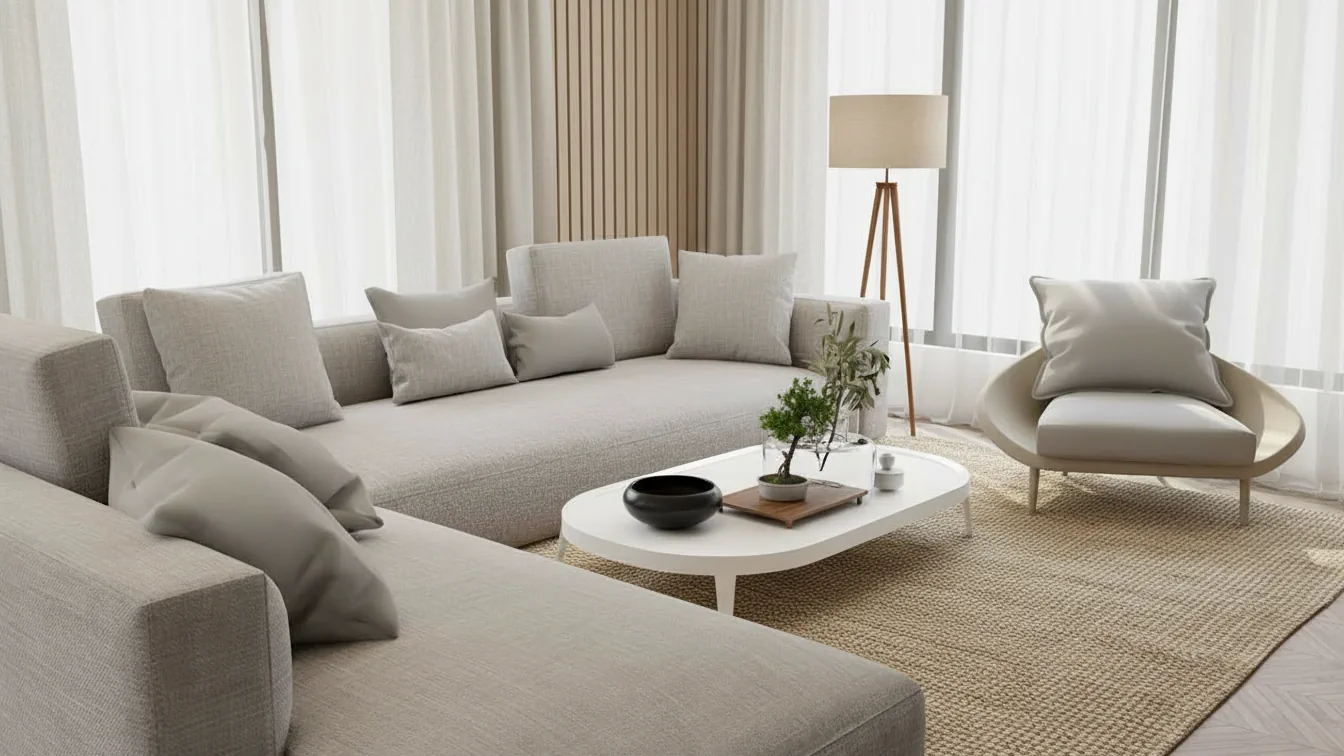
The visual world moves fast. We’re constantly bombarded by bold colors, fleeting trends, and the relentless noise of digital life. Maybe that’s why, right now, so many of us are drawn to a design language that speaks softly, prioritizing quietude over clutter.
This is the heart of Japandi, a movement that isn’t just about rearranging furniture; it’s about curating a deeper sense of peace within your walls.
Japandi is the elegant result of a conversation between two distinct, yet profoundly compatible, design philosophies: the warm, functional comfort of Scandinavian design (Scandi) and the refined, rustic minimalism of Japanese aesthetics.
When these two meet, they create something truly special—a home that feels both intentionally designed and utterly effortless.
This isn’t just decoration; it’s a framework for intentional living, focusing on quality, sustainability, and the profound beauty found in the everyday.
If you’re looking to move beyond transient trends and invest in a space that truly resonates, understanding the core principles of this Scandi-Japanese fusion is your starting point.
We’re talking about spaces that feel like a breath of fresh air, where every piece—from the architecture to the smallest ceramic bowl—tells a story of thoughtful selection.
The philosophy behind the fusion: scandi-japanese aesthetics
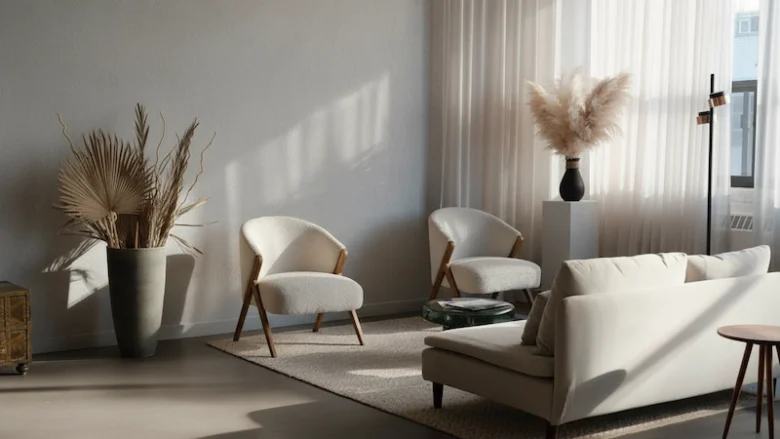
To truly appreciate Japandi, you need to look past the beige color palette and understand the deeper values at play. This style works because both Scandinavian and Japanese cultures place immense value on simplicity, functionality, and connection to nature.
The Scandinavian side brings Hygge—that untranslatable Danish concept of cozy contentment, well-being, and finding joy in simple moments. It’s about soft lighting, warm textures, and creating an atmosphere of shelter.
The Japanese influence, on the other hand, introduces Wabi-sabi aesthetics—a worldview centered on accepting transience and imperfection.
Where Hygge is about comfort, Wabi-sabi is about authenticity. The marriage of the two gives us a space that is clean and streamlined, yet never cold; minimalist, yet undeniably comfortable.
Wabi-sabi aesthetics: finding beauty in imperfection
Wabi-sabi is perhaps the most spiritually grounding element of the Japandi trend. It teaches us to appreciate the crack in the ceramic glaze, the uneven grain of the wood, and the patina that develops over time.
This philosophy rejects mass production and the relentless pursuit of perfection. When you bring Wabi-sabi into your home, you are choosing items that have character.
We are talking about handmade ceramics, textiles that show signs of wear, or furniture that reveals the history of its material. This approach fosters a deeper relationship with your belongings.
Instead of constantly replacing things, you honor their age and their journey. It’s a powerful move away from disposable culture and toward sustainable luxury interiors.
Hygge’s role: comfort and intentional living
While Wabi-sabi can feel austere or highly philosophical, Hygge softens the edges. It’s the reason Japandi spaces aren’t stark. Hygge demands that the space be livable and inviting.
This is where the natural organic textures come into play. We are talking about soft wool throws, linen bedding, and perhaps a comfortable reading chair placed near a window.
Hygge ensures that the minimalist architectural details don’t become sterile. It’s the invitation to pause, light a candle, and genuinely enjoy being home.
This balance—the clean lines of Japan meeting the cozy textures of Scandinavia—is the secret sauce of Japandi design.
Architectural gestures: crafting spaces with minimalist detail
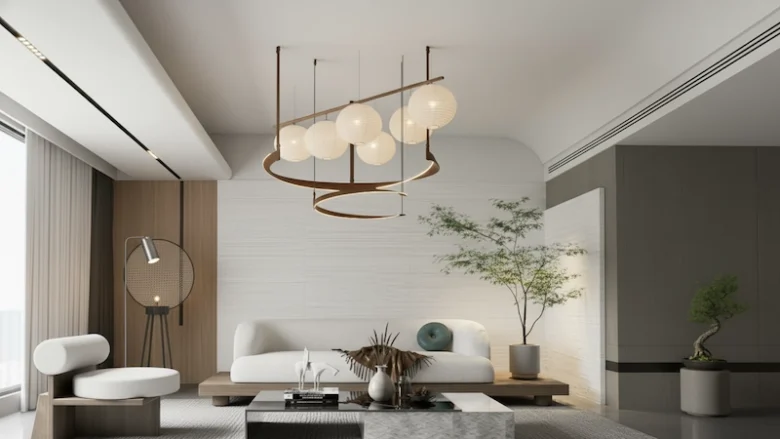
Japandi isn’t just about decorating; it often starts with the structure of the room itself. The design ethos favors open, uncluttered spaces, prioritizing air and light.
This requires focusing on minimalist architectural details that allow the structure to breathe. If you have an older home, this might mean simplifying trim work or removing unnecessary visual barriers.
In new construction, it means prioritizing thoughtful layouts that maximize flow and sightlines. The architecture itself becomes a form of art—simple, functional, and honest.
In the Japandi approach, what you leave out is often more important than what you put in. This concept is often called “negative space,” and it’s a critical element of Japanese design.
It’s the intentional void that allows the eye—and the mind—to rest. Imagine a single, carefully chosen piece of pottery placed on a vast, empty wooden shelf.
The emptiness around the object amplifies its importance. This isn’t about having empty rooms; it’s about ensuring that every object placed in the room has a purpose and the space around it enhances that purpose.
It requires discipline, but the reward is a calm, focused environment.
Natural light and shadow play
Both Scandi and Japanese design highly value natural light, but they use it differently. Scandinavian design aims to maximize light exposure, especially during long winters.
Japanese design, however, often uses light to create drama and shadow. In a Japandi space, you’ll see large windows, yes, but they are often paired with sheer linen curtains or slatted wood screens (shoji-inspired) that filter the light, creating soft, moving patterns of shadow throughout the day.
This interplay between light and shadow turns the room into a dynamic, living canvas. It’s a subtle yet profound way to add depth without adding clutter.
The material palette: embracing natural organic textures
The tactile experience is central to Japandi. When you walk into a room, you should feel the integrity of the materials. This reliance on natural organic textures is a direct nod to the sustainable and authentic values of the style.
Forget synthetic materials and shiny plastics. Here, we prioritize wood, bamboo, paper, stone, and natural fibers like linen, cotton, and wool.
These materials age gracefully, aligning perfectly with Wabi-sabi’s appreciation for wear and tear.
The commitment to natural materials naturally leads to a focus on sustainability. Japandi is inherently about conscious consumption.
Because the style relies on keeping things simple, the quality of the few items you own must be high. This often means investing in pieces made from ethically sourced, durable, and repairable materials.
Think about the longevity of a piece of furniture. A solid oak table, though an initial investment, will last generations and only look better as it gains character.
When designing your space, ask yourself: Where did this come from, and how long will it last? This intentionality transforms the space into a true example of sustainable luxury interiors.
Color theory: the grounded neutral palette
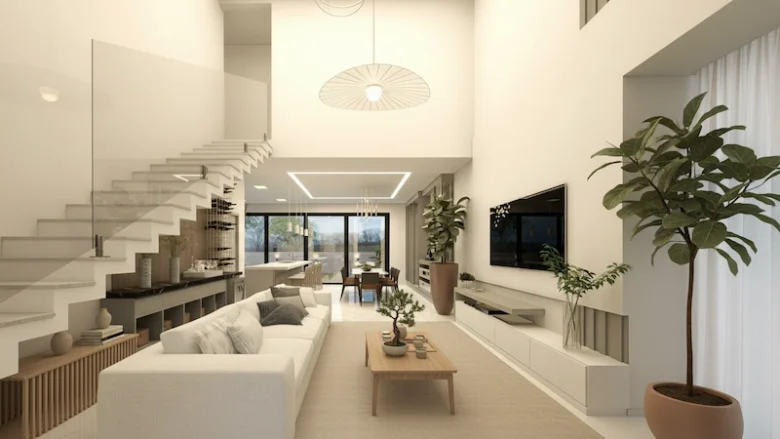
The color palette in Japandi is intentionally subdued and grounding. It acts as a backdrop for the textures and the light. We move away from stark white (often found in pure Scandi) or deep, dark colors (sometimes seen in traditional Japanese interiors) and settle on a sophisticated, muted blend.
The core palette includes warm neutrals: off-whites, creams, light grays, taupes, and muted browns. To add depth, you can introduce subtle accents of black or charcoal gray, which provide definition and anchor the space.
These dark elements—often found in window frames, lighting fixtures, or accent furniture—offer a necessary contrast without overwhelming the tranquility.
Consider using colors derived from nature: soft moss greens, dusty blues, or pale terracotta. These small touches prevent the space from feeling monotonous while still maintaining that overall sense of calm that defines the Japandi interior design trends.
Furniture and form: essentialism in every piece
In a Japandi home, every piece of furniture must earn its place. This is where the minimalist philosophy truly shines. The furniture is designed to be highly functional, beautiful in its simplicity, and often low to the ground.
The Japanese influence favors low-slung seating and beds, which visually expand the room and connect the inhabitants more closely to the earth. The Scandi influence ensures these pieces are ergonomically comfortable and built to last.
Japandi furniture often blurs the line between utility and art. A chair isn’t just a place to sit; it’s a beautifully crafted object with clean lines and exposed joinery.
A simple wooden bench might serve as seating, a coffee table, or a display surface. Look for pieces made by artisans—a hand-turned wooden bowl, a unique textile wall hanging, or a ceramic vase with an imperfect shape.
These items are chosen not because they fill a space, but because their form and craftsmanship evoke a quiet reverence. They are functional sculptures that embody the principles of Wabi-sabi aesthetics.
One of the biggest mistakes people make when adopting this style is trying to fill the space. Japandi demands a careful, almost museum-like approach to curation.
Think about the concept of Ma in Japanese design—the appreciation of emptiness and the space between things. If you have a collection of books, perhaps only display the most beautiful or meaningful ones, or organize them by color to create a unified visual block.
When it comes to textiles, choose one large, high-quality throw instead of several small, busy blankets. This intentional curation elevates the few items you keep, making them feel like true treasures.
As we’ve seen, the selection process is paramount. It’s not about purging everything, but about ensuring that what remains holds genuine value, either aesthetically or functionally.
Bringing the look home: practical japandi design tips
Adopting Japandi interior design trends doesn’t require a complete overhaul, especially if you already lean toward minimalism. It’s often about refinement and adding specific textures and details.
Here are a few practical ways to integrate this style into your current living situation.
Tip 1: rethink your storage
Clutter is the enemy of Japandi. Invest in closed storage solutions that are sleek and handle-less. Scandinavian design excels at functional, hidden storage.
Use built-in shelving or simple, low-profile cabinets. The goal is to make visual noise disappear, leaving only clean surfaces and open air.
Tip 2: introduce texture layering
Since the color palette is muted, texture becomes your primary tool for adding warmth and interest. Layering natural organic textures is key.
Start with a base (a woven jute rug or light wood flooring), then add a layer of softness (a wool area rug), and finish with accents (linen cushions, a knitted throw).
This layering technique ensures the room feels rich and inviting despite the lack of vibrant color.
Tip 3: prioritize natural elements
Bring the outside in, but do it selectively. Instead of a busy bouquet of flowers, opt for a single, sculptural branch in a simple vase. Consider a bonsai tree, a carefully placed stone, or plants with simple, architectural leaves (like snake plants or ferns). These elements connect the space to nature, reinforcing the core values of the style.
Tip 4: balance scandi and japanese elements
The fusion works best when there is a clear balance. If your furniture is very Japanese (low, dark wood, minimal), use Scandi elements to soften it (light-colored textiles, curved accessories).
If your space is already very Scandi (light wood, white walls), introduce Japanese elements for grounding (black accents, handmade pottery, screens).
Tip 5: embrace the imperfect
If you find a slightly chipped ceramic mug you love, buy it. If your vintage wood floor has scuffs, celebrate them. If you’re considering a renovation, look at materials like lime wash paint, which naturally creates slight imperfections and texture variations on the wall. Embracing the imperfect is the easiest way to integrate true Wabi-sabi aesthetics without trying too hard.
Japandi and the future of living
The rise of Japandi is more than just another trend cycle; it reflects a deeper cultural shift. As we face increasing environmental concerns and constant digital distraction, people are seeking refuge in spaces that are honest, calming, and sustainable.
This style provides an aesthetic solution to modern anxiety. It asks us to slow down, to appreciate the craftsmanship of the items we own, and to prioritize well-being over acquisition.
It teaches us that true luxury isn’t about excess, but about intention, quality, and the profound peace that comes from living in a clean, functional, and beautiful environment.
When we look at the way this style handles minimalist architectural details and incorporates sustainable luxury interiors, we see a design blueprint for the future—one that values the planet, the artisan, and the resident equally.
It’s a design that feels deeply respectful of both history and the future. This fusion challenges the idea that a space must be loud or overtly flashy to be impactful. Instead, it offers a quiet strength.
It shows us that simplicity is not deprivation; it is refinement. It’s about creating a personal sanctuary that encourages mindfulness and reflection, echoing the core mission of avant-garde design.
The beauty of the Japandi style is that it gives you permission to slow down and create a home that truly nourishes the spirit. It’s an invitation to reflect on what you truly value and to curate your environment with the same precision and quiet respect you might give to a piece of fine art.
We invite you to explore the intersections of architecture, design, and culture in our latest issues. See how contemporary artists and designers are adopting these principles—from the spiritual geometry of the architecture to the provocative simplicity of the textiles.
Let the essence of this Scandi-Japanese fusion transport you, inspire your reflection on aesthetic proposals, and encourage you to consume culture and design of vanguard. Discover your next inspiration right here at Neomania Magazine.