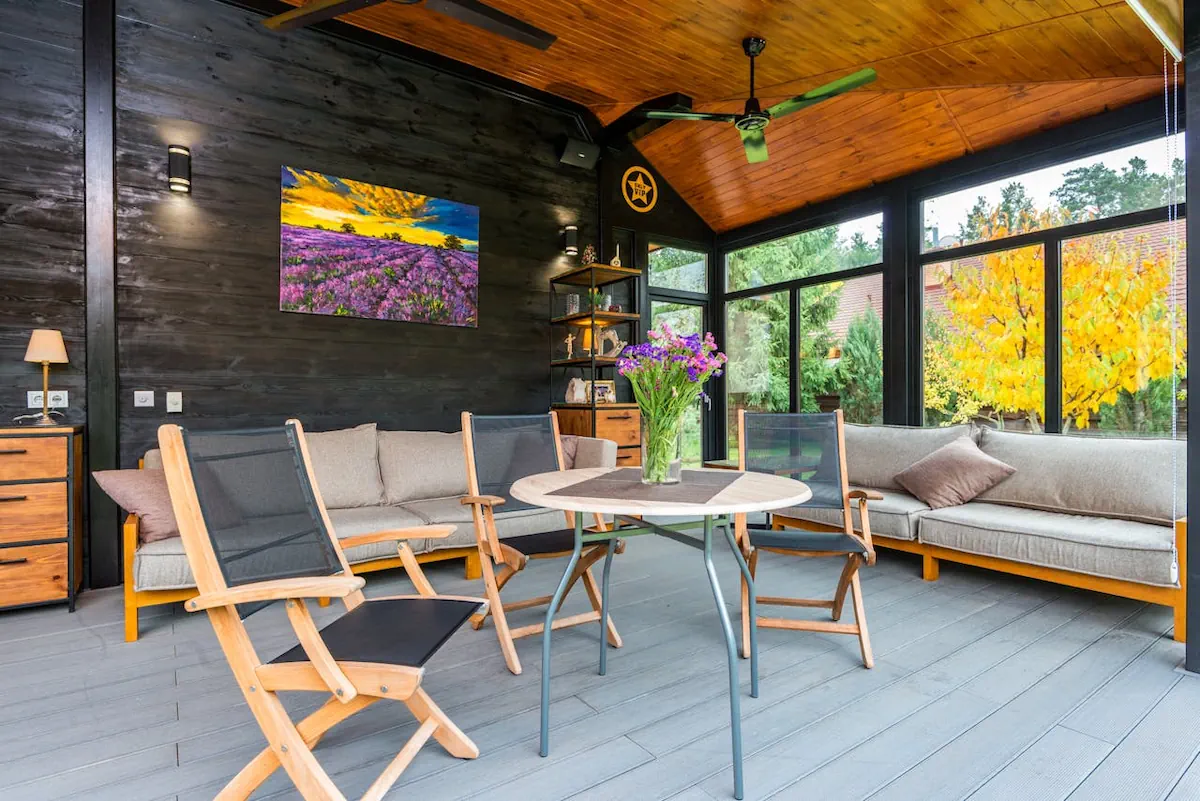
The space you inhabit is never just a backdrop; it’s a manifesto. It speaks volumes about your values, your appreciation for form, and your engagement with the world outside your walls.
For those who seek alignment between their ethics and their environment, the rise of vegan interior design is more than a trend—it’s a necessary evolution of contemporary aesthetics.
When we talk about crafting a truly modern home, the conversation quickly moves past surface-level style. It demands a deeper look at provenance, process, and materiality.
How do we create spaces that feel rich, complex, and luxurious without relying on materials that compromise our ethical stance?
This question is reshaping the landscape of architecture and design, pushing creators toward radical material innovation and new forms of beauty.
This approach requires precision. It’s about selecting items that are free from animal products—wool, silk, leather, feathers, and even certain glues or dyes—while maintaining a high standard of visual sophistication.
It means that the pursuit of ethical home decor doesn’t lead to sacrifice, but rather to a refined, challenging aesthetic proposal. We’re looking for gestures that are both kind and provocative, moving beyond the traditional constraints of luxury.
The conscious aesthetic: redefining luxury with vegan interior design
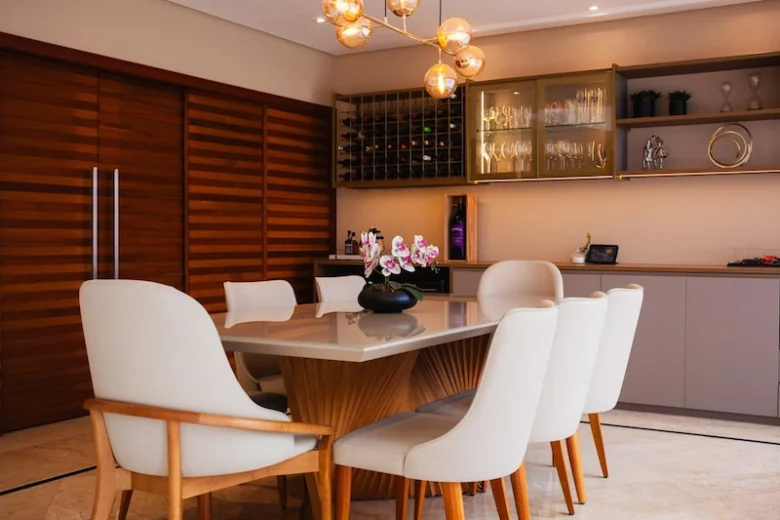
For many years, the idea of a vegan lifestyle was often linked to minimalism or austerity. In design, this translated into spaces that, while clean, sometimes lacked the depth or texture that high-end living demands.
Today, that perception has shattered. The new vanguard of design sees the commitment to cruelty-free materials as a catalyst for genuine creativity.
It forces designers to look past the obvious choices and explore materials that carry their own compelling stories of innovation and sustainability.
The goal isn’t just to avoid animal products; it’s to embrace a higher level of transparency regarding how every single element in your home is produced.
This involves understanding the supply chain, from the raw material harvest to the final assembly. When you choose a sofa or a textile, you are making a statement about labor practices, environmental impact, and animal welfare. This intentionality elevates the design process itself.
The philosophy behind cruelty-free spaces
Understanding the core philosophy helps put the practical choices into perspective. When you adopt vegan interior design, you are engaging in a form of cultural critique.
You are questioning centuries-old assumptions that link genuine luxury to materials derived from animals—think of the classic leather armchair or the silk drapery.
A cruelty-free space is one where every material decision reflects an ethical filter. This isn’t just about furniture; it extends to construction materials, adhesives, paints, and even the art hung on the walls.
It’s a holistic approach where the beauty of the design is inseparable from the integrity of its source. It demands that we ask: Can a space truly be beautiful if its creation involved suffering or exploitation?
Beyond the kitchen: what does ‘vegan’ mean for architecture?
The term ‘vegan’ often starts in the kitchen, but its application in architecture and interior design is far broader. In construction, animal products are often hidden in surprising places.
Consider paints that use casein (a milk protein) as a binder, or certain traditional plasters that include animal fats. Even some conventional wood finishes or waxes contain beeswax or other animal derivatives.
For architects and designers committed to this path, the work involves meticulous material specification. It means opting for plant-based or mineral-based paints, using synthetic or plant-derived adhesives, and ensuring that insulation materials—like certain types of foam or cellulose—are certified free from animal testing or components.
This level of scrutiny ensures that the structure itself, the very bones of the space, aligns with the ethical standard.
This investigative approach leads to more responsible sourcing overall. It encourages the use of reclaimed wood, recycled metals, and locally sourced stone, which often have lower environmental footprints and clearer ethical pathways.
As we look at these foundational choices, the design begins to feel anchored and honest, contributing significantly to a sense of place.
Material innovation: the new texture of ethical home decor
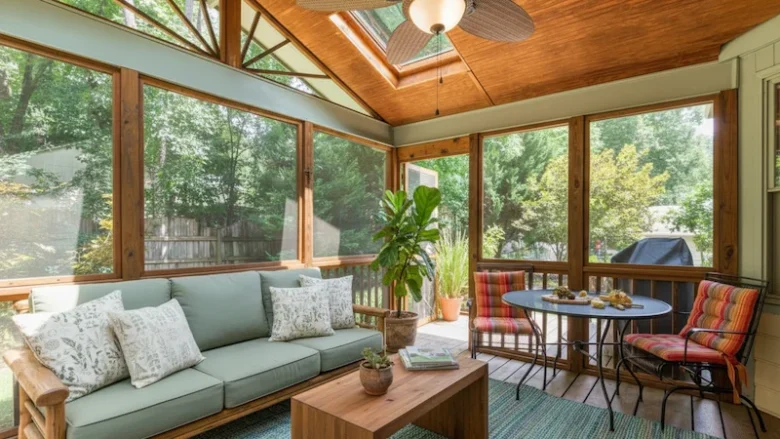
The most exciting area in contemporary design is the explosion of material science dedicated to creating stunning, high-performance, cruelty-free alternatives.
These aren’t just cheap substitutes; they are materials with unique textures, durability, and a narrative that traditional materials simply cannot match. If you want to elevate your home, exploring these innovative fibers and surfaces is essential.
The conversation about ethical home decor used to be limited to cotton and linen. Now, we have access to a rich palette of materials that are pushing aesthetic boundaries.
Designers are finding that these new surfaces offer a chance to play with light and structure in ways that feel genuinely futuristic.
Replacing animal products: high-end alternatives
Leather, wool, and silk have historically been benchmarks of luxury, but the contemporary market offers compelling replacements that are rapidly gaining prestige, often surpassing their animal counterparts in terms of performance and ethical clarity.
Vegan leather: texture and resilience
Forget the stiff, plastic-y vinyl of the past. Today’s vegan leathers are engineered marvels. We are seeing incredible innovation using plant waste, mycelium (mushroom roots), and fruit fibers.
For example, Piñatex, made from pineapple leaf fibers, offers a soft, fibrous texture perfect for upholstery and accessories. Another groundbreaking option is Mylo, a material grown from mycelium cells, which mimics the structure and feel of genuine leather with remarkable accuracy.
When selecting these materials, pay attention to the backing and coatings. Look for polyurethane (PU) that is water-based and solvent-free, as it minimizes environmental impact compared to older PVC or solvent-heavy PU options.
The tactile quality of these new materials is often surprising; they drape beautifully and age with a unique patina.
Wool and down substitutes: comfort without compromise
Wool is often seen as a natural fiber, but the ethical issues surrounding its production have led designers to seek alternatives. High-tech synthetics like Tencel (made from wood pulp) and recycled polyester offer the warmth and breathability needed for rugs and blankets without the ethical baggage.
For bedding, high-performance synthetic down or specialized plant fibers provide the loft and comfort of traditional down, often with superior hypoallergenic qualities.
For rugs, consider bamboo silk, which has a sheen and softness that rivals traditional silk, or high-quality jute and sisal for textured, grounding elements. These natural fibers bring an organic warmth that complements any contemporary setting.
The unexpected beauty of plant-based textiles
The textile world is currently undergoing a quiet revolution. Beyond the common choices, several plant-based fibers are emerging as the darlings of sustainable design, perfect for adding visual interest and depth to your vegan interior design project.
- Hemp: Highly durable and environmentally friendly, hemp requires minimal water to grow. Its fibers can be spun into materials ranging from coarse canvas to soft, linen-like weaves, ideal for curtains and heavy-duty upholstery.
- Ramie: Sometimes called “China grass,” ramie offers a silk-like luster when processed and is exceptionally strong. It’s perfect for adding subtle sheen to pillows or accent chairs.
- Organic Cotton: Always a reliable choice, but ensure it is GOTS (Global Organic Textile Standard) certified to guarantee ethical processing and dye standards.
- Modal and Lyocell (Tencel): These regenerated cellulose fibers are known for their incredible softness and drape. They are manufactured using closed-loop systems, meaning the solvents used are recycled, making them a more responsible choice for luxurious bedding and light drapery.
When you layer these textures—the sleekness of bamboo silk against the roughness of raw hemp—you achieve a complexity that is deeply satisfying, proving that ethical choices can indeed lead to superior aesthetic results.
Designing with intention: aesthetics and sustainability
Creating a space that is both visually stunning and ethically sound demands intentionality in every purchase. This means moving away from fast furniture and towards investment pieces that tell a story.
The aesthetic proposal of vegan interior design is often characterized by clean lines, natural light, and a deep respect for craftsmanship.
How do you verify that a product truly aligns with your values? Since there isn’t one universal ‘vegan’ certification for furniture (yet), you need to develop a discerning eye and ask pointed questions to suppliers.
Sourcing ethical furniture and finishes
When selecting furniture, the material list is your map. Look for detailed specifications. If a piece is upholstered, confirm the filling (avoid down, feathers, or wool batting) and the adhesive used in the frame construction.
Many high-end manufacturers are now offering explicit vegan options in their collections, recognizing the growing consumer demand.
For wood pieces, prioritize FSC-certified (Forest Stewardship Council) wood, which guarantees responsible forest management.
Reclaimed or salvaged wood is another excellent option, offering unique character and reducing demand for new resources.
Finishes are equally important. You want to avoid products that require harsh chemicals or animal-derived ingredients. Seek out low-VOC (Volatile Organic Compound) or zero-VOC paints. T
hese choices not only protect animals but also ensure better indoor air quality, contributing to a healthier living environment for you and your family.
The process of sourcing can feel like an investigation, but the payoff is a home where every element is intentional. This is where the Neomania aesthetic—the deep appreciation for the risk and the gesture—truly comes into play. You are taking a risk on new materials, and the gesture is one of profound respect for life.
| Traditional material | High-style vegan alternative | Aesthetic benefit |
|---|---|---|
| Leather | Mycelium (Mylo), Piñatex | Superior texture, unique patina, modern resilience |
| Wool/Silk Rugs | Bamboo Silk, Tencel, Jute | Lustrous sheen, hypoallergenic, varied organic textures |
| Down Filling | Recycled synthetic down, Kapok fiber | Hypoallergenic, lightweight loft, cruelty-free warmth |
| Casein Paint | Mineral-based or plant-based paints (Zero-VOC) | Better air quality, pure color saturation, ethical binders |
The role of color and light in a mindful space
In a cruelty-free space, color and light become primary design tools, often used to amplify the organic quality of the materials. Because vegan interior design often emphasizes natural fibers and wood, the palette tends to lean towards earthy, muted tones—terracottas, warm grays, deep greens, and bone whites.
However, this restraint is balanced by strategic pops of vibrant color, often achieved through natural dyes.
Light should be maximized. Large windows, sheer Tencel drapery, and strategically placed mirrors help bounce natural light around the room, highlighting the subtle textures of the plant-based textiles and the grain of the ethical wood furniture.
This focus on natural light is not merely practical; it connects the interior space to the natural world outside, reinforcing the underlying philosophy of respect and connection.
Consider the use of light fixtures themselves. Look for designs made from recycled glass, ceramic, or ethically sourced metals. The light they cast should be warm and enveloping, transforming the space into a sanctuary that feels both refined and deeply comfortable.
Curating a vanguard collection: art and objects
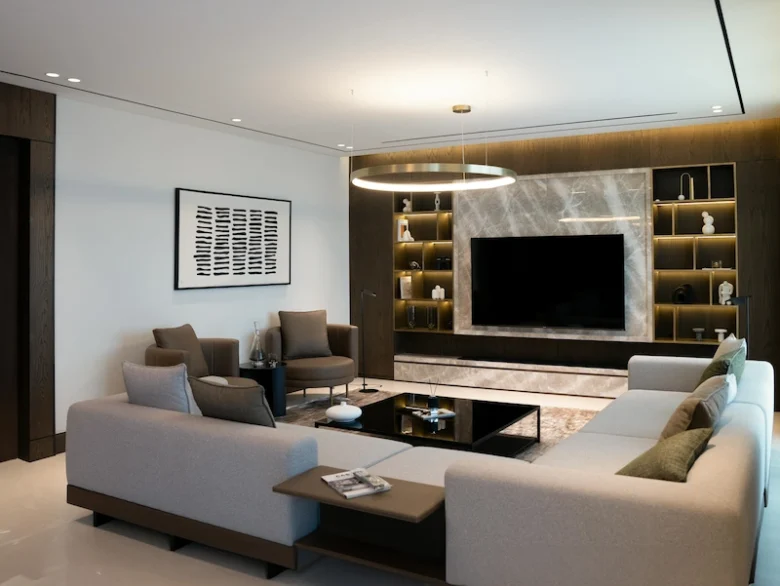
A truly compelling interior is completed by the objects we choose to live with. This is where visual culture comes alive. When curating art and decorative objects for a home dedicated to ethical home decor, the selection should reflect the same principles of transparency and intention.
Avoid traditional taxidermy or objects made from shells or coral. Instead, seek out contemporary art that uses recycled materials, sustainable paper, or plant-based pigments.
Look for ceramics, glasswork, and sculptures created by local artisans who prioritize ethical labor and sustainable practice. These pieces bring narrative weight to the room, sparking conversation and reflection.
The best objects are those that possess a kind of spiritual charge—items that make you pause and consider their origin and their form.
This could be a piece of furniture crafted from a single slab of reclaimed wood, revealing the history of the tree, or an abstract painting created with natural pigments that shifts subtly with the changing light.
These are the elements that move the space beyond mere decoration into the realm of meaningful aesthetic experience.
As you gather these objects, remember the importance of negative space. A cruelty-free home doesn’t need to be filled to the brim.
The absence of clutter allows the quality and story of each selected piece to truly resonate. It is in the space between the objects that the design’s energy often resides.
The journey toward creating a home that reflects deep ethical commitment and high aesthetic standards is ongoing. It challenges traditional notions of luxury and demands that we become more educated consumers and curators of our own environments.
This isn’t about following a rigid set of rules; it’s about embracing the creativity that comes from constraint and discovering the profound beauty in responsible sourcing.
When you stand in a space crafted with such intentionality, you feel transported by the narrative woven into every fiber and finish. We invite you to reflect on this powerful aesthetic proposal and let it inspire your next creative endeavor.
Explore the designers and architects pushing the boundaries of ethical materials and vanguard style in Neomania Magazine. Discover stories that truly move, challenge, and shape the way you consume culture and design.