The London Design Festival 2026 proves that technology is reshaping creativity — but not without cost. From AI installations at the V&A to centuries-old architecture transformed by fibre-optic light, this year’s festival explores the delicate balance between human craft and digital innovation. Our specialist reviews reveal seven unmissable experiences that question what we should create, not just what we can. Discover how London’s most ambitious design moments remind us that behind every algorithm, there is still a human story.

V&A — Awakenings
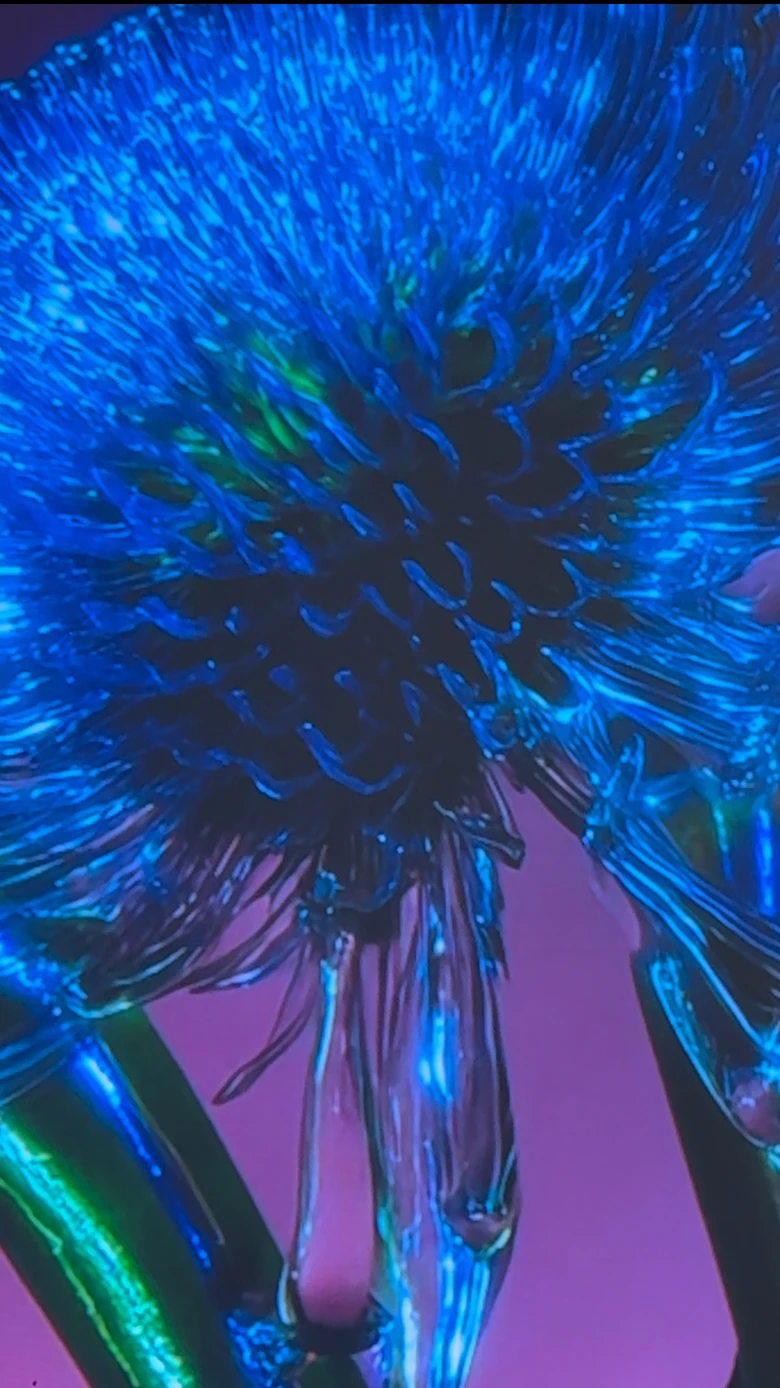
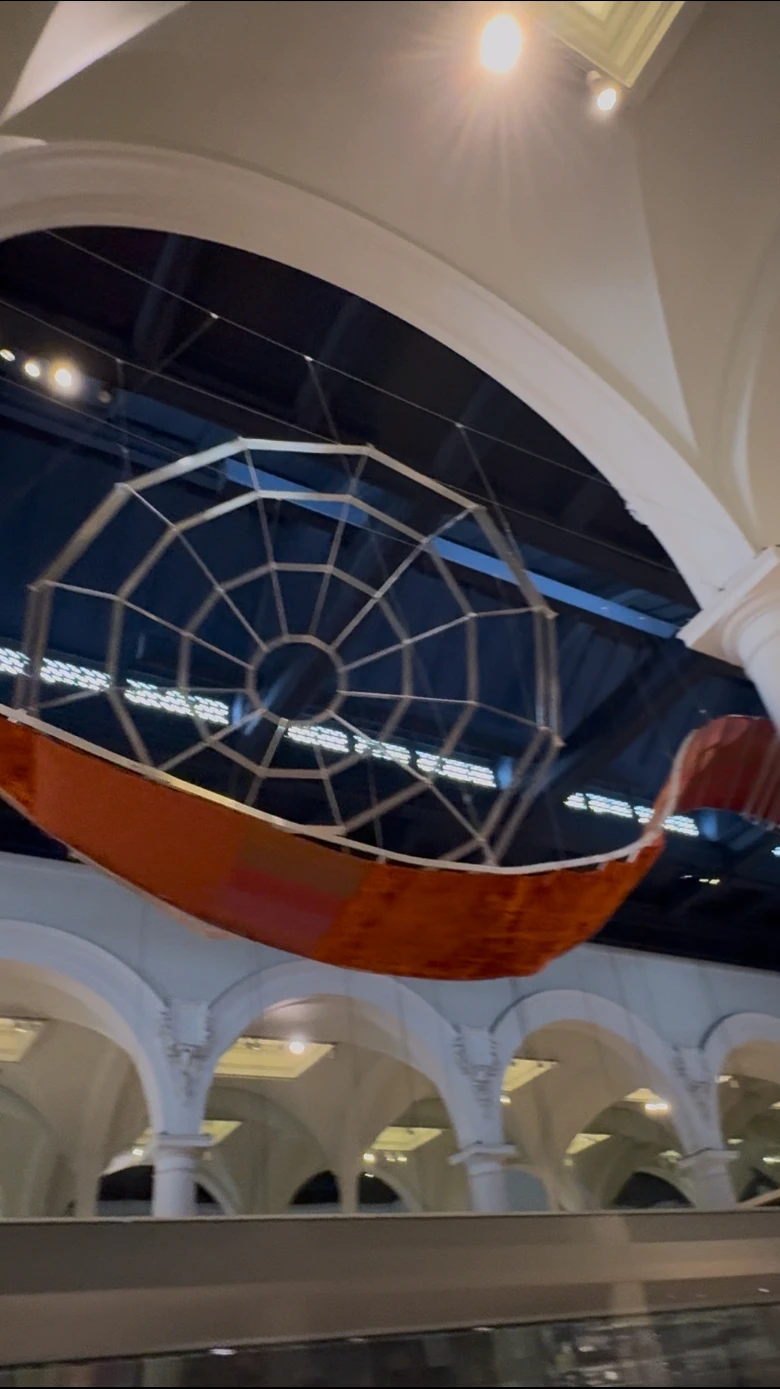
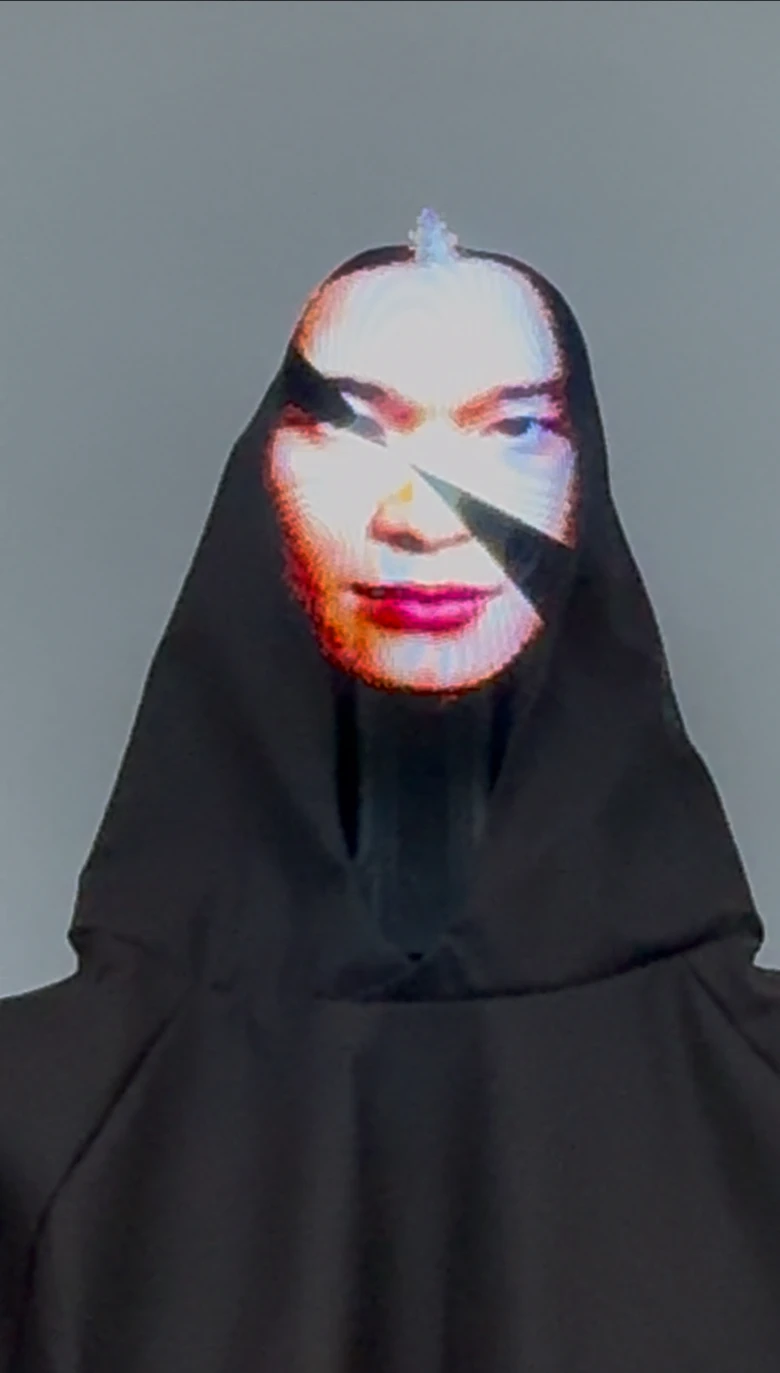
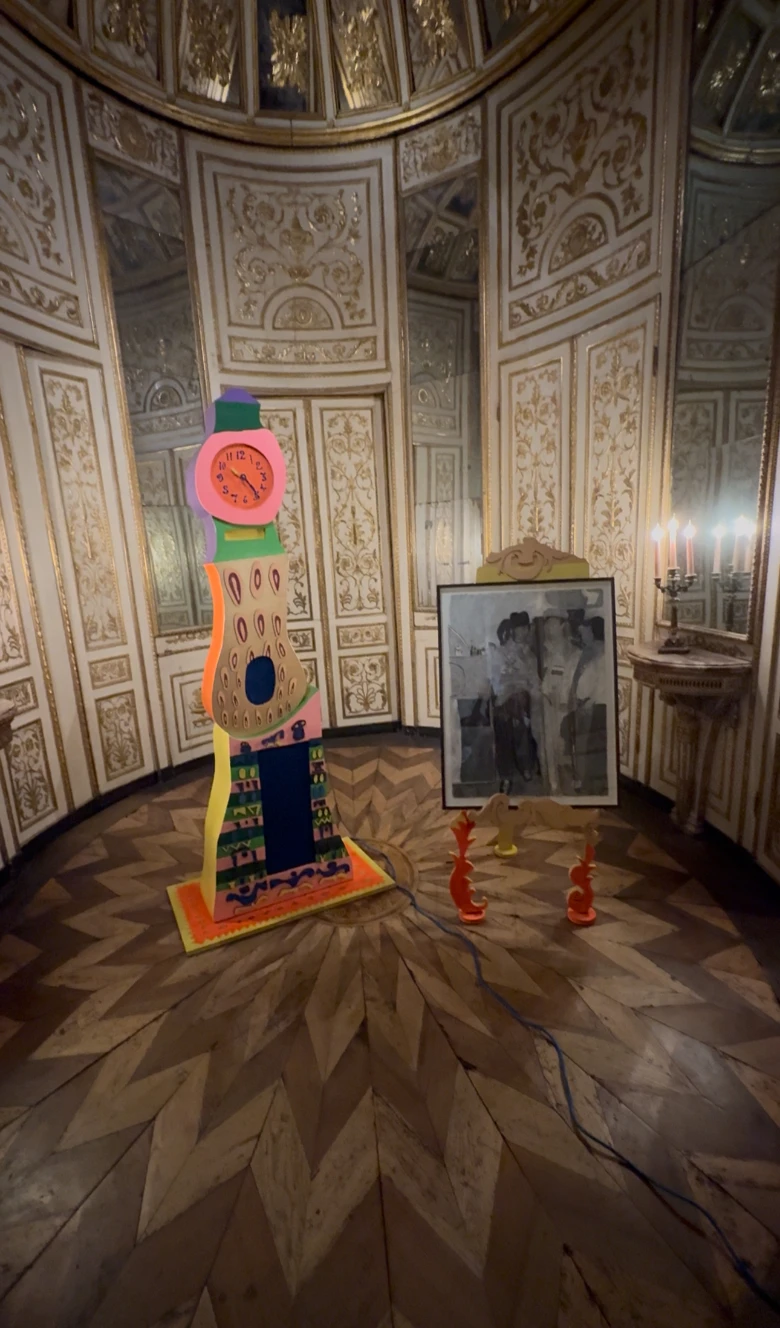
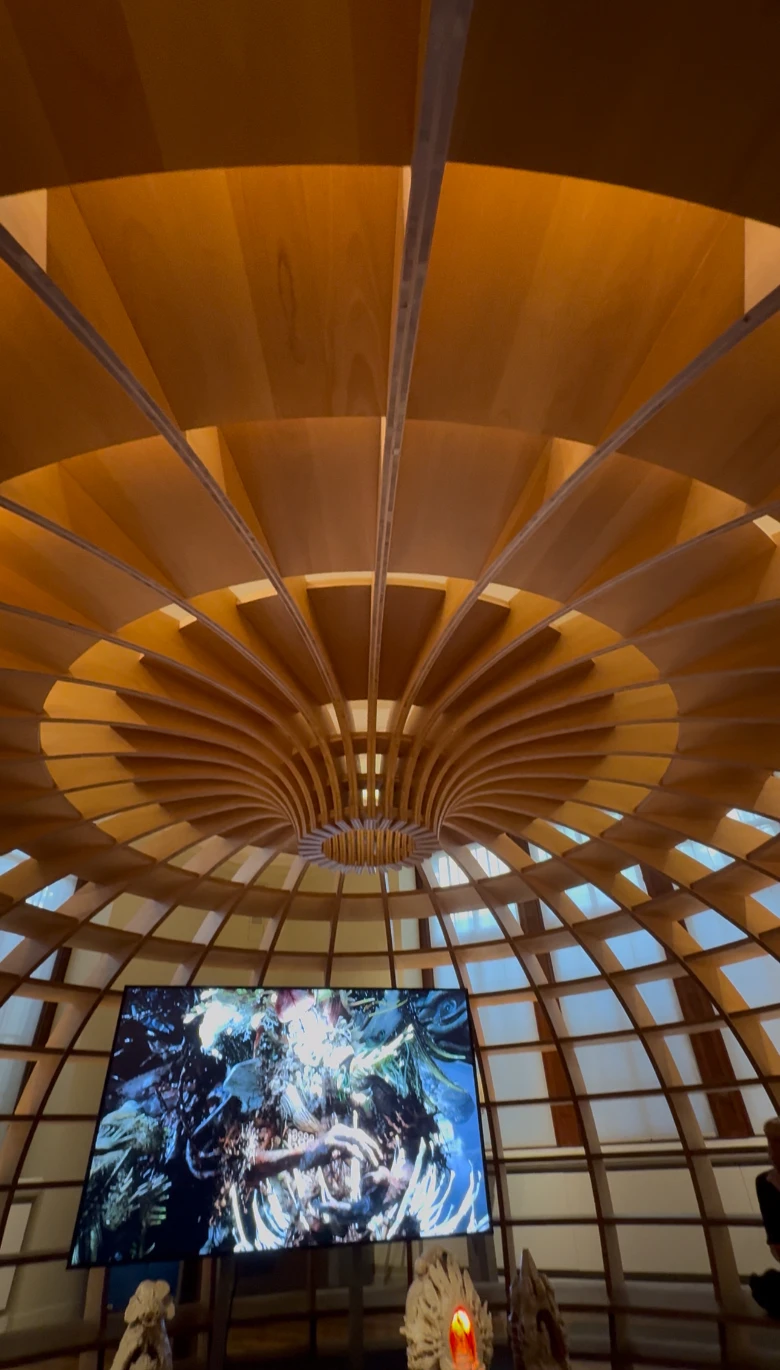
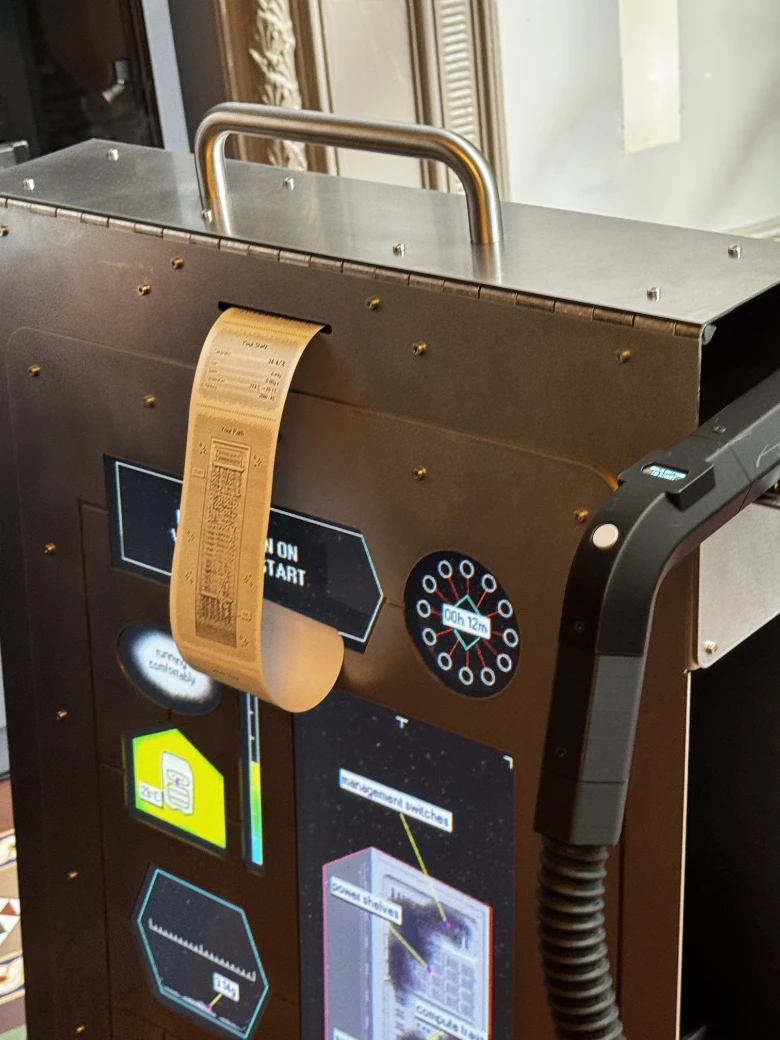
This was probably my clearest introduction to the AI conversation running through this year’s festival. What I enjoyed about Awakenings was that it didn’t feel like a straightforward celebration of technology. It made me stop and think about where AI is taking creativity — and whether everything we can create with it is necessarily something we should create. I left with more questions than answers, which I think is exactly what a good exhibition should do.
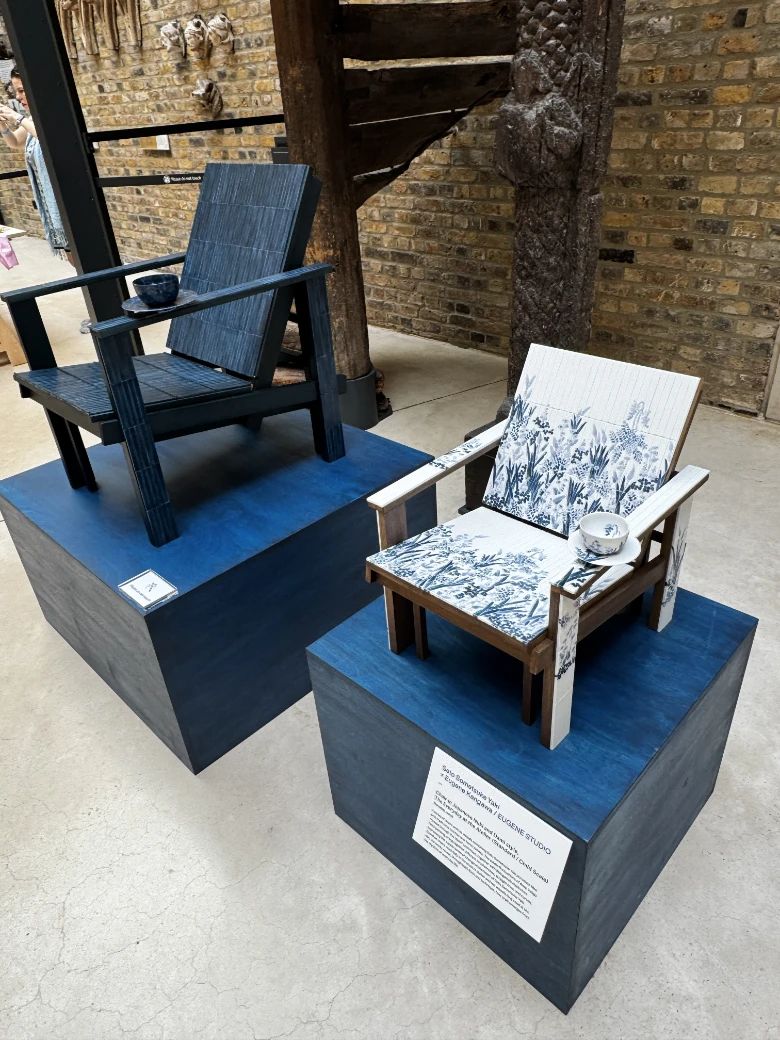
Craft x Tech Tokai Project
I found this one particularly fascinating because of the tension between something deeply traditional and something thoroughly contemporary. Seeing Japanese craft brought together with technology made me think about how we can move forward without losing the skills and knowledge that came before us. With so much discussion around AI, it was a welcome reminder of the value of the human hand.
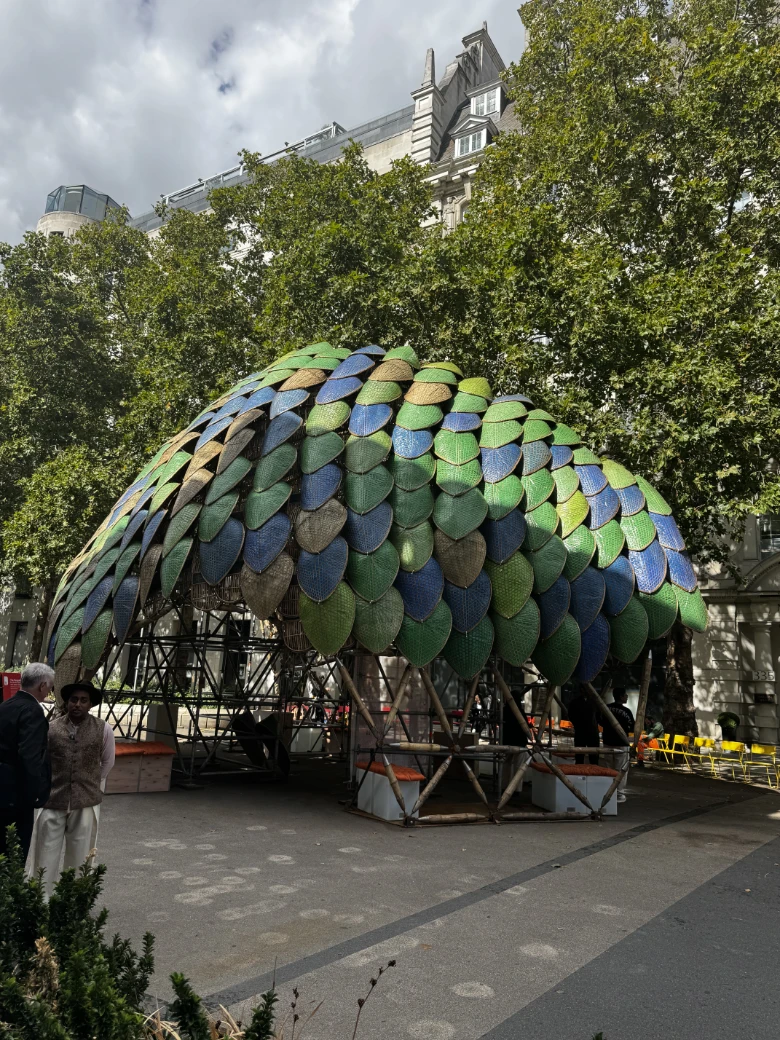
Pangolin Shield — Strand
I really enjoyed seeing design taken out into the middle of London rather than contained within a gallery. The Pangolin Shield becomes part of the city as you encounter it, rather than something you deliberately go looking for. For me, that makes the experience more interesting — design suddenly becomes something you discover as part of everyday life.
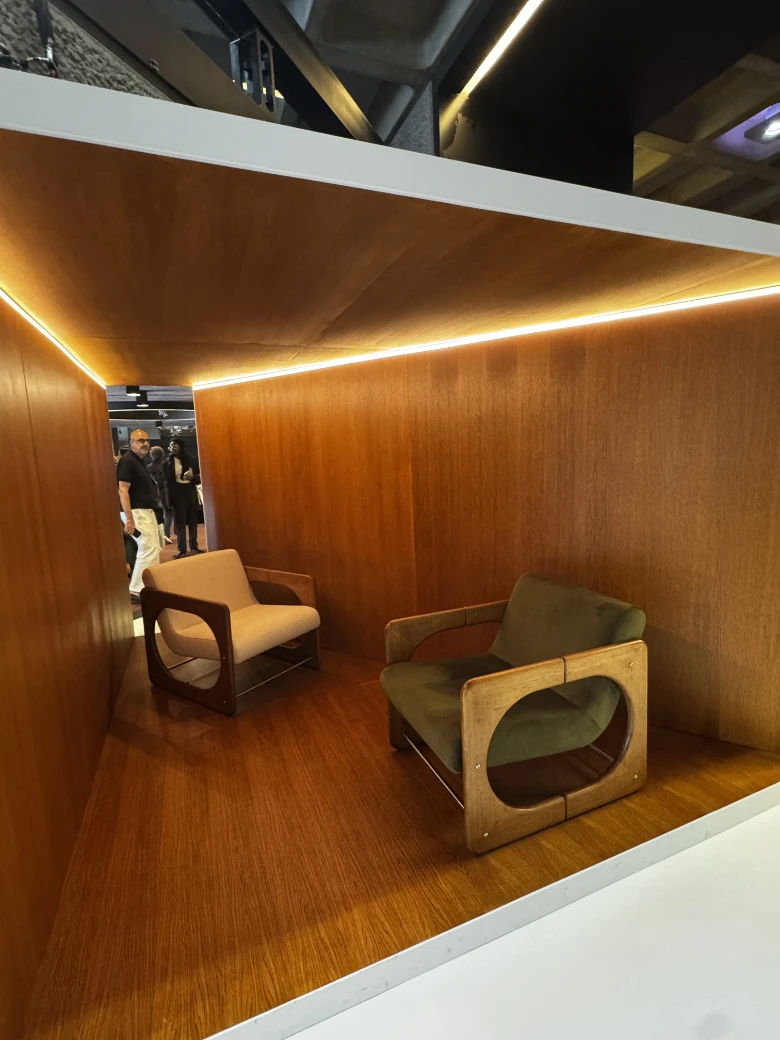
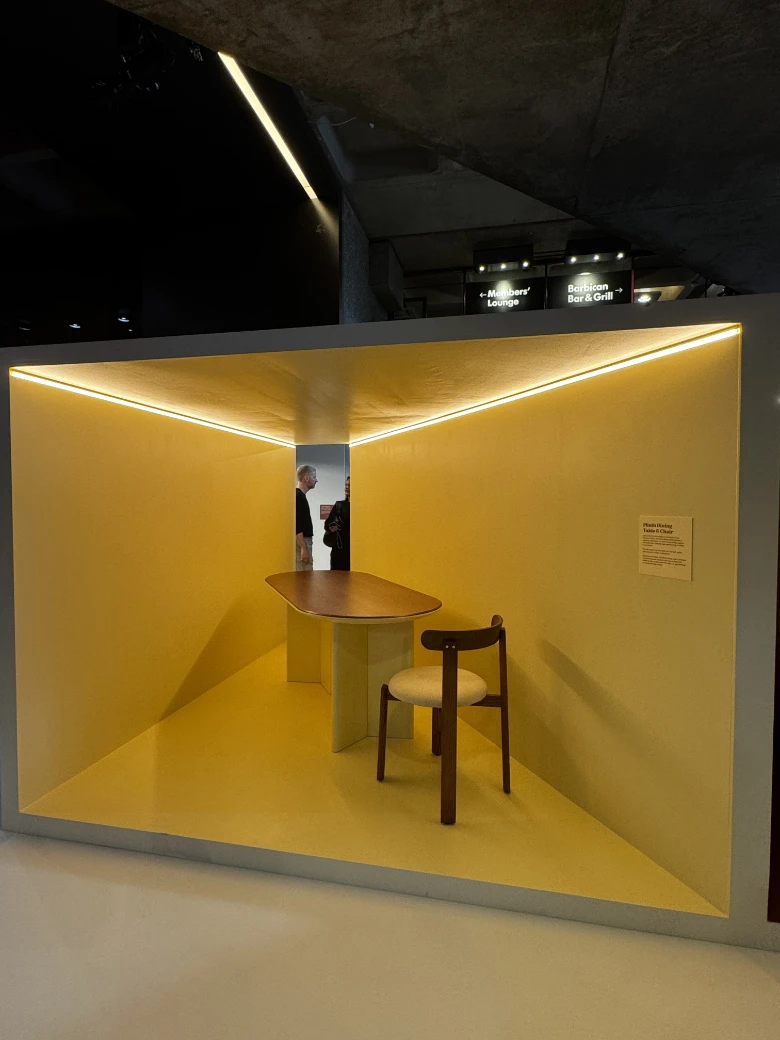
MADE x Barbican
The Barbican is one of those places where the architecture can easily steal the show, so I was interested to see how the design responded to it. I liked that the project felt connected to the character of the building rather than simply being placed inside it. It reinforced for me why the Barbican continues to feel so relevant as a home for designers and creative experimentation.
The Art of Sound — Wapping Hydraulic Power Station
This was one of the experiences that stayed with me most because of the setting. The Wapping Hydraulic Power Station has such an incredible industrial atmosphere, and experiencing The Art of Sound there made the relationship between sound, technology and space feel much more physical. Rather than simply looking at design, I felt immersed in it.
Mykola Kabluka — St Paul’s Cathedral
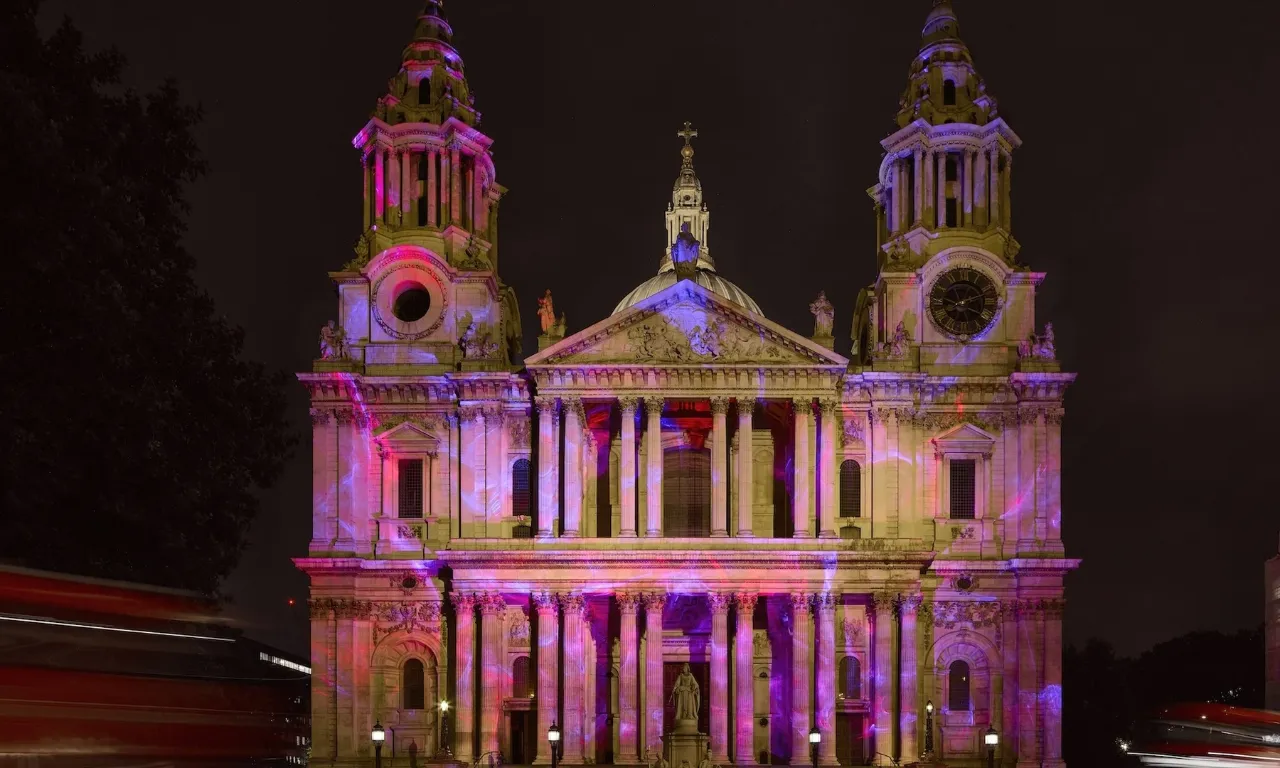
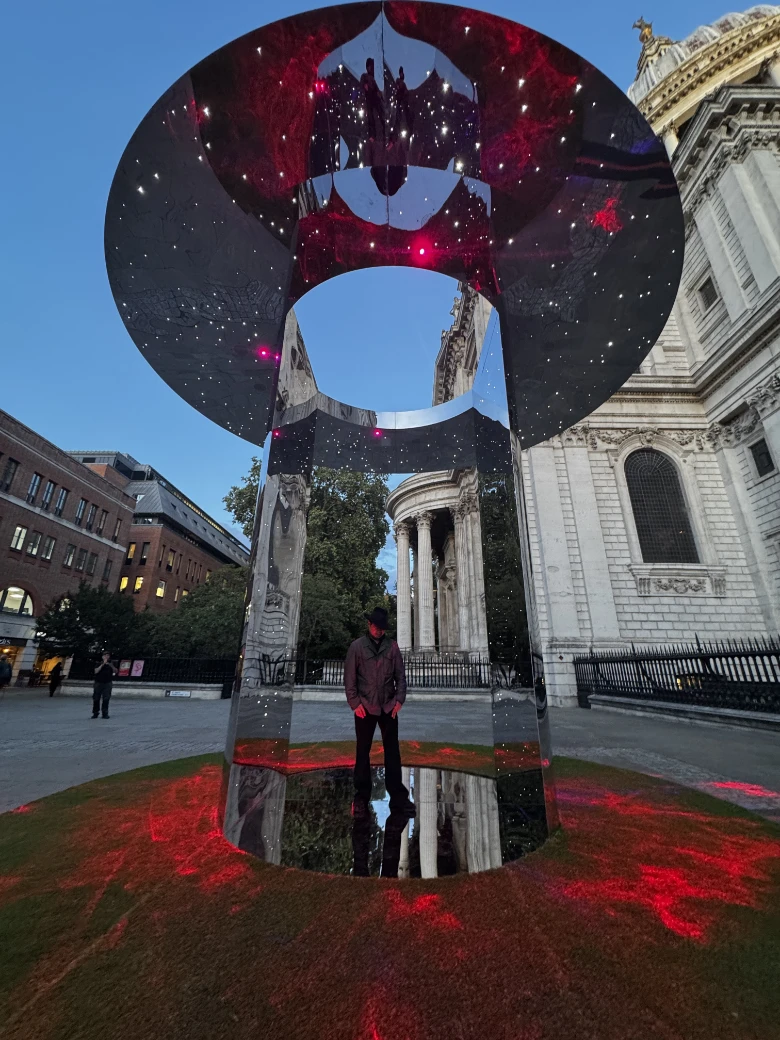
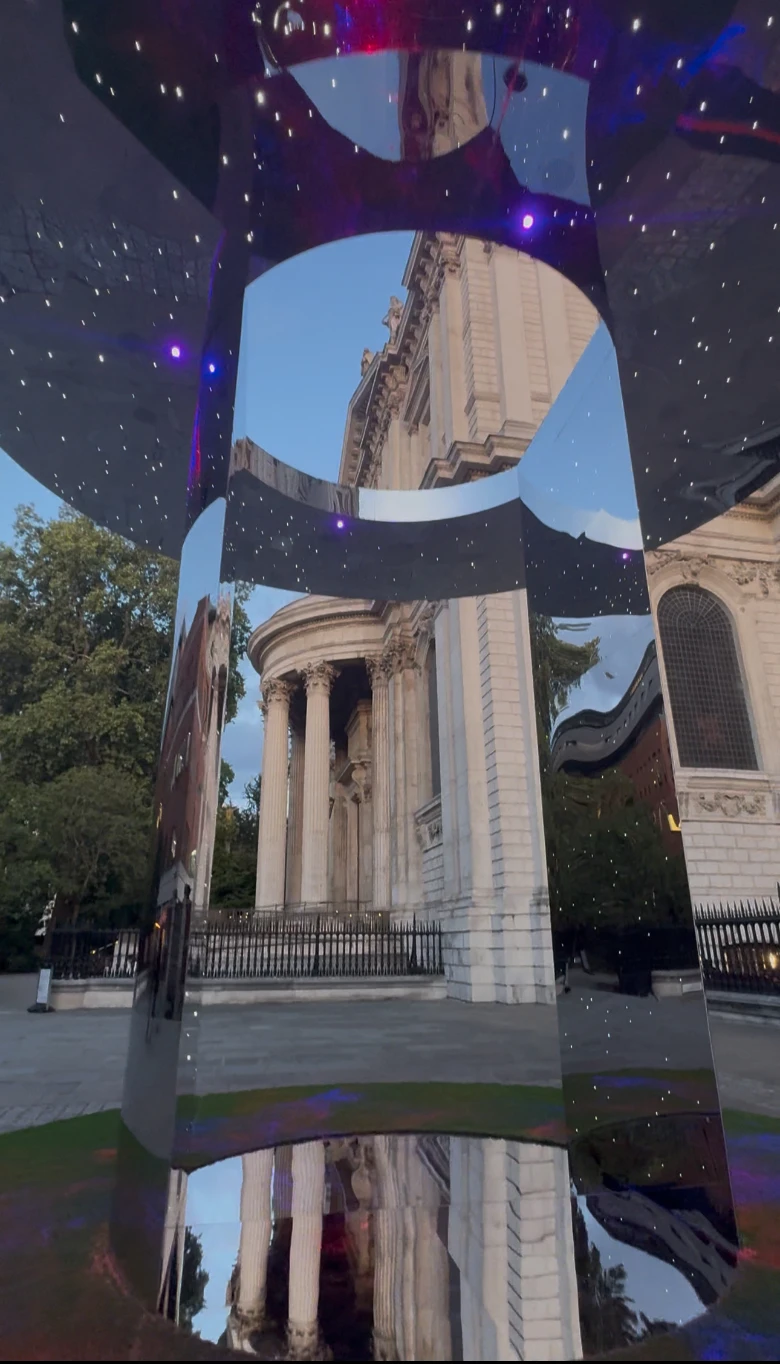
Kabluka’s Soul and The Point of Unity were a completely different kind of experience. I was struck by the sheer contrast of seeing contemporary light and audiovisual art against St Paul’s centuries-old architecture. Soul transforms the Cathedral façade with constantly changing light, glass and movement, while The Point of Unity becomes after dark a field of 3,500 fibre-optic stars.
What I particularly loved was the journey from Choral Evensong to the installations. The quietness and spirituality of the Cathedral followed by this extraordinary explosion of light created a real sense of contrast. It made me think about how technology can add something new to a historic space without necessarily taking away from what was already there.
Overall
What I took away from these experiences is that, although AI and technology are clearly becoming a much bigger part of design, the most memorable moments were often the ones that brought me back to something human — craftsmanship, materials, architecture, sound, history and simply how a place makes you feel.
For me, that is what makes London Design Festival so interesting. The technology may be changing rapidly, but our fascination with making, experiencing and connecting through design is still remarkably human.