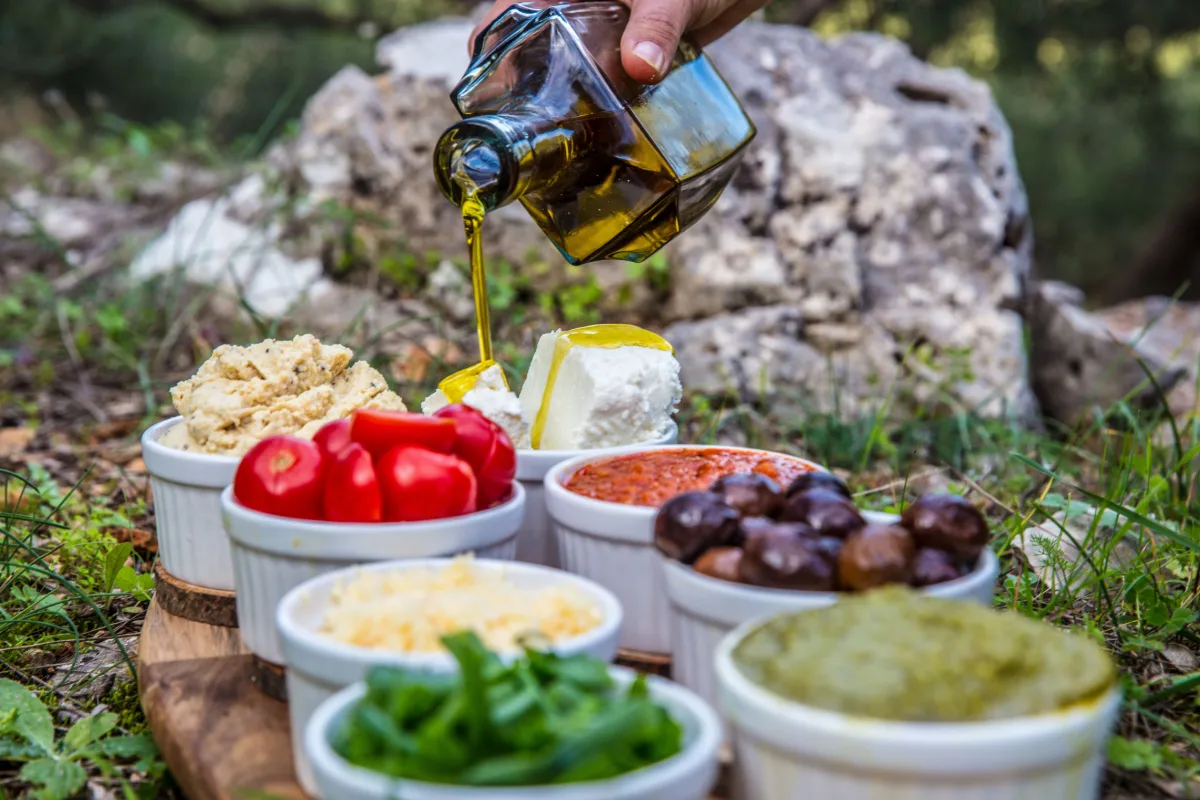
An initial encounter with a high-quality olive oil can be a quiet revelation. It’s a moment that recalibrates the palate, shifting a common pantry staple from a simple cooking fat to a complex, narrative-rich ingredient. Many of us have grown up with a single, monolithic idea of what olive oil should be: a mild, golden liquid.
Yet, the reality is a spectrum of flavors, aromas, and textures as diverse as the landscapes from which they originate. This exploration is not about becoming a connoisseur overnight; it’s about learning a new language of sensation, one that allows us to appreciate the craft and terroir captured in every drop.
The process of an olive oil tasting is a sensory exercise that connects us to agriculture, history, and modern gastronomy in a surprisingly intimate way.
Understanding this liquid gold begins with deconstructing preconceived notions. The color, for instance, is not a reliable indicator of quality. A deep green oil is not inherently superior to a pale golden one; the hue is simply a function of the chlorophyll content, which depends on the olive varietal and the time of harvest.
The true story of an oil is told through its aroma and taste. It’s a story of place—the sun, the soil, the breeze—and of process, from the careful harvesting of the fruit to the precise moment of pressing. Engaging with these stories requires a focused palate and an open mind. It’s an act of presence, a small ritual that can transform a daily ingredient into a source of profound sensory pleasure and intellectual curiosity.
Here, we will look at the foundational techniques for a sensory analysis of olive oil. We will move beyond the marketing jargon and the pretty labels to connect with the liquid itself. This is an invitation to slow down, to pay attention, and to find the unexpected poetry in a product many of us use every day without a second thought. It’s a journey that starts with a single sip but can change the way you cook, eat, and experience flavor forever.
The vocabulary of the senses: Decoding aroma and flavor
The first step in appreciating fine olive oil is learning to identify its core attributes. Professional tasters use a specific lexicon to describe what they perceive, but you don’t need a certification to start building your own sensory vocabulary. The International Olive Council officially recognizes three positive attributes: fruitiness, bitterness, and pungency.
These are the pillars upon which a quality oil is built. Far from being defects, bitterness and a peppery finish are hallmarks of a fresh, well-made oil, rich in the very polyphenols that provide its health benefits. The absence of these characteristics often points to a product that is old, refined, or poorly handled.
This process is about more than just identifying good versus bad; it’s about discerning personality. An oil from Tuscany made with Frantoio olives might present bold notes of artichoke and a strong, peppery kick. In contrast, an Arbequina oil from Catalonia could be delicate, with hints of almond and green apple.
Neither is “better”—they are simply different expressions of their origin. Learning how to taste olive oil is akin to learning to read a map of flavors, where each note guides you to a specific place and a specific story of cultivation.
The aromatic profile: What the nose knows first
Before the oil ever touches your tongue, your sense of smell provides the first and most critical clues. The aroma, or “nose,” of an olive oil reveals its freshness, the varietal of the olive, and the maturity of the fruit at harvest. To properly assess it, pour a small amount (about a tablespoon) into a small, curved glass.
A small brandy snifter or a stemless glass works well. The traditional tasting vessel is a cobalt blue glass, designed to obscure the oil’s color and prevent bias, but any small glass will do for our purposes.
Cup the glass in one hand and cover the top with the other. Swirl the oil gently for about 30 seconds. This warms it slightly, releasing its volatile aromatic compounds. Now, bring the glass to your nose and inhale deeply.
What do you smell? Don’t search for a single “correct” answer. Let the impressions come to you. High-quality extra virgin olive oil should smell fresh and clean. Common positive aromas include:
- Green fruitiness: think of fresh-cut grass, green tomato leaf, artichoke, or green apple. These scents are typical of oils made from olives harvested early in the season when they are still green.
- Ripe fruitiness: you might detect notes of ripe banana, red apple, or nutty undertones like almond. These aromas often come from olives harvested later in the season, as they begin to ripen.
- Herbaceous notes: scents of fresh herbs like mint, basil, or sage can also be present, adding another layer of complexity.
What you don’t want to smell are defects. Any hint of mustiness, mold, vinegar, or a waxy, crayon-like odor (a sign of rancidity) indicates a flawed oil. The nose is your first line of defense against a poor-quality product. A vibrant, fresh aroma is the promise of a good experience to come.
The palate experience: Fruit, bitterness, and pungency
Now for the tasting itself. Take a small sip of the oil—enough to coat your tongue. Don’t swallow it immediately. Instead, let it rest in your mouth for a moment. Distribute it by pressing your tongue against your palate.
The initial sensation should align with the aromas you detected. If you smelled green apple, you should be able to taste it now. This is where the concept of “harmony” comes into play; a well-made oil will have a seamless transition from nose to palate.
Next, to fully appreciate the oil’s flavor profile, you’ll use a technique called “strippaggio.” With your lips slightly parted and your teeth lightly clenched, take several short, sharp inhalations of air.
This action emulsifies the oil with a bit of saliva and sprays it across all your taste buds, releasing its more volatile and nuanced flavors. It might feel strange at first, but it is the single most effective way to perceive the full spectrum of an oil’s character.
As you do this, focus on three key sensations. First is the fruitiness, which you’ve already begun to identify. Second is bitterness. This is perceived on the sides and back of the tongue. A pleasant bitterness is a positive trait, not a flaw. It speaks to the presence of fresh olives and powerful antioxidants.
Third is pungency, a peppery or spicy sensation felt in the back of the throat that can sometimes induce a cough. This “kick” is caused by oleocanthal, a potent anti-inflammatory compound found in fresh, high-quality oils.
A one- or two-cough oil is often considered a sign of excellence. The balance and intensity of these three attributes—fruitiness, bitterness, and pungency—define the oil’s structure and personality.
Beyond the basics: Understanding labels and origins
Once you’ve attuned your senses to the nuances of olive oil, the world of labels and classifications becomes much more meaningful. Terms that once seemed like marketing fluff suddenly become useful guides. The most important of these is “Extra Virgin Olive Oil,” or EVOO. This is not just a fancy name; it’s a legally defined standard of quality.
The EVOO meaning is twofold: it signifies that the oil was extracted mechanically (without the use of heat or chemicals) and that it has passed both a chemical analysis and a sensory evaluation to ensure it is free of defects and possesses positive fruity characteristics.
However, not all EVOOs are created equal. The term guarantees a baseline of quality, but within that category lies a vast universe of flavor profiles, driven by olive varietal, terroir, and the skill of the producer.
This is where a little knowledge can empower you to find the best extra virgin olive oil for your personal taste and intended use. A delicate, buttery oil might be perfect for finishing a piece of grilled fish, while a robust, peppery oil could stand up to a hearty bean soup or a grilled steak. The goal isn’t to find one “perfect” oil, but to build a small wardrobe of oils to suit different culinary occasions.
Decoding the label: What to look for
When standing in front of a shelf of olive oils, the label is your primary source of information. Beyond the EVOO certification, here are a few key details to look for that can signal a higher-quality product:
- Harvest date: this is perhaps the most important piece of information on the bottle. Olive oil is a fresh fruit juice; it is best when consumed as close to its harvest date as possible, ideally within 18-24 months. A “Best By” date is less helpful, as it can be set two years or more from the bottling date, not the harvest date. Always prioritize a recent harvest.
- Country of origin: look for specificity. A label that says “Product of Italy” might mean the oil was simply bottled there using olives from various other countries. A more reliable sign of quality is a specific region or estate name (e.g., “Tuscany,” “Jaén,” or “Crete”). This suggests a producer who is proud of their specific terroir.
- Olive varietal: just like grapes for making beverages, there are hundreds of olive cultivars, each with a unique flavor profile. Some producers will list the varietals used, such as Picual, Koroneiki, or Coratina. This information helps you start to associate certain flavors with certain olives, refining your palate and preferences over time.
- Protected designation of origin (PDO/DOP): this is a European Union certification that guarantees an oil was produced, processed, and prepared in a specific geographical area using traditional methods. It’s a strong indicator of authenticity and quality control.
Pay attention to the bottle itself as well. Light is one of the primary enemies of olive oil, causing it to degrade quickly. A quality producer will almost always bottle their oil in dark glass or an opaque tin to protect it from light exposure. Avoid oils sold in clear glass bottles, no matter how pretty they look.
The influence of terroir and varietal
The concept of terroir—the unique environmental factors of a place that influence a crop’s characteristics—is just as relevant to olive oil as it is to other agricultural products. The soil composition, climate, and altitude of an olive grove all leave their mark on the final product.
An olive grown in the rocky, sun-drenched hills of Greece will produce a very different oil from the same varietal grown in the cooler, greener landscape of Northern Italy. This is the magic of single-origin oils: they offer a pure, unblended taste of a specific place.
Exploring these differences is a deeply rewarding process. Start by purchasing two oils from different regions or made with different varietals. Taste them side-by-side using the techniques we discussed earlier. The contrasts will be immediately apparent and will help you build a mental library of flavors, making you a more confident and intuitive consumer.
Cultivating your palate: From tasting to everyday use
The ultimate goal of learning to assess olive oil is not to become a critic, but to become a more engaged and joyful cook. As your palate becomes more attuned to the subtleties of different oils, you will start to think about them as a finishing ingredient, a final flourish that can elevate a dish from good to extraordinary.
The practice of sensory analysis moves from a formal exercise into an intuitive part of your kitchen routine. You begin to understand instinctively which oil will complement which dish, using flavor profiles to create harmony or exciting contrast.
This shift in perspective is transformative. A simple bowl of soup, a plate of steamed vegetables, or even a scoop of vanilla ice cream can become a canvas for the expressive character of a great olive oil. It encourages a more mindful approach to eating, where flavor is not just an outcome but a deliberate creative choice.
At Neomania Magazine, we believe that this kind of deep engagement with our food is a powerful form of cultural expression, connecting us to the earth, to artisans, and to a global community of flavor.
Building a functional olive oil collection
You don’t need dozens of bottles cluttering your pantry. A curated collection of two or three high-quality EVOOs can cover nearly all of your culinary needs. Think of it as building a versatile toolkit. A good starting point would include:
- A delicate oil: An oil with a mild, buttery, or nutty profile (like many Arbequina or Leccino oils) is perfect for applications where you don’t want to overwhelm other flavors. Use it for baking, making mayonnaise, or as a gentle finish for white fish or fresh cheeses.
- A medium-intensity oil: A versatile, all-purpose finishing oil with a balance of fruitiness, bitterness, and pungency (a good Tuscan blend or a Frantoio, for example). This is your go-to for salads, drizzling over pasta, finishing roasted vegetables, or simply for dipping bread.
- A robust oil: An intense, pungent, and peppery oil (like a Picual or a Koroneiki) that can stand up to strong flavors. Use it to finish grilled red meats, hearty stews, bean dishes, or drizzled over a bold cheese. Its assertive character can cut through richness and add a vibrant, spicy counterpoint.
When you buy a new oil, perform a quick tasting. Take a moment to smell it and sip it on its own. Register its primary characteristics in your mind. This simple act will cement its flavor profile in your memory, making it easier to recall when you’re deciding which oil to reach for while cooking.
Store your oils in a cool, dark place—away from the stove—to preserve their freshness and vitality. And most importantly, use them! Don’t save your best oils for a special occasion. Their vibrant flavors are fleeting, and the greatest joy comes from incorporating them into your daily meals.
A practice in presence
Ultimately, the practice of a focused olive oil tasting is an exercise in mindfulness. It requires you to be fully present, to engage all your senses, and to pay attention to the subtle messages being communicated by a simple, natural product.
In a world of constant distraction, this small ritual can be a grounding and deeply satisfying experience. It reminds us that extraordinary complexity and beauty can be found in the most ordinary of places—if we only take the time to look, smell, and taste.
This is not about perfection or adherence to rigid rules. It is about curiosity and pleasure. It’s about the story a bitter note tells of a sun-drenched grove, the journey a peppery finish has taken from a tree on a remote hillside to your kitchen.
Each bottle is a time capsule, a liquid snapshot of a particular place and a particular season. By learning to decipher its language, you are not just tasting an oil; you are connecting with a culture, a landscape, and the dedicated work of the people who produced it.
The narrative arc of a great olive oil—from its bright, fruity opening to its complex, lingering finish—is a story worth savoring. It’s a quiet drama that unfolds on the palate, full of unexpected turns and satisfying resolutions.
This journey of sensory discovery is one that enriches not only our food but also our appreciation for the intricate connections that bind us to the natural world. It’s a conversation, and all it asks of you is to listen.
The stories we tell and the art we analyze are meant to provoke thought and stir emotion, much like the complex profile of a world-class olive oil. If this exploration of flavor has sparked your curiosity and awakened your senses, we invite you to continue the journey with us.
Subscribe to Neomania Magazine for narratives that challenge, aesthetics that inspire, and a perspective that always looks deeper.