The way we eat is changing, not just because of dietary fads, but because the plate has become a canvas for ethical and aesthetic choices.
For years, “sustainability” felt like a polite suggestion in the culinary world. Today, it’s the defining factor—a movement that links the health of the soil directly to the complexity of flavor on your tongue.
This isn’t about guilt; it’s about intention, asking deeper questions about where our food originates and the risks involved in producing it.
When you sit down at a restaurant or plan your own kitchen strategy, you are participating in a global conversation. We are seeing a powerful shift in the industry, driven by chefs, producers, and consumers who recognize that true quality requires deep respect for the planet.
The most interesting creations happening right now aren’t just delicious; they tell a compelling story of resilience and renewal.
Beyond the buzzwords: understanding true sustainable eating
You hear the term “sustainability” constantly, but what does it actually look like when it’s refined and applied with rigor? It goes far beyond simply recycling or buying local produce.
True sustainability is a holistic system designed to minimize environmental harm while maximizing nutritional value and flavor potential. It’s a creative constraint that often forces better, more inventive cooking.
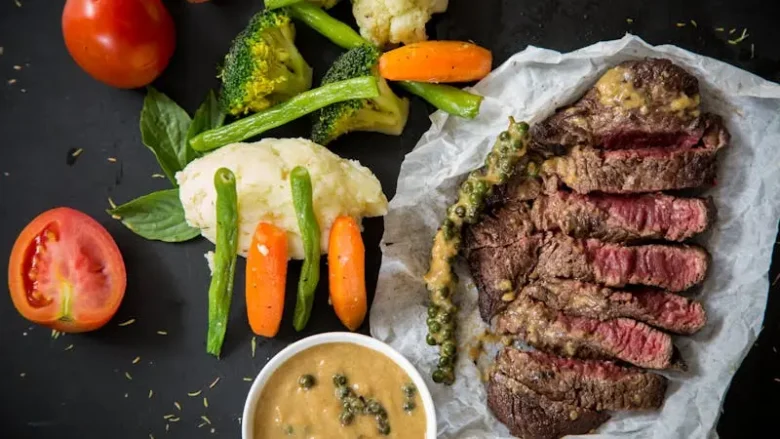
The core challenge facing the food world is how to feed a growing population without destroying the very ecosystems that sustain us.
For many chefs and farmers, the answer lies in moving from merely sustaining current resources to regenerating them. This is where the most exciting work in the supply chain begins, fundamentally altering how ingredients are grown and sourced.
Regenerative agriculture: growing better ingredients
If “organic” was the standard of the last decade, regenerative agriculture is the standard for this one. This practice focuses intensely on soil health, recognizing that healthy soil sequesters carbon, holds water better, and produces ingredients with higher nutrient density and, crucially, superior flavor.
Think about the difference between a mass-produced tomato grown in depleted soil and one grown on a small farm that uses no-till methods and rotational grazing.
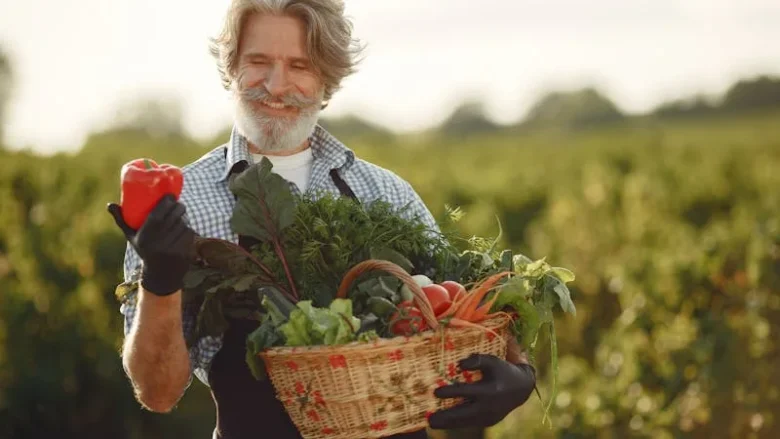
The regenerative approach means the farmer actively works to improve the land, not just avoid pesticides. This methodology often involves integrating livestock in a thoughtful way to mimic natural ecosystems, helping restore biodiversity.
For you, the diner, this means ingredients that taste more vibrant, more like themselves, because the soil has provided everything they need.
We see this approach gaining traction across the US, from dairy farms in Vermont to grape growers in California’s wine country, transforming the very foundation of American cuisine.
The shift to plant-forward menus (not just vegetarian)
The conversation around meat consumption has matured significantly. It’s less about eliminating animal products entirely and more about rebalancing the plate.
This is the essence of the plant-forward menus trend. Instead of meat serving as the centerpiece, vegetables, grains, and legumes take the starring roles, with meat (if included) acting as a flavorful accent or condiment.
This shift isn’t just ethical; it’s aesthetic. Chefs are finding new ways to treat humble vegetables with the same reverence previously reserved for expensive cuts of protein.
We are seeing fermentation, curing, and aging applied to root vegetables, creating textures and umami depths that rival traditional meat dishes.
This change reflects a broader cultural interest in health, but it also allows for incredible creativity, challenging the traditional hierarchy of ingredients and demanding a higher level of skill in vegetable preparation.
The zero-waste kitchen philosophy: root, stem, and seed
The concept of the zero-waste cooking kitchen has moved from a niche concept to a professional standard, particularly in high-end dining.
This philosophy treats every part of an ingredient—the skin, the stems, the bones, the whey—as a potential resource, not trash. It’s an approach rooted in respect and necessity, transforming kitchen efficiency into culinary artistry.
For a magazine like Neomania, the zero-waste movement is fascinating because it’s inherently provocative. It forces us to question the aesthetic of perfection and abundance that has long defined luxury dining.
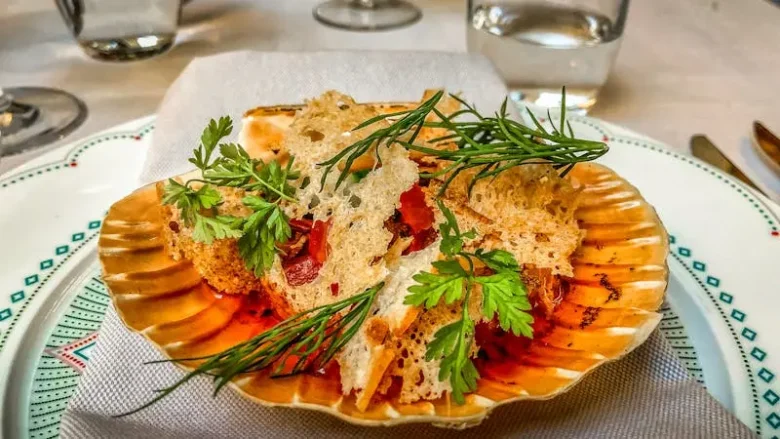
Instead, the beauty is found in resourcefulness and thoughtful utilization. When you see a chef create a delicate sauce from vegetable trimmings or ferment sourdough starter discard into a savory cracker, you are watching sustainability expressed as high art.
Creative use of food scraps and byproducts
In many classic kitchens, vegetable tops or citrus peels would go straight into the trash. Now, they are being transformed. Orange peels are candied or dried for spice blends.
Broccoli stems are shaved thin for slaw or pickled. Fish bones are rendered down into concentrated stocks that require less seasoning.
This level of resourcefulness requires a different mindset. It’s not just about saving money; it’s about extracting the maximum potential flavor and texture from every single ingredient.
This practice directly addresses the massive issue of food waste, which the EPA estimates accounts for a significant portion of US landfill volume.
By valuing the whole ingredient, kitchens are becoming laboratories of flavor, creating dishes that are often surprisingly complex precisely because of these “waste” components.
Water conservation and the carbon footprint of dining
Beyond physical waste, the conversation about sustainable gastronomy trends must include invisible resources like water and energy. Water conservation is a critical issue, especially in agricultural regions like the American West.
Restaurants and food producers are starting to measure their “water footprint,” choosing ingredients and production methods that require less irrigation.
Furthermore, the carbon footprint of a meal—from farm transportation to cooking fuel—is increasingly scrutinized. Many establishments are choosing induction cooking over gas, sourcing ingredients from hyper-local providers to cut down on transportation miles, or even building their menus around low-carbon impact proteins.
When you choose a dish, you are essentially voting for the supply chain that produced it, making informed choices about environmental impact part of the dining experience itself.
Ethical sourcing: tracing ingredients back to the earth
True ethical sourcing is transparency. It means knowing the name of the farmer, the fishing boat, or the cooperative that handled your ingredients.
This level of traceability is challenging, but it builds trust and ensures that the people who work the land and the sea are compensated fairly.
This focus on origin adds a layer of narrative depth to the meal. When a menu lists the specific breed of heritage pork and the farm where it was raised, you gain a stronger connection to the dish. This connection transcends simple taste; it becomes a moment of cultural appreciation and respect for labor.
Rethinking seafood: aquaculture and responsible fishing
The world’s oceans face immense pressure, and traditional fishing practices often struggle with sustainability. This has led to a major trend in rethinking seafood sourcing.
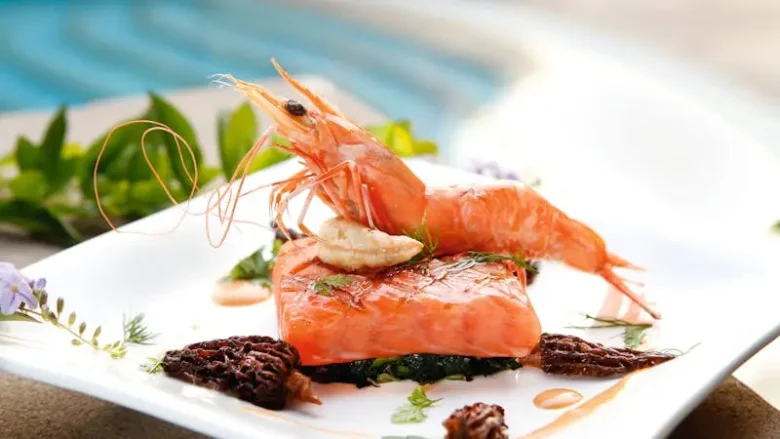
We are seeing increased interest in small-scale, highly selective fishing operations, often using traditional methods that minimize bycatch.
At the same time, responsible aquaculture—farmed seafood—is stepping up. Historically, farmed fish carried a negative connotation, but modern techniques are changing that.
High-tech, closed-loop systems minimize pollution and reduce the need for wild-caught feed, offering a reliable, high-quality source of protein.
When you order seafood today, you should be asking about the method of catch or harvest, recognizing that the aesthetic pleasure of the dish is tied to the health of the marine environment it came from.
The cultural and spiritual plate: connecting food and place
The move toward ethical and sustainable practices often circles back to cultural heritage. Many indigenous and traditional farming methods were inherently sustainable, built on centuries of observing and respecting local ecosystems.
This connection between food, place, and spirit is a vital part of the current gastronomic evolution. Chefs are collaborating with indigenous communities to understand heirloom grains, forgotten vegetables, and traditional preservation techniques.
Eating becomes a historical and anthropological act. When you consume ingredients that have a deep local history, you are honoring a lineage of knowledge and resilience.
This sense of rootedness—of eating something that truly belongs to its environment—adds a profound, almost spiritual depth to the dining experience, which is something we explore often in Neomania.
Technology meets tradition: the future of food systems
Technology isn’t just for Silicon Valley; it’s reshaping how food is grown, distributed, and prepared. Rather than seeing technology as a replacement for tradition, the most forward-thinking sectors are using it as a tool to support, localize, and optimize sustainable practices.
Hyper-local sourcing and streamlined supply chains
One of the biggest issues with food waste and carbon emissions is the long, convoluted supply chain. Technology is helping to shorten this.
Think about vertical farms in urban areas, using LED lights and hydroponics to grow greens and herbs mere blocks from the restaurants that serve them.
These systems dramatically reduce transportation costs and water usage, offering incredibly fresh produce year-round, regardless of climate.
Furthermore, digital platforms are improving transparency. Chefs can use apps to track the exact provenance of their meat or fish, receiving real-time data on everything from feed to harvest conditions. This streamlines the sourcing process and ensures that the ethical claims made on the menu are verifiable.
Alternative proteins: challenging the status quo
The conversation around meat substitutes has become incredibly sophisticated. We are moving past simple soy patties into complex, cell-cultured meats and proteins derived from fungi or algae.
These alternatives are designed to offer the sensory experience of traditional protein with a fraction of the environmental impact.
While still relatively new, the progress in this area is rapid. These innovations challenge our traditional notion of what constitutes “real” food.
They ask difficult questions about nature versus science and the role of the lab in the future of the kitchen. For many, the aesthetic of the future plate will involve a seamless integration of traditional, regeneratively farmed ingredients alongside these scientifically developed proteins, all chosen for their flavor and low environmental cost.
The aesthetic of necessity: why conscious cuisine looks different
In the past, luxury cuisine often meant excess—massive portions, rare ingredients flown in from across the globe, and complex presentations that masked the ingredient itself. Today, the aesthetic of conscious cuisine is defined by restraint, clarity, and honesty.
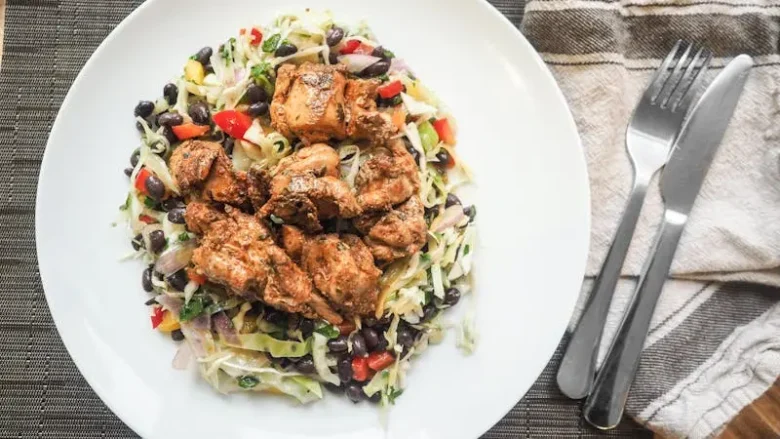
This new aesthetic is driven by the constraints of sustainability. When you are committed to zero-waste, you must be precise. When you are committed to local sourcing, your menu must shift with the seasons, celebrating peak freshness and accepting the limitations of the region.
The resulting dishes often look simpler, yet feel more profound. There is a beauty in seeing an ingredient perfectly prepared, without unnecessary adornment, allowing the flavor developed through regenerative farming to speak for itself.
This shift reflects a broader cultural desire for authenticity and less clutter, making the dining experience feel more grounded and meaningful.
The movement toward sustainable gastronomy trends is not a sacrifice; it is an elevation. It demands better technique, more thoughtful sourcing, and a deeper connection to the land.
It forces chefs and diners alike to consider the full lifecycle of what is on the plate, transforming a simple meal into an act of cultural, ethical, and artistic engagement.
This is the kind of refined perspective that Neomania Magazine delivers—a look at the risks and the profound beauty embedded in the choices we make, from the clothes we wear to the food we eat.
We invite you to explore these deeper narratives, to reflect on the aesthetic proposal of a truly conscious plate, and to let these stories inspire your own journey toward intentional living.
If you want to continue seeing the world through this lens, where the spiritual meets the provocative, consider joining the Neomania community. We have so many more stories to share.