Welcome to the ultimate intersection of art, design, and gastronomy. You’ve meticulously curated your home, your wardrobe, and your playlist.
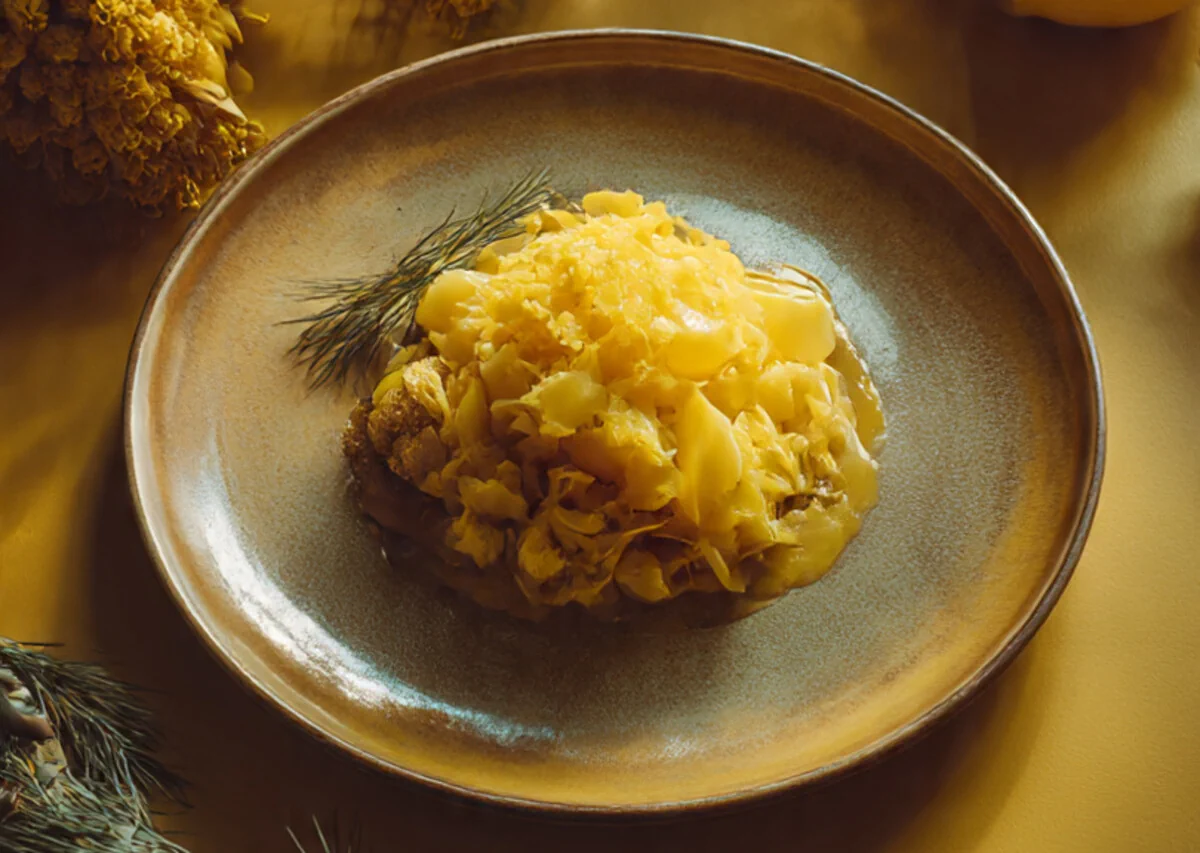
Now, it’s time to bring that same design-led ethos to your plate. We’re talking about monochromatic cooking: a culinary and aesthetic technique focused on creating dishes that feature only a single color or varying shades of that color.
Forget the old wisdom that you “need a rainbow” on your plate. This trend is about discipline, focus, and radical creativity. It challenges you, the chef, to build immense flavor and complex texture while adhering to a strict visual palette.
This isn’t just dinner; it’s an artistic statement. It’s the confidence of a minimalist interior, the boldness of a head-to-toe runway look, the immersive power of a Mark Rothko painting.
It’s a way to make your guests stop, think, and truly see their food before they even take a bite. And the best part? You can do this. We’re here to show you how to move beyond just being a cook to becoming a culinary artist.
Why is monochromatic plating a major culinary trend?
If you’ve been scrolling through your feed, you’ve seen it. That striking, all-black risotto. The vibrant, all-green bowl of health. The ethereal, all-white dessert. This isn’t an accident; it’s a full-blown movement. But why now?
The age of the eye (and the ‘gram):
Let’s be honest: we eat with our eyes first, and our cameras second. In a sea of visual noise, a monochromatic plate is an act of defiance. It’s clean, it’s bold, and it’s incredibly photogenic. It has “visual impact” written all over it. It stops the scroll. The minimalism feels modern, confident, and sophisticated.
The “creative constraint” challenge:
Ask any designer, writer, or artist—sometimes, the tightest restrictions breed the wildest creativity. It’s easy to make a dish with 15 colorful ingredients look “pretty.
” It’s an entirely different level of skill to take one color—say, beige—and create a dish that is visually stunning and explodes with flavor. Chefs at world-class restaurants use this as a creative exercise, a way to flex their technical skills by exploring the thousands of textures and flavors within a single color.
- It’s a vibe: serving a mood: Color is emotion. When you serve an all-one-color dish, you’re not just serving food; you’re curating a mood.
- All-Red: This is passion, intensity, energy, and love. Think a fiery tomato-based dish or a dramatic berry dessert.
- All-Yellow: This is happiness, optimism, and sunshine. A bright, cheerful lemon-and-corn brunch.
- All-Green: This is health, vitality, freshness, and nature. It feels clean and vibrant.
- All-Black: This is mystery, luxury, and sophistication. It’s daring and dramatic.
- A focus on flavor and texture: When you remove the distraction of multiple colors, what’s left? Only the most important things: flavor and texture. You suddenly become hyper-aware of the difference between a creamy purée, a crisp chip, a raw shave, and a tender bite—even if they’re all made from the same vegetable. It’s a sensory deep-dive.
A chef’s guide: how to cook monochromatically (our 5-step experience)
Ready to try it? This is your roadmap. We’re breaking down the entire process, from abstract idea to dinner-party masterpiece.
Step 1: choosing your color (and why it matters)
This is your concept phase, your mood board. Don’t just pick “purple” at random. Think about the why.
- Is it seasonal? This is the easiest and most authentic starting point.
- Spring: Go for Green. The markets are overflowing with asparagus, peas, fava beans, ramps, and fresh herbs.
- Summer: Embrace Red (tomatoes, berries, watermelon, cherries) or Yellow (corn, summer squash, peaches).
- Fall: It’s all about Orange and Brown (squash, sweet potato, carrots, mushrooms, apples, toasted nuts).
- Winter: Challenge yourself with White (parsnips, cauliflower, celery root, scallops, halibut) or Black (truffles, black garlic, lentils).
- Is it ingredient-led? Did you find one stunning ingredient at the farmer’s market, like a gorgeous head of purple cauliflower or a bundle of white asparagus? Let that be your muse. Build the entire dish around its color.
- Is it emotional? Are you hosting a bright, happy brunch? Go for Yellow. A dramatic, sexy dinner party? Black or Red. A clean, detox-focused lunch? Green.
Tip: Remember, “monochromatic” doesn’t mean one flat, boring color. It means a palette of tones, tints, and shades. An all-green dish can (and should!) have chartreuse, olive, emerald, and mint. This is where the true artistry lies.
Step 2: sourcing ingredients (the ‘single-color’ sourcing challenge)
This is the hunt. Your farmer’s market is now your art supply store. Your goal is to find variety within your chosen color.
Let’s use Purple as an example. You can’t just buy eggplant and call it a day. You need to hunt for:
- Vegetables: Purple cauliflower, purple carrots, purple kale, purple potatoes, red (purple) cabbage, purple asparagus, eggplant, purple ninja radishes, purple onions.
- Fruits: Blackberries, plums, figs, concord grapes, acai, passionfruit.
- Herbs & spices: Purple basil, lavender, sumac (for a reddish-purple dust).
- Grains: Black (purple) rice.
Look for heirloom varieties! This is the ultimate secret. You can find white cucumbers, black radishes, purple bell peppers, and yellow watermelons. This search is half the fun—it forces you to discover ingredients you’d normally walk right past.
Step 3: techniques to preserve (or enhance) color
You’ve sourced your beautiful ingredients. Now, how do you keep them from turning into a sad, dull mess? This is the technical part.
- For Vibrant GREENS (like peas, green beans, asparagus):
- Blanch and shock. This is non-negotiable. Cook in heavily salted boiling water for just a minute or two (until crisp-tender), then immediately plunge them into a big bowl of ice water. This stops the cooking process and locks in that bright, electric-green chlorophyll.
- For Vibrant REDS & PURPLES (like red cabbage, beets, berries):
- Use acid. These colors come from compounds called anthocyanins, which are brightened by acid. A squeeze of lemon juice or a splash of vinegar will make your red cabbage vibrantly pink-purple. Without it, it can turn a murky blue-gray (especially if cooked with alkaline ingredients like baking soda).
- For Clean WHITES (like cauliflower, parsnips, potatoes):
- Use acid (again). Acid (like lemon water) stops oxidation—that ugly browning that happens when white foods hit the air.
- Cook gently. High heat causes browning (caramelization). To keep onions, fennel, or celery root white, sweat them on low heat with a lid, rather than searing them. Simmer or steam instead of roasting at high temperatures.
- How to Enhance Color:
- Reductions: Simmering beet juice or pomegranate juice down to a syrupy glaze intensifies the color and flavor.
- Infused oils: Blend spinach or parsley with a neutral oil, then strain it for a paint-like, emerald-green oil to drizzle.
- Powders (dusts): Dehydrate and blend anything. Kale chips become green dust. Charred onion skins become black “ash.” Dehydrated strawberries become pink powder. This is a pro-level textural and visual element.
Step 4: plating: creating texture and depth in one color
This is the final composition. This is where your inner designer comes out. Your single biggest enemy is “The Blob.” An all-green purée next to a steamed piece of broccoli just looks like a pile of mush.
The antidote is TEXTURE, TEXTURE, TEXTURE.
For any monochromatic plate to work, you must include a variety of textures. You are building a landscape. Let’s design an All-Orange dish together:
- The base (creamy): A smooth, velvety purée of roasted carrot and sweet potato. Use an offset spatula to create an elegant “swoosh” across the plate.
- The star (tender): a piece of salmon, seared hard for a crispy, brown-orange crust. Or, for a vegetarian option, apricot-glazed roasted carrots.
- The height (crisp): Paper-thin sweet potato “chips” (made with a mandoline and dehydrated or fried) standing vertically in the purée.
- The “jewel” (soft & chewy): gently cooked apricot segments or salmon roe (ikura).
- The finish (dust/drizzle): a sprinkle of bright orange turmeric or smoked paprika. A drizzle of red-palm or chili-infused oil.
See? You now have creamy, tender, crisp, and soft, all in one color family. It’s a complete experience.
Step 5: a personal case study: my ‘all-white’ dinner party
I wanted to throw a dinner party that was the definition of elegance and minimalism. The theme: All White. It’s one of the hardest colors to pull off because it can easily look bland or boring. The challenge was to make it taste explosive.
Here was the menu:
- The appetizer: a study in white texture
- Dish: Seared Sea Scallop on a bed of creamy Cauliflower Purée.
- Elements: The star was one perfect, sweet seared scallop (white and caramelized-tan). It sat on a cloud of cauliflower purée. It was topped with paper-thin, raw shaves of White Asparagus and Heart of Palm (for crispness) and a delicate Fennel-Butter sauce (for a hint of anise).
- The secret: The flavor contrasts were huge: sweet (scallop), earthy (cauliflower), and sharp (fennel, asparagus).
- The main: deceivingly simple
- Dish: Pan-Seared Halibut with White Bean Cassoulet and Parsnip Ribbons.
- Elements: A flaky, snow-white fillet of halibut. It rested on a sophisticated “cassoulet” of white cannellini beans and pearl onions, gently simmered in a white wine and garlic broth. On top, I used a vegetable peeler to create long “ribbons” of parsnip that I quickly blanched.
- The secret: The halibut was the “steak,” the beans were the hearty, savory base, and the parsnip ribbons added an unexpected sweetness and visual elegance.
- The dessert: the ethereal cloud
- Dish: Deconstructed Coconut Pavlova.
- Elements: Shards of white Meringue (crisp), a scoop of bright white Lychee Sorbet (icy), dollops of Coconut Cream (rich), and fresh lychee fruit (juicy).
- The secret: The textures were everything. Crisp, icy, rich, and juicy. It was light as air but packed with tropical, floral flavor.
The result: The table was silent, in the best way. Guests were analyzing their food. They said that by only seeing white, they could taste the subtle flavors more—the sweetness of the scallop, the anise of the fennel, the floral notes of the lychee. It was a total success.
Monochromatic recipe ideas by color (quick guide)
Here’s a cheat sheet to get you started.
| Color | Key ingredients | Core technique (example) | Quick dish idea |
|---|---|---|---|
| Red | Beetroot, Pomegranate, Red Cabbage, Watermelon, Tomato, Sumac, Strawberry | Roasting, Reductions, Pickling | Beetroot risotto with a sharp goat cheese (white) and a drizzle of pomegranate molasses. |
| Yellow | Corn, Saffron, Lemon, Turmeric, Yellow Squash, Egg Yolk, Pineapple | Emulsifying, Sautéing, Infusing | Creamy polenta with a saffron-butter sauce, topped with sautéed yellow squash and corn. |
| Green | Asparagus, Pea, Kale, Spinach, Avocado, Lime, Pistachio, Mint | Blanching & Shocking, Blending | Vibrant green pea soup (blended with spinach), topped with mint, pistachio dust, and a swirl of parsley oil. |
| Orange | Carrot, Sweet Potato, Apricot, Turmeric, Paprika, Orange Lentils, Salmon | Roasting, Puréeing, Glazing | Roasted sweet potato purée topped with orange-lentil “dhal” and crispy, paprika-dusted carrot chips. |
| Black | Squid Ink, Black Garlic, Forbidden Rice, Blackberries, Black Lentils | Reductions, Charring, Fermenting | Squid ink pasta tossed with calamari, garnished with black sesame seeds and a tiny dot of black garlic purée. |
What tools do you need for precision plating?
You don’t need a $10,000 kitchen, but a few key tools will make you feel like a Michelin-star chef.
- Squeeze bottles: The #1 tool. For perfectly round dots of sauce, thin drizzles of oil, or writing on a plate.
- Offset spatula (small): The secret to that professional “swoosh” of purée.
- Plating tweezers: Yes, they look surgical. But they give you a level of control for placing one delicate herb, one pea, or one pomegranate seed that your fingers just can’t match.
- Mandoline: For those paper-thin, transparent slices of radish, fennel, or potato. (Be careful! Use the hand-guard. Always.)
- Ring molds: For perfectly stacking elements. Pack in a base of forbidden rice, top with avocado, then tuna tartare, and lift. Perfection.
- A High-powered blender (like a vitamix): The key to a truly velvety purée is a powerful blender. It breaks down all the fibers, resulting in a sauce that is impossibly smooth.
Frequently asked questions (FAQs)
Is monochromatic cooking healthy?
It absolutely can be! In fact, it often encourages you to be healthier. An “all-green” meal is a masterclass in vitamins (spinach, kale, avocado, peas, herbs).
An “all-red” meal is loaded with antioxidants (beets, tomatoes, red cabbage). The healthiness isn’t in the color; it’s in your ingredient choices. This method forces you to explore the vegetable kingdom in a new way, which is always a good thing.
How do you make black food without artificial dye?
This is one of the most exciting challenges. Nature has provided us with some stunningly dramatic, all-natural options.
Squid or cuttlefish ink: the classic. it’s savory and briny. Perfect for risotto, pasta, or even bread.
Black garlic: a revelation. This is regular garlic that has been fermented until it turns jet-black, sweet, and balsamic. It’s incredible as a purée.
Forbidden rice (black rice): A nutty, gorgeous whole grain that cooks to a deep purple-black.
Black lentils (beluga lentils): They look just like caviar and hold their shape beautifully.
Blackberries & black raspberries: For sweet or savory applications (like a sauce for duck).
Charred “Ash“: You can char leeks, onions, or eggplant skins until they are pure black, then blend them into a fine powder for dusting.
Does monochromatic food taste boring?
This is the biggest misconception, and the answer is a resounding NO. It’s the exact opposite. When your eyes aren’t being distracted by five different colors, your brain and palate zoom in on flavor and texture.
You are forced to create complexity. An all-white dish that combines the sweetness of scallops, the earthy-nuttiness of cauliflower, and the sharp anise of fennel is far from boring. It’s a focused, intense, and deeply sophisticated flavor experience. The visual discipline makes the flavor feel louder.
This is more than cooking. It’s a mindful practice. It’s culinary design. It’s a way to tell a story with your food. So pick a color, head to the market, and start creating your first masterpiece.
For more inspiration on how to live a more curated, beautiful, and flavorful life, subscribe to Neomania Magazine. We’re your expert guide to the global trends shaping the intersection of art, design, and your daily life.