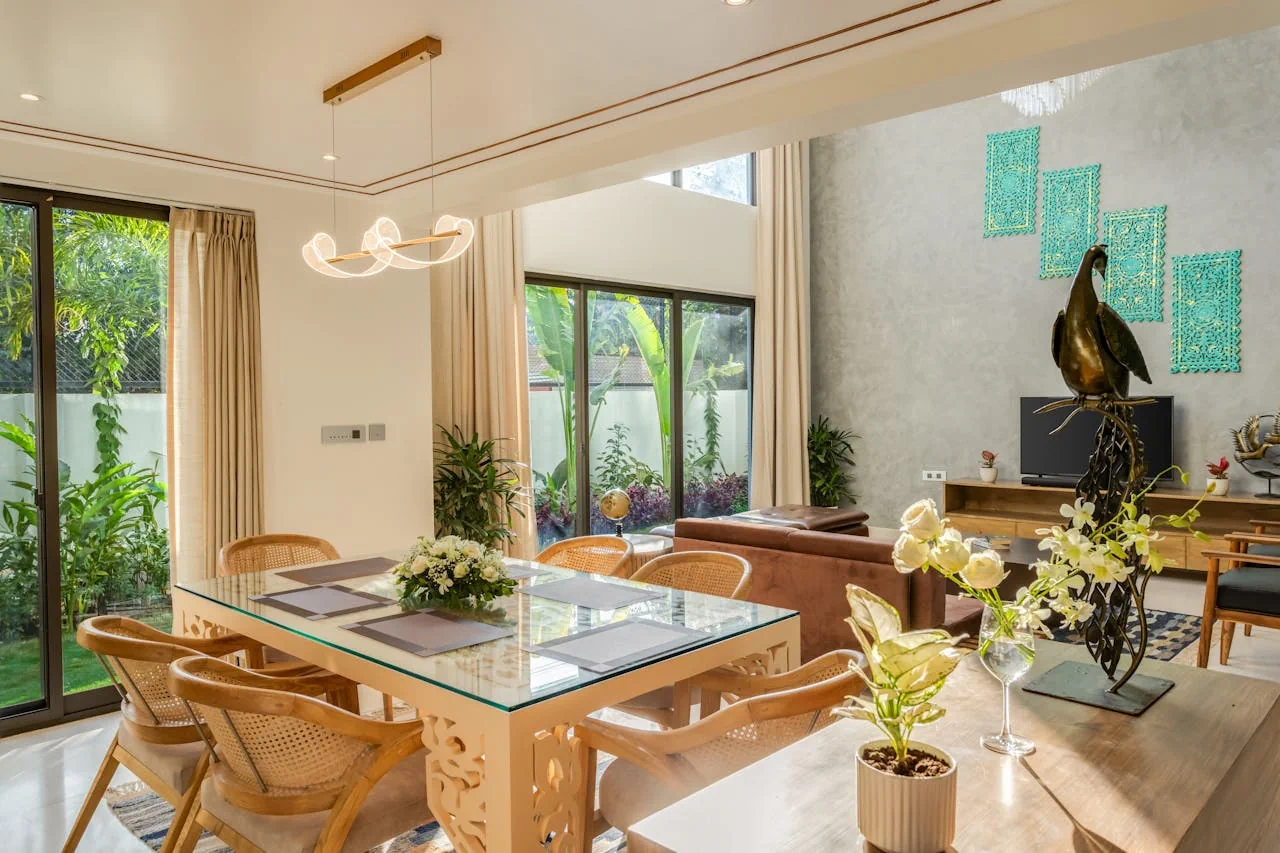
In a market increasingly defined by a demand for both sustainability and authenticity, biodegradable materials in interior design are emerging as the next frontier for high-end luxury.
This isn’t just about making a “green” choice; it’s a profound shift in consumer values, preferring products with a transparent, low-impact life cycle over those with a high-end price tag but a hidden environmental cost.
This movement is a new kind of luxury, rooted in performance, a healthier indoor environment, and a commitment to a regenerative future.
The modern designer’s toolkit is evolving. As we move away from petroleum-based plastics, toxic paints, and synthetic fabrics, a new material palette is taking its place.
These materials—sourced from agricultural waste, natural resources, and circular systems—are not just a sustainable alternative.
They are the foundation of a sophisticated design philosophy that aligns human wellness with ecological health, creating spaces that are both beautiful and responsible.
The new material science: beyond wood and stone
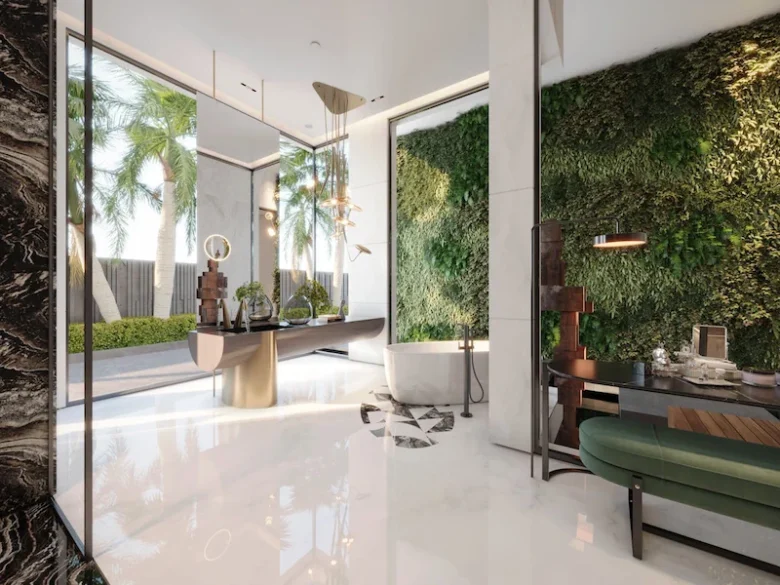
The shift to biodegradable materials represents a fundamental change in how we source and specify products. It moves the focus from a purely aesthetic function to a holistic understanding of a material’s origin, performance, and end-of-life impact.
This new material palette is a testament to innovation, transforming what was once considered waste into high-performance design elements.
From agricultural waste to high-performance composites
The revolution is happening at the molecular level, where biocomposites and bio-based plastics are challenging the dominance of synthetics.
For example, materials made from mycelium, the root structure of mushrooms, are being grown in molds to create lightweight, fire-resistant, and acoustically absorbent panels.
This process requires minimal energy and produces no waste, offering a perfect example of a circular material system.
Similarly, companies are engineering durable bioplastics from algae, sugarcane, and corn starch, which can be molded into everything from furniture to light fixtures.
These cutting-edge materials offer the versatility of traditional synthetics without the long-term environmental burden.
This innovation extends to more conventional natural materials as well.
Cork:
Harvested from the bark of the cork oak, cork is a high-performance material with a zero-deforestation footprint.
It is widely used for flooring and wall coverings for its superior acoustic and thermal insulation.
Its natural resilience and ability to regulate humidity make it an ideal choice for residential and commercial spaces, providing a durable, low-maintenance surface that meets rigorous building standards.
Its unique cellular structure traps air, making it an excellent insulator, while its elasticity provides a comfortable and quiet surface.
Bamboo:
As a rapidly renewable resource, bamboo is a powerful alternative to traditional hardwood. Its high tensile strength and durability make it suitable for a wide range of applications, including flooring, cabinetry, and even structural elements.
Modern bamboo products undergo advanced processing to enhance stability and finish, offering a clean, uniform look that complements a modern aesthetic.
While not all bamboo products are created equal, those that are sustainably sourced and manufactured with low-VOC adhesives represent a top-tier choice for eco-conscious design.
Linen:
Derived from the flax plant, linen is a robust natural fiber that uses significantly less water and pesticides than conventional cotton.
It’s an ideal choice for high-use textiles like upholstery and curtains due to its strength and ability to resist pilling.
Its natural texture and soft drape add an element of natural elegance to a space, while its inherent biodegradability makes it a responsible, end-of-life material.
FSC-Certified Wood:
The use of certified wood is non-negotiable in sustainable design. By specifying wood from forests managed by the Forest Stewardship Council (FSC), designers ensure that the material is harvested responsibly, preserving forest ecosystems and biodiversity.
Recycled or reclaimed wood further reduces a project’s carbon footprint, adding a layer of authenticity and history to the design.
The beauty of these materials lies not only in their appearance but in the story of their origin, a story of responsible stewardship and resourcefulness.
The return on investment: building a healthier, more valuable space

In the American market, a focus on sustainability is often tied directly to a quantifiable return on investment. Biodegradable materials deliver on this promise by creating spaces that are healthier, more energy-efficient, and ultimately, more valuable.
This is a pragmatic, data-driven approach to green building that goes beyond a feel-good narrative.
Improving indoor Air Quality (IAQ) and performance metrics
The choice of materials directly impacts Indoor Air Quality (IAQ), a critical factor for human health and productivity.
Many conventional materials off-gas Volatile Organic Compounds (VOCs), which can contribute to respiratory issues, headaches, and other long-term health problems.
By specifying biodegradable, natural materials—and the low-VOC adhesives and finishes that go with them—designers can significantly reduce a building’s chemical footprint.
This is a primary driver for the WELL Building Standard, a performance-based system for measuring, certifying, and monitoring features of the built environment that impact human health and well-being.
Air purity:
Materials like wool, cork, and certain types of bioplastics do not off-gas harmful chemicals, ensuring the air inside is cleaner and safer.
The use of natural lime and clay plasters also helps to regulate humidity and filter airborne toxins.
Energy efficiency:
The thermal properties of materials like cork and wood can contribute to a building’s energy performance.
Using cork flooring or wall panels can provide a layer of insulation, reducing the load on heating and cooling systems.
This directly translates into lower utility costs and a smaller environmental footprint, a key consideration for both residential homeowners and commercial clients.
Acoustic comfort:
In modern, open-plan environments, noise pollution is a significant concern. Biodegradable materials like cork, felt, and even mycelium panels are excellent at absorbing sound, creating a quieter, more focused interior.
This acoustic comfort is a key metric for many commercial spaces, from corporate offices to hospitality venues, as it directly impacts client satisfaction and employee productivity.
By aligning with these performance metrics, designers can justify the investment in biodegradable materials, proving that a healthier, more sustainable space is also a smarter financial choice.
This approach elevates the conversation from aesthetics to asset value, a language that resonates powerfully in the American market.
The design statement: crafting a sophisticated aesthetic
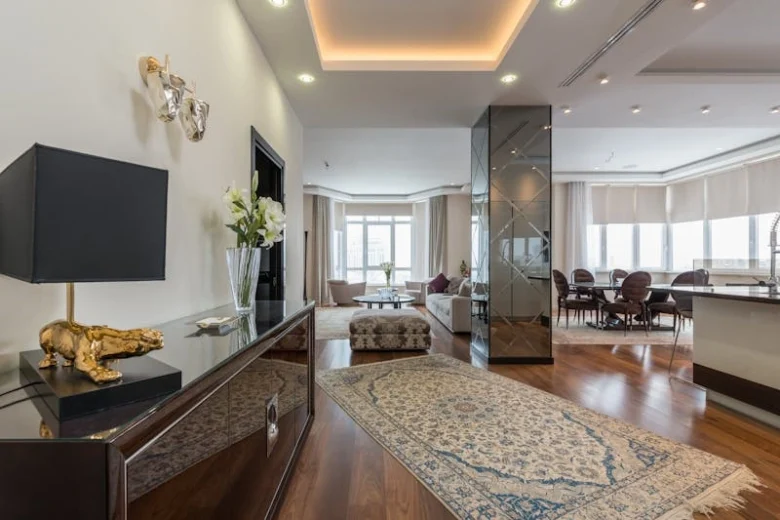
The aesthetic of biodegradable materials is a powerful design asset. It moves beyond the sterile perfection of synthetics and embraces a raw, authentic beauty.
This new palette allows designers to create a sophisticated aesthetic that is rich in texture and visual interest, perfectly aligning with current design sensibilities.
A palette of rich textures and organic forms
The organic modern look:
This style is built on the foundation of clean lines and minimalist forms, but softened by the use of natural, tactile materials.
A living room might feature a sofa upholstered in organic linen with a reclaimed wood coffee table. The floor could be a durable, matte-finished bamboo.
These materials add a sense of warmth and authenticity that prevents the minimalist design from feeling cold or impersonal. The result is a space that is serene and refined, yet deeply connected to nature.
Wabi-Sabi and unfinished beauty:
The appreciation for impermanence and imperfection in design has found its perfect partner in biodegradable materials.
Clay and lime plasters, for instance, have a subtle, uneven texture that adds character and depth. The natural patina that develops on reclaimed wood over time tells a story, a feature that is highly valued.
This aesthetic celebrates the “living” quality of the materials, acknowledging that they change and evolve over time, much like the people who inhabit the space.
Tactile and sensory experience:
In an increasingly digital world, there is a growing desire for sensory engagement. Biodegradable materials provide a rich tactile experience.
The rough grain of untreated wood, the subtle give of cork underfoot, and the soft texture of a hemp rug invite touch and create a more immersive, multi-sensory environment. This focus on touch elevates the design from a purely visual experience to a holistic one.
The market drivers: who’s leading the way?
The shift towards biodegradable materials is not just theoretical; it’s being put into practice by visionary designers and pioneering firms who are setting new industry standards.
Their landmark projects serve as proof of concept, inspiring a new generation of clients and designers.
Pioneering firms and landmark projects
Interface (commercial flooring):
A leader in sustainable design, Interface revolutionized the commercial flooring industry with its “Mission Zero” initiative.
The company is known for its modular carpet tiles, which are often made with a mix of recycled and bio-based materials.
They have created a biomimetic flooring system inspired by the forest floor, using a combination of renewable and recyclable materials to create a functional, durable, and beautiful product that embodies a circular economy.
The Bullitt Center (Seattle, WA):
Often called “the greenest commercial building in the world,” the Bullitt Center is a living lab for sustainable design.
While not strictly focused on interiors, its overall philosophy of using a “materials petal” that prioritizes a healthy environment demonstrates the top-tier demand for sustainable, non-toxic materials.
It uses FSC-certified lumber and has a rigorous list of prohibited chemicals and materials, showcasing a commitment to healthy interiors.
Reclaimed wood and bio-based firms:
Companies like TerraMai and Pioneer Millworks have turned reclaimed wood into a high-end material, sourcing old barns and industrial buildings to create stunning flooring, wall panels, and furniture.
This business model is built entirely on the principle of extending the life cycle of a biodegradable material, demonstrating a commercially viable approach to sustainable design.
Bio-based Product Innovators:
The firm MycoWorks is a leading innovator in creating a leather alternative from mycelium. This material, which can be tanned and dyed, is being used to create high-end products, showing that nature can provide a superior, biodegradable alternative to traditional, resource-intensive materials.
These firms and projects are not just designing for today; they are building for a more resilient and responsible future, proving that biodegradable materials are ready for the highest levels of design and commerce.
The future is here: Innovations in manufacturing
The future of interior design is not in looking back but in looking forward, as technology and innovation are making biodegradable materials more accessible, scalable, and versatile than ever before.
From 3D printing to circular systems
3D printing with biomaterials:
The most exciting development in this field is the use of 3D printing with biomaterials. Researchers and designers are now experimenting with printing furniture and decorative objects using materials derived from corn, algae, and even sawdust.
This process allows for complex, intricate designs with minimal material waste. It also democratizes production, as designers can create custom pieces on demand, eliminating the waste and inefficiency of mass production.
The cradle-to-cradle model:
The ultimate goal of sustainable design is a circular economy, where every material can be returned to the biosphere as a nutrient or a technical resource without any waste. Biodegradable materials are the perfect foundation for this model.
From a piece of cork flooring that can be composted to a bioplastic lamp that can be ground down and reused, these materials close the loop on the product life cycle, promising a future with zero waste.
Smart materials:
As technology advances, we can expect to see biodegradable materials with enhanced functionalities.
Imagine a bio-based wall panel that can absorb pollutants from the air or a living wall that can regulate a room’s humidity.
These “smart” biodegradable materials will seamlessly integrate technology with nature, creating spaces that are not only beautiful and healthy but also actively contribute to our well-being.
The path to a more sustainable future in interior design is paved with materials that honor the planet. It’s a paradigm shift that invites us to value the authentic, the healthy, and the responsible.
It’s about building a home that is not just a shelter but an active participant in a regenerative cycle, proving that the most luxurious spaces are those that live in harmony with the Earth.
Interested in exploring more innovative design? Neomania Magazine is dedicated to showcasing the creative minds and groundbreaking ideas that are shaping our world.
Discover more stories of architecture, art, and technology that are building the future.