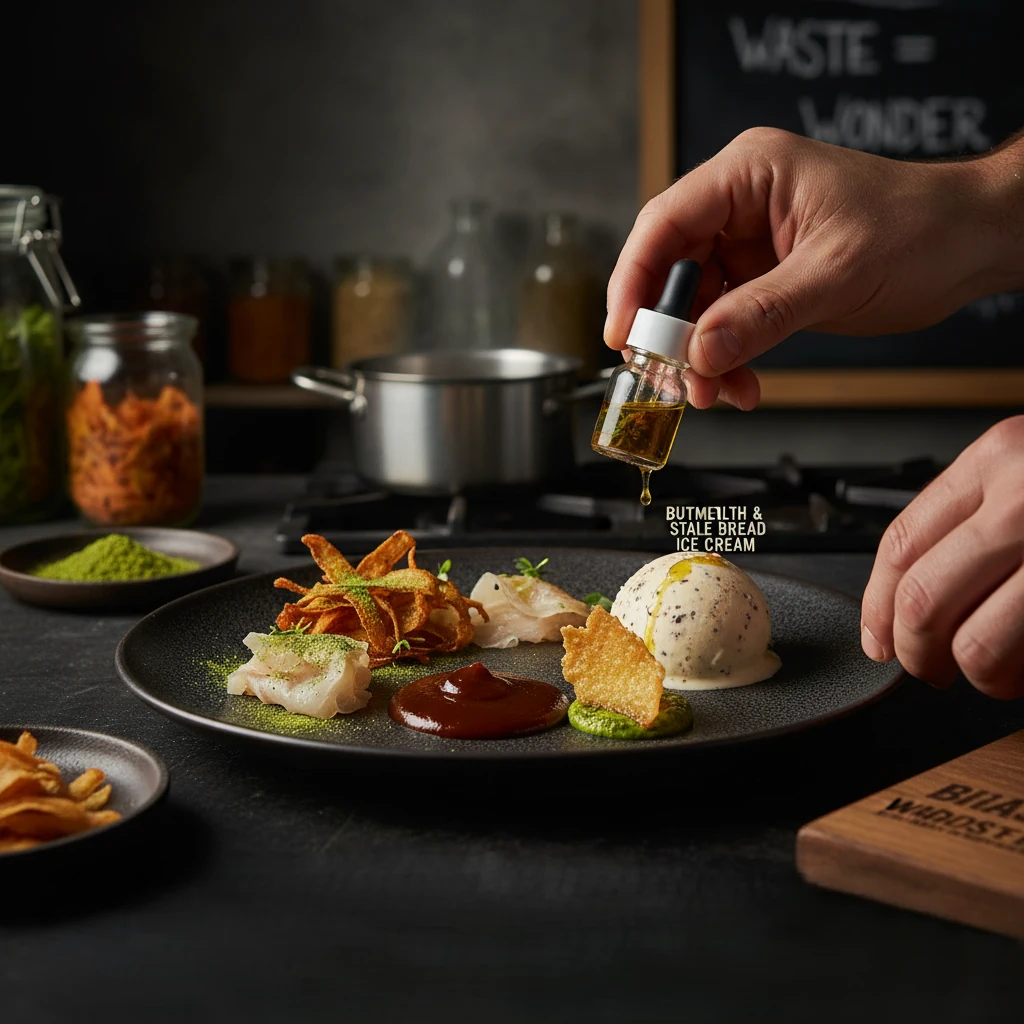
It is a paradox of modern dining. In a world obsessed with perfection, vast amounts of perfectly usable food—from celery leaves and fish bones to over-ripe fruit and meat trim—are carelessly discarded.
But today, the world’s most ambitious and imaginative chefs are challenging this failure of the imagination. They are pioneering a movement that gives these neglected ingredients a new life, transforming what was once “trash” into sophisticated, sought-after delicacies.
This philosophy is elevated trash cooking. It’s the ultimate expression of zero-waste luxury, merging the humble necessity of using everything with the artistic precision of haute cuisine.
This is not about being cheap; it’s about being brilliant. It is about maximizing flavor, minimizing environmental impact, and creating a dining experience filled with discovery and delight.
By adopting this mindset, the kitchen becomes a place of alchemy, where stewardship and sophistication meet on the cutting edge of gastronomic innovation.
The philosophy where waste becomes wonderful
The foundation of Elevated Trash Cooking lies in a profound shift in perspective. It demands that we look at every ingredient, every scrap, and every leftover piece as an untapped resource bursting with potential flavor and texture.
Redefining edible turning discards into delicacies
For decades, modern industrial agriculture and retail have trained consumers and even professional cooks to value only the aesthetically “perfect” parts of an ingredient—the flawless fillet, the uniform floret, the pristine potato.
Everything else was relegated to the scrap heap. Elevated Trash Cooking completely rejects this narrow view.
Chefs like Douglas McMaster of Silo (London), a pioneer of the zero-waste restaurant, argue that “waste is a failure of the imagination.” This movement recovers traditional knowledge, where frugality was a necessity, and applies advanced modern techniques to it.
The discarded carrot tops, for instance, are not just compost; they become a vibrant, peppery pesto that costs pennies to make and elevates a $40 pasta dish. This is the central tenet: finding the highest possible purpose for the lowest-value part.
The art of conservation sustainable living is the new luxury
The elegance of this movement is inseparable from its ethics. Food loss and waste account for a staggering portion of global greenhouse gas emissions.
When food is thrown away, all the resources used to grow, harvest, process, and transport it—the land, the water, the energy, and the labor—are wasted, too.
Adopting a zero-waste philosophy in the kitchen is the most tangible way a chef or restaurant can fight climate change. For the discerning diner, supporting this culinary style is a powerful statement.
It frames sustainability not as a sacrifice, but as a privileged act of consumption. The dishes taste better because the story behind them is one of responsibility, ingenuity, and respect for the planet’s resources. In the 21st century, the greatest luxury is conscious consumption.
Root-to-stem and nose-to-tail getting creative with every part
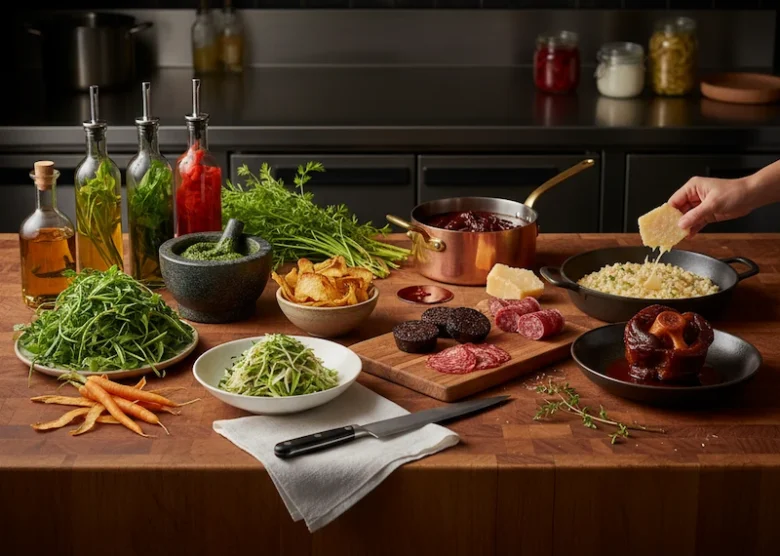
These two historical concepts are the twin pillars of Elevated Trash Cooking. They serve as the guiding principles for maximizing value from all produce and protein.
Vegetable alchemy the magic in peels stems and leaves
Vegetables are a treasure trove of underutilized flavor. Stems, leaves, cores, and peels often hold intense flavor compounds that are lost when they are simply thrown away. The secret to elevation is applying high-level techniques to these humble parts.
Peels into crisps and powders:
Potato and parsnip peels, often seen as prep waste, are thoroughly cleaned, blanched, and then deep-fried or baked until shatteringly crisp.
Seasoned with proprietary spice blends, they become an expensive, delicate garnish for a main course. Citrus rinds are candied or dried and ground into aromatic powders for pastry or cocktail rims.
Stems and cores into sauces and oils:
The inner cores of bell peppers, the stems of parsley, and the ends of leeks contain potent aromatic oils. These are slowly infused into virgin olive oil over low heat, creating vibrant, custom-flavored oils for dressing salads or finishing soups.
Broccoli stems, peeled and blanched, can be thinly sliced and mixed into a complex slaw, replacing the texture of raw vegetables.
Wilted greens into pesto:
Carrot tops, radishes greens, and even slightly wilted kale can be blitzed with nuts, cheese, and oil to create a vibrant, bitter-sweet pesto that is far more complex than the traditional basil variety.
Mastering the stockpot unlocking the essence of bones and shells
In the world of fine dining, the flavor of a dish is built from the ground up, and that ground is almost always the stockpot. This traditional practice is the ultimate Trash Cooking technique.
The power of fumet and demi-glace:
Fish bones, heads, and lobster shells are typically seen as waste. In an elevated kitchen, they are meticulously roasted or simmered to extract every last bit of collagen, gelatin, and umami.
The resulting liquids (fumet or rich stock) are then reduced, sometimes by 90%, to create a concentrated, silky demi-glace—the rich, velvety foundation of classic sauces.
Meat trim and offal:
Following the nose-to-tail ethos, cuts like trotters, hearts, and livers are transformed. Oxtail, once a humble peasant cut, is now braised until meltingly tender and served with luxurious reductions.
Beef fat is rendered into tallow, which is used to roast potatoes or enrich baked goods, replacing commercial oils. Even pig’s blood, used in a traditional boudin noir (black pudding), reappears as an elegant, earthy component on a charcuterie board.
The parmesan rind:
A perfect, small example of elevation. The hard rind of a Parmesan cheese wheel, which is completely inedible on its own, is dropped into a simmering risotto or broth. It melts slowly, releasing an intense, salty, savory depth that elevates the entire dish.
The masters of elevation chefs leading the zero-waste charge
The concept of using scraps isn’t new, but the way top chefs are doing it—with meticulous precision and high-art presentation—is revolutionary.
The culinary showcase surprising dishes made from scraps
The success of Elevated Trash Cooking rests on its ability to surprise the diner, making the forgotten ingredient the star.
- Coffee ground biscuits: At Copenhagen’s Amass, chefs took used coffee grounds, which are incredibly aromatic, dried them, and mixed them with oats and butter to create a savory, complex biscuit served with a main course.
- bread waste and buttermilk ice cream: Stale bread or leftover bread crusts are often soaked in milk or buttermilk (a by-product of butter-making) and then churned into a uniquely flavored ice cream. The “waste” contributes a complex, nutty depth that fresh ingredients couldn’t provide.
- Aquafaba miracles: The brine from canned chickpeas or the cooking water from dried beans (aquafaba) is a liquid byproduct once poured straight down the drain. Chefs and mixologists now whip it like egg whites to create vegan meringues, rich chocolate mousses, and the signature foam on cocktails like a Pisco Sour.
Disrupting the menu unexpected ingredients in formal settings
The true mark of elevation is when these items appear on the menu without fanfare, priced and presented like any other premium component. The distinction between “scrap” and “ingredient” vanishes.
In a restaurant specializing in sustainable fish, the menu may feature “Skate Wing Cartilage Crisps” or “Grilled Fish Collar with Meyer Lemon and Parsley Stem Vinaigrette.”
The price point remains high, reflecting the labor, skill, and creative imagination required to transform these parts into delicate edibles.
This practice not only reduces waste but also provides a unique selling proposition, drawing customers who seek authenticity and innovation.
By buying the whole animal or entire harvest, the chef gains full creative control and demonstrates a profound commitment to their suppliers.
The sensory ritual a dinner of delight and discovery
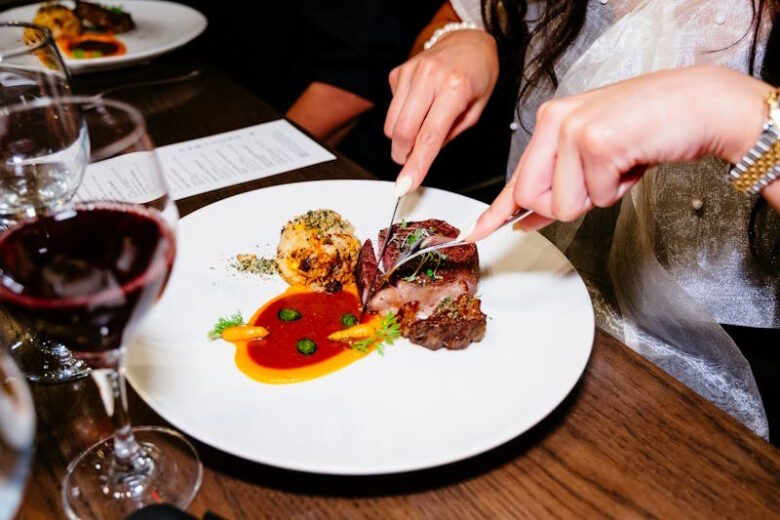
Elevated Trash Cooking is not just about technique; it’s about crafting a narrative and a dining experience that is both spontaneous and memorable.
The element of surprise the joy of unmasking a dish
Dining should be an adventure. When a waiter explains that the crispy texture garnishing a soup is fried celery root peel, or that the intense savory broth was created from mushroom stems and onion skins, it adds an immediate, wonderful layer of discovery to the meal.
This technique engages the diner intellectually, making them an active participant in the story of the food. It creates a powerful, positive cognitive dissonance: the taste is clearly refined and luxurious, while the source material is surprisingly humble.
This feeling of uncovering a culinary secret is far more compelling than simply eating a piece of high-cost food.
Spontaneity on the plate where formality simply melts away
Zero-waste kitchens thrive on fluidity. The menu can’t be rigidly set because it must adapt to the daily inventory of scraps and trim. This forces chefs to be hyper-creative, leading to daily specials and unlisted dishes that are truly unique.
The environment often mirrors this spontaneity. While the dining room remains elegant, the philosophy invites conversation and connection.
The best zero-waste restaurants cultivate an atmosphere where the formality of the traditional French service gives way to curiosity and personal interaction with the kitchen’s innovative ethos.
As seen in the example of the Maison Baccarat, the goal is to create a “sanctuary of experiences” where surprise takes center stage.
The future of cuisine sophistication meets stewardship
Elevated Trash Cooking is more than a fleeting trend; it is the essential blueprint for the future of global gastronomy, offering crucial economic and environmental advantages.
Economic elegance good business is also great taste
For a restaurant, food costs are the primary expense after labor. Reducing waste directly translates into maximizing profit. Studies show that for every $1 invested in a food waste reduction program, restaurants can save, on average, $7 in operating costs over a three-year period—an impressive 600% return on investment.
This dramatic savings is achieved by:
- Lowering purchasing costs: Utilizing the whole ingredient means buying less overall.
- Generating new revenue streams: Scraps become high-margin components (e.g., vegetable powders, infused oils, house-made vinegars).
- Reducing waste disposal fees: Less food going into the trash dramatically lowers commercial waste collection fees.
In short, smart cooking is good business. The pursuit of culinary excellence is made possible by the sound financial principles of efficiency.
An invitation to innovate embracing the trash cooking mindset
The ultimate legacy of the Elevated Trash Cooking movement will be its shift in culture. It is an invitation to every cook—amateur and professional alike—to be more imaginative.
It teaches us to value the entire product, to respect the immense effort required to bring food from the farm to the table, and to turn necessity into invention.
By embracing this philosophy, we are not only cutting down on waste; we are rediscovering forgotten flavors, creating new luxury experiences, and ensuring that our enjoyment of haute cuisine aligns perfectly with our responsibility to the planet.
It is a win for the chef, a win for the customer, and a crucial win for the world. The time for being reckless with resources is over; the era of Elevated Trash Cooking has begun.
Don’t just read about the future of luxury; live it. Subscribe to Neomania Magazine today for exclusive features on the world’s most innovative chefs, sustainable trends, and sophisticated experiences that are redefining modern elegance.