You’ve likely seen the term ‘slow travel’ appearing on your social feeds or in travel articles, often paired with beautiful, unhurried images of someone enjoying a coffee in a sun-drenched plaza.
But what is slow travel, really? It’s more than just a hashtag or a travel trend; it’s a shift in mindset. It’s about consciously choosing to experience a destination with depth and connection, rather than rushing through a checklist of sights.
This approach to travel is about quality over quantity. Instead of trying to cram five cities into a seven-day trip, a slow traveler might choose to stay in one single town or region for the entire week.
The goal isn’t to see everything, but to truly experience one place—its culture, its food, its people, and its rhythm. It’s about trading the whirlwind tour for a meaningful connection, leaving you feeling rested and enriched, not exhausted.
As a writer here at Neomania Magazine, I’ve seen how this philosophy resonates with people looking for more authentic experiences in everything from food to fashion.
Travel is no different. We’re moving away from the pressure to perform and collect passport stamps, and toward a way of exploring that feels more personal and sustainable.
Let’s look at what this approach actually involves and how you can make it a part of your own adventures.
The core philosophy behind the slow travel movement
At its heart, slow travel is an offshoot of the broader “slow living” movement, which began with the Slow Food initiative in Italy in the 1980s.
This was a direct response to the rise of fast food and the erosion of local culinary traditions. The idea was simple: to appreciate the quality of food, its source, and the community that produces it.
This philosophy soon expanded to other areas of life, including travel.
Slow travel applies the same principles to exploring the world. It encourages you to slow down and appreciate the journey as much as the destination. It’s about forming a genuine bond with a place.
This means staying longer, interacting with the local community, and understanding the context of where you are. Instead of just observing from a tour bus, you become a temporary part of the local fabric.
You might learn a few words of the language, find a favorite local bakery, or simply spend an afternoon people-watching from a park bench without an agenda.
This isn’t about being lazy or unproductive. On the contrary, it’s a very intentional way to travel. It requires a conscious decision to reject the “fear of missing out” (FOMO) that often drives conventional tourism.
The reward is a much deeper and more memorable experience that stays with you long after you’ve returned home.
How is slow travel different from regular tourism?
The distinction between a slow traveler and a typical tourist is all about mindset and priorities. While a tourist might focus on hitting all the famous landmarks, a slow traveler focuses on the experience itself.
A tourist might eat at a restaurant with high ratings online, while a slow traveler might ask a local for their favorite spot, even if it’s a simple, hidden gem.
This approach changes everything, from how you plan your trip to how you spend your days. It’s less about a rigid itinerary and more about a flexible framework that allows for spontaneity.
Maybe you hear about a local festival happening in a nearby village and decide to go, or you strike up a conversation with a shop owner that leads to a fascinating story.
These are the moments that define slow travel, and they are often the ones you can’t plan for.
The benefits of adopting a slower pace on your travels
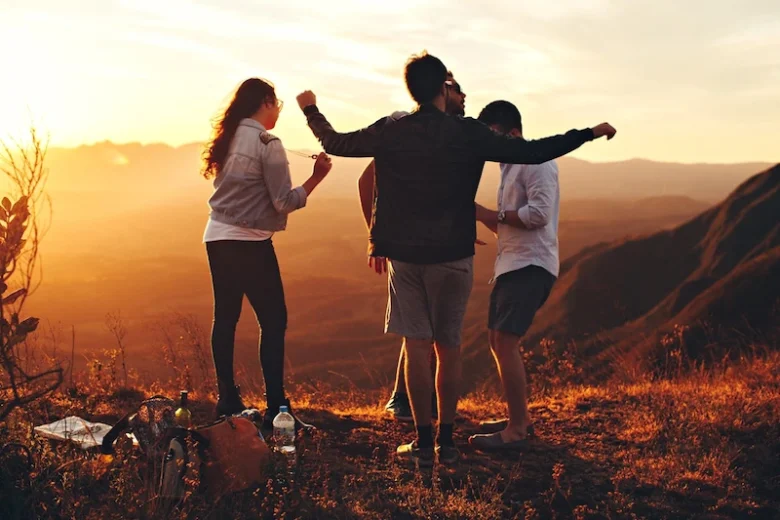
Choosing to travel slowly isn’t just about a more relaxing vacation; it brings a host of benefits for you, the local community, and the environment.
When you’re not rushing, your mind has time to process and truly absorb your surroundings, leading to a more profound sense of place.
When you stay in one place for an extended period, you move beyond the surface-level interactions. You start to notice the little details of daily life: the morning rush at the local café, the way neighbors greet each other, the rhythm of the local market.
For example, spending a week in a small town in Andalusia, Spain, allows you to do more than just see the Alhambra. You can take a cooking class focused on regional cuisine, attend a local flamenco performance in a small tablao, and learn about the area’s history from people who have lived there for generations.
These experiences create a much richer understanding than you could ever get from a guidebook.
Reduced travel stress and burnout
The constant packing and unpacking, rushing to catch trains, and navigating new airports can be exhausting. A 2019 study showed that many people feel they need a “vacation from their vacation.”
Slow travel eliminates much of this stress. By settling into one location, you establish a temporary home base. This allows you to unpack, get your bearings, and explore at a pace that feels natural. You return home feeling genuinely refreshed, not depleted.
More budget-friendly adventures
While it might seem counterintuitive, traveling slowly can often be cheaper. Transportation is one of the biggest expenses of any trip. By staying in one place, you dramatically cut down on costs for flights, trains, and rental cars.
Additionally, renting an apartment for a week or more is often less expensive per night than a hotel. Having a kitchen also allows you to save money by cooking some of your own meals with fresh ingredients from the local market—an experience in itself.
A positive impact on the environment and local communities
Mass tourism often puts a huge strain on local infrastructure and the environment. Slow travel is inherently more sustainable.
By using public transport, walking, and cycling, you reduce your carbon footprint. By patronizing local businesses—the family-owned restaurant, the independent artisan, the neighborhood grocer—you ensure your money directly supports the community you’re visiting.
This helps preserve the local culture and character that made you want to visit in the first place.
How to start practicing slow travel: some practical ideas
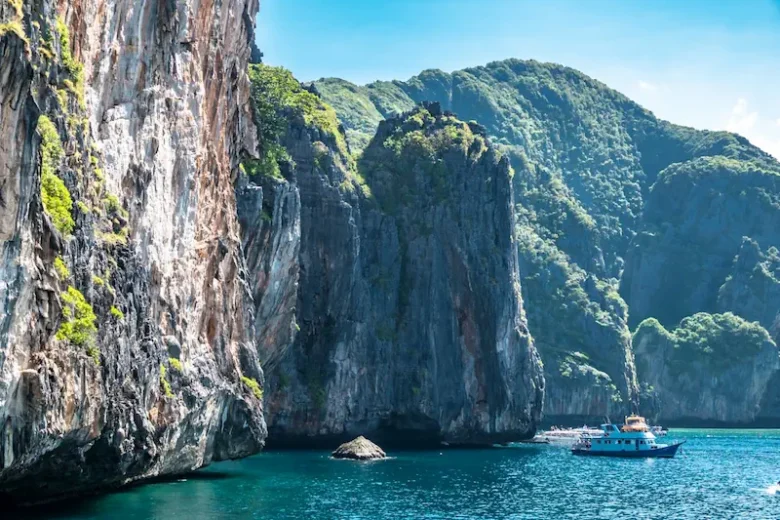
Making the switch to slow travel doesn’t mean you have to quit your job and travel for a year. You can incorporate its principles into any trip, whether it’s a long weekend or a two-week vacation. It’s all about adjusting your approach.
Choose one base and explore from there
Instead of city-hopping, pick one city, town, or region as your home base. If you have ten days in Italy, for example, don’t try to see Rome, Florence, and Venice. Instead, you could rent a farmhouse in Tuscany and use it as a base to explore the surrounding villages.
This gives you time to discover hidden gems that aren’t on the main tourist trail and to develop a routine that makes you feel like a local.
Let go of the perfect itinerary
Plan the essentials, like your accommodation and how you’ll get there, but leave the rest of your days open to possibility. Make a loose list of things you’d like to see or do, but don’t schedule every hour.
This freedom allows for spontaneity. Maybe you’ll discover a beautiful park and decide to spend the whole afternoon reading there, or a local will recommend a hiking trail with incredible views. The best memories often come from these unplanned moments.
Use your senses to connect with the place
Put your phone away and engage with your surroundings. What do you see? What do you hear? What do you smell? Sit at a café and just watch the world go by. Wander through a neighborhood without a map.
Go to a local grocery store and see what people are buying. In Spain, for instance, a visit to a market like Valencia’s Mercado Central is a feast for the senses.
You can see the vibrant colors of the produce, smell the fresh seafood and cured hams, and hear the lively chatter of vendors and shoppers. This is a much more immersive experience than just taking a photo.
Learn a little of the local language
You don’t need to become fluent, but learning a few key phrases like “hello,” “thank you,” “please,” and “excuse me” can make a huge difference.
It shows respect for the local culture and can open doors to more meaningful interactions. People are often more willing to help and connect with you when they see you’re making an effort.
Travel during the off-season
Visiting a destination during its shoulder or off-season is a core tenet of slow travel. Not only will you find lower prices and fewer crowds, but you’ll also get a more authentic glimpse into local life.
The atmosphere is more relaxed, and locals have more time to chat. Imagine exploring the quiet, winding streets of a Greek island in October, after the summer crowds have gone. The experience is completely different—and arguably, much richer.
Ultimately, slow travel is a personal journey. It’s about redefining what a successful trip looks like for you. It’s not about how many things you saw, but how deeply you experienced them.
It’s an invitation to be present, to connect, and to find the extraordinary in the ordinary.
If this way of seeing the world speaks to you—one that values depth, connection, and mindful living—then you’ll feel right at home with us. The philosophy of slow travel is woven into everything we cover, from sustainable architecture to artisanal cuisine.
For more stories and ideas that inspire a more thoughtful and stylish life, subscribe to Neomania Magazine. We’re always exploring new ways to live with intention, both at home and away.