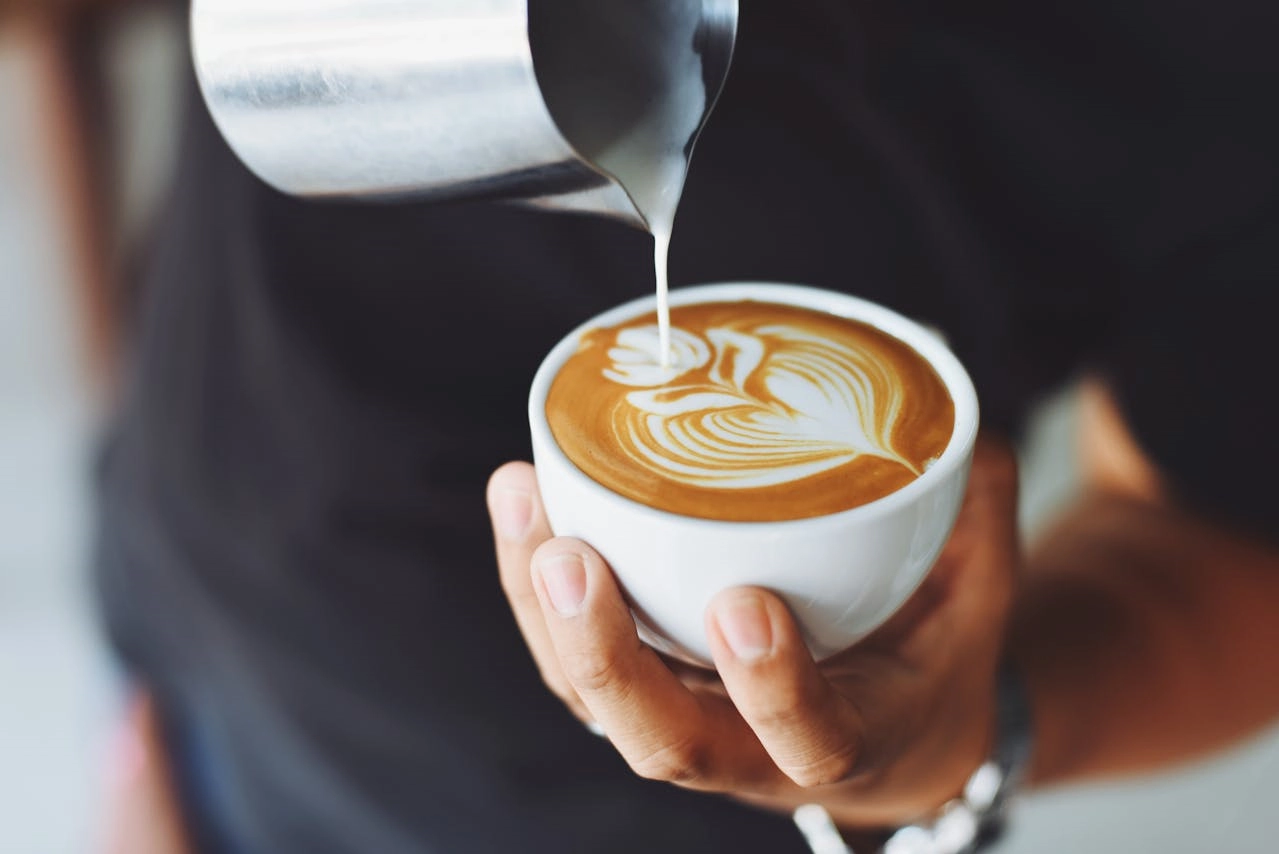
The way we start the day is often the first, quiet gesture of our personal aesthetic. For many of us today, that gesture involves specialty coffee—not just as a caffeine delivery system, but as a deliberate ritual, a piece of micro-architecture built right on the kitchen counter.
Moving beyond simple drip coffee means recognizing the subtle interplay of bean origin, grind size, temperature, and time. You might already have a stylish setup—maybe a sleek espresso machine or a beautiful Chemex—but the real transformation happens when you start treating the output, the actual drink, as a canvas.
We’ve curated a selection of 20 specialty coffee at home recipes that will inspire you to look at your daily brew through a refined lens. We’ll explore everything from the powerful simplicity of the perfect espresso shot to experimental flavor pairings that challenge your palate.
Setting the stage: the aesthetic foundation of home cofee
Before we get into the specifics of the 20 recipes, let’s talk tools and technique. Good coffee is an exercise in controlled variables.
If you’re serious about flavor profiles—the delicate notes of citrus or chocolate—you need high-quality, freshly roasted beans. Look for single-origin beans that tell a story about their terroir.
This choice isn’t just about taste; it’s about supporting a transparent, ethical supply chain, which is a core value in contemporary lifestyle design.
The other major component is water. Coffee is 98% water, so using filtered or bottled water that has the right mineral content makes a noticeable difference. It’s a small detail, but these small details define the quality of the final product.
Finally, think about your equipment setup. A quality burr grinder is perhaps the most important investment. Uniform particle size means uniform extraction, giving you clarity in your cup.
Whether you prefer the industrial look of a high-end espresso machine or the quiet elegance of a manual pour-over setup, the equipment should feel good to use and look good in your space.
The espresso core: bold strokes and minimalist gestures (Recipes 1–10)
The espresso machine is the heart of many contemporary home setups. It demands precision, heat management, and a quick hand. These ten recipes focus on the foundational drinks, which are often the hardest to perfect because their simplicity leaves no room for error.
The pure shot: defining the essence of the bean
The espresso shot itself is the purest representation of the bean’s potential. Getting this right sets the stage for everything else.
1. The classic espresso
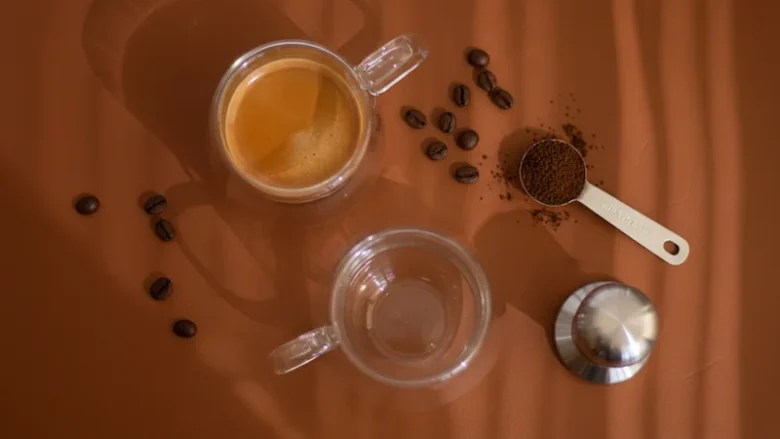
Use a 1:2 ratio (1 gram of coffee to 2 grams of liquid espresso). Aim for an extraction time between 25 and 30 seconds. The result should be a rich, syrupy liquid topped with a fine, persistent crema. Focus on the temperature stability of your machine; consistency is key here.
2. The ristretto
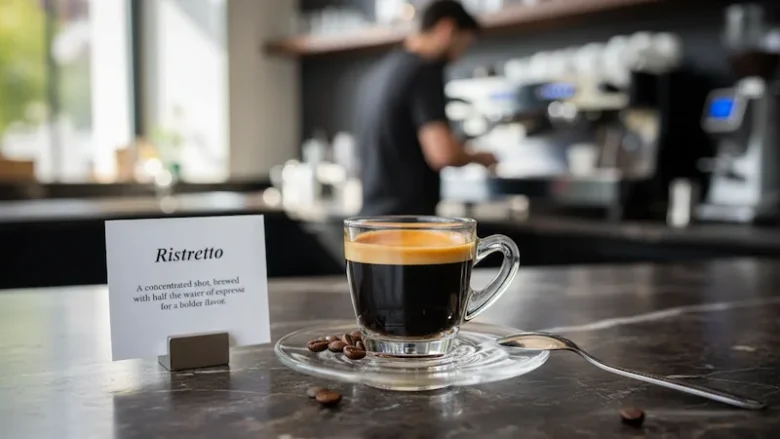
This is a shorter pull, typically a 1:1 or 1:1.5 ratio. You stop the shot earlier, which yields a sweeter, denser, and less bitter concentration of flavor. It’s a powerful, small statement—perfect for a quick, intense moment.
3. The lungo
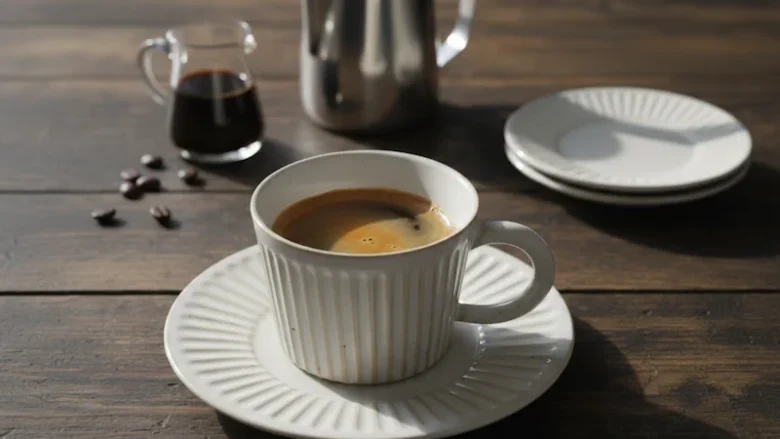
The lungo uses the same amount of coffee as a classic espresso but pulls for longer (up to 40 seconds) or uses more water, resulting in a 1:3 or 1:4 ratio. This brings out a broader range of flavors, though it can sometimes introduce more bitterness. It’s a larger volume, ideal when you want to savor the shot slowly.
4. The americano
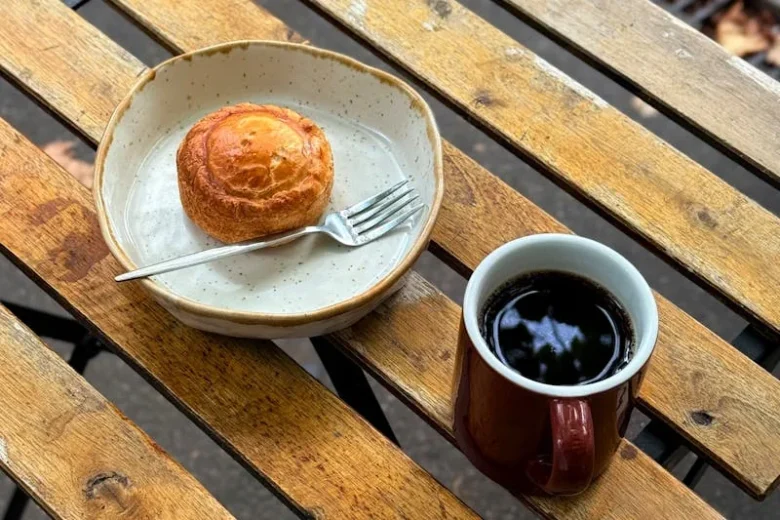
Combine your classic espresso shot with hot water. The key is the sequence: add the hot water first, then gently pour the espresso on top.
This preserves the crema and creates a beautiful visual contrast. Use water just off the boil (around 200°F) to avoid scalding the espresso.
Milk and texture: crafting the canvas
Adding milk introduces a layer of texture and sweetness, transforming the bold espresso into a smooth, comforting experience.
Mastering microfoam—milk steamed to a silky, glossy texture without large bubbles—is the difference between a good milk drink and a great one.
5. The cortado
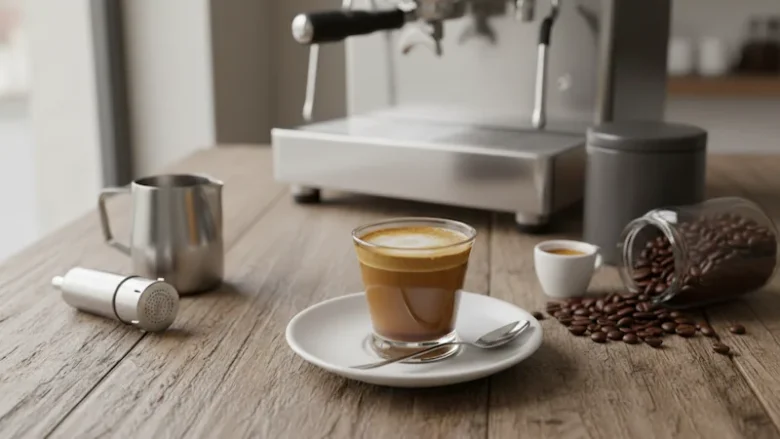
The cortado is all about equilibrium: equal parts espresso and steamed milk (usually 3 to 4 ounces total). It’s served in a small glass, making it a perfectly proportioned drink where the strength of the espresso is slightly softened by the milk.
6. The gibraltar

Very similar to the cortado, but the name comes from the glass it’s traditionally served in (a four-ounce tumbler made by Libbey, often called a Gibraltar glass). It’s a specific vessel for a specific experience, tying the drink directly to design and presentation.
7. The flat white
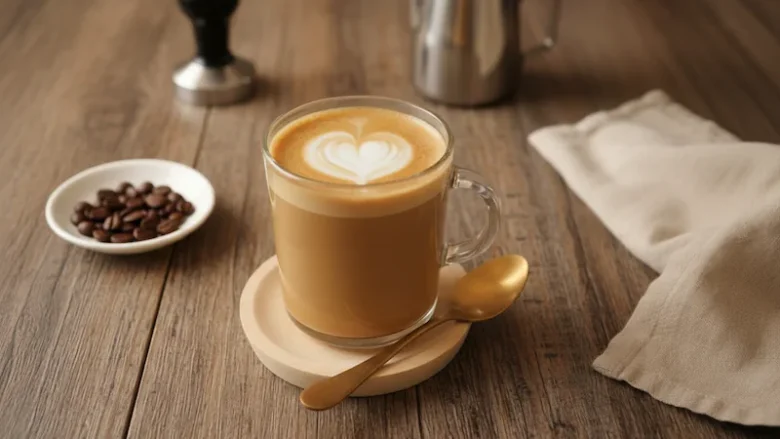
Originating in Australia or New Zealand, the flat white uses less foam than a cappuccino and is often served in a smaller cup (6 ounces). The milk is integrated seamlessly with the espresso, offering a velvety mouthfeel and a stronger coffee presence than a latte.
8. The cappuccino
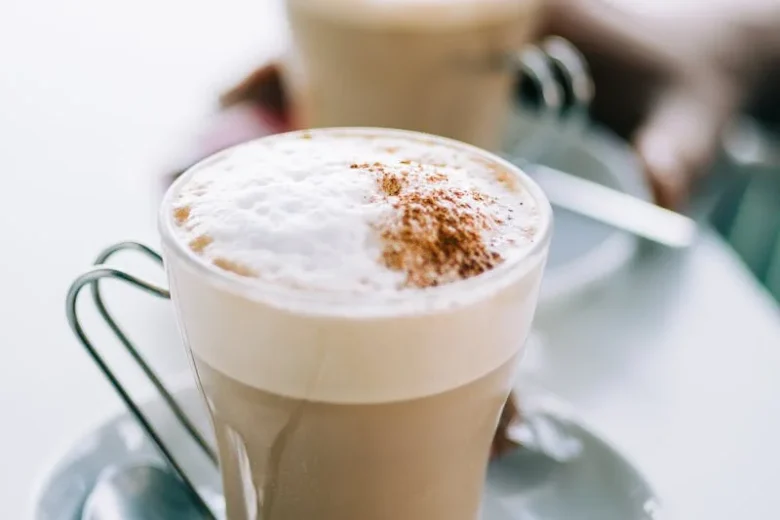
The traditional ratio is one-third espresso, one-third steamed milk, and one-third airy foam. The foam should be thick and slightly lighter than the milk below. It’s a classic for a reason, offering a delightful contrast between the liquid and the airy top layer.
9. The latte

The latte is the largest of the milk drinks, generally using 8 ounces or more of milk with a single or double shot of espresso. The milk foam layer is thin.
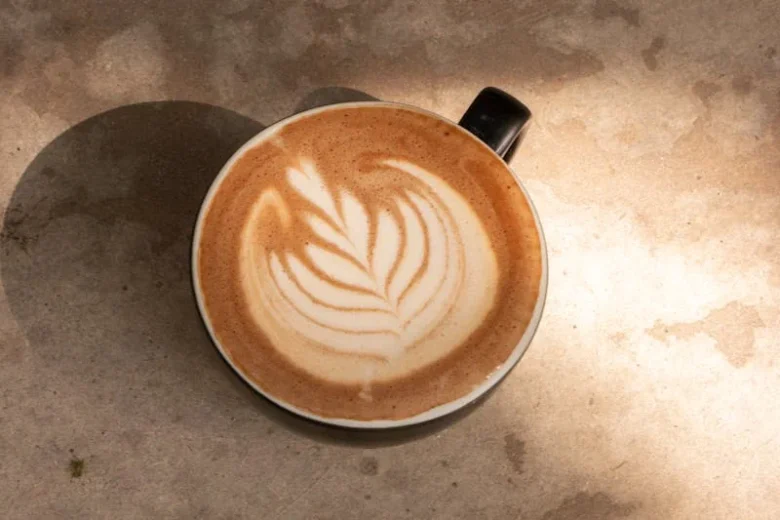
This is your chance to practice latte art; the wide surface allows for complex patterns, turning your morning drink into a piece of ephemeral art.
10. The macchiato
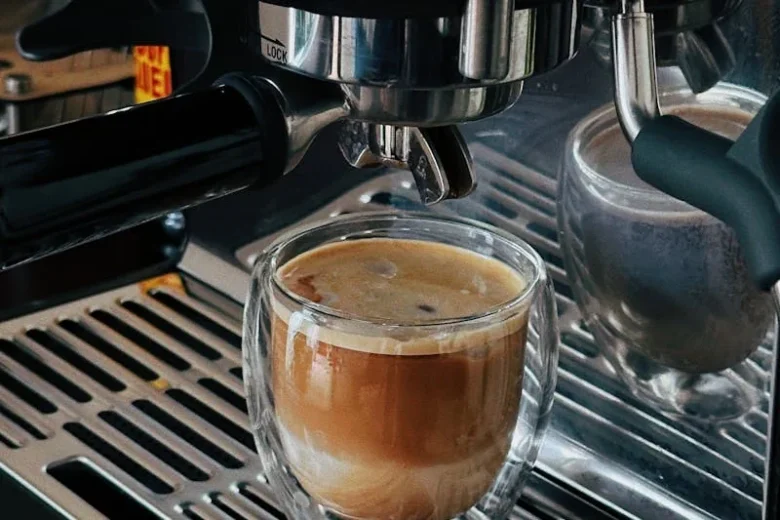
This is an espresso ‘marked’ with a dollop of steamed milk foam. It’s the smallest and strongest milk drink, intended to just cut the intensity of the espresso without overwhelming it.
Be careful not to confuse this with the overly sweet, flavored versions often found in large chains; the authentic macchiato is a minimalist masterpiece.
The slow ritual: contemplative filter methods (Recipes 11–14)
Filter coffee, often referred to as pour-over, is the antithesis of the rapid espresso shot. It requires patience, focus, and a precise kettle. These methods celebrate clarity and allow you to truly taste the subtle acidity and floral notes of lighter roasts.
Pour-over perfection: clarity and control
Pour-over methods emphasize even saturation and controlled flow. A gooseneck kettle is essential here to manage the water delivery.
11. V60 classic brew
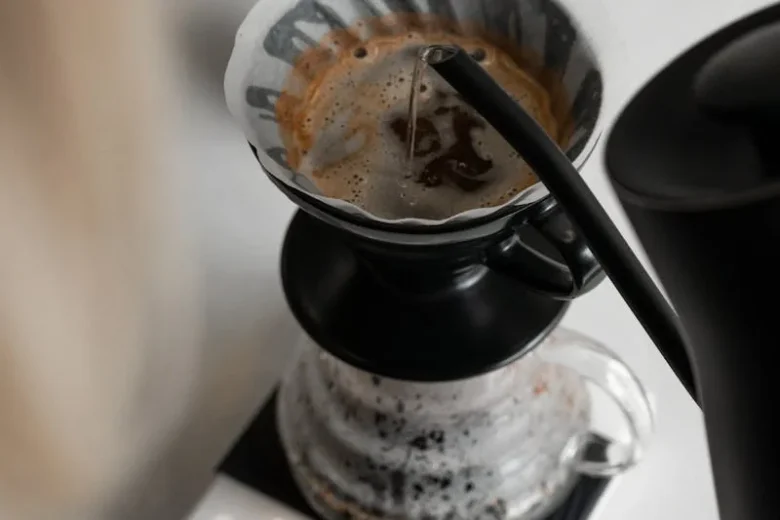
The V60 is recognized by its conical shape and large hole, which encourages a fast flow rate. Use a medium-fine grind and a 1:16 coffee-to-water ratio.
Start with a ‘bloom’—a small pour to saturate the grounds and release CO2—followed by slow, concentric circles of water until you hit your total weight. This method delivers a clean, bright cup.
12. Chemex clarity brew
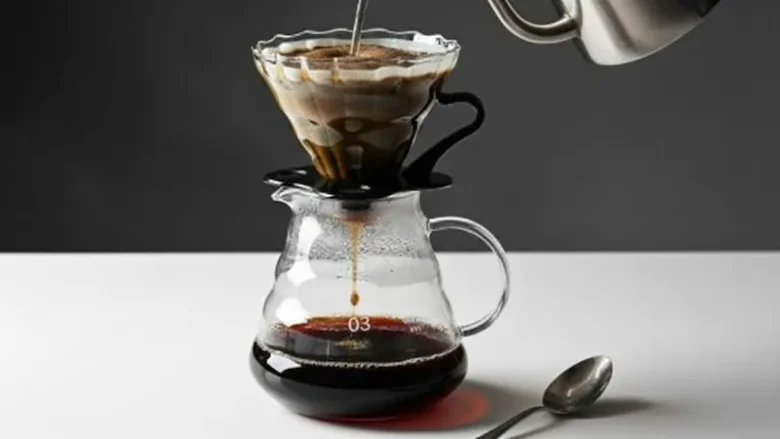
The Chemex, with its hourglass shape and wood collar, is a design icon. It uses thick, bonded paper filters that trap more sediment and oils than a V60, resulting in an incredibly clean, almost tea-like cup.
Use a slightly coarser grind than the V60. The process is similar, but the slower filtration highlights the subtle sweetness and acidity of the coffee.
13. AeroPress quick immersion
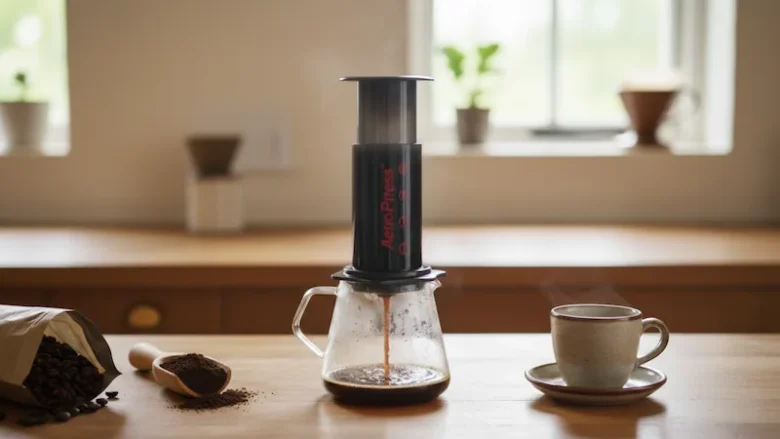
The AeroPress is famed for its versatility and portability. We’ll use the inverted method for a full immersion, similar to a French press, but with the benefit of air pressure at the end.
Use a medium grind, steep for one minute, and then press slowly. The result is a clean, concentrated brew that can be enjoyed as is or diluted like an Americano.
Immersion techniques: body and texture
Immersion methods keep the coffee grounds in contact with the water for the entire brew time, resulting in a heavier body and bolder flavor.
14. French press full immersion
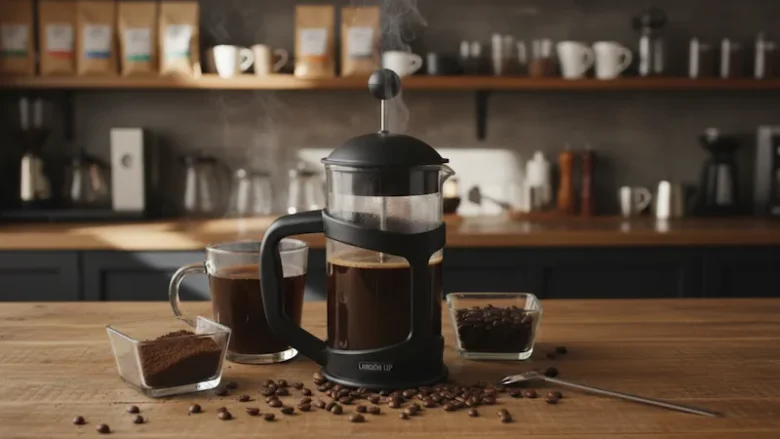
The French press uses a coarse grind and a long steep time (4 minutes is standard). Because the metal mesh filter allows fine particles and oils to pass through, the coffee has a heavier, richer mouthfeel.
It’s a robust experience, often favored for darker roasts or when you want a strong, straightforward cup.
Challenging the palate: cold, spiced, and unexpected pairings (Recipes 15–20)
Once you master the fundamentals, you can start experimenting. Contemporary culture often mixes genres, and specialty coffee is no exception. These recipes play with temperature, texture, and flavor to create genuinely unique sensory experiences.
Iced statements: temperature and intensity
Making great iced coffee isn’t just about pouring hot coffee over ice; it’s about managing dilution and extraction intensity.
15. Cold brew concentrate

Cold brew is a slow, low-temperature immersion process (12 to 24 hours). Use a very coarse grind and a high coffee-to-water ratio (1:4 or 1:5).
The result is a smooth, low-acidity concentrate. You dilute this concentrate 1:1 or 1:2 with water or milk before serving. It’s perfect for batch preparation.
16. Japanese iced coffee

This method uses a V60 or Chemex but brews hot coffee directly onto ice. The rapid cooling locks in the delicate aromas and bright acidity that cold brew often misses.
Use slightly less hot water than usual, as the melting ice makes up the difference. It’s a vibrant, clean iced coffee.
17. Espresso tonic

A simple yet striking drink. Fill a glass with ice, pour in 4–6 ounces of high-quality tonic water, and then gently layer a fresh espresso shot on top.
The bitterness of the tonic, the effervescence, and the rich coffee create a complex, refreshing taste profile. Garnish with a lemon or orange twist for added aroma.
Flavor explorations: the provocative blend
These final three recipes show how small additions can completely transform the experience, turning the coffee into a culinary creation.
18. Spiced cardamom latte
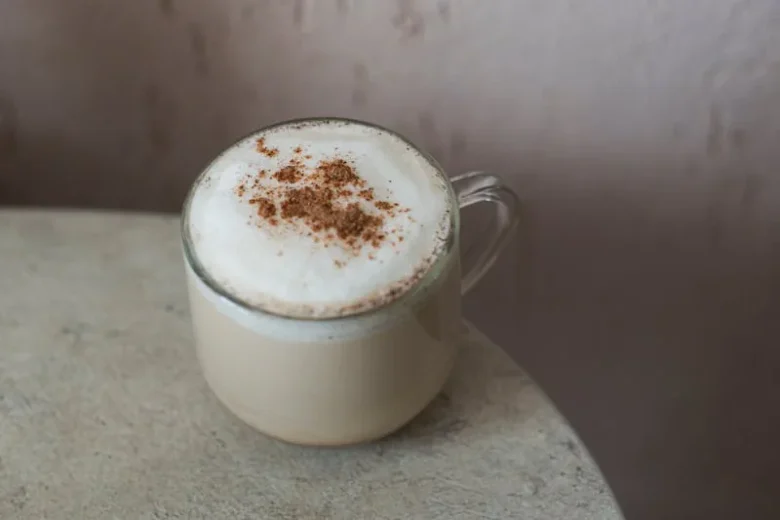
Before pulling your espresso shot, lightly crush two green cardamom pods and mix them into your ground coffee in the portafilter.
The heat of the shot extracts the spice oils directly. Steam your milk as usual and combine. The cardamom adds an unexpected, warm, and sophisticated layer that complements the coffee’s natural sweetness.
19. Minimalist mocha
Forget the overly sweet chocolate syrups. For a refined mocha, use high-quality dark chocolate (70% cacao or higher). Melt 1 tablespoon of chocolate chips with a tiny splash of hot water in your cup.
Pull a ristretto shot over the chocolate mixture, stirring until smooth. Top with a small amount of textured milk. This version focuses on the bitterness and depth of both the coffee and the chocolate.
20. Citrus zest americano
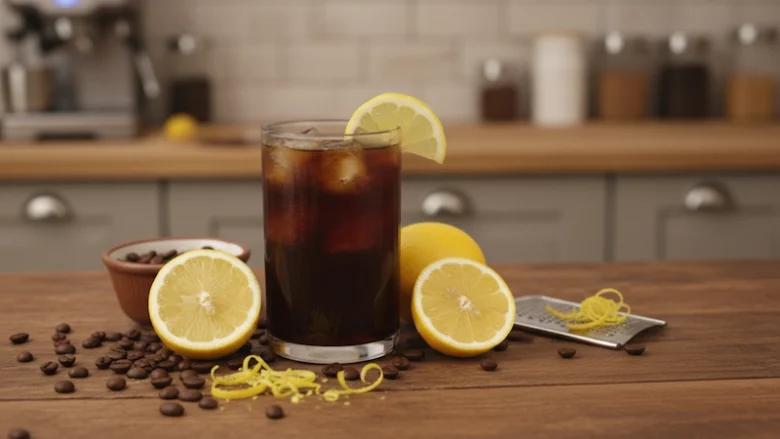
This is a simple trick that adds complexity. Take a fresh slice of orange or grapefruit zest (avoiding the white pith) and rub it around the rim of your americano cup before pouring.
The essential oils from the zest infuse the drink subtly with a bright, clean aroma as you sip. It elevates a standard americano into something refreshing and sophisticated.
Your daily ritual, redefined
The craft of preparing specialty coffee at home is a beautiful intersection of science, design, and personal ritual. Each of these 20 recipes offers a chance to refine your technique, explore new flavor dimensions, and, most importantly, connect with a moment of focused creation in your day.
Whether you are pulling a precise ristretto or slowly watching the drip of a Japanese iced coffee, you are engaging in a cultural practice that celebrates quality and aesthetic intention.
This attention to detail—the choice of bean, the precise temperature, the elegant vessel—is what elevates the mundane into the meaningful.
We hope these ideas inspire you to look at your coffee setup not just as functional equipment, but as a small, personal laboratory for design.
If you’re seeking more inspiration on how to integrate vanguard design, thoughtful architecture, and challenging art into your daily life, we invite you to explore the latest stories from Neomania Magazine.
Let our narratives transport you, prompt reflection on the newest aesthetic proposals, and inspire your next cultural endeavor.