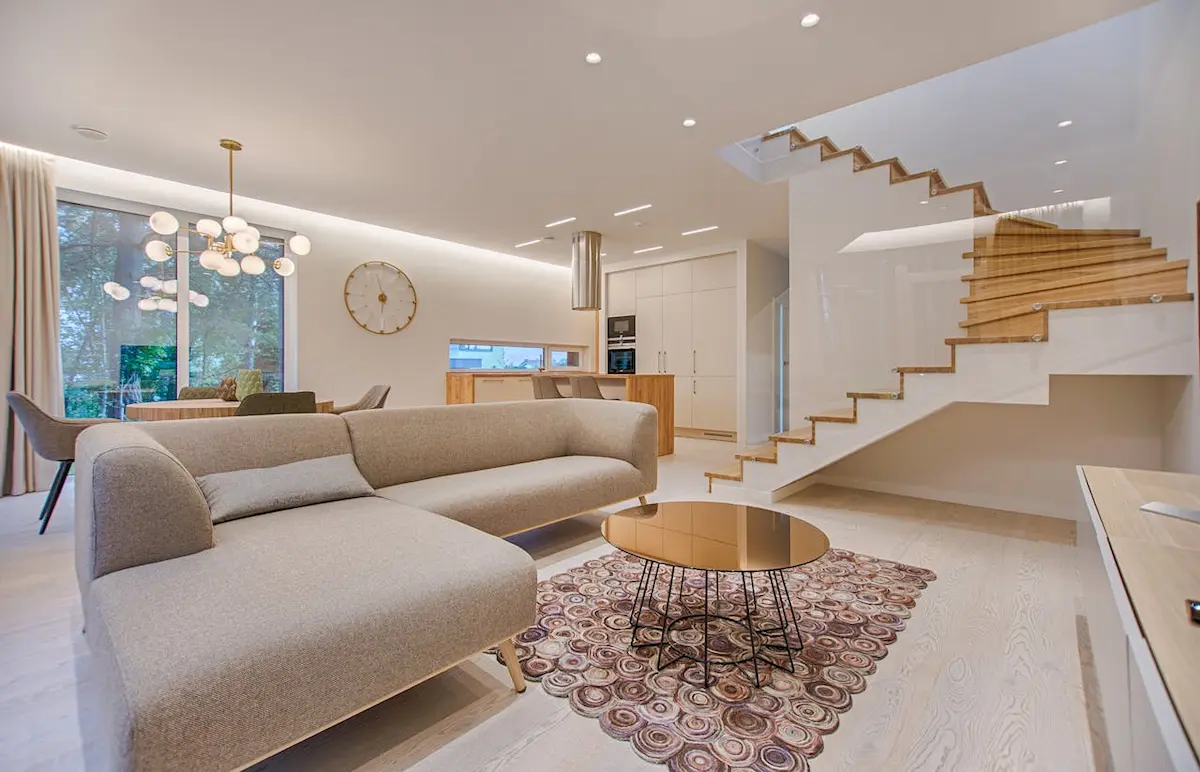
The space where you live shapes your internal narrative. It sets the stage for how you think, feel, and create. While many design trends come and go, there is one timeless principle that speaks directly to our need for calm and control: the power of symmetry interior design.
We aren’t talking about sterile, museum-like perfection. We are talking about intentional placement—a visual equilibrium that gives your eye a resting place and tells your mind, “Everything is where it should be.”
This isn’t merely a trick of arrangement; it’s a deep aesthetic choice that defines the character and stability of a room.
When you approach design with symmetry in mind, you aren’t just following rules. You are crafting a story about balance, risk, and the subtle provocations that arise when order is absolute. Let’s look at how this ancient concept still holds the keys to truly modern, compelling interiors.
Why our brains crave order: the psychology of mirrored spaces
Why do certain rooms feel instantly right, even if you can’t quite name the reason? Often, it’s because they tap into our innate preference for order. Human beings are biologically wired to seek patterns.
When we encounter a space that is visually balanced, our brains process the information faster, reducing cognitive load. That immediate sense of ease translates directly into relaxation.
Think about how you react to chaotic environments versus those with clear structure. The organized space allows your energy to flow freely, while the chaotic one forces your mind to constantly try and make sense of the noise. Symmetry acts as a powerful visual anchor, offering a reassuring sense of stability.
The ancient roots of visual balance
This preference for balance isn’t new; it is woven into the history of aesthetics. From the Parthenon in Greece to the meticulous gardens of Versailles, formal symmetry has long been associated with power, divinity, and lasting beauty.
These historical examples show us that balance transcends mere decoration; it’s a statement about enduring order.
When you incorporate these principles into your home, you connect your personal space to this grand tradition. You are essentially borrowing the emotional weight of classical architecture to lend gravitas and permanence to your living environment.
This means placing elements along a central axis, creating a mirrored effect that feels inherently noble and grounded.
Symmetry and the feeling of stability
In a world that often feels fast and unpredictable, our homes should be our sanctuary. Symmetrical design contributes directly to this feeling of shelter.
When you walk into a room where the visual weight is evenly distributed—say, a central fireplace flanked by two identical armchairs and two matching pieces of art—you don’t have to work to find the focal point.
This immediate recognition of order translates into a feeling of psychological safety. It signals consistency and reliability. For professionals and young adults dealing with high-stress demands, creating this kind of visual equilibrium in your private space is essential for mental clarity and genuine rest. It’s a quiet declaration that, within these walls, balance reigns.
Formal vs. informal: moving beyond the mirror image
When people hear the word “symmetry,” they often jump straight to formal symmetry—the perfect mirror image. While this approach is beautiful and effective, especially in grand or traditional settings, it’s not the only way to achieve balance. Modern design often uses asymmetrical balance, which is more subtle and, frankly, more interesting.
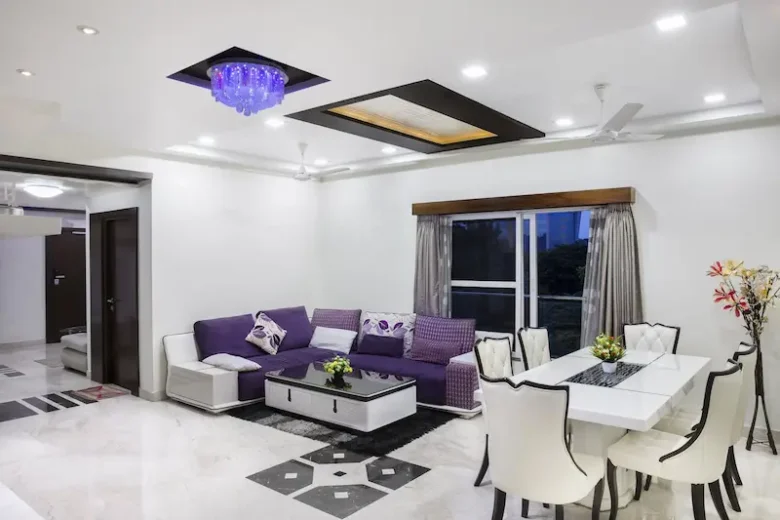
Understanding the difference between these two approaches allows you to use symmetry not as a rigid rule, but as a flexible tool to sculpt the mood of a room. Do you want formality and grandeur, or do you prefer a dynamic, yet grounded, energy?
The elegance of formal symmetry
Formal symmetry is the easiest to achieve and the most powerful for creating a sense of drama or luxury. It requires a clear central point—a sofa, a window, a fireplace, or a piece of art—and then mirroring all elements on either side of that axis. Think about the classic pairings:
- Two lamps on two identical nightstands.
- Two matching console tables flanking an entryway mirror.
- Two identical cabinets or bookshelves framing a central doorway.
This approach works wonderfully in dining rooms or formal living areas where the goal is to establish immediate authority and structure.
It ensures every guest feels the intention behind the layout, creating a dignified setting for conversation and gathering. It is clean, direct, and offers a quiet, unshakeable confidence.
Achieving balance through asymmetrical grouping
Sometimes, perfect mirroring can feel too static or predictable. That is where asymmetrical balance comes into play. This method achieves visual harmony by balancing the “weight” of objects, even if they aren’t identical.
Visual weight is determined by size, color, texture, and perceived density. For example, a large, heavy armchair on one side of a room might be balanced by a grouping of three smaller, lighter chairs, or perhaps a tall, dark bookcase on the opposite side. The elements are different, but their collective presence feels equally weighted.
Using asymmetrical balance requires a more intuitive eye, but the results are often more dynamic and personal. It keeps the space grounded without sacrificing personality or the opportunity to mix different styles and eras.
It gives you permission to introduce that unique, provocative piece of art while still maintaining overall composure in the room.
Designing the narrative: applying symmetry in key rooms
The application of balance changes depending on the function of the room. A bedroom needs a different kind of equilibrium than a workspace or a social area.
By applying the power of symmetry interior design intentionally, you can reinforce the specific purpose of each space in your home.
As we saw earlier, formal symmetry is often about creating a focal point that draws the eye and holds attention. Let’s look at how this plays out in the environments where you spend the most time.
The living room: creating a central conversation
In the living room, symmetry is often used to define the social axis. The main focal point is usually the television, a fireplace, or a large window view. Once that is established, the seating arrangement should frame it symmetrically.
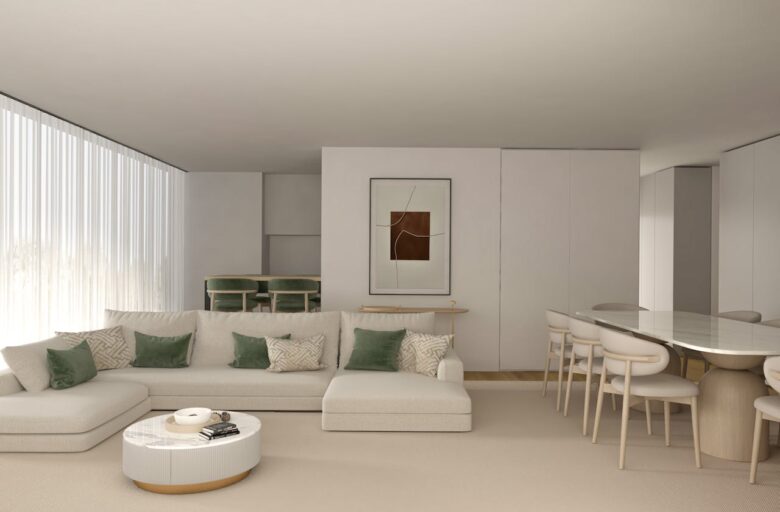
A classic, effective approach involves placing two identical sofas or four matching armchairs facing each other across a coffee table.
This arrangement immediately signals that the room is designed for conversation and connection. If you have a long, rectangular living room, you can use two matching area rugs to define two separate, yet balanced, zones.
Even if you choose asymmetrical balance for the furniture, you can bring in formal symmetry through smaller elements. For instance, a grouping of mismatched chairs might sit near a window, but the window treatment itself—identical curtains hanging on either side—reintroduces that feeling of control and order, keeping the room from feeling too scattered.
Bedrooms: establishing restful equilibrium
The bedroom is perhaps the most intuitive place for formal symmetry. Here, the central axis is unequivocally the bed.
The goal is to maximize rest and minimize visual distraction, and nothing achieves this better than perfect balance.
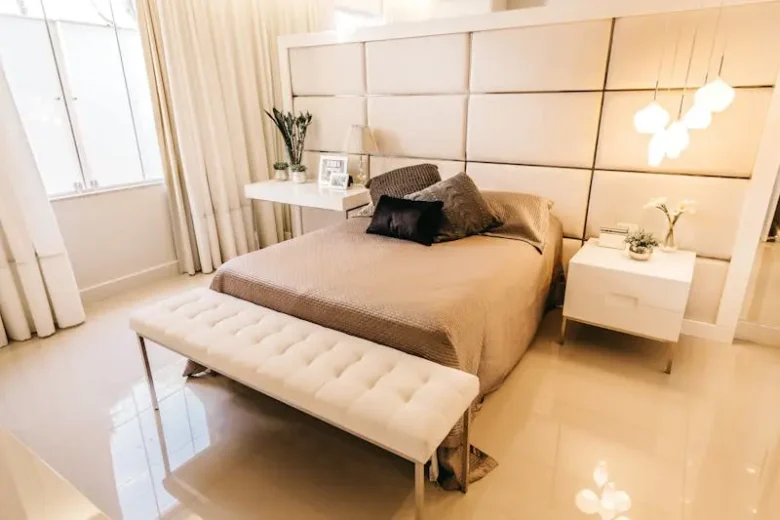
Placing two identical nightstands, each topped with the same lamp and maybe the same small stack of books, creates an immediate sense of calm equilibrium.
This mirroring effect grounds the bed and makes the entire room feel centered. Studies on sleep environments often point to the importance of visual calm; a symmetrical bedroom is inherently less demanding on the eye, promoting deeper relaxation.
Even the artwork above the headboard can follow this rule. Instead of one large piece, try two or three identically framed prints spaced evenly above the bed. This subtle repetition reinforces the restful narrative you are building.
Dining spaces: intentional gathering points
Dining rooms and kitchens benefit immensely from symmetry because these are spaces dedicated to communal ritual. When the table is the central figure, balanced elements ensure that no single side feels dominant or neglected.
If you have a large, rectangular dining table, using a symmetrical lighting arrangement—perhaps two or three identical pendant lights spaced evenly along the length—draws attention to the gathering space.
If your dining area features built-in cabinets or buffets, ensure they are mirrored on opposing walls. This deliberate structure makes the act of dining feel more ceremonial and intentional.
For kitchen design, symmetry is often found in the placement of cabinetry and appliances. Centering the stove or range hood between two banks of identical upper cabinets, for example, creates a professional, clean look that is both highly functional and aesthetically pleasing. This level of order can make cooking feel less chaotic and more controlled.
The neomania perspective: when symmetry becomes provocative
At Neomania, we look beyond the functional and the traditional. We are interested in the narrative that design creates—the risks it takes and the questions it asks. While symmetry is often viewed as safe or conventional, we see its potential for subtle provocation.
Perfect order, when executed flawlessly, can be intensely powerful. It forces the viewer to confront the purity of the form. What happens when you introduce a single, jarring element into an otherwise perfectly balanced space? The contrast becomes amplified, turning the flaw into a statement.
Breaking the rules with intent
True sophistication in design isn’t about following every rule; it’s about knowing which rules to break and why. Once you have established a strong foundation of symmetry, you have earned the right to disrupt it.
Consider a living room built around perfect formal balance: two identical sofas, two identical side tables, identical lamps. Now, introduce a single, highly unconventional piece of sculpture or a radically different chair in one corner.
Because the rest of the room is so stable, that single element doesn’t cause chaos; it creates tension. It acts as a point of friction, forcing the viewer to reflect on the relationship between order and individuality.
This intentional asymmetry is a powerful tool for self-expression. It shows that you respect structure, but you refuse to be constrained by it. It’s the difference between a textbook design and a masterpiece—the masterpiece always includes a surprise.
The spiritual axis: aligning energy through design
Beyond the visual appeal, symmetry speaks to a deeper, almost spiritual alignment. Many ancient philosophies and modern practices, from Feng Shui to classical geometry, emphasize the importance of a central axis for energy flow.
When your home is balanced, the energy feels directed, not scattered. This doesn’t require mysticism; it’s simply acknowledging that physical organization affects psychological well-being.
A room with a strong central axis—whether it’s a long hallway leading to a perfectly centered piece of art, or a bedroom where the bed aligns with the main window—feels purposeful.
This intentional alignment can serve as a meditative practice. By ensuring that the spaces you inhabit reflect a sense of internal equilibrium, you are constantly reinforcing your own stability.
You are creating a sanctuary where you can truly connect with your own essence, free from the visual noise of the outside world.
Beyond the surface: crafting your aesthetic statement
Using symmetry in interior design is much more than just decorating. It’s an editorial choice about how you want your life to feel—structured, thoughtful, and deeply reflective.
It’s about recognizing that the spaces we inhabit are extensions of our inner landscape, and that visual harmony can lead to mental peace.
The subtle force of balance allows you to present a refined aesthetic that holds attention. It gives your furniture, your art, and your chosen objects the platform they deserve, forcing a deeper reflection on their inherent beauty and purpose.
We believe that true design goes beyond simple critique; it should transport you, make you question your assumptions, and inspire a new way of seeing the world.
If you are ready to explore the deeper narratives woven into culture, art, and design—those stories that truly inquiet and excite—you’ll find a home with us.
Let Neomania Magazine be your guide to this refined world of aesthetic possibility. We offer a direct look at the trends and ideas that shape our world, always focusing on the essence and the unexpected.
We invite you to explore our curated selection of provocative content and join a community that values deep reflection and intentional living. Subscribe to Neomania Magazine today and start shaping your narrative.