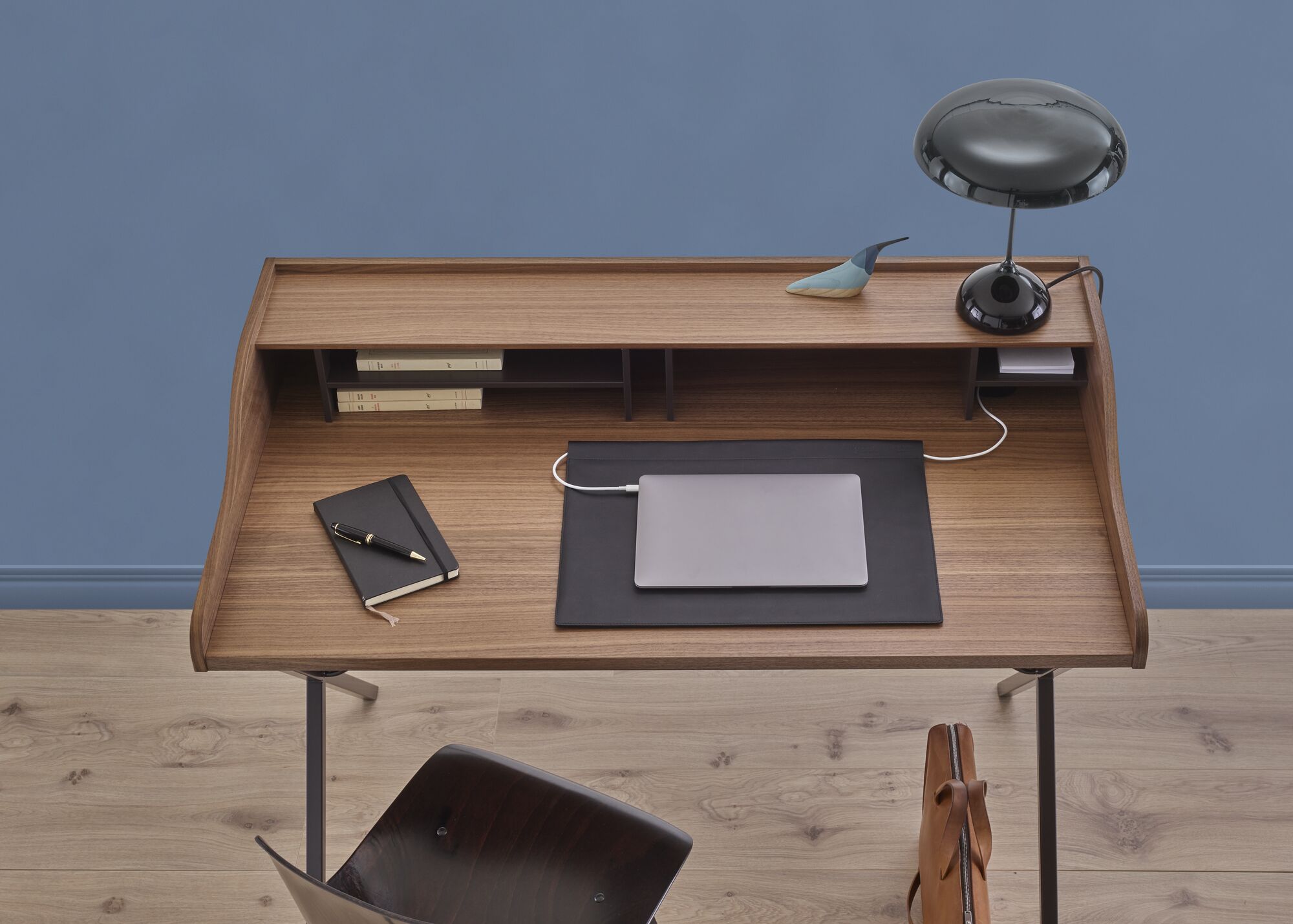
Working from home used to be a temporary fix, something we did on a laptop from the kitchen table or a corner of the sofa. But things have changed.
Today, your office is likely a permanent part of your home, and how you set it up affects more than just your output. It impacts your mood, your physical health, and even how you separate your professional life from your personal time.
When you think about remote workspace design, you aren’t just picking out a desk; you are curating an environment that reflects who you are and how you want to feel during those eight or nine hours of the day.
The transition to a home-based setup has allowed many of us to ditch the sterile, grey cubicles of the past. We now have the freedom to use textures, colors, and layouts that actually mean something to us.
This isn’t about following a strict set of corporate rules. It is about understanding how your physical surroundings talk to your brain.
A well-designed space acts as a silent partner in your career, helping you stay focused when the pressure is on and allowing you to breathe when you need a break.
You might have noticed that some days you feel incredibly sharp, while others feel like a constant struggle against distractions. Often, the culprit isn’t your lack of willpower, but rather the friction in your environment.
Maybe the light is hitting your screen at an awkward angle, or your chair is causing a dull ache in your lower back. By looking at these details, you can turn a simple room into a high-performance sanctuary.
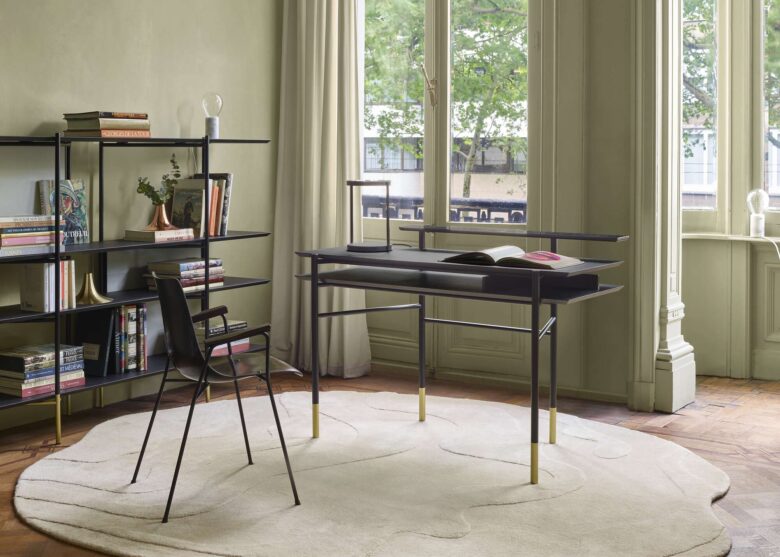
Why your desk setup is more than just furniture
It is easy to think that any flat surface will do for work. But your desk is the command center of your professional life. The way you organize this specific area tells your mind when it is time to be “on.”
When you have a dedicated remote workspace design, you create a psychological boundary. This helps your brain switch gears the moment you sit down, making it easier to leave work behind when you walk away at the end of the day.
Think about the materials you touch every day. A cold, glass desk feels very different from a warm, solid wood surface. These tactile experiences matter. Wood brings a sense of organic stability, while metal might feel more industrial and fast-paced.
Choosing materials that align with the type of work you do can subtly influence your mindset. If your job requires deep, slow thinking, natural materials might be your best bet.
If you need to feel energized and modern, sleek lines and polished surfaces could be the way to go.
The psychological impact of your surroundings
Your brain is constantly scanning your environment, even when you aren’t aware of it. Clutter, for instance, is a visual “to-do” list that never ends.
Every stray paper or tangled cable is a tiny piece of information your brain has to process. By simplifying your visual field, you free up mental energy for the tasks that actually matter.
This doesn’t mean you need a bare, empty room. It means that everything in your sightline should have a purpose or bring you a sense of calm.
Personal touches are vital, but they should be intentional. A single piece of art that moves you is often better than a wall full of generic prints.
When you look up from your screen, what you see should inspire a brief moment of reflection or joy. This helps prevent burnout and keeps your creative spark alive during long projects.
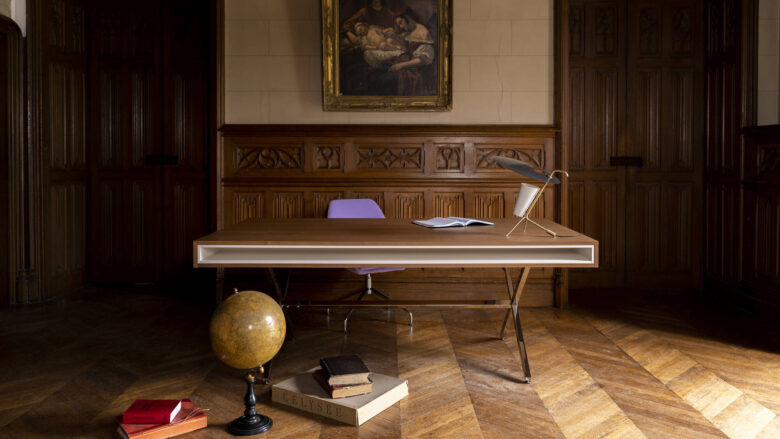
Finding the right light for your workday
Lighting is perhaps the most overlooked element of remote workspace design. Most people settle for whatever overhead light is already in the room, but this is a mistake.
Poor lighting leads to eye strain, headaches, and a general sense of fatigue. On the other hand, the right light can make you feel more awake and alert without the need for an extra cup of coffee.
Natural light is the gold standard. It keeps your internal clock—your circadian rhythm—in check. If you can, place your desk near a window.
However, you want to avoid placing the window directly behind you (which creates glare on your screen) or directly in front of you (which can be too bright and distracting).
Side-lighting is usually the most comfortable option. It provides plenty of brightness while keeping the shadows soft.
Natural light and your internal clock
As the sun moves across the sky, the color of the light changes. Morning light has more blue tones, which help you feel alert. Afternoon light becomes warmer, signaling to your body that the day is winding down.
If you work in a room without much natural light, you can use smart bulbs that mimic these shifts. This helps you stay productive during the day and makes it easier to fall asleep at night.
It is a simple change that makes a massive difference in how you feel over the course of a week.
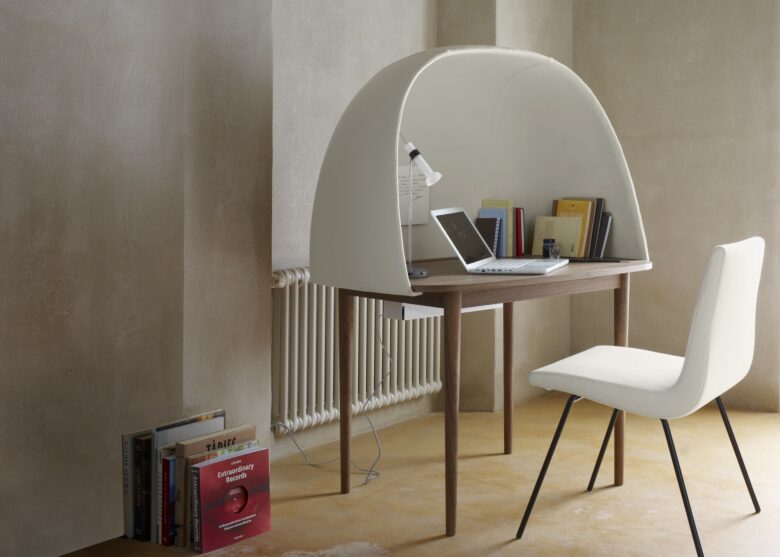
Ergonomics that don’t sacrifice style
We have all seen those bulky, black plastic office chairs that look like they belong in a 1990s call center. While they might be comfortable, they often ruin the aesthetic of a carefully decorated home.
The good news is that remote workspace design has evolved. You can now find chairs and desks that support your body while looking like high-end furniture.
Your chair is the most important investment you will make. You want something with adjustable height, lumbar support, and breathable fabric. But look for designs that use interesting shapes or sophisticated colors like forest green, navy, or charcoal.
A chair can be a statement piece rather than just a utility. The goal is to keep your spine in a neutral position so you don’t end up with “tech neck” or chronic back pain. Your future self will thank you for choosing quality over a cheap, trendy stool that offers no support.
Standing desks have also become a staple in modern homes. Sitting for eight hours straight isn’t great for your circulation or your energy levels. An adjustable desk allows you to shift positions throughout the day.
This movement keeps your blood flowing and can give you a much-needed boost when you hit that mid-afternoon slump. Look for desks with wooden tops or matte finishes to keep the look refined and elegant.
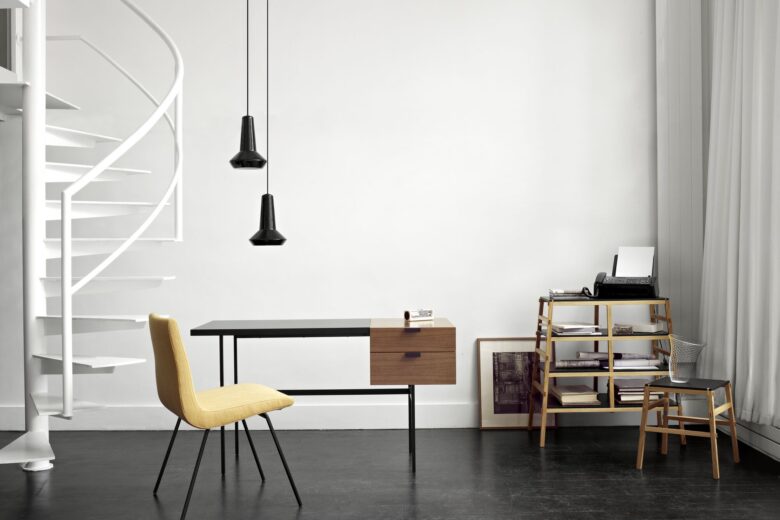
Using color to set the right tone
Color is a powerful tool in remote workspace design. It has the ability to change the “temperature” of a room and influence your productivity.
You don’t have to paint every wall, but being mindful of the palette you choose for your furniture and accessories can change everything. Blue is often associated with focus and stability, making it a favorite for people in high-stress roles.
Green is linked to creativity and growth, providing a soothing backdrop for long brainstorming sessions.
If you find it hard to get motivated in the morning, you might want to add some warm accents like terracotta or soft mustard. These colors are energizing without being overwhelming.
On the flip side, if your work is chaotic, a neutral palette of whites, creams, and soft greys can act as a visual “mute” button, helping you stay centered.
The key is to find a balance that works for your specific personality. Some people thrive in a vibrant, colorful room, while others need a minimalist, monochromatic space to think clearly.
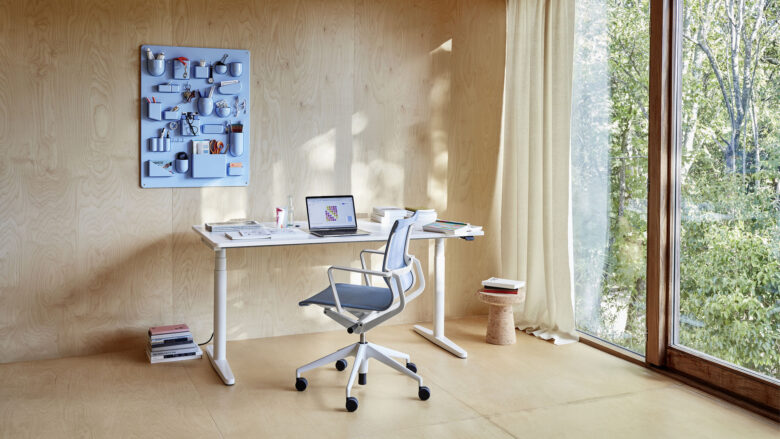
Bringing nature inside with biophilic elements
Adding plants to your office isn’t just about making it look good for social media. This practice, known as biophilic design, is about our innate connection to the natural world.
Having greenery in your line of sight has been shown to reduce stress levels and improve cognitive function. It makes a room feel “alive” and less like a digital cage.
You don’t need to turn your office into a jungle. A few well-placed plants can do the trick. A large Snake Plant in the corner or a small Pothos trailing off a shelf adds texture and life.
If you don’t have a green thumb, even using natural materials like cork, stone, or linen can provide a similar grounding effect. These elements break up the hard edges of technology—the plastic of your monitor, the metal of your laptop—and make the space feel more human.
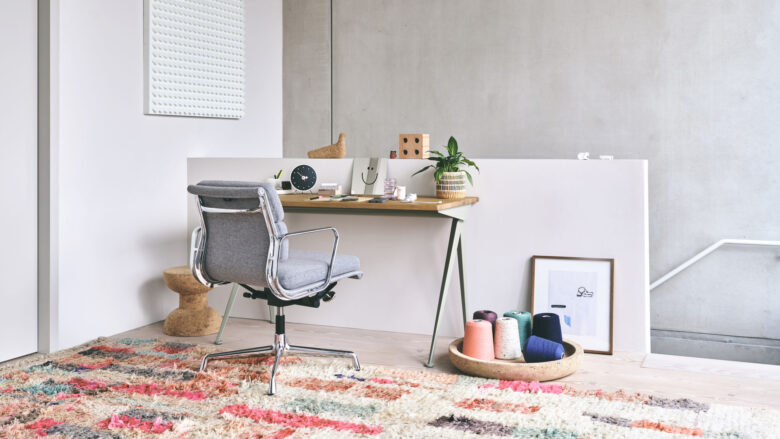
Technology that stays out of the way
The biggest enemy of a beautiful remote workspace design is the “spaghetti” of cables that inevitably follows computers and chargers. Nothing ruins a clean aesthetic faster than a mess of tangled wires.
To keep your space feeling premium and professional, you need to manage your tech. Use cable trays under your desk or wireless charging pads to keep things tidy. When your tech is tucked away, your mind feels less cluttered too.
Also, think about the hardware itself. If you use a laptop, getting an external monitor can save your neck and shoulders. Placing the monitor at eye level means you aren’t constantly looking down.
A separate keyboard and mouse also allow you to sit back and maintain better posture. These small changes in how you interact with your tools can prevent long-term physical issues and make the workday feel much smoother.
Creating boundaries in an open home
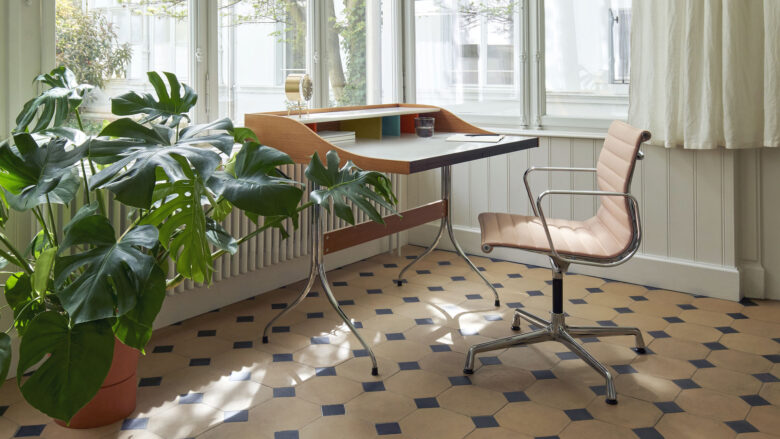
Not everyone has the luxury of a separate room for an office. Many of us are working from a corner of the bedroom or a spot in the living room. In these cases, remote workspace design becomes about creating visual “zones.”
You can use a rug to define the office area, or a tall bookshelf to act as a room divider. This physical separation helps you mentally check out of work when you step away from that specific zone.
If you work in a shared space, sound becomes a major factor. Noise-canceling headphones are a lifesaver, but you can also use soft furnishings to absorb sound.
Rugs, curtains, and even wall hangings can help dampen the echo and make your home feel quieter and more focused. It is about creating a “bubble” where you can do your best work, regardless of what else is happening in the house.
The aesthetic of the digital gaze
In the age of video calls, your office is no longer a private space. It is a backdrop that colleagues and clients see every day. Curating what is behind you is a part of your professional branding.
A messy bed or a cluttered kitchen counter in the background can send the wrong message. Instead, aim for a background that looks intentional. A simple shelf with a few books, a piece of art, or a clean, painted wall works best.
You don’t need to overthink it. The goal is to look professional without looking like you are trying too hard. Good lighting on your face is more important than a fancy background.
If you have a window behind you, you will look like a dark silhouette on camera. Make sure the light is hitting you from the front or the side so people can actually see you. It makes communication feel more natural and personal.
Keeping your space organized and inspiring
Organization isn’t just about putting things away; it is about creating a system that supports your flow. If you have to spend ten minutes looking for a pen or a notebook every time you have an idea, you are losing momentum.
Use drawers or small trays to keep your essentials within reach but out of sight. A clean desk at the end of the day is a gift to your future self.
It means that tomorrow morning, you can sit down and start working immediately without having to clean up yesterday’s mess first.
Inspiration is the final piece of the puzzle. Your remote workspace design should include something that reminds you of why you do what you do. Maybe it is a photograph, a quote, or an object from a trip.
These small anchors keep you grounded when work gets difficult. They remind you that there is a world outside of your screen and that your work is just one part of a much larger, more vibrant life.
As you have seen, setting up a home office is a deeply personal project. It is an opportunity to build a world that fits your needs perfectly.
You are the architect of your own productivity and well-being. By paying attention to light, ergonomics, and aesthetics, you create more than just a place to work—you create a place to thrive.
This journey of designing your space is really about designing your daily experience.
The way we live and work is constantly shifting, and our spaces need to move with us. Staying ahead of these trends and understanding the deeper meaning behind our choices is what we do best.
If you want to keep exploring the intersection of life, art, and professional growth, we invite you to look further into these stories. There is always something new to discover that can change the way you see your world.
We hope this look at your environment has given you some ideas to try out. Your space is a reflection of your inner world, and making it beautiful is a form of self-care.
To see more refined perspectives on modern living and aesthetic risks, take a moment to join our community. You can find more stories that challenge and inspire by subscribing to Neomania Magazine today.