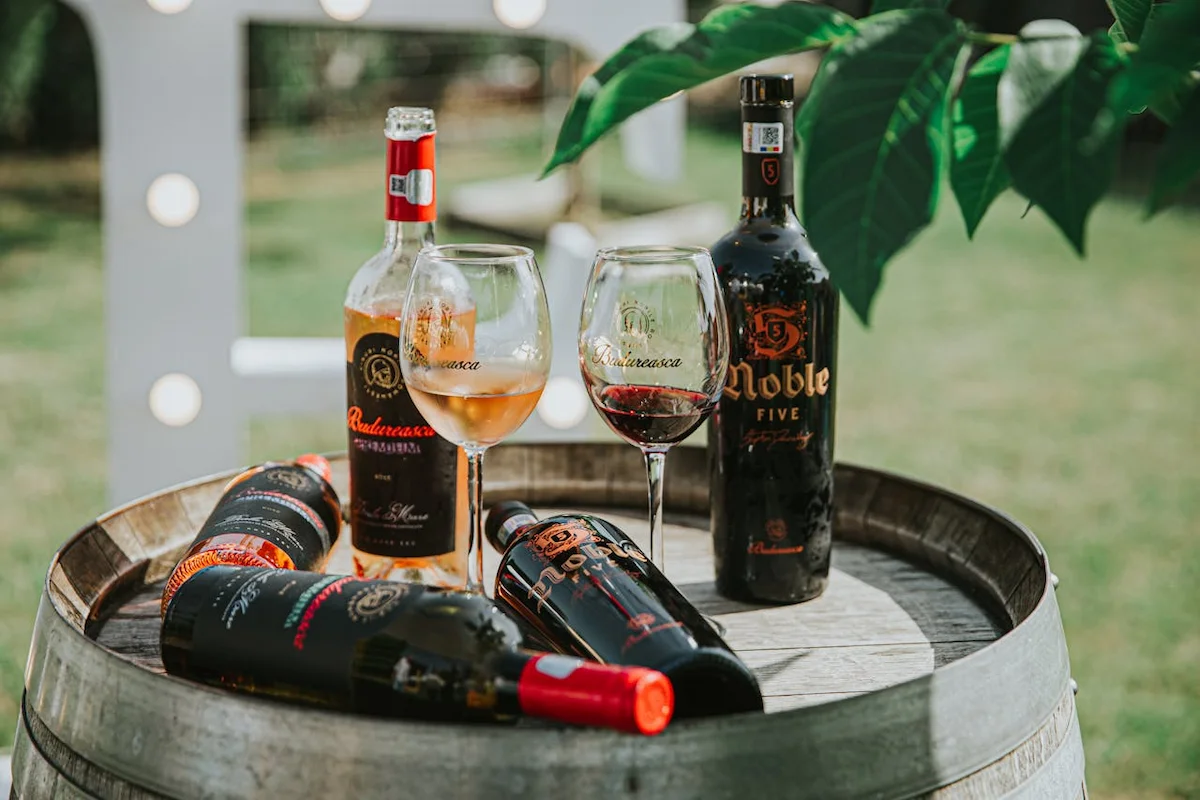
The modern living room has evolved into a sanctuary for curated experiences where the boundaries between home and the high-end gallery blur.
You have likely noticed that the way we consume culture has shifted toward the intimate and the intentional. Bringing a refined sensory journey into your own space is no longer just about opening a bottle; it is about choreographing a moment that speaks to your aesthetic values and your desire for genuine connection.
Hosting an at-home wine tasting provides a unique canvas to explore the intersection of history, geography, and personal style. It is an opportunity to look past the label and engage with the liquid narrative inside the glass.
When you decide to host such an evening, you are stepping into the role of a curator. You are not simply serving drinks; you are presenting a selection of stories that have been aged in oak and shaped by the soil.
This process requires a blend of technical knowledge and creative intuition. You want your guests to feel that every detail, from the weight of the glassware to the playlist humming in the background, was chosen with a specific purpose.
This guide will help you navigate the nuances of this sophisticated endeavor, ensuring that your next gathering is both intellectually stimulating and emotionally resonant.
The shift toward these private, high-end experiences reflects a broader trend in the luxury market. People are seeking depth over volume. They want to understand the “why” behind the “what.”
By focusing on a specific theme or a particular region, you offer your guests a focused lens through which they can view the world of viticulture.
Whether you are exploring the rugged coastlines of California or the rolling hills of the Willamette Valley, the goal is to create a space where conversation flows as easily as the wine itself.
As we move forward, we will look at how to build the physical and sensory environment that supports such a refined activity.
The atmosphere you create is the frame for the artwork you are about persistent. Without the right setting, even the most prestigious vintage can lose its luster.
By paying attention to the subtle cues of light, sound, and texture, you set the stage for a truly transformative experience.
The architecture of a sensory evening
Creating the right environment is the first step in ensuring your guests feel transported from the moment they walk through your door. The physical space should reflect the sophistication of the wines you have selected.
This means considering everything from the temperature of the room to the tactile quality of your linens. You want to create a “mise-en-scène” that feels both welcoming and elevated.
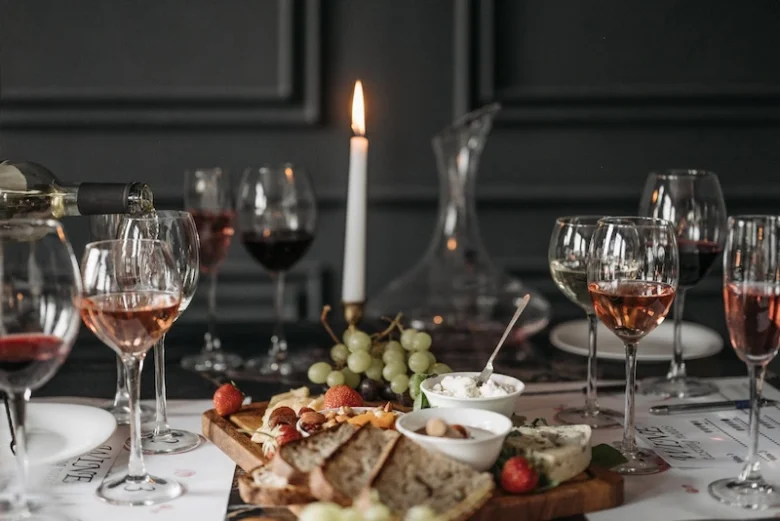
Lighting plays a vital role in this setup. Harsh overhead lights are the enemy of a refined atmosphere. Instead, opt for layered lighting. Use floor lamps, candles, or dimmable fixtures to create a warm, inviting glow.
This not only makes the space feel more intimate but also allows the colors of the wine to shine. When you hold a glass of aged Cabernet Sauvignon against a soft, warm light, the deep garnets and brick reds become part of the visual entertainment.
Selecting the right tools for the journey
The technical aspects of wine service are often overlooked, but they are where your professionalism as a host truly shows. Your choice of glassware is not just an aesthetic decision; it is a functional one.
Different glass shapes are designed to direct the wine to specific parts of the palate and to manage the release of aromas. For a diverse tasting, you might want to have specific glasses for sparkling, white, and red wines.
If you are focusing on a specific region, such as the bold reds of Napa Valley, using wide-bowled Bordeaux glasses will allow the wine to breathe and reveal its complex layers of dark fruit and spice.
Conversely, if you are exploring the delicate nuances of a cool-climate Chardonnay, a narrower glass will help concentrate those fleeting floral and citrus notes. Having the right tools on hand shows your guests that you value the integrity of the product you are sharing.
Beyond the glasses, consider your decanting strategy. Many young, high-tannin reds benefit from being opened and aerated an hour or two before the event.
This softens the structure and allows the fruit to come forward. For older vintages, decanting is a delicate process used to remove sediment without exposing the wine to too much oxygen, which could cause it to fade quickly.
Soundscapes and the rhythm of the night
Music is the invisible thread that ties the evening together. It should be present enough to fill the gaps in conversation but subtle enough never to dominate the room.
A curated playlist of low-tempo jazz, ambient electronic, or even classical strings can provide a sophisticated backdrop. The key is to match the energy of the music to the progression of the tasting.
You might start with something light and airy as guests arrive and enjoy a welcoming glass of sparkling wine. As the tasting moves into heavier, more complex reds, the music can become slightly more grounded and rhythmic.
This subtle shift in energy helps guide the emotional arc of the evening. It is these small, thoughtful touches that separate a standard party from a truly curated experience.
The importance of the palate cleanser
To maintain the integrity of each tasting note, you must provide your guests with ways to refresh their palates. High-quality, room-temperature water is essential.
Avoid sparkling water with heavy carbonation, as the bubbles can sometimes interfere with the perception of acidity in the wine.
Unsalted crackers or neutral sourdough bread are also excellent choices. They help neutralize the mouth without adding competing flavors.
As you prepare the table, think about the visual layout. A clean, white tablecloth is often preferred because it provides a neutral background for evaluating the color and clarity of the wine.
You might also provide small tasting mats where guests can place their glasses and take notes. This encourages a more mindful approach to the evening, turning the act of drinking into an act of observation and reflection.
Curating the liquid gallery
The heart of the evening is, of course, the wine itself. When selecting your bottles, think like a gallery owner choosing pieces for an exhibition. You want a selection that is cohesive yet diverse enough to spark conversation.
Elevating your at-home wine tasting requires a narrative thread that connects the different pours. This could be a specific grape variety grown in different parts of the world, a vertical tasting of the same wine across different years, or a deep dive into a specific sub-region.
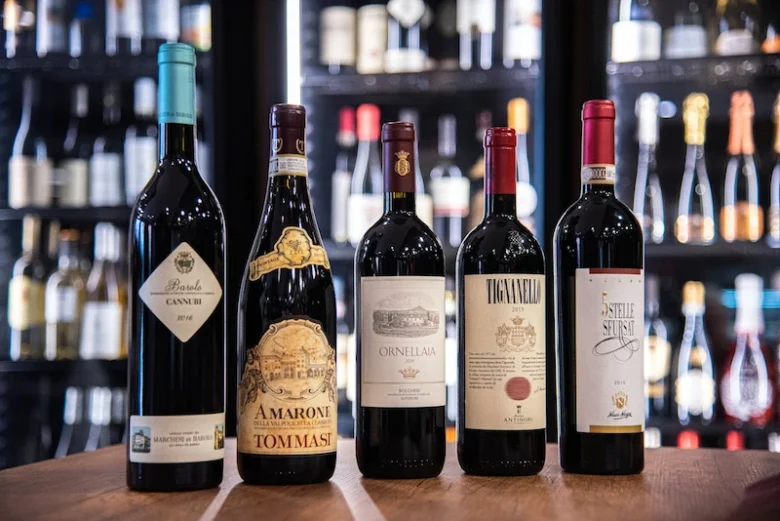
For example, a “Study in Terroir” could feature Pinot Noir from the Willamette Valley, Burgundy, and the Sonoma Coast. This allows your guests to see how the same grape expresses itself differently based on the soil, climate, and winemaking traditions of each area.
It turns the tasting into a geography lesson and a sensory puzzle. You are asking your guests to identify the commonalities and celebrate the differences.
Understanding the power of the vintage
One of the most fascinating aspects of wine is its ability to capture a specific moment in time. A vertical tasting—where you serve the same wine from different years—is a powerful way to demonstrate this.
You might choose a well-known Napa Valley producer and serve their flagship Cabernet from 2015, 2018, and 2021.
As you move through the years, you will notice how the weather patterns of each growing season have left their mark. A hotter year might produce wines with higher alcohol and riper, more jammy fruit.
A cooler, wetter year might result in higher acidity and more earthy, herbaceous notes. This approach invites your guests to think about the wine as a living thing that evolves and changes.
It adds a layer of intellectual depth to the evening that goes far beyond “I like this” or “I don’t like this.”
The role of temperature and service order
Serving wine at the correct temperature is perhaps the most frequent mistake made by home hosts. Most people serve their whites too cold and their reds too warm. When a white wine is ice-cold, its aromas are muted, and its acidity can feel sharp and aggressive.
When a red wine is at “room temperature” (which in many modern homes is 70°F or higher), the alcohol becomes more prominent, masking the delicate fruit and floral notes.
- Sparkling Wines: 40–45°F (4–7°C)
- Light Whites & Rosés: 45–50°F (7–10°C)
- Full-Bodied Whites: 50–55°F (10–13°C)
- Light Reds (Pinot Noir): 55–60°F (13–16°C)
- Bold Reds (Syrah, Cabernet): 60–65°F (16–18°C)
The order in which you serve the wines is also vital. Generally, you want to move from light to heavy, from dry to sweet, and from young to old.
Starting with a heavy, oaky red will overwhelm the palate, making it impossible to appreciate a delicate white wine served afterward.
By following a logical progression, you allow the palate to build up its tolerance for tannins and alcohol, ensuring that each wine is given a fair chance to shine.
Sourcing with intention
Where you buy your wine matters as much as what you buy. While your local supermarket might have some decent options, a truly premium experience often requires sourcing from specialized boutiques or directly from the wineries.
Many small-scale producers in regions like the Finger Lakes or the Santa Cruz Mountains offer limited-production bottles that you won’t find on a typical retail shelf.
Reaching out to these smaller producers can often lead to discovering “hidden gems” that provide a great talking point for your guests.
You can share stories about the winemaker’s philosophy or the specific challenges they faced during a particular harvest. This adds a human element to the tasting, connecting the person in your living room to the person who tended the vines.
It transforms the wine from a commodity into a piece of craftsmanship.
Pairing as an art form
The relationship between food and wine is one of the most celebrated dialogues in the culinary world. When done correctly, a pairing can elevate both the dish and the drink, creating a third flavor that neither possessed on its own.
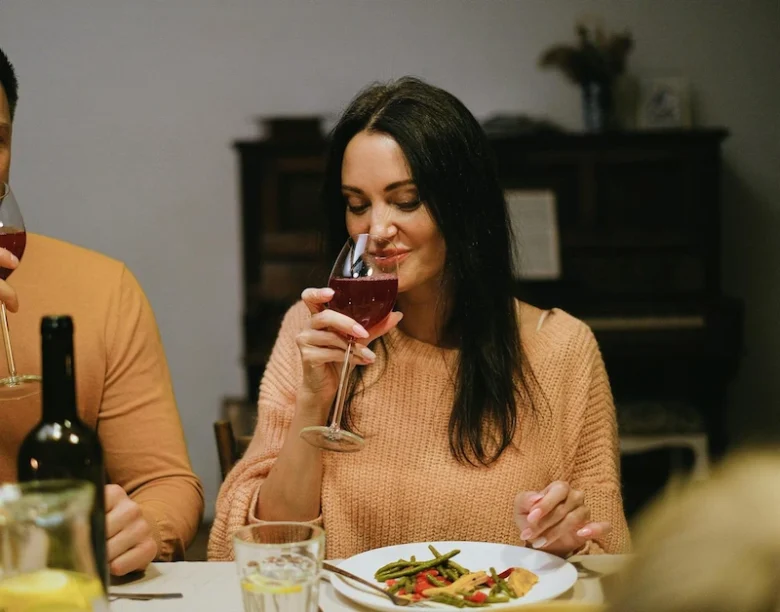
For your tasting, the food should be designed to complement the wine, not compete with it. You want flavors that highlight specific characteristics of the pour—perhaps a salty cheese to balance a high-acid white, or a rich, fatty protein to soften the tannins in a bold red.
Instead of a full meal, consider a series of small, curated bites. This allows you to tailor each morsel to a specific wine in your lineup. The goal is to create a “flavor bridge” between the plate and the glass.
As we saw earlier when discussing palate cleansers, the textures are just as important as the flavors. A creamy goat cheese paired with a crisp Sauvignon Blanc creates a beautiful contrast between the richness of the cheese and the sharp acidity of the wine.
Beyond the traditional cheese board
While cheese is a classic companion to wine, don’t be afraid to think outside the box. The modern palate is adventurous, and your guests will appreciate unexpected combinations. Consider the following ideas for a more provocative pairing menu:
- Earth and Sea: Pair a mineral-driven Chablis with fresh oysters topped with a hint of lemon zest. The salinity of the oyster mirrors the “seashell” notes often found in the wine.
- Spice and Fruit: A slightly off-dry Riesling can be a revelation when paired with spicy Thai-inspired chicken skewers. The sugar in the wine acts as a cooling agent against the heat of the chili.
- Smoke and Structure: A smoky, peppery Syrah from Washington State pairs beautifully with dark chocolate-covered bacon. The salt and fat of the bacon interact with the tannins, while the dark chocolate brings out the wine’s dark fruit notes.
These pairings are meant to be provocative. They should encourage your guests to stop and think about why the combination works. You are inviting them to become active participants in the culinary experience, analyzing the way the different elements interact on their tongue.
The aesthetics of the plate
In a premium setting, the visual presentation of the food is just as important as the taste. Use high-quality ceramics, slate boards, or even polished wood to present your pairings.
Pay attention to color and composition. A vibrant beet carpaccio paired with a pale rosé is not only delicious but visually stunning. You are creating a multi-sensory experience where the eyes are fed before the mouth.
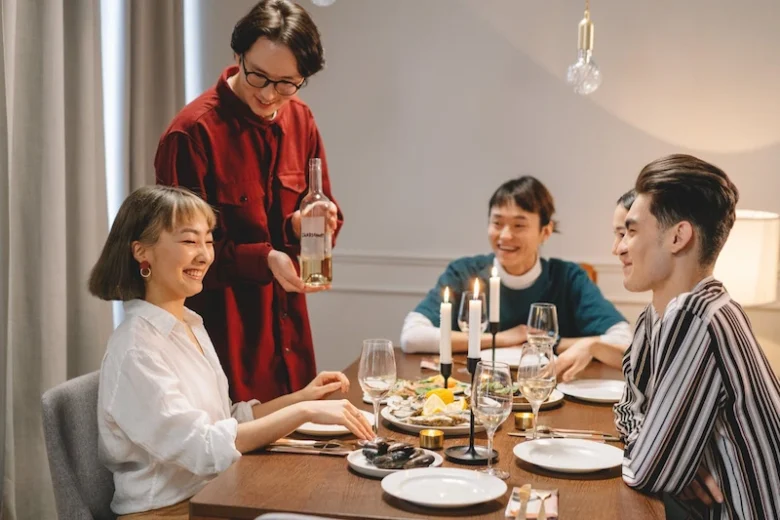
Consider the use of garnishes that reflect the tasting notes of the wine. If you are serving a wine that has notes of rosemary or thyme, incorporating those herbs into the dish can create a wonderful aromatic connection.
This level of detail shows a deep commitment to the theme of the evening. It tells your guests that you have explored the essence of the wine and are presenting it in its best possible light.
The seasonal influence
Your pairings should also reflect the time of year. A tasting held in the heat of July will feel very different from one held in the middle of January.
In the summer, focus on chilled whites, rosés, and light-bodied reds paired with fresh, seasonal produce like heirloom tomatoes, peaches, and grilled seafood. The energy should be light and refreshing.
In the winter, you can lean into richer, more robust wines paired with heartier flavors. Think braised meats, roasted root vegetables, and aged cheeses. The atmosphere should feel cozy and enveloping.
By aligning your tasting with the seasons, you tap into the natural rhythms of the world, making the experience feel more grounded and authentic. It shows that you are in tune with your environment, a key trait of a sophisticated host.
The final resonance: Beyond the glass
As the evening draws to a close, the focus often shifts from the technical details of the wine to the emotional impact of the gathering.
A successful tasting is one that leaves your guests feeling inspired and perhaps a bit disconcerted in the best possible way.
You want them to walk away with new questions about their own tastes and a deeper appreciation for the artistry involved in winemaking.
The conversation at the end of the night is where the real magic happens. This is when the formal “tasting” ends and the genuine “sharing” begins.
You might find yourselves discussing the spiritual connection between a winemaker and their land, or the way a particular vintage reminded someone of a long-forgotten memory.
These are the moments that Neomania Magazine celebrates—the ones that go beyond the surface and touch the essence of the human experience.
Reflecting on the aesthetic proposal
Hosting a premium event at home is a statement of intent. It is a way of saying that you value quality, craftsmanship, and the beauty of the moment. It is a rejection of the fast-paced, disposable culture that often surrounds us.
By taking the time to curate a selection of wines and foods, you are creating a space for slow, intentional living. You are inviting your guests to join you in a reflection on what it means to truly savor something.
This aesthetic proposal is at the core of everything we do. We believe that life is meant to be lived with a certain level of refinement and provocation.
Whether it is through art, fashion, or a perfectly poured glass of wine, the goal is always the same: to move the soul and challenge the mind.
Your tasting is a micro-version of this philosophy, a vibrant selection of flavors and ideas that transit from the physical to the spiritual.
Building a community of taste
One of the most rewarding aspects of hosting these events is the community that forms around them. You will find that your guests begin to look forward to these gatherings as a highlight of their social calendar.
They become a space where people can be themselves, free from the pressures of the outside world, and engage in meaningful dialogue.
You might even consider starting a small, informal wine club with your closest friends. Each person could take turns hosting and choosing a theme.
This allows the group to grow together, expanding their collective knowledge and refining their palates over time. It turns a one-off event into a shared journey of discovery.
This sense of belonging and shared passion is what makes the world of premium lifestyle so compelling.
The legacy of the evening
Long after the last bottle has been recycled and the glasses have been polished and put away, the memory of the evening will remain.
The stories you shared, the flavors you discovered, and the connections you made are the true legacy of your hosting. You have provided your guests with more than just a drink; you have given them a story to tell.
In the world of Neomania, we are always looking for those who dare to go further, who ask the difficult questions, and who seek beauty in the unexpected.
Your commitment to creating a sophisticated, high-end experience at home is a reflection of that spirit. It is a way of bringing the extraordinary into the everyday, of finding the profound in the simple act of sharing a glass of wine with friends.
As you reflect on your experience, consider how these principles can be applied to other areas of your life. How can you bring that same level of intentionality and curation to your home office, your wardrobe, or your daily routines?
The pursuit of a refined life is a continuous process, one that requires constant attention and a willingness to take risks. But as you have seen through your tasting, the rewards are well worth the effort.
We invite you to continue this journey with us. There is so much more to explore, so many more stories to uncover, and so many more risks to take.
The world is full of vibrant, unsettling, and beautiful things, and we are here to help you find them. Whether you are a young professional just starting to build your cellar or a seasoned adult with a deep appreciation for the finer things, there is a place for you in our community.
Take a moment to think about the next chapter of your aesthetic journey. What new flavors will you explore? What new artists will you discover? The possibilities are as endless as the rows of vines in a sun-drenched vineyard. We are here to provide the inspiration and the insight you need to navigate this exciting landscape.
If you found yourself moved by the narrative of this evening, if you felt transported by the idea of a curated life, and if you are ready to explore the essence of art and lifestyle with a refined and direct gaze, then it is time to take the next step.
Join a community that values the spiritual, the provocative, and the vibrant. Stay connected with the trends that matter and the stories that inquiet, emote, and disconcert. We invite you to deepen your connection with our vision and become a permanent part of our world.
Subscribe to Neomania Magazine today and ensure you never miss an opportunity to be inspired, challenged, and transformed by the very best in global culture and style.
Your journey into the heart of the premium lifestyle is just beginning, and we are honored to be your guide. Let us continue to explore the risks, the questions, and the beauty of our world together, one glass at a time.