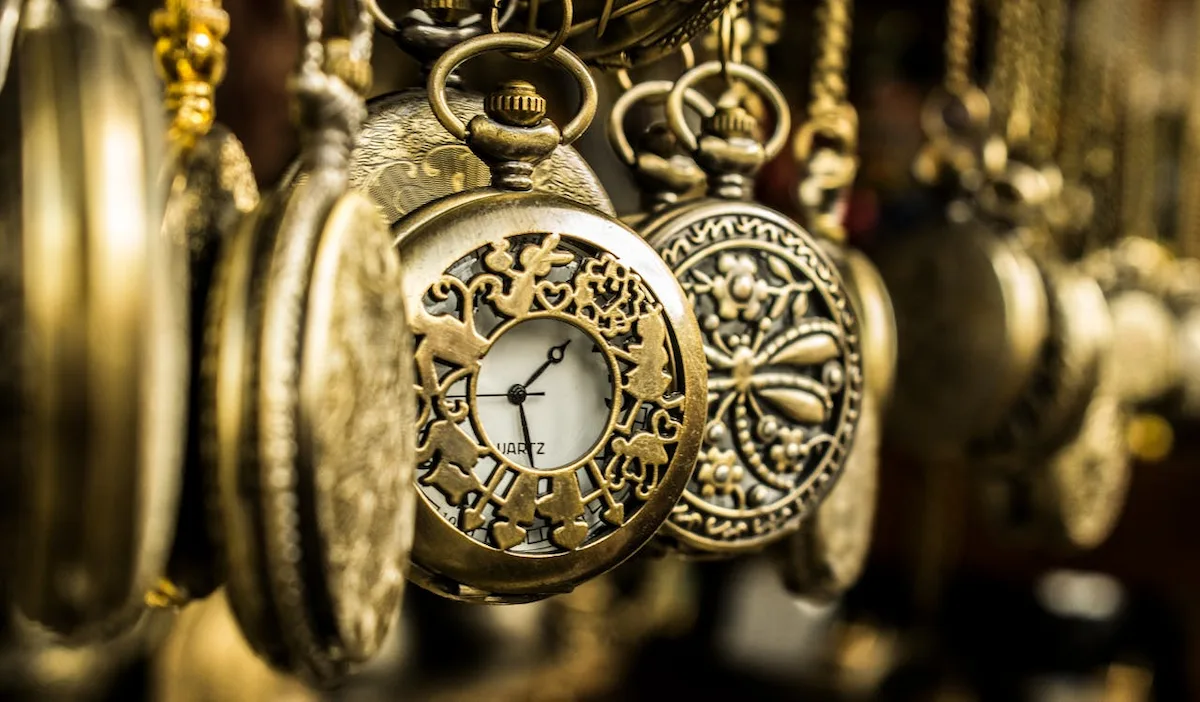
A vintage watch is not merely an instrument for telling time. It’s a pulse on your wrist, a mechanical heart beating with the echoes of a bygone era.
It’s the subtle weight of history, the quiet confidence of craftsmanship that has endured decades of change. In a world saturated with fleeting digital notifications and disposable technology, the allure of a classic timepiece is stronger than ever.
It represents a tangible connection to the past and a statement of personal taste that transcends transient trends.
These objects are more than just accessories; they are portable narratives. Each scratch on the crystal, every gentle fade on the bezel, tells a story of moments lived.
They have been present at boardroom negotiations, family celebrations, and quiet moments of personal triumph. They are artifacts of human ingenuity, intricate ecosystems of gears, springs, and jewels working in perfect harmony, all without a single line of code.
This is where the true value lies, not just in the market appreciation, but in the profound connection we feel to an object that has a soul.
Understanding this emotional and historical gravity is the first step toward appreciating these miniature marvels. It’s about recognizing that you are not just acquiring an asset, but becoming a custodian of a small piece of history.
The journey is one of discovery, of learning to read the language of dials, hands, and case shapes. It’s a pursuit that rewards patience, knowledge, and a keen eye for the details that separate the mundane from the magnificent. It is this deeper understanding that transforms a simple purchase into a meaningful collection.
The soul of the machine: Why classic timepieces captivate
The fascination with vintage horology goes far beyond simple nostalgia. It’s a multifaceted attraction that taps into our appreciation for artistry, our desire for permanence, and our love for a good story.
In an age of mass production, these watches stand as monuments to a time when things were built to last, designed with both function and beauty in mind. They are a quiet rebellion against the ephemeral nature of modern life.
This appeal isn’t a recent phenomenon, but it has certainly intensified. As our lives become more integrated with intangible digital services, the desire for physical, meaningful objects grows.
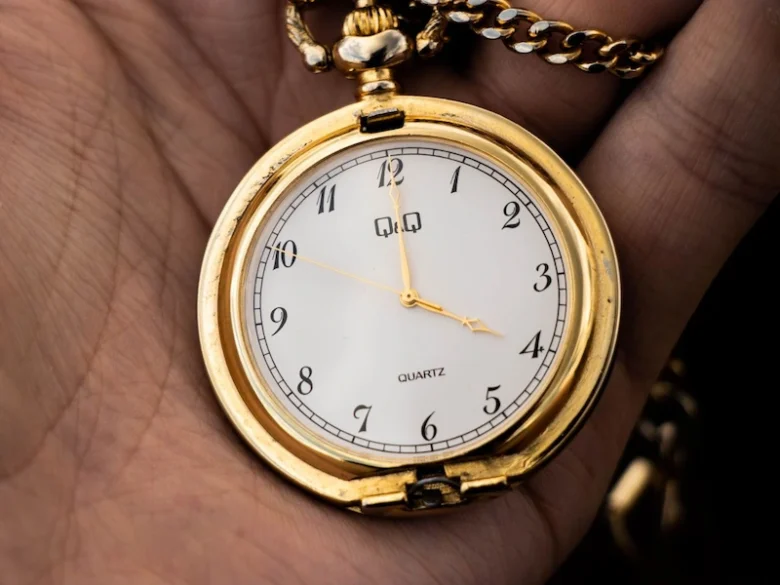
A classic watch answers that call. It’s an analog anchor in a digital sea, a reminder that the most complex and beautiful things are often born from human hands, not algorithms.
The experience of winding a watch, of hearing its gentle ticking, is a meditative ritual that connects us to the very concept of time itself in a way a smartphone never could.
The narrative in the patina
A brand-new watch is a blank canvas. A vintage watch is a finished masterpiece, complete with the unique marks of its journey through time. This is the concept of patina—the gentle aging of materials that collectors cherish.
A dial that has faded from black to a soft, chocolatey brown, or hands whose luminous material has aged to a warm, creamy yellow, are not seen as flaws. They are badges of honor, visual proof of an authentic life lived.
This patina is impossible to replicate artificially with any real success. It is the slow, patient work of sunlight, humidity, and time. A so-called “tropical” dial, for example, is the result of a specific chemical reaction in the dial paint used during a certain period, creating a unique and often stunning effect. These details are what collectors hunt for.
They are the watch’s unique fingerprint, ensuring that no two pieces are ever exactly alike. Owning a watch with honest patina means owning a one-of-a-kind object whose story is written on its very face. It’s a testament to its resilience and its history, a visual poem that speaks of its past without saying a word.
Mechanical marvels in a digital age
To look through a display caseback at a mechanical watch movement is to witness a city in miniature. Hundreds of tiny, meticulously finished components work in concert—the balance wheel oscillating hundreds of thousands of times a day, the gear train transferring energy with microscopic precision.
This is pure mechanical engineering, a tradition of artistry and science passed down through generations of watchmakers.
In our current era, where technology is often a black box of circuits and software, the transparency of a mechanical movement is deeply compelling. It’s an honest machine.
You can see how it works, understand its principles, and appreciate the immense skill required to assemble and regulate it. This appreciation for craftsmanship is a core driver for collectors.
It’s the knowledge that a human being, not an automated assembly line, spent hours finishing, assembling, and testing the tiny engine on your wrist.
This human touch imbues the watch with a character and warmth that no smart device can ever hope to achieve.
A statement of enduring style
Fashion is fleeting, but true style is permanent. Vintage timepieces are the embodiment of this idea. Designs like the Omega Speedmaster, the Rolex Submariner, or the Patek Philippe Calatrava have remained largely unchanged for over half a century, yet they look as relevant and sophisticated today as they did upon their debut.
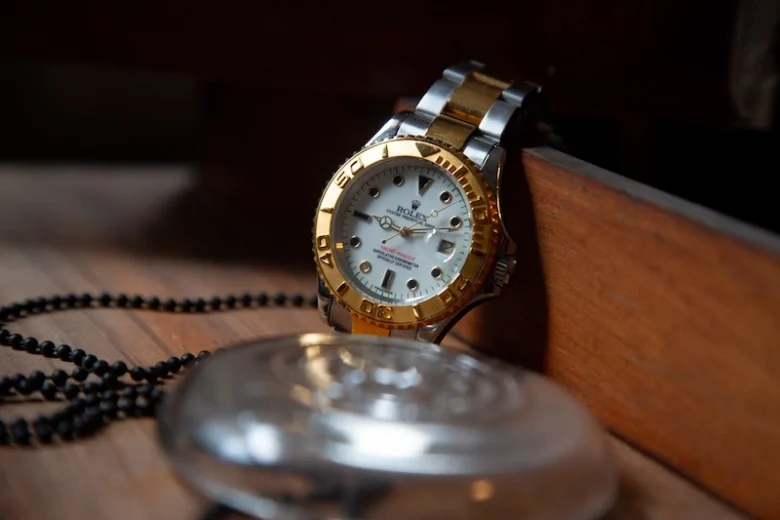
They were designed with a sense of purpose and aesthetic balance that has allowed them to become timeless icons.
Wearing a classic watch is a subtle nod to this history of design. It signals an appreciation for things that are not disposable. It’s a choice to opt out of the constant cycle of upgrades and planned obsolescence.
Instead of wearing the latest tech gadget, you are wearing a piece of design history, an object that has proven its worth and its beauty over decades. It complements a personal style rather than defining it, adding a touch of elegance and substance that is both understated and deeply impactful. It speaks of confidence and an understanding of what truly lasts.
The anatomy of a horological legend: What to look for
Embarking on the path of collecting classic timepieces requires more than just passion; it demands knowledge. The market is vast, and the difference between a treasured heirloom and a costly mistake often lies in the smallest of details.
Understanding the key brands, the critical elements of condition, and the importance of a watch’s history are the foundational pillars of a successful and rewarding collecting journey. This is where the enthusiast evolves into the connoisseur.
This knowledge is your most valuable tool. It allows you to look at a watch and see beyond its surface, to understand its context, its rarity, and its authenticity.
It’s a language learned through research, observation, and conversation with other enthusiasts. The more you learn, the more you begin to appreciate the subtle nuances—the shape of a crown, the font on a dial, the finishing on a movement—that tell the true story of the watch in your hands. It’s a fascinating and endlessly deep field of study.
Iconic brands and their holy grails
While countless brands have produced remarkable watches, a few have consistently stood at the pinnacle of horology, creating models that have become legends in their own right.
These are the names that form the bedrock of the collecting world, not just because of their marketing, but because of their history of innovation, quality, and timeless design. Focusing on these icons is often a wise starting point for any new collector.
Rolex, for instance, is synonymous with durability and iconic design. The Submariner is arguably the most famous dive watch ever made, a tool watch that transcended its utilitarian roots to become a status symbol.
The Daytona chronograph, particularly the vintage, manually-wound models with “Paul Newman” dials, are among the most sought-after watches in the world. Their story is one of incremental, purposeful evolution, creating a lineage of reliability and recognition.
Patek Philippe represents the height of horological artistry and elegance. The Calatrava is the quintessential dress watch, a study in minimalist perfection.
Their perpetual calendar chronographs, like the reference 1518 or 2499, are considered “grail” watches by even the most seasoned collectors, representing a masterful combination of complex mechanics and sublime aesthetics. Ownership of a Patek is often seen as the culmination of a collecting career.
Omega offers a rich history of precision and adventure. The Speedmaster Professional, famously the first watch worn on the moon, is an absolute icon with a story that is unmatched. Its robust design and historical significance make it a cornerstone of many collections.
The Seamaster line, with its history of use by professional divers and a certain fictional secret agent, offers a compelling alternative to its Rolex counterpart. Each of these brands offers a universe of models to explore, each with its own unique history and appeal.
A short list of other key models to research includes:
- Audemars Piguet Royal Oak: The original luxury sports watch that shattered design conventions in the 1970s.
- Heuer Carrera: A pure and legible chronograph beloved by racing drivers, representing the golden age of motorsport.
- Jaeger-LeCoultre Reverso: An art deco masterpiece with a unique swiveling case, originally designed for polo players.
- Cartier Tank: An elegant and timeless design inspired by the Renault tanks of World War I, worn by artists and royalty alike.
The devil in the details: Originality and condition
When evaluating a vintage timepiece, two words are paramount: originality and condition. A watch can be from a desirable brand and model, but if its key components have been replaced or poorly restored, its value—both financially and historically—can be severely diminished. The goal is to find a watch that is as close as possible to how it left the factory.
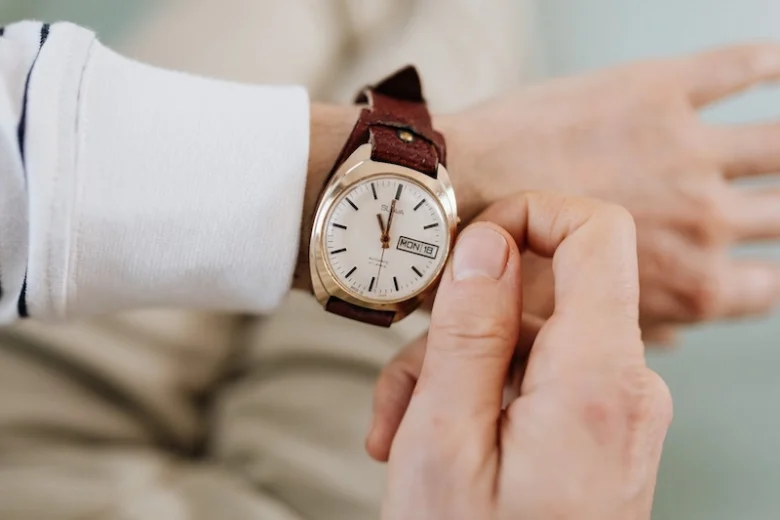
The dial is the face of the watch and, for most collectors, the most important element. An original, untouched dial is highly prized.
Look for signs of “redialing” or repainting, such as uneven or blurry text, mismatched lume color between the hands and the hour markers, or a finish that looks too perfect for its age. A dial with honest, attractive aging is always preferable to a poorly restored one.
The case is another critical area. Sharp, defined edges and thick lugs are desirable, as they indicate the case has not been over-polished.
Polishing metal to remove scratches also removes material, and aggressive polishing can soften the original lines of the case, dramatically affecting its value.
Look for the original brushed or polished finishes to be intact. The crown and crystal should also be period-correct if possible.
Finally, the movement must be correct for the model and in good working order. While a service is a normal part of a watch’s life, ensure that no major components have been replaced with incorrect parts.
A watch that has all of its original parts, even if they show some wear, is what collectors refer to as an “honest” watch. This integrity is the foundation of its value.
Provenance: The story that adds value
Provenance is the documented history of a watch. It is the story that accompanies the object, and in some cases, it can elevate a watch from a simple collectible to a priceless artifact. While most vintage watches will not have an extraordinary story, those that do command a significant premium.
The most basic form of provenance is the original box and papers. These documents—the warranty card, chronometer certificate, and original receipt—confirm the watch’s origins and prove its authenticity from the day it was sold.
Having a “full set” can add a substantial percentage to a watch’s value, as these ephemeral items were often discarded, making them rare today.
A more compelling form of provenance is a connection to a significant person or event. A military-issued watch with records of its service, a watch gifted between notable individuals, or, in the most extreme cases, a watch worn by a celebrity, can see its value skyrocket.
The most famous example is the Rolex “Paul Newman” Daytona owned by Paul Newman himself, which sold at auction for over $17 million. Its value was not just in the watch itself, but in the incredible story it represented.
While you may not find a watch owned by a movie star, even a simple engraving on the caseback can provide a fascinating glimpse into its past life, adding a layer of personal connection that is truly priceless.
Building your collection: A thoughtful approach
Acquiring your first, or next, vintage timepiece is an exciting prospect. However, a truly great collection is built not through impulsive purchases, but with a deliberate and thoughtful strategy.
It’s about curating a group of watches that not only hold their value but, more importantly, resonate with you on a personal level. This is the part of the journey where you transition from simply buying watches to becoming a true collector.
This process is deeply personal and should be driven by your own tastes and interests. A collection that reflects your personality will bring you far more joy than one assembled based on market trends alone.
It’s an opportunity for self-expression and deep learning. The goal is to create a collection that tells a story—your story. This requires introspection and a clear vision of what you want to achieve.
Defining your personal collecting philosophy
Before you even start looking at watches, take some time to think about what draws you to them. What is your “why”? Your answers will form the foundation of your collecting philosophy, a guiding principle that will help you make focused and satisfying choices. There is no right or wrong answer; the goal is to find a theme that excites you.
Are you fascinated by a particular brand? You might decide to become a specialist, focusing on the history and evolution of Omega Seamasters or the various iterations of the Rolex Datejust. This allows you to gain deep expertise in a specific area.
Perhaps you are drawn to a particular function or “complication.” You could build a collection of chronographs from different eras, comparing the designs of Heuer, Breitling, and Universal Genève.
Or maybe you are captivated by the elegance of dress watches, seeking out fine examples from Patek Philippe, Vacheron Constantin, and Audemars Piguet.
Another approach is to collect around a specific design era. You might love the clean, utilitarian look of military watches from the 1940s, or the bold, funky designs of the 1970s. By defining a theme, you create a cohesive collection with a clear narrative.
This focus will make your search more directed and ultimately more rewarding. Your collection will become more than a sum of its parts; it will be a curated exhibition of your passion.
Navigating the market: Trusted dealers, auctions, and communities
Once you have a philosophy, the next step is knowing where to look. The vintage watch market can be a treacherous place for the uninitiated, so it is crucial to buy from reputable sources. Your goal is to minimize risk and ensure you are getting an authentic, high-quality piece.
Trusted and established vintage watch dealers are often the safest bet for new collectors. These experts have a reputation to uphold. They stake their name on the authenticity and quality of the watches they sell.
While you may pay a premium compared to a private sale, you are paying for their expertise, their vetting process, and the peace of mind that comes with a guarantee of authenticity. Building a relationship with a good dealer is one of the most valuable assets a collector can have.
Major auction houses like Phillips, Christie’s, and Sotheby’s are where the rarest and most important watches are sold. While it can be an exciting environment, it’s also a high-stakes one.
It’s essential to do your homework, inspect the watch in person if possible, and understand the buyer’s premium that will be added to the final hammer price. Auctions are a great place to observe the market and learn, even if you are not bidding.
Online forums and collector communities can be an invaluable resource for learning and, eventually, for sourcing watches. Websites like Omega Forums or the Vintage Rolex Forum are filled with passionate experts who are often willing to share their knowledge.
However, when buying from private sellers on these platforms, it is crucial to “buy the seller, not the watch.” Research their reputation, ask for references, and never be afraid to ask detailed questions.
Here are a few key questions to ask any seller:
- Can you provide high-resolution photos of the dial, case, caseback, and movement?
- What is the service history of the watch?
- Are all parts of the watch original to the best of your knowledge?
- What is your return policy if the watch is not as described?
A reputable seller will be happy to answer these questions thoroughly. Their transparency is a good indicator of their trustworthiness. This careful approach is essential for a successful vintage watch investment.
The long game: Care, maintenance, and enjoyment
Your journey doesn’t end when you purchase the watch. In fact, it’s just beginning. As the new custodian of this piece of history, you have a responsibility to care for it properly so that it can be enjoyed for generations to come. Proper maintenance is not an expense; it’s an investment in the longevity of your collection.
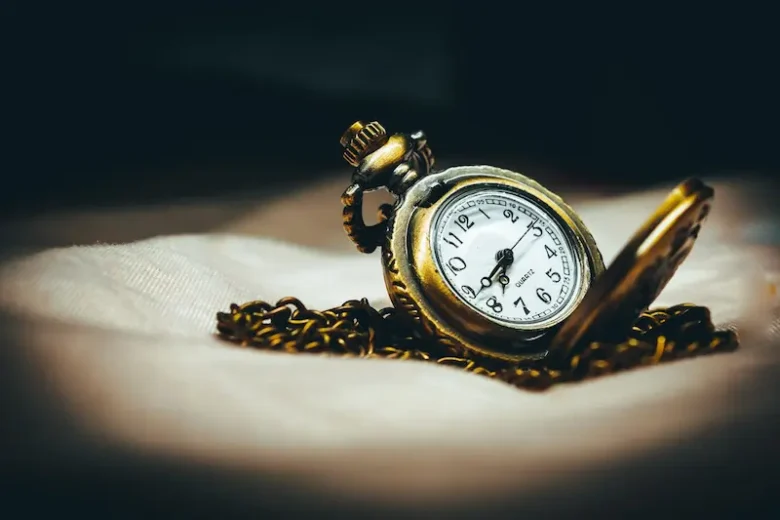
Mechanical watches are complex machines that require periodic servicing by a qualified watchmaker, typically every 5-7 years. During a service, the watch is completely disassembled, each part is cleaned, it’s reassembled and lubricated, and then regulated for accuracy.
It’s crucial to find a watchmaker who has experience with vintage pieces, as they will understand the importance of preserving original parts and finishes.
Beyond mechanical servicing, be mindful of how you store and wear your watches. Keep them away from strong magnetic fields, which can affect their accuracy.
While many vintage sports watches were originally water-resistant, it’s a safe rule to assume that no vintage watch is truly waterproof today.
The old gaskets and seals will have degraded over time. A simple splash of water might be fine, but it’s best to avoid swimming or showering with them.
Most importantly, wear your watches. These beautiful objects were made to be worn and enjoyed, not kept locked away in a safe.
Each time you glance at your wrist, you’ll be reminded of the history it carries, the craftsmanship it represents, and the personal journey you took to acquire it.
This daily enjoyment is the ultimate return on your investment. It’s the feeling of connection, the appreciation of beauty, and the quiet joy of owning something truly special.
The world of vintage timepieces is one of endless discovery. It’s a field where history, art, and engineering converge on your wrist. The stories these watches tell are not just about telling time, but about the times they’ve lived through.
Here at Neomania Magazine, we believe in exploring these deeper narratives, in looking beyond the surface to find the soul of an object.
The aesthetic proposal of a vintage watch is a dialogue with the past, a reflection on what it means to create something of enduring value.
We invite you to continue this journey with us, to be transported by these stories, and to reflect on the artistry that shapes our world.
Let our content inspire you to see the world differently and subscribe to become part of a community that values substance and style.