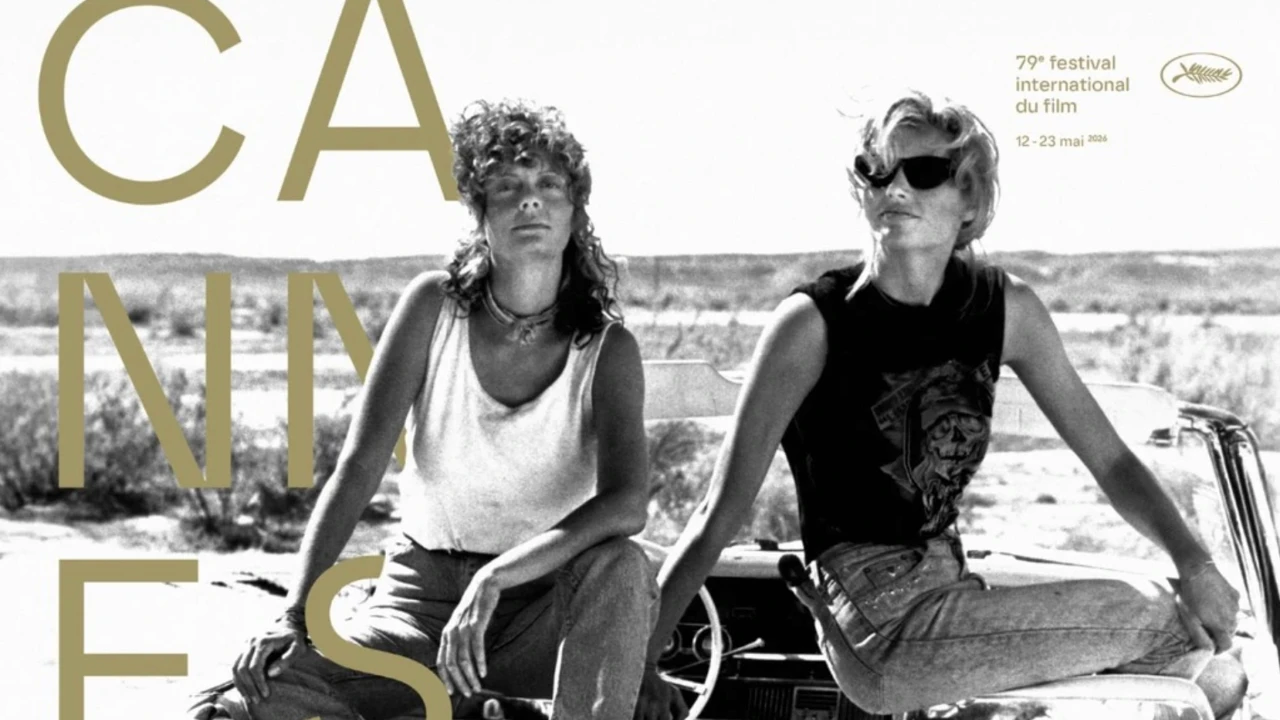
79th Cannes Film Festival
Lights and shadows on the Croisette: When the lights at the Palais des Festivals go out and the photographers’ flashes give the Côte d’Azur a breather, what remains is the true essence of the stories. Cannes 2026 will not go down in history for its superficial glamour, but for the raw power and beauty of its films.
The 79th Cannes Film Festival has once again emerged as a clear barometer of the geopolitical, familial and even identity-related tensions facing the contemporary society of which we are a part.
On this occasion, under the chairmanship of the South Korean filmmaker Park Chan-wook, the jury has clearly favoured a selection of auteur films, austere in form but profoundly daring in their psychological depth.
Indeed, against the backdrop of the film industry’s turbulent dynamics and the looming strike that threatened to cast a shadow over the festival’s final days, Cannes has demonstrated that auteur cinema not only survives, but remains the ideal space for dissecting the human fractures of our time.
The Awards
Palme d’Or
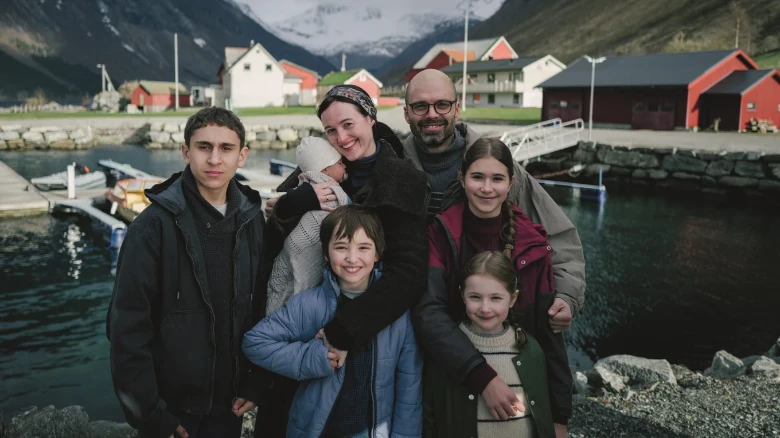
Fjord · Cristian Mungiu.
Romanian director Cristian Mungiu joins the select club of two-time Palme d’Or winners with Fjord, a gruelling and meticulously crafted film set in a small, prejudiced community in Norway.
Starring Sebastian Stan and Renate Reinsve, the film presents a dense and multi-layered family drama that portrays the cultural clash and underlying resentment of old Europe.
Mungiu employs his customary formal rigour (impeccable sequence shots, an absence of melodramatic artifice) to draw the viewer into a moral labyrinth in a truly masterful manner.
For whilst its divisive nature sparked intense debate on the Croisette, no one can dispute the mastery with which the director handles uncomfortable tension and psychological chasms.
Grand Jury Prize
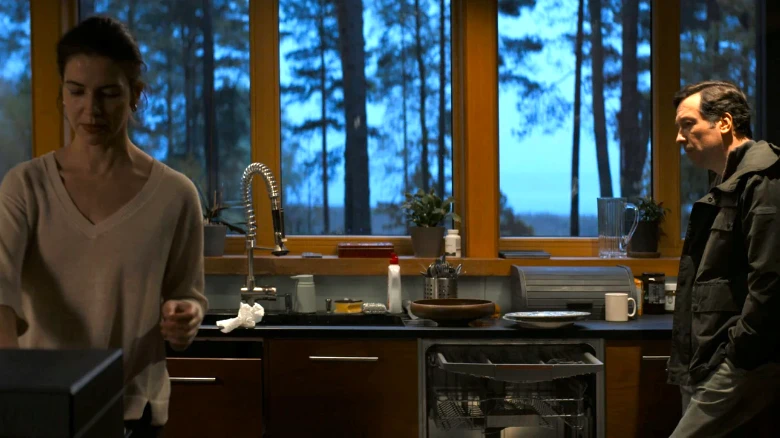
Minotaur · Andrey Zvyagintsev.
With Minotaur, Andrey Zvyagintsev has created a colossal and unsettling work.
The film chronicles the descent into hell of Gleb, a Russian businessman whose professional and personal life unravels in tandem with the ravages of the war between Russia and Ukraine.
Zvyagintsev crafts a brutal allegory about dehumanisation and the suffocating weight of state and institutional structures.
With a measured pace and striking visual design, the director builds a relentless, claustrophobic atmosphere, making this one of the festival’s most powerful exercises in political and existential critique.
Best Director Award (joint winners)
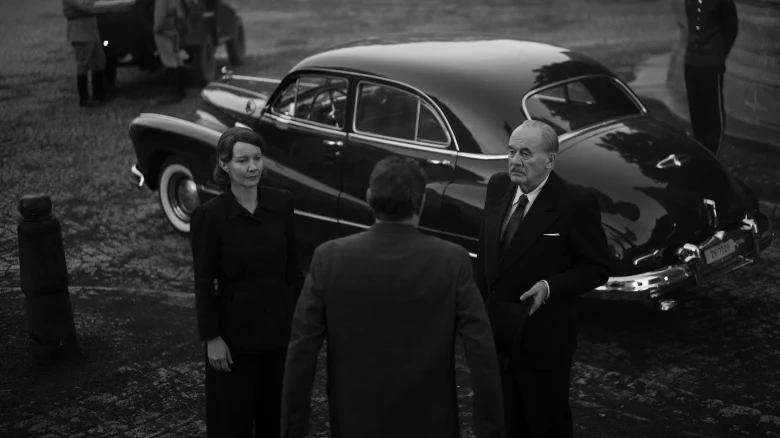
Paweł Pawlikowski for Fatherland.
The Polish-born master returns to the realm of historical memory with a stunningly beautiful film, featuring lyrical cinematography and superb control of space.
The filmmaker demonstrates a clear ability to interweave the characters’ private lives with the great traumas of the last century, reaffirming his passion for the art.
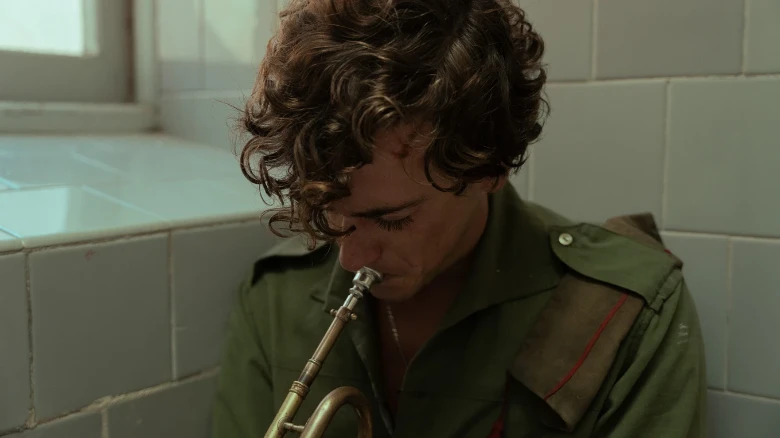
Javier Calvo y Javier Ambrossi for The Black Ball.
The Spanish duo provided the competition’s biggest surprise.
‘The Javis’ bring their unmistakable emotional sensitivity and narrative audacity to a dark and daring story.
Their vibrant and daring direction won over the jury with its fresh take on portraying the fringes of society and the shadows of guilt.
Jury Prize
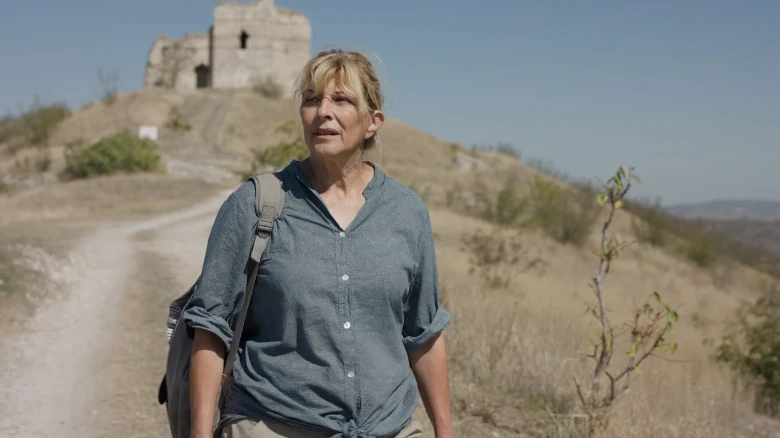
The Dreamed Adventure (Valeska Grisebach).
German director Valeska Grisebach masterfully directs The Dreamed Adventure, a subtle and lyrical exploration of desire, rootlessness and memory.
The director deliberately steers clear of narrative fireworks to craft a deeply moving, observational film through silences and gestures.
Undoubtedly, this award celebrates the formal restraint of a competition often characterised by the excesses of its protagonists.
Acting and writing awards
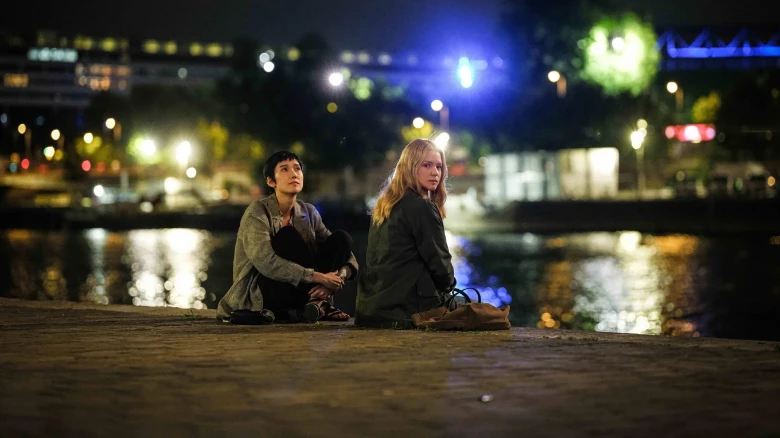
Best Actress: Virginie Efira and Tao Okamoto for All of a Sudden.
A double win that is entirely deserved. Under the direction of the Japanese filmmaker Ryusuke Hamaguchi, both actresses engage in a dramatic duel based on silences, glances and the invisible barriers of language, evoking a heart-wrenching melancholy.
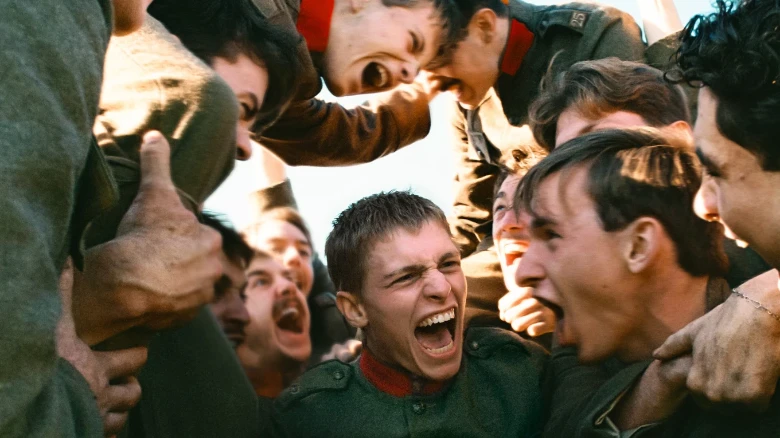
Best Actor: Emmanuel Macchia y Valentin Campagne for Coward.
Two young actors have won the award for their poignant, physical and intimate portrayal of male fragility, social pressure and the unhealed wounds of queer identity.
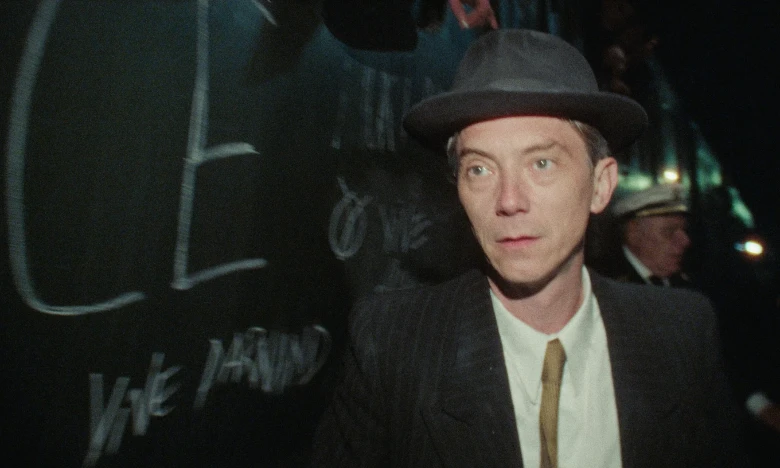
Best Screenplay: Emmanuel Marre for A Man Of His Time.
A chilling and daring dissection of the banality of evil that replaces traditional war drama with the terror of bureaucracy.
With its stark pacing and a masterful performance by Swann Arlaud, the film unsettles the viewer by portraying how grey mediocrity and personal ambition fuelled the machinery of totalitarianism.
In short, in 2026 the Cannes Film Festival has established a list of winners committed to complex narratives and rigorous visual languages.
By rewarding Zvyagintsev’s political bite, Mungiu’s surgical precision and the dramatic vitality of Calvo and Ambrossi, the jury has made it clear that contemporary cinema is not created in the absence of conflict.
La Croisette bids farewell by reaffirming that, amidst the technological and business uncertainties shaking the sector, stories with a human and unsettling perspective remain the heart that keeps this art form alive.