Exhibitions in Boston, London and Helsinki approach the inward-looking tradition of Symbolism, the art movement that triumphed across Europe in the late 19th century.
Symbolism is all the rage. Born in France and Belgium more than a century ago, this autumn it has filled galleries in Boston, London and Helsinki. We are bombarded by images that flicker past before we have time to appreciate them. Yet this style demands a slower pace: it is not enough to look; we have to linger and notice what a shadow might conceal, what a landscape might recall, what a face cannot say aloud.
For Schopenhauer, the visible world was a mere appearance that only acquires meaning when we realise that the eternal truth finds expression through it.
Symbolist artists rejected modern life: overcrowded cities, industry, factory smoke. They sought to uncover a truth beyond the empirical. They did not set out to depict reality. Instead, they used painting as a means of transcending into other realms through intuition and meditation. They saw a work of art as an emotion born of personal experience. Their aim was to externalise a feeling or an idea, exploring the depths of the self.
Symbolist art became a threshold between the visible world and the hidden lives within. It suggested a shared desire to look behind appearances.
Boston: shadows and light at the McMullen Museum
Until 6 December 2026 · McMullen Museum, Boston College
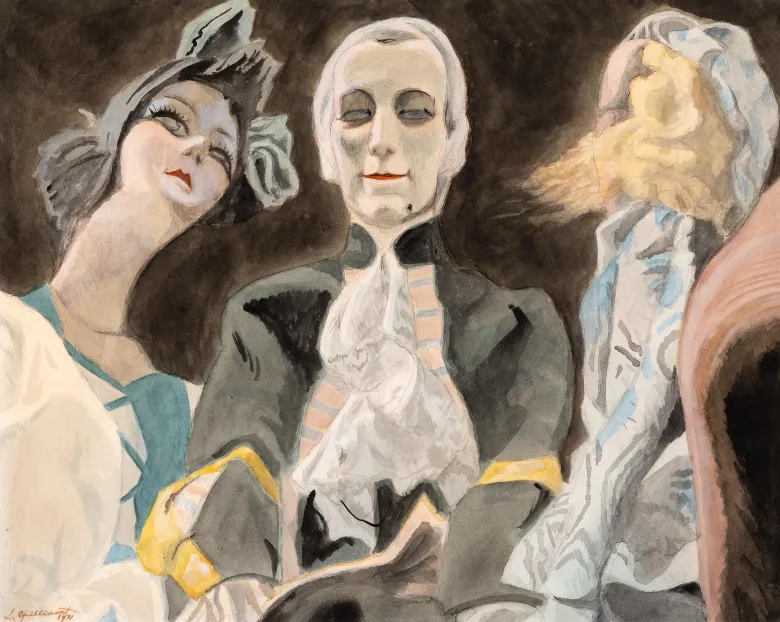
At Boston College’s McMullen Museum, ‘Shadows and Light: Symbolist Art in Belgium’ (works from the Hearn Family Trust) brings together 150 paintings and sculptures by Belgian and other European artists. It includes works by Gustave Moreau, Dante Gabriel Rossetti, František Kupka and Koloman Moser, as well as 46 paintings by Léon Spilliaert.
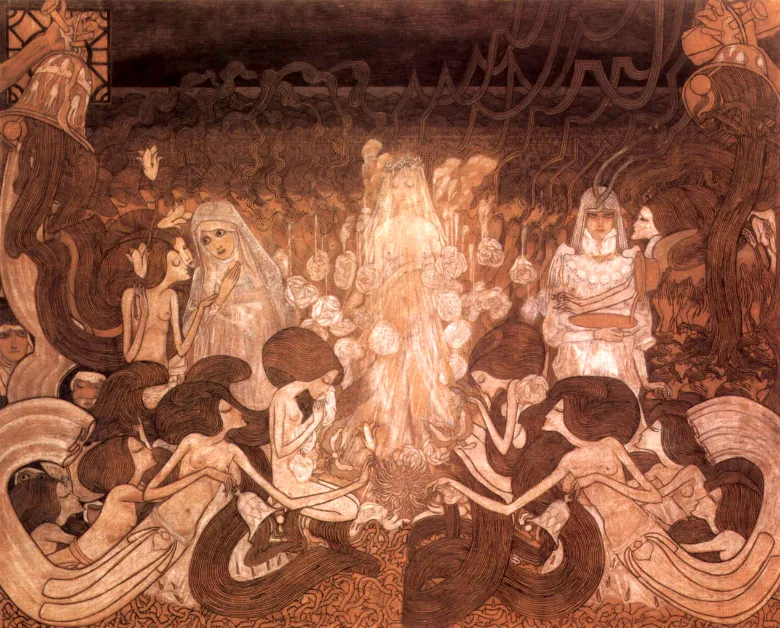
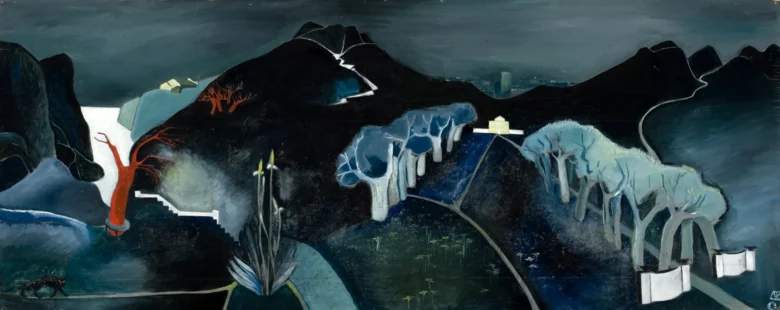
Two of these visions are Jan Toorop‘s The Three Brides and William Degouve de Nuncques‘s View of Brussels. With the same sensibility, their figures and landscapes draw the eye past the scene and towards its atmosphere.
Shadows are not simply the absence of light; they are a way of opening us up to mystery. A door is charged with private feeling, as if the visible world were quietly listening to something within.
London: landscapes of the soul at Stuart Lochhead Sculpture
5 October to 6 November 2026 · Stuart Lochhead Sculpture, London
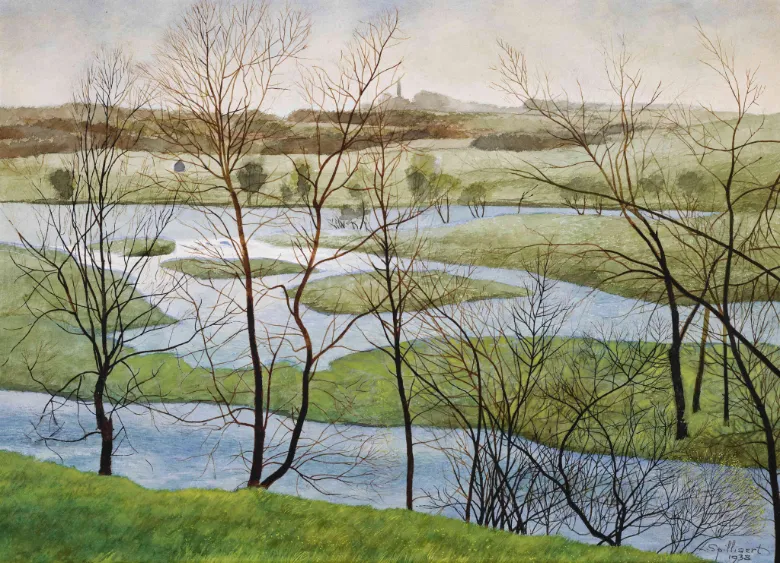
Stuart Lochhead Sculpture presented ‘Beyond the Visible: Symbolism and its Legacies’. One of its highlights was Albijn Van den Abeele‘s Beech and Fir Trees, Shortly After the Rain.
The Symbolists spoke of ‘landscapes of the soul’, in which nature reflects the inner world rather than merely the outer one. The landscape stops being a simple view and becomes a mood we step into.
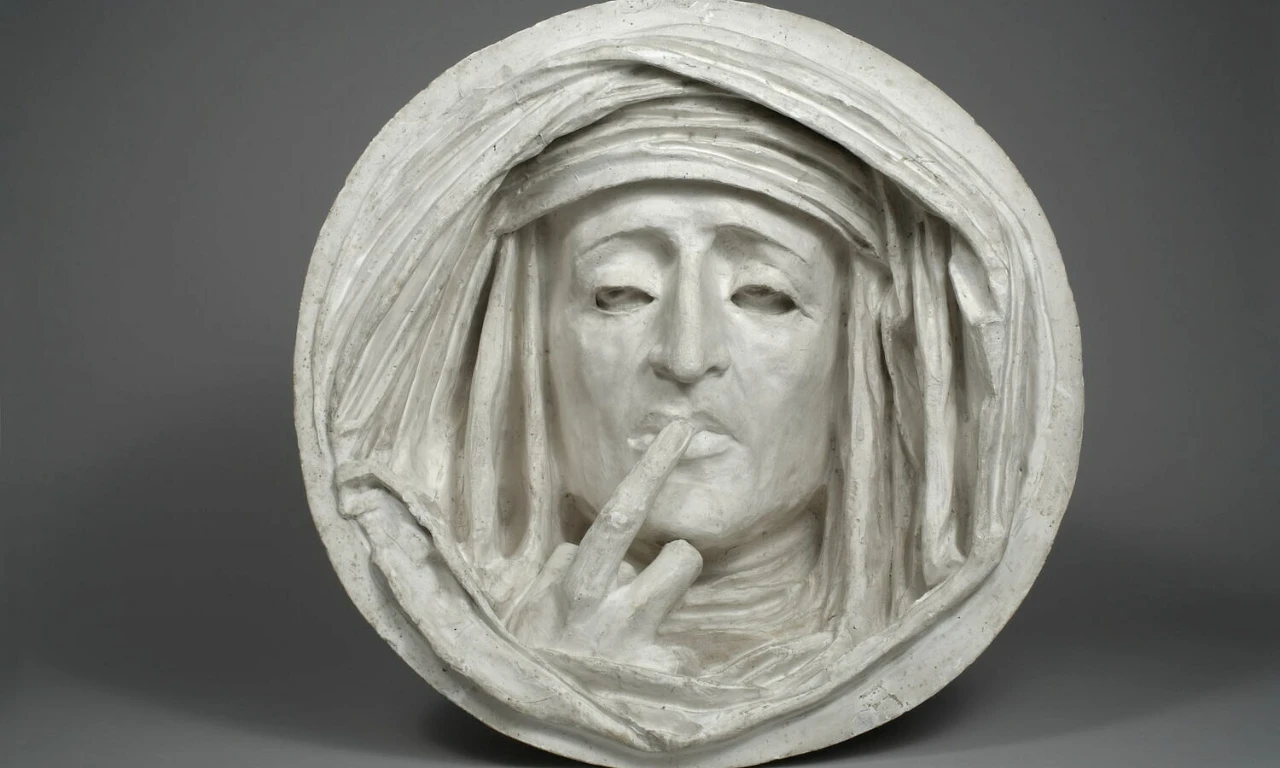
The exhibition included works by Maurice Denis and Adolfo Wildt, as well as sculpture such as Auguste Préault‘s Silence. The gesture of a finger raised to the lips turns silence into an image of secrecy and reflection. The visible and the inner world meet and leave us before an open enigma.
Helsinki: Hilma af Klint and Nordic women at the Ateneum
Until 28 February 2027 · Ateneum Art Museum, Helsinki
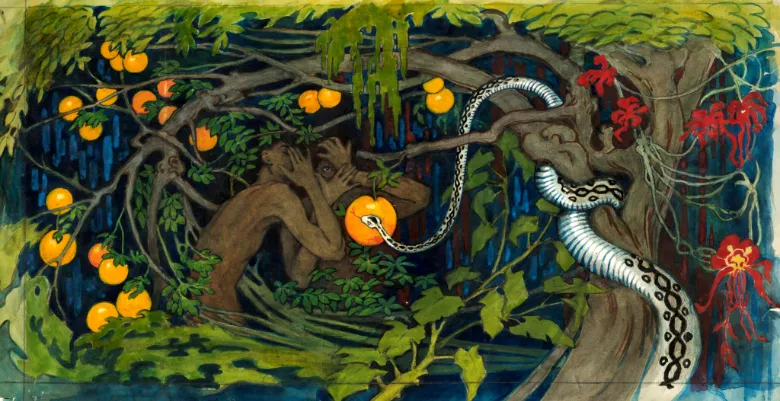
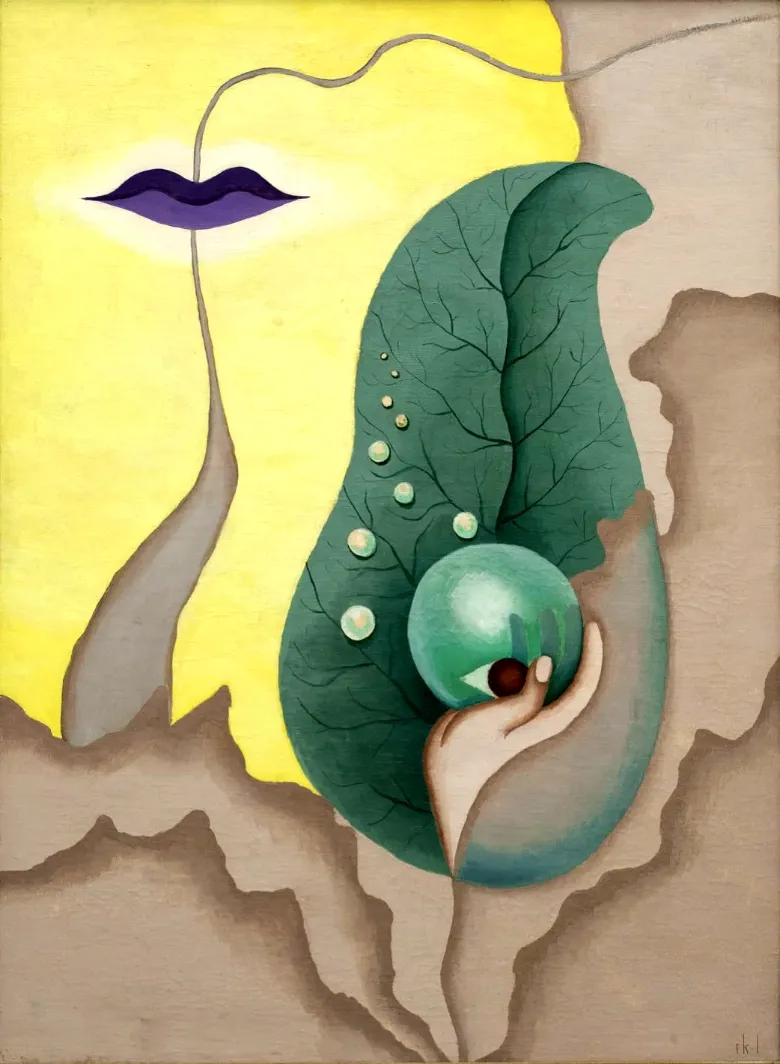
The Ateneum Art Museum presents ‘Arcana Borealis – Northern Women and Esotericism’. The show brings together women artists from the Nordic region, exploring their relationship with spirituality and invisible realms. In Fruit, the Swedish artist Tyra Kleen paints a kind of knowledge that attracts precisely because it is forbidden. In Mysterious Landscape, Tove Jansson gives the natural world an air of uncertainty, turning the familiar into something strange.
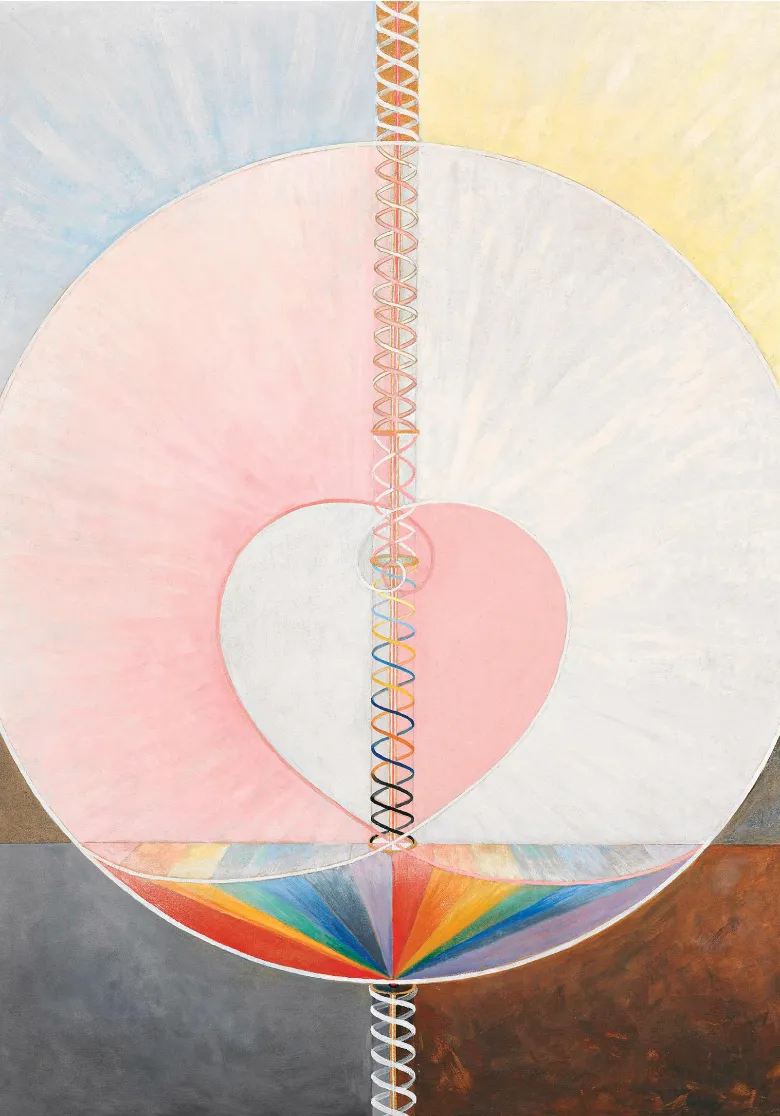
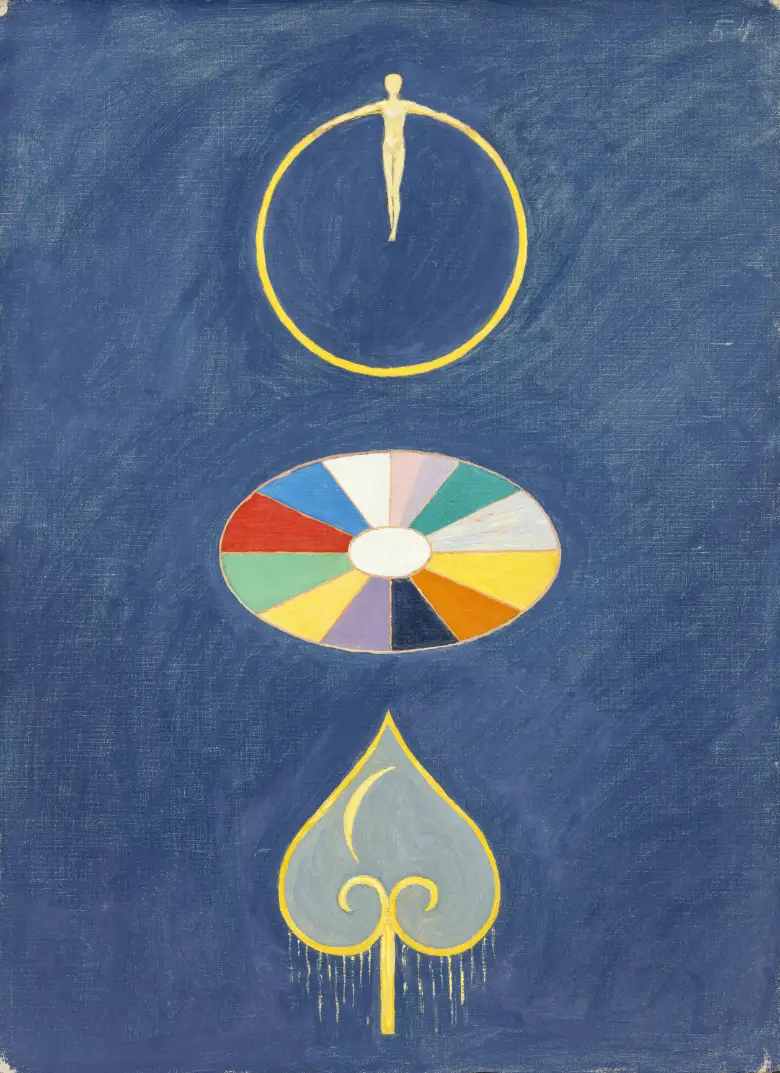
In The Dove by Hilma af Klint, spiritual inquiry takes shape through colour and composition. In her canvases, Anna Cassel sets up a dialogue between matter and the invisible. The show goes beyond painting, bringing textiles, ceramics, metalwork, stained glass and mosaics into its account of these women’s artistic and spiritual lives.
These three exhibitions confirm that Symbolism remains relevant and timeless. It was never a single language spoken the same way everywhere.
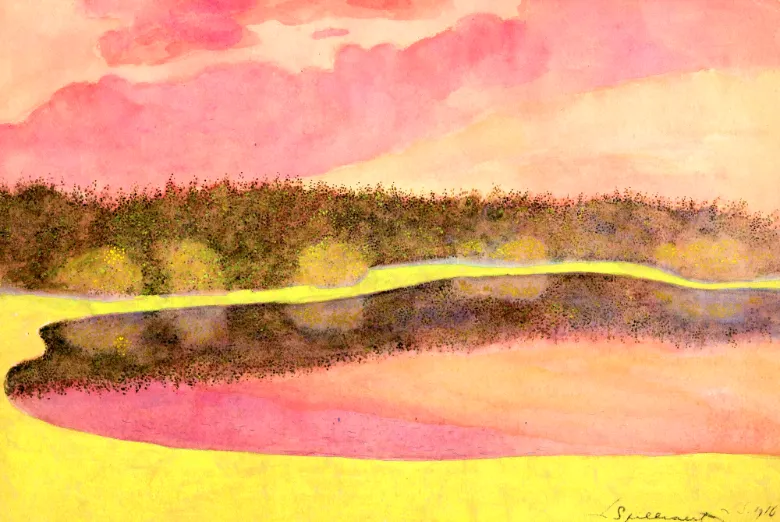
Belgian artists explored the complex relationships between dream, reality, modern life and psychological experience. In 2022, the Museo Carmen Thyssen Málaga in Spain held an exhibition of Belgian art.
Symbolists elsewhere in Europe painted beautiful, enigmatic women and landscapes steeped in an introspective mood. In Helsinki, the women artists approached spiritual knowledge through paintings and materials, blurring the boundaries between fine art, craft and tradition.
Symbolist artists showed that psychology can become a key element of art. A painting can preserve traces of what they feared, desired, mourned, worshipped or longed for.
Symbolist ideas about the self and the world were shaped by very different artists, some of them overlooked for decades, such as Hilma af Klint herself. She saw her work as a spiritual calling, charged with a meaning that most of her contemporaries struggled to grasp. She left instructions that none of her works should be exhibited until 20 years after her death. She considered them ‘paintings for the future’.
These artists, searching for what cannot be seen, lead us to ask what lies beneath our own surfaces and what we may be failing to notice. Their paintings offer no simple answers. They do not hand us a map out of the darkness.
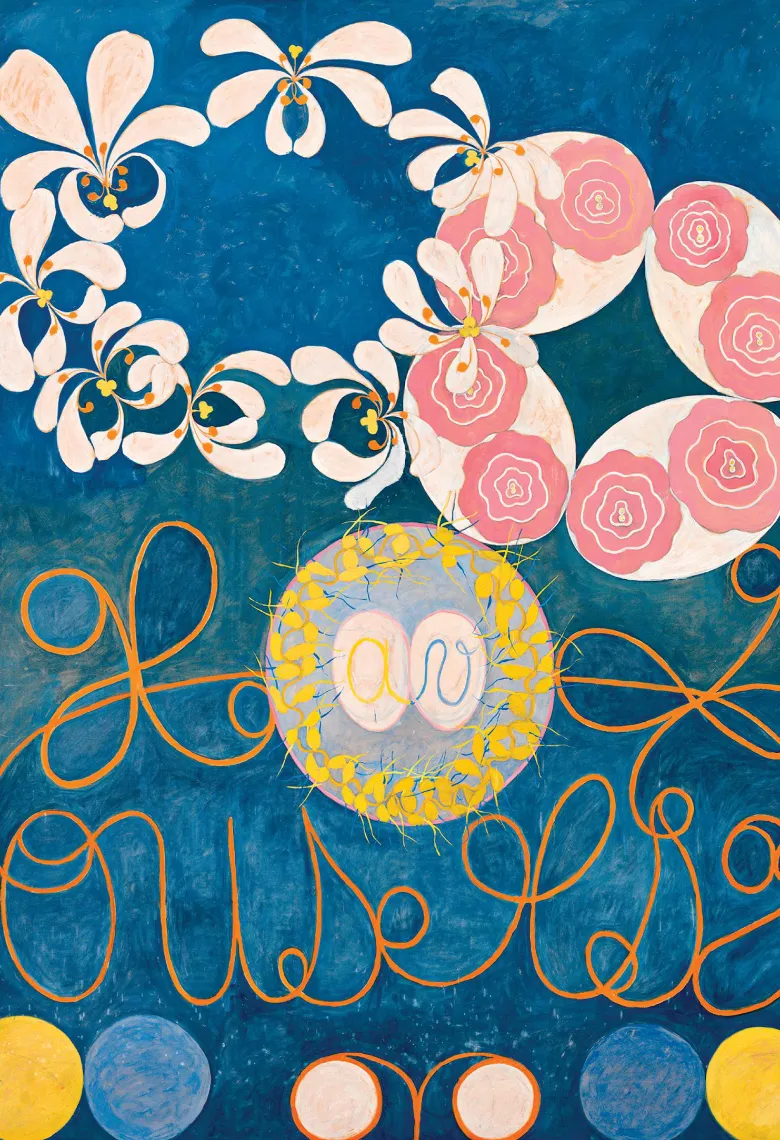
Hilma af Klint‘s ‘paintings for the future’ now hang in the Ateneum.