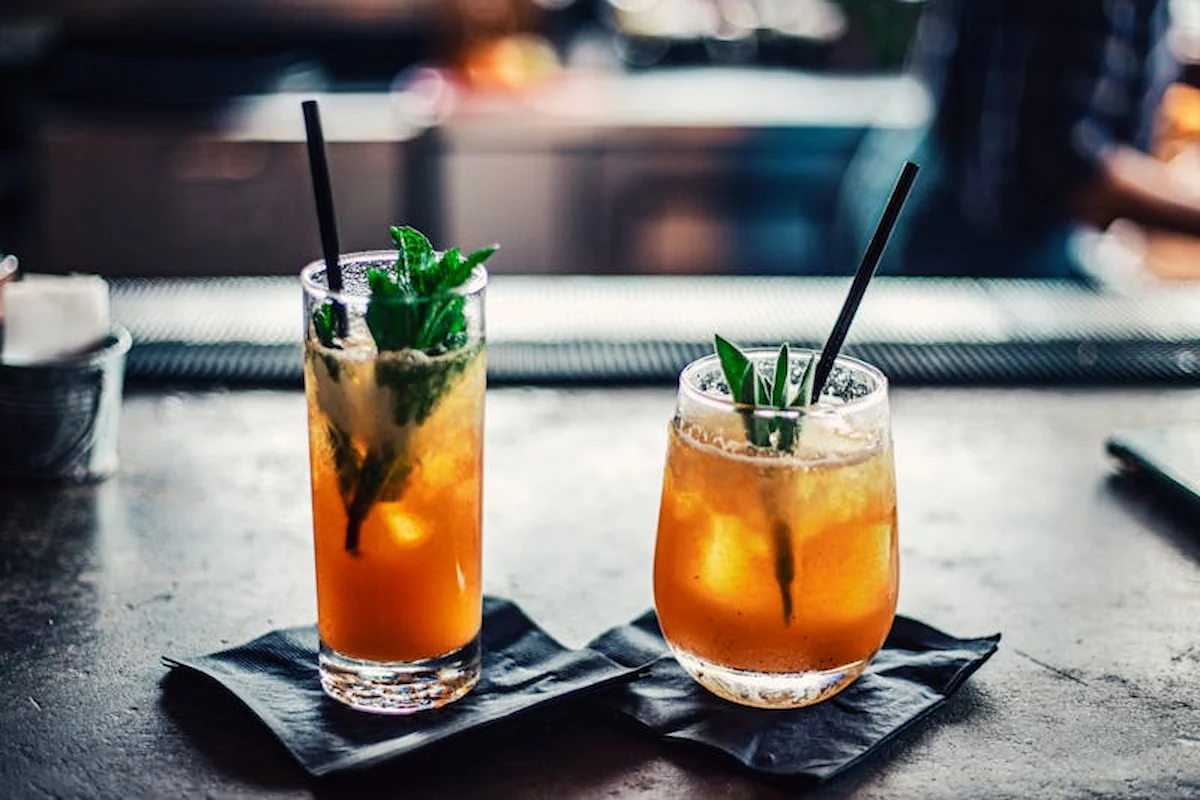
We are witnessing a quiet but powerful revolution happening right in our hands, specifically, in the glass. For years, the choice for those opting out of alcohol felt like an afterthought—a sugary juice or a standard soda.
That era is over. Today, the conversation around zero-proof cocktails has moved from mere substitution to genuine culinary and design innovation.
It’s not just about what you’re not drinking; it’s about the complexity, the intention, and the visual statement of what you are drinking.
This shift reflects a broader cultural desire for mindful consumption and elevated experiences. People want to engage with flavor, texture, and presentation without compromising their clarity or well-being.
This demand has sparked a dynamic space for creative non-alcoholic mixology, turning the mocktail from a simple mixture into a carefully composed work of art.
The focus now rests on the aesthetic proposal of the drink itself.
The architecture of flavor: building a zero-proof cocktail
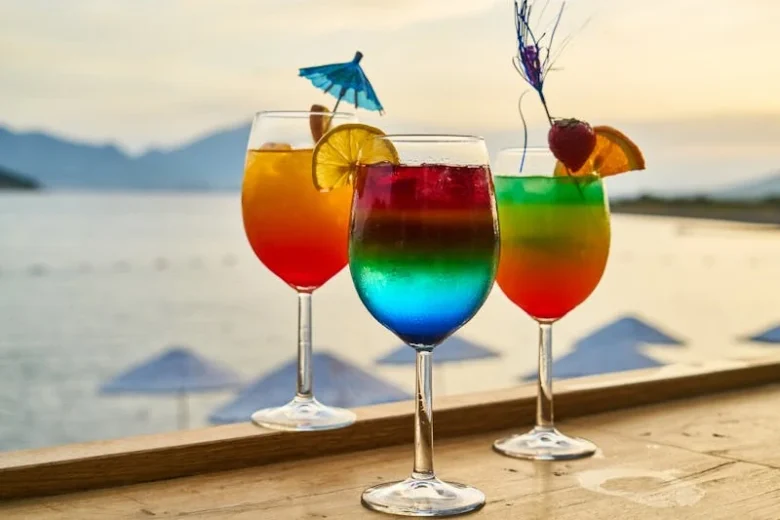
When you remove alcohol, you remove more than just the buzz; you lose the primary carrier of aroma, the texture, and the heat that defines traditional spirits.
This forces the modern mixologist—whether professional or home enthusiast—to become an architect of flavor, using layers and structure to achieve depth. We are looking for drinks that tell a story, drinks that linger on the palate and invite reflection.
The successful zero-proof beverage relies on balancing five key elements: acid, sweetness, bitterness, spice, and aroma. If even one element is missing or overwhelming, the drink collapses into something flat.
Beyond sugar and soda: understanding base notes
The foundation of any great non-alcoholic drink cannot be simple syrup and lime juice. That approach leaves you with something thin and uninteresting. Instead, contemporary mixology utilizes complex, homemade bases.
Think about using clarified fruit juices that offer intense flavor without heavy pulp, or making sophisticated shrub syrups based on vinegar and fruit to introduce necessary acidity and sharpness.
For example, a simple berry shrub—made by macerating raspberries with sugar and apple cider vinegar—provides a vibrant, tangy core that traditional lemon juice often lacks.
Another way to achieve complexity is through tea and infusion. Cold-brewed lapsang souchong tea can provide smoky, woody notes that echo aged whiskey, while high-quality Japanese sencha offers vegetal, grassy undertones perfect for replicating the freshness of certain gins. This layering of flavor is where the real design work happens.
The role of texture and temperature
Texture is often the forgotten element in beverage creation, yet it is what separates a refreshing drink from a truly satisfying one. Alcohol contributes viscosity and a certain mouthfeel; without it, drinks can feel watery.
To counteract this, modern NA beverages incorporate elements that add body. Using ingredients like aquafaba (the liquid from chickpeas) creates a luxurious foam, perfect for topping a zero-proof sour.
Another technique involves using hydrocolloids, like xanthan gum, in tiny amounts to give the liquid a silky weight without altering the taste.
Temperature control also plays a major part in the experience. Serving a complex NA drink over a large, single cube of crystal-clear ice not only looks better—it slows dilution, ensuring the intricate flavor profile you built remains intact throughout the entire sipping ritual.
When you pay attention to these details, the experience becomes just as refined as any traditional cocktail.
Vanguard ingredients: elevating the beverage experience
The market for non-alcoholic options has exploded, meaning we now have access to ingredients that fundamentally redefine what a sober drink can be. This is where the innovation in contemporary lifestyle design truly shines.
NA spirits: the new terroir of taste
The rise of dedicated NA spirits is perhaps the most significant development in this space. These aren’t just flavored waters; they are distilled or cold-macerated botanical extracts designed to replicate the “heat,” aroma, and complexity of gin, whiskey, or aperitifs.
Consider a high-end zero-proof gin alternative. It might contain juniper, coriander, and citrus peel, just like its alcoholic counterpart, but it often adds more unusual botanicals—like exotic peppers, wood bark, or rare roots—to build a deeper, more challenging profile.
These products allow mixologists to follow classic cocktail recipes (like a Negroni or an Old Fashioned) while swapping out the base spirit for a zero-proof version, maintaining the structural integrity of the drink.
The best part about these new spirits is that they require the same discerning palate and appreciation for origin as fine wine or craft liquor. You are tasting the terroir of the botanicals, focusing on the quality of the extraction process.
Bitters and adaptogens: adding depth and function
Bitters, traditionally alcohol-based, are now widely available in zero-proof formats, offering that crucial element of bitterness necessary for balance.
A few dashes of concentrated non-alcoholic aromatic bitters can transform a sweet drink into something layered and adult.
Beyond flavor, there’s a growing movement to incorporate adaptogens—natural substances believed to help the body manage stress—into beverages.
Ingredients like reishi mushrooms, ashwagandha, or rhodiola are being used in tinctures or syrups. This adds a layer of function to the drink, aligning with the modern focus on holistic wellness and performance.
When you use adaptogens, the drink becomes more than just refreshment; it’s a small, intentional ritual designed for well-being. It’s an example of how design, flavor, and self-care merge in contemporary culture.
Visual culture and the glass: presentation matters
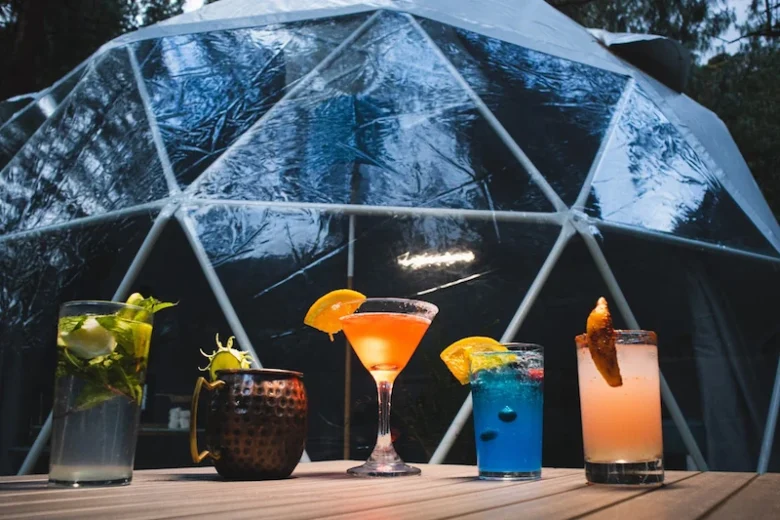
In the world of fashion, art, and architecture that Neomania explores, we know that presentation is inseparable from content. The same holds true for sophisticated sipping.
A drink is a three-dimensional object, a piece of temporary architecture that must engage the eye before it touches the lips.
The visual impact of a zero-proof cocktail communicates its value and complexity immediately. If a drink looks like a children’s beverage, it will be treated as such, regardless of the effort put into the flavor.
The geometry of the garnish
Garnishes today are not merely decorative; they are functional scent components and geometric accents. Forget the neon cherry. We are looking at architectural garnishes that enhance the drink’s story.
Think about a carefully carved citrus peel, expressed to release its oils over the surface of the drink, then placed precisely along the rim.
Or perhaps using dehydrated fruit wheels that offer texture and color contrast. Even the use of edible flowers or micro-herbs adds a delicate, ephemeral layer that speaks to high-level design.
The choice of garnish should reflect the drink’s flavor profile. If the drink features smoky notes, a toasted rosemary sprig provides both aroma and a dramatic visual line. If it’s botanical, a thin cucumber ribbon or an unusual leaf adds organic texture.
Designing the ritual: bar tools and glassware
The vessel is the frame for this liquid art. Using high-quality, weighted glassware—coupes, Nick & Nora glasses, or heavy-bottomed tumblers—immediately elevates the perception of the drink. The glass should feel good in the hand and match the drink’s intended mood.
For instance, serving a clear, complex zero-proof martini in a delicate, chilled coupe glass signals seriousness and refinement. Conversely, a vibrant, spiced spritz served in a tall, architectural highball glass communicates energy and freshness.
The tools used to prepare the beverage also contribute to the ritual. Using professional-grade shakers, strainers, and jiggers signals respect for the craft. This attention to detail transforms the act of mixing from a casual task into a ceremonial performance.
Why the zero-proof movement is defining contemporary lifestyle
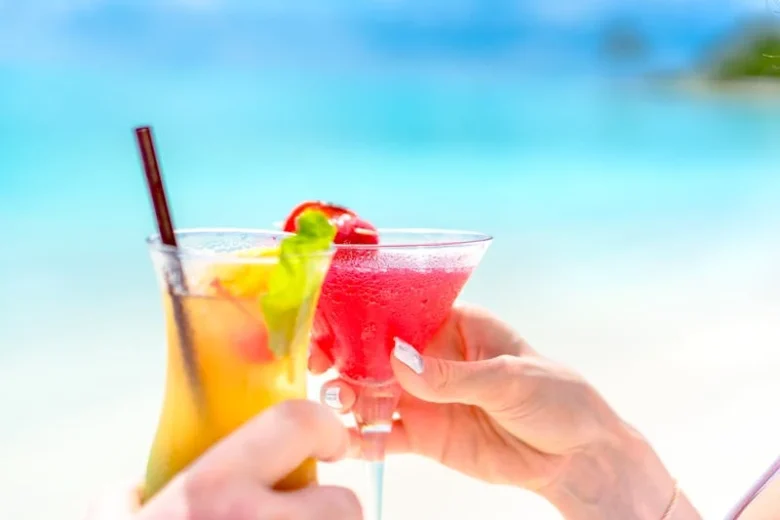
This movement is much more than a fleeting trend; it’s a cultural marker for a generation prioritizing intentionality and high-quality experiences across all areas of life—from the clothes they wear to the spaces they inhabit and, yes, the beverages they consume.
The shift toward mindful drinking is deeply tied to the current aesthetic zeitgeist. We are seeking clarity and presence, and our choices in food and drink reflect this pursuit.
When you choose a carefully crafted zero-proof option, you are making a statement about valuing sophistication over simple intoxication.
This preference for refinement is influencing bar design and hospitality architecture. High-end restaurants and cocktail lounges are now dedicating significant menu space and creative energy to their zero-proof offerings.
This validates the movement, positioning these beverages not as concessions, but as essential components of a complete dining or social experience.
The creation of complex, layered, and visually stunning beverages—the true definition of creative non-alcoholic mixology—challenges traditional notions of celebration and relaxation.
It proves that depth of experience doesn’t require compromise. It requires curiosity and a willingness to engage with flavor in new ways.
If you are looking for inspiration to elevate your next gathering or simply refine your evening ritual, start experimenting with high-quality NA spirits, unusual botanicals, and a focus on presentation. You will find that the constraints of zero alcohol push creativity to new, exciting heights.
This is where the real exploration begins—in the intersection of taste, design, and intention. We invite you to look closer at the aesthetic proposals driving this new culture of taste.
Let the liquid art transport you, reflect on the careful balance and risks taken by these flavor architects, and inspire your own consumption of vanguard culture and design. Keep exploring the edges of contemporary lifestyle with Neomania Magazine.