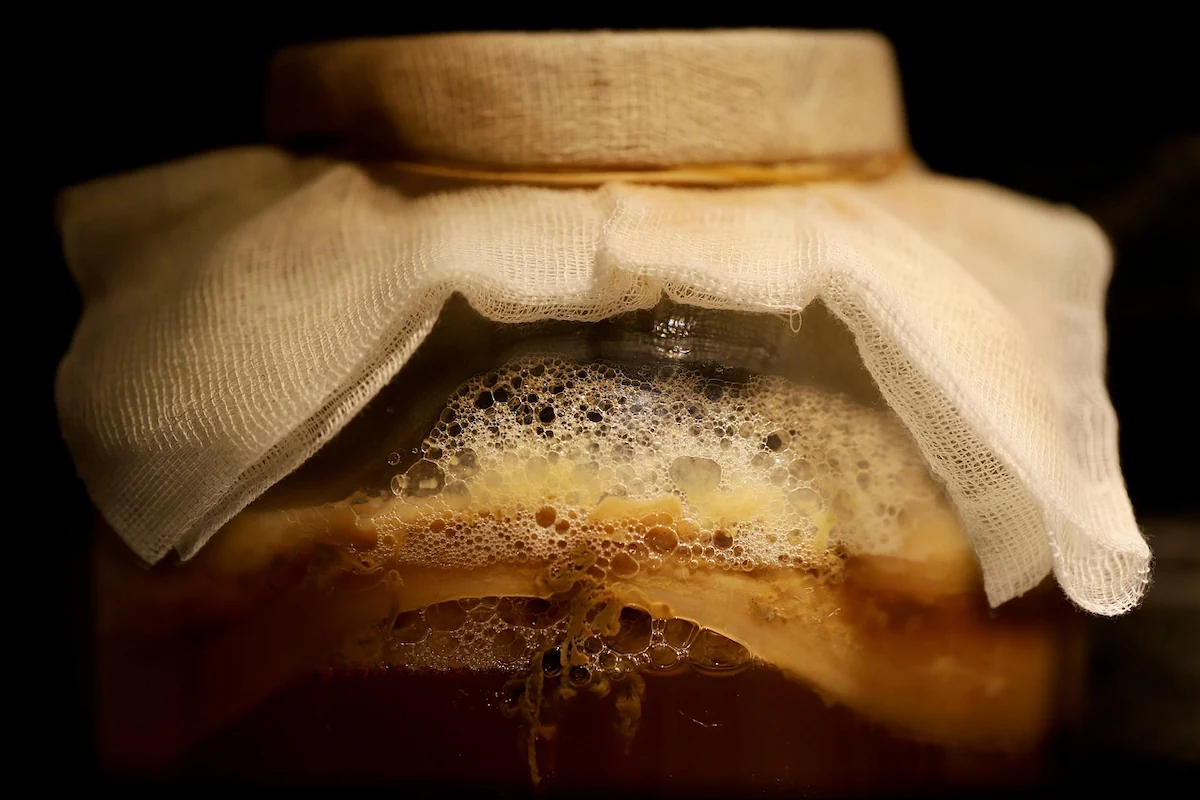
There’s a quiet revolution happening in kitchens across Spain and the world, and it’s rooted in one of the oldest food preservation techniques known to humanity.
The art of fermentation is re-emerging, not just as a culinary trend, but as a powerful way to connect with our food, enhance flavor, and support our well-being from the inside out.
It’s a living process, a collaboration with microorganisms that transforms simple ingredients into something complex, delicious, and teeming with life.
You’ve probably already enjoyed fermented foods, maybe without even realizing it. That tangy yogurt with your breakfast, the sharp cheddar on a sandwich, or the sourdough bread from your favorite bakery are all products of this amazing natural process.
Now, more and more people are discovering the joy of making these foods at home, and the benefits are truly compelling. It’s less about complicated science and more about a simple, rewarding practice that can change how you think about food.
What exactly is fermentation?
At its core, fermentation is a metabolic process where microorganisms like bacteria, yeast, or fungi convert carbohydrates—such as starches and sugars—into alcohol or acids.
This process not only preserves the food but also creates distinctive flavors, aromas, and textures. Think about the sharp, tangy crunch of homemade sauerkraut or the subtle fizz of a fresh kombucha. Those are the tell-tale signs of fermentation at work.
This transformation is driven by beneficial microbes. These tiny powerhouses create an environment where harmful bacteria can’t thrive, which is why fermentation was used for centuries to keep food safe before refrigeration existed.
But the magic doesn’t stop at preservation. These microbes also produce B vitamins, omega-3 fatty acids, and, most importantly, a host of beneficial bacteria known as probiotics.
Meet your microbiota: the inner garden you need to tend
Your gut is home to trillions of microorganisms, collectively known as the microbiota. This complex ecosystem plays a huge part in your overall health, influencing everything from digestion and immunity to your mood.
A healthy, diverse microbiota is like a flourishing garden, and just like any garden, it needs care.
This is where fermented foods come in. They are a primary source of probiotics, the “good” bacteria that help replenish and diversify your gut flora.
By regularly including alimentos vivos (living foods) in your diet, you’re directly supporting this internal ecosystem. Research from the Stanford School of Medicine in 2021 showed that a diet high in fermented foods increases microbiome diversity and improves immune responses. It’s a simple, delicious way to invest in your long-term health.
Getting started with lacto-fermentation at home
One of the easiest and most popular methods to try at home is lacto-fermentation. This technique uses a specific type of bacteria, Lactobacillus, which is naturally present on the surface of all plants.
When submerged in a brine (a salt and water solution), these bacteria get to work, converting sugars in the vegetables into lactic acid.
Lactic acid is a natural preservative that inhibits the growth of harmful bacteria, and it’s what gives fermented vegetables like pickles, kimchi, and sauerkraut their characteristic tangy flavor.
The best part? You only need vegetables, salt, and water to begin. You don’t need fancy equipment, just some clean glass jars and a little patience.
A simple guide to your first ferment: sauerkraut
Sauerkraut is the perfect entry point into the art of fermentation. It’s forgiving, requires minimal ingredients, and the results are incredibly satisfying.
- Shred your cabbage: Finely slice one head of cabbage. You can add other vegetables like carrots or a bit of ginger for extra flavor.
- Salt and massage: In a large bowl, add about 1.5 tablespoons of non-iodized sea salt to the shredded cabbage. Begin to massage and squeeze the cabbage with your hands. After 5-10 minutes, the cabbage will start to release its own water, creating a natural brine.
- Pack the jar: Tightly pack the cabbage into a clean glass jar, pressing it down firmly to remove any air pockets. The brine should rise and cover the cabbage completely. This is very important, as the fermentation needs to happen in an anaerobic (oxygen-free) environment.
- Wait and watch: Place a weight on top of the cabbage to keep it submerged in the brine. A smaller jar filled with water or a clean stone works well. Loosely cover the jar and leave it at room temperature, away from direct sunlight, for at least 5-7 days. You’ll start to see bubbles—that’s a great sign!
- Taste and store: After a week, you can start tasting it. If you like the flavor, screw the lid on tightly and move it to the refrigerator. It will continue to ferment slowly, and the flavor will deepen over time.
Exploring the world of fermented foods and umami
Once you get comfortable with lacto-fermentation, a whole world of possibilities opens up. From bubbly kombucha and creamy kefir to rich, complex miso, the art of fermentation is incredibly diverse. Many of these foods are celebrated for their deep, savory flavor known as umami.
Umami, often called the fifth taste alongside sweet, sour, salty, and bitter, is a Japanese term that translates to “pleasant savory taste.” It’s the rich, brothy flavor you get from things like aged cheese, soy sauce, and mushrooms.
Fermentation is a natural umami-enhancer. The process breaks down proteins into amino acids, including glutamate, which is the compound responsible for that satisfying umami taste.
Adding a spoonful of miso to a soup or a splash of naturally brewed soy sauce to a stir-fry can instantly elevate the dish, giving it a depth of flavor that is hard to achieve otherwise.
To help you see the variety, here’s a look at some popular fermented foods you can make or buy.
| Fermented Food | Base Ingredient | Primary Microbe | Typical Flavor Profile | Common Uses |
|---|---|---|---|---|
| Sauerkraut | Cabbage | Lactobacillus bacteria | Sour, tangy, salty | Topping for sausages, side dish, in salads |
| Kimchi | Napa cabbage, radish | Lactobacillus bacteria | Spicy, sour, umami, pungent | Side dish, in stews, on rice bowls |
| Kombucha | Sweetened tea | SCOBY (yeast & bacteria) | Sweet, tangy, slightly vinegary, effervescent | A refreshing beverage |
| Kefir (Milk) | Milk | Kefir grains (yeast & bacteria) | Creamy, tangy, slightly fizzy | Drink on its own, in smoothies |
| Miso | Soybeans, rice, or barley | Aspergillus oryzae fungus | Salty, earthy, rich in umami | Soups, marinades, dressings |
| Sourdough Bread | Flour and water | Wild yeast & Lactobacillus | Tangy, complex, chewy | Sandwiches, toast, with meals |
Embracing fermentation as a lifestyle
Bringing the art of fermentation into your life is more than just a kitchen project. It’s a way to slow down and participate in the creation of your food. It connects you to ancient traditions and the invisible world of microbes that sustain us.
Watching a jar of simple vegetables transform into something vibrant and full of life is a small but profound experience.
Start small. Pick one ferment that excites you, whether it’s the crispness of a pickle or the fizz of water kefir. The process is one of observation and learning.
You’ll begin to understand the rhythms of fermentation—how temperature affects the speed, how different salts change the texture, and how a few extra days can create a whole new depth of flavor.
It’s a craft that rewards patience and curiosity, and your taste buds and your body will thank you for it.
This is just the beginning of a fascinating journey. The principles you learn from one ferment can be applied to countless others, opening up a world of creativity in your kitchen. It’s a skill that nourishes both body and soul.
If you loved this deep look into the world of flavor and wellness, there’s so much more to explore. We’re always uncovering the latest trends in food, style, and living with a unique perspective at Neomania Magazine.
To stay inspired and continue your journey with us, why not subscribe? You’ll get fresh ideas and stories delivered right to you.
Subscribe to Neomania Magazine and never miss out on what’s new and what matters.