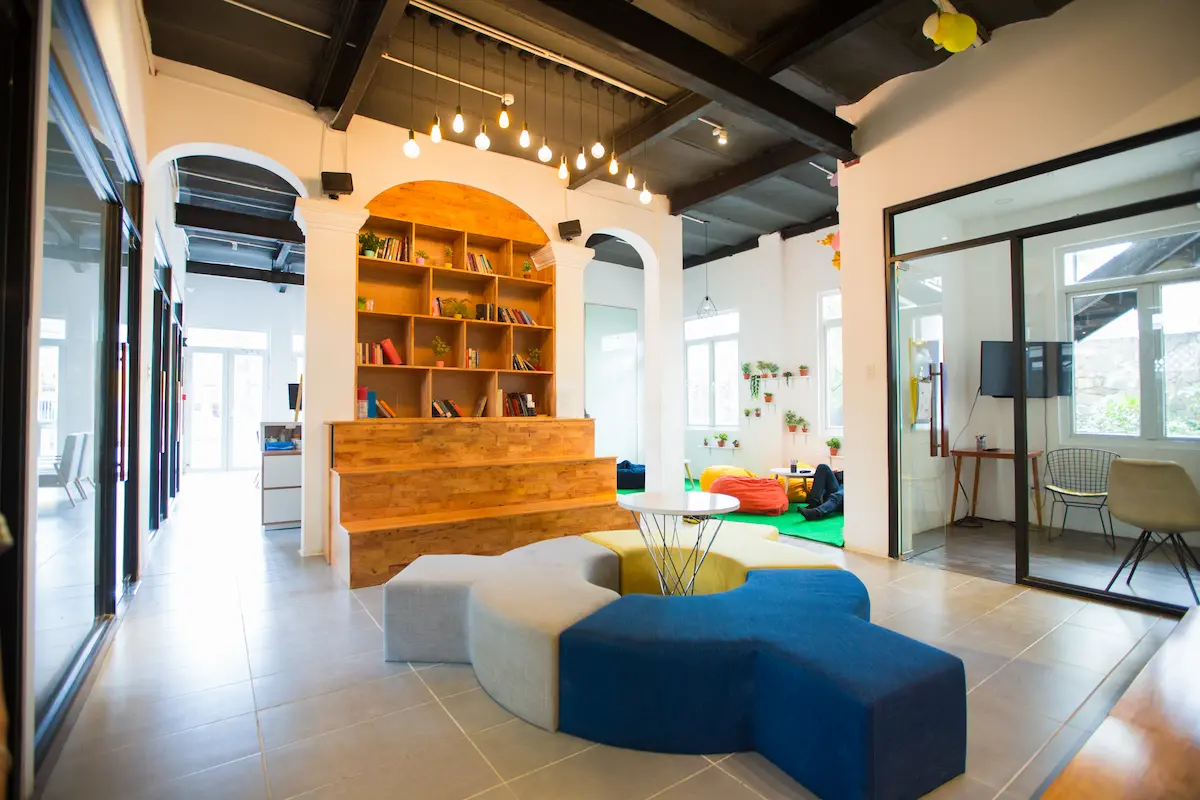
Living in a space that does not fit feels like wearing shoes two sizes too small. You can walk, but you are always aware of the pinch. For a long time, the world of high-end decor focused on a very specific, narrow idea of who would live in a room.
We are finally seeing that beauty is empty if it excludes the people meant to enjoy it. High-end living is shifting toward a more empathetic approach where every corner of a house responds to the human body and mind in all their variations.
When you walk into a room that has been thoughtfully planned, you do not see the accessibility; you feel the ease. This is the heart of inclusive interior design, a practice that merges the provocative nature of modern art with the practical needs of daily life.
Houses are becoming living organisms that grow and change with us. We are moving away from the “one size fits all” mentality because, quite frankly, that size fits almost no one perfectly.
The sensory experience of a thoughtful room
Lighting does more than help you see your keys on the table. It sets the biological clock of everyone in the house. In many homes, lighting is either too harsh or too dim, which can be a real problem for people with low vision or those who experience migraines.
A better way to handle this is by using layers. You can have soft ambient light for a relaxing evening and focused task lighting for when you need to read or cook.
Natural light is also a major player here. Huge windows are wonderful, but they can create glare that makes it hard for some people to move around safely.
Using smart glass or sheer fabrics helps soften that light without losing the connection to the outdoors. As we saw earlier with the idea of comfort, the goal is to give the inhabitant control over their surroundings.
When you can dim the lights or change the temperature with a simple voice command, the house starts to feel like it is looking out for you.
Sound is another part of the sensory puzzle that often gets ignored. Hard surfaces like marble and glass look stunning, but they create echoes that can be overwhelming for someone with hearing aids or neurodivergent traits.
You can fix this by adding textures. Think of heavy velvet drapes, thick wool rugs, or even acoustic wall art that looks like a sculpture but works like a muffler.
These choices make a room feel cozy and grounded, proving that functional needs can lead to more interesting aesthetic choices.
Furniture that moves with you
Traditional furniture is often static and heavy. It stays where it is put and expects you to adapt to it. A more modern approach looks at pieces that can be adjusted.
Tables that change height are not just for office cubicles anymore; they belong in high-end kitchens and dining rooms. This allows a child, a person sitting in a chair, and someone standing up to all use the same surface comfortably.
The layout of a room should allow for clear paths. You want enough space to move freely without bumping into sharp corners. This does not mean your living room needs to look like a hallway.
It means choosing furniture with rounded edges and placing items in a way that feels intentional and open. When you have a clear floor plan, the whole energy of the house changes. It feels lighter and more inviting for everyone, regardless of how they move through space.
Designing for the neurodivergent mind
Inclusive interior design means looking at how different brains process information. For many people, a room with too many patterns, bright colors, and clutter can feel like a physical assault on the senses.
Creating “calm zones” is a great way to address this. These are areas with neutral tones, soft textures, and very little visual noise. They provide a place to reset when the world outside feels like too much.
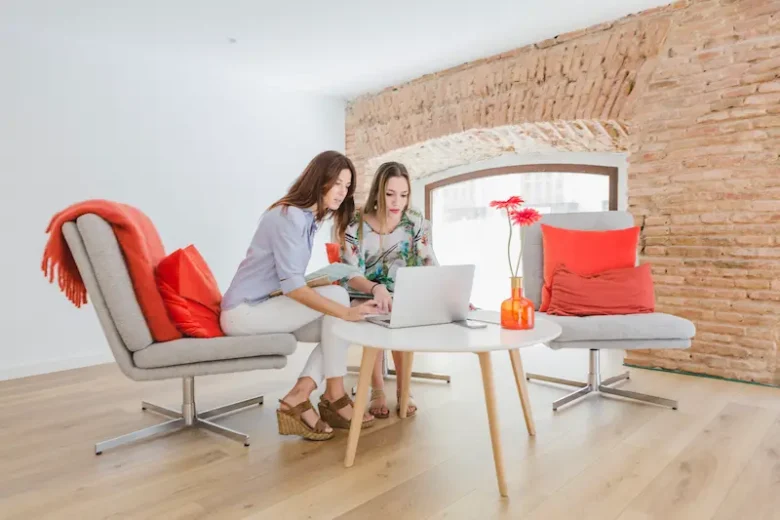
On the flip side, some people need more stimulation to feel focused. Using “fidget” textures—like a wall with a subtle 3D pattern or a chair with a specific fabric feel—can help.
The beauty of this approach is that it results in a home that is rich in detail. You are not just looking at a room; you are experiencing it through touch and atmosphere.
Later in this article, we will look at how materials play a role in this tactile experience.
Color choice is also a powerful tool. While a bright red room might be provocative and exciting for a short gallery visit, it can cause anxiety if you live in it every day.
Soft greens, deep blues, and earthy ochres tend to be more grounding. These colors connect us to nature, which is a universal way to lower stress levels.
When you design for the most sensitive person in the room, you often end up creating a space that is more comfortable for everyone else too.
The kitchen as a hub of accessibility
The kitchen is often the most difficult room to get right. It is full of heat, sharp objects, and heavy items. To make it more inclusive, you should look at the “work triangle” differently.
Lowering a section of the counter allows someone to prep food while sitting down. Using drawers instead of lower cabinets makes it much easier to see what you have without having to get down on your knees to find a pot at the back of a dark shelf.
Appliances are also getting smarter. Ovens with side-hinged doors are safer because you do not have to lean over a hot glass panel to reach your food.
Induction cooktops are another great choice because they stay cool to the touch, reducing the risk of burns. These features are sleek and modern, fitting perfectly into a high-end aesthetic while solving real-world problems.
As you may have noticed in this article, the best design solutions are the ones that look like they were chosen for their style first.
Storage should be within easy reach. Pull-down shelving in upper cabinets is a game-changer for people of different heights. It removes the need for step stools, which are a common cause of falls in the home.
When everything has a place and that place is easy to get to, the kitchen stops being a place of frustration and becomes a place of creativity.
Bathrooms that feel like a private spa
There is no reason a bathroom should look institutional just because it is accessible. Zero-entry showers, where the floor of the bathroom continues right into the shower without a lip, are a major trend in luxury design.
They look incredibly clean and minimalist, and they also happen to be much safer for everyone. You can use the same high-end tile throughout the entire space, creating a seamless look that makes the room feel larger.
Grab bars have also had a makeover. You can now find them integrated into towel racks or soap dishes. They are made of polished chrome, matte black steel, or even warm wood.
They provide support where you need it without screaming “safety feature.” This is the essence of a refined look: it provides for your needs without making those needs the center of attention.
Wall-hung toilets and sinks are another smart choice. They allow you to adjust the height to exactly what you need, and they leave the floor clear, which makes cleaning much easier.
Lighting in the bathroom should also be considered carefully. Motion-activated lights under the vanity can provide a soft glow for nighttime visits, preventing trips without waking you up completely with a bright overhead light.
The role of technology as a silent partner
Smart home systems are the backbone of modern inclusive spaces. Being able to control the entire environment from a phone or through voice commands is not just a luxury; it is a tool for independence.
If you have limited mobility, being able to lock the front door, close the blinds, or check who is at the gate without getting up is a massive relief. These systems are becoming more intuitive and less visible, blending into the architecture of the house.
Automated systems can also help with safety. Sensors that detect water leaks or stoves left on can prevent disasters. For people with memory issues, these gentle reminders are invaluable.
The key is to make the technology work for you, not the other way around. You want a home that anticipates your needs, like a well-trained concierge who knows exactly how you like your coffee and when you want the curtains drawn.
We are also seeing an increase in wearable tech that syncs with the home. A watch that can tell the house to cool down because it detects your body temperature is rising is no longer science fiction.
It is part of a holistic approach to living where the walls around you are active participants in your well-being. This creates a sense of security that allows you to focus on the things that actually matter, like your work or your family.
Materials that tell a story of inclusion
The textures you choose for your home have a direct impact on how you feel. Natural materials like wood, stone, and linen have a “honesty” to them that synthetic materials often lack.
They age beautifully and provide a tactile richness that makes a space feel lived-in and loved. In the context of inclusive interior design, these materials also offer practical benefits.
Wood is warmer to the touch than metal, and matte stones are less slippery than polished ones.
Using contrasting textures can also help with orientation. A change in the floor texture from the hallway to the living room can act as a subtle cue for someone with low vision.
It tells them they are entering a new space without the need for ugly signs or bright tape. This is how you create a narrative through design—by using the physical properties of the materials to guide the inhabitant through the home.
Sustainability and inclusion often go hand in hand. Many natural, non-toxic materials are better for people with respiratory issues or chemical sensitivities.
When you choose a VOC-free paint or a natural fiber rug, you are making the air cleaner for everyone. It is a win-win situation where the health of the planet and the health of the individual are treated with the same level of respect.
The future of the workplace
We spend a huge portion of our lives at work, so it makes sense that offices should be just as inclusive as our homes. The days of rows of identical desks are fading.
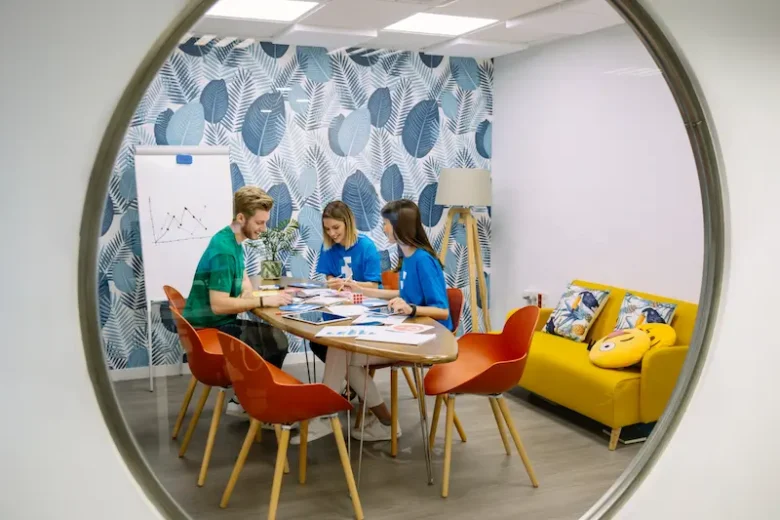
Instead, we are seeing “activity-based” offices. This means there are quiet pods for deep focus, open areas for collaboration, and soft seating areas for casual meetings.
This variety allows people to choose the environment that fits their current task and their mental state.
Adjustable desks should be the standard, not a special request. Providing different types of seating—from ergonomic chairs to stools and even standing mats—recognizes that every body is different.
When employees feel physically comfortable, they are more productive and less stressed. It is a simple equation that many companies are finally starting to solve.
Accessibility in the office also means digital inclusion. Making sure that meeting rooms have good acoustics and clear sightlines for people who read lips is vital.
It is about creating a culture where everyone can contribute their best work because the environment is not holding them back. A truly inclusive office is a place where talent is the only thing that matters.
Why this matters for your next project
You might think that you do not need these features right now. Maybe you are young, healthy, and move easily. But the truth is that our needs change.
A temporary injury, a visiting relative, or simply getting older will change how you interact with your space. By incorporating these ideas now, you are future-proofing your home. You are creating a space that will remain functional and beautiful for a lifetime.
There is also a significant financial benefit. Homes that are designed with these principles are more attractive to a wider range of buyers. As the population ages, the demand for houses that are already accessible is skyrocketing.
You are not just making a better place to live; you are making a smarter investment. But beyond the money, there is the social value. When we design for everyone, we send a message that everyone belongs.
We move away from the “othering” of people with different needs and move toward a more unified, compassionate society.
The most exciting part is that these constraints actually lead to better design. When you have to think about how a chair works for a wide range of people, you end up with a chair that is more comfortable for everyone.
When you have to figure out how to light a room for someone with low vision, you end up with a more beautiful and versatile lighting scheme.
Limitations are the spark of creativity. They force us to move past the easy answers and find something truly remarkable.
A new standard for luxury
Luxury used to be defined by how much something cost or how rare it was. Today, luxury is defined by how well something serves you. It is the luxury of not having to struggle with a heavy door.
It is the luxury of a bathroom that feels like a sanctuary. It is the luxury of a home that understands you. This is the new frontier of high-end living, where the human experience is the most important metric of success.
We are seeing designers and architects push the boundaries of what is possible. They are using 3D printing to create custom furniture that fits an individual’s body perfectly.
They are using AI to optimize floor plans for flow and light. The tools are getting better, but the goal remains the same: to create a world where design is a bridge, not a wall.
As you look at your own home or office, ask yourself if it is working for you or against you. Small changes can make a big difference.
The transition to this way of thinking is already happening. You can see it in the way new public buildings are constructed and in the way high-end furniture brands are marketing their latest collections.
It is a movement that is gaining momentum because it makes sense on every level. It is practical, it is beautiful, and it is right. The more we talk about it, the more it becomes the norm, and that is a future worth building.
In the end, a house is just a collection of materials until someone lives in it. The magic happens when the space and the person click together perfectly.
That click is what inclusive interior design is all about. It is the quiet satisfaction of a life lived without unnecessary friction. It is the freedom to be yourself in a space that was made for you.
At Neomania Magazine, we believe that the spaces we inhabit shape the stories we tell. We invite you to look beyond the surface and see the potential for a more connected, empathetic way of living.
Our pages are filled with the risks, the questions, and the vibrant selections that challenge the status quo. If you want to stay ahead of the trends and see how the world is being reshaped by visionary thinkers, we are here to guide you.
Let yourself be transported by the narrative of a more inclusive future and reflect on the beauty that emerges when we design for all.
Subscribe to Neomania Magazine today and join a community that values the essence of every work, from the spiritual to the provocative.