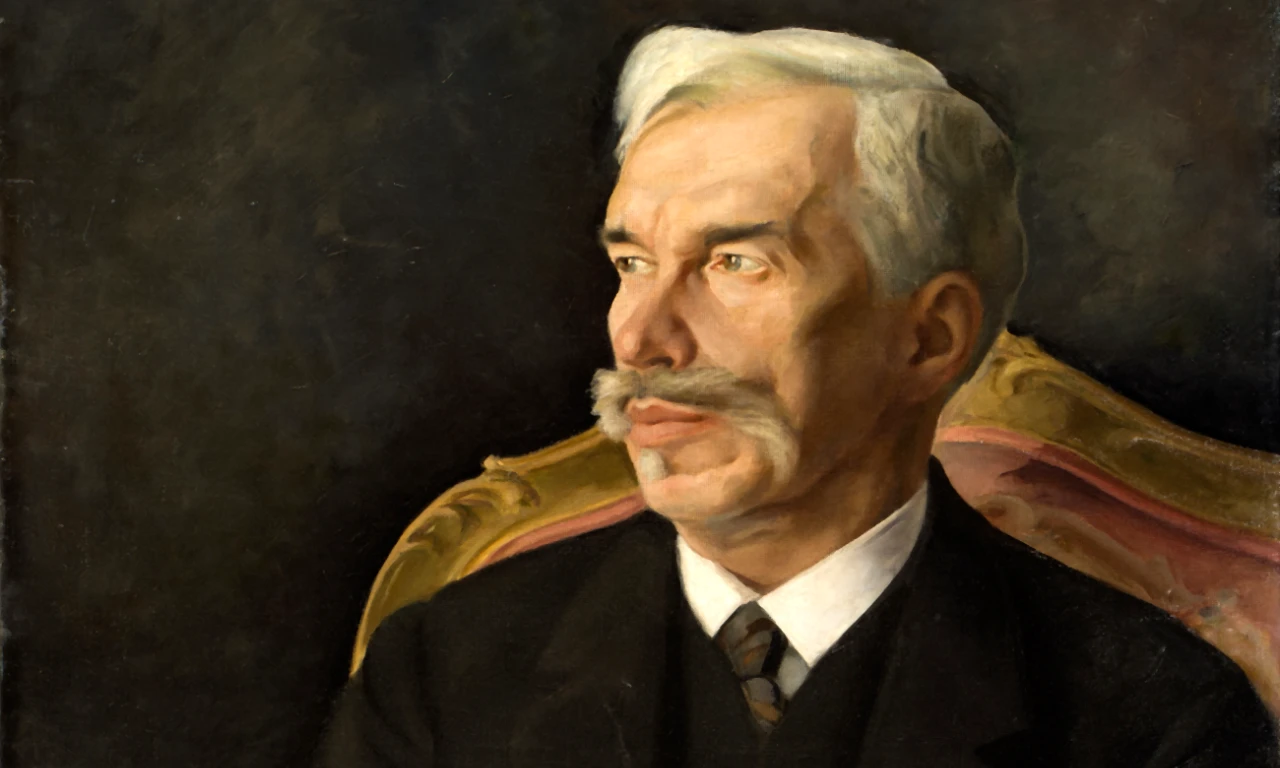
The amazing story of a revolutionary man who changed the course of Russian Art.
A millionaire Muscovite amassed one of the greatest collections of Modern Art ever seen.
He treasured paintings by Monet, Gauguin, Matisse, Picasso… and lost all his masterpieces.
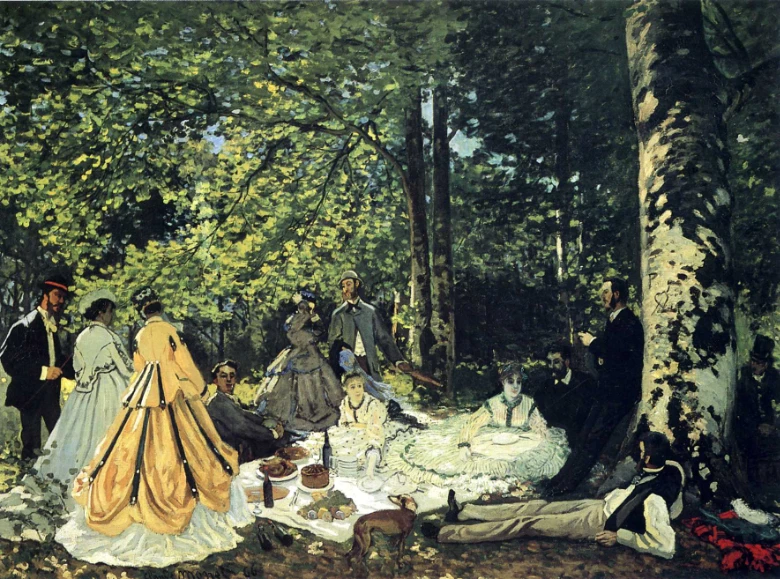
In October 1918, the new Russian Revolution nationalised his artworks in Moscow naming as State Museum of New Western Painting.
His was the first collection appropriated for the benefit of the people after the fall of Tsar Nicolas II.
The Shchukin Art Gallery is declared the property of the Russian Soviet Federative Socialist Republic.
Document signed by Lenin.
The order was an ironic validation of instincts and doggedness of a man who put together the greatest cache of 20th-century paintings in the world.
Sergei built an incomparable collection of French Impressionists and Postimpressionists, only to have them stolen at a stroke by the new Soviet State.
Shchukin (1854-1936), came from a line of Orthodox Old Believers merchants in Moskow.
His father, Ivan Vassilievich, founded a textile trading company and married Ekaterina Petrovna Botkin, also from a large family with tea trade fortune.
They had ten children, including three sons collectors:
- Piotr (Russian and Oriental antiques, founded his own museum),
- Dimitri (Dutch, Italian and French masters)
- and Ivan (French Impressionists, Spanish, bibliophile, settled in Paris and held a salon for Russian emigrants).
Sergei Shchukin was sent with his brothers to study in Thuringia,Germany.
On their return, being the smartest of ten brothers, he took succession of his father in Shchukin & Sons.
Shareholder in factories, banks and insurance companies, he was nicknamed the “Minister of Commerce of Moscow”.
Sergei married Lydia Grigorievna Koreneva, extraordinary beautiful daughter of chairman of Donbass Mines in Ukraine.
Celebrating the birth of their first son, the young couple received as a gift the Trubetskoy Palace next to Cathedral of Christ Saviour.
It was previously owned by a ruined widowed Princess from great noble lineage.
Lydia gave birth to Ivan, Grigori, Sergei and Ekaterina.
Consolidating fortune and position, they become key figures of all-Moscow, famous festivals and concerts, celebrated in their magnificent mansion.
Sergey turned rather late towards collecting, whereas his brothers started earlier.
He was inspired by his younger brother Ivan, who lived in Paris. He held a brilliant salon where all Russian emigration was rushing.
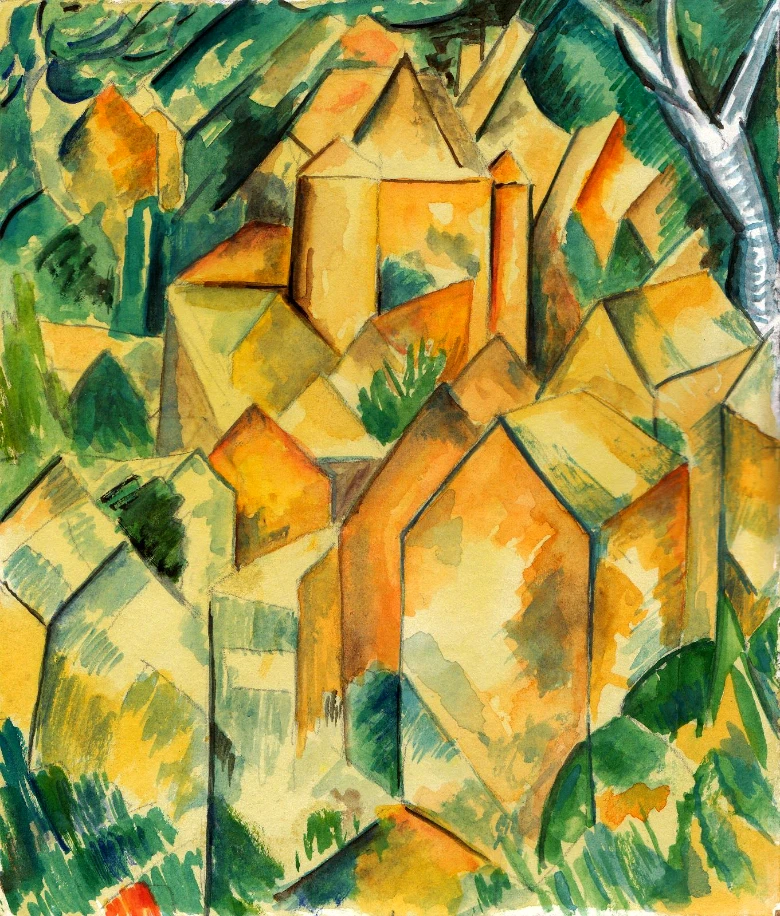
Sergey started “hunting” French, mainly Impressionists and Post-impressionists.
In 1898 he acquired his first Claude Monet and later works by Degas, Renoir, Pissarro, Toulouse-Lautrec, Maurice Denis, Cottet, Simon, Forain, Puvis de Chavannes…
This refined collection earned him a renown fame in cultural circles.
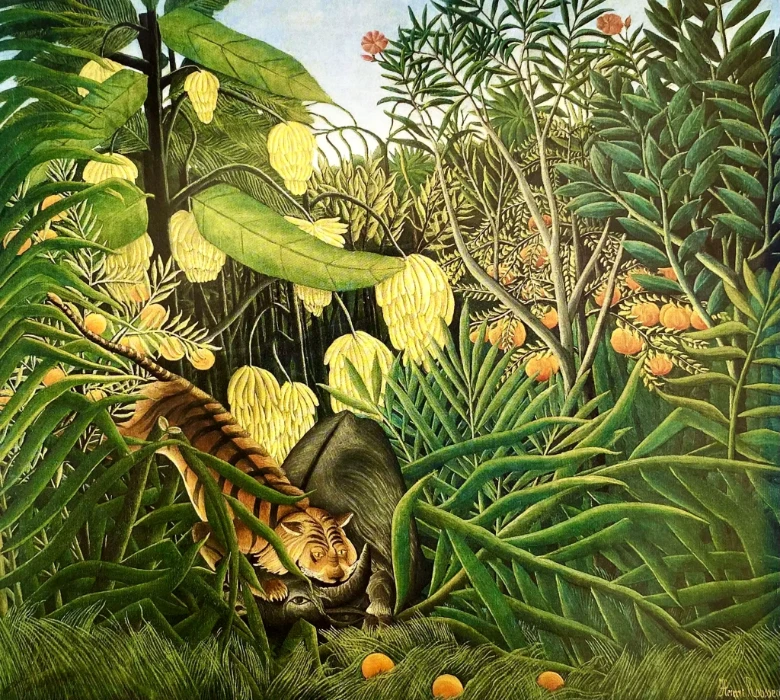
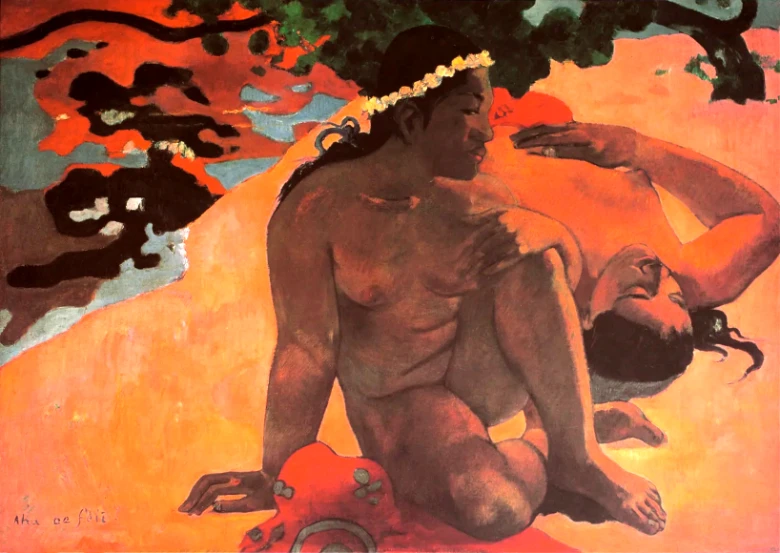
In 1903 he started making bolder daring choices: Gauguin, Van Gogh, Cezanne…
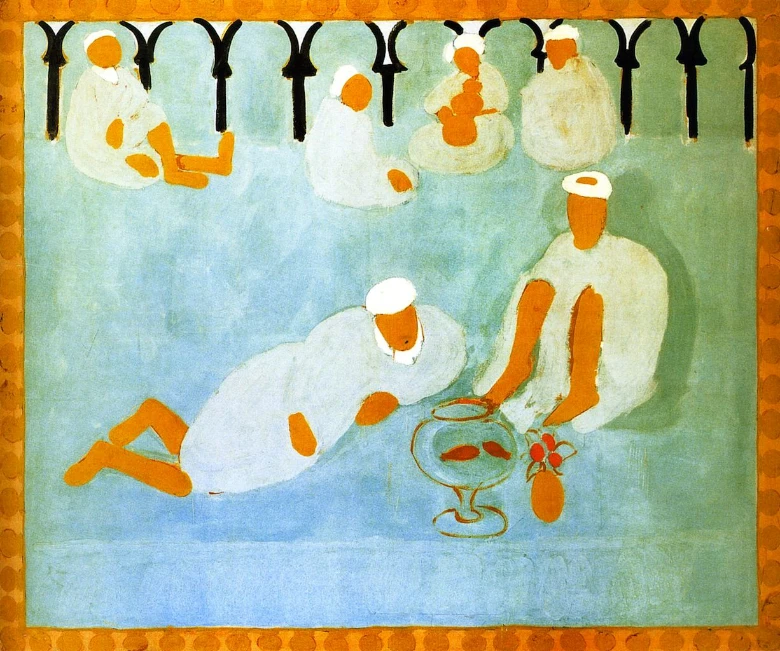
Sergei was passionate about Henri Matisse, celebrated and hated leader of Fauvist painters who made a sensation at Parisian Salon d’Automne (1905).
Matisse created two decorative panels for Sergei’s palace staircase: Danse and Musique.
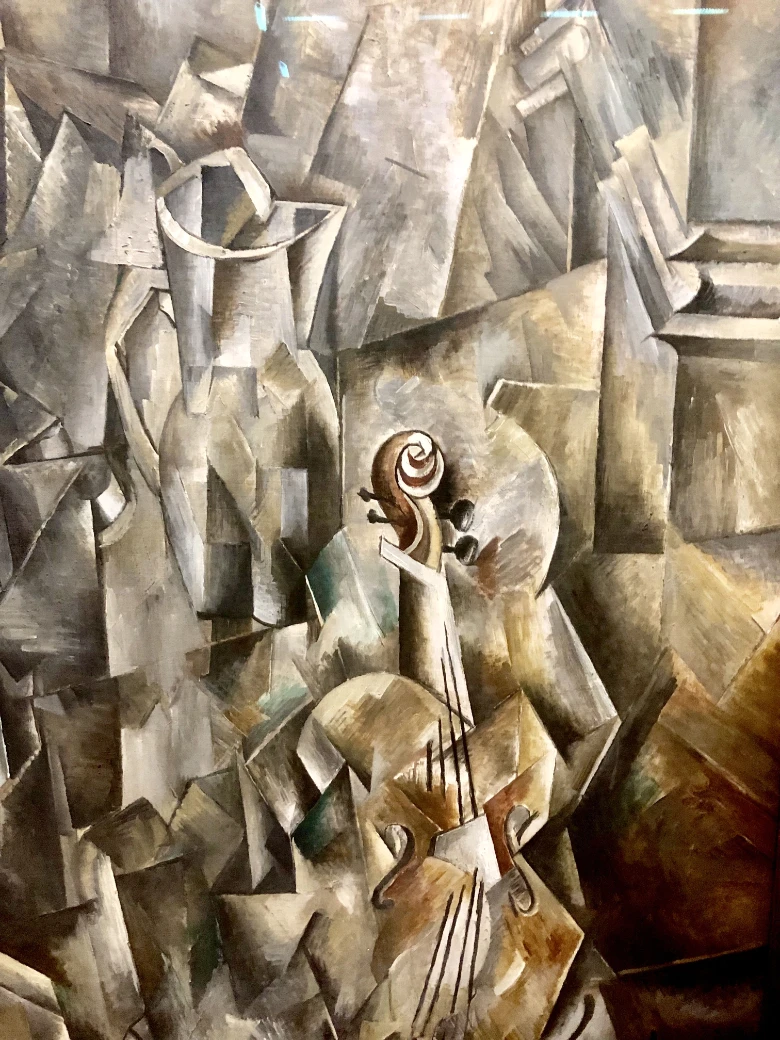
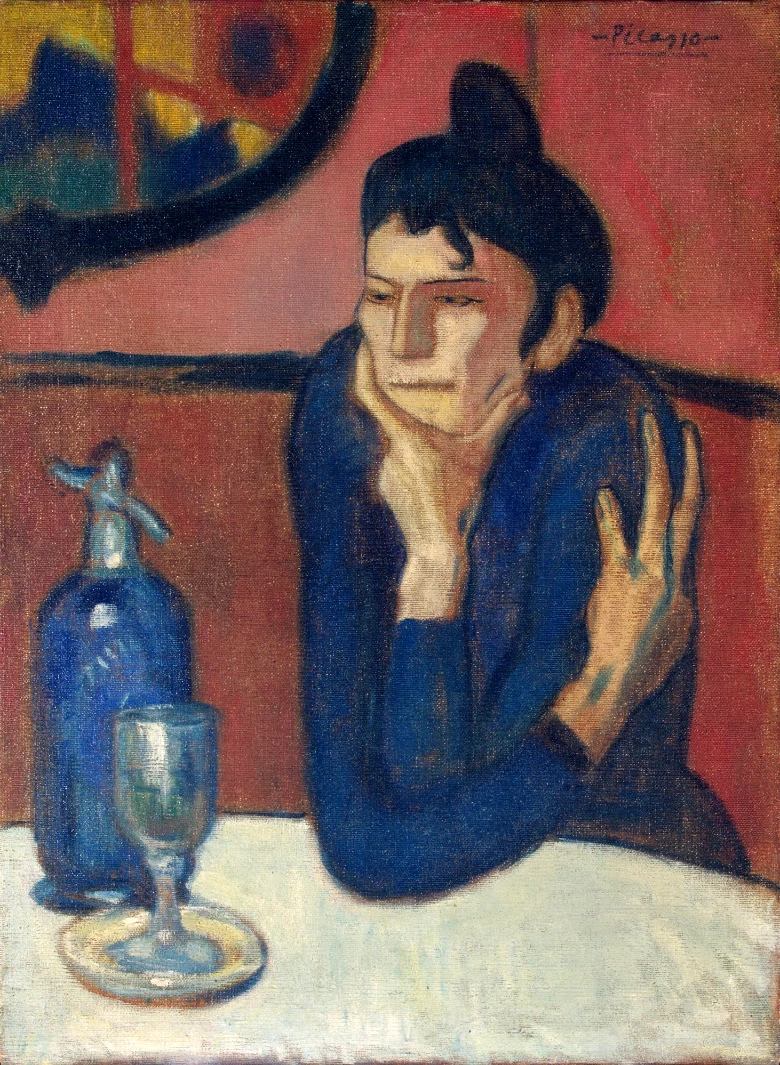
He gathered 13 Monets and 50 major Picassos,including masterpieces from his Blue and Pink Periods and striking early Cubist.
From 1908 Shchukin opened Trubetskoy Palace to the public every Sunday, enabling Muscovites to discover his top French art.
After Revolution, he escaped to France, first to Nice and then to Paris where he died in 1936.
In 1948 his collection fell victim to Stalinist campaigns against “formalist bourgeois art”.
The museum was liquidated and art works shared between Pushkin Museum in Moscow and Hermitage in Leningrad.
After Stalin’s death, pictures gradually reappeared to become the highest treasures in Russian culture.
After Perestroika, historians began to discover the collectors behind their museums.
The audacity and intuition of Shchukin, the man who treasured the most valuable art jewels, is finally recognised.
He bought portraits, landscapes and still lives of various styles, mostly cubist, fauve, impressionist, naive and realistic.
Sergei’s magnificent taste gathered works of 64 painters, 13 African and Chinese artists. Among them: 7 Rousseaus, 8 Cezannes, 9 Marquets, 13 Monets, 16 Derains, 38 Matisses, 50 Picassos…
If Russia managed to contrive a semblance of western civilisation in St. Petersburg, it was by virtue of being directly under steely Tsarist eye.
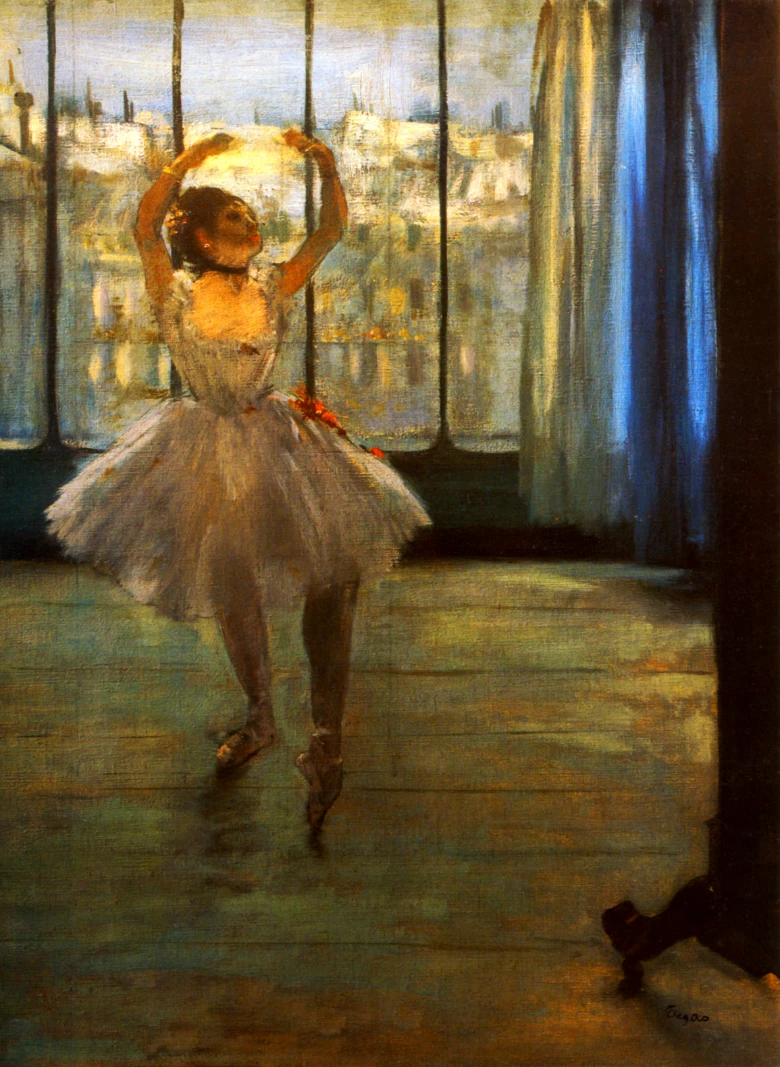
Moscow, lost in shadows of barbarism, was wacky and roguish, thinking it was home to true Russian spirit, which artistically meant gaudy folk art, icons, sad music and weird architecture.
We must always rememberthat Sergei Diaghilev’s Ballets Russes could never perform inside Russia.
However, rich upper class was desperate for oxygen of enlightened humanism which they found in Paris.
Among these visionaries were compatriots textile entrepreneurs Sergei Shchukin and his friend Ivan Morozov.
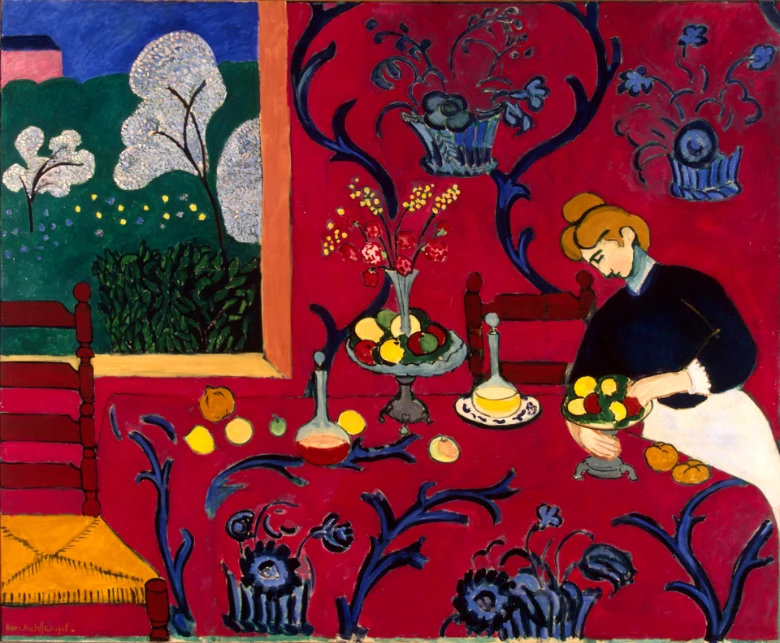
Both 19th-century merchants, they bought art in Paris and shipped back to Moscow a staggering number of masterpieces by Monet, Gauguin, Cezanne, Matisse, Picasso… when Modern Art was still derided even in France.
Only the American couple of patrons, Leo and Gertrude Stein were quicker off the mark.
Two great collectors of European Modern Art: Ivan kept his collection private; however Sergei opened his palace every Sunday.
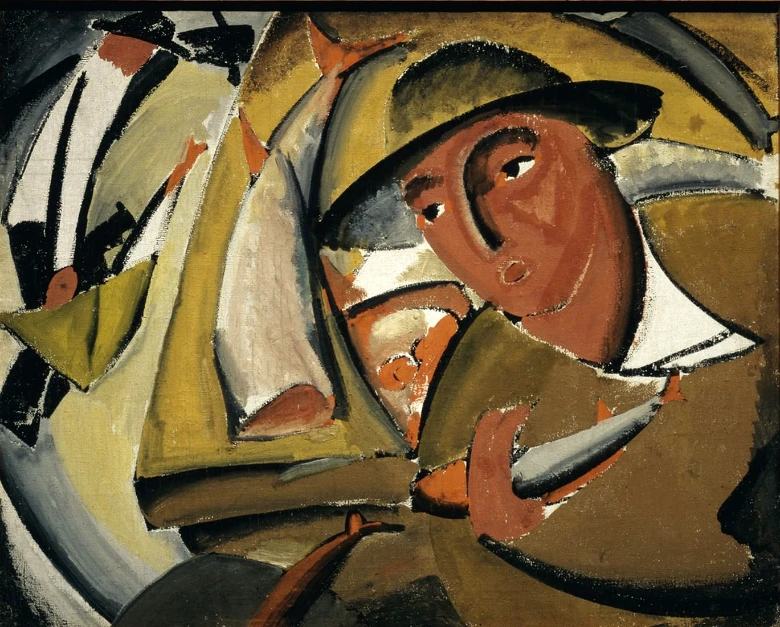
Tragically, the properties of both colleagues where seized.
Their spectacular paintings and their mansions became the prey of Bolshevik Revolution.
Communists nationalised their art treasures. Stalin locked them away as “degenerate art”.
Later the government installed them in Sergei’s former Trubetskoy Palace, Moscow.
It was among the first Modern Art museums in the world, opening in 1920.
Presently, the curator is Shchukin’s daughter, Ekaterina Keller (emigrated in 1922).
In 1923, the collection joined another branch-MNZj2 and became State Museum of Western Modern Art: GMNZI, directed by sculptor and historian Boris Mikhailovich Tsernovetz, with 800 art works.
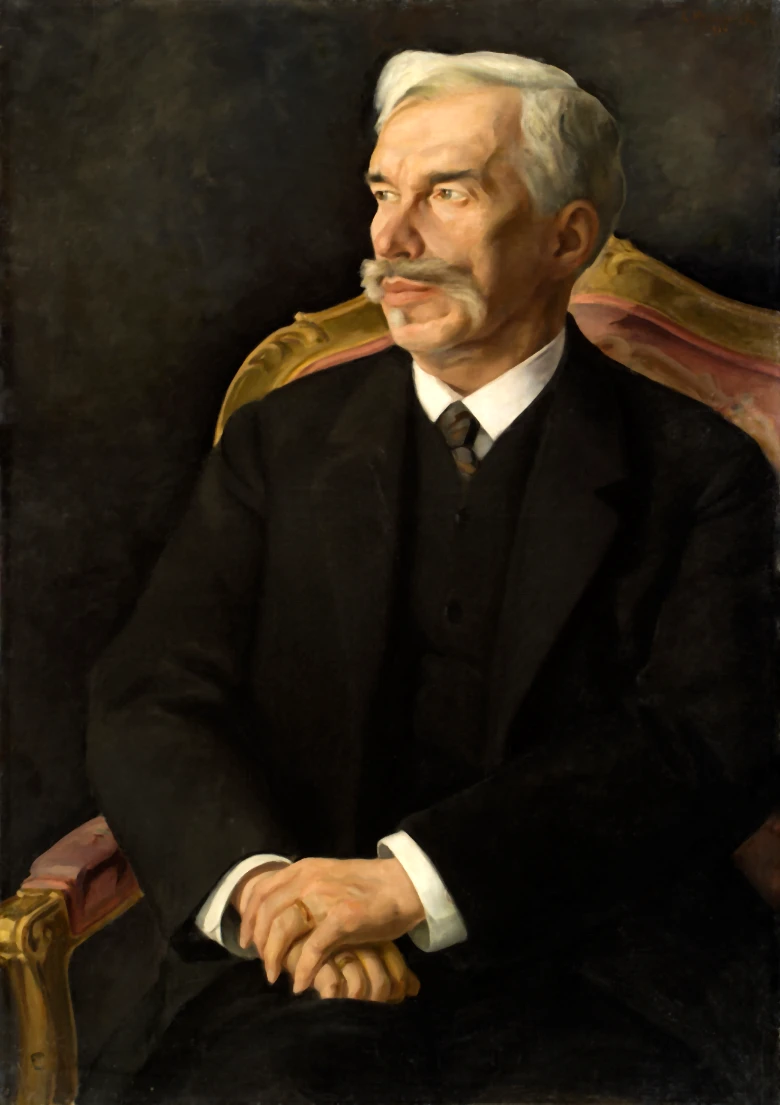
Sergei began collecting unpopular art rejected by the Musée du Louvre and critics in Paris. He followed his own personal taste.
With deep intuition, he sensed the events that were going to change the world.
Such a collector could only appear in a country waiting for a revolution. He collected the art which prefigured all the cataclysms.
For over 20 years this breathtaking assemblage of Monets, Van Goghs, Gauguins, Matisses, Picassos… has caused in Russia, as much outrage and derision as praise and admiration.
According to art critics today, the paintings Sergei selected were simply the very best of each artist.