Centenary of Antoni Gaudi, god’s architect
Barcelona celebrates Antoni Gaudi centenary, marking 100 years since the death of one the most famous architects in Spain.
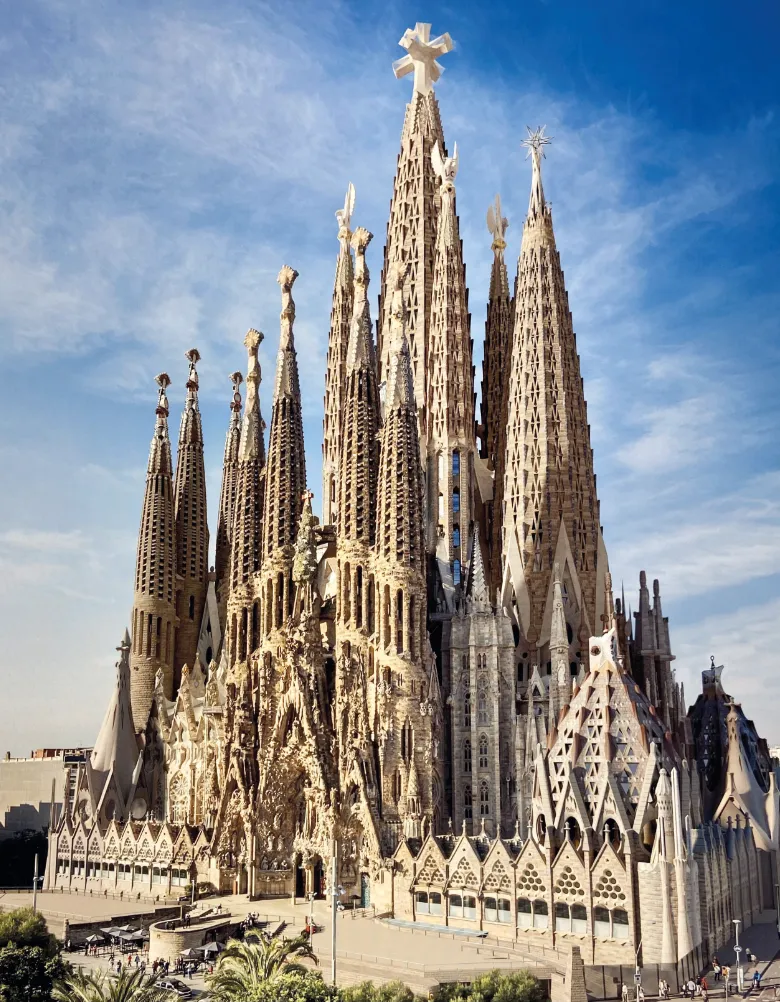
During his journey to our country, Pope Leo XIV recently visited Barcelona on the occasion of the inauguration of the central pinnacle of the church Sagrada Familia.
Named the Tower of Jesus Christ, it stands complete at 172.5m (566ft). It has earned the title of tallest church in the world.
The Architect of God, who dreamed of a church with cathedral-like dimensions, would be delighted to see his project finally being completed, almost 100 years after his death. His name and his work have kept his legacy alive for a century.
The Director of Barcelona School of Architecture, Elies Rogene, commented:
“I’m handing the degree to a madman or a genius. Time will tell.”
Without doubt, Antoni Gaudi (Barcelona 1852-1926) was an absolute genius who dared to break paradigms, create without censorship and feed on knowledge.
In his youth, Gaudi was one of the draftsmen for Joan Martorell, Emilio Sala Cortés and Josep Fontserè, three icons of Catalan architecture.
Immensely ambitious and devout religious, Gaudi had two aims: to create a Bible in stone, which is the Sagrada Familia and to correct the errors of previous styles of architecture. His debut as independent architect came with a huge imposing factory Mataró Workers’ Cooperative.
The young Antoni fell madly in love, but was rejected and this emotional pain led him to seek refuge in therapy and his Catholic faith. From then on, he remained single focusing his life on work and religion.
His master piece, the Sagrada Familia, looks likely to lead to him becoming the first architect to become a saint. He was deeply mystic.
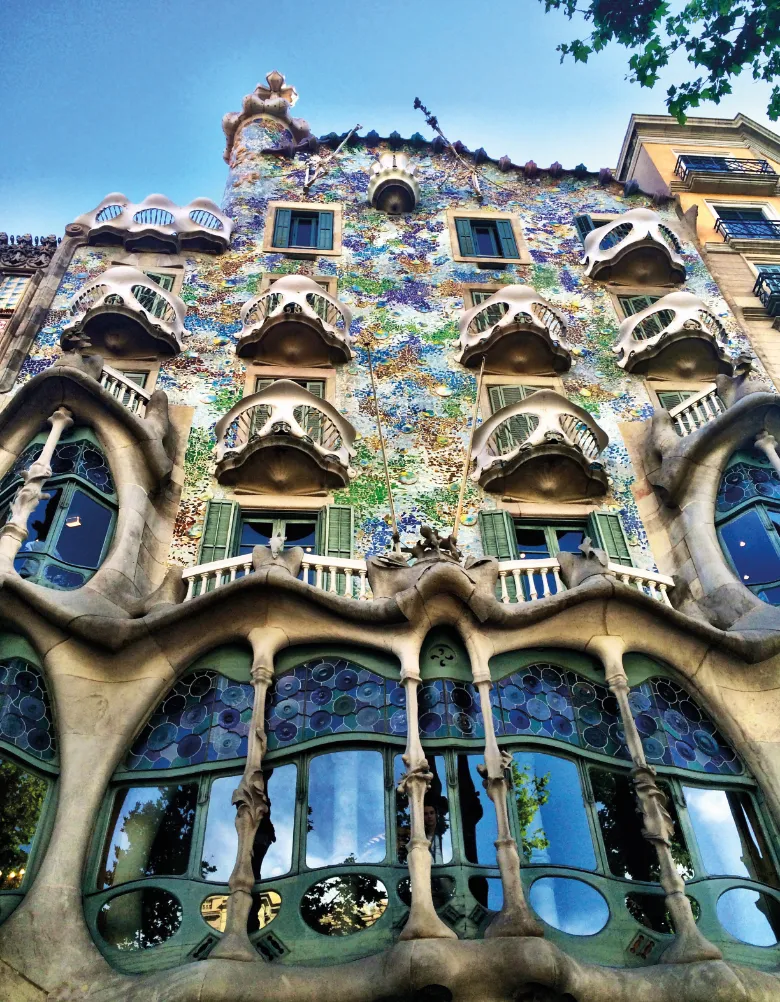
Aside from his fascination with faith, his main inspirations was nature, with organic forms and animals, symbolically reflected throughout his work.
“Everything comes from the great book of nature. The straight line belongs to man, the curved line to God.”
His quiet and somewhat isolated life contrasts with his works, which reflect optimism with their cheerful colours and fierce originality. It was the way this shy artist expressed all his restlessness.
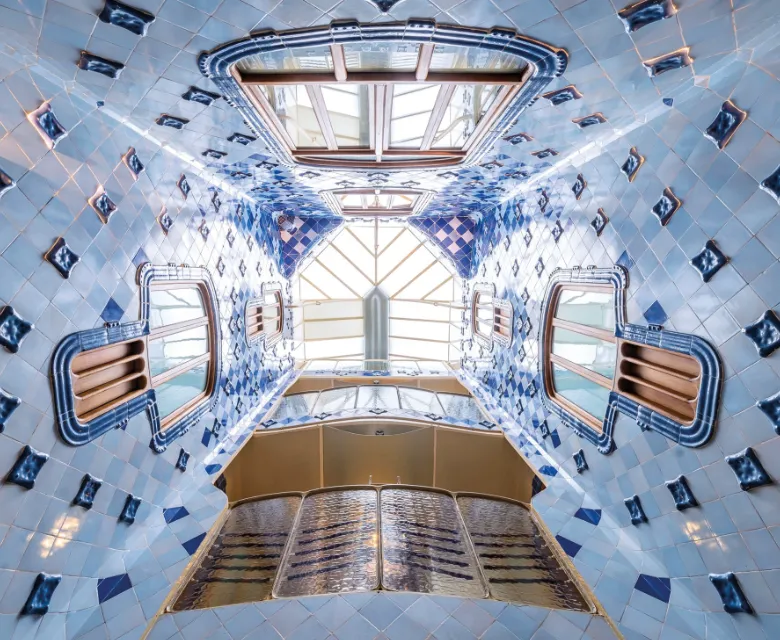
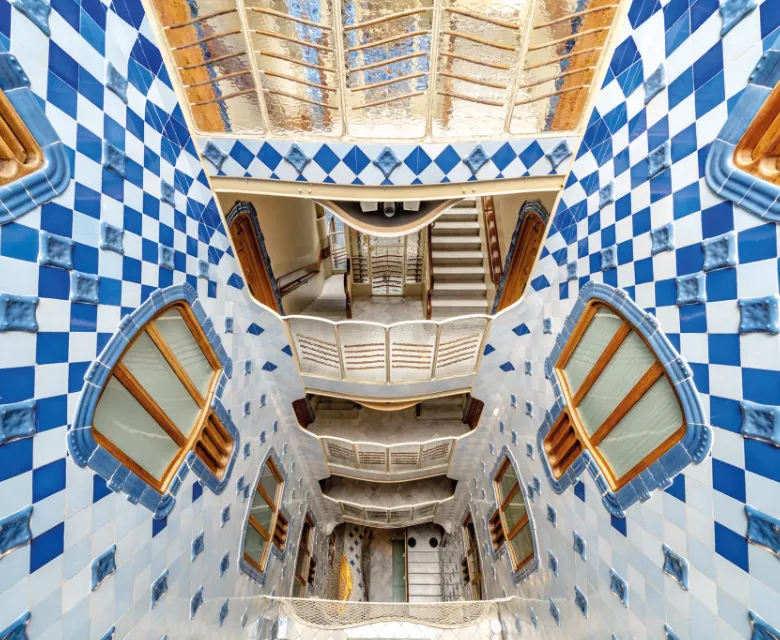
Gaudi’s first major work was Casa Vicens. But it was a far more unassuming project that would change the course of his career.
Glove retailer Esteban Comella commissioned Gaudi to design a cabinet for the Spanish Pavilion at Paris Universal Exposition. This simple piece attracted the attention of Catalan industrialist Eusebi Güell, who would become the principal driving force behind Gaudi’s success.
Five of Gaudi’s buildings bear his name: Palau Güell, Colonia Güell, Park Güell, Bodegas Güell and Pabellones Güell de Pedrables.
These early commissions gave him the cultural clout of a unique and new architecture.
This extremely wealthy benefactor afforded Gaudi the rare freedom to experiment and push his ideals.
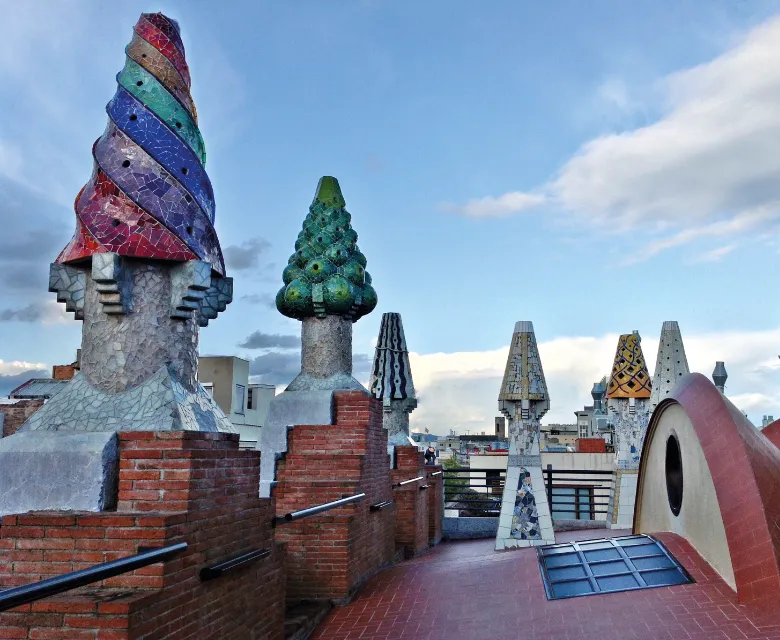
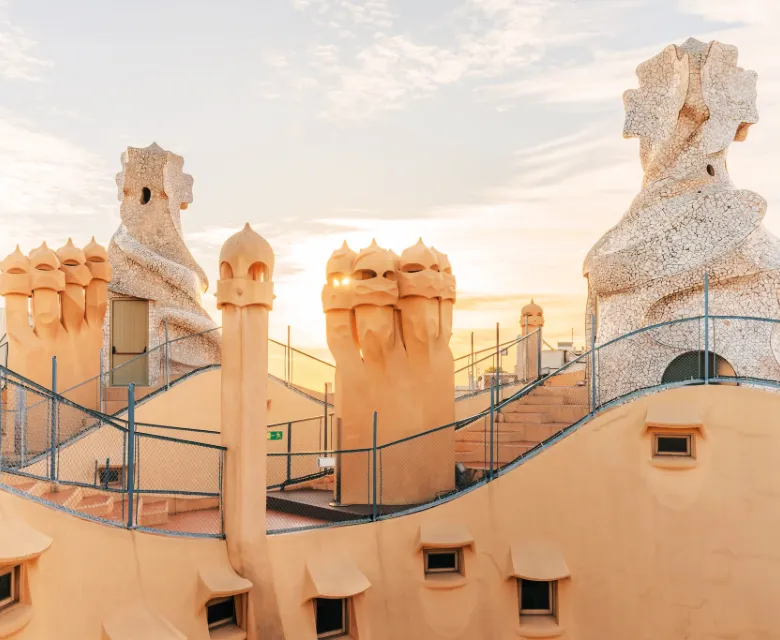
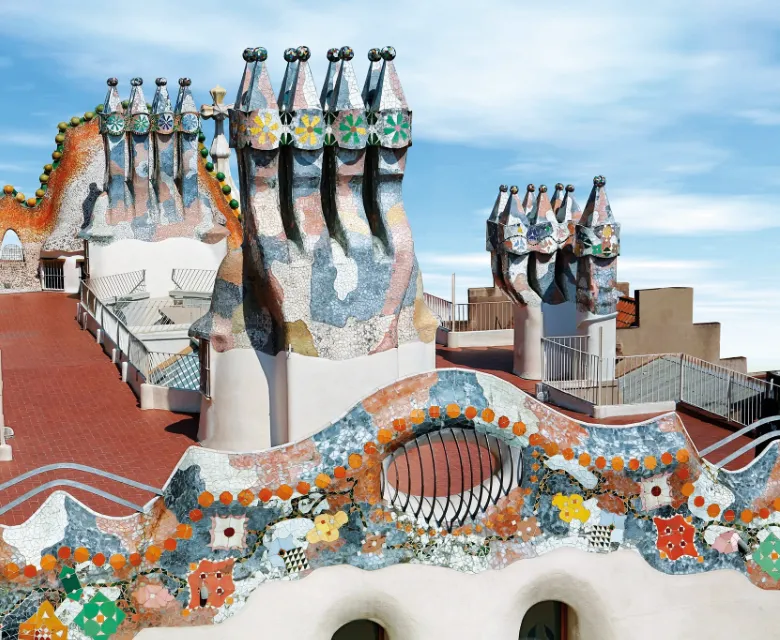
Gaudi’s work is divided into three periods.
The Orientalist Period includes his earlier buildings, drawing influences from Catalan Renaixença (arts and crafts) and exotic inspirations: Islamic, Persian and Indian art.
Moorish arches, ceramic tile decoration and exposed brick define this period.
Casa Vicens, Güell Pavilions, Palau Güell in Barcelona, El Capricho in Comillas, show the combination of form and material defining Modernist style or Catalan Art Nouveau.
His Neo-gothic period derives from his desire to create new forms of Gothic architecture.
His buildings combine natural forms with stone and castle-like elements.
Some examples: Episcopal Palace in Astorga, Teresian College, Torre Bellesguard, Casa Botines in Leon and Bodegues Güell in Stiges.
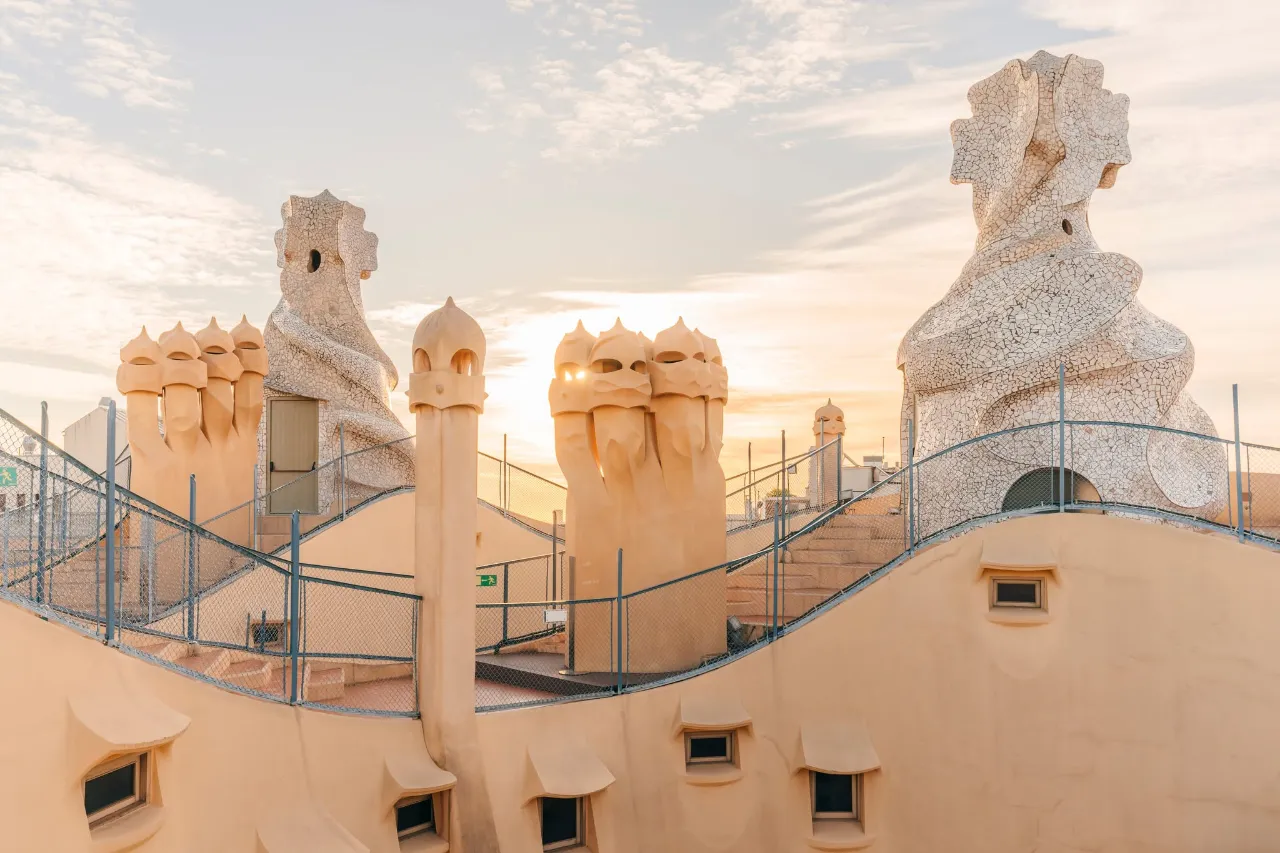
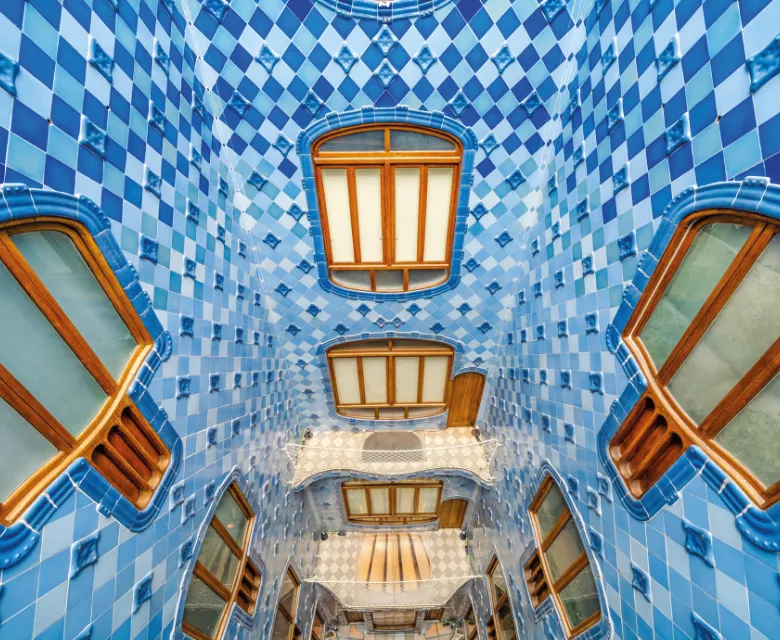
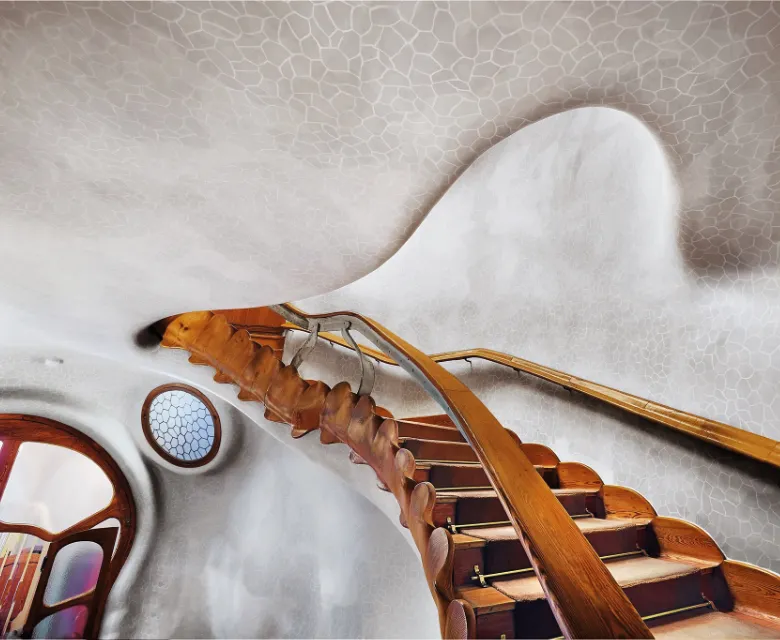
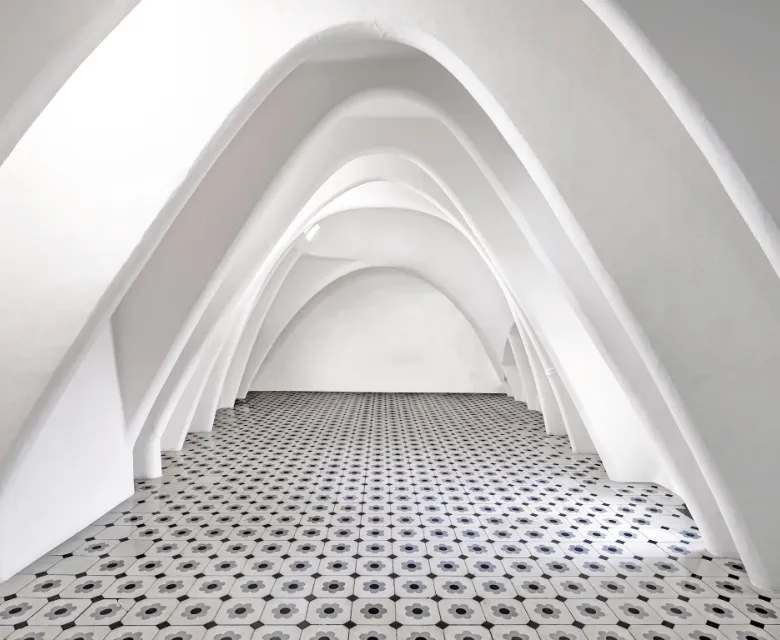
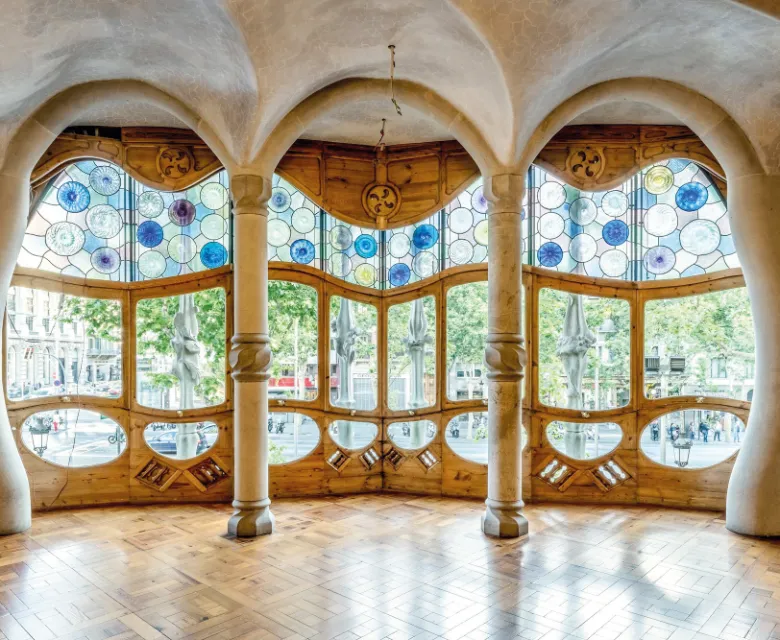
Finally, his Naturalist period combines Neo-gothic and organic shapes such as Casa Calvet, Casa Batlló, Casa Mila and Park Güell.
“There are no straight lines or sharp corners in nature. Therefore, buildings must have no straight lines or sharp corners”
Looming large over Gaudi’s career is the project that occupied him for the majority of his life, his masterpiece: Sagrada Familia.
In his final decade, he was solely devoted to the huge church project and he even moved permanently into the building in 1925.
In 1926, an old man in dishevelled clothing was fatally struck down by a tram when crossing the street on his way to church.
A few days later, what seemed as a poor man died in a pauper’s hospital.
The man was Antoni Gaudi, who would become worldwide known as “God’s architect” and remains alive as the most iconic cultural figure in Barcelona city. His body still rests in the cathedral.
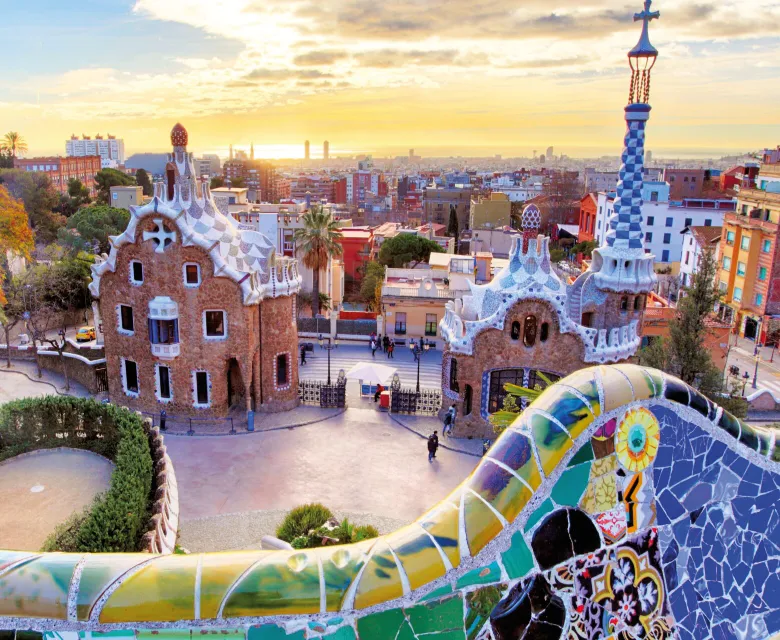
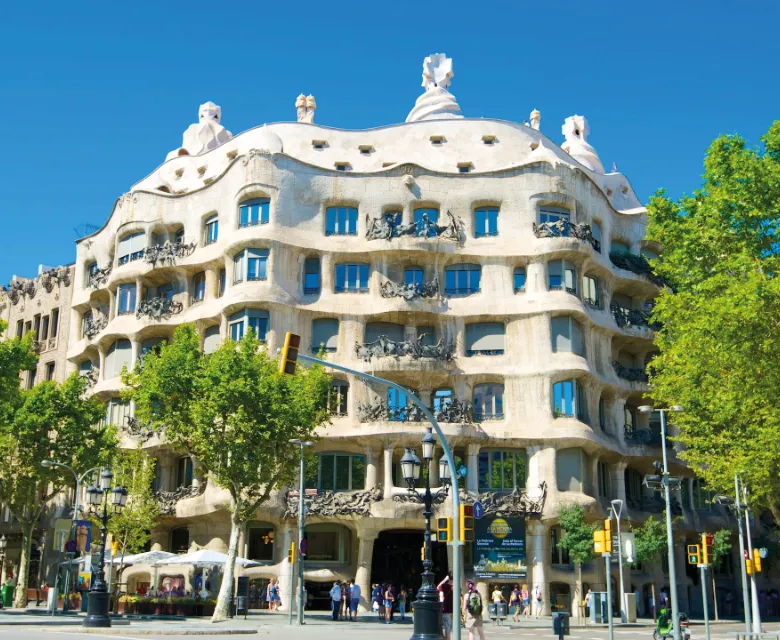
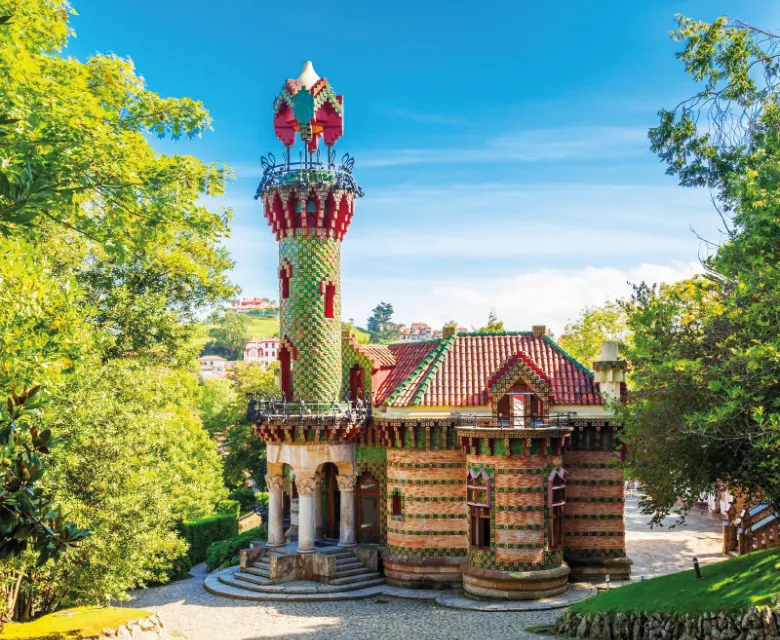
Gaudi left behind a momentous transcendental task for next generations of architects and builders.
He died partway through the construction of the most famous towering church in Barcelona.
From a distance, the church rises above the city skyline like a bristling organic behemoth.
Up close, it seems even more like a living almost moving sculpted building.
Hypnotically detailed façades depicting biblical themes seem to grow out of the stone.
Truly gothic in its ambition and scale, but made from organic tree-like forms, it is a building like none other.
This almost impossible church is the highest in the world, combining ancient inspiration and cutting-edge modern engineering.
Only the crypt, apse and partial facade were finished when Gaudi died. Construction continued for the last century. This year 2026 its completion will finally mark the culmination of the architect’s legacy.
Always intended to be continued after his death, the church posed extraordinary challenges. His sketches were obliterated during the Spanish Civil War (1936), leaving scant material for his successors.
There was a time when its soaring towers were thought to be too tall for their foundations and vulnerable to wind. The initial project has been perfected using modern techniques.
Gaudi’s legendary aura extends far beyond architecture.
All add to the fascination: incomparable, unique forms of buildings, designs and furniture, seemingly never-ending construction of his huge church and his deep association with Barcelona’s identity.
Arhitecture lovers celebrate with great fanfare that almost 100 years after Antoni Gaudi passing, his works are still with us, demonstrating that his magic is eternal and still modern in the 21st century.