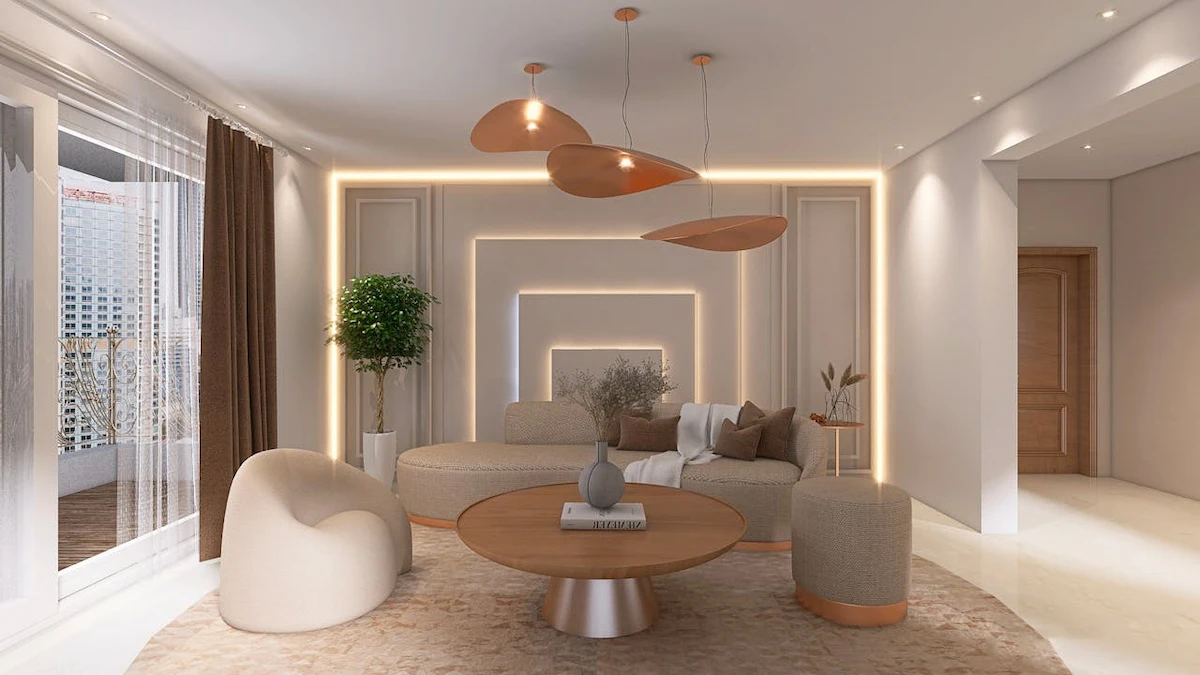
Light is the silent narrator of your home. It tells the story of your style, your mood, and the way you interact with your surroundings. Most people think of lighting as a utility—something you flip on to see where you are going.
But for those who appreciate the finer details of design, light is a medium, much like paint or sculpture. Using the art of layered lighting allows you to move beyond the basic “on-off” mentality and create an environment that feels alive, textured, and deeply personal.
When you walk into a room that feels “off,” the culprit is often a single, harsh overhead light. It flattens everything, stripping away the character of your furniture and the warmth of your walls.
By contrast, a well-lit room uses different sources to create shadows and highlights, giving the space a sense of mystery and comfort.
This approach isn’t about buying the most expensive fixtures; it is about understanding how different types of light work together to serve your needs and your aesthetic vision.
Understanding the three pillars of light
To get started with the art of layered lighting, you need to look at how light functions in a room. We generally categorize light into three layers: ambient, task, and accent. Each one plays a specific role, and when they overlap, they create a rich, cohesive experience.
As we saw earlier, relying on just one layer makes a room feel one-dimensional. Instead, you want to build these layers one by one, starting with the most general and moving toward the most specific.
Ambient lighting is your base. It is the soft glow that fills the room so you can move around safely. This usually comes from recessed lights, large pendants, or even the natural light coming through your windows.
However, ambient light alone can be boring. That is where task lighting comes in. This layer is all about function. Whether you are reading a book in your favorite chair or chopping vegetables in the kitchen, task lighting provides the focused brightness you need to do things without straining your eyes.
The final layer is accent lighting. This is the most creative part of the process. It is used to draw attention to specific objects—a piece of art, a collection of books, or even the texture of a stone wall.
Accent lighting adds drama and helps define the “spirit” of the room. By using these three layers, you ensure that your home is both practical and beautiful, avoiding the sterile feel of a showroom.
The role of ambient light in setting the mood
Ambient light acts as the canvas for your room. It should be even and soft, mimicking the natural light of a cloudy day. Many people make the mistake of making their ambient light too bright, which can make a living room feel like a surgical suite.
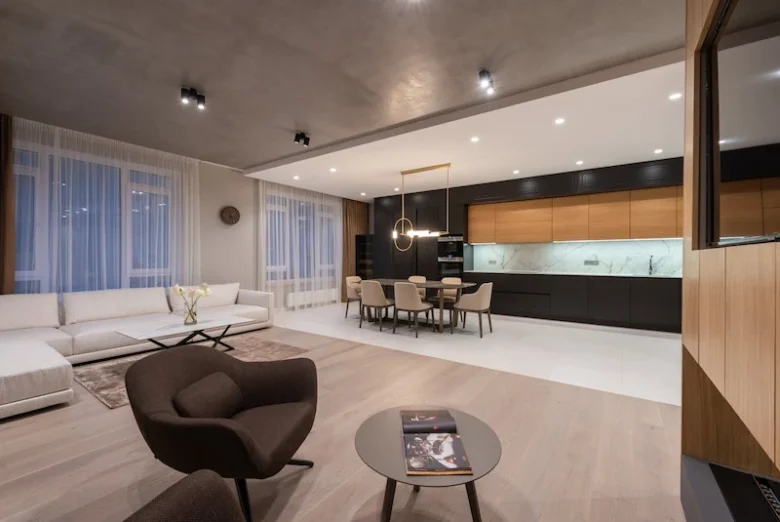
To avoid this, you might want to look at fixtures that diffuse light. A large fabric shade or an opal glass globe can soften the glare and spread light more gently across the ceiling and walls.
Another way to improve your ambient layer is to use dimmers. Dimmers are perhaps the most effective tool in the art of layered lighting.
They give you the power to change the energy of a room in an instant. During the day, you might want full brightness to stay productive.
As evening approaches, lowering the ambient light creates a more intimate, spiritual atmosphere that prepares you for rest. This transition is vital for a home that feels responsive to your life.
You should also consider the “bounce” of light. Instead of pointing all your lights downward, try fixtures that throw light up toward the ceiling.
This reflected light is much softer and helps the room feel taller and more open. It is a simple trick that professionals use to make small spaces feel more expansive and luxurious without adding more furniture.
Task lighting for a functional and focused home
Once your ambient layer is set, you can start thinking about where you actually “live” in the room. Task lighting is about being intentional.
If you have a home office, a dedicated desk lamp with an adjustable arm is better than relying on the light from the ceiling. This allows you to direct the beam exactly where you need it, reducing glare on your computer screen and making it easier to focus for long periods.
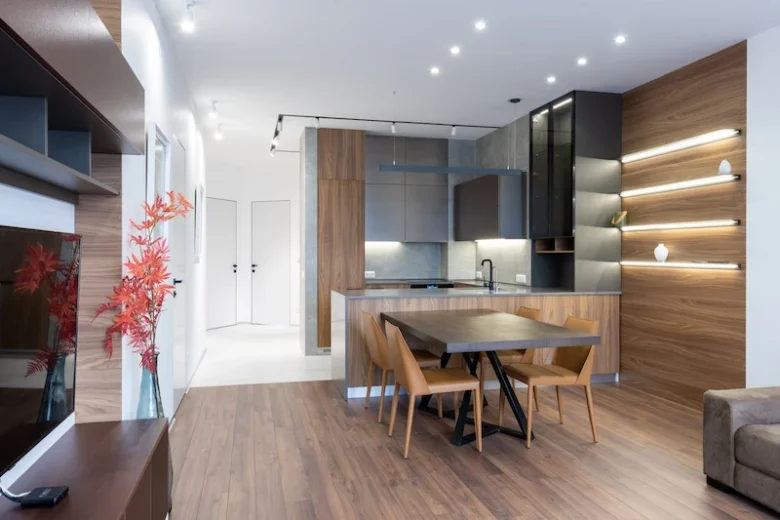
In the kitchen, task lighting is a game-changer. Under-cabinet LED strips are a popular choice because they illuminate the countertops where you do the most work.
This prevents you from working in your own shadow, which often happens when you only have overhead lights. More than just a functional choice, these lights also add a beautiful glow to your backsplash, highlighting the materials you chose for your kitchen.
Bedrooms also benefit from specific task lighting. Instead of a single lamp on a nightstand, you could use wall-mounted swing-arm lamps.
These save space on your table and provide the perfect light for reading in bed. By placing the light source closer to your book or tablet, you can keep the rest of the room dim, which helps your partner sleep and keeps the overall vibe of the room relaxed and cozy.
Adding drama with accent lighting
This is where the art of layered lighting becomes truly provocative. Accent lighting isn’t about seeing; it’s about looking. It allows you to guide the eye toward what matters most in your space.
If you have a beautiful painting, a dedicated picture light can make the colors pop and give the piece a museum-quality feel. Without this specific light, the art might get lost in the shadows of the room.
You can also use accent lighting to highlight architectural features. If your home has high ceilings with beautiful molding or a fireplace with a textured mantle, small uplights placed on the floor can create long, dramatic shadows that emphasize these details.
This creates a sense of depth that makes the room feel more sophisticated. It is about playing with the contrast between light and dark to create a visual rhythm.
Don’t be afraid to use light in unexpected places. A small lamp tucked into a bookshelf or a light strip hidden under a floating vanity in the bathroom can create a “wow” factor.
These small touches show that you have put thought into every corner of your home. They turn a standard room into a curated experience that feels both high-end and deeply personal.
Choosing the right color temperature
The “color” of your light is just as important as where it comes from. This is measured in Kelvins (K). Lower numbers, like 2700K, produce a warm, yellowish light that feels like a traditional incandescent bulb.
Higher numbers, like 5000K, produce a cool, bluish light that mimics daylight. For a home that feels inviting and refined, you generally want to stay in the 2700K to 3000K range.
Using cool light in a living room or bedroom can make the space feel cold and uninviting. It can also distort the colors of your furniture and rugs, making them look gray or dull. Warm light, on the other hand, makes wood tones look richer and skin tones look healthier.
It creates that “golden hour” feel that we all love in photography. When you are selecting bulbs, make sure they match across all your layers to ensure the room feels cohesive.
There are times when cooler light is appropriate, such as in a garage or a laundry room where you need maximum clarity. But for your main living areas, consistency is key.
If your ambient light is warm and your task light is cool, the room will feel disjointed and jarring. Keeping your color temperatures aligned is a subtle way to make your design feel professional and polished.
The impact of shadows and texture
We often focus so much on the light that we forget about the shadows. In the art of layered lighting, shadows are just as important as the glow.
Shadows provide the contrast that allows us to see texture and form. A room with no shadows feels flat and lifeless. By carefully placing your lights, you can create a play of light and dark that adds a layer of mystery and sophistication to your home.
Think about a stone wall or a piece of heavy linen fabric. If you light these from the front, they look flat. But if you place a light at an angle—a technique called “grazing”—the light hits the high points and leaves the low points in shadow.
This makes the texture “pop” and gives the material a tactile quality. You can use this same principle with plants; placing a light beneath a large leaf can create beautiful, organic patterns on your walls and ceiling.
This approach to lighting is what separates a standard interior from a truly provocative one. It invites people to look closer and appreciate the materials and craftsmanship of your home.
It turns your living space into a gallery of your own life, where every shadow tells a story and every light source has a purpose. As you move through your home, you will start to notice how these small adjustments change your perception of the space.
Practical tips for every room
Every room has different needs, so your approach to layering should change as you move through your home. In the living room, you might want a mix of a central chandelier (ambient), a floor lamp by the sofa (task), and a few small lamps on side tables or shelves (accent).
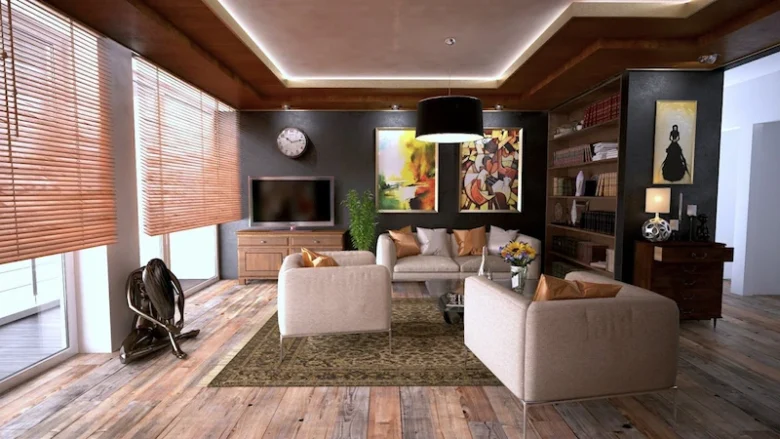
This variety allows you to adjust the lighting based on whether you are hosting a party or watching a movie.
In the dining room, the focus should be on the table. A pendant or chandelier over the table provides the main light, but adding wall sconces or a lamp on a sideboard can soften the edges of the room and make the dining experience feel more intimate.
You want the light to be bright enough to see your food and your guests, but soft enough to encourage long conversations.
Bathrooms are often the most difficult to light correctly. Most people only have a light over the mirror, which creates harsh shadows under the eyes.
A better approach is to have lights on either side of the mirror at eye level. This provides even lighting for your face, which is much better for grooming.
Adding a separate, dimmable light for the shower or tub can turn a functional bathroom into a spa-like retreat.
Sustainable and smart lighting choices
Modern technology has made it easier than ever to practice the art of layered lighting. LED bulbs are now available in a wide range of color temperatures and brightness levels, and they use a fraction of the energy of old bulbs.
They also last much longer, which means you won’t have to climb a ladder to change a ceiling bulb nearly as often. This makes it easier to be both stylish and environmentally conscious.
Smart lighting systems take this a step further. You can now program “scenes” for your home. With one touch on your phone or a voice command, you can set your lights to “Morning,” “Dinner,” or “Relax.”
These systems can even be set to change throughout the day, automatically warming up and dimming as the sun goes down. This aligns your home with your natural circadian rhythm, helping you feel more energized during the day and more relaxed at night.
Investing in quality fixtures and smart controls is a way to future-proof your home. It allows you to experiment with different layers and find what works best for your lifestyle.
As you become more comfortable with these tools, you will find that you are no longer just “turning on the lights”—you are composing an environment that reflects who you are and how you want to live.
Creating a narrative through light
At its core, the art of layered lighting is about storytelling. It is about deciding what parts of your life you want to highlight and what parts you want to leave in the soft embrace of shadow. It is a way to bring a sense of soul and intention to your home.
When you take the time to layer your lighting, you are creating a space that doesn’t just look good in a photograph, but feels good to live in.
This refined approach to design is what we celebrate at Neomania Magazine. We believe that your home should be a reflection of your inner world—a place that is spiritual, provocative, and deeply personal.
Light is one of the most powerful tools you have to achieve this. By moving away from the basic and toward the intentional, you can transform any room into a sanctuary of style and comfort.
As you look around your home tonight, notice where the light falls and where it misses. Think about how you could add a new layer to change the mood or highlight a favorite object.
The beauty of this process is that it is never truly finished. You can always add a new lamp, change a bulb, or move a fixture to see your space in a new light. It is an ongoing journey of discovery and refinement.
If you find yourself drawn to these kinds of aesthetic reflections and want to explore more about the intersection of design, art, and the human experience, we invite you to join our community.
There is so much more to discover about the risks and the beauty of modern living. We invite you to stay connected with these stories and let them inspire your own creative journey.
Take a moment to reflect on your own space and the stories it tells, and if you feel moved by this vision, consider becoming a part of our world by subscribing to Neomania Magazine today.