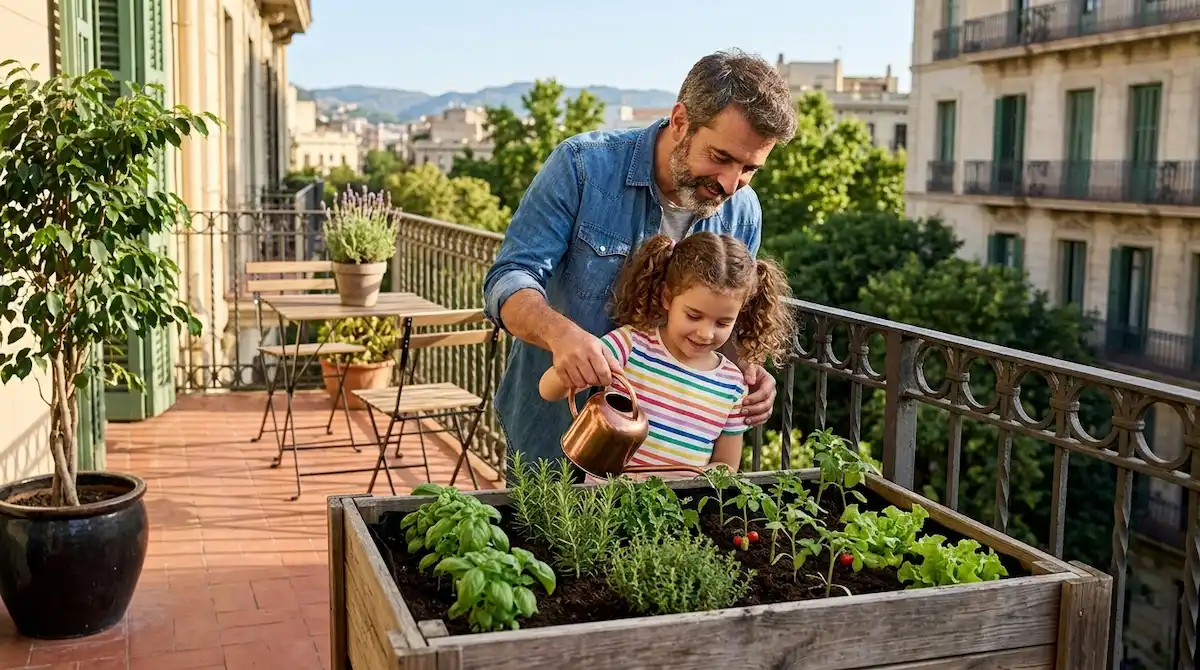
Concrete landscapes often feel cold and disconnected from the natural rhythm of life. You walk through the city, surrounded by glass towers and steel beams, perhaps feeling a quiet longing for something softer, something that breathes.
This desire for green life is not just a hobby; it is a sophisticated response to the sterile environments we often inhabit. Creating a home urban garden represents a conscious choice to reclaim your surroundings and infuse them with vitality.
It is an artistic endeavor that blends architectural precision with the unpredictable beauty of nature. At Neomania Magazine, we see this movement as a vital intersection of design, sustainability, and personal well-being.
Your balcony, terrace, or even a sunny windowsill can become a sanctuary where the spiritual meets the provocative. This transition from consumer to cultivator changes how you interact with your living space, turning every square inch into a potential source of nourishment and inspiration.
Living in a high-rise or a compact apartment does not mean you have to sacrifice the tactile joy of soil and leaves. The modern approach to greenery is about smart integration.
It is about understanding how light hits your walls at 2:00 PM and choosing a ceramic vessel that complements your interior palette while providing a healthy environment for roots.
This journey is about more than just plants; it is about the stories you create within your own four walls. Every sprout that breaks through the surface is a testament to your patience and your eye for detail.
As we explore the mechanics and the poetry of this practice, you will find that the most rewarding spaces are those that challenge our perception of what an urban home can be.
Designing your green sanctuary with purpose
The first step in establishing your personal oasis involves a careful analysis of your environment. You are not just placing pots randomly; you are curating a living gallery.
Start by observing the microclimates within your home. A corner that receives harsh afternoon sun is vastly different from a shaded nook that only sees the morning glow.
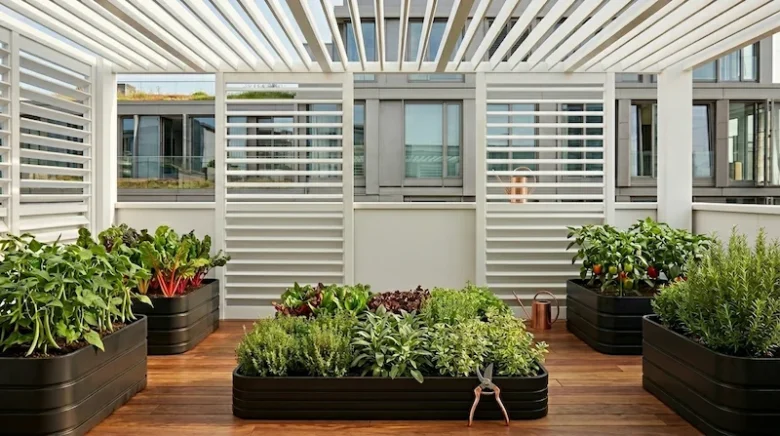
Your choice of containers also plays a significant role in the visual narrative. Terracotta offers a classic, earthy feel and allows roots to breathe, while sleek metal or recycled plastic can provide a more contemporary, industrial edge.
The key is to maintain a balance between the aesthetic you want to project and the biological needs of the organisms you are hosting.
Light as the primary architect of growth
Light is the currency of the plant world, and in a city setting, it is often a scarce resource. You need to identify whether your space offers full sun, partial shade, or deep shade.
Most edible plants require at least six hours of direct sunlight to thrive and produce a harvest. If your windows face north, you might struggle with sun-loving species, but this is where technology and clever design come in.
Reflective surfaces or strategically placed mirrors can bounce light into darker corners, while high-quality LED grow lights can supplement natural rays without ruining your interior design. These lights now come in elegant fixtures that look more like art pieces than utility items, fitting perfectly into a premium lifestyle.
Understanding the quality of light is just as important as the quantity. The morning sun is gentle and cool, ideal for delicate greens that might wilt under intense heat. The afternoon sun, especially in the height of summer, can be brutal.
You might find that your plants need a bit of sheer curtain or a wooden lattice to filter the intensity. By treating light as a structural element of your garden, you ensure that your plants do not just survive, but truly flourish.
This careful observation fosters a deeper connection to the passing of the seasons and the daily transit of the sun, a rhythm often lost in the buzz of city life.
Selecting materials that speak to your style
Your choice of vessels and tools reflects your personal brand. In a premium urban setting, every object should have a purpose and a soul.
Consider using oversized stone planters for a sense of permanence and weight, or perhaps hanging macramé installations for a more bohemian, airy feel.
The drainage of these containers is a technical detail that cannot be overlooked. Without proper holes, water sits at the bottom, leading to root rot and the eventual demise of your greenery.
You can find beautiful pots that hide a functional inner liner, allowing for drainage while keeping the exterior pristine and dry.
The soil you choose is the foundation of this entire project. Avoid the cheap, heavy bags found at generic hardware stores. Instead, look for organic potting mixes enriched with compost, perlite, and coconut coir.
These mixtures are lightweight, which is essential for balcony safety, and they provide the aeration roots need to expand. Think of the soil as the medium for your art. It must be rich, well-structured, and full of life.
When you invest in high-quality materials, you are setting the stage for a successful and visually stunning experience that lasts for years rather than a single season.
Edible art and the joy of the harvest
There is a unique thrill in consuming something you have nurtured from a tiny seed. It bridges the gap between the digital world and the physical one. When you decide to grow food, you are making a statement about self-reliance and quality.
The flavor of a tomato picked seconds before it hits your plate is incomparable to anything found in a supermarket. This section of your garden is where utility meets beauty.
Flowering herbs, vibrant peppers, and trailing vines create a multi-sensory experience that delights the eyes and the palate.
List the easiest vegetables to grow in pots
If you are just starting or want guaranteed results, you should list the easiest vegetables to grow in pots to help focus your efforts. Leafy greens like lettuce, arugula, and spinach are incredibly forgiving and grow quickly, providing a constant supply for your salads.
Radishes are another excellent choice because they reach maturity in as little as three weeks, offering almost instant gratification.
Cherry tomatoes are perhaps the stars of the container world; they are prolific, colorful, and can be trained to grow vertically, saving precious floor space.
| Plant type | Sunlight needs | Pot depth | Growth speed |
|---|---|---|---|
| Loose-leaf Lettuce | 4-6 hours | 6 inches | Fast |
| Cherry Tomatoes | 6-8 hours | 12 inches | Medium |
| Radishes | 6 hours | 6 inches | Very Fast |
| Bell Peppers | 6-8 hours | 10 inches | Medium |
| Green Beans | 6 hours | 8 inches | Fast |
Beyond these basics, consider bush varieties of cucumbers or even dwarf citrus trees if you have a bit more space and sun. The key is to look for “patio” or “container” labels when buying seeds or starters.
These varieties have been specifically bred to stay compact while still producing a significant yield. By focusing on these reliable performers, you build your confidence and create a lush, productive environment that feels like a professional installation rather than a trial-and-error experiment.
Herbs for sensory texture and aroma
Herbs are the essential finishing touch for any culinary enthusiast and a vital component of a refined garden. They offer a variety of textures—from the soft, feathery leaves of dill to the woody, structured stems of rosemary.
Placing herbs near your kitchen door or on a windowsill ensures that their fragrance greets you every time you pass by. Basil, mint, and cilantro are staples that thrive in containers, provided they have enough water and light.
Mint, in particular, should always be grown in its own pot, as its aggressive roots will quickly overtake any neighboring plants.
The aesthetic value of herbs is often underrated. A large pot of lavender not only smells divine but also brings a touch of Mediterranean elegance to your balcony.
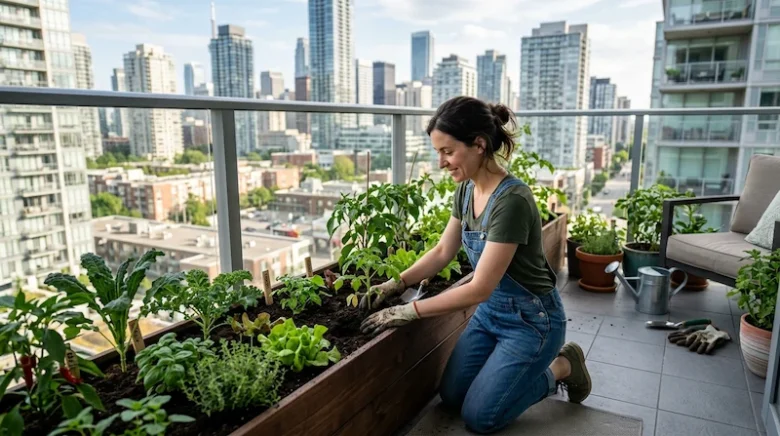
Chives produce beautiful purple globes that are edible and attractive to pollinators, even in the heart of the city. By mixing these functional plants with your ornamental ones, you create a tapestry of green that serves multiple purposes. You are not just growing food; you are growing ingredients for a life well-lived.
Sustaining the life cycle through careful maintenance
A garden is a living, breathing entity that requires consistent attention. However, this should not feel like a chore. Instead, view it as a daily ritual of mindfulness.
The act of checking the soil, pruning a yellow leaf, or spotting a new bud is a form of meditation that grounds you in the present moment.
Maintenance is where the science of horticulture meets the intuition of the gardener. As you become more attuned to your plants, you will start to recognize their subtle signals—a slight droop when they are thirsty or a change in color when they need more nutrients.
Explain efficient watering for urban spaces
Watering is perhaps the most misunderstood aspect of gardening, especially in containers where the environment dries out much faster than in the ground. To explain efficient watering, we must look at both timing and technique.
The best time to water is early morning, allowing the moisture to soak deep into the soil before the sun evaporates it. Avoid getting water on the leaves, as this can encourage fungal diseases; instead, aim for the base of the plant.
You want to water deeply and thoroughly until you see it running out of the drainage holes, ensuring the entire root ball is hydrated.
Overwatering is just as dangerous as underwatering. If the soil feels damp an inch below the surface, your plant likely has enough moisture. Using self-watering pots can be a game-changer for busy professionals.
These containers feature a reservoir at the bottom that allows the plant to draw up water as needed through capillary action. This system maintains a consistent moisture level, reducing the stress on the plant and giving you more flexibility in your schedule. By mastering this balance, you ensure your garden remains a vibrant, low-stress addition to your home.
Soil health and organic nutrition
Since container plants have limited access to nutrients, you must be the one to provide them. Over time, watering leaches minerals from the soil, leaving it depleted.
Using organic liquid fertilizers or slow-release granules ensures your plants have the fuel they need to grow strong stems and flavorful fruit. Seaweed extract and fish emulsion are excellent organic options that provide a broad spectrum of micronutrients without the harsh chemicals found in synthetic fertilizers.
Think of fertilizing as a seasonal rhythm. During the peak growing months of spring and summer, your plants will need more frequent feeding. As the weather cools and growth slows down, you can reduce the frequency.
It is also beneficial to refresh the top couple of inches of soil with fresh compost every year. This introduces new organic matter and beneficial microbes that keep the soil ecosystem healthy.
A healthy soil leads to a resilient garden that can better withstand pests and environmental fluctuations, maintaining the high-standard look you desire.
The silent pulse of nature and the human spirit
Beyond the physical harvest and the visual appeal, there is a deeper layer to this practice. It touches something primal within us. In a world dominated by screens and rapid-fire communication, the slow, steady growth of a plant offers a necessary counterpoint.
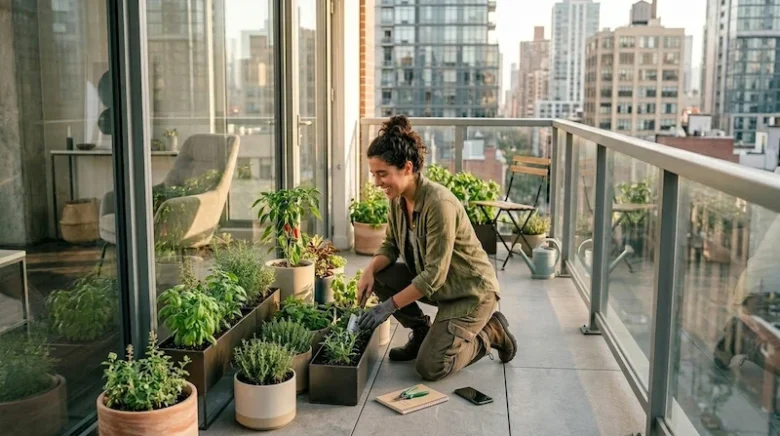
It reminds us that some things cannot be rushed. This connection to the earth has profound implications for how we feel and how we process the stresses of modern life. It is a quiet rebellion against the frantic pace of the city, a way to carve out a space for reflection and peace.
Discuss the benefits of urban gardening for mental health
When we discuss the benefits of urban gardening for mental health, we are looking at a wealth of psychological research. Engaging with soil has been shown to lower cortisol levels, the hormone associated with stress.
There is even a specific bacterium in the soil, Mycobacterium vaccae, that can trigger the release of serotonin in the brain, acting as a natural antidepressant.
The simple act of nurturing another living thing provides a sense of purpose and accomplishment that is often missing from our digital tasks.
The sensory experience of a garden—the smell of wet earth, the sound of wind through leaves, the feel of different textures—helps to ground us in our bodies.
This “soft fascination” allows our brains to recover from the “directed attention fatigue” caused by constant notifications and complex problem-solving.
For a professional living in a high-pressure environment, a few minutes spent tending to a garden can be more restorative than an hour of mindless scrolling. It is a form of self-care that yields tangible, beautiful results, fostering a sense of tranquility that permeates the rest of your life.
Cultivating patience in a fast-paced city
The city moves at the speed of light, but a garden moves at the speed of seasons. This contrast is one of the most valuable lessons an urban gardening project can teach. You cannot force a flower to bloom or a fruit to ripen before its time.
This forced slowdown encourages a shift in perspective. You begin to appreciate the small changes—the way a vine curls around a support or how a leaf turns toward the light.
This observational skill translates into other areas of your life, making you more attentive and patient in your professional and personal relationships.
This patience is not passive; it is an active engagement with the process of life. You learn that setbacks, like a sudden pest infestation or a heatwave, are not failures but part of the cycle. You learn to adapt, to troubleshoot, and to persist.
This resilience is the hallmark of a refined mind. By embracing the risks and the questions that nature presents, you develop a more nuanced understanding of the world.
Your garden becomes a mirror of your own growth, a vibrant selection of life that reflects your commitment to excellence and your appreciation for the spiritual essence of the natural world.
The architectural integration of greenery
As you refine your space, you might find yourself looking at the very structure of your home differently. Greenery should not be an afterthought; it should be part of the architectural dialogue.
This means considering how plants interact with the lines of your furniture, the shadows on your walls, and the view from your windows.
A well-placed tall plant can act as a natural room divider, while a series of uniform pots on a ledge can create a sense of rhythm and order.
The goal is to create a seamless flow between the interior and the exterior, blurring the boundaries of your living space.
Verticality and the use of space
In the city, horizontal space is a luxury, but vertical space is often ignored. You can transform a blank wall into a living tapestry using wall-mounted planters, shelving units, or simple trellis systems.
Climbing plants like jasmine or ivy can soften harsh angles and provide a sense of enclosure and privacy. This vertical approach not only increases your growing area but also adds a dramatic visual element that draws the eye upward, making small spaces feel larger and more dynamic.
Consider the use of tiered plant stands to create depth and layers. By placing larger, broader-leafed plants at the bottom and more delicate, trailing ones at the top, you create a miniature forest effect.
This layering mimics the structure of natural ecosystems, providing a more immersive experience. The use of height allows you to experiment with different species that have varying light requirements, as the top layers can provide shade for the more sensitive plants below.
This strategic arrangement is where your eye for design truly shines, turning a collection of plants into a cohesive landscape.
The social impact of the private garden
While your garden may be a private sanctuary, its impact often extends beyond your walls. A green balcony is a gift to the street below, a splash of color in a sea of gray.
It can spark conversations with neighbors and inspire others in your building to start their own projects. This subtle form of community building is essential in modern cities, where we often live in close proximity but remain strangers.
Sharing a surplus of herbs or a few ripe tomatoes is a powerful way to connect with those around you, breaking down the barriers of urban isolation.
There is also the environmental aspect to consider. A collection of urban gardens acts as a series of “stepping stones” for pollinators like bees and butterflies, helping them navigate the city landscape.
By choosing native plants or those known to attract beneficial insects, you are contributing to the biodiversity of your local area. This sense of being part of a larger ecological network adds a layer of meaning to your gardening efforts.
You are not just decorating your home; you are participating in the stewardship of the planet, one pot at a time. This alignment of personal aesthetics and global responsibility is at the heart of the Neomania philosophy.
Refining the palette: Colors and textures
The most successful urban gardens are those that follow a clear aesthetic vision. Just as you would choose a color palette for your living room, you should choose one for your plants.
A monochromatic garden, using various shades of green with different textures, can feel incredibly sophisticated and calming.
Alternatively, a high-contrast garden with deep purples and bright oranges can be provocative and energizing. The key is intentionality. Every plant should earn its place in your collection, contributing to the overall mood you want to create.
Texture as a design element
We often focus on color, but texture is what gives a garden its soul. The contrast between the glossy, thick leaves of a rubber plant and the soft, fuzzy foliage of silver sage creates visual interest even without flowers.
Incorporating grasses can add movement and a delicate sound as they rustle in the breeze. By mixing fine, medium, and bold textures, you create a sense of complexity that keeps the eye moving. This attention to detail is what separates a premium garden from a casual collection of plants.
Think about how these textures feel under your hands. The ritual of gardening is highly tactile. Running your fingers through a pot of thyme or feeling the sturdy bark of a potted fig tree connects you to the physical reality of the world.
In our increasingly digital existence, these physical sensations are vital for staying grounded. Your garden should be a place where you are encouraged to touch, smell, and interact with the environment.
It is a full-bodied experience that engages all the senses, providing a richness that no screen can replicate.
Seasonal transitions and the art of change
A garden is never finished; it is a constant state of becoming. Embracing the changes that come with the seasons is part of the beauty of the practice. In the spring, there is the excitement of new growth and the promise of the year ahead.
Summer brings the intensity of the harvest and the lushness of full foliage. Autumn is a time for reflection and preparation, as plants begin to slow down and colors shift to deeper, warmer tones.
Even in winter, a garden has a quiet, structural beauty, especially if you have chosen evergreen species or plants with interesting branch patterns.
This cycle of birth, growth, death, and rebirth is a powerful reminder of the natural order. It teaches us to appreciate the transience of beauty and the importance of timing.
By selecting plants that peak at different times of the year, you ensure that your garden remains a vibrant selection of life throughout the seasons.
This constant evolution keeps the space feeling fresh and inspiring, providing new questions and new risks with every passing month.
It is a living narrative that you write alongside nature, a story that continues to unfold as long as you are willing to listen.
Technical mastery: Tools and technology
To maintain a premium garden, you need the right tools. This is not about having a shed full of equipment, but about choosing a few high-quality, well-designed items that make the work a pleasure.
A beautiful copper watering can, a pair of precision pruning shears, and a high-quality soil moisture meter are all you really need.
These objects should be as beautiful as they are functional, reflecting your commitment to quality in every aspect of your life. When your tools are a joy to use, the tasks of maintenance become a cherished part of your routine.
The role of smart technology in the garden
For the modern professional, technology can be a powerful ally in the garden. Smart irrigation systems can be controlled from your phone, ensuring your plants stay hydrated even when you are traveling for work or leisure.
Sensors can monitor soil moisture, light levels, and temperature, providing real-time data that helps you make informed decisions about care.
These tools do not replace the gardener’s intuition; rather, they enhance it, providing a safety net that allows you to push the boundaries of what you can grow.
Integrated lighting systems can also transform your garden into a dramatic night-time landscape. Strategically placed uplights can highlight the structure of a tree or the texture of a stone wall, creating a sophisticated ambiance for evening gatherings.
This use of technology allows you to enjoy your garden at all hours, turning it into a versatile extension of your living space.
By blending the organic with the digital, you create a home urban garden that is perfectly suited to the demands and the opportunities of 21st-century life.
The importance of sustainability and ethics
In a world facing environmental challenges, the way we garden matters. Choosing organic fertilizers, avoiding harmful pesticides, and using water-efficient systems are not just practical choices; they are ethical ones.
At Neomania Magazine, we believe that true luxury is inseparable from responsibility. By creating a garden that works in harmony with nature rather than against it, you are making a statement about the kind of future you want to see.
This commitment to sustainability adds a layer of depth and integrity to your aesthetic choices.
Consider using recycled or upcycled materials for your garden projects. A vintage wooden crate can become a charming planter, or a piece of salvaged metal can be turned into a unique trellis.
These items bring a sense of history and character to your space, grounding it in a way that mass-produced items cannot. This approach to design is about finding beauty in the unexpected and the overlooked, a core tenet of the Neomania philosophy. Your garden becomes a reflection of your values, a vibrant selection of life that is as ethical as it is beautiful.
The path to a refined urban lifestyle is paved with green leaves and rich soil. It is a journey that requires curiosity, patience, and a willingness to engage with the world in a more direct and meaningful way.
As you cultivate your own space, you will find that the rewards far outweigh the efforts. You will discover a new sense of peace, a deeper connection to the rhythms of nature, and a renewed appreciation for the beauty that can be found in the most unexpected places.
This is the essence of the modern urban experience—a blend of the sophisticated and the primal, the spiritual and the provocative.
We invite you to continue this exploration of design, culture, and the art of living. Our community is a place for those who are not afraid to ask the difficult questions and who seek out the stories that inquietan, emocionan y desconciertan.
By joining us, you gain access to a world of refined insights and vibrant inspiration that goes far beyond the traditional. Let your garden be the beginning of a larger transformation in how you see and interact with the world around you.
We are here to guide you through every risk and every discovery, offering a look that is as direct as it is profound.
If you feel moved by the possibility of a more connected and aesthetic life, we encourage you to stay close to the source of these ideas.
Our pages are filled with the voices of those who are redefining what it means to be a professional and a creator in the modern world.
Let yourself be transported by the narratives we share and the proposals we offer. This is more than just a magazine; it is a movement toward a more vibrant and conscious existence.
Experience the full depth of our analysis and the breadth of our vision by becoming a part of our global community. We invite you to reflect on your own aesthetic journey and take the next step toward a more inspired future.
For more stories that challenge and inspire, we invite you to subscribe to Neomania Magazine.