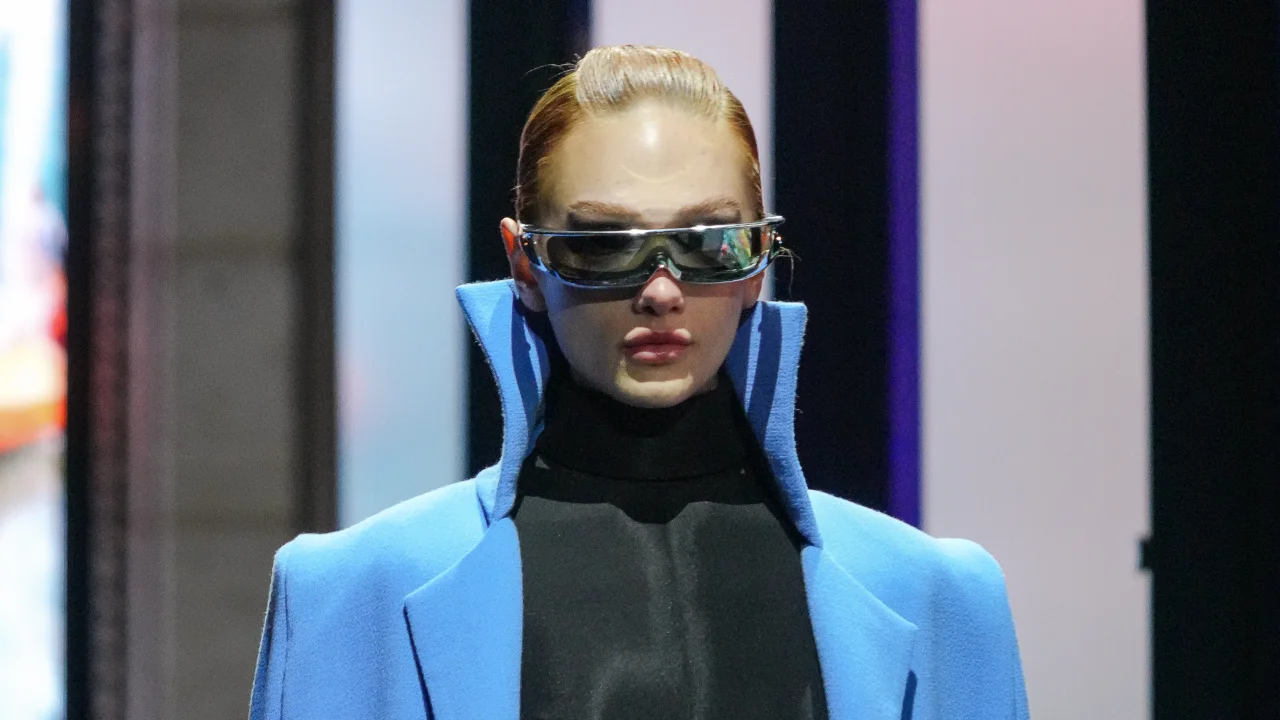
Pierre Cardin has created a collection that recaptures the maison’s visionary essence and adapts it to a contemporary sensibility.
Under the name Venice ’59 and with creative direction by Rodrigo Basilicati-Cardin, the founder’s grandnephew, Pierre Cardin’s Autumn/Winter 2026–2027 collection pays clear homage to the designer’s hometown and, quite evidently, to the spatial and architectural codes that have historically shaped the maison’s visual identity.
Pierre Cardin’s upcoming autumn-winter collection is structured around a clear visual narrative rooted in retrofuturism and the geometric exploration of forms. Pierre Cardin has always been renowned for pushing the boundaries of fashion, embracing space-age silhouettes and designs inspired by technology and architecture. And in this new collection, it has done so once again.
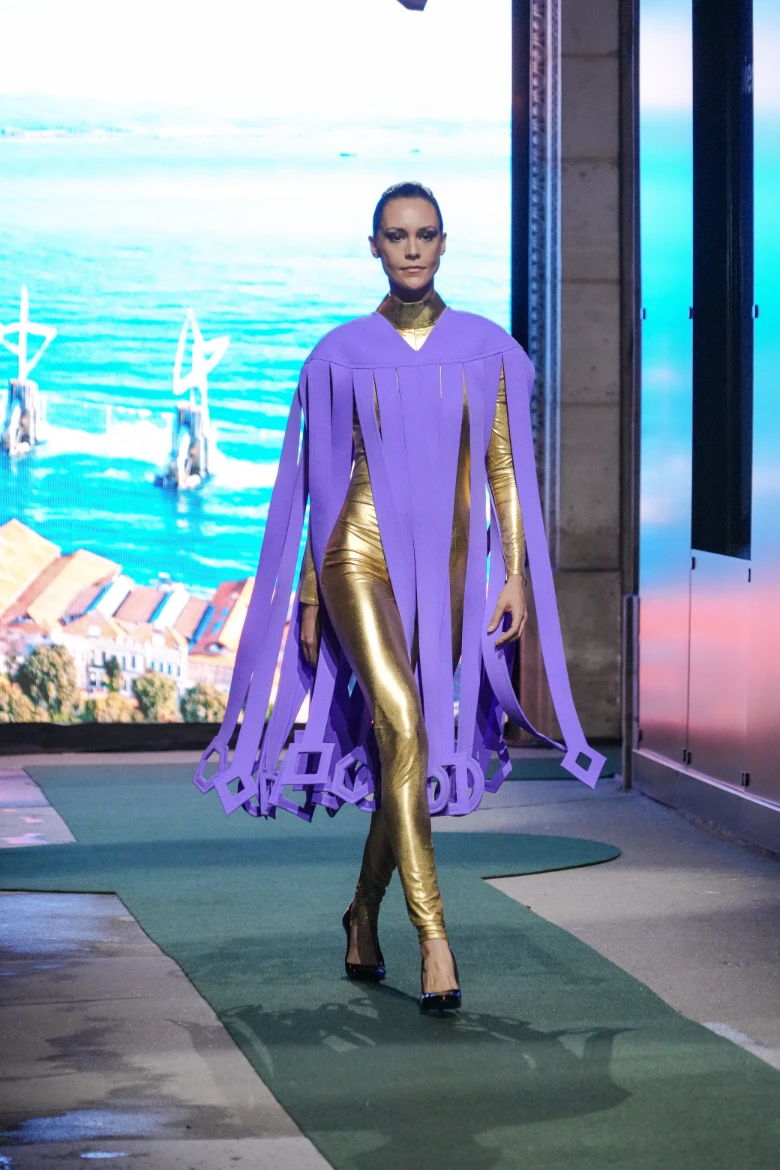
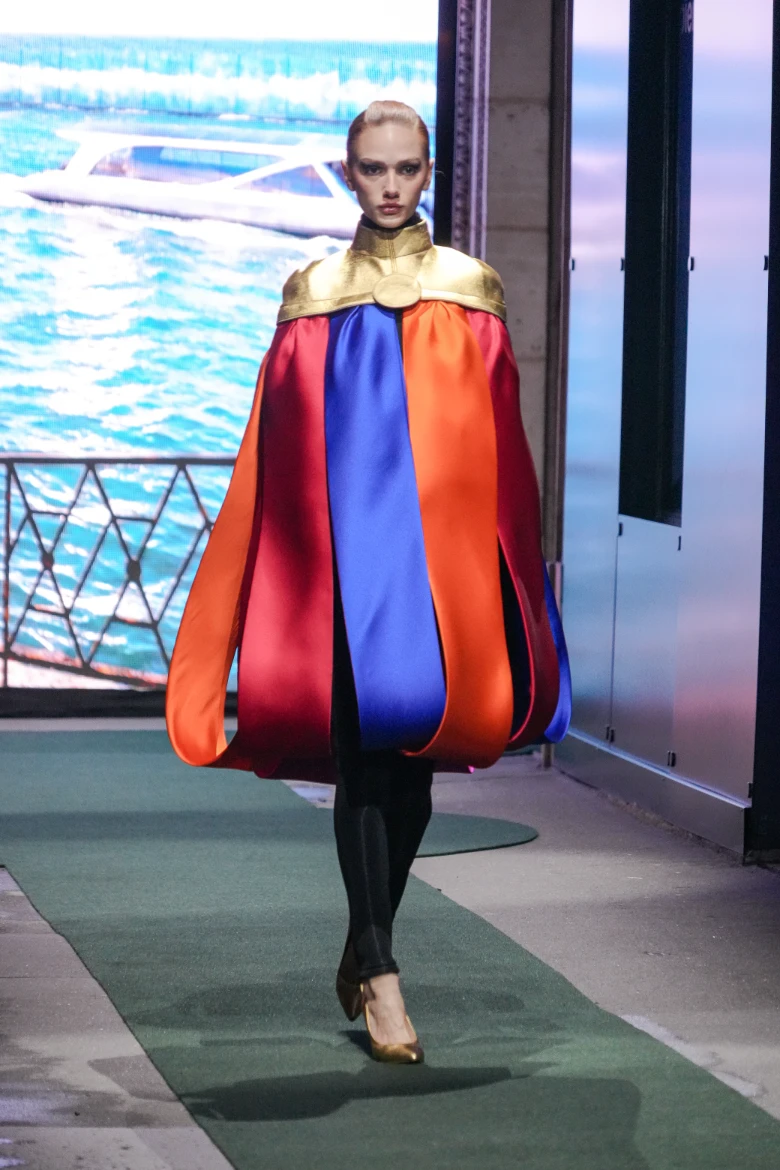
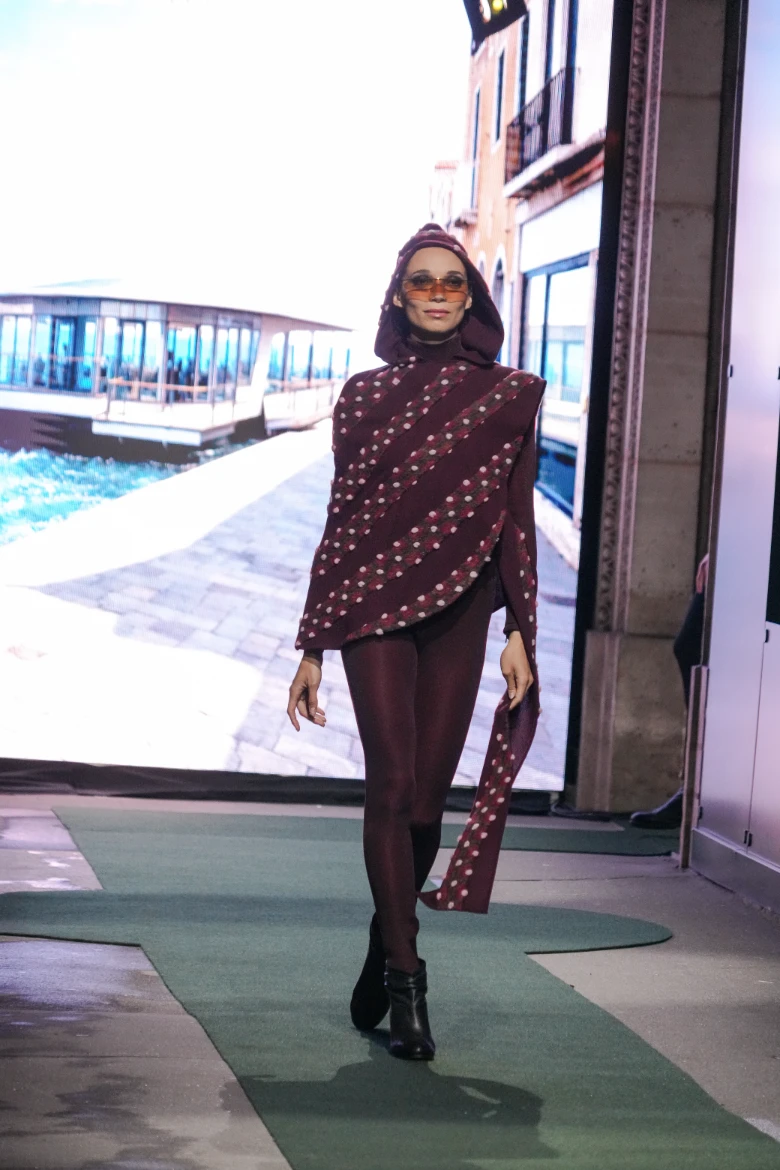
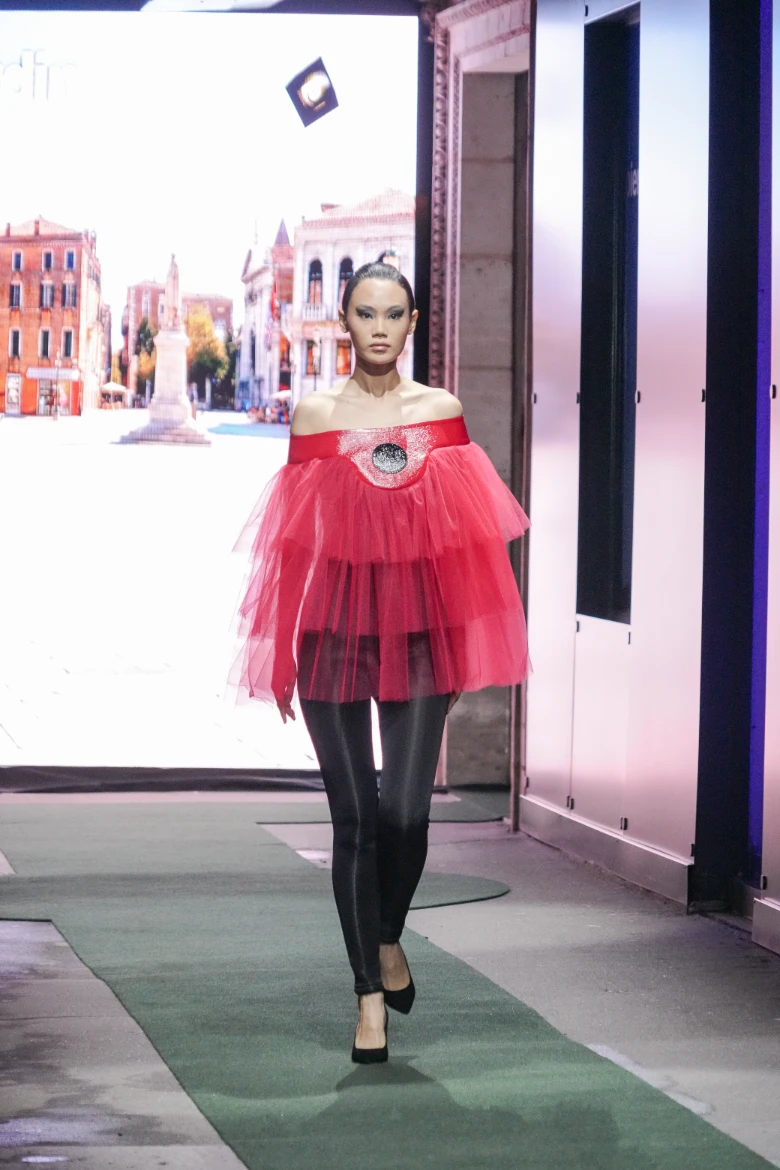
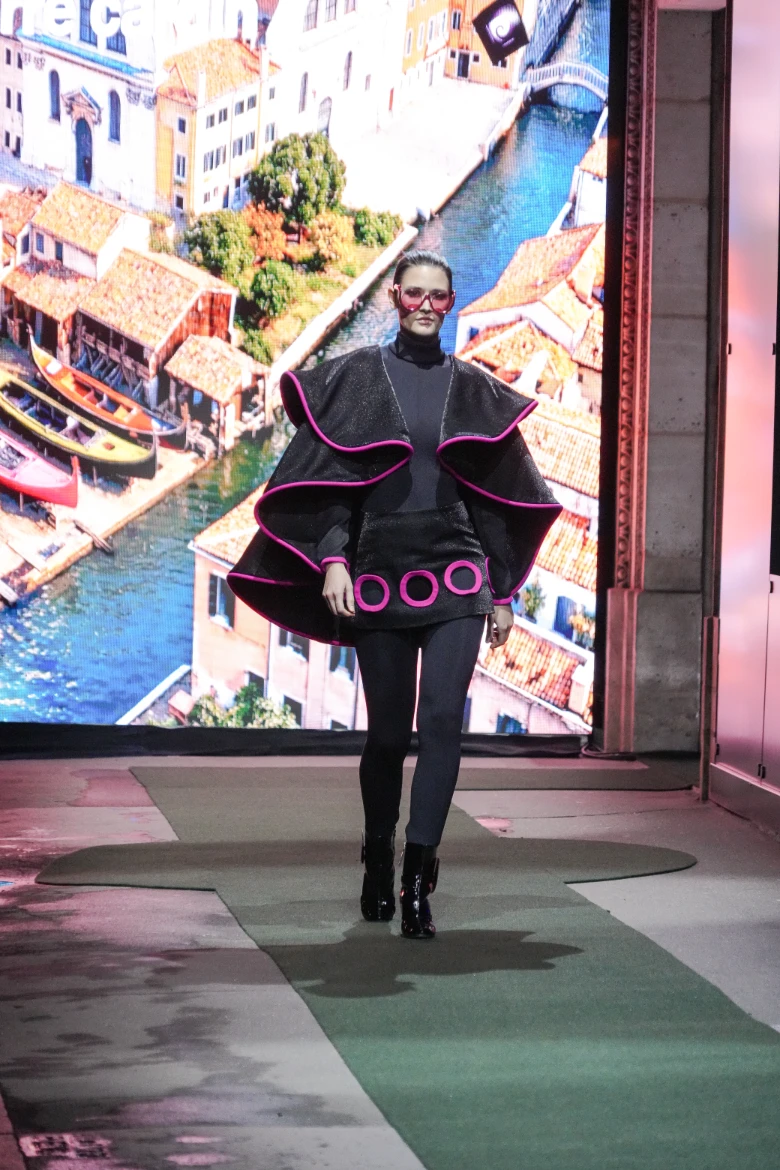
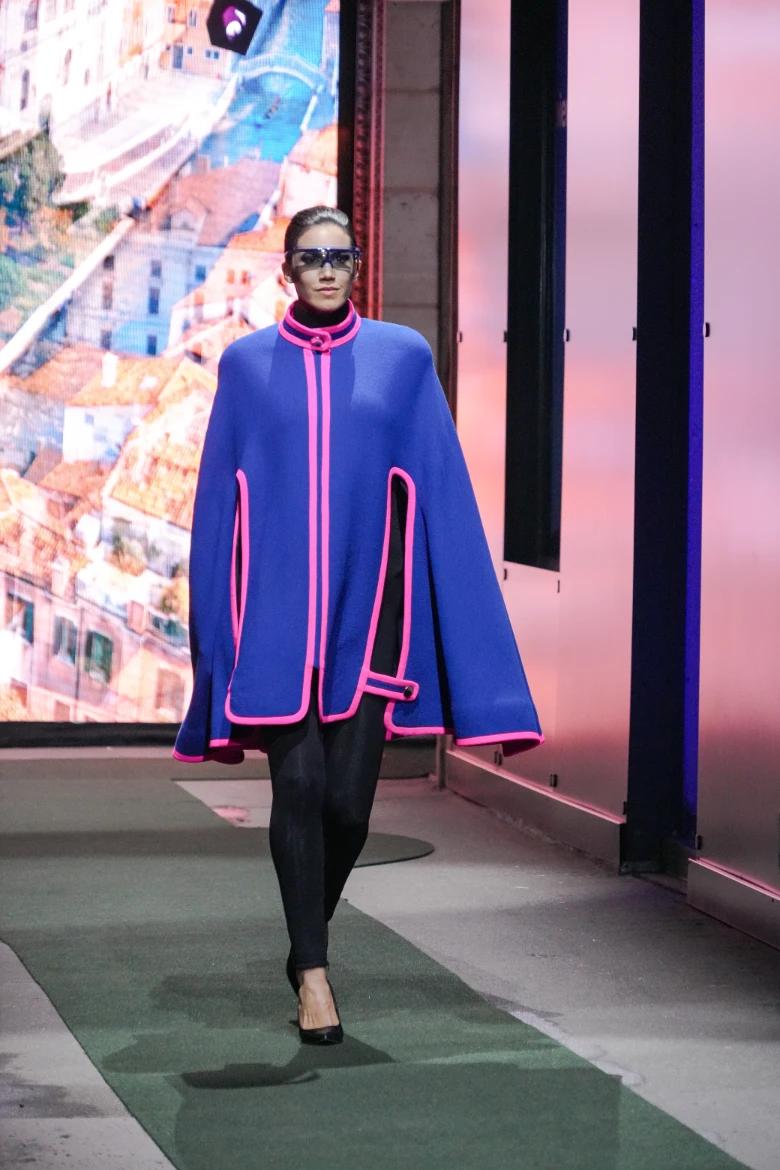
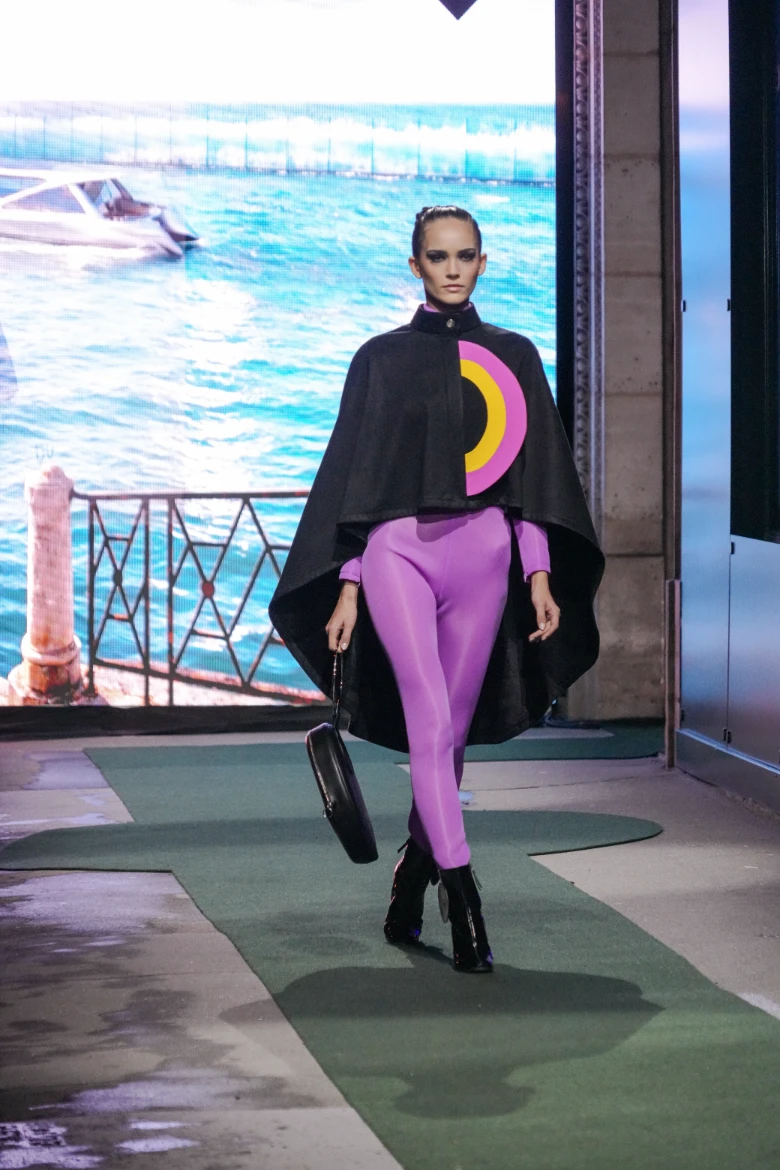
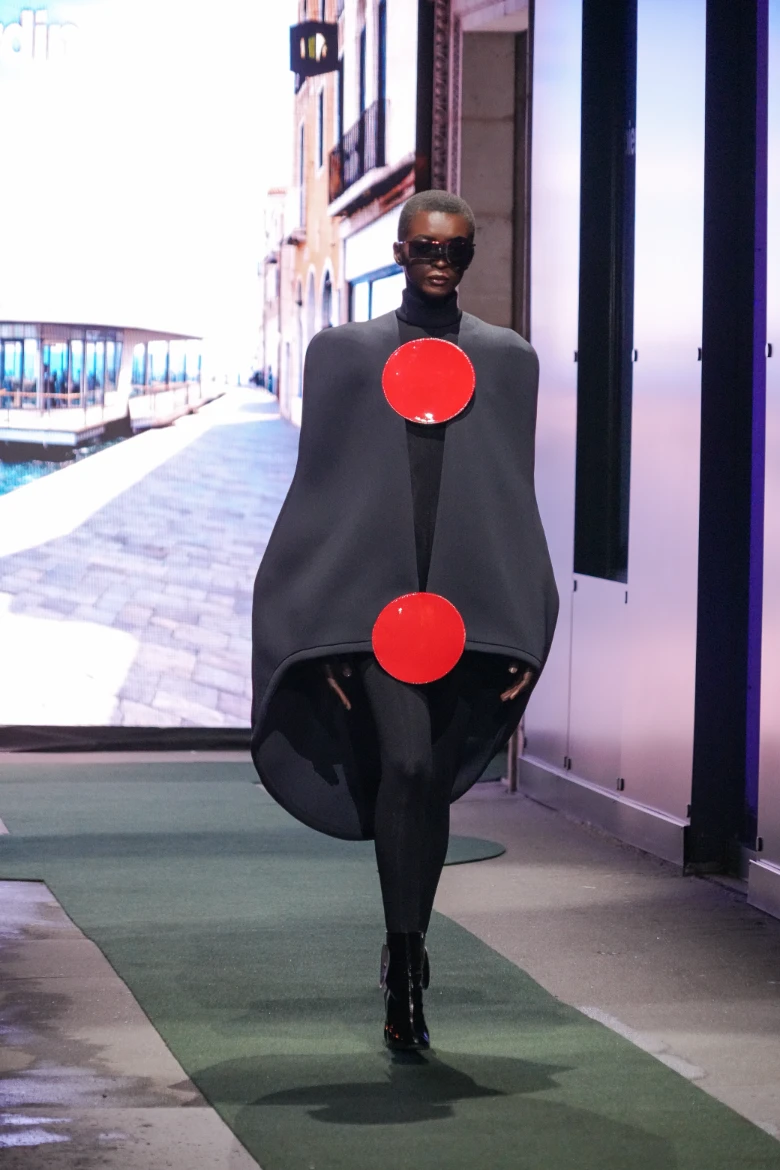
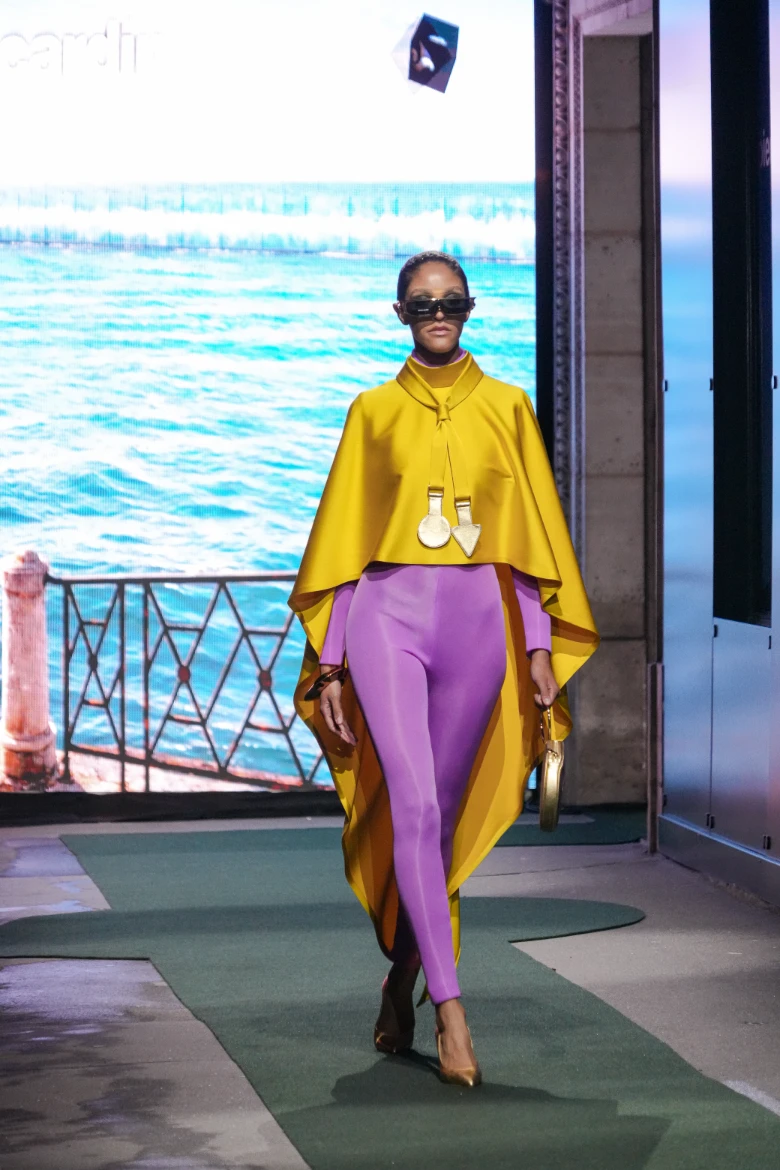
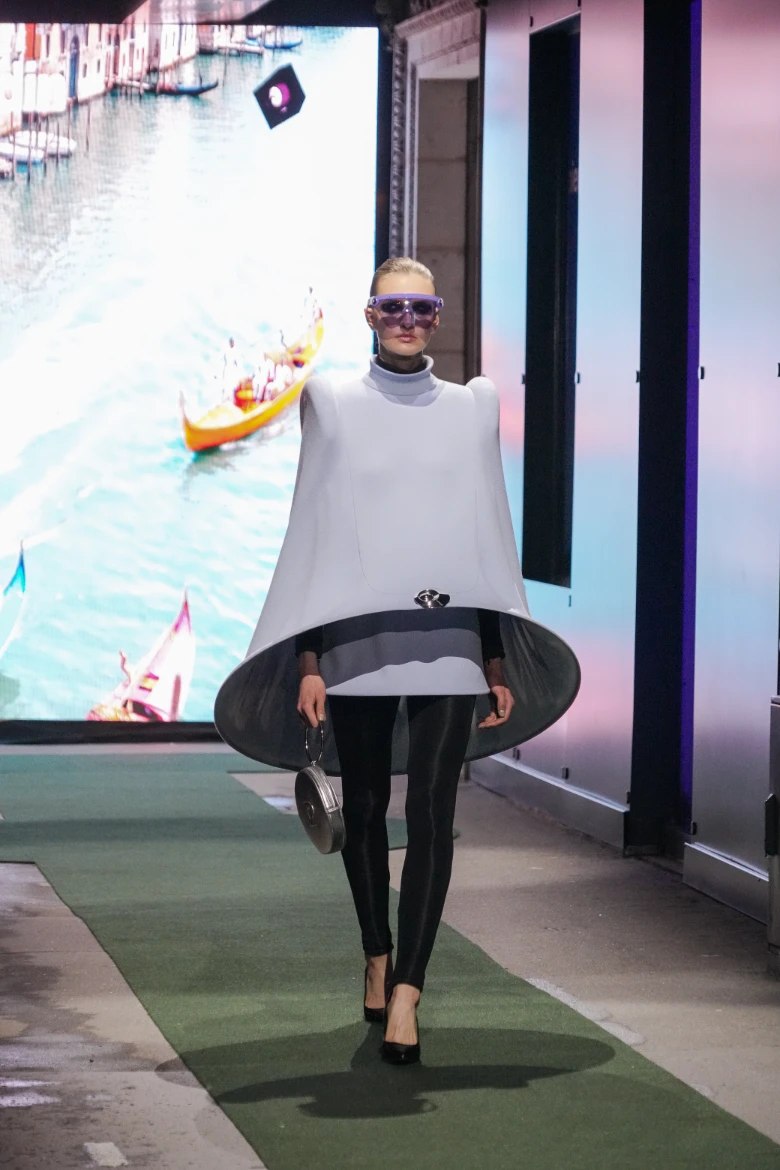
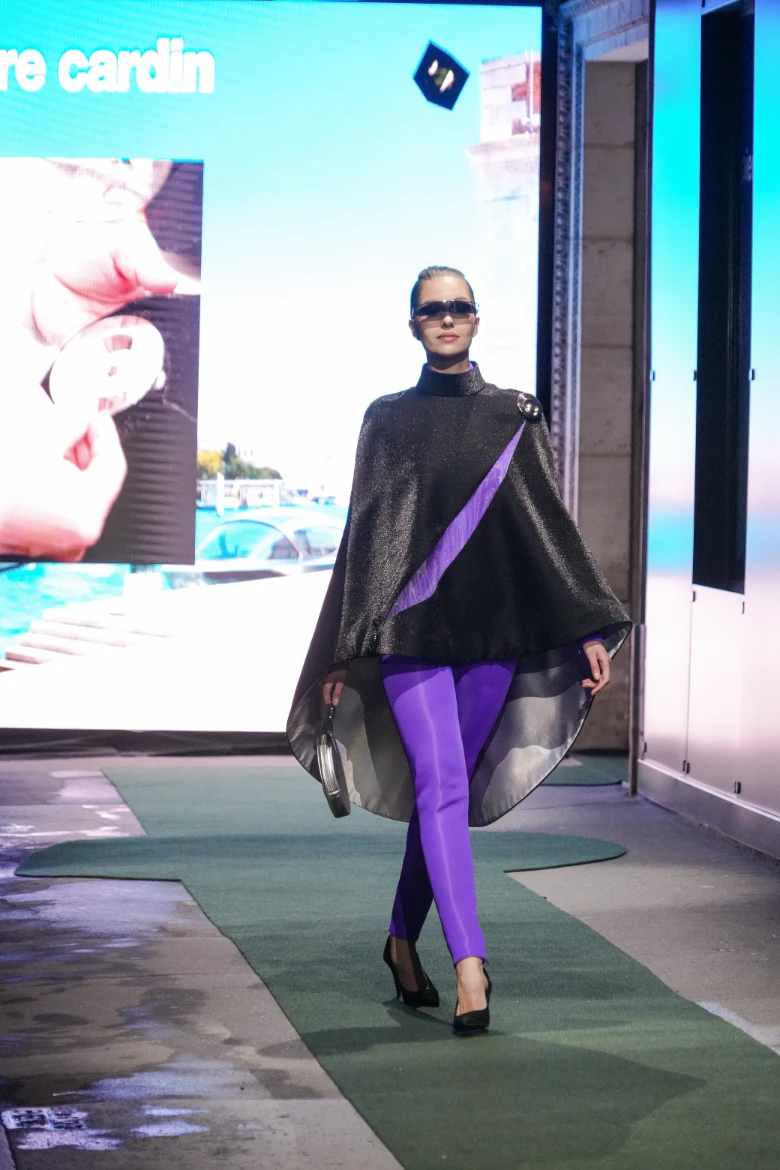
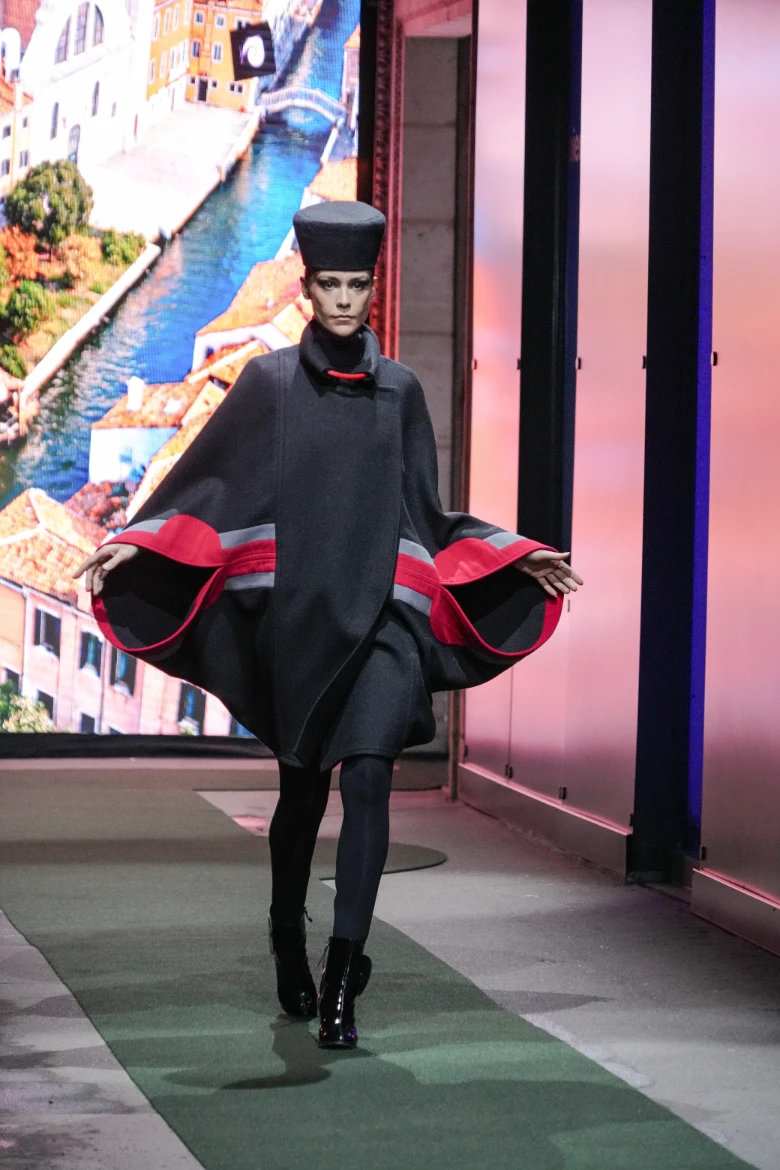
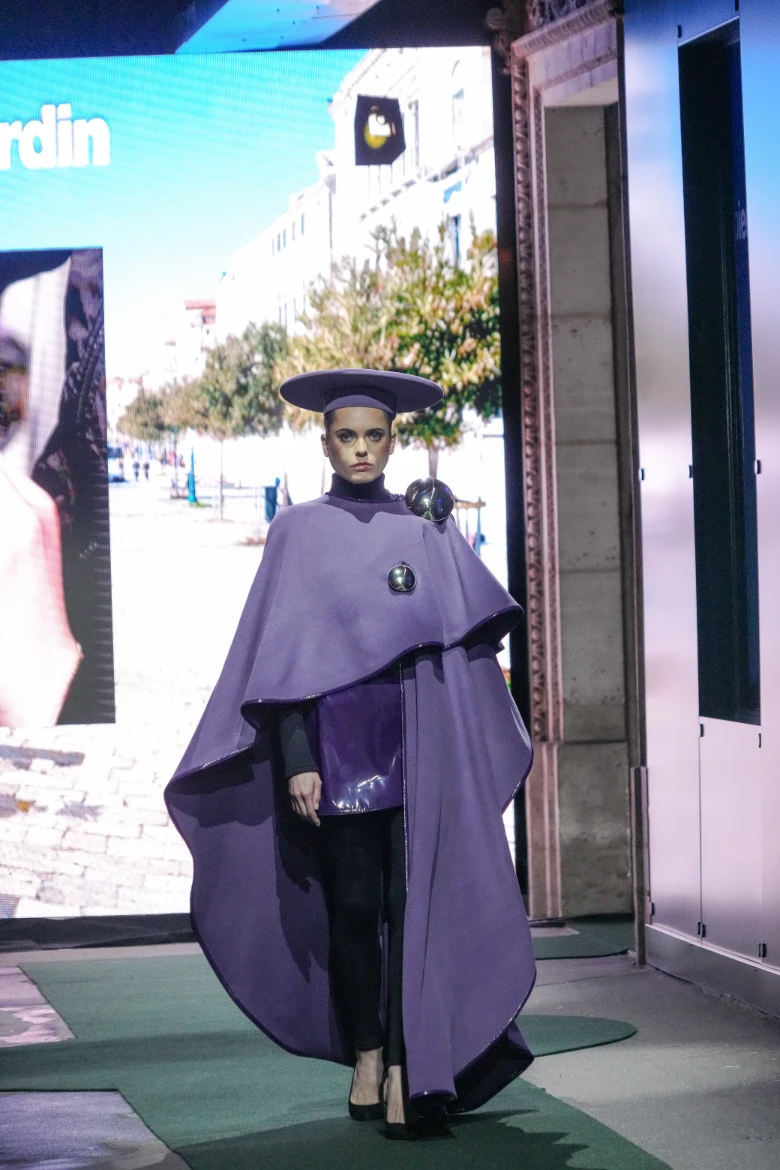
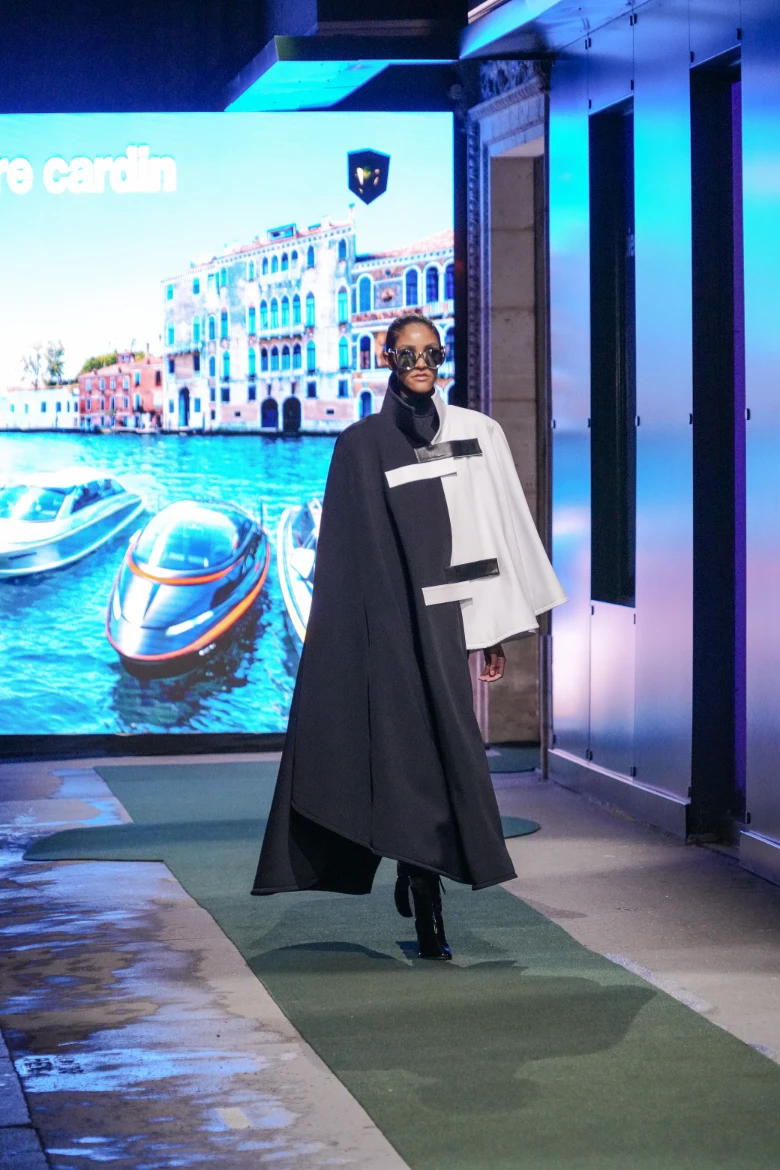
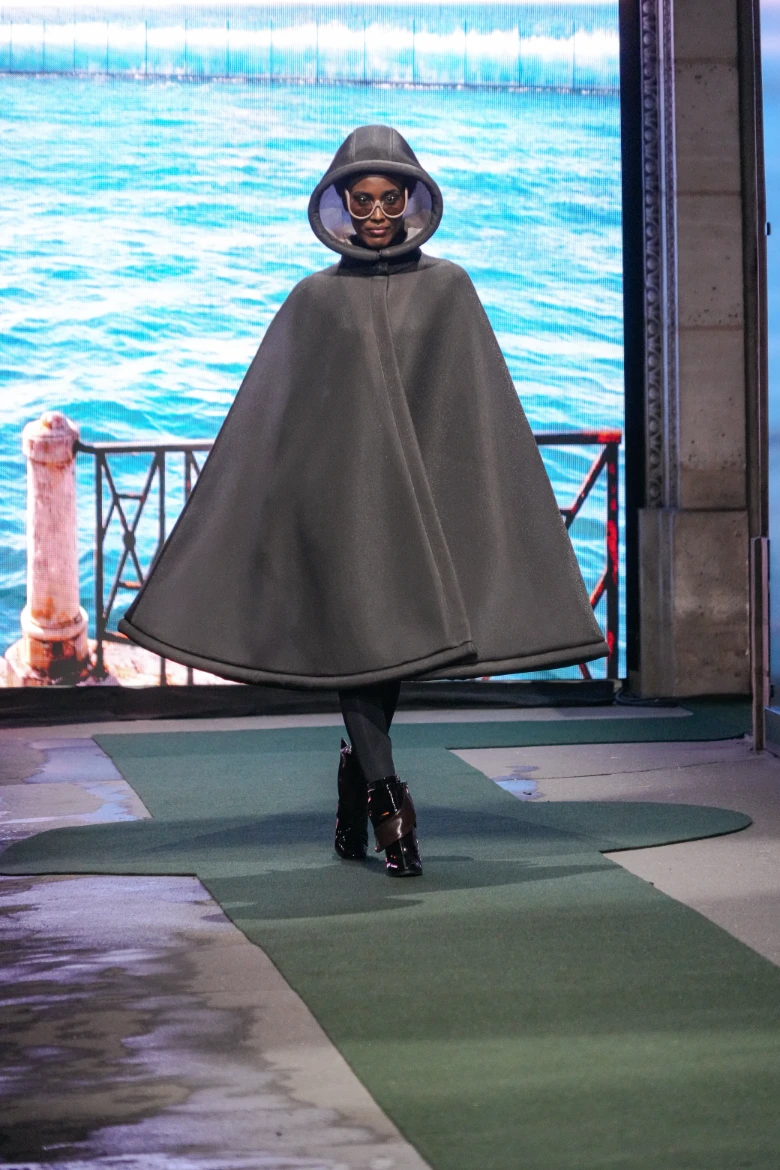
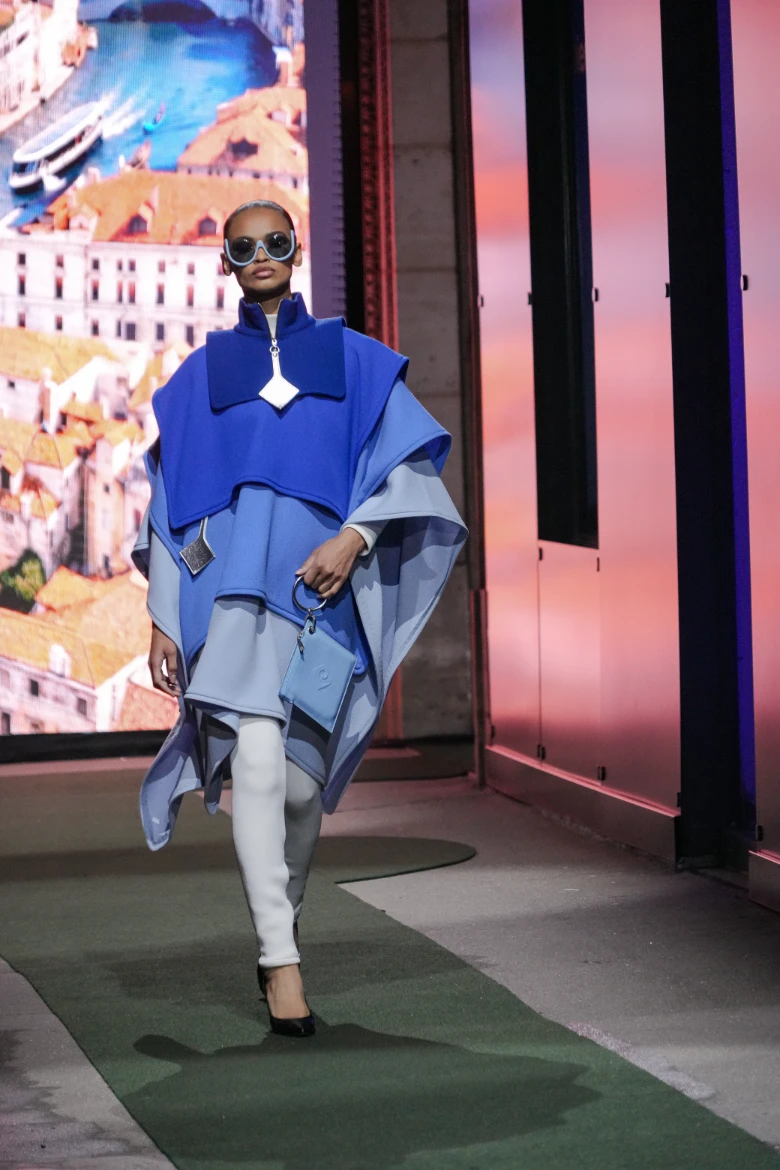
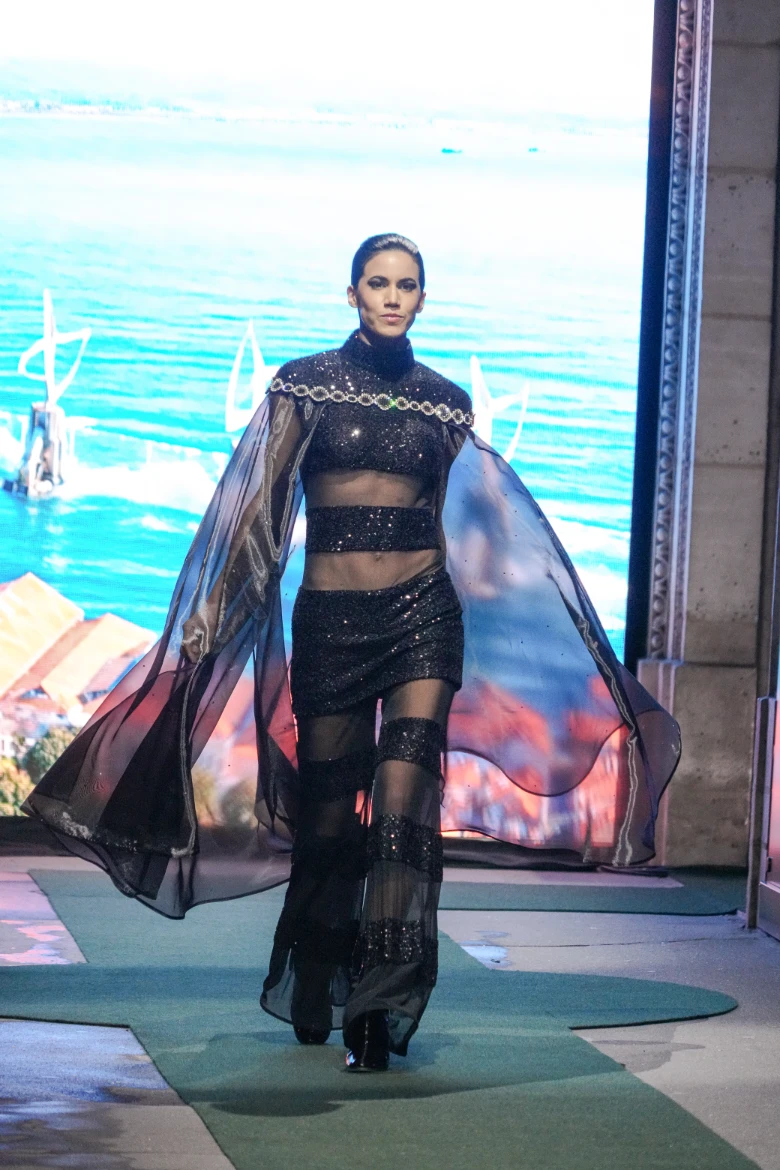
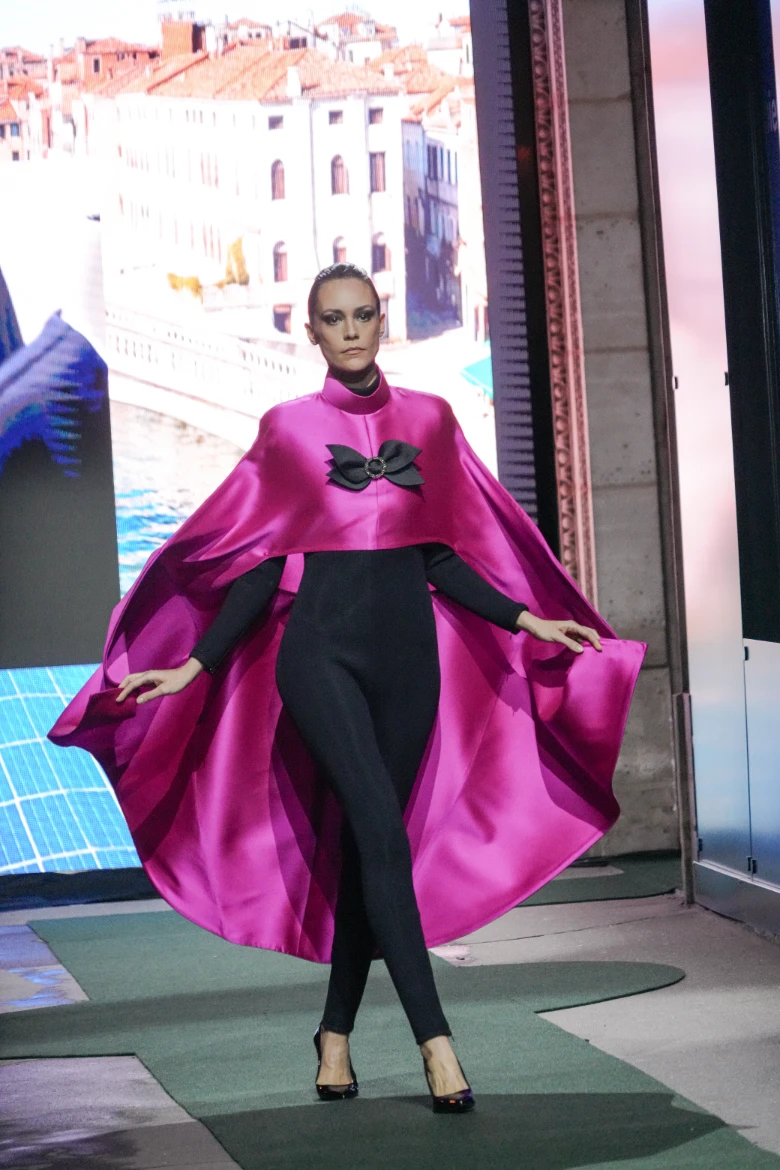
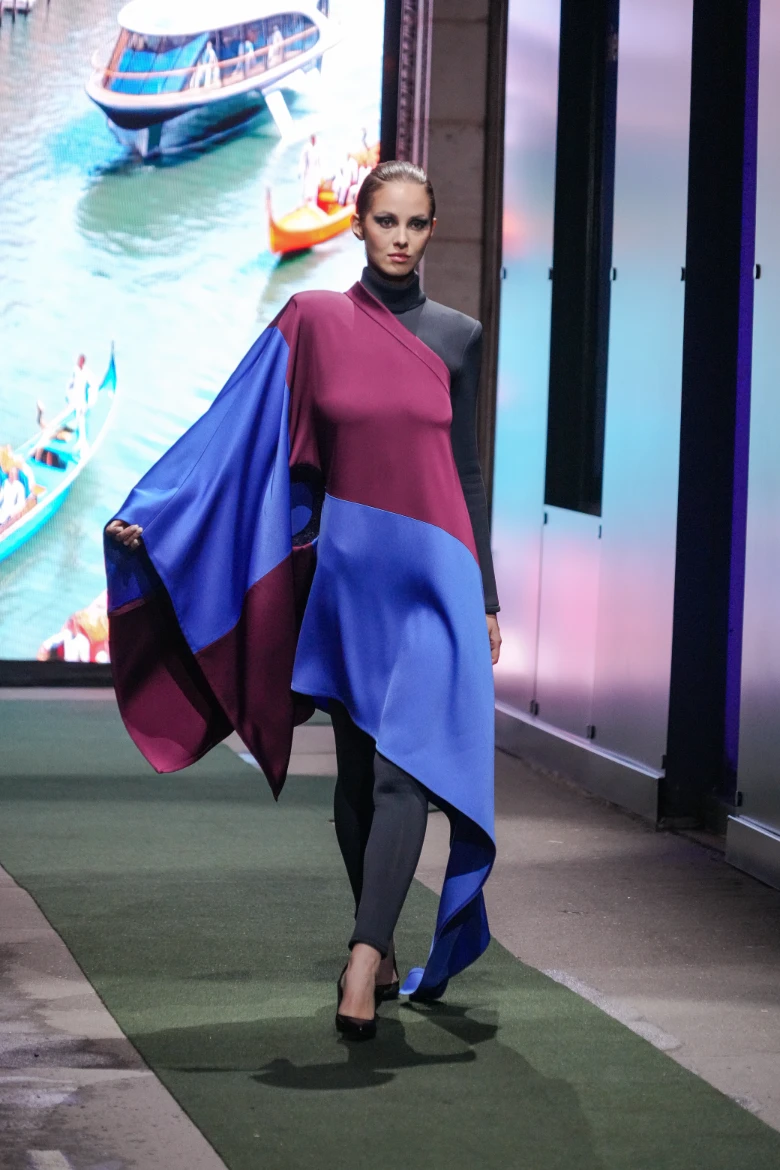
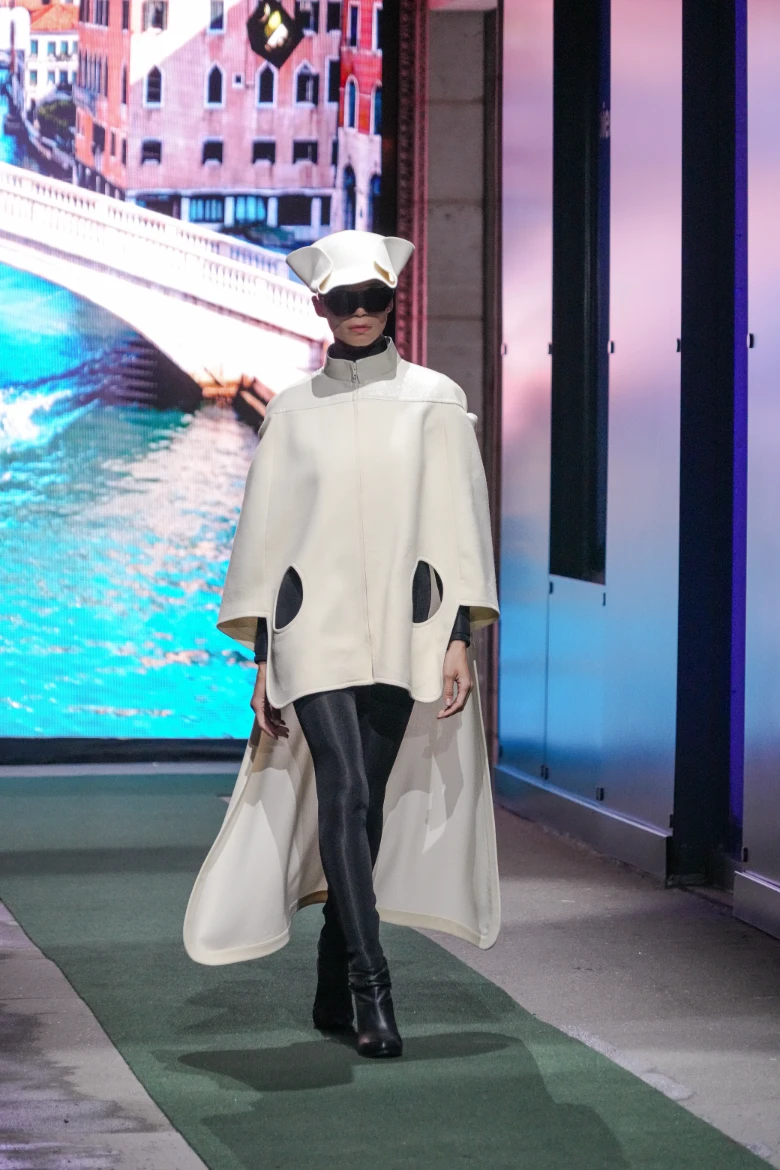
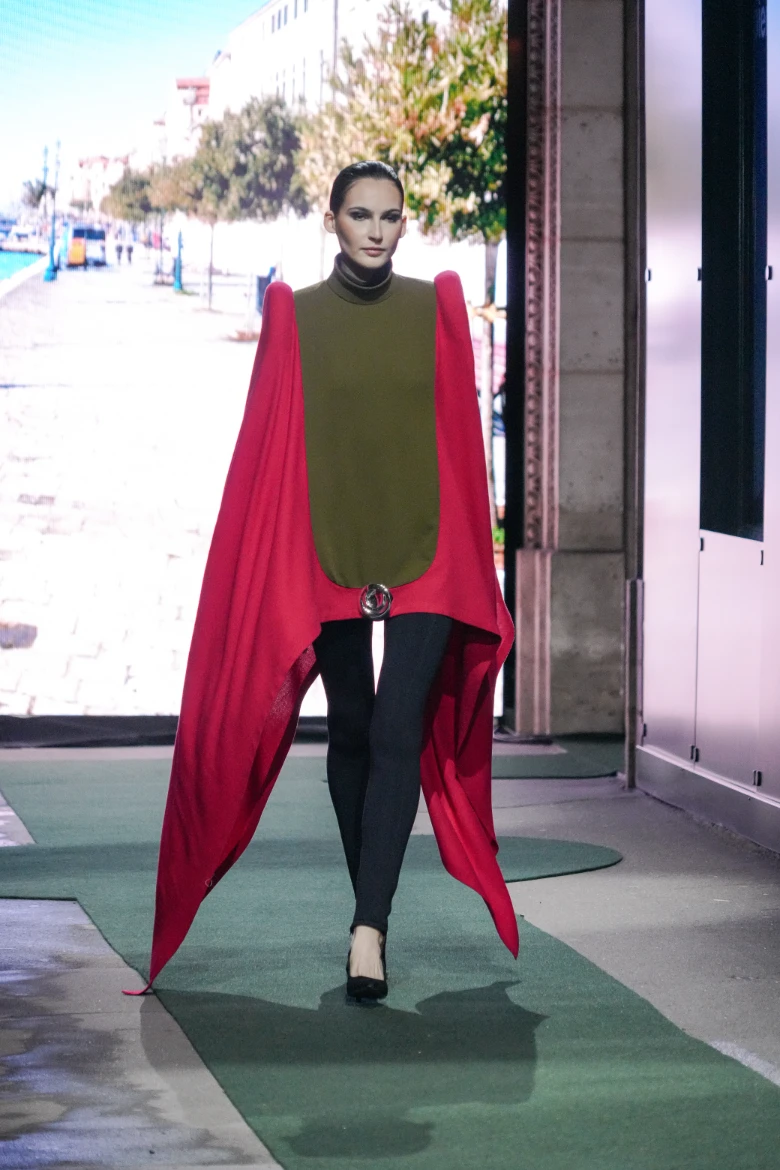
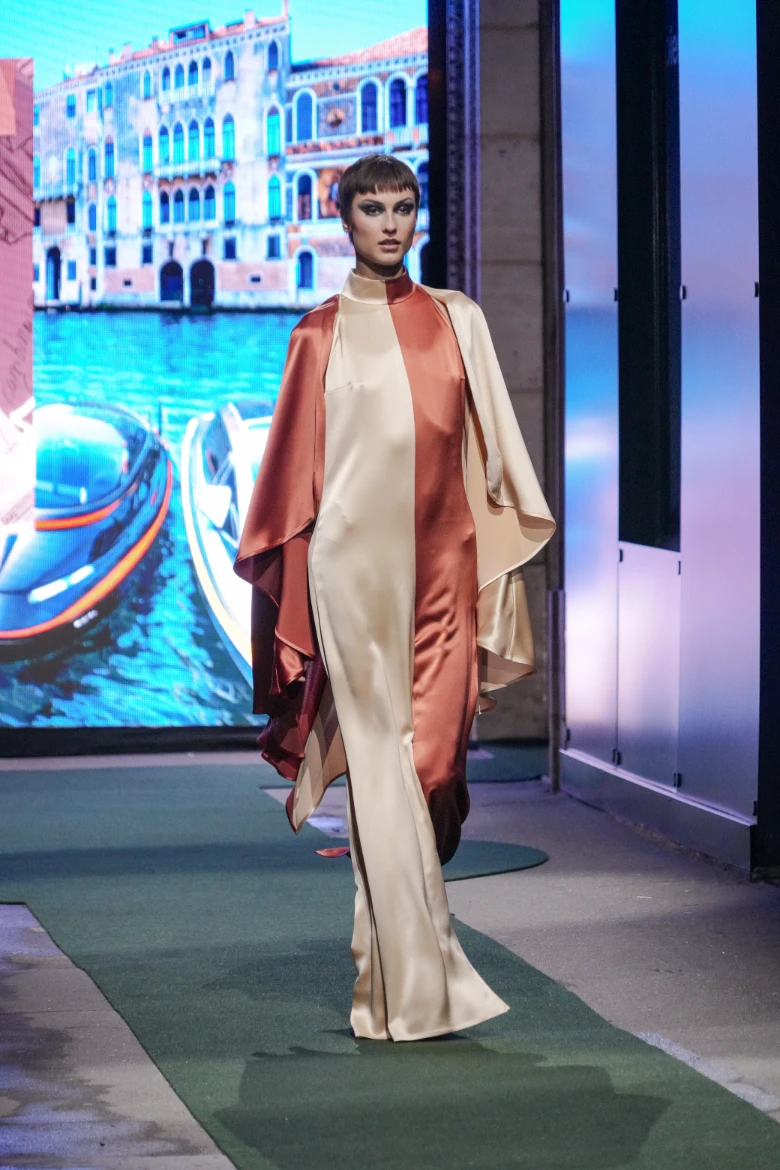
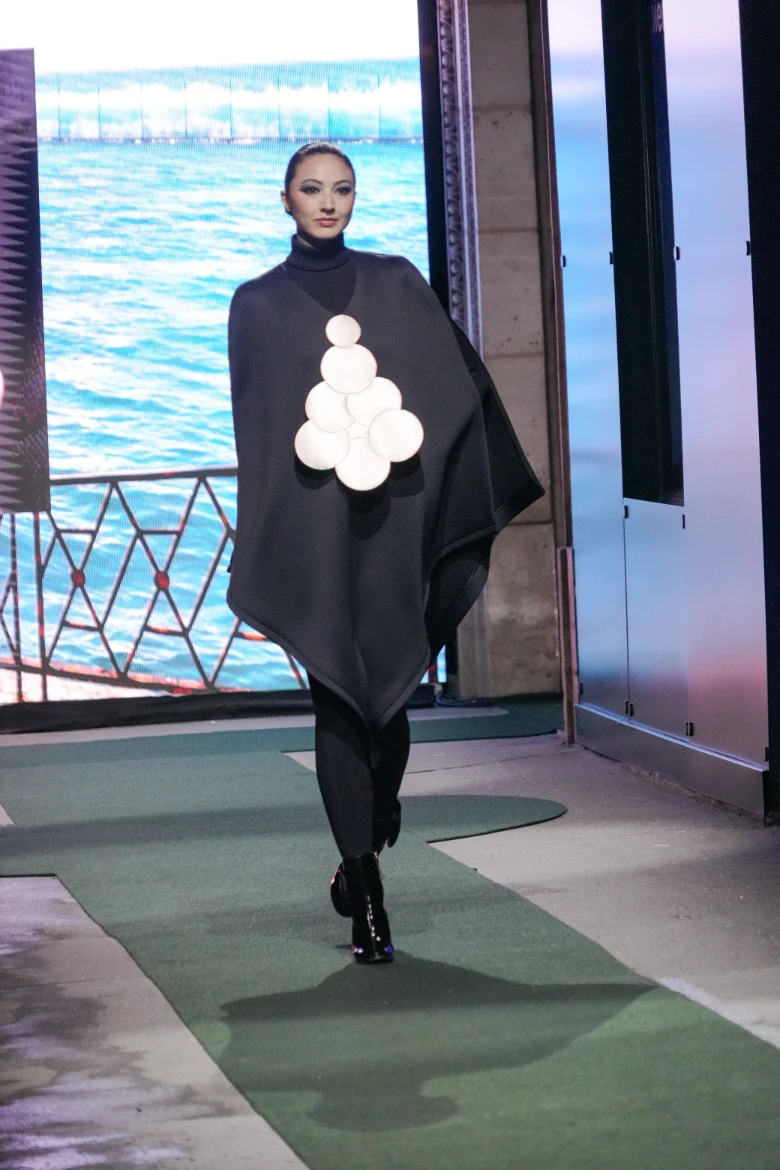
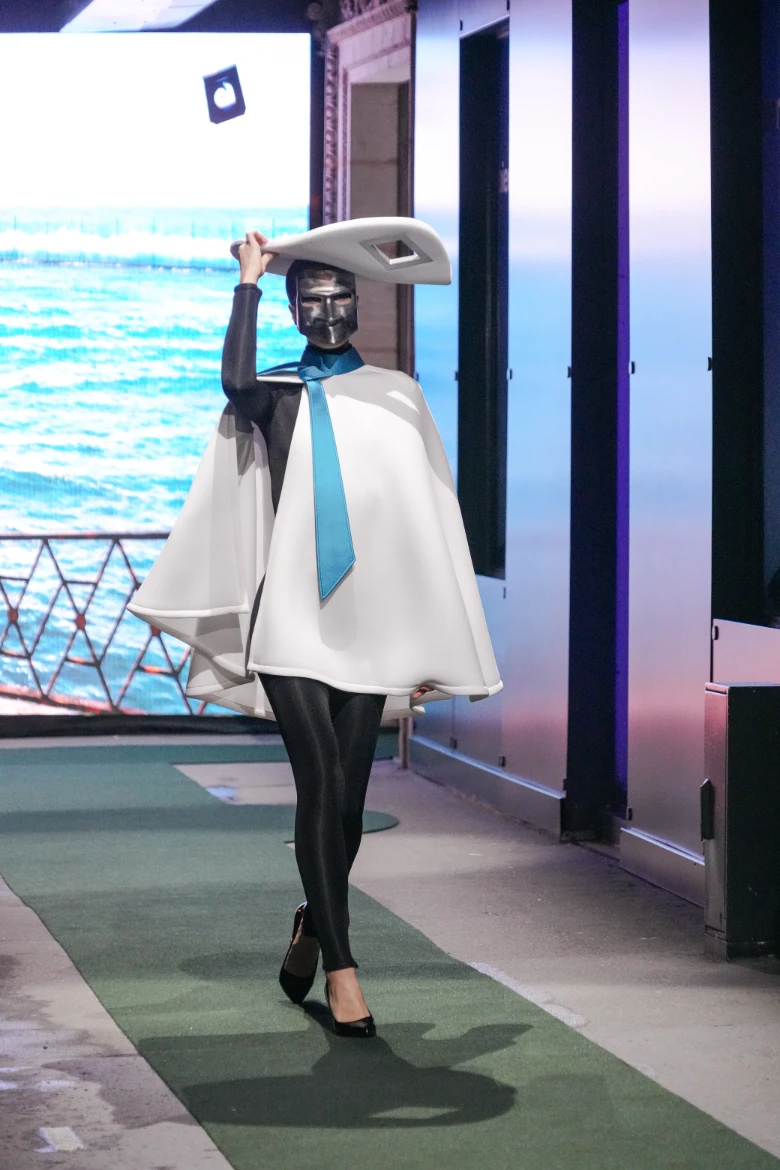
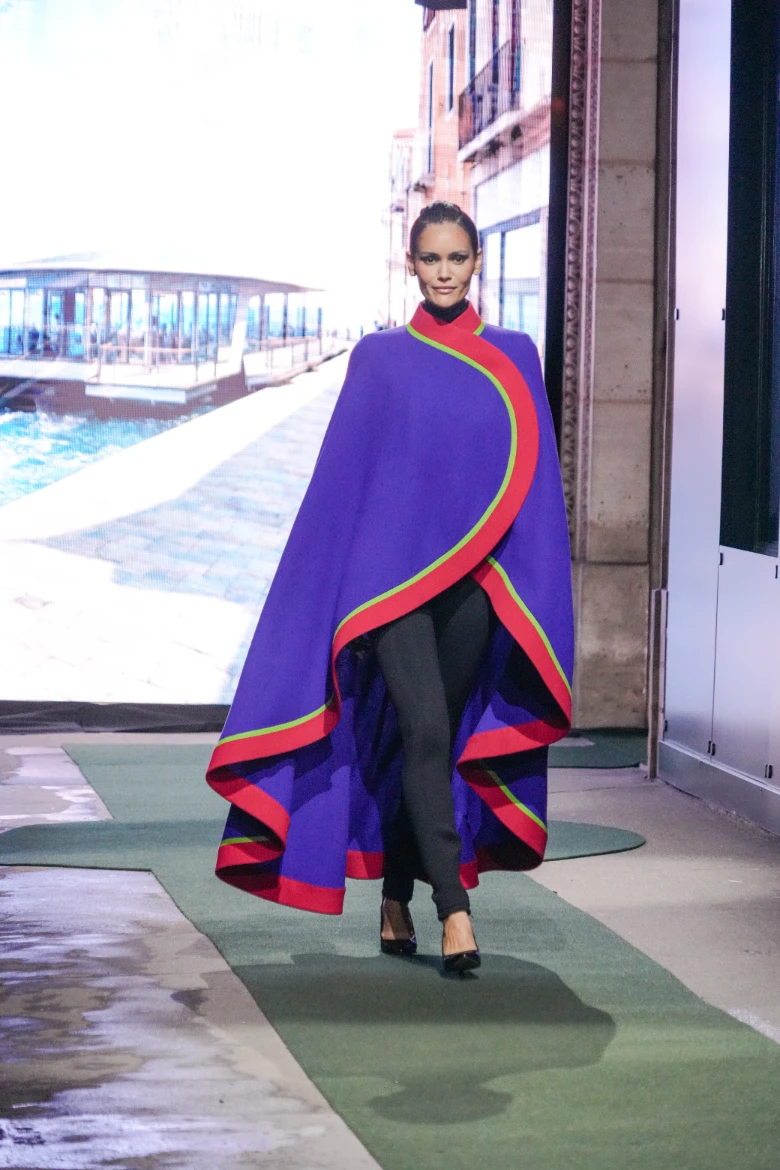
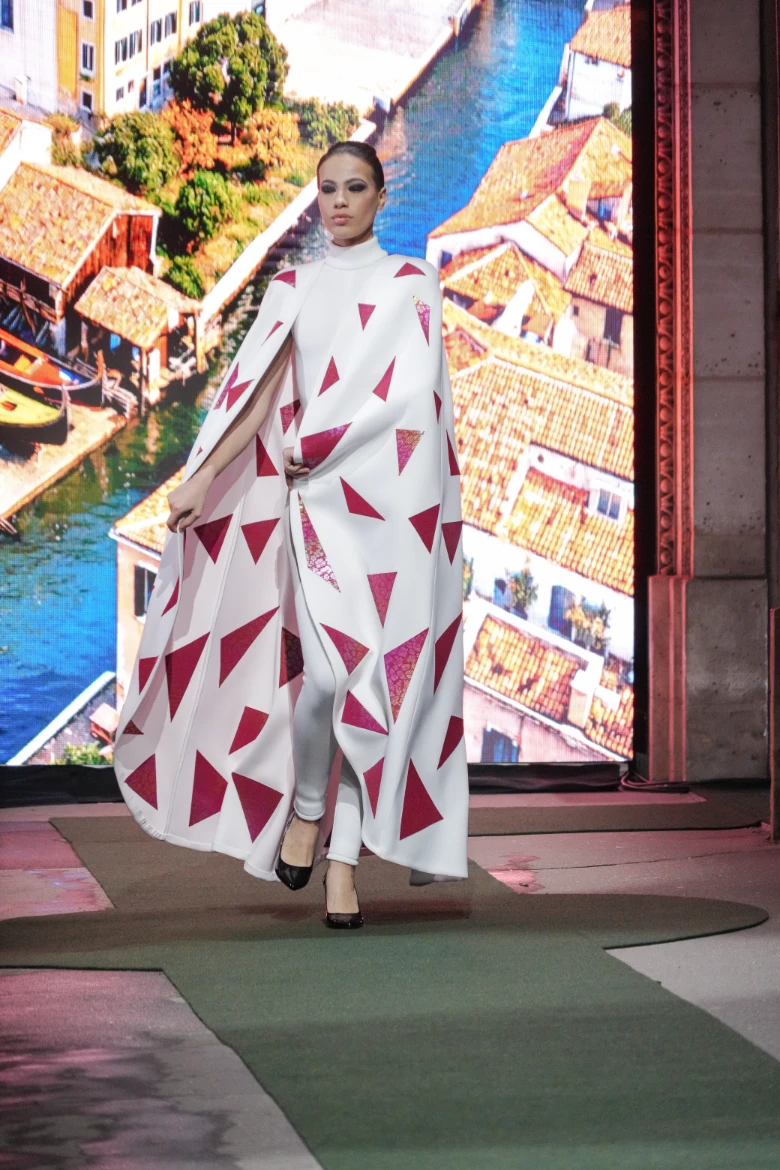
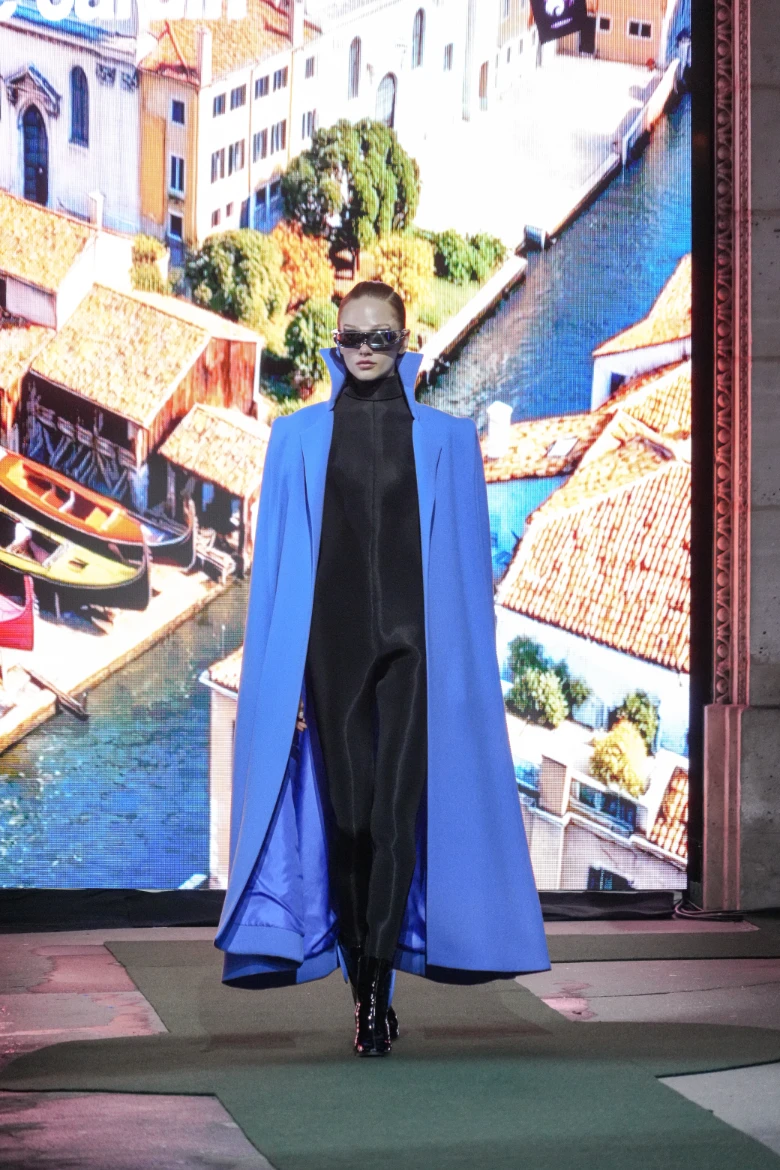
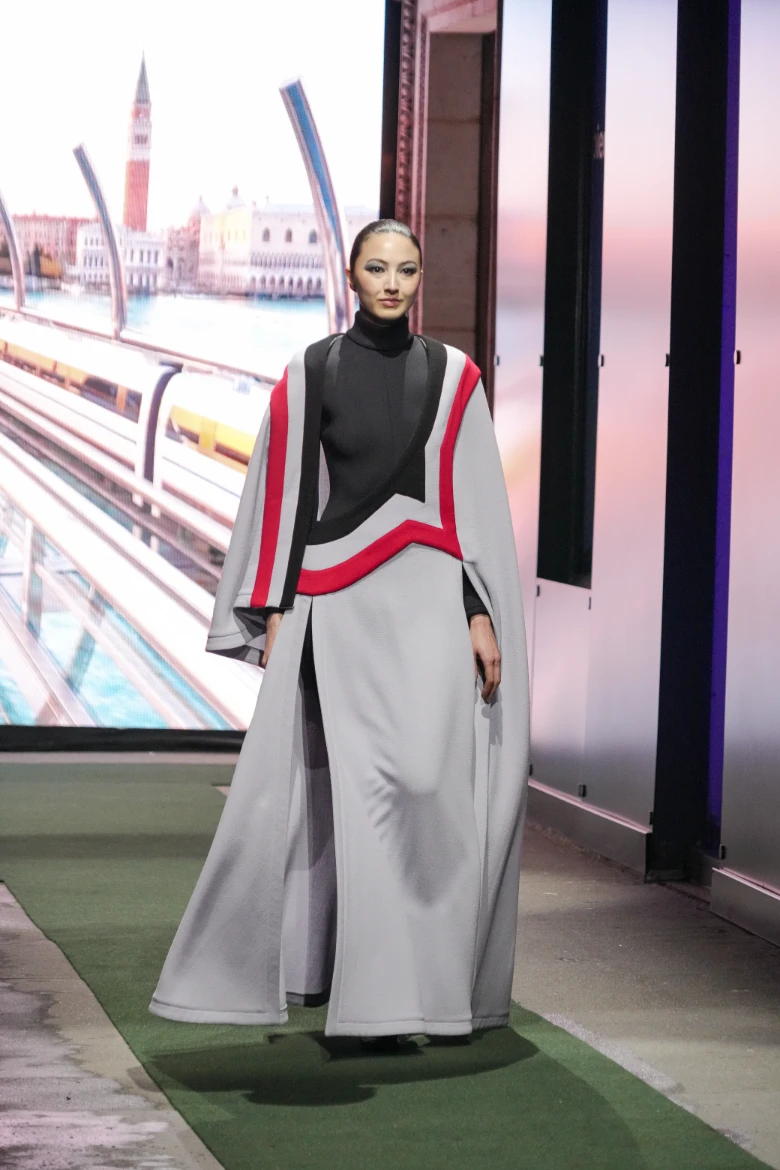
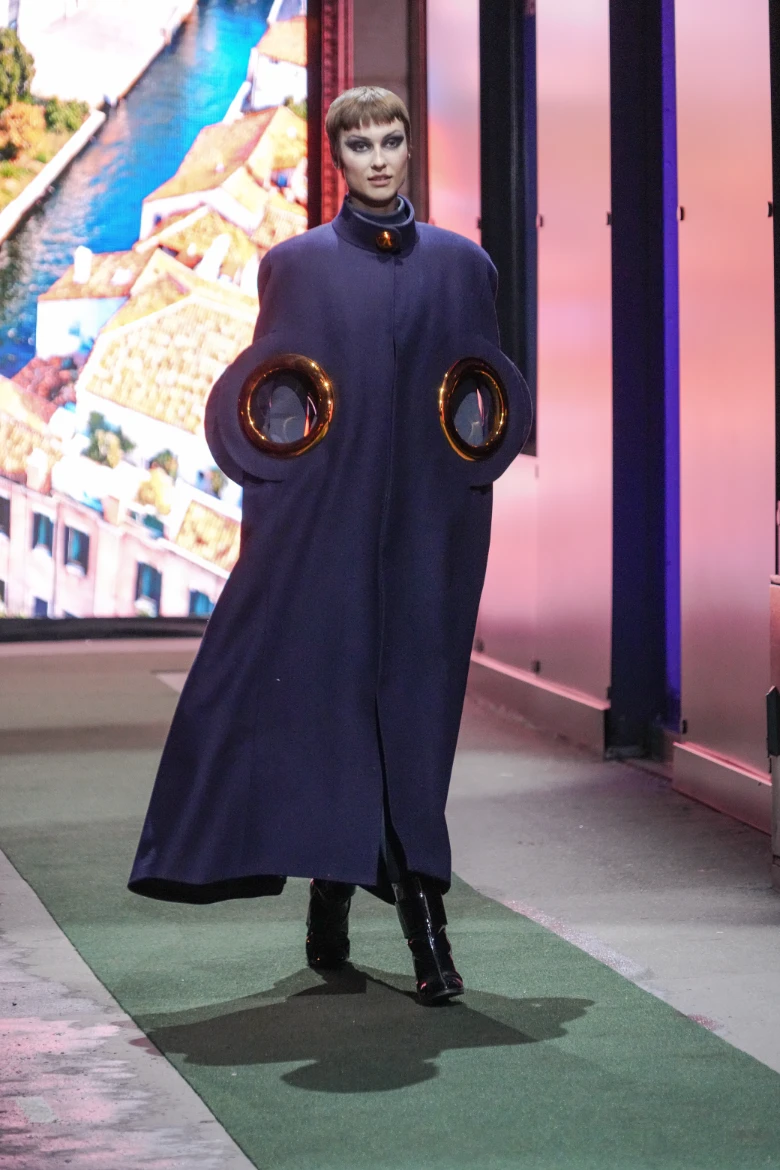
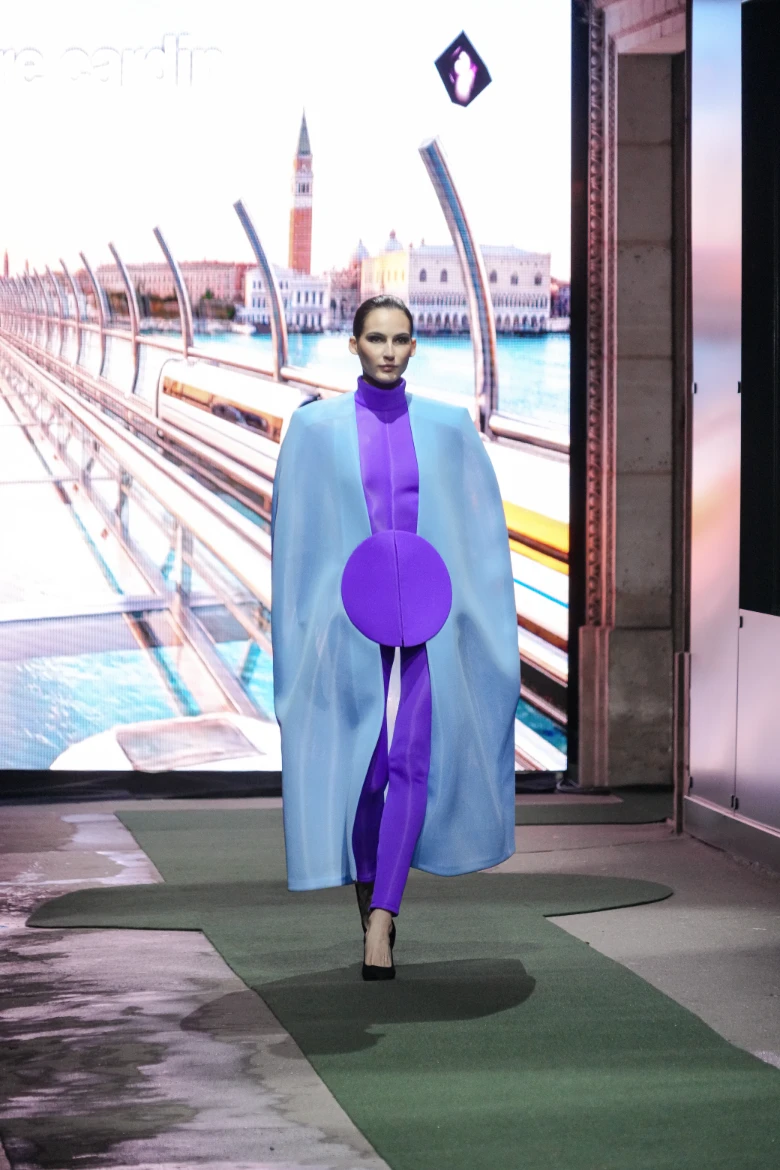
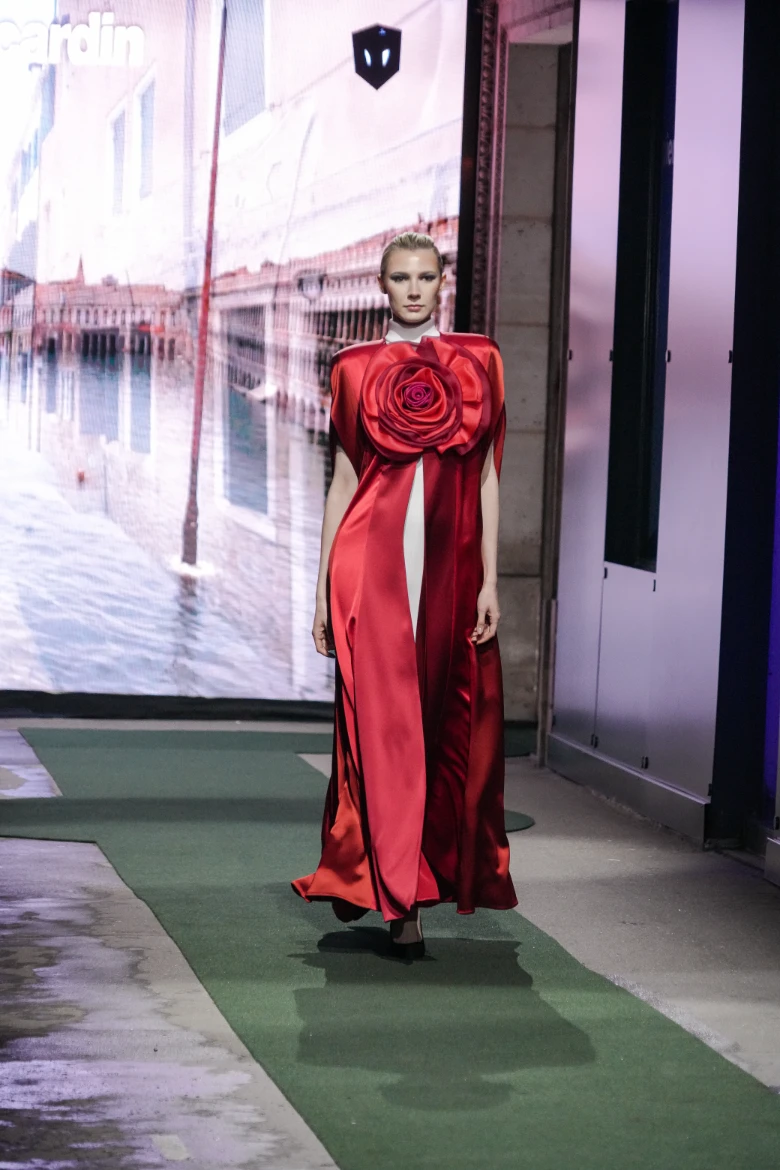
For this season, Rodrigo Basilicati-Cardin revisits that signature aesthetic through structured dresses, sculptural coats, and ensembles with clean lines that seem to strike a balance between the past and the future.
The garments evoke the brand’s characteristic ‘Space Age’ aesthetic, but reinterpreted from a fresh, contemporary perspective.
Pierre Cardin focuses on a silhouette that is treated in a distinctive way. Geometric shapes take centre stage through exaggerated shoulders, cylindrical sleeves, high collars, and circular cuts that add volume without compromising visual clarity.
The dresses are presented as architectural constructions wrapped around the female silhouette, emphasising the idea of sculptural and conceptual fashion.
The maison invites us to be seduced by a collection brimming with straight lines and sharp angles that evoke the futuristic aesthetic developed by Cardin during the 1960s.
We are clearly witnessing a major reinterpretation of the house’s historical archive, in which the use of geometry as the primary creative language is evident.
Venetian inspiration also plays a key role in Pierre Cardin’s upcoming Autumn/Winter 2026–2027 collection. This inspiration pays tribute to the city where the designer was born before moving to France.
Thus, the collection is filled with subtle references to the canals, watery reflections, and nocturnal atmospheres of the city of canals through shiny materials, flowing fabrics, and metallic surfaces that capture the light in motion.
The result is an aesthetic that is both futuristic and deeply emotional, linked to the designer’s family memories.
As for the materials used by Cardin in his upcoming collection, the maison explores a combination of technical fabrics and sophisticated textures.
Satin finishes, glossy vinyl, lightweight neoprene, structured wools and metallic fabrics predominate, reinforcing the fashion house’s space-age aesthetic.
Some designs by Pierre Cardin appear to be inspired by futuristic uniforms, while others are reminiscent of moving sculptures thanks to the rigidity provided by their materials.
And amidst this whirlwind of experimental tailoring, garments can be found with incredible precision of construction and striking aesthetic coherence.
The colour palette used also helps to shape the collection’s visual identity. White, Pierre Cardin’s signature colour, is paired with deep blacks, metallic silvers, electric blues, and vibrant reds. These colour contrasts create a sense of dynamism and emphasise the garments’ geometric structures.
The silver and glossy finishes immediately evoke the space-age aesthetic historically associated with the brand, while the dark tones lend depth and sophistication.
The strategic use of colour reinforces the balance between futuristic minimalism and visual drama.
In conclusion, Pierre Cardin’s Autumn/Winter 2026–2027 collection pays a contemporary tribute to the maison’s visionary spirit. Through geometric shapes, high-tech materials and references to space, Rodrigo Basilicati-Cardin successfully reinterprets the founder’s futuristic legacy without succumbing to nostalgia.
Venice ’59 not only celebrates the brand’s history and its Venetian roots, but also demonstrates that Pierre Cardin’s creative universe remains a key reference point for understanding the relationship between fashion, architecture and the future.