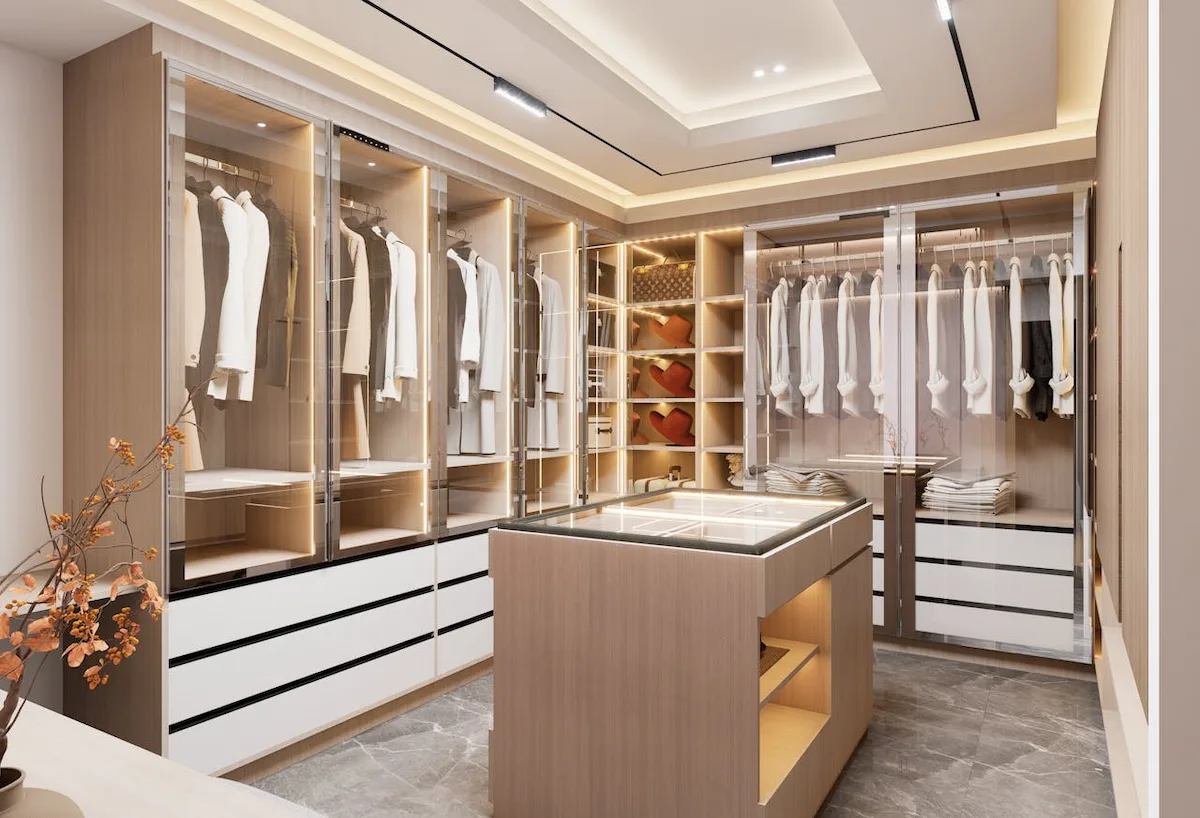
The conversation around personal space has fundamentally shifted. What was once a simple, utilitarian box for storing clothes has undergone a quiet revolution, evolving into a deeply resonant, architectural expression of self.
The modern wardrobe is no longer just about organization; it’s about narration. It is a private gallery, a sanctuary, and a studio where the story of who we are—and who we aspire to be—is composed and curated daily.
This space, more than any other in the home, holds the artifacts of our identity: the armor we wear for business, the silks we choose for celebration, the worn denim that holds memories of our most unguarded moments.
To approach the creation of such a space is to engage in an act of profound self-reflection. It requires moving beyond questions of capacity and into the realm of philosophy.
What does this space need to feel like? How can its design support not just a collection of garments, but a way of life? The answers lie at the intersection of architecture, psychology, and personal style.
This is not about building a bigger closet. It is about crafting an environment that inspires clarity, creativity, and a more intentional relationship with the objects we choose to bring into our lives.
It’s a testament to the idea that true luxury isn’t about accumulation, but about the thoughtful articulation of a personal world.
The philosophy of space: More than just a room
Before a single drawer is designed or a finish is selected, the foundational work begins with understanding the intangible. The most successful personal wardrobes are conceived not as storage units, but as emotional landscapes.
They are rooms that must perform a function, yes, but their higher purpose is to evoke a specific feeling—calm, inspiration, empowerment, or quiet contemplation.
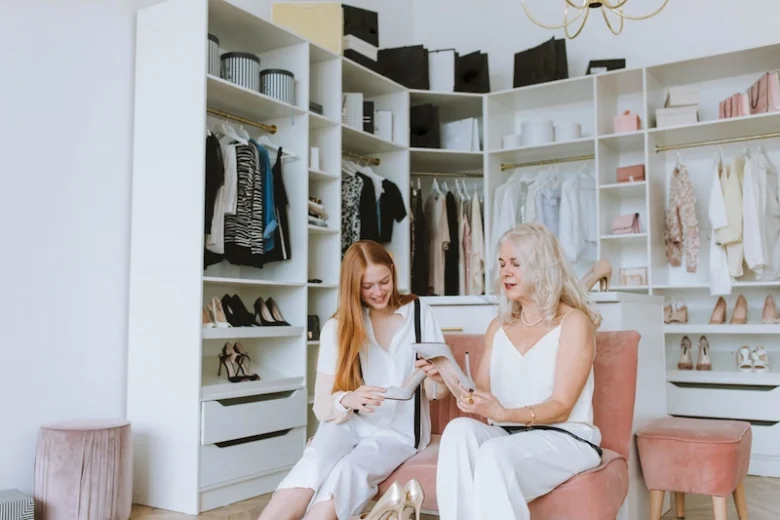
This shift in perspective, from pure function to nuanced feeling, is what elevates a simple closet into a personal sanctuary.
From function to feeling: The psychology of a curated closet
The daily ritual of getting dressed is one of the most intimate and consistent acts of self-creation we perform. The environment in which this happens has a subtle but powerful impact on our mindset.
A cluttered, poorly lit, and disorganized space can create a sense of stress and decision fatigue before the day has even begun. Conversely, a space characterized by order, beauty, and intuitive flow can foster a sense of calm and confidence.
This is where the psychology of design comes into play. The concept of “environmental psychology” suggests that our physical surroundings directly influence our mood, behavior, and overall well-being.
In the context of a wardrobe, this means considering how every element contributes to a desired emotional state. Soft, diffused lighting can create a serene, boutique-like atmosphere.
The tactile sensation of a leather-lined drawer or a cool metal handle can ground us in the present moment. The simple act of seeing a cherished collection beautifully displayed can be a source of daily joy and inspiration. It’s about designing an experience, not just a structure.
The narrative of you: How your wardrobe tells your story
Every garment in a collection has a story. There’s the blazer from a pivotal job interview, the dress from a first date, the shoes bought on a memorable trip.
A well-designed wardrobe honors these stories by giving them a proper home. It becomes a living archive of your personal journey. The design should facilitate this narrative, allowing you to see and interact with your collection in a way that feels meaningful.
This is the essence of a personal narrative. Are you a collector of vintage watches? A dedicated section with specialized winders and focused lighting turns them from hidden objects into a celebrated feature.
Do you have a passion for handcrafted shoes? Custom-angled shelving that displays them like sculptures acknowledges their artistry.
The layout itself can tell a story, perhaps organized by color, occasion, or even by the memories associated with certain pieces.
This process transforms the wardrobe from a passive storage space into an active participant in your life, a physical manifestation of your history and aspirations.
Light, texture, and flow: The sensory experience
Our perception of a space is a multisensory affair. While visual appeal is paramount, the most immersive environments engage our other senses as well.
The faint scent of cedar or leather, the sound-dampening effect of soft carpeting, the feel of a substantial, well-crafted door—all these elements contribute to the overall atmosphere.
Lighting is arguably the most critical component. It is both functional and theatrical. A layered lighting scheme is essential. Ambient lighting, often from recessed ceiling fixtures or a central chandelier, provides overall illumination.
Task lighting, such as integrated LED strips within shelving and hanging rods, is crucial for visibility and eliminating shadows, ensuring you can accurately discern colors and textures.
Finally, accent lighting can be used to highlight specific displays, like a handbag collection or a piece of art within the space.
The ability to control the intensity and color temperature of the light allows the mood of the room to be tailored, from bright and energizing in the morning to soft and relaxing in the evening.
Texture adds depth and warmth, preventing the space from feeling sterile. A mix of materials—smooth lacquer, rich wood grain, soft upholstery, and sleek metal—creates a dynamic and inviting tactile landscape.
Architectural integrity: Crafting your personal boutique
Once the philosophical underpinnings are established, the focus shifts to the physical form. The creation of a truly bespoke wardrobe is an architectural endeavor.
It involves a deep understanding of scale, proportion, materiality, and craftsmanship. This is where the vision is translated into a tangible, three-dimensional reality, a space that is as structurally sound as it is aesthetically compelling.
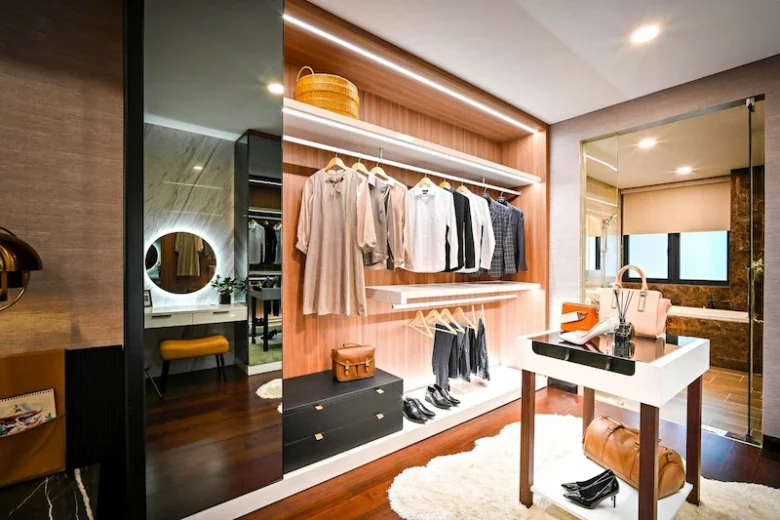
The goal is to create a seamless extension of the home’s overall design language, while also establishing it as a unique and special destination.
Materiality matters: Woods, metals, and glass in conversation
The choice of materials is the vocabulary of the design. Each material has its own character, its own way of interacting with light and touch, and the combination of these materials defines the personality of the space.
The current trend moves away from monolithic, single-material designs and towards a sophisticated layering of textures and finishes.
Dark woods like walnut or rift-cut oak bring a sense of warmth, history, and gravitas. They pair beautifully with warmer metals like brass or bronze, which can be used for hardware, trim, and lighting fixtures to add a touch of classic elegance.
Lighter woods, such as bleached ash or sycamore, create a brighter, more contemporary feel, especially when contrasted with the cool sleekness of stainless steel or polished nickel.
Glass plays a crucial role in balancing openness and enclosure. Clear glass doors allow for a full view of a collection, creating a true boutique feel, while fluted or smoked glass offers a sense of intrigue, hinting at what lies within without revealing everything at once.
The back panels of cabinetry can be lined with fabric, suede, or leather to add another layer of softness and luxury, absorbing sound and providing a beautiful backdrop for the items on display.
Bespoke solutions for the modern collector
The essence of a custom wardrobe lies in its ability to be perfectly tailored to the owner’s specific collection and lifestyle. A one-size-fits-all approach simply cannot accommodate the nuances of a curated life.
The journey of creating a true luxury closet design is one of deep collaboration between the owner and the designer, resulting in solutions that are both ingenious and deeply personal.
Some examples of these tailored solutions include:
- The jewelry island: A central island is often the centerpiece of the room. It can house a marble or quartzite top for laying out outfits, while its drawers are custom-fitted with velvet or microsuede-lined compartments for jewelry, sunglasses, and watches. A glass top can turn the uppermost drawer into a stunning display case.
- Integrated valet hooks: These small, retractable hooks are a simple but indispensable feature, providing a temporary place to hang the day’s outfit or items returning from the dry cleaner.
- Motorized wardrobe lifts: For spaces with high ceilings, motorized pull-down rods make upper-level storage easily accessible, maximizing vertical space without the need for a ladder.
- Dedicated handbag and shoe shelving: Handbags require specific shelf depths and vertical spacing to prevent crushing, often with integrated dividers. Shoe shelves should be angled for better visibility and can be designed with varying heights to accommodate everything from flats to tall boots.
- Hidden tech integration: The modern wardrobe is also a smart space. This can include integrated charging stations for devices, a hidden safe for valuables, a small beverage refrigerator, or even a seamlessly integrated television or sound system.
The role of technology in the evolving wardrobe
Technology is quietly transforming the functionality of personal wardrobes. Beyond the convenience of motorized components and integrated charging, new innovations are focused on collection management and enhancing the user experience.
Some high-end systems now incorporate digital wardrobe management. Using a dedicated app, you can catalog every item in your collection, create lookbooks, and plan outfits. This technology can even suggest pairings you may not have considered or remind you of pieces you haven’t worn in a while.
Lighting technology has also become incredibly sophisticated. Tunable LED systems allow you to adjust the color temperature of the light to mimic different environments—from the cool light of an office to the warm glow of a restaurant—so you can see exactly how an outfit will look in its intended setting.
The integration of sensors can automate the lighting, so the space illuminates gently as you enter. These technological advancements are not about gimmickry; they are about creating a more intuitive, responsive, and supportive environment that simplifies and enriches the daily ritual of dressing.
The art of curation: A mindful approach to fashion
A beautifully designed wardrobe is only half of the equation. The other half is the collection that resides within it. The principles of good design—balance, harmony, and intention—should extend to the garments themselves.
This is the art of curation: a mindful, ongoing process of editing, organizing, and caring for your collection. It’s a shift away from mindless consumerism and towards a more conscious and sustainable relationship with fashion.
It’s about building a collection of pieces that you truly love, that fit you perfectly, and that reflect your authentic self.
Editing your collection: The “less but better” ethos
The concept of “less but better,” famously articulated by industrial designer Dieter Rams, is profoundly applicable to the modern wardrobe.
A curated collection is not about having an endless supply of options; it’s about having the right options. The process of editing is a clarifying one.
It involves honestly assessing each item and asking critical questions: Does this fit my current lifestyle? Do I feel confident when I wear it? Is it of a quality that will last?
This editing process is not a one-time purge but a regular practice. A seasonal review of your collection allows you to identify what is no longer serving you, what needs repair, and what gaps might exist.
This disciplined approach prevents the accumulation of clutter and ensures that your wardrobe remains a space of clarity and inspiration, not a source of overwhelming choice.
It fosters an appreciation for craftsmanship and quality over quantity, leading to more thoughtful purchasing decisions in the future. This philosophy transforms the act of shopping from a reactive habit to a proactive, intentional act of collection-building.
Display as design: Treating garments as art
Once a collection has been thoughtfully edited, the way it is displayed becomes a key element of the room’s design. Instead of cramming items together, a curated approach gives each piece room to breathe.
This not only makes it easier to see what you have but also elevates the perceived value of each item. It’s the difference between a crowded rack at a discount store and a beautifully merchandised display in a high-end boutique.
Consider these principles for artful display:
- Color grouping: Organizing by color creates a powerful visual impact and a sense of harmony. It’s aesthetically pleasing and makes it incredibly easy to build outfits. A gradient of color along a hanging rod can be a stunning design feature in itself.
- Strategic folding: Not everything needs to be hung. Knitwear, in particular, should be folded to prevent stretching. A perfect, uniform stack of cashmere sweaters on an open shelf becomes a soft, textural sculpture.
- The hero piece: Don’t be afraid to single out a particularly special item—a stunning evening gown, a unique jacket—and give it a place of honor. Display it on a mannequin form or in a dedicated, spot-lit niche, treating it as the piece of art it is.
- Uniform hangers: This is a small detail with a massive impact. Using identical, high-quality hangers (wood or slim velvet, for example) instantly eliminates visual clutter and creates a clean, cohesive look.
Sustainability in the sanctuary: Conscious choices
The personal wardrobe can also be a space for practicing sustainability. A conscious approach to fashion extends beyond the initial purchase.
It involves proper care to extend the life of your garments, a commitment to repair rather than replace, and a thoughtful approach to what happens to items when they are no longer wanted.
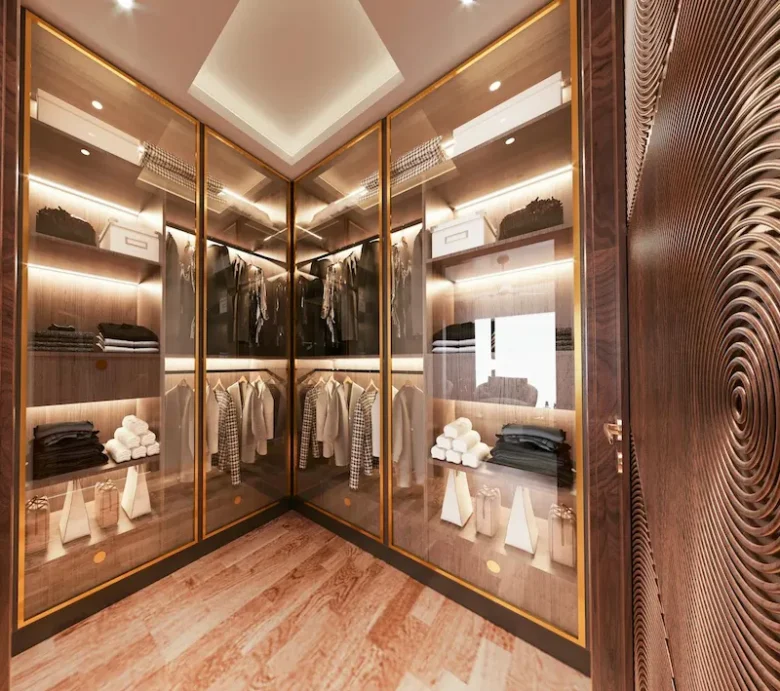
A well-designed space can support these practices. Integrating a dedicated station for clothing care—with a steamer, a valet stand for airing out clothes, and tools for minor repairs—encourages a more hands-on relationship with your collection.
Having a designated area for items to be donated or consigned makes the editing process more streamlined and responsible.
This mindset reinforces the idea of the wardrobe as a circular ecosystem, where items are cherished, cared for, and passed on with intention. It’s a powerful statement that luxury and responsibility can, and should, go hand in hand.
Case studies in personal expression: Learning from the masters
The true beauty of a bespoke wardrobe lies in its infinite capacity for personalization. There is no single “correct” design. The most successful spaces are those that are an authentic reflection of their owner’s personality, passions, and way of life.
By examining a few distinct archetypes, we can see how the principles of design, materiality, and curation come together to create truly unique and inspiring environments.
The minimalist’s haven: A study in restraint
For the minimalist, the wardrobe is a space of ultimate calm and clarity. The design philosophy is one of reduction, where every element has a purpose and there is no room for excess.
The color palette is typically neutral and monochromatic—think soft whites, warm grays, and natural wood tones. Materials are chosen for their purity and texture: smooth, handle-less cabinetry that opens with a touch; cool, solid surfaces like concrete or terrazzo; and perhaps a single, perfectly crafted leather bench.
The lighting is soft and indirect, often concealed within architectural coves or behind translucent panels, creating a serene glow. Storage is almost entirely concealed, promoting a sense of order and tranquility.
The collection itself is rigorously edited down to high-quality, versatile essentials. Each piece is given ample space, hung with precision, reinforcing the “less but better” ethos.
The minimalist’s wardrobe is not about emptiness; it’s about the intentional celebration of space and the quiet confidence that comes from knowing that everything you own is essential and beautiful.
As we often explore at Neomania Magazine, this approach is a form of intentional living manifested in physical form.
The maximalist’s stage: A celebration of abundance
In direct contrast, the maximalist’s wardrobe is a vibrant, expressive stage for a life lived out loud. It is a space that celebrates color, pattern, and the joy of collecting. The design is bold and layered, embracing a rich mix of materials and finishes.
Think lacquered cabinetry in a deep jewel tone, wallpaper with a dramatic print, and a plush, patterned rug underfoot. Metals are polished and prominent, and a statement chandelier might serve as the room’s glittering centerpiece.
Her high-end walk-in closet is less a storage area and more a dynamic stage for a vast and eclectic collection. Open shelving and glass-fronted cabinets are used extensively to display a kaleidoscope of designer handbags, colorful shoes, and statement jewelry.
The organization might be more intuitive than rigid, grouped by mood or memory rather than strict category. This space is a testament to the belief that more is more, and it is designed to energize and inspire.
It is a deeply personal and theatrical world, a treasure box where every object tells a story and contributes to a rich, unfolding narrative of a bold and creative life.
The collector’s archive: Preserving wearable history
For the individual who views fashion as a form of cultural artifact—the collector of vintage couture, rare sneakers, or historical garments—the wardrobe takes on the characteristics of a private museum or archive.
The primary design driver here is preservation. Climate and humidity control systems are essential to protect delicate fabrics.
UV-filtering films may be applied to any windows, and lighting is carefully chosen to be museum-grade, preventing color degradation.
The materials are classic and timeless: dark, rich woods like mahogany or cedar, which has natural moth-repelling properties. Cabinetry might feature archival-quality details, with drawers lined in acid-free materials.
The display is meticulous and respectful. Garments may be stored in breathable bags, and particularly important pieces might be housed in humidity-controlled glass cases.
There is a scholarly reverence to the space. It is a quiet, controlled environment designed not just for dressing, but for study and appreciation.
It is a sanctuary dedicated to the art and history of fashion, a library of wearable culture that honors the craftsmanship and legacy of the pieces within.
The journey of creating a personal wardrobe, from a conceptual vision to a lived-in reality, is a powerful exercise in self-discovery.
It’s an opportunity to define your aesthetic, honor your personal history, and build a sanctuary that supports your daily life.
The result is a space that offers more than just organization; it provides a sense of peace, a spark of inspiration, and a deep connection to the story of you.
The narratives we explore here are the kind that challenge convention and celebrate the art of living with intention. For more stories that delve into the soul of design, art, and personal expression, we invite you to explore a subscription to Neomania Magazine, and join a community that looks beyond the surface to find the meaning within.